L'Officine occupies a corner of the 11th arrondissement's Rue Jean-Pierre Timbaud, a street that has become one of Paris's most closely watched dining corridors over the past decade. The address places it in a neighbourhood where independent operators have consistently outpaced the grand boulevard establishments for editorial attention. For visitors tracking the quieter end of the Paris dining scene, this is a reliable reference point.
Pearl is the En Primeur Club membership app — saves, bookings, and concierge access live there. Same editors, same standards.
- Address
- 22 Rue Jean-Pierre Timbaud, 75011 Paris, France
- Phone
- +33155287598
- Website
- officine-restaurant.com
- Directions
- Get directions
 Saves & bookings on Pearl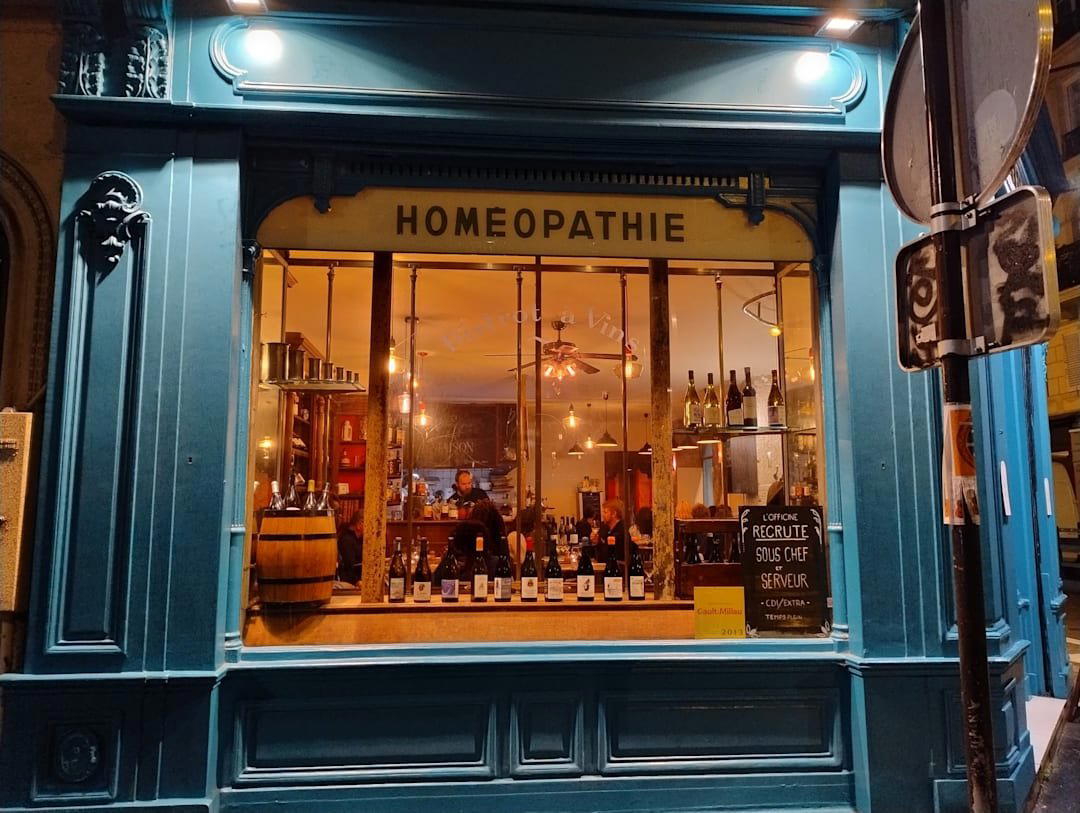
The 11th's Quiet Ambition: A Street That Redefined the Paris Dining Map
Rue Jean-Pierre Timbaud runs through the Oberkampf quarter of the 11th arrondissement, a stretch of eastern Paris that spent most of the 20th century well outside any serious restaurant conversation. That changed as independent operators began choosing it precisely because it wasn't the 6th, wasn't Saint-Germain, and carried none of the institutional overhead that comes with those postcodes. By the early 2010s, the street and its immediate surrounds had accumulated enough interesting addresses to constitute a genuine dining corridor, the kind of place where local critics check in regularly rather than just for anniversary reviews. It belongs to that generation of addresses: a room chosen for what the neighbourhood represents as much as for what the kitchen does.
Paris dining has always stratified along clear lines: the grand maisons in the 8th and 16th, the bistrot tradition in the 5th and 11th, and a newer tier of technically serious but deliberately informal addresses that have emerged in the eastern arrondissements over the past fifteen years. The comparison set for L'Officine is not Le Cinq at the Four Seasons George V or L'Ambroisie on the Place des Vosges, rooms defined by gilding, ceremony, and four-figure wine lists. It is also not the register of Alléno Paris au Pavillon Ledoyen or Arpège, where tasting menus run to multiple hours and the kitchen's intellectual agenda is the explicit point. L'Officine sits in a different tier: the serious neighbourhood restaurant that earns its reputation through consistency and setting.
The Physical Container: Space as Editorial Statement
The name itself carries meaning. Officine in French denotes a pharmacy's back room, the working space where compounds are mixed, measured, and prepared away from public view. As a name for a restaurant, it signals something deliberate about the relationship between craft and visibility: work happens here, and the room reflects that. The address on Rue Jean-Pierre Timbaud places L'Officine in a building stock typical of 19th-century Parisian haussmannisation at its less ornate edge, the kind of stone and timber construction that survives because nobody ever had reason to tear it down, not because anyone listed it.
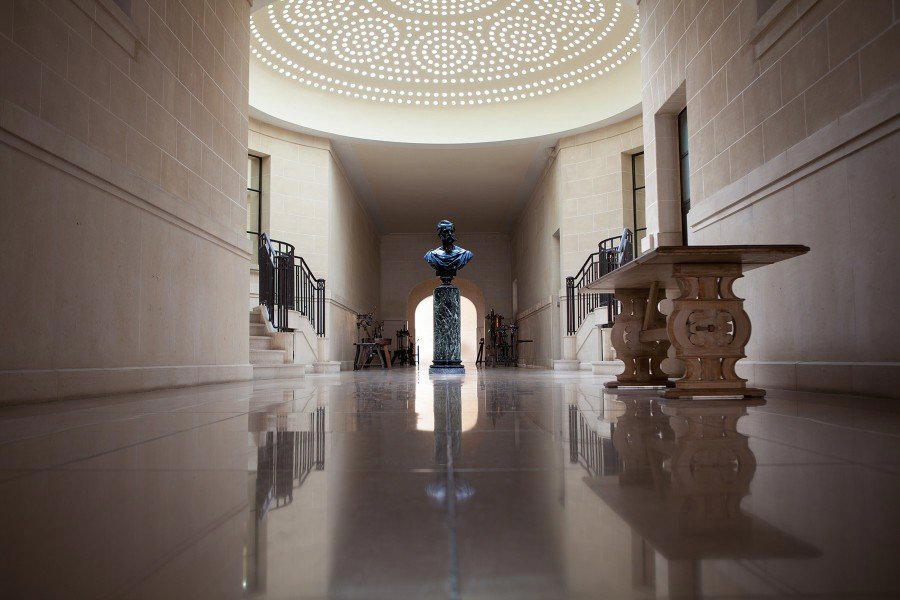
In the eastern arrondissements, interior architecture tends toward the honest rather than the theatrical. Where the grand boulevard restaurants of the 8th deploy marble, chandeliers, and spatial excess as a form of authority, the better 11th arrondissement rooms have learned to read restraint as sophistication. The room that works well in this neighbourhood is one that doesn't compete with its surroundings but frames them: banquettes that settle rather than perch, lighting that reads warm rather than flattering, surfaces that show use. The address and name together make a coherent spatial argument before a single dish arrives. This is a room designed to feel inhabited, not performed.
Across France's most-discussed restaurants, the physical container increasingly functions as a position statement. Bras in Laguiole uses panoramic glass to place the Aubrac plateau inside the dining room. Flocons de Sel in Megève operates within an Alpine material vocabulary that would read as incongruous anywhere else. Mirazur in Menton organises its entire spatial logic around a terraced view of the Mediterranean. In each case, the room tells you where you are before the menu does. The restaurant makes that argument at neighbourhood scale: the room says 11th arrondissement, eastern Paris, working city rather than tourist Paris.
Oberkampf in Context: What the Neighbourhood Means for the Table
The 11th arrondissement's dining character has been shaped by a specific tension: it is genuinely residential in a way that the 6th and 8th are not, which means restaurants here answer to regulars more than to seasonal tourist flows. That accountability tends to produce cooking that values consistency over spectacle, menus that can be ordered twice a month without wearing out, wine lists that reward exploration rather than prestige label recognition, and service that recognises returning faces. These are the conditions under which neighbourhood restaurants develop the kind of quiet authority that doesn't always translate into guidebook recognition but does translate into full rooms on Tuesday nights.
The parallel track in French regional dining shows the same dynamic operating at different scales. Auberge de l'Ill in Illhaeusern and Auberge du Vieux Puits in Fontjoncouse both built multi-decade reputations by serving their immediate communities consistently before broader recognition followed. The Oberkampf quarter operates under the same logic compressed into a Paris arrondissement: credibility is built quarter by quarter, not launch by launch. For visitors arriving from outside the city, that means the restaurant is the kind of address that rewards a longer Paris stay, one where you've already done the first-night splurge at a grand maison and are now looking for what the city actually eats.
Comparative reference points across France include Troisgros in Ouches, Assiette Champenoise in Reims, and Au Crocodile in Strasbourg, all of them examples of how French dining authority accumulates outside the capital. And for a sense of how French kitchen sensibility travels internationally, Le Bernardin in New York and Kei in Paris both demonstrate what happens when French technique meets sustained editorial scrutiny in competitive urban markets. AM par Alexandre Mazzia in Marseille and Paul Bocuse's Auberge du Pont de Collonges complete the picture of how France's restaurant conversation operates simultaneously at metropolitan and regional registers. Atomix in New York is a useful international comparison for how a neighbourhood-level serious restaurant can accumulate the kind of attention normally reserved for grander formats.
Planning Your Visit
Address: 22 Rue Jean-Pierre Timbaud, 75011 Paris. Dress: smart casual.
Fast Comparison
Comparable venues nearby, for context on price, style, and recognition.
| Venue | Cuisine | Price | Notes |
|---|---|---|---|
| L'OfficineThis venue — the venue you are viewing | Traditional French Bistro | $$$ | Not listed |
| Bien Élevé | French Steakhouse with Aged Meats | $$$ | 9th Arr. |
| A Casaluna | Modern Corsican | $$$ | Palais-Royal |
| Place de l'Odéon | Traditional French Bistro | $$$ | Odéon |
| L'Auberge du Roi Gradlon | Breton French Bistro | $$$ | Gobelins |
| La Belle Maison | Classic French Bistro | $$$ | Montmartre |
Continue exploring
More in Paris
Restaurants in Paris
Browse all →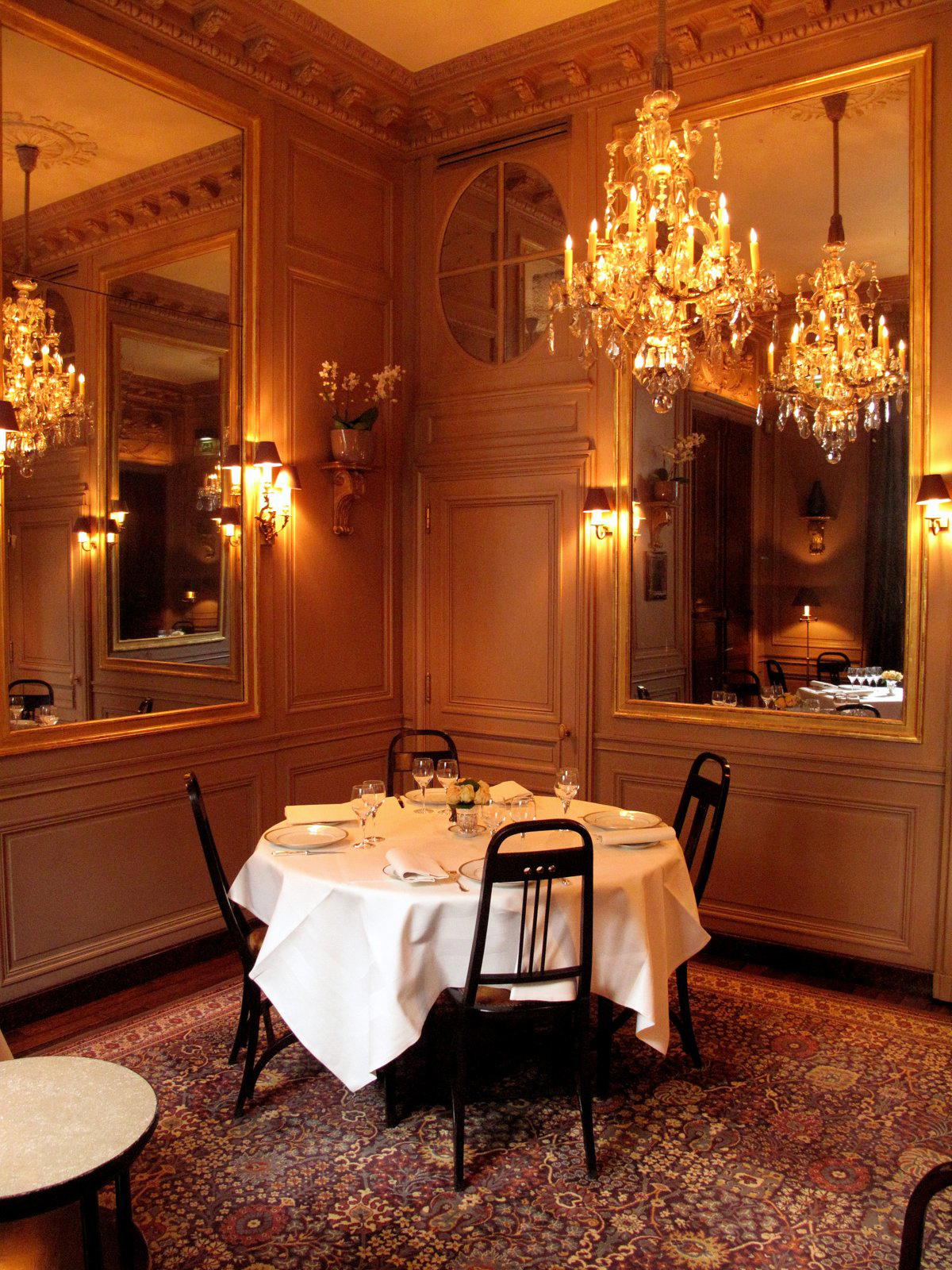
Bars in Paris
Browse all →
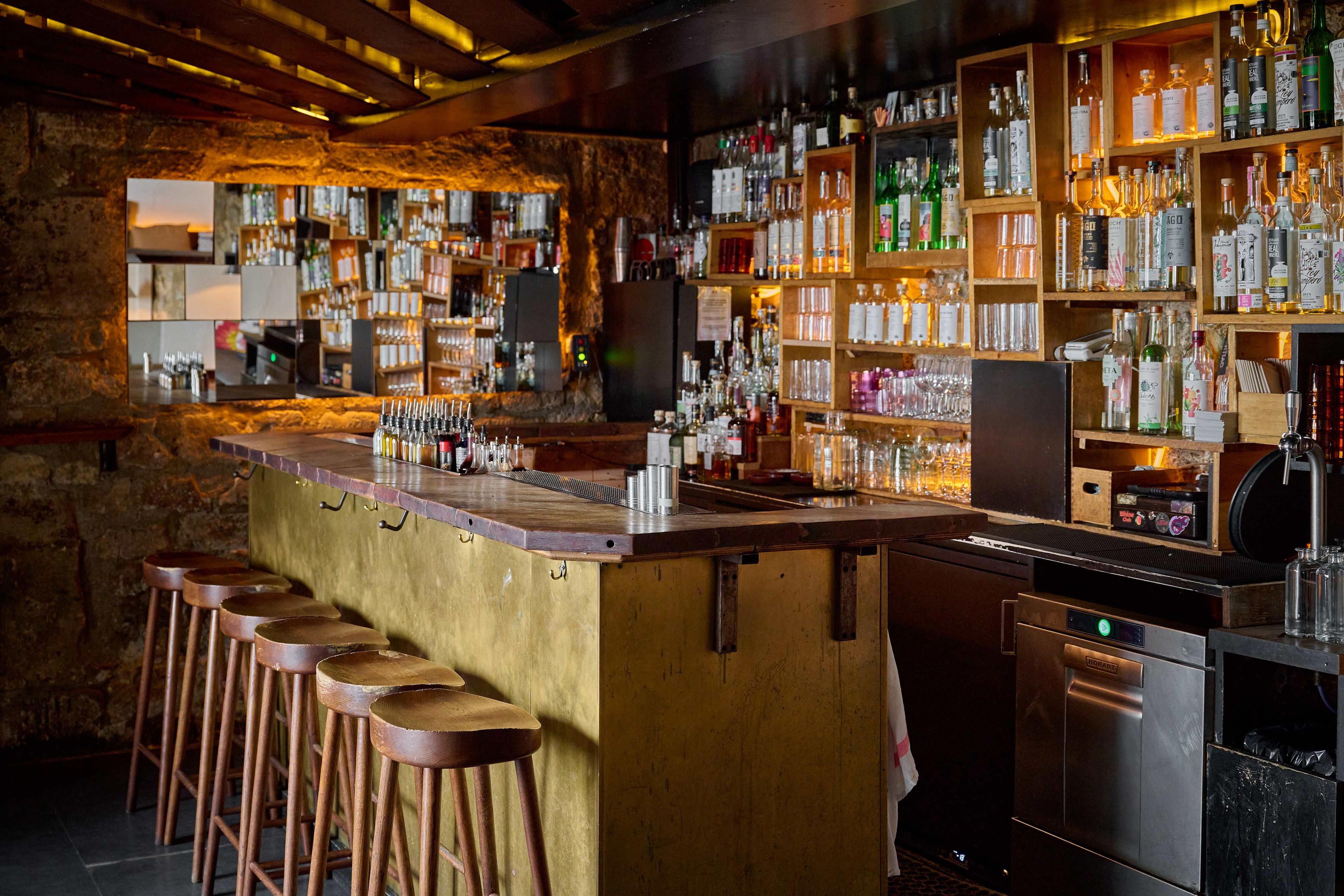
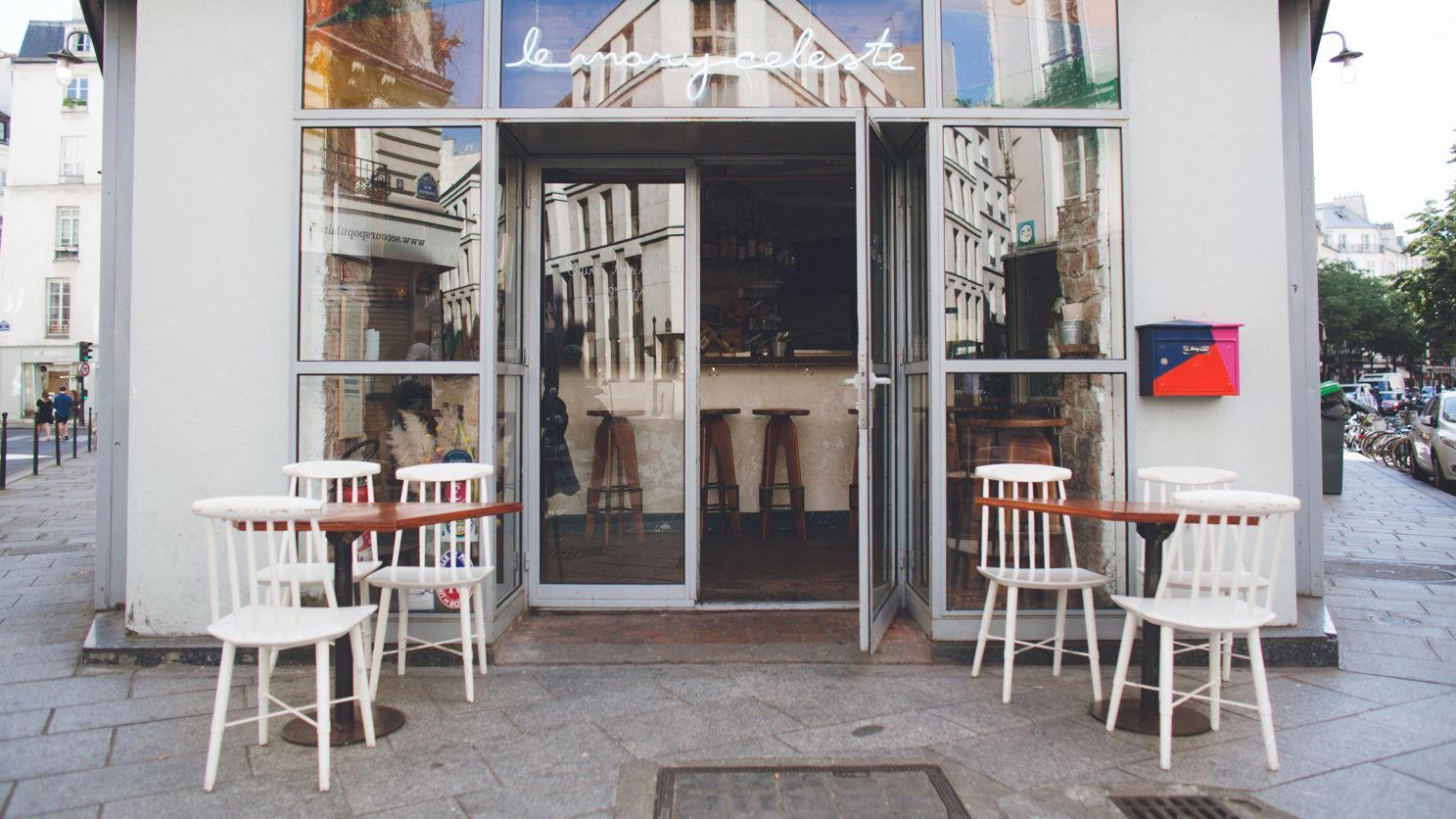
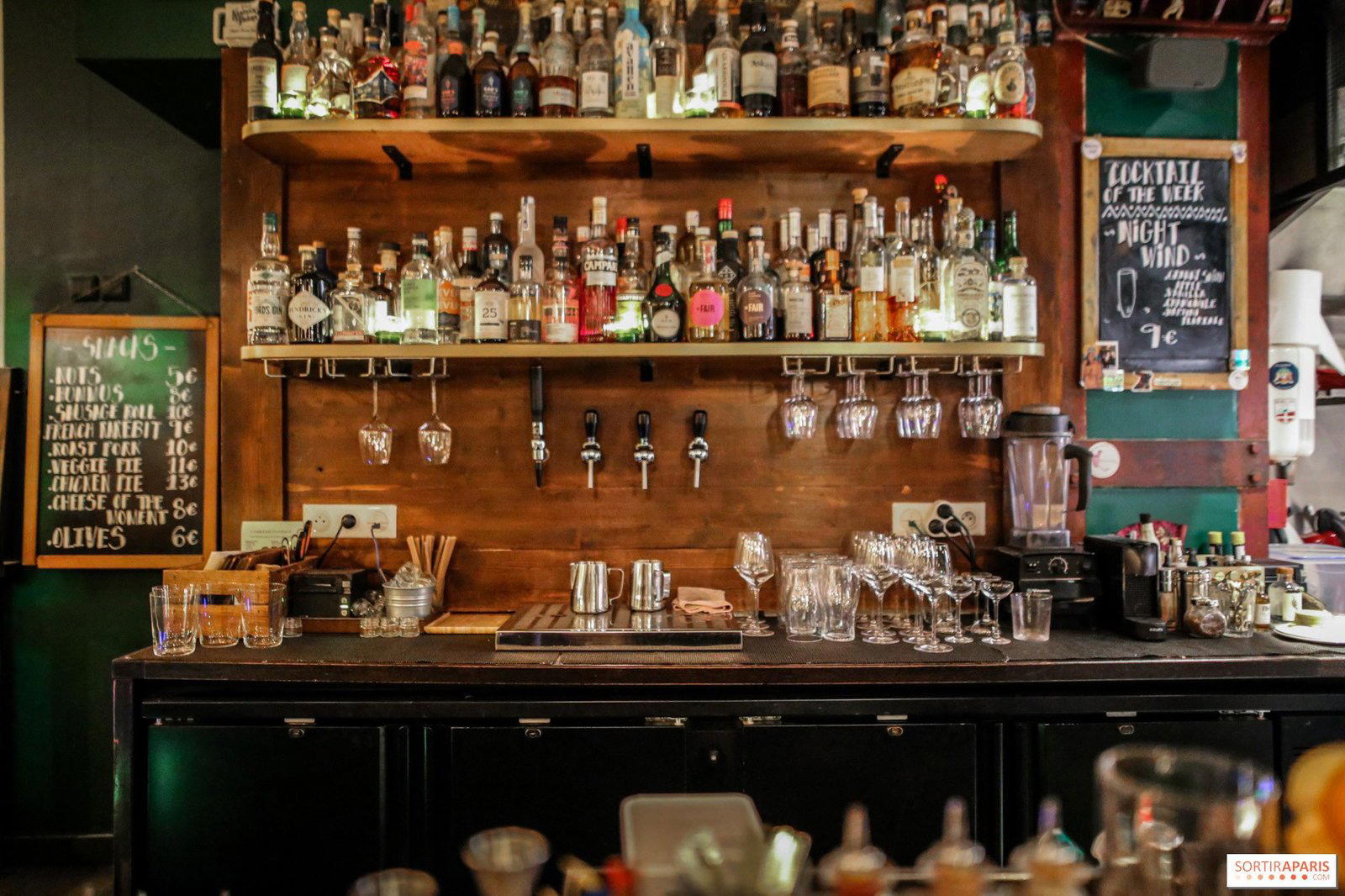
Hotels in Paris
Browse all →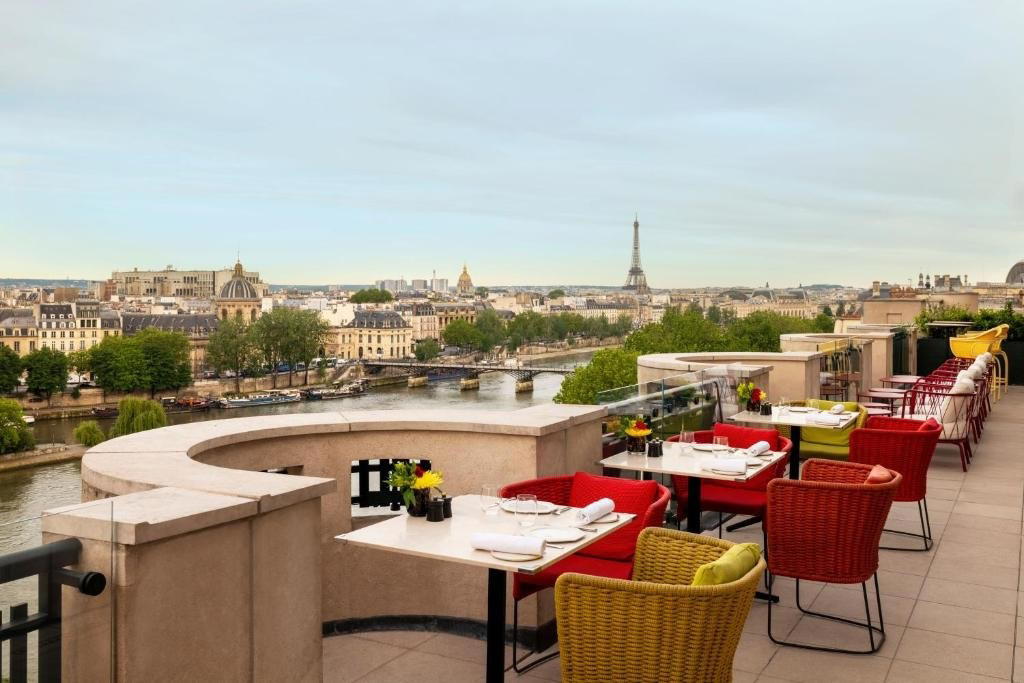



At a Glance
- Cozy
- Intimate
- Classic
- Date Night
- Special Occasion
- Historic Building
- Extensive Wine List
- Local Sourcing
Current opening hours
- Monday
- 12–2 PM, 7–11 PM
- Tuesday
- 12–2 PM, 7–11 PM
- Wednesday
- 12–2 PM, 7–11 PM
- Thursday
- 12–2 PM, 7–11 PM
- Friday
- 12–2 PM, 7–11:30 PM
- Saturday
- 7–11:30 PM
- Sunday
- Closed
Hours can change for holidays and private events. Last verified .
Warm, intimate interior with old-fashioned charm, woodwork, and inviting bistro atmosphere.