On Rue Lepic in Montmartre, La Belle Maison occupies a stretch of Paris where neighbourhood life and serious eating have coexisted for generations. The address at number 88 places it within walking distance of the hill's market traders and café regulars, a location that shapes what kind of room this is and who keeps coming back. For visitors, it offers a way into a Paris dining register that sits well outside the grand-boulevard circuit.
Pearl is the En Primeur Club membership app — saves, bookings, and concierge access live there. Same editors, same standards.
- Address
- 88 Rue Lepic, 75018 Paris, France
- Phone
- +33142580066
- Website
- labellemaisonparis.com
- Directions
- Get directions
 Saves & bookings on Pearl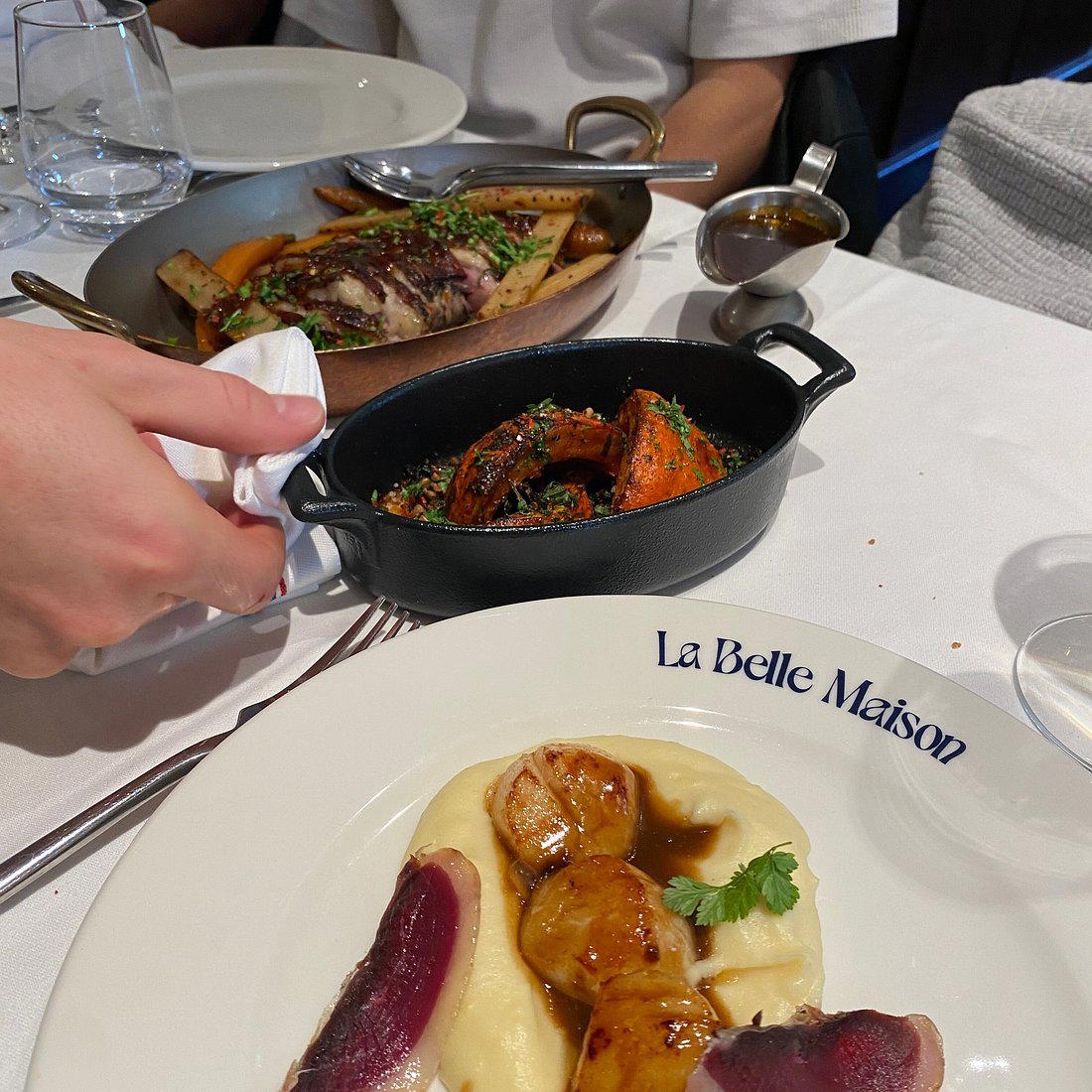
Rue Lepic and the Montmartre Dining Register
Montmartre's eating culture has always operated on different terms from the city's formal dining belts. The 18th arrondissement draws a clientele that is partly local, partly knowing visitor, and almost entirely resistant to the choreographed service grammar that defines tables in the 8th or around Saint-Germain. Rue Lepic in particular runs through the working texture of the hill: market stalls, wine bars, neighbourhood brasseries where the same faces appear on Tuesday evenings as on Saturday lunchtimes. La Belle Maison, a Classic French Bistro at 88 Rue Lepic in Paris, sits inside that pattern rather than apart from it.
That positioning matters more than it might first appear. Paris's premium restaurant circuit, represented by addresses like Alléno Paris au Pavillon Ledoyen, Arpège, and Le Cinq at the Four Seasons George V, operates at €€€€ pricing and demands a level of occasion-dressing, both literal and psychological, that not every evening calls for. The Montmartre neighbourhood model is structurally different: proximity to residents, repeat-visit economics, and a room culture where being a regular carries social weight. La Belle Maison reads as part of that tradition.
What Regulars Return For
In neighbourhood dining across Paris, the regulars are one reliable editorial source available. They are not there for novelty or for a single marquee booking. They return because the rhythm of the room, the consistency of what arrives at the table, and the relationship with the space itself adds up to something that a first visit cannot fully capture. At addresses like La Belle Maison, the unwritten menu, the knowledge of what to order and when, what the kitchen does well on which nights, is held by the people who have eaten there across seasons rather than once for a special occasion.
This is a dining register that France's broader restaurant tradition has always protected. Institutions like Auberge de l'Ill in Illhaeusern and Troisgros in Ouches have each, in their different ways, built their reputations over decades of returning clientele rather than annual new discovery. The same logic applies at the neighbourhood scale, where the table that someone reserves every few weeks is a more credible signal than any single media mention.
For a visitor arriving on Rue Lepic for the first time, the practical implication is to pay attention to what the room signals rather than what any checklist suggests. Which tables are occupied by people who arrived without consulting a phone? What are they drinking? The answers to those questions tend to be more useful than a formal description of the offer.
The Montmartre Context: Why This Address Reads the Way It Does
The 18th arrondissement has seen sustained gentrification pressure over the past fifteen years, and Rue Lepic has not been immune. Wine bars and natural-wine-adjacent bistros have opened alongside older establishment brasseries, creating a stretch of eating and drinking options that spans several price points and several generations of Parisian food culture. That layering means a single street can hold both a decades-old neighbourhood institution and a three-year-old address drawing a younger, more wine-focused crowd.
The restaurant at number 88 occupies a position on that street that visitors can use as a reference point for understanding how Montmartre eats now, as distinct from how it ate twenty years ago or how the city's grand dining rooms eat today. The contrast with addresses operating in the contemporary French register, places like Kei or L'Ambroisie, is partly one of formality and partly one of intention. The neighbourhood table is not a lesser version of the grand table; it is a different category of experience with its own set of reference points.
France's provincial dining circuit reinforces this point. Addresses like Bras in Laguiole, Flocons de Sel in Megève, and Auberge du Vieux Puits in Fontjoncouse each demonstrate that serious French cooking does not require a Paris address or a formal grand-salle setting. The neighbourhood register, whether in the 18th arrondissement or in a village in the Auvergne, carries its own form of authority.
For visitors building a wider Paris itinerary around serious eating, the wider scene, including AM par Alexandre Mazzia in Marseille, Assiette Champenoise in Reims, Au Crocodile in Strasbourg, and Paul Bocuse outside Lyon, provides useful context for understanding where neighbourhood Paris dining sits within the national spectrum. For a transatlantic comparison, Le Bernardin and Atomix in New York City and Mirazur in Menton each represent endpoints of the formal-to-neighbourhood spectrum worth understanding before calibrating expectations for a Montmartre address.Reputation Context
Comparable venues nearby, for context on price, style, and recognition.
| Venue | Cuisine | Price | Notes |
|---|---|---|---|
| La Belle MaisonThis venue — the venue you are viewing | Classic French Bistro | $$$ | Not listed |
| Esens'all | Organic French Fine Dining | $$$ | Batignolles-Monceau |
| Angelina | Classic French Patisserie & Tea Room | $$$ | 1st arrondissement |
| La Société | French Brasserie | $$$ | Saint-Germain-des-Prés |
| MOJO | Contemporary French | $$$ | Paris 17 |
| Jones | Modern French-Italian Bistro | $$$ | 11th Arr. |





At a Glance
- Classic
- Elegant
- Lively
- Well Known
- Date Night
- Business Dinner
- Group Dining
- Special Occasion
- Historic Building
- Standalone
- Extensive Wine List
Current opening hours
- Monday
- 12–2:15 PM, 7–10:15 PM
- Tuesday
- Closed
- Wednesday
- 12–2:15 PM, 7–10:15 PM
- Thursday
- 12–2:15 PM, 7–10:15 PM
- Friday
- 12–2:15 PM, 7–10:15 PM
- Saturday
- 12–2:15 PM, 7–10:15 PM
- Sunday
- 12–2:15 PM, 7–10:15 PM
Hours can change for holidays and private events. Last verified .
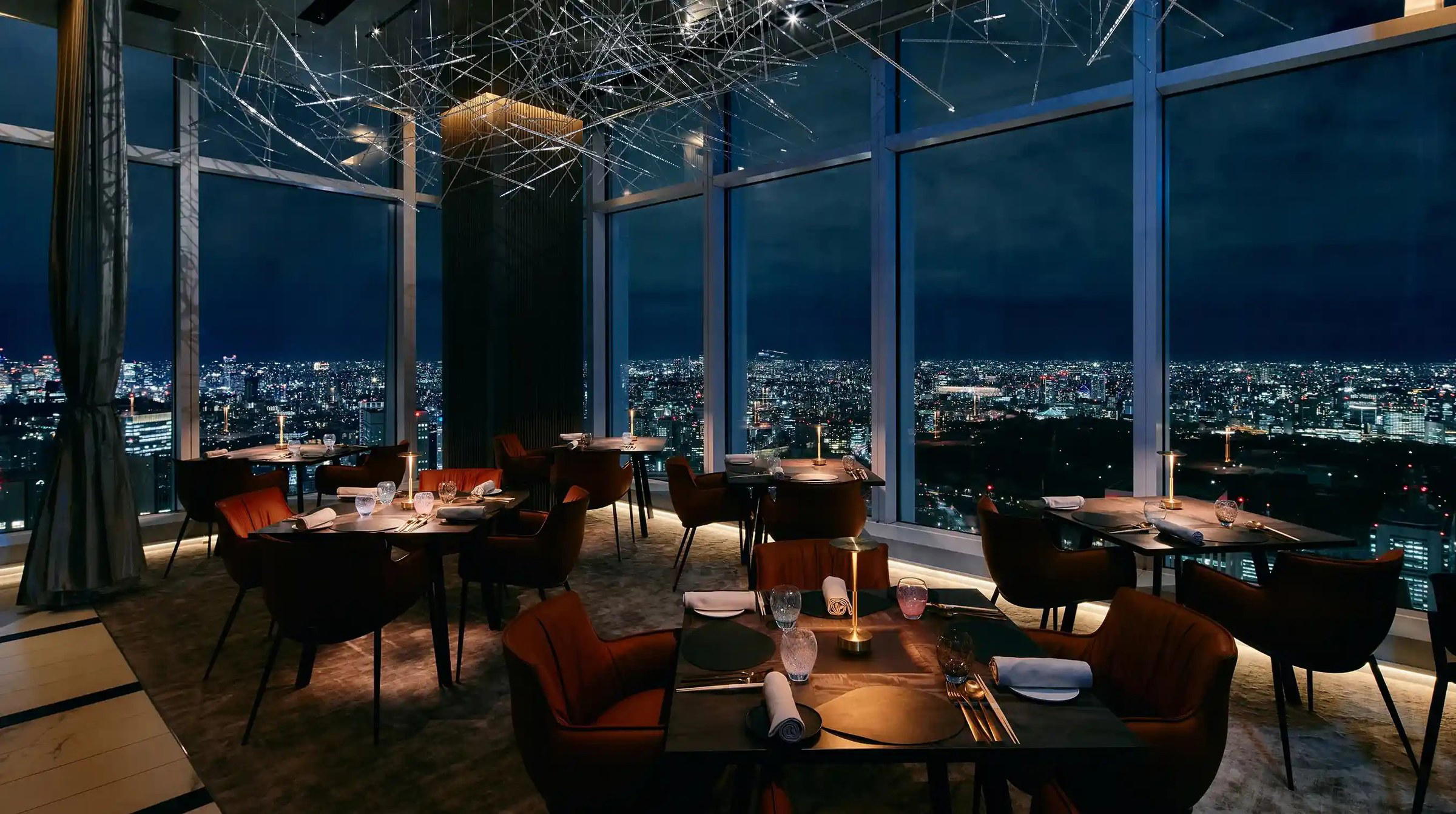
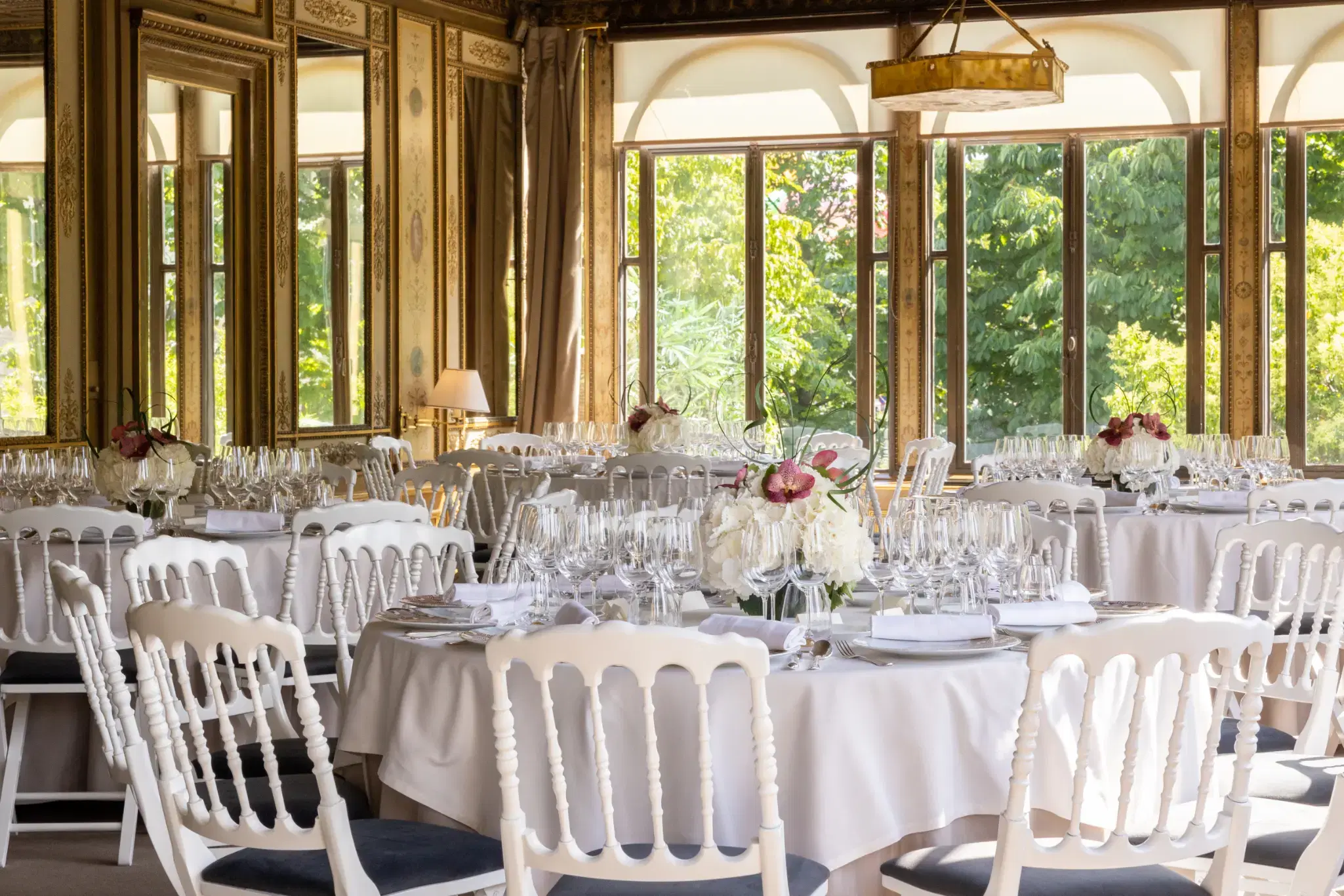
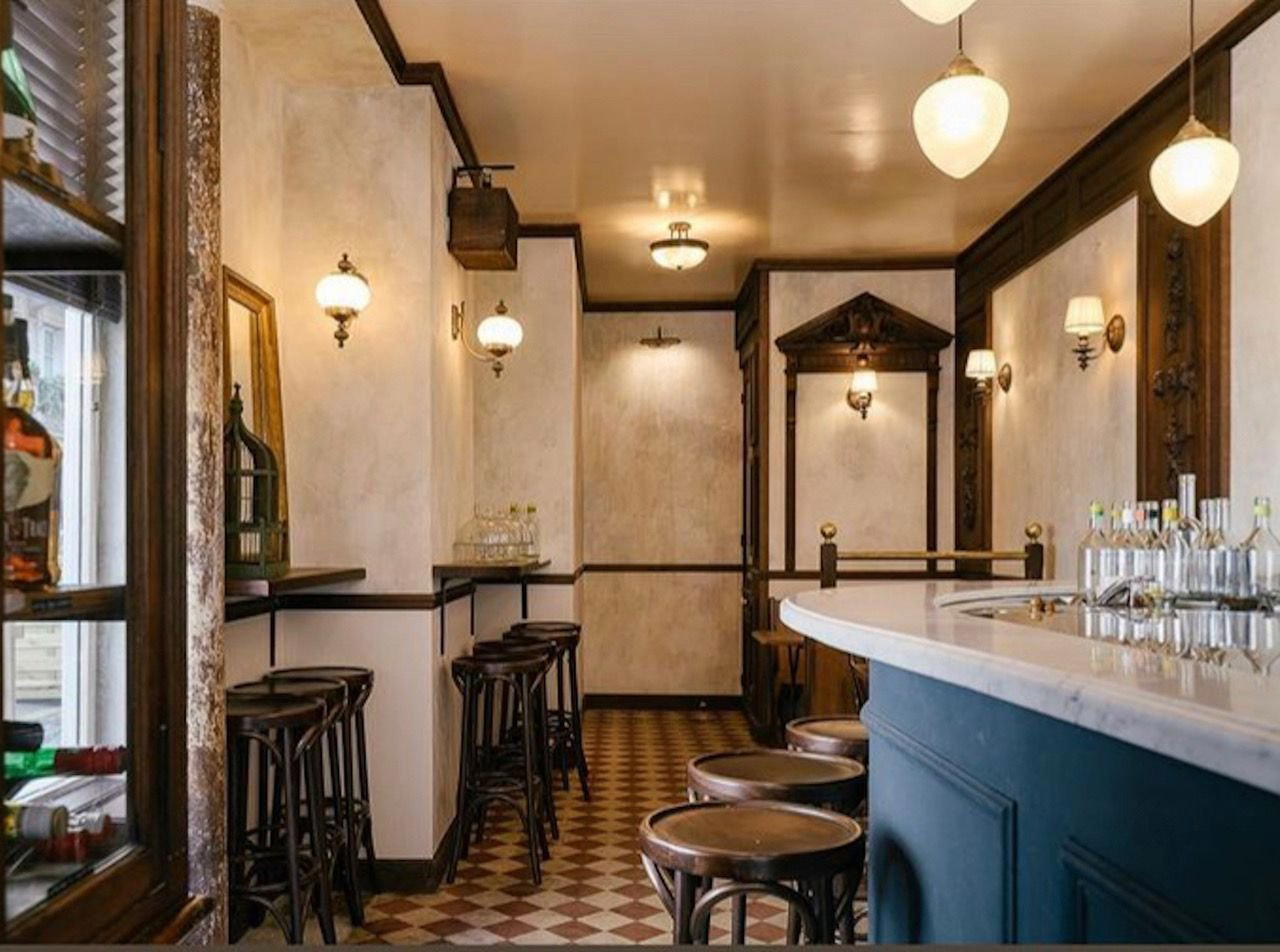
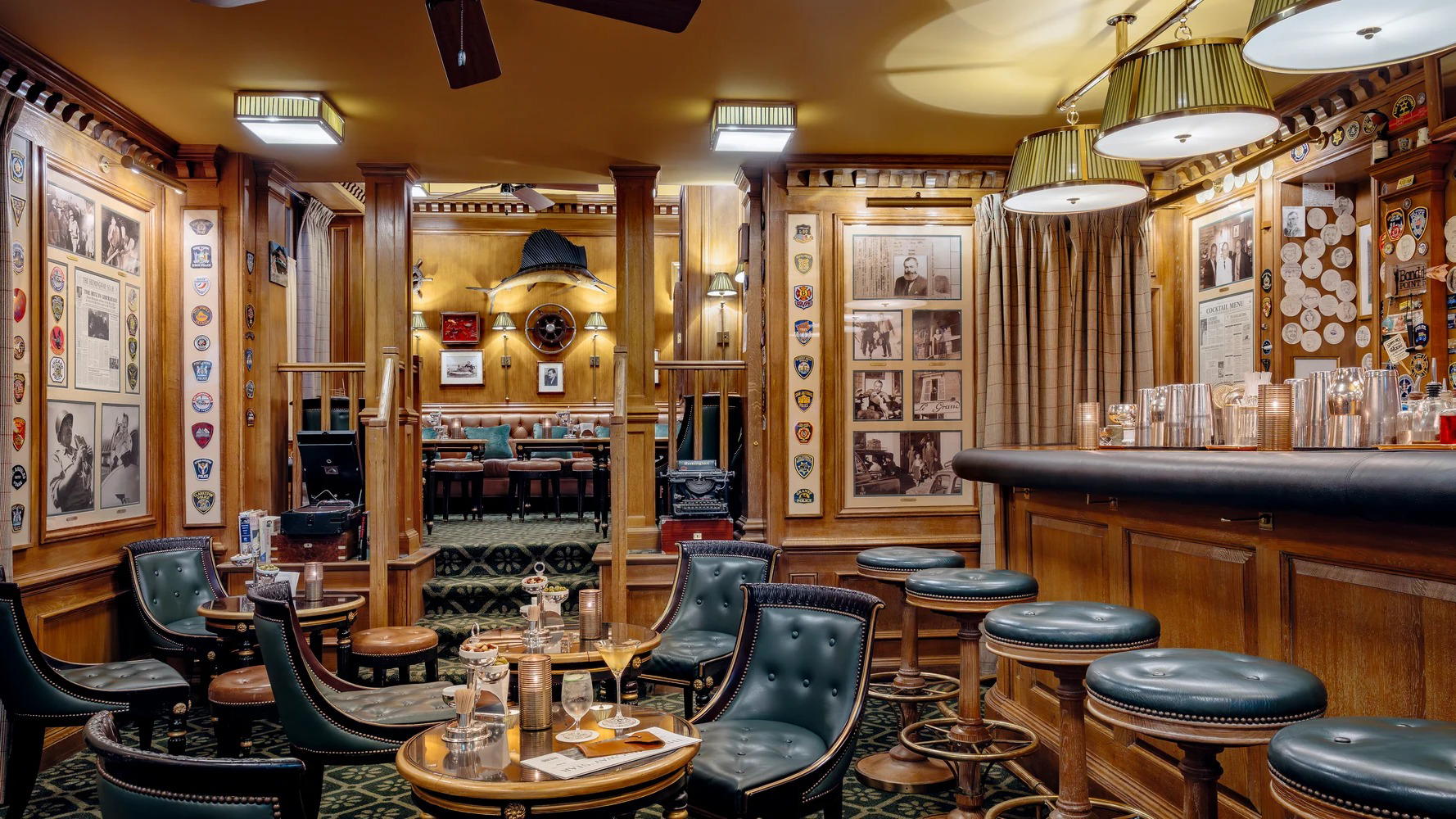
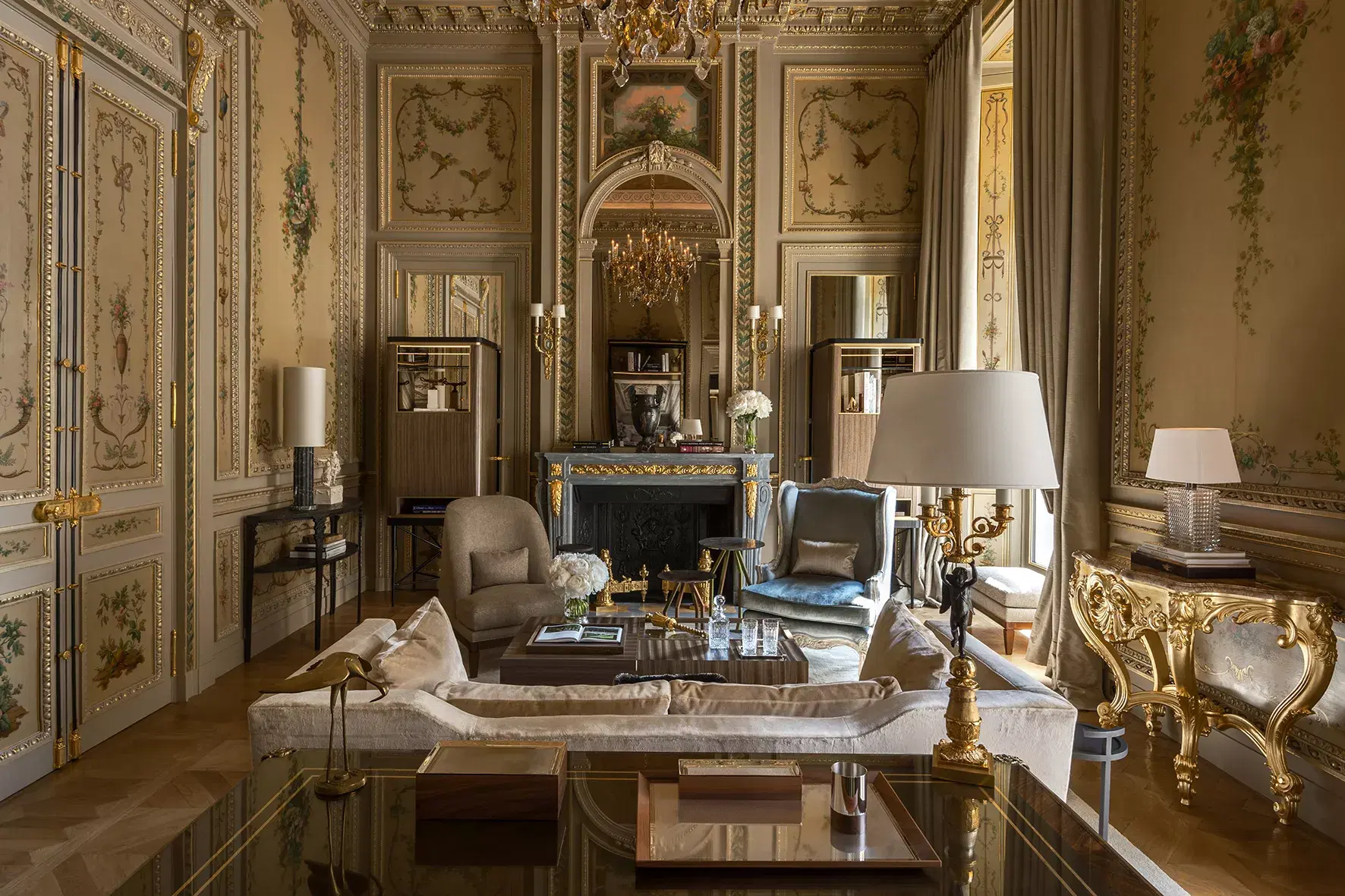
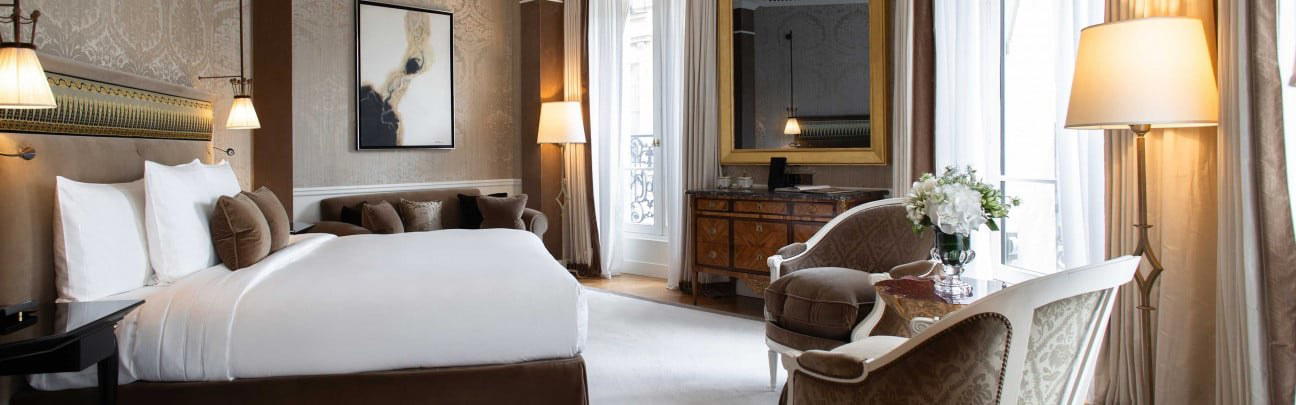
Warm and festive with period charm: oak and zinc counter, molded ceilings, bistro furniture, white napkins, crystal glassware, and silver cutlery evoke the golden age of Parisian dining.