Caramellow Cafe
Mahidol Road and the Cafe Culture Spreading South of the Old City The stretch of Mahidol Road running through Pa Daet sub-district sits at a remove from the temple-dense core of Chiang Mai's Old City, which has quietly made it one of the more...
Pearl is the En Primeur Club membership app — saves, bookings, and concierge access live there. Same editors, same standards.
- Address
- Caramellow, 223 Mahidol Rd, Pa Daet Sub-district, Mueang Chiang Mai District, Chiang Mai 50100, Thailand
- Phone
- +6653284114
- Directions
- Get directions
 Saves & bookings on Pearl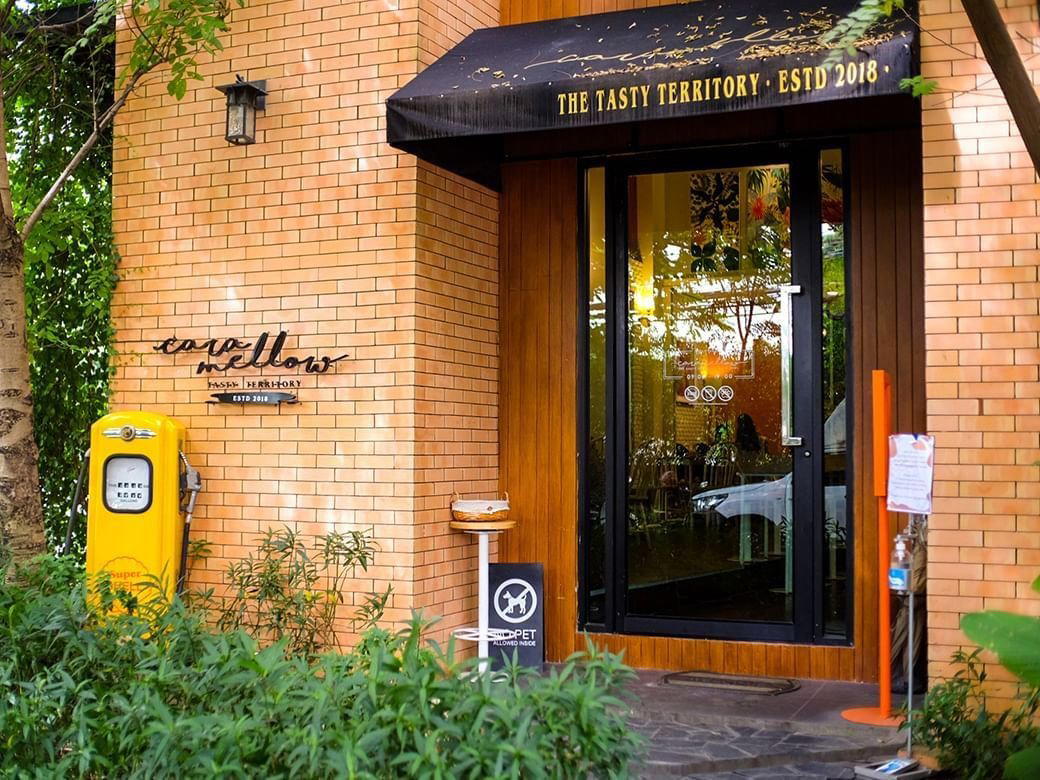
Mahidol Road and the Cafe Culture Spreading South of the Old City
The stretch of Mahidol Road running through Pa Daet sub-district sits south of the Old City core, in a part of Chiang Mai known for everyday neighborhood cafes. This part of Mueang Chiang Mai developed its cafe density later than the Nimman Road cluster, and the venues that have taken root here tend to serve a more local, neighbourhood-anchored clientele rather than the tourist-facing foot traffic of the moat area. Caramellow Cafe, at 223 Mahidol Road, fits that local setting.
Chiang Mai's cafe culture has become among the more discussed in mainland Southeast Asia over the past decade. The city sits at the convergence of Thai highland coffee-growing traditions, the arabica plantations of Doi Inthanon and Doi Chang are within a few hours' drive, and a large, design-attentive local population with high baseline expectations for both the product and the environment. That combination has produced a cafe scene markedly different from Bangkok's, where international brand expansion tends to set the tone. Here, independent operators with specific concepts dominate. Caramellow Cafe positions within that independent tier, on a road that connects the airport corridor to the city's commercial centre.
What the Caramellow Name Signals About Format
Names matter in Chiang Mai's cafe circuit. The word "caramellow" points toward a particular aesthetic register: warm tones, dessert-adjacent beverages, and a format that blends coffee service with baked goods or confectionery. This pattern is well-established across the city's mid-range cafe tier, where operators have found that pairing specialty-adjacent drinks with house-made sweets significantly extends dwell time and average spend. The name suggests a warm, dessert-leaning cafe format familiar in Chiang Mai's independent scene.
The Pa Daet neighbourhood itself is not a designated dining district, which means a cafe in this location tends to serve a functional daily role for locals rather than operating as a weekend destination. That distinction shapes the kind of experience a visitor should expect: less performative, more habitual. For travelers staying in the southern hotel corridors near the airport or the Ping River's lower banks, it represents a plausible local option rather than a cross-city detour. For context on where this sits within the broader Mueang Chiang Mai dining picture, see our full Mueang Chiang Mai restaurants guide.
Chiang Mai Cafes in Regional Context
Thailand's cafe culture operates across a spectrum of ambition and price point that visitors often underestimate. At the high end, venues like Sorn in Bangkok have demonstrated that Thai culinary traditions can sustain serious critical attention, while regionally focused concepts such as PRU in Phuket have built farm-to-table frameworks around local ingredients. Chiang Mai's cafe tier operates several rungs below that formal-dining register, but it is no less considered in its own terms. The highland arabica supply chain, the influence of digital nomad culture on the city's coffee expectations, and the creative energy of a large arts and design community have collectively produced a standard that holds up against comparable cities in Vietnam or Indonesia.
Within Chiang Mai specifically, the competitive set for any independent cafe includes well-known Nimman-area operators and the cluster of design-forward venues around the Canal Road and Santitham neighbourhoods. Places like Khaomao-Khaofang represent the garden-setting, experience-led end of the local dining market, while Han Teung Chiangmai anchors the traditional Northern Thai format. Cafes occupy a different lane from all of these, but they participate in the same broader conversation about what makes Chiang Mai a city worth building a trip around rather than simply passing through.
Northern Thai Food Culture as Backdrop
Any honest account of Chiang Mai's food culture has to acknowledge that the city's strongest culinary identity comes from its Northern Thai kitchen traditions rather than from its cafe or dessert sector. Khao soi, sai ua (Northern sausage), and nam prik noom define the region's palate in ways that no amount of specialty coffee can displace. Venues like Gai Yang Cherng Doi and Baan Khun Nine Kitchen represent that tradition in its more accessible, neighbourhood-facing form, while KOBQ - Kad Thaweechoke gestures toward the market-food format that remains central to how Chiang Mai residents actually eat.
Caramellow Cafe, by contrast, operates in a register that is less culturally specific to the North. The cafe-and-sweet format transcends regional Thai identity, drawing on influences that range from Thai-Chinese confectionery traditions to the broader East and Southeast Asian cafe aesthetic that has spread from Taiwan and Japan across the region. That is not a limitation so much as a positioning choice: cafes in Chiang Mai serve as social infrastructure as much as culinary statements, and a venue on Mahidol Road is serving a different civic function than a khao soi shop two streets over. Both matter; they answer different questions.
For comparison, the cafe format has produced serious venues elsewhere in Thailand, from the dessert-forward operators documented in Bangkok to regional spots like Baan Suan Lung Khai in Ko Samui and the neighbourhood dining culture represented by Ayutthayarom in Phra Nakhon Si Ayutthaya. Each of those venues reflects the particular food culture of its city; the restaurant reflects Chiang Mai's.
Planning a Visit
The restaurant is located at 223 Mahidol Road in the Pa Daet sub-district of Mueang Chiang Mai. The address places it south of the Old City moat, on a major arterial road that connects the Ping River corridor to the Chiang Mai International Airport area. Visitors staying in the Nimman Road hotel cluster should plan for a short taxi or rideshare journey. The restaurant is open daily from 9 AM to 7 PM, and reservations are recommended.
Budget Reality Check
Comparable venues nearby, for context on price, style, and recognition.
| Venue | Cuisine | Price | Notes |
|---|---|---|---|
| Caramellow CafeThis venue — the venue you are viewing | Not listed | $$ | Not listed |
| Baan Khun Nine Kitchen | Not listed | $$ | Mueang Chiang Mai, Northern Thai Neighborhood Kitchen |
| Han Teung Chiangmai | Suthep, Authentic Northern Thai | $ | Not listed |
| KOBQ - Kad Thaweechoke | Mueang Chiang Mai, Korean Barbecue | $$$ | Not listed |
| Gai Yang Cherng Doi | Su Thep, Northern Thai Grilled Chicken | $ | Not listed |
| Khaomao-Khaofang | Not listed | $$ | Hang Dong, Northern Thai Imaginary Jungle |
Continue exploring
More in Mueang Chiang Mai
Restaurants in Mueang Chiang Mai
Browse all →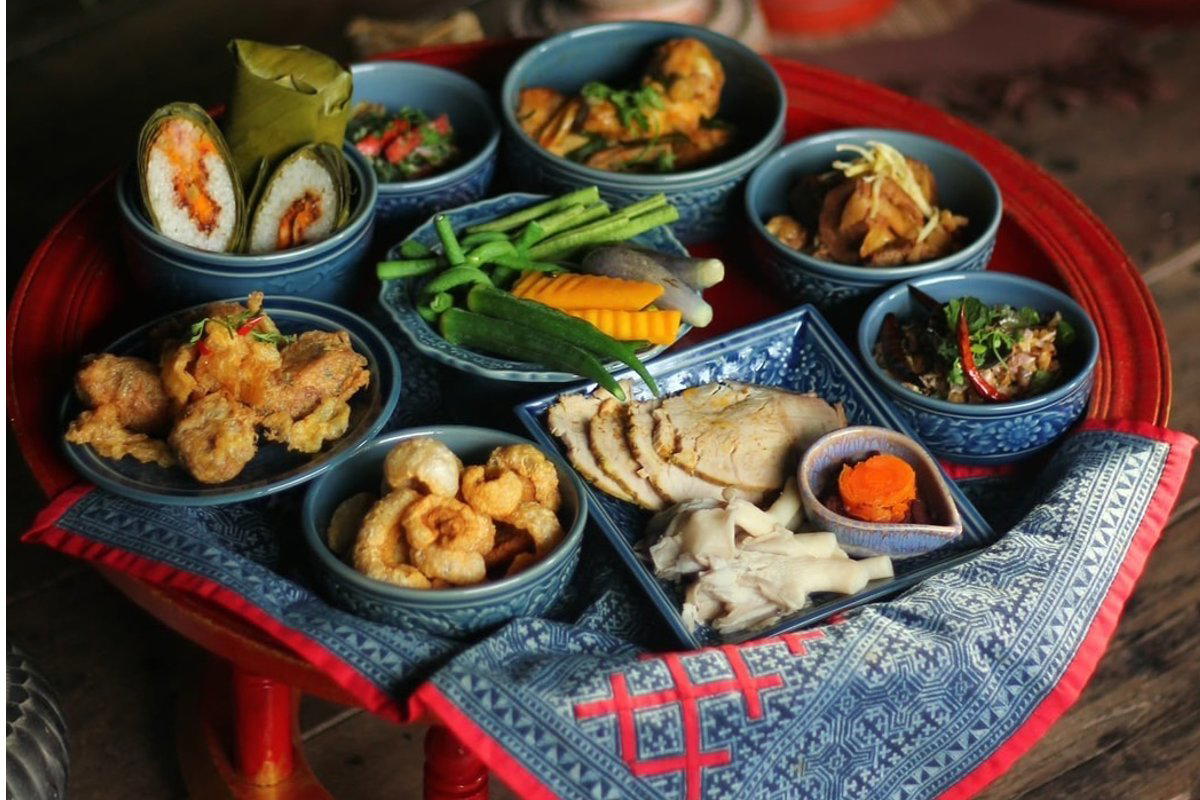
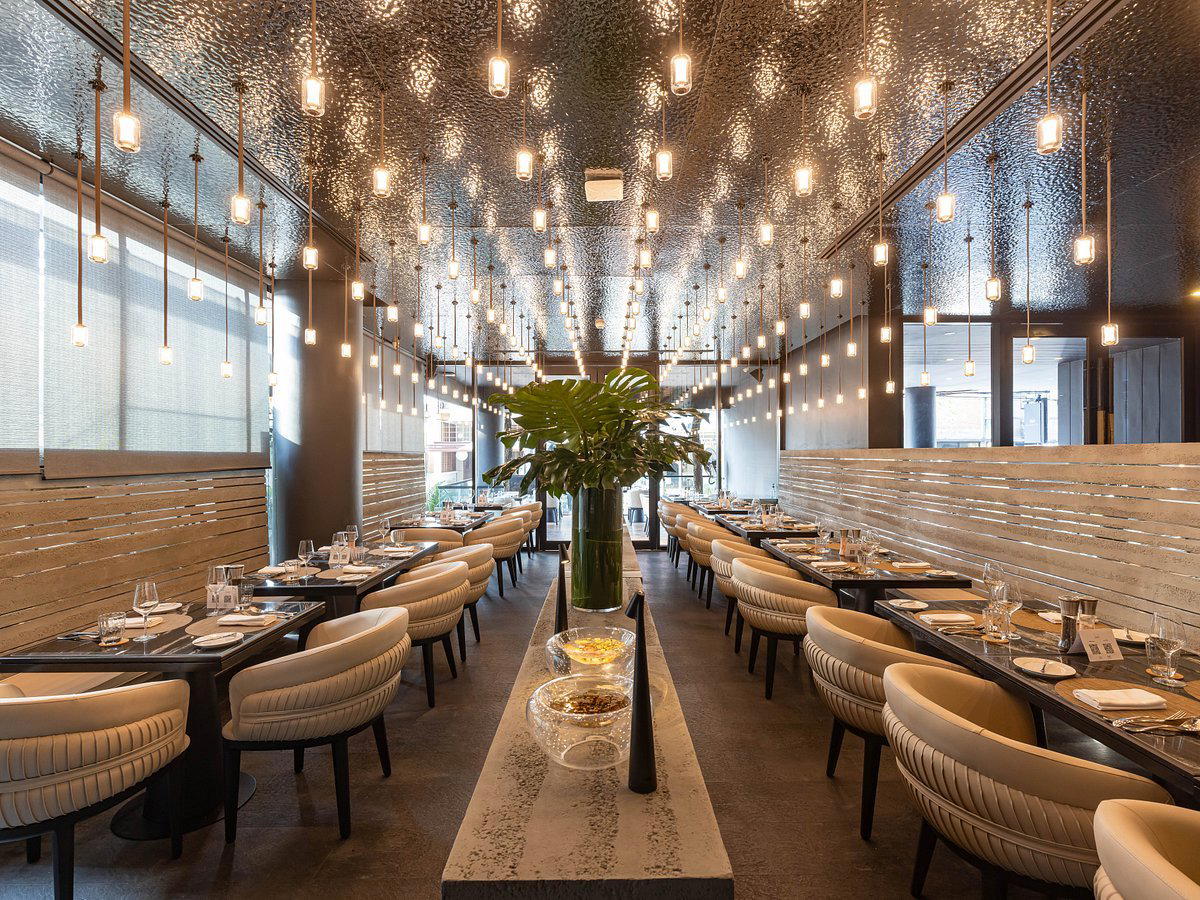
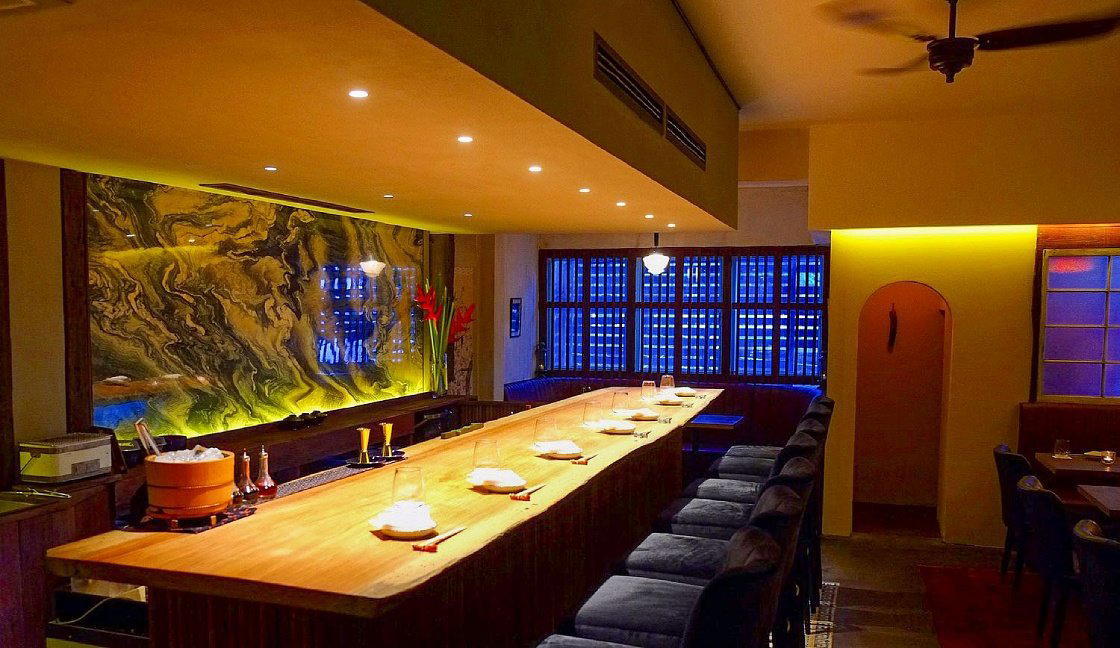
Bars in Mueang Chiang Mai
Browse all →
At a Glance
- Cozy
- Scenic
- Trendy
- Brunch
- Casual Hangout
- Family
- Garden
- Terrace
- Local Sourcing
- Organic
- Garden
Current opening hours
- Monday
- 9 AM–7 PM
- Tuesday
- 9 AM–7 PM
- Wednesday
- 9 AM–7 PM
- Thursday
- 9 AM–7 PM
- Friday
- 9 AM–7 PM
- Saturday
- 9 AM–7 PM
- Sunday
- 9 AM–7 PM
Hours can change for holidays and private events. Last verified .
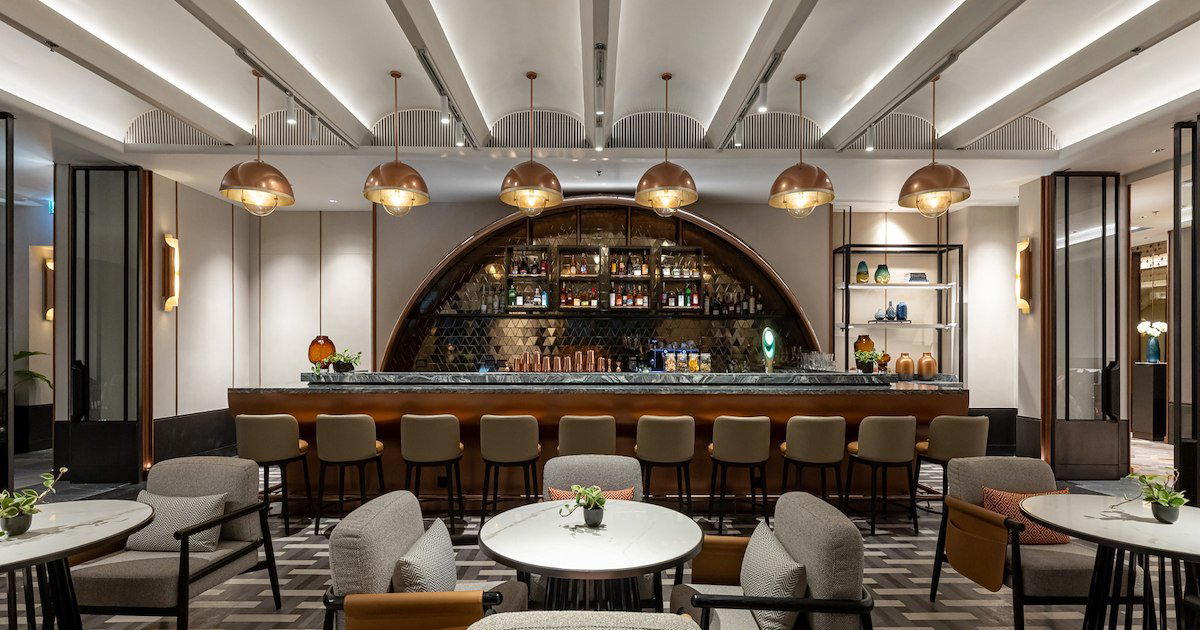
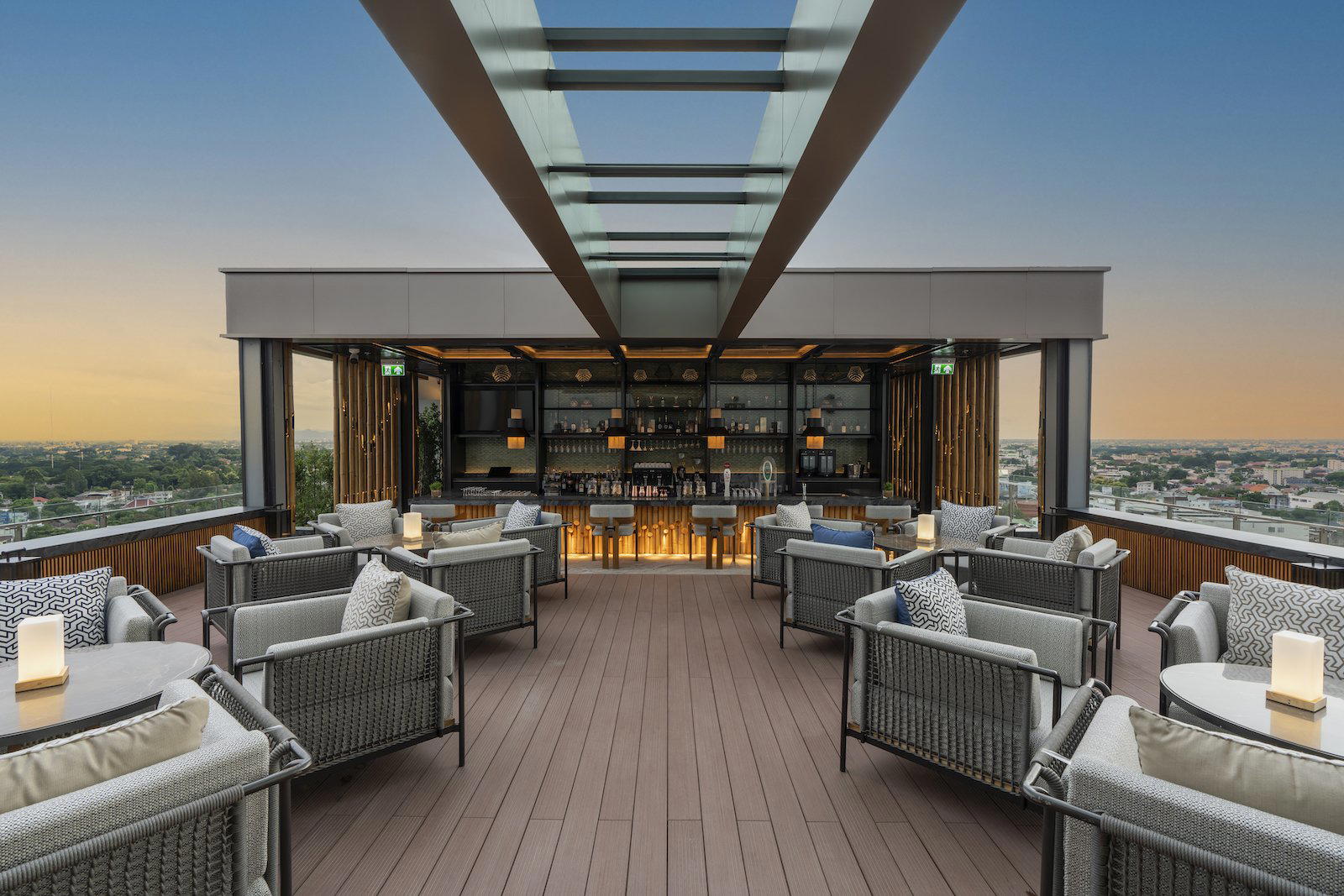
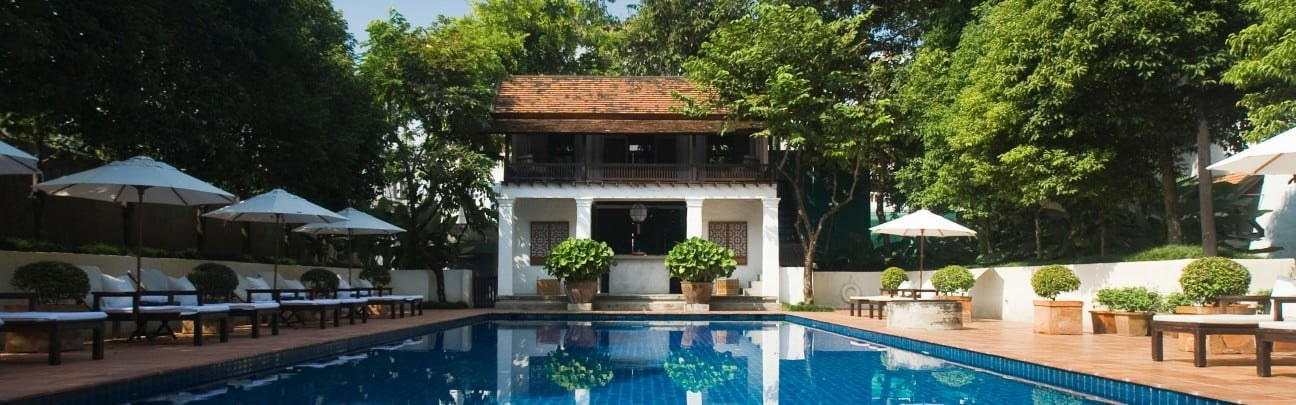
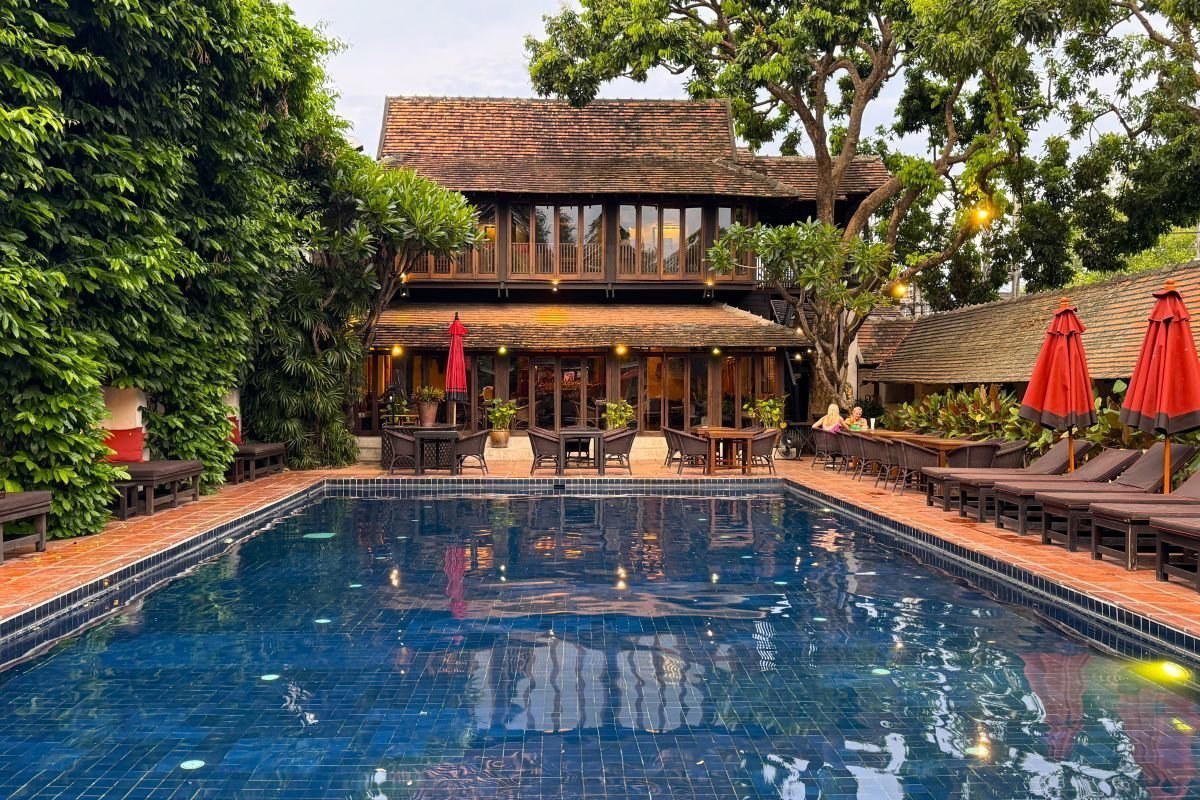
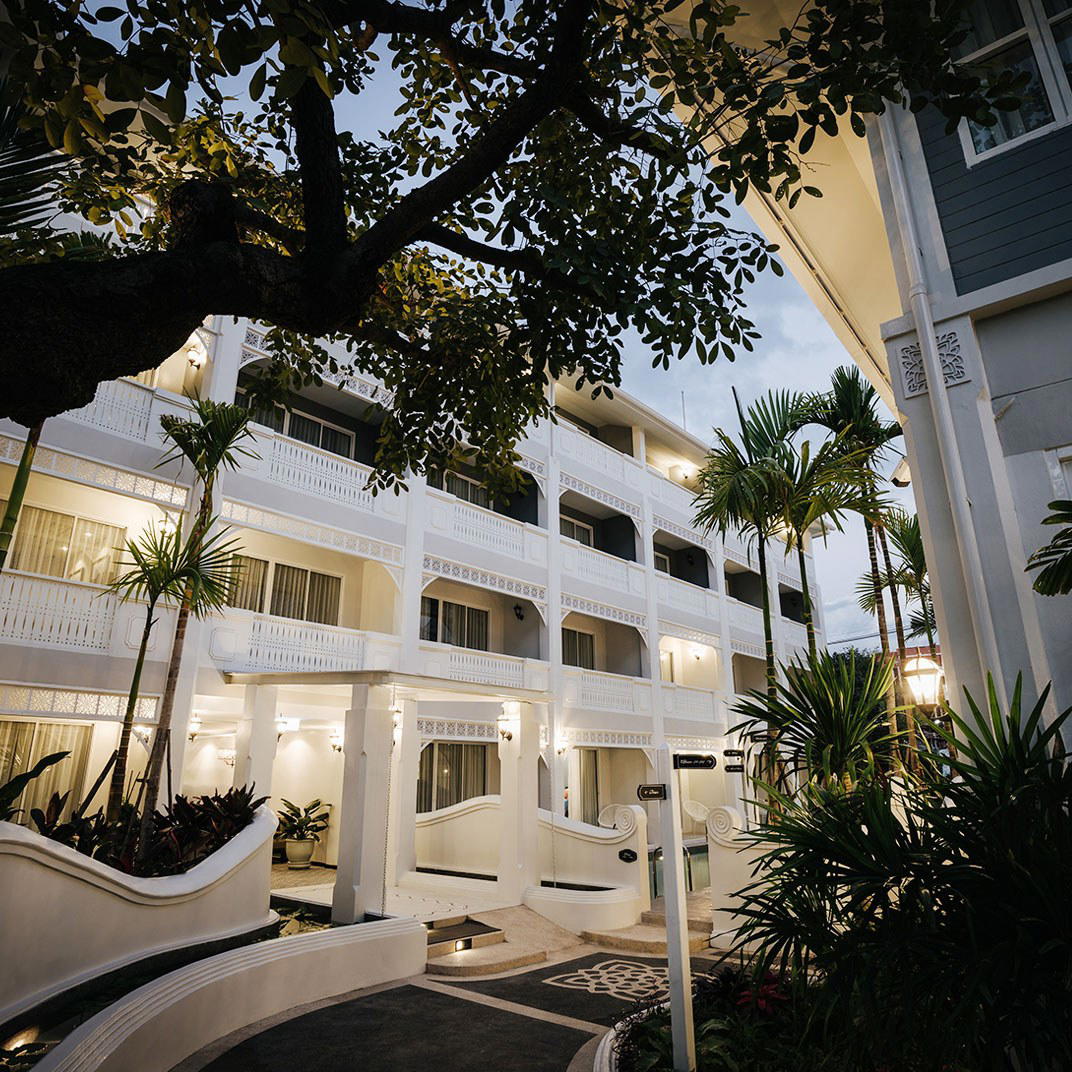
Cozy and inviting with soft lighting, comfortable seating, airy interior, beautiful photo corners, and lush greenery creating a relaxing retreat.