Baan Khun Nine Kitchen
On a quiet residential soi in Mueang Chiang Mai, Baan Khun Nine Kitchen occupies the kind of address that rewards those who seek it out rather than stumble upon it. The kitchen leans into northern Thai cooking traditions, where what grows nearby shapes what ends up on the table. For visitors building an itinerary around ingredient-driven dining in Chiang Mai, it belongs in the conversation.
Pearl is the En Primeur Club membership app — saves, bookings, and concierge access live there. Same editors, same standards.
- Address
- Baankhunninekitchen 16 Hussadhisawee Soi 4, Mueang Chiang Mai District, Chiang Mai 50200, Thailand
- Phone
- +66638075882
- Directions
- Get directions
 Saves & bookings on Pearl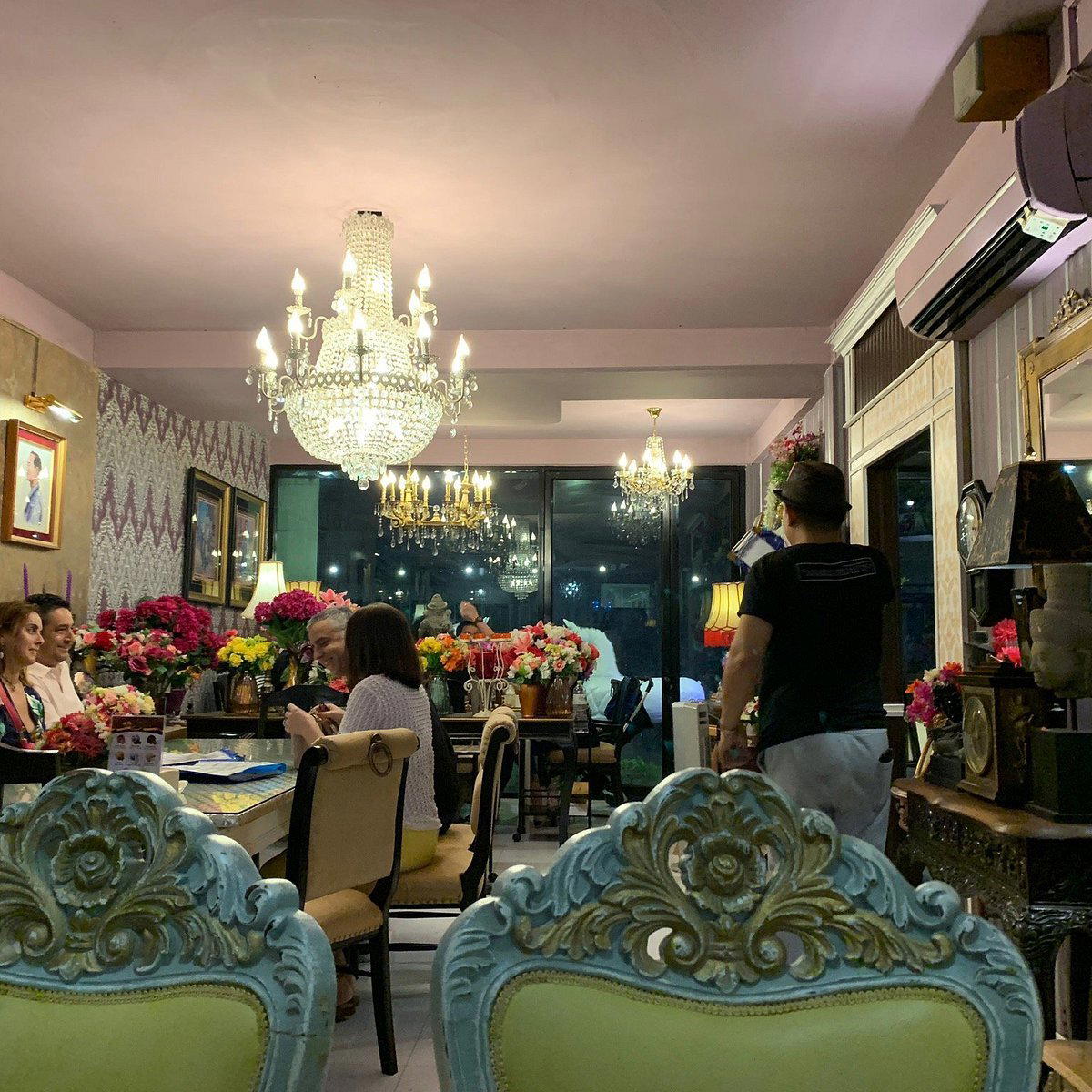
A Residential Soi and What It Signals
Baan Khun Nine Kitchen is a Northern Thai Neighborhood Kitchen in Mueang Chiang Mai District, Chiang Mai, at about $15 per person. In Chiang Mai's dining geography, the address tells you something before the food does. Baan Khun Nine Kitchen sits on Hussadhisawee Soi 4, a residential lane in Mueang Chiang Mai District, the kind of street where houses have gardens and the pace is set by foot traffic, not tuk-tuks. Across northern Thailand, the kitchens that tend to take local sourcing most seriously are often the ones furthest from the tourist-facing main roads, running on word of mouth and repeat custom from residents who eat there regularly. This address pattern is consistent enough to be meaningful.
It places Baan Khun Nine Kitchen in a different competitive register from the city's more prominent dining rooms, including Han Teung Chiangmai and Khaomao-Khaofang. The soi-side kitchen is a different proposition entirely: smaller, more embedded in neighbourhood life, and oriented around a quieter kind of consistency.
Northern Thai Cooking and the Logic of Local Ingredients
Chiang Mai's culinary identity is inseparable from what the surrounding highlands and valleys produce. The Mae Sa Valley to the north, the orchards around San Kamphaeng, and the foothills stretching toward the Myanmar border supply a range of produce that doesn't reach Bangkok in the same condition, if it reaches Bangkok at all. Galangal, lemongrass, and kaffir lime are grown within reach of city kitchens. Pork from village-scale operations remains a staple protein. Sticky rice from glutinous varieties cultivated across the Chiang Mai basin underpins the meal structure in ways that are distinct from central Thai cooking.
This is the ingredient logic that shapes northern Thai home cooking, and it's the tradition that neighbourhood restaurants on streets like Hussadhisawee Soi 4 tend to draw from most directly. When a kitchen is cooking for residents rather than visitors, the incentive to maintain sourcing relationships with local markets and producers is sharper. The reference point is what a family in the neighbourhood considers good food, not what a tourist expects Thai food to taste like.
That distinction matters when you're mapping Chiang Mai's dining scene. Restaurants that have built their identity around ingredient sourcing tend to cluster in one of two ways: either as high-concept operations that foreground provenance explicitly, as PRU in Phuket does with its farm-to-table framework, or as Sorn in Bangkok does by sourcing from southern Thailand's artisan producers, or as neighbourhood kitchens where local sourcing is assumed rather than announced, simply because proximity and freshness make it the practical choice. The restaurant, by its address and format, sits closer to the second model.
The Broader Mueang Chiang Mai Dining Context
Mueang Chiang Mai District contains most of what visitors and residents think of as central Chiang Mai: the Old City moat, Nimman Road's cafe concentration, and the sprawl of residential neighbourhoods extending outward. Dining options across these zones vary considerably in orientation. Caramellow Cafe targets the cafe-culture crowd that has made Nimman a consistent draw for younger Bangkok visitors. KOBQ at Kad Thaweechoke serves a different purpose within the district's Korean barbecue subset. Gai Yang Cherng Doi is a reference point for northern-style grilled chicken done at volume with institutional reliability.
The restaurant doesn't compete in any of those lanes. Its positioning, as far as the available information indicates, is the residential Thai kitchen: cooking that references the neighbourhood rather than the trend cycle, and that prices and operates accordingly.
Elsewhere in Thailand, kitchens that hold a similar position in their local dining ecology, grounded in regional ingredients and operating at neighbourhood scale, tend to develop loyal followings that are disproportionate to their physical size or visibility. Baan Heng in Khon Kaen and Ayutthayarom in Phra Nakhon Si Ayutthaya both operate on similar logic: regional cooking, resident clientele, and menus that reflect what's available locally rather than what's fashionable nationally. Baan Suan Lung Khai in Ko Samui follows a comparable pattern in its island context.
Planning a Visit: What to Know
The address, 16 Hussadhisawee Soi 4, Mueang Chiang Mai District, Chiang Mai 50200, is specific enough to navigate to directly by ride-share app, which is the practical choice given that soi-side venues don't always carry the street signage visibility of main-road restaurants. Walk-ins are the likely format. Regular hours are Mon and Tue, Thu through Sun, 11 AM to 2 PM and 5 to 9 PM, with Wednesday closed. Pricing is about $15 per person.
For context on what else the city offers at different price tiers and formats, venues like AKKEE in Pak Kret and Anuwat in Phang Nga illustrate how ingredient-focused kitchens across Thailand can operate at different scales and price points while sharing a similar sourcing philosophy. At the opposite end of the spectrum globally, the precision sourcing programs at places like Le Bernardin in New York City or the communal tasting format at Lazy Bear in San Francisco show how ingredient provenance becomes a formal part of the dining narrative at higher price tiers. At the restaurant, that provenance is embedded in the cooking rather than narrated.
A Quick Peer Check
Comparable venues nearby, for context on price, style, and recognition.
| Venue | Cuisine | Price | Notes |
|---|---|---|---|
| Baan Khun Nine KitchenThis venue — the venue you are viewing | Northern Thai Neighborhood Kitchen | $$ | Not listed |
| Gai Yang Cherng Doi | Northern Thai Grilled Chicken | $ | Su Thep |
| Khaomao-Khaofang | Northern Thai Imaginary Jungle | $$ | Hang Dong |
| SP Chicken | Northeastern Thai Grilled Chicken | $ | Phra Singh |
| Loet Rot | Northern Thai Neighborhood | $$ | Pa Tan |
| Han Teung Chiangmai | Authentic Northern Thai | $ | Suthep |
Continue exploring
More in Mueang Chiang Mai
Restaurants in Mueang Chiang Mai
Browse all →
Bars in Mueang Chiang Mai
Browse all →
At a Glance
- Cozy
- Rustic
- Casual Hangout
- Family
- Standalone
- Local Sourcing
Current opening hours
- Monday
- 11 AM–2 PM, 5–9 PM
- Tuesday
- 11 AM–2 PM, 5–9 PM
- Wednesday
- Closed
- Thursday
- 11 AM–2 PM, 5–9 PM
- Friday
- 11 AM–2 PM, 5–9 PM
- Saturday
- 11 AM–2 PM, 5–9 PM
- Sunday
- 11 AM–2 PM, 5–9 PM
Hours can change for holidays and private events. Last verified .
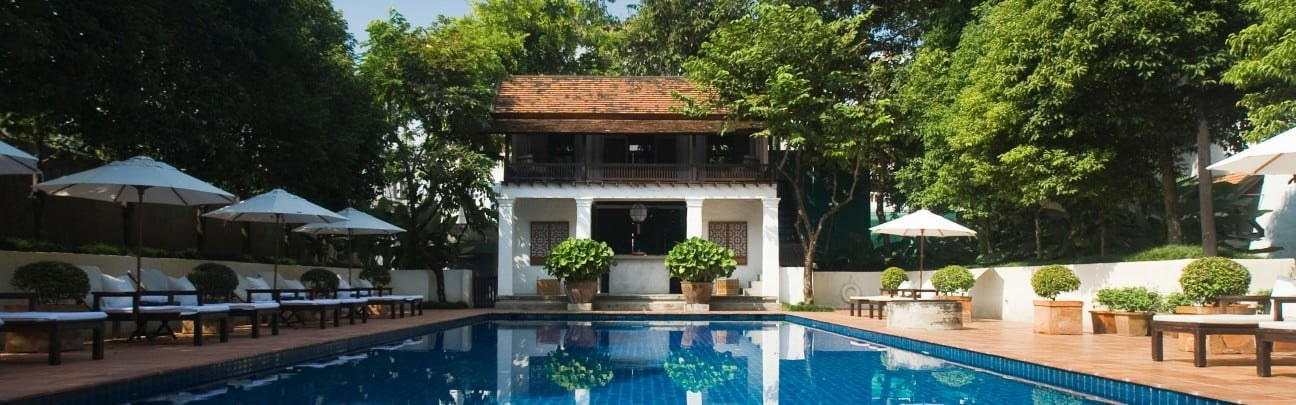
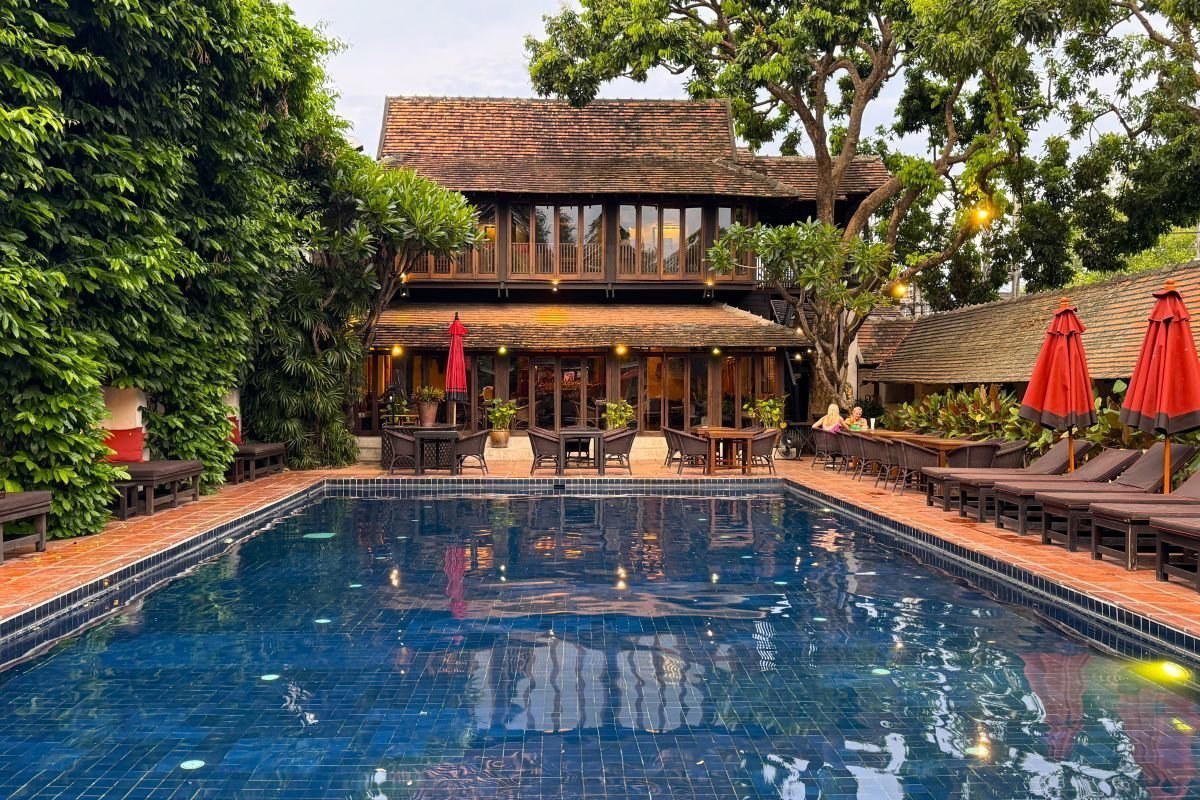
Informal local atmosphere in a quiet residential lane with simple decor focused on the food rather than the room.