Khaomao-Khaofang
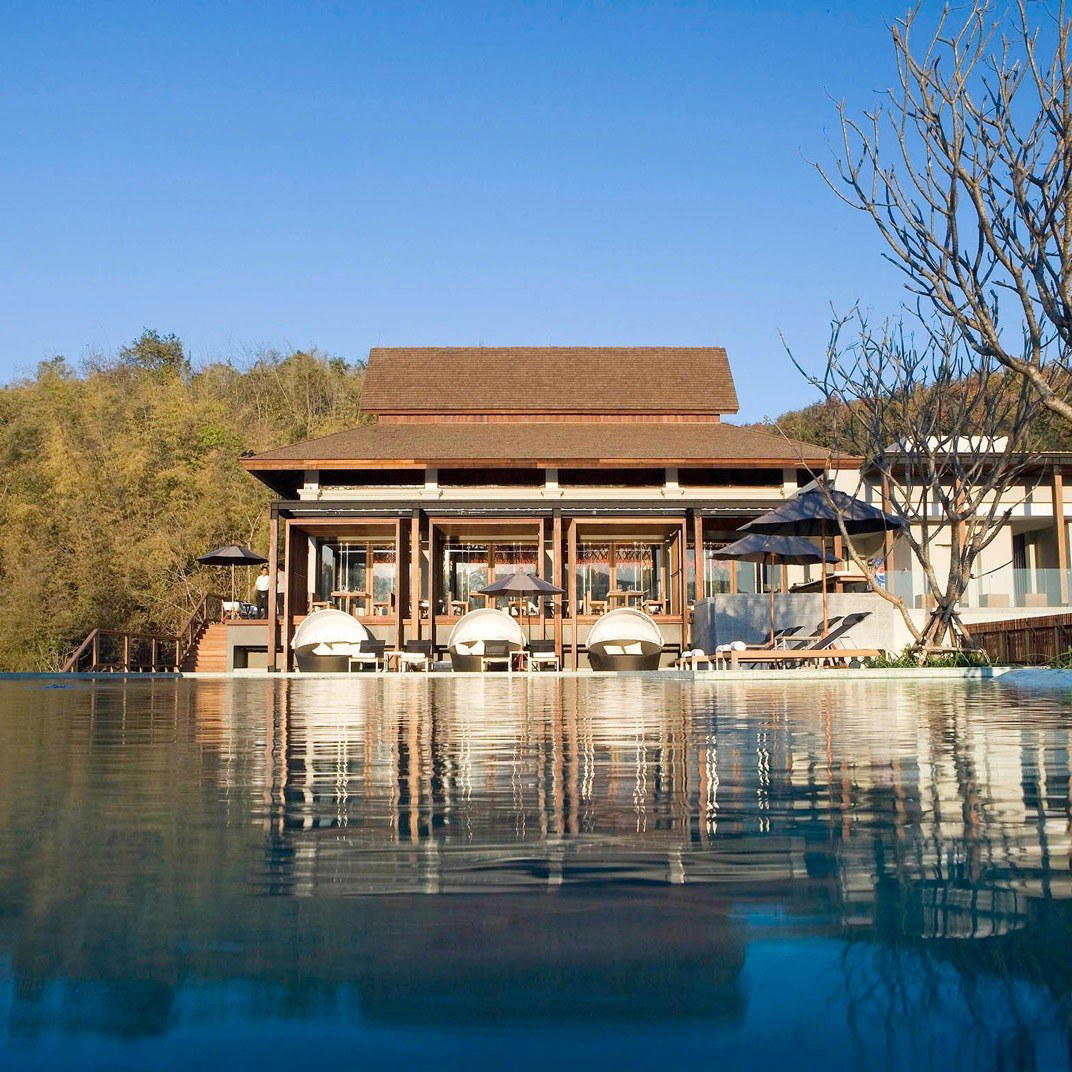
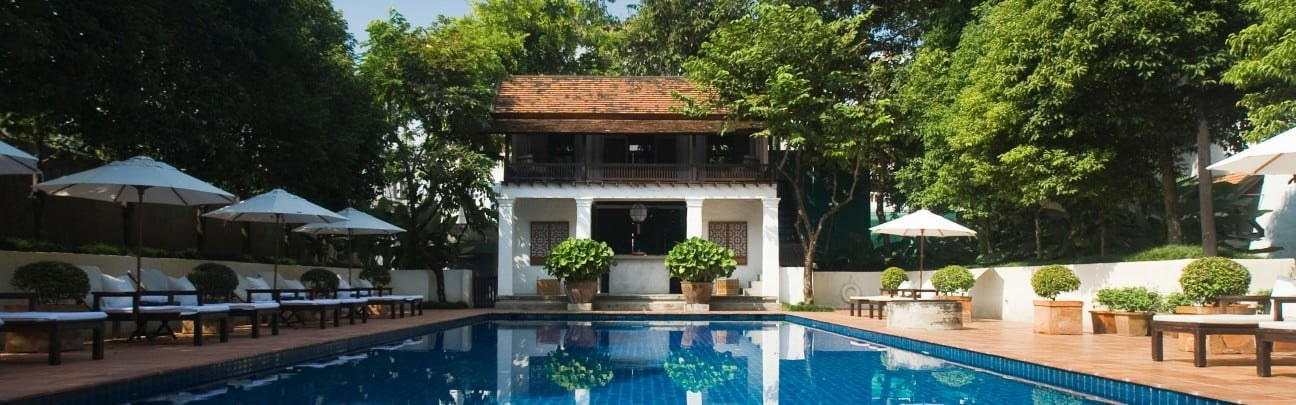
Khaomao-Khaofang sits on Ratchapruek Road in Hang Dong District, south of Chiang Mai's old city, drawing diners who seek northern Thai cooking in a setting that reflects the region's garden-dwelling traditions. The restaurant occupies a category of Chiang Mai dining where outdoor atmosphere and Lanna culinary heritage carry as much weight as the food itself. It represents a style of Thai restaurant that prioritises rootedness over refinement.
Pearl is the En Primeur Club membership app — saves, bookings, and concierge access live there. Same editors, same standards.
- Address
- Ratchapruek Rd, Nong Kwai, Hang Dong District, Chiang Mai 50230, Thailand
- Phone
- +66636655838
- Website
- khaomaokhaofang.com
- Directions
- Get directions
 Saves & bookings on Pearl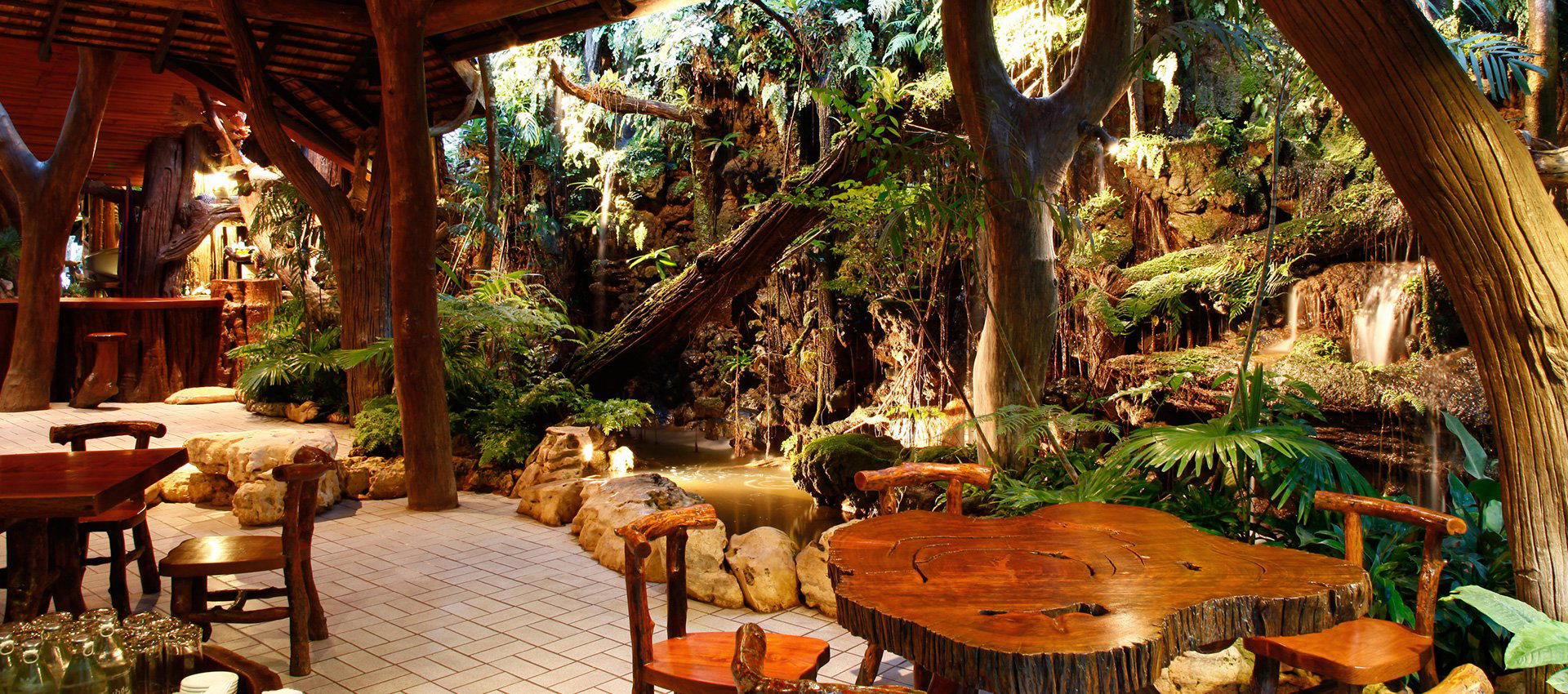
Where Northern Thai Cooking Lives Outdoors
South of Chiang Mai's old city moat, as Ratchapruek Road extends into Hang Dong District, the character of dining shifts. The density of urban shophouses gives way to properties with land: garden restaurants, open-air pavilions, and venues where the setting is part of the proposition. Khaomao-Khaofang occupies this corridor, a stretch that has become one of the more distinctive dining zones in greater Chiang Mai precisely because it allows a format that the city centre cannot: space, greenery, and a slower pace that the food rewards.
This format has deep roots in northern Thai hospitality culture. Lanna tradition, the cultural framework that governs much of Chiang Mai's identity, historically situated communal eating within natural surroundings. The garden restaurant is not a modern lifestyle affectation here; it is a continuation of how northern Thais have long understood the relationship between food, environment, and occasion. Venues like Khaomao-Khaofang sit within that lineage, using physical setting as a cultural argument rather than a decorative one.
The Cuisine in Its Regional Frame
Northern Thai cooking is one of the country's most internally coherent regional traditions, yet it remains underrepresented in international fine dining conversations dominated by Bangkok-centric interpretations of Thai food. Chiang Mai is where that cuisine is most legible in its original register. The flavours lean toward herbal bitterness, fermented complexity, and dried spice warmth rather than the coconut-sweetened profiles more familiar to international diners. Dishes like khao soi, gaeng hang lay, and sai ua carry specific regional logic: ingredients sourced from highland terrain, preservation techniques developed before refrigeration, spice routes that ran north through Burma and Yunnan rather than south through the Malay Peninsula.
Restaurants in this part of Chiang Mai that maintain northern specificity rather than drifting toward pan-Thai menus occupy a meaningful position in the city's food culture. That commitment to regional identity is what separates the more serious garden dining venues from those that use atmosphere as cover for generic execution. For context on how this tradition translates across Thailand's dining tiers, venues like Sorn in Bangkok have demonstrated that regional Thai cooking can carry serious critical weight; northern Thai cuisine in Chiang Mai represents an equally distinct tradition operating on its own terms.
Reading the Hang Dong Dining Zone
Hang Dong District functions as a kind of overflow dining district for Chiang Mai, where restaurants that need scale operate without the constraints of the old city's dense footprint. The trade-off for diners is logistical: reaching Ratchapruek Road requires transport, and the area is not walkable from the historic centre. But the payoff is a category of restaurant that simply cannot exist within the old city walls, where garden perimeters, multiple pavilion structures, and large-format dining can unfold properly.
Within Chiang Mai's broader restaurant landscape, the venues worth tracking span several formats. Han Teung Chiangmai represents the northern Thai fine dining register, while Baan Khun Nine Kitchen sits closer to the homestyle northern Thai category. Gai Yang Cherng Doi and KOBQ - Kad Thaweechoke address specific northern Thai dishes with focused execution. Khaomao-Khaofang operates in a tier that combines northern Thai food with the garden setting as a dual draw, a format that appeals to both local families celebrating occasions and visitors wanting something more grounded than the tourist-oriented restaurants clustered near Nimman Road. The Caramellow Cafe crowd represents a different orientation entirely, the cafe-culture contingent that Chiang Mai also does extremely well.
For a fuller picture of where the restaurant sits within the city's options, the full Mueang Chiang Mai restaurants guide maps the range across price tiers and neighbourhood zones.
Garden Dining as a Thai Format Across Regions
The garden restaurant tradition is not exclusive to Chiang Mai. Across Thailand, from the seafood pavilions of the Gulf coast to the river-facing dining rooms of Ayutthaya, outdoor setting and food quality have long been understood as complementary. What Chiang Mai's version adds is the cooler highland climate, which makes outdoor dining genuinely comfortable across a longer stretch of the year than Bangkok or coastal destinations allow. This climate advantage is part of why the garden restaurant format has persisted and multiplied in the Chiang Mai area rather than migrating indoors as venues elsewhere have done for air conditioning. PRU in Phuket pursues a garden-to-table concept with fine dining credentials; Chiang Mai's garden venues tend to operate on a more accessible, community-oriented register.
Comparisons to other regional dining traditions illuminate what makes the northern Thai garden restaurant specific. Cherng Doi Roast Chicken captures one strand of northern Thai specificity through a single dish executed at volume; Krua Laew Tae R-Rom in Pattaya shows how Thai coastal venues balance setting and seafood in their own regional key. The northern Thai version is herb-forward and more reliant on fermented and dried ingredients that reflect the inland geography.
Planning a Visit
The restaurant's location on Ratchapruek Road in Nong Kwai, Hang Dong District places it outside the central old city and Nimman areas where most Chiang Mai visitors base themselves. A ride-hailing app or private car is the practical way to reach it; the journey from the old city takes roughly fifteen to twenty minutes depending on traffic. Evening visits, when the garden setting comes into its own under ambient lighting and the Chiang Mai heat softens, are the format the venue suits most naturally. Weekends draw larger local family groups, which is worth factoring into timing. The restaurant is recommended for reservations, especially on weekend evenings when waits are more likely.
Budget and Context
Comparable venues nearby, for context on price, style, and recognition.
| Venue | Cuisine | Price | Notes |
|---|---|---|---|
| Khaomao-KhaofangThis venue — the venue you are viewing | Not listed | $$ | Not listed |
| ลาบดวงดีมีสุข | Mueang Chiang Mai, thai | Not listed | Not listed |
| Gai Yang Cherng Doi | Su Thep, Northern Thai Grilled Chicken | $ | Not listed |
| Han Teung Chiangmai | Suthep, Authentic Northern Thai | $ | Not listed |
| Caramellow Cafe | Not listed | $$ | Mueang Chiang Mai, European Cafe with Homemade Pastries |
| SP Chicken | Not listed | $ | Phra Singh, Northeastern Thai Grilled Chicken |
Continue exploring
More in Mueang Chiang Mai
Restaurants in Mueang Chiang Mai
Browse all →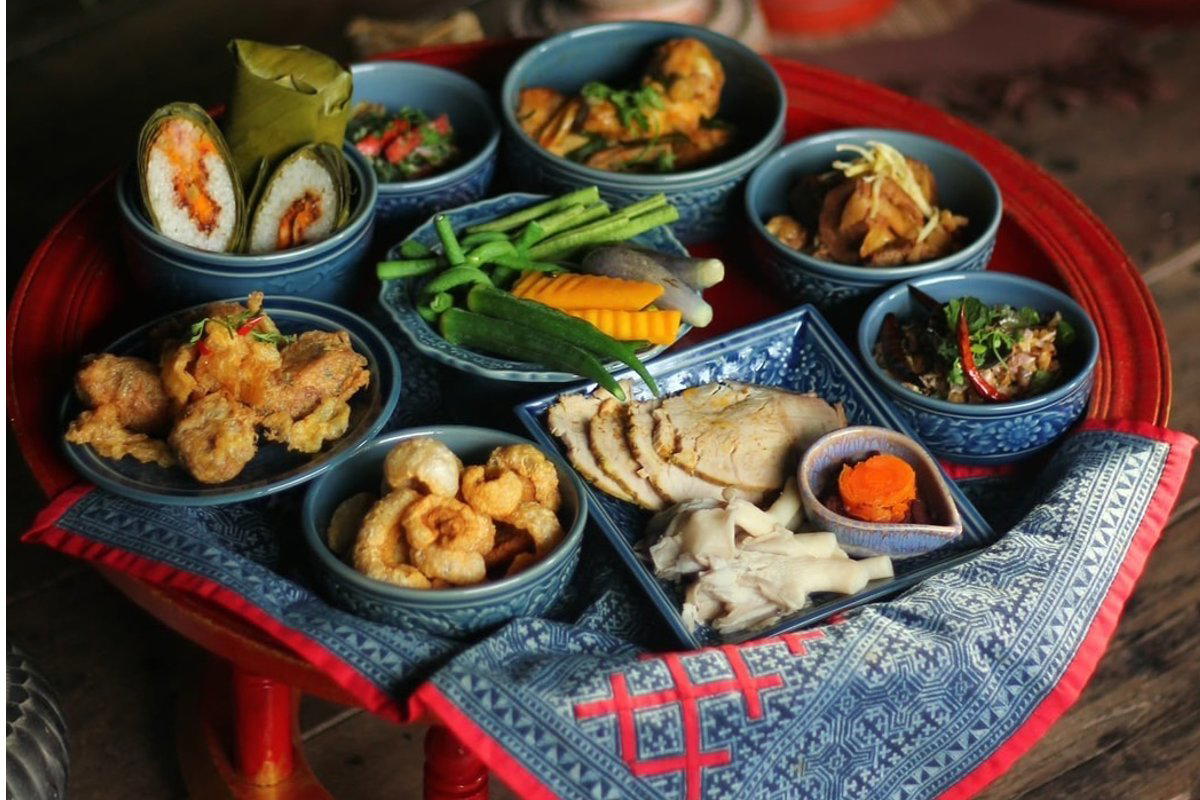
Bars in Mueang Chiang Mai
Browse all →

At a Glance
- Scenic
- Cozy
- Rustic
- Family
- Casual Hangout
- Special Occasion
- Garden
- Local Sourcing
- Garden
Current opening hours
- Monday
- 11 AM–3 PM, 5–9 PM
- Tuesday
- 11 AM–3 PM, 5–9 PM
- Wednesday
- 11 AM–3 PM, 5–9 PM
- Thursday
- 11 AM–3 PM, 5–9 PM
- Friday
- 11 AM–3 PM, 5–9 PM
- Saturday
- 11 AM–3 PM, 5–9 PM
- Sunday
- 11 AM–3 PM, 5–9 PM
Hours can change for holidays and private events. Last verified .
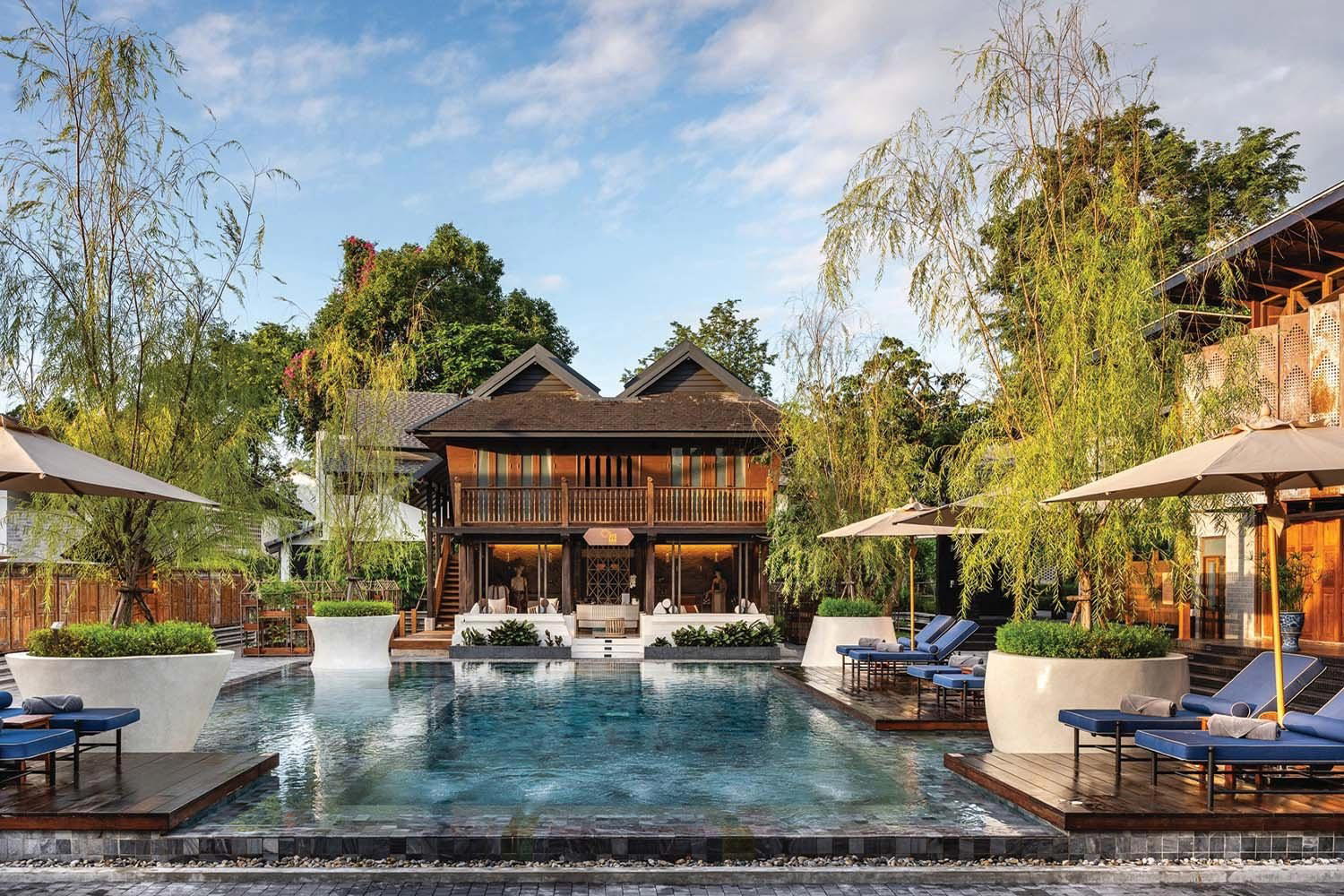
Lush jungle atmosphere with sunlight filtering through leaves, shady greenery, roaring waterfalls, and harmonious nighttime music for a cool, relaxing, and enchanting vibe.