Locanda del Vulture occupies a corner of Sant Martí, Barcelona's post-industrial district now drawing serious attention for its neighbourhood-scale dining. The name signals Italian-southern roots transplanted into Catalan soil, placing it in a growing tier of Barcelona restaurants that work between culinary traditions rather than inside just one. For visitors orienting around the city's creative fine-dining axis, it offers a different register entirely.
Pearl is the En Primeur Club membership app — saves, bookings, and concierge access live there. Same editors, same standards.
- Address
- Carrer de Fluvià, 94, 96, Sant Martí, 08019 Barcelona, Spain
- Phone
- +34931393705
- Website
- locandadelvulture.es
- Directions
- Get directions
 Saves & bookings on Pearl
Sant Martí and the Restaurants Operating Outside Barcelona's Fine-Dining Corridor
Barcelona's most-discussed restaurant addresses tend to cluster in Eixample or the waterfront zones, where the city's top tier operates at full volume. Disfrutar (Progressive, Creative), Cocina Hermanos Torres (Creative), and Lasarte (Progressive Spanish, Creative) each sit within a well-mapped circuit that international visitors follow almost by reflex. Sant Martí, the district that begins east of the Eixample grid and runs toward the Rambla del Poblenou, operates differently. Its restaurant scene has thickened in recent years not through transplanted prestige but through ground-up neighbourhood openings, many of them drawing on Southern European culinary traditions that don't fit neatly into the Catalan-creative taxonomy that defines the city's headline tier.
Locanda del Vulture sits on Carrer de Fluvià, in the 08019 postal zone that covers the inland stretch of Sant Martí. The address is not one that appears in shortlists of Barcelona's creative fine-dining, but that is partly the point. The name itself references the Vulture, the extinct volcano in Basilicata whose slopes produce some of Southern Italy's most distinctive agricultural output, including Aglianico del Vulture wine and a local pasta and bread tradition built around ancient grain cultivation. Whether the restaurant engages directly with Basilicatan sourcing or uses the name as a broader southern Italian signifier, the cultural reference places it in a distinct category from the Catalan-led kitchens that dominate the city's upper tier.
What Ethical Sourcing Looks Like When It Operates Below the Radar
Spain's most visible sustainability-led restaurants tend to advertise their credentials loudly. Azurmendi in Larrabetzu has built its entire public identity around biodynamic farming, greenhouse cultivation, and zero-waste kitchens, accumulating three Michelin stars and a Green Star in the process. Aponiente in El Puerto de Santa María works the marine waste stream into tasting menus that have become case studies in circular kitchen practice. These are sustainability stories told at scale, with the infrastructure and recognition to match.
The more interesting question, from an editorial standpoint, is what ethical sourcing looks like when it operates in a neighbourhood context without the apparatus of international recognition. Italian-rooted restaurants that lean on southern regional traditions, Basilicata among them, tend to work with a narrower, older ingredient set: heritage grain varieties, legumes, preserved vegetables, and secondary cuts that were never discarded in the original tradition because nothing was. That approach to cooking, where the ethical and the traditional are the same thing rather than a deliberate correction of industrial habits, sits in a different relationship to sustainability than the high-concept zero-waste programs of Spain's decorated kitchens. It is less legible to awards systems, which is one reason restaurants of this type rarely appear in the same conversation as Mugaritz in Errenteria or El Celler de Can Roca in Girona.
Barcelona has a thin but growing layer of restaurants working in this register, particularly in districts like Sant Martí and Gràcia, where rents still permit the margins that nose-to-tail and whole-grain cooking require. The ingredient economics of southern Italian tradition, which uses less protein per cover and stretches it further through technique, fit a neighbourhood restaurant model more naturally than they fit a tasting-menu format priced against ABaC (Creative) or Enigma (Creative).
How Southern Italian Culinary Traditions Read in a Catalan Context
Catalonia and Southern Italy share more agricultural DNA than the geographic distance suggests. Both traditions built their foundations on legumes, preserved fish, olive oil pressed from old-growth trees, and bread cultures that predate commercial yeast. When a restaurant in Barcelona draws on Basilicatan or broader Mezzogiorno cooking, it is not importing an exotic reference point; it is working within a Mediterranean tradition that the city's own culinary history touches at multiple points.
The distinction is in the register. Catalan high cooking, as represented by the restaurants that have earned Spain its outsized share of the global fine-dining conversation, tends toward transformation: technique applied to local ingredient to produce something that reframes both. Southern Italian tradition, including the Basilicatan strand that the Locanda del Vulture name evokes, tends toward concentration. Less transformation, more patience. Long-braised secondary cuts, pasta made from heritage wheat varieties, vegetables preserved through methods that intensify rather than alter. That patience has a sustainability logic built into it: fewer inputs, lower waste, longer shelf life at every stage of production.
For diners who have spent time in the upper tier of Barcelona's creative scene, including at Ricard Camarena in València for comparison, or worked through the tasting formats at Quique Dacosta in Dénia, a neighbourhood restaurant operating in the southern Italian mode offers a reset in pace and expectation that the headline venues structurally cannot provide.
Positioning Within Barcelona's Wider Restaurant Tier
Barcelona's restaurant field is broad enough that a Sant Martí opening rarely competes directly with Eixample-based venues at the €€€€ price point occupied by Disfrutar, Lasarte, and Cocina Hermanos Torres. The comparison set for a neighbourhood Italian-rooted restaurant in the 08019 district is different: it includes other mid-tier neighbourhood openings in Poblenou and Sant Martí, a growing number of Spanish restaurants working with non-Catalan regional traditions, and the handful of Italian-heritage addresses that have established themselves in Barcelona without chasing the fine-dining validation circuit.
Internationally, the comparison restaurants that come closest in format and philosophy are not the Spanish headliners but places like Atomix in New York City, which has built a case for treating a non-dominant culinary tradition with the same rigour as the prestige formats around it, or, at the other end of the scale, Le Bernardin in New York City, which demonstrates what a single culinary tradition, sustained without deviation, can achieve over decades. The Locanda del Vulture is not operating at those levels of recognition, but the structural argument, that deep commitment to a specific regional tradition is worth the same attention as high-concept creativity, applies across the range.
For context on where Barcelona's decorated restaurants sit relative to the broader Spanish scene, the EP Club guides to Martin Berasategui in Lasarte-Oria, Arzak in San Sebastián, DiverXO in Madrid, and Atrio in Cáceres provide the competitive frame. Locanda del Vulture operates well below that tier in terms of recognition, but understanding where the high-prestige benchmark sits helps calibrate what a neighbourhood alternative is and isn't offering.
Planning a Visit
The restaurant is located at Carrer de Fluvià, 94-96, in the Sant Martí district of Barcelona, postal code 08019. The neighbourhood is accessible by metro on the L4 line, with Poblenou and Selva de Mar stations both within walking distance of Carrer de Fluvià. Sant Martí's dining activity concentrates around the Rambla del Poblenou corridor and radiates outward into the residential streets; Carrer de Fluvià sits in the quieter inland section, which means arriving by taxi or rideshare is direct from central Barcelona. The restaurant is recommended for reservations. It is open daily from 12 PM to 12 AM, and the price per person is about $28.
What It’s Closest To
Comparable venues nearby, for context on price, style, and recognition.
| Venue | Cuisine | Price | Notes |
|---|---|---|---|
| Locanda del VultureThis venue — the venue you are viewing | Authentic Southern Italian Trattoria | $$$ | Not listed |
| Pizzería RAGVSA | Italian Neapolitan Pizza | $$ | el Guinardo |
| Vapiano Gran Via | Handmade Italian Pasta & Pizza | $$ | la Dreta de l'Eixample |
| CREP NOVA MAQUINISTA | Pizzeria & Crepes | $$ | el Bon Pastor |
| Restaurante Punta | Southern Italian Pizzeria | $$ | Sant Gervasi - Galvany |
| Sartoria Panatieri | Neapolitan-inspired Pizza | $$ | la Vila de Gracia |
Continue exploring
More in Barcelona
Restaurants in Barcelona
Browse all →
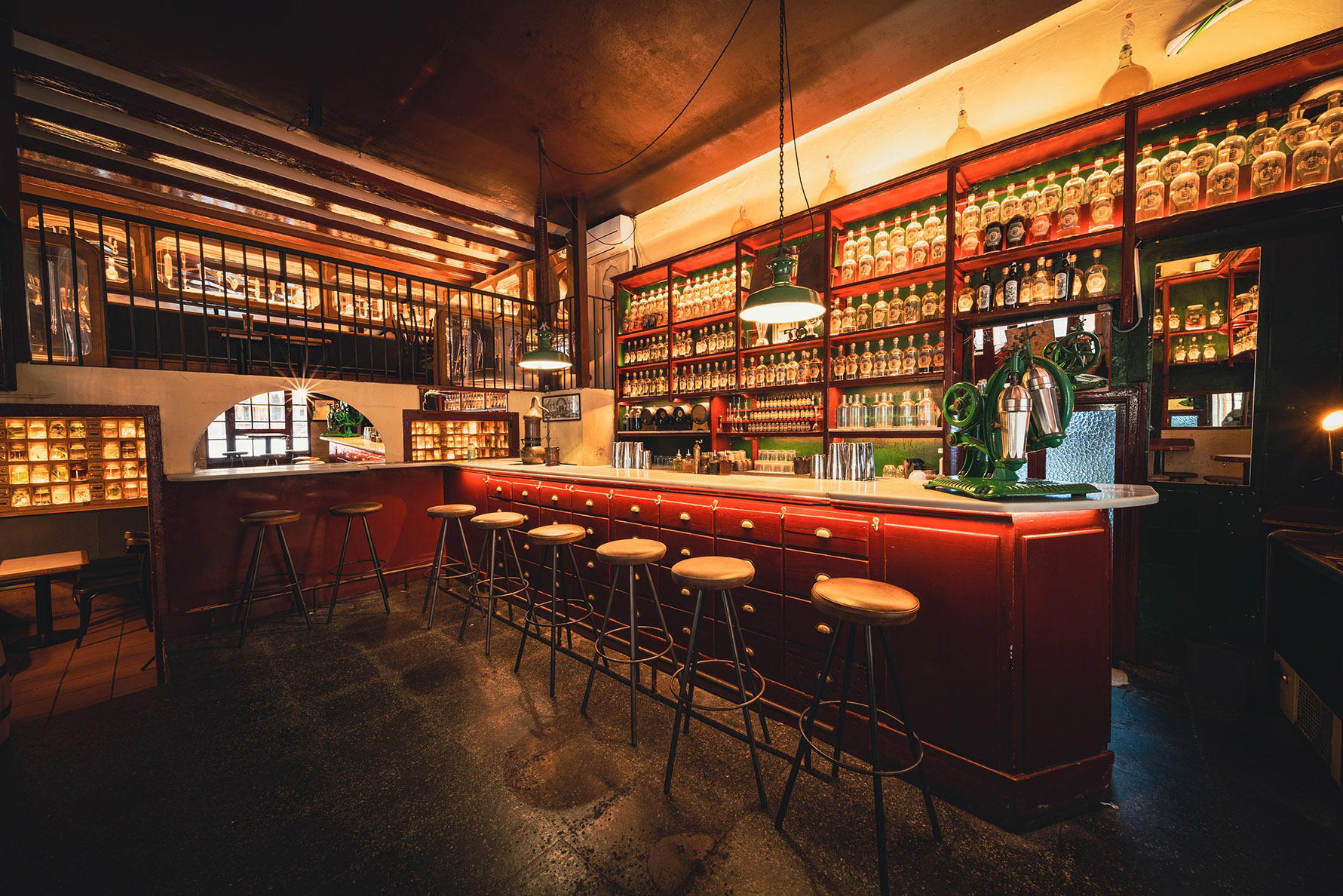
Bars in Barcelona
Browse all →
Hotels in Barcelona
Browse all →
At a Glance
- Cozy
- Romantic
- Intimate
- Classic
- Date Night
- Group Dining
- Family
- Casual Hangout
- Terrace
- Open Kitchen
- Natural Wine
- Craft Cocktails
- Natural Wine
- Local Sourcing
Current opening hours
- Monday
- 12 PM–12 AM
- Tuesday
- 12 PM–12 AM
- Wednesday
- 12 PM–12 AM
- Thursday
- 12 PM–12 AM
- Friday
- 12 PM–12 AM
- Saturday
- 12 PM–12 AM
- Sunday
- 12 PM–12 AM
Hours can change for holidays and private events. Last verified .
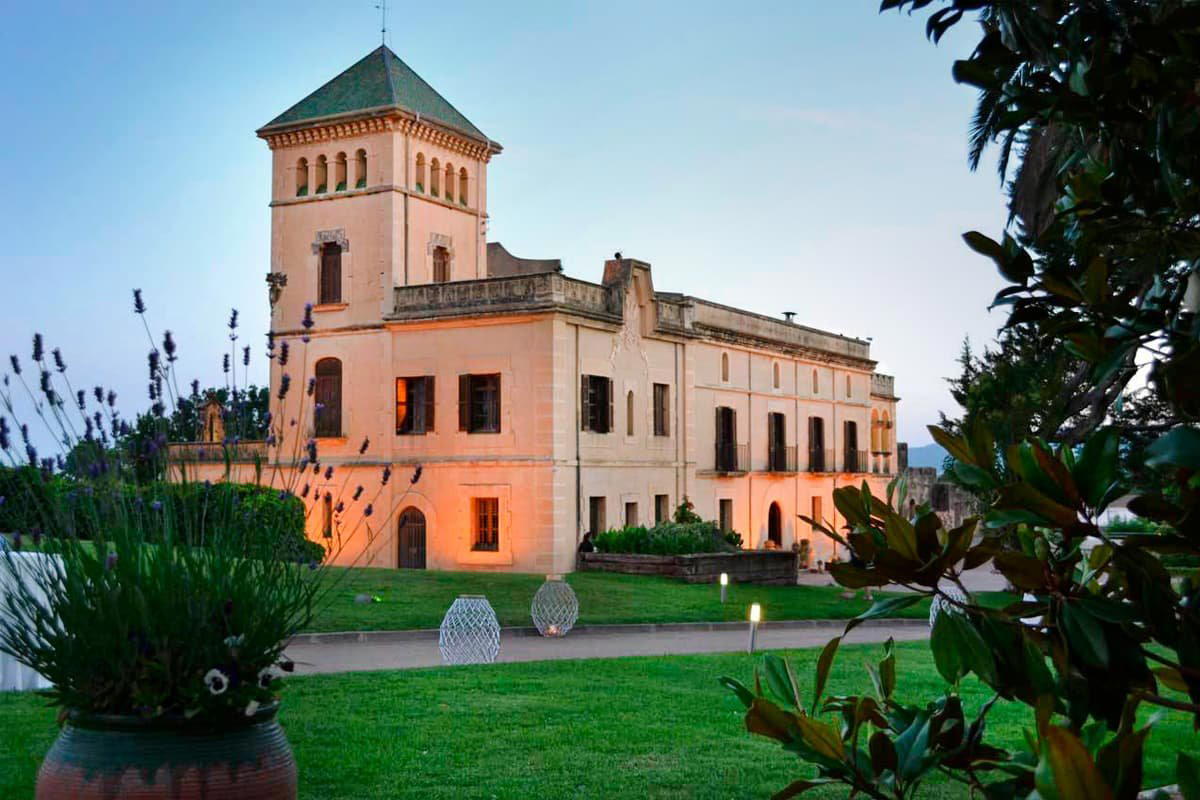
Cozy and stylish with warm, inviting atmosphere; small outdoor terrace in a green urban area; intimate interior with closely-spaced tables when full.