Loaterer Hof
A farmstead property in Feldthurns, Loaterer Hof sits within South Tyrol's tradition of agriculturally rooted hospitality, where the sourcing logic of the surrounding Eisack Valley defines what reaches the table. The village sits above Klausen at roughly 900 metres, placing it squarely inside a region that has built its culinary identity around altitude-specific produce, heritage livestock breeds, and centuries of Alpine preservation technique.
Pearl is the En Primeur Club membership app — saves, bookings, and concierge access live there. Same editors, same standards.
- Address
- MJG7+WC, via Peter Mayr, 3, 39040 Velturno BZ, Italy
- Phone
- +39472855505
- Website
- bauernkuchl.it
- Directions
- Get directions
 Saves & bookings on Pearl
Where the Eisack Valley Sets the Terms
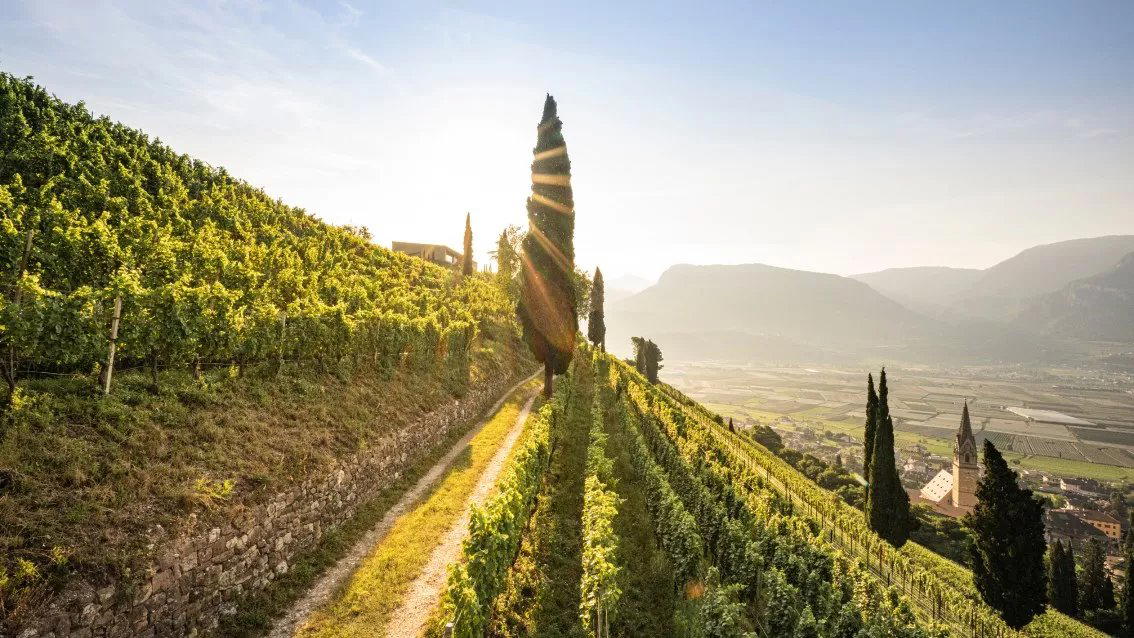
South Tyrol's dining identity was never built in its cities. It was built on farms, in haylofts converted to dining rooms, and along the steep terraced slopes where smallholders have cultivated rye, speck, and orchard fruit at altitude for generations. Feldthurns, a compact village perched above Klausen on the western slope of the Eisack Valley, sits inside that tradition with particular clarity. At roughly 900 metres, the growing conditions here are specific enough to shape ingredient character in ways that flatter neither romanticisation nor shortcut: the diurnal temperature swings that concentrate flavour in stone fruit, the short grass-fed grazing season that defines the fat profile of local beef, the mountain air that governs how long cured meats can hang before they tip from firm to brittle.
Loaterer Hof occupies this address at via Peter Mayr, 3, in Velturno, the German-language name for Feldthurns, and the property carries the character of its surroundings in the way that farmstead establishments in this part of northern Italy tend to do. South Tyrol's Hofschank tradition, where working agricultural properties offer food and wine from their own production, predates modern farm-to-table rhetoric by several centuries. What that means in practice is a sourcing logic that is structural rather than aspirational: the distance between production and plate is measured in metres, not miles, and the menu is shaped by what the land yields in a given season rather than by what a centralised supply chain makes available year-round.
The Ingredient Logic of Alpine Farmstead Dining
Understanding what distinguishes a Südtiroler Hofschank from a conventional rural restaurant requires some grounding in the region's agricultural geography. The Eisack Valley corridor, running south from Brenner toward Bolzano, supports a layered system of cultivation that changes character with every hundred metres of elevation. At lower elevations, apple orchards dominate, supplying the concentrated, high-acid fruit that goes into everything from juice to distillate. Higher up, the orchard gives way to hay meadow and pasture, where heritage cattle breeds graze on a mix of grasses that shifts by month across the grazing season. Above that, in the steeper terrain, conifers and high alpine plants contribute ingredients that appear in local cooking primarily through foraged channels.
Farmstead properties at Feldthurns's elevation draw from the middle tier of this system and, depending on the scope of their own production, often extend into preserved and cured formats that bridge seasons. Speck Alto Adige, the region's IGP-protected dry-cured ham produced using a combination of salting, smoking, and extended air-drying, is particularly internationally recognised product of this altitude-and-air combination. But the logic extends to aged dairy, fermented vegetables, and dried herbs that serve as connective tissue between what the summer growing season produces and what reaches the winter table. This is not nostalgia cooking. It is a preservation infrastructure that remains economically rational in a region where growing windows are short and transport to lowland markets has historically been slow.
For a broader map of how this agricultural sourcing tradition intersects with serious kitchen ambition in northern Italy, Atelier Moessmer Norbert Niederkofler in Brunico represents one articulation of the Alpine ingredient philosophy in the region, with Michelin recognition built explicitly around local supply chains. The contrast between that high-formality format and the farmstead model practiced at properties like Loaterer Hof maps a wider range of ways that the same sourcing ethos can be expressed at different scales and price tiers.
The Feldthurns Setting and What It Signals
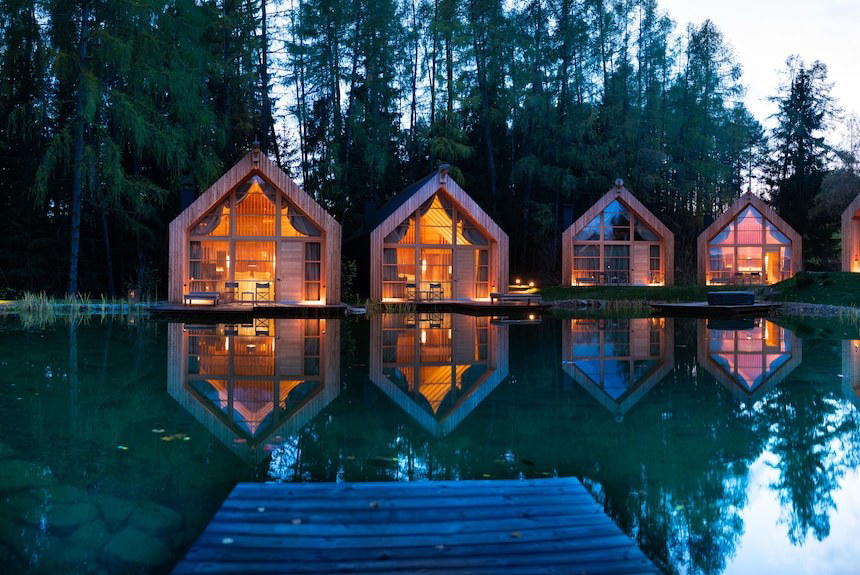
Arriving in Feldthurns from Klausen, the road climbs through a range of apple orchards and stone-walled terraces before opening onto a plateau where the village sits with long views across the valley. The built environment is characteristic South Tyrolean rural: rendered farmhouses with deep-set windows, wooden balconies stacked with firewood, and the kind of architectural continuity that comes from centuries of building in response to the same climate rather than successive waves of aesthetic fashion. Loaterer Hof sits within this fabric at via Peter Mayr, accessible from the village centre.
The village itself has a small cluster of dining options that represent different positions within the local hospitality tradition. Feldthurnerhof and Glangerhof are among the other establishments in the immediate area, and together they form a picture of how a village of this scale manages to sustain multiple hospitality operations. The answer lies partly in the summer and autumn walking tourism that brings guests up from the valley floor, and partly in the local tradition of treating agricultural properties as social destinations rather than purely functional ones.
South Tyrol in the Context of Italian Fine Dining
Italy's most decorated restaurants cluster in different geographic logics. The Po Valley properties, such as Dal Pescatore in Runate and Le Calandre in Rubano, draw from the agricultural productivity of the plains. Central Italian houses, from Osteria Francescana in Modena to Enoteca Pinchiorri in Florence, work within centuries of urban gastronomy. Coastal properties like Uliassi in Senigallia and Quattro Passi in Marina del Cantone are built around daily catch and maritime tradition. Others, including Piazza Duomo in Alba and Reale in Castel di Sangro, occupy their own regional contexts.
South Tyrolean farmstead dining sits outside all of these logics. Its competitive set is not other Italian fine dining venues. It is the network of Alpine agricultural properties across northern Italy, Austria, and Switzerland that have built their offer around a direct relationship with land, altitude, and season. The comparison point for a Hofschank is not Enrico Bartolini in Milan or La Pergola in Rome, much less Le Bernardin in New York City or Atomix in New York City. It is the farmhouse table set by a producer who grows, cures, and serves within the same property boundary. That model has its own standards of quality, and they are not lesser for being different. Da Vittorio in Brusaporto and Casa Perbellini 12 Apostoli in Verona represent the high end of formal Italian hospitality, but the farmstead register answers a different question entirely: not what can technique achieve, but what does this specific place produce, and how does it taste when nothing intervenes between harvest and table.
Planning a Visit
Feldthurns is reached most directly from Klausen, which sits on the A22 Brenner motorway corridor and has a train connection on the Brenner line. The drive up from Klausen takes under ten minutes, though the road requires some care in winter conditions. Plan ahead, as reservations are recommended.
Quick Comparison
Comparable venues nearby, for context on price, style, and recognition.
| Venue | Cuisine | Price | Notes |
|---|---|---|---|
| Loaterer HofThis venue — the venue you are viewing | Traditional South Tyrolean Farmstead | $$ | Not listed |
| Feldthurnerhof | Regional Italian with Austrian Influences | $$$ | Feldthurns |
| Glangerhof | South Tyrolean Alpine-Italian | $$$ | Feldthurns |
| Rielingerhof | South Tyrolean Farmhouse | $$ | Siffian |
| Saalerwirt | South Tyrolean Cuisine | $$ | Saalen |
| Gelateria La Romana | Artisanal Italian Gelato | $$ | Sallustiano |
Continue exploring
More in Feldthurns
Restaurants in Feldthurns
Browse all →
Bars in Feldthurns
Browse all →
Hotels in Feldthurns
Browse all →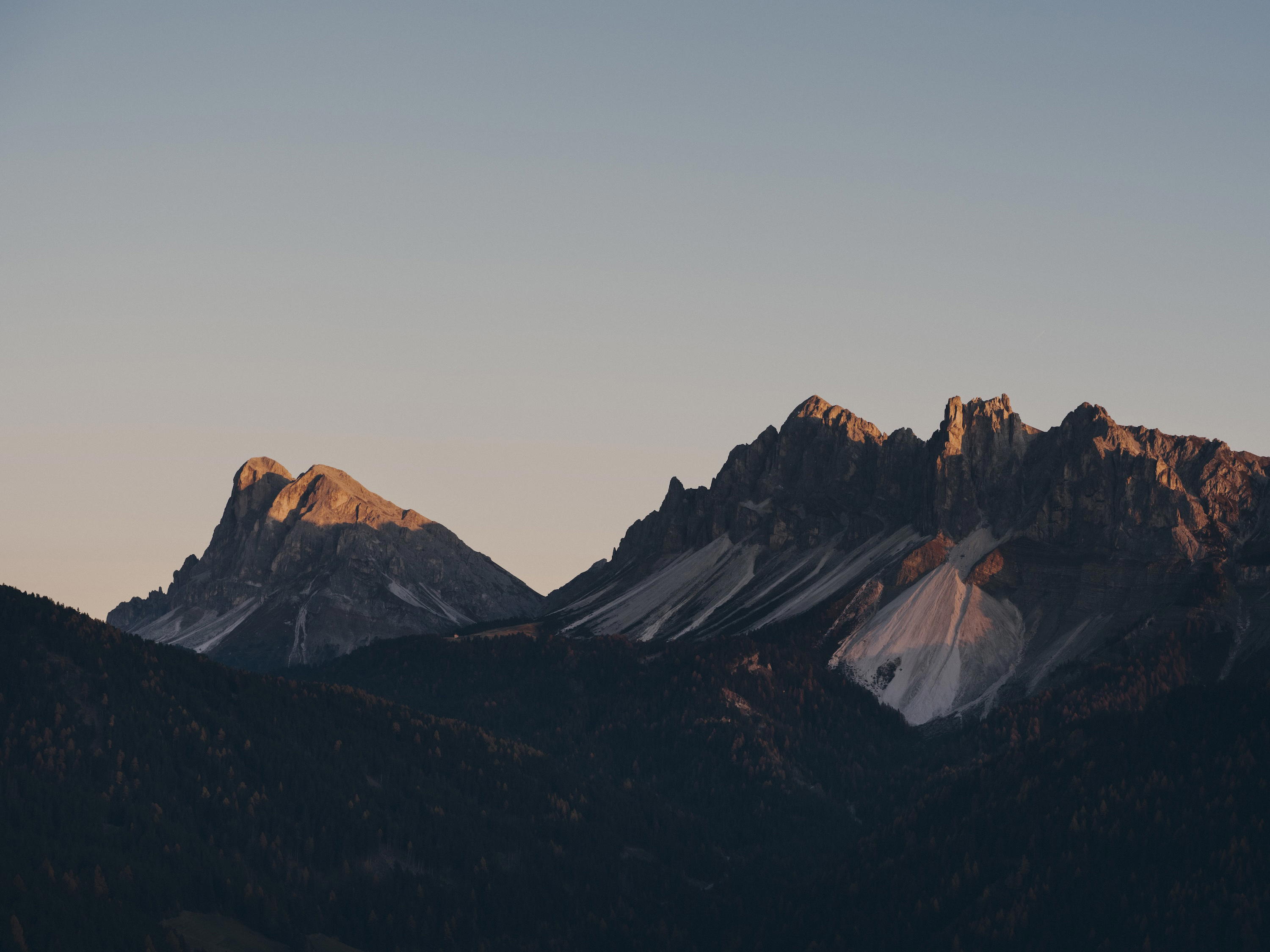
At a Glance
- Rustic
- Cozy
- Classic
- Family
- Casual Hangout
- Historic Building
- Extensive Wine List
- Local Sourcing
- Mountain
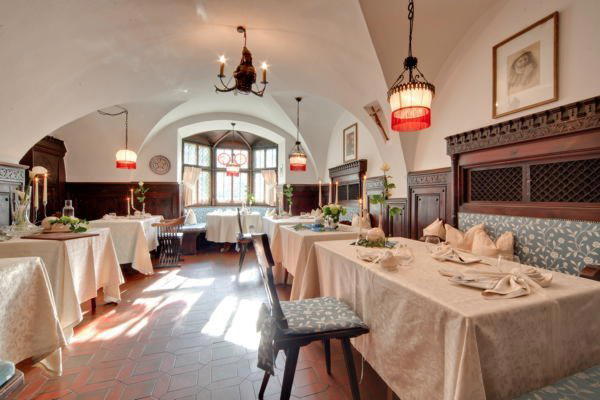
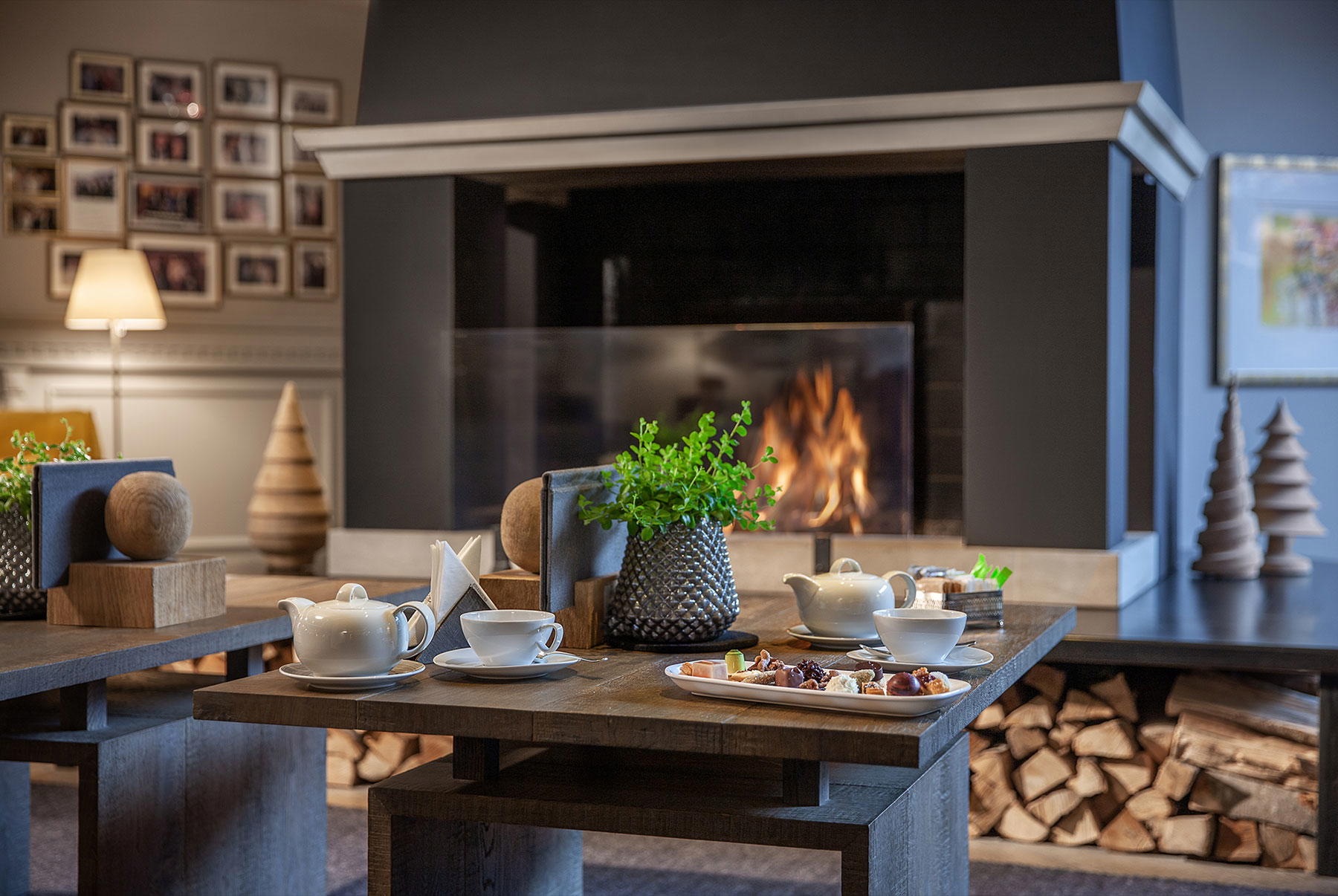
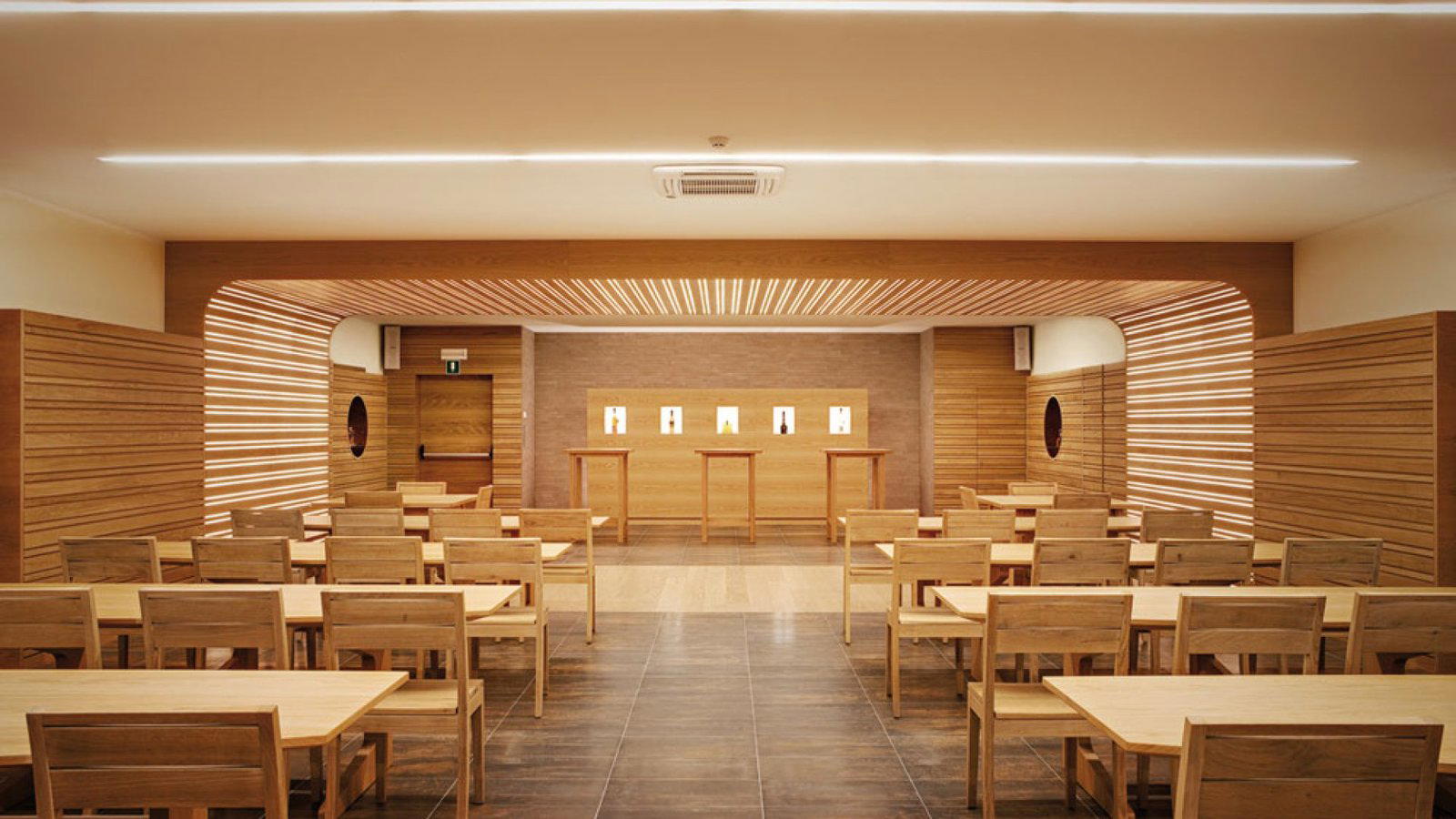
Cozy wood-panelled parlour with a quietly agricultural atmosphere rooted in the surrounding landscape.