Saalerwirt
A traditional Südtiroler Wirtshaus in St. Lorenzen, Saalerwirt sits in the Val Pusteria agricultural corridor where mountain farming and Alpine culinary tradition overlap. The kitchen draws from the surrounding Dolomite landscape, and the setting reflects the working character of rural South Tyrol rather than the polished resort aesthetic that dominates the region's higher-profile dining rooms.
Pearl is the En Primeur Club membership app — saves, bookings, and concierge access live there. Same editors, same standards.
- Address
- Saalen, 4, 39030 St. Lorenzen, Autonome Provinz Bozen - Südtirol, Italy
- Phone
- +39474403147
- Website
- saalerwirt.com
- Directions
- Get directions
 Saves & bookings on Pearl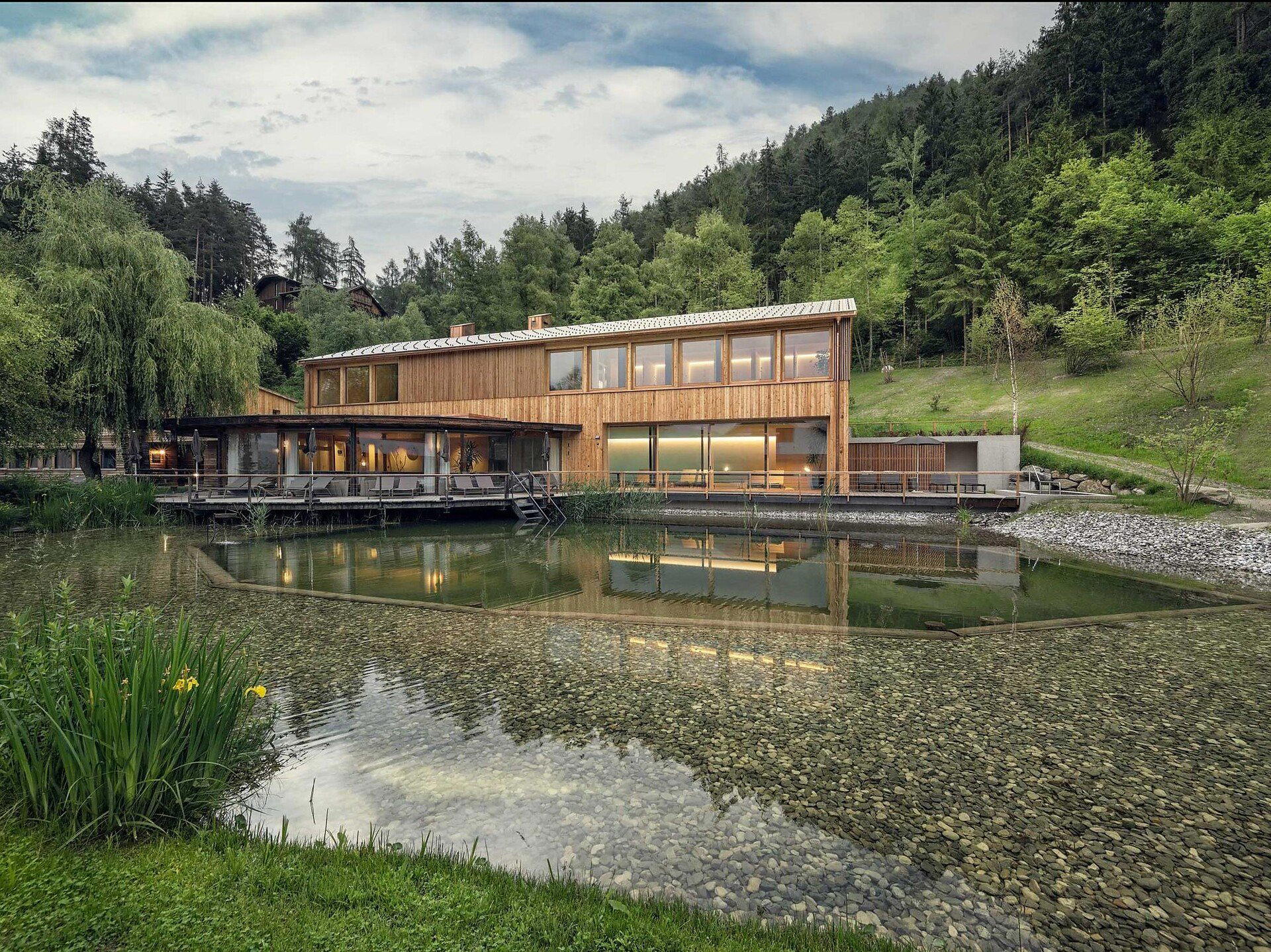
Where the Dolomites Meet the Table
The road into St. Lorenzen runs through Val Pusteria, one of the wider Alpine valleys in South Tyrol, where the farming communities that built this region's food culture are still visibly in operation. Hay barns, cattle pastures, and small-scale orchards mark the approach to Saalen, the hamlet address of Saalerwirt, and the restaurant sits within that agricultural context rather than apart from it. The building and its surroundings carry the density of actual local life: a working valley, a community anchor, a place that existed before the region became a destination. For anyone tracing how South Tyrolean cooking connects to its landscape, that context matters more than any dining room aesthetic.
The Sourcing Logic of Alpine Cooking
South Tyrolean cuisine sits at a productive intersection of Italian and Austrian culinary traditions, and nowhere is that more apparent than in the ingredient base. The valley floor around Val Pusteria supports dairy farming at scale, the milk that becomes speck-curing culture, the cream that enters spätzle and knödel, the rye that produces Schüttelbrot. At establishments like Saalerwirt, the sourcing geography is short by necessity and by tradition. Farms visible from the road supply what the kitchen uses. This is not a marketing position; it is the operating logic that sustained Wirtshaus cooking through generations before farm-to-table became a category.
In contrast to the grand tasting menus that have made South Tyrol internationally recognised, operations like Atelier Moessmer Norbert Niederkofler in Brunico, where a philosophy of alpine ingredient integrity commands serious international attention, a traditional Wirtshaus occupies the other end of the same sourcing spectrum. The ingredients are the same; the format and ambition differ sharply. Where high-end creative kitchens interpret regional produce through contemporary technique, the Wirtshaus format treats regional produce as self-sufficient: requiring no interpretation beyond sound execution. Both positions are coherent. They are also complementary, which is why the area around Brunico and St. Lorenzen functions as one of Italy's more intellectually interesting dining corridors.
What the Wirtshaus Format Actually Means
The term Wirtshaus is used loosely across the German-speaking Alps, but in South Tyrol it carries specific weight. These are not gastropubs chasing a rustic aesthetic. They are the dining infrastructure of communities that built their food traditions around altitude, seasonality, and preservation. Speck, for instance, is not simply a cured meat here, it is a solution to winter, developed over centuries in valleys where supply chains were measured in mountain passes rather than motorways. Canederli (bread dumplings) absorb stale bread so efficiently that the dish effectively defines the logic of Alpine resourcefulness. Knödel in broth, barley soup, venison from nearby forests: these dishes encode place and season in ways that require no additional framing.
Italy's broader fine dining circuit has moved toward increasingly elaborate formats. Osteria Francescana in Modena, Le Calandre in Rubano, and Piazza Duomo in Alba represent the direction the country's most recognised kitchens have taken, multi-course, concept-driven, technically demanding. The Wirtshaus sits in deliberate counterpoint to that trajectory: fewer courses, direct flavours, and a room that feels shaped by use rather than design intention. Neither approach is superior. They answer different questions about what a restaurant is for.
Reading the Room: Setting and Atmosphere
A traditional South Tyrolean dining room tends toward dark wood panelling, ceramic tile stoves, and low ceilings that retain warmth, architectural responses to climate as much as aesthetic choices. The furniture is heavy, the lighting warm, and the ambient sound reflects a room built for conversation among people who know each other. Entering a well-maintained Wirtshaus feels less like arriving at a restaurant and more like joining an ongoing situation that predates your visit. That quality is difficult to replicate in purpose-built dining rooms, and it is part of what separates the authentic Wirtshaus format from the many imitations across Alpine tourism corridors.
St. Lorenzen is a small municipality, its scale means the community function of any established local restaurant is immediately apparent. The room at Saalerwirt reflects that community anchor role, where the dining dynamic shifts across the week: locals on weekday evenings, broader regional visitors on weekends, and the occasional traveller who has moved beyond the more publicised resort destinations of the Val Pusteria to find how the valley actually eats.
South Tyrol's Dining Range in Context
For readers calibrating where Saalerwirt sits within the wider Italian dining geography, the reference points span a wide range. At the technical apex, operations like Enoteca Pinchiorri in Florence, Dal Pescatore in Runate, and Villa Crespi in Orta San Giulio represent the formal, award-heavy tier. Coastal-facing kitchens like Uliassi in Senigallia and Quattro Passi in Marina del Cantone operate in a completely different ingredient register. South Tyrol's Wirtshaus tradition sits apart from all of these, geographically, philosophically, and in terms of what it asks of a diner. The expectation is not a curated progression of courses. It is a table, a meal, and proximity to the source of the ingredients on the plate.
That distinction positions South Tyrolean traditional dining alongside other regionally anchored European formats, the Basque sagardotegi, the Burgundian bistrot de pays, where the interest lies in the integrity of the relationship between place and plate rather than in technical elaboration. For comparison, internationally recognised operations like Le Bernardin in New York City or Atomix in New York City represent a fundamentally different model of what fine dining does and who it serves. Both are worth understanding. They are not in competition with each other any more than a mountain valley is in competition with a city.
Planning Your Visit
St. Lorenzen sits along the Val Pusteria road corridor between Brunico and San Candido, accessible by regional train on the Pusteria line as well as by car. The village is small, and Saalerwirt's address in the Saalen locality places it just outside the main settlement centre. For visitors moving through the valley rather than staying locally, the surrounding area warrants time beyond a single meal: the Dolomite approaches north of Brunico, the agricultural communities between St. Lorenzen and Chienes, and the broader context of how this valley shaped the food traditions that South Tyrol now exports as a regional identity. Contact details and current hours are best confirmed directly through local directories, as operational specifics at small traditional establishments change seasonally.
Comparison Snapshot
Comparable venues nearby, for context on price, style, and recognition.
| Venue | Cuisine | Price | Notes |
|---|---|---|---|
| SaalerwirtThis venue — the venue you are viewing | South Tyrolean Cuisine | $$ | Not listed |
| Karrner | South Tyrolean Italian Tapas | $$ | historic center |
| Trattoria Mainardo | South Tyrolean & Italian Trattoria | $$ | Center of Merano |
| Soulfood | Modern Italian Pizzeria | $$ | Merano Centro |
| Agriturismo Huberhof | South Tyrolean Farm Cuisine | $$ | Völs am Schlern |
| Hostaria a Le Bele | Modern Italian Trattoria | $$ | Valdagno |
Continue exploring
More in St. Lorenzen
Restaurants in St. Lorenzen
Browse all →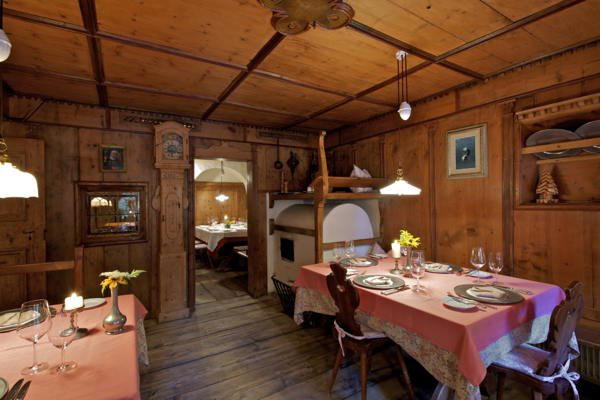
Bars in St. Lorenzen
Browse all →
Hotels in St. Lorenzen
Browse all →

At a Glance
- Rustic
- Cozy
- Scenic
- Family
- Casual Hangout
- Historic Building
- Farm To Table
- Local Sourcing
- Organic
- Mountain
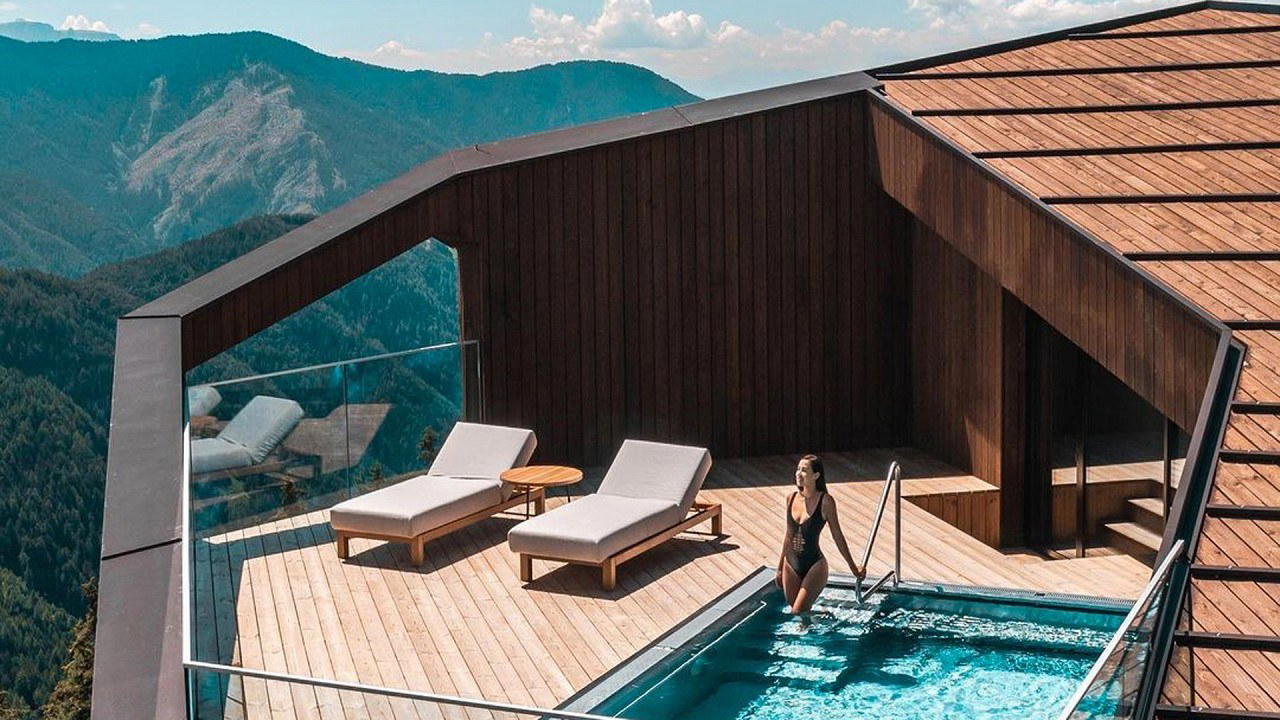
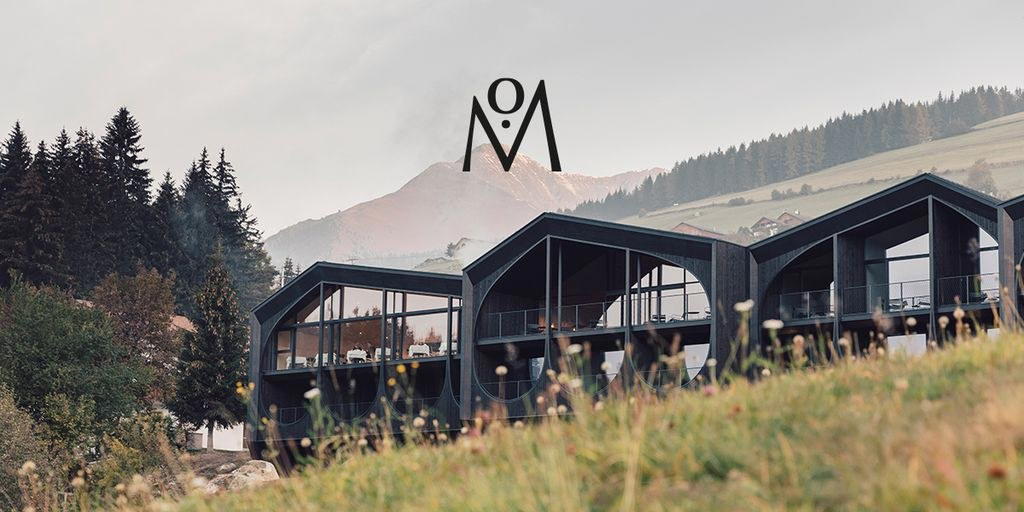
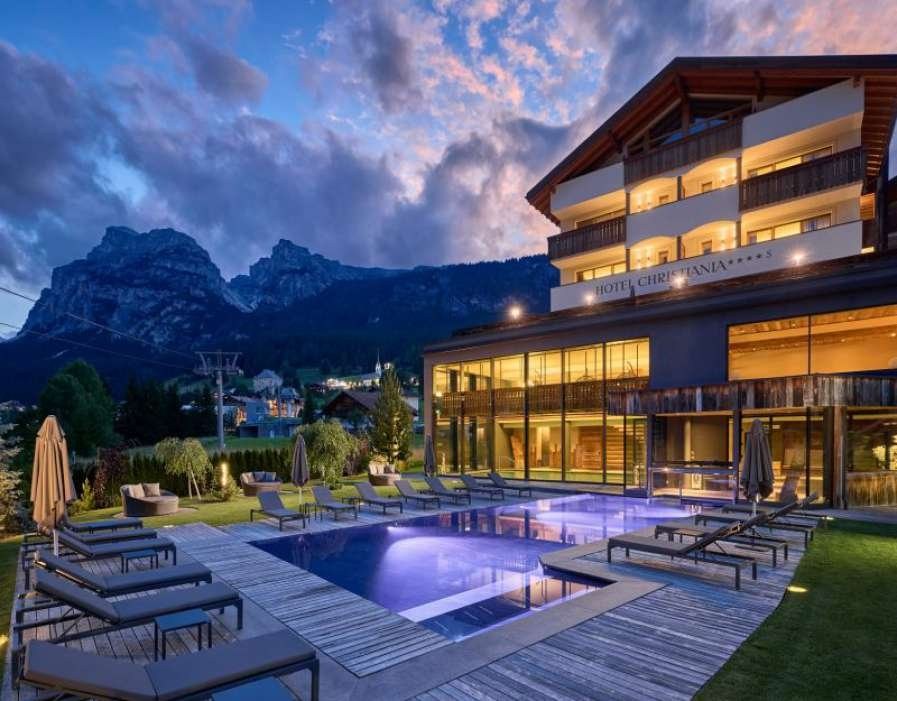
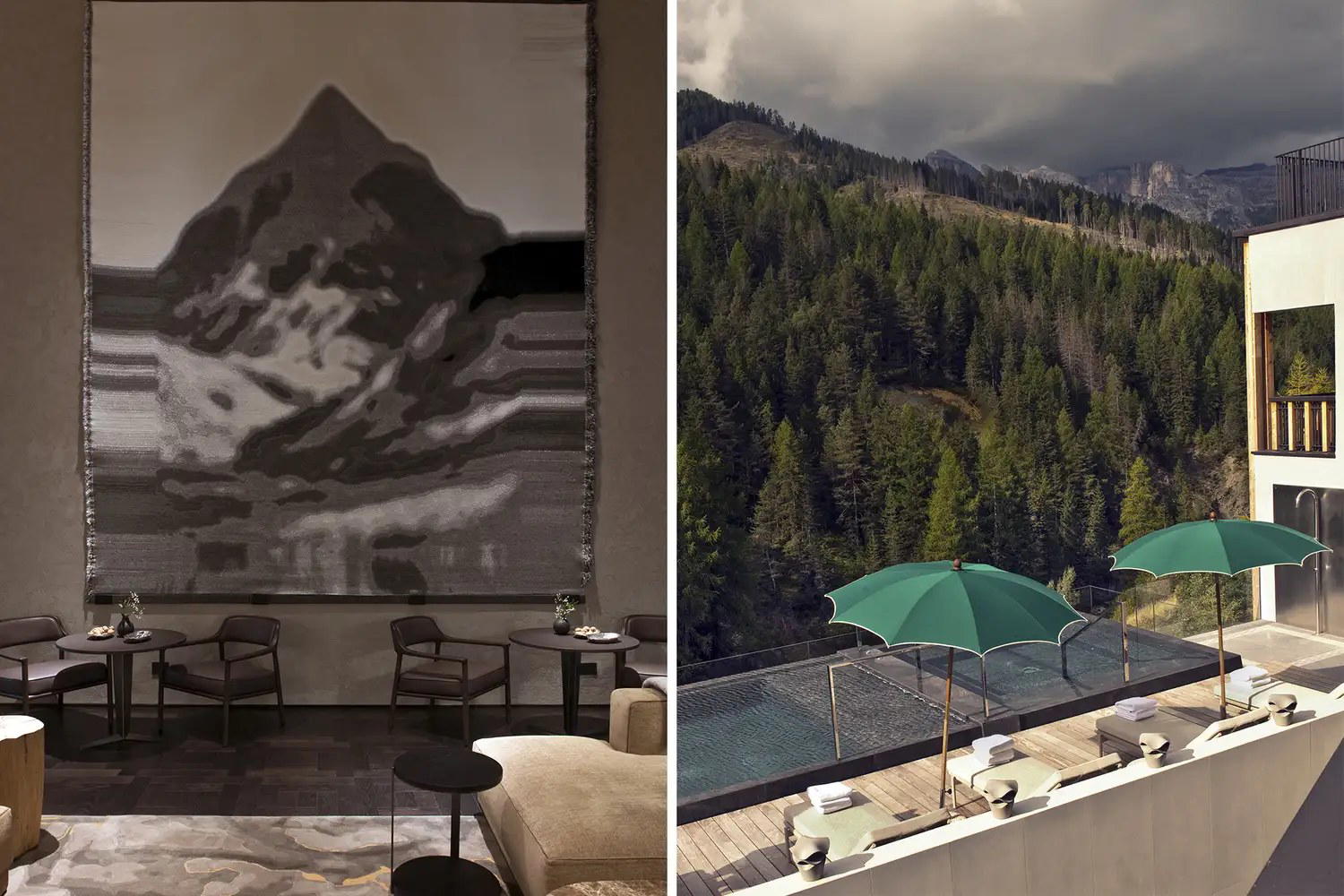
Rustic and cozy atmosphere in a protected historic farmhouse surrounded by mountains and forests.