Llama
Copenhagen has spent two decades exporting New Nordic to the world, but Llama at Lille Kongensgade 14 makes a different argument, that Latin American cooking, rooted in its own deep traditions, belongs in the same conversation. The restaurant occupies a considered position in a city where the fine-dining default runs heavily Nordic, and it earns attention precisely because it refuses that default.
Pearl is the En Primeur Club membership app — saves, bookings, and concierge access live there. Same editors, same standards.
- Address
- Lille Kongensgade 14, 1074 København, Denmark
- Phone
- +45 89 93 66 87
- Website
- cofoco.dk
- Directions
- Get directions
 Saves & bookings on Pearl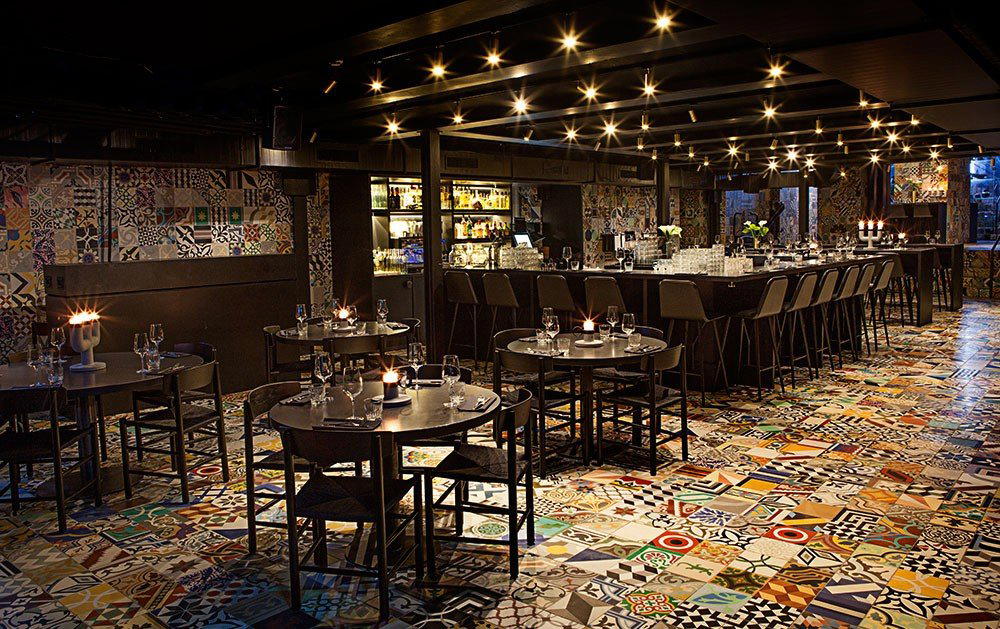
A Different Argument on Lille Kongensgade
Walk the stretch of streets between Kongens Nytorv and the old city core on any given evening and the dining offers follow a familiar pattern: fermented dairy, foraged herbs, smoked fish, the quiet restraint that two decades of New Nordic dominance have made Copenhagen's most exported product. Llama, at Lille Kongensgade 14, interrupts that pattern. Latin American cooking, with its fire, acid, and layered indigenous technique, occupies a genuinely different register in this city, and the restaurant makes that difference count.
The address itself sits in a dense, walkable part of central Copenhagen, close enough to the main tourist circuits to be accessible but embedded in the kind of neighbourhood fabric where locals eat rather than perform. That positioning matters. In a city where the highest-profile tables, Geranium, Noma, Alchemist, operate at the furthest edge of experimentation, Llama holds a different kind of authority: the authority of a cuisine with its own long history, arriving on its own terms.
What Latin American Cooking Means in a Nordic Context
To understand why Llama registers differently from its peers, it helps to understand what Latin American culinary tradition actually carries with it. The cuisines of Peru, Mexico, and their neighbours are among the more technically complex in the world, built over centuries of indigenous agricultural knowledge, colonial collision, and diaspora movement. Peruvian cooking alone draws on Japanese, Chinese, Spanish, and pre-Columbian Andean technique; Mexican cuisine was recognised by UNESCO as Intangible Cultural Heritage in 2010, one of the first food cultures to receive that designation.
Copenhagen's dining culture has been shaped almost entirely by European and increasingly East Asian influences. Koan blends New Nordic with kaiseki; Kadeau pushes Danish island produce through a fine-dining frame. What the city has not had, in any sustained way, is a serious Latin American kitchen operating at a comparable level of ambition. Llama claims that position, and the claim is not made lightly.
The ingredient logic of Latin American cooking, chillies at varying heat profiles and flavour registers, citrus-cured proteins, masa and corn in forms that have no Nordic equivalent, fermentation traditions that predate Scandinavian ones by centuries, creates a dining experience where the reference points are entirely different from those at the tasting-menu counters a few streets away. That difference is the point.
Where Llama Sits in Copenhagen's Fine-Dining Tier
Copenhagen's premium restaurant scene has sorted itself into a fairly legible hierarchy. At the leading, Geranium holds three Michelin stars and operates as the city's most decorated address. Alchemist runs a fifty-course theatrical format that places it in a category of its own. Noma, before its announced closure of the original format, defined what the city became known for internationally. Llama operates in a different bracket, not chasing the same Michelin logic as those addresses, but building recognition through cuisine specificity rather than Nordic-format prestige.
That distinction matters when deciding where Llama fits in a Copenhagen itinerary. Visitors spending multiple days in the city and working through its dining options will find the Latin American register here provides genuine contrast rather than overlap with the Kadeau or Koan end of the spectrum. The decision isn't either/or, it's sequencing.
For those building a broader Denmark itinerary, the fine-dining map extends well beyond the capital. Jordnær in Gentofte and Frederikshøj in Aarhus anchor the regional end of the Michelin conversation, while Henne Kirkeby Kro, Frederiksminde in Præstø, Dragsholm Slot Gourmet in Hørve, and coastal addresses like LYST in Vejle, Tri in Agger, Ti Trin Ned in Fredericia, Pearl by Paul Proffitt in Kruså, and Syttende in Sønderborg demonstrate that serious cooking in Denmark has never been exclusively a Copenhagen story.
The Global Frame: Latin American Cooking at Altitude
Llama's position in Copenhagen becomes clearer when you place it in the global context of Latin American cooking at the fine-dining level. Internationally, that tradition has moved from being treated as peripheral to being recognised as a primary reference point. Restaurants like Central in Lima operate at the same altitude as any European three-star, and the techniques that define serious Latin American kitchens, nixtamalisation, ceviche acid balance, mole construction, the precise calibration of fresh and dried chilli, are as demanding as anything in classical French or Japanese cuisine.
The comparison set for what Llama is attempting sits closer to that global conversation than to the New Nordic canon. In North America, addresses like Le Bernardin in New York City and community-driven formats like Lazy Bear in San Francisco represent how cuisines with deep roots, French technique, American communal dining, translate into a specific city's premium tier. Llama is making a version of that argument in Copenhagen: that a cuisine with genuine depth deserves a serious platform, regardless of what the surrounding city has decided its culinary identity should be.
Planning Your Visit
Llama's address at Lille Kongensgade 14 in Copenhagen's 1074 postcode places it in the inner city, reachable on foot from Kongens Nytorv (the eastern terminus of the Metro's M1 and M2 lines) in under ten minutes. As with the more prominent tasting-menu addresses in the city, advance planning is advisable, Copenhagen's restaurant culture runs on bookings rather than walk-ins at the upper end of the market.
Geranium to neighbourhood-level options. Llama's value in that map is precisely its difference: a cuisine tradition that doesn't defer to what Copenhagen has already decided it does well.
Side-by-Side Snapshot
Comparable venues nearby, for context on price, style, and recognition.
| Venue | Cuisine | Price | Notes |
|---|---|---|---|
| LlamaThis venue — the venue you are viewing | Latin American Fusion | $$$ | Not listed |
| Cap Horn | Modern Danish Bistro | $$$ | Indre By |
| Keyser Social | Asian-Nordic Fusion Social Dining | $$$ | Indre By |
| Bazaar | Moorish Middle Eastern Fusion | $$$ | Indre By |
| Maison | Classic French Bistro | $$$ | Indre By |
| Brasserie Post | French Brasserie | $$$ | Østerbro |
Continue exploring
More in Copenhagen
Restaurants in Copenhagen
Browse all →
Bars in Copenhagen
Browse all →
At a Glance
- Lively
- Trendy
- Energetic
- Group Dining
- Late Night
- Casual Hangout
- Open Kitchen
- Extensive Wine List
- Craft Cocktails
- Local Sourcing
Current opening hours
- Monday
- 5:30 PM–12 AM
- Tuesday
- 5:30 PM–12 AM
- Wednesday
- 5:30 PM–12 AM
- Thursday
- 5 PM–12 AM
- Friday
- 5 PM–1 AM
- Saturday
- 5 PM–1 AM
- Sunday
- 5:30 PM–12 AM
Hours can change for holidays and private events. Last verified .
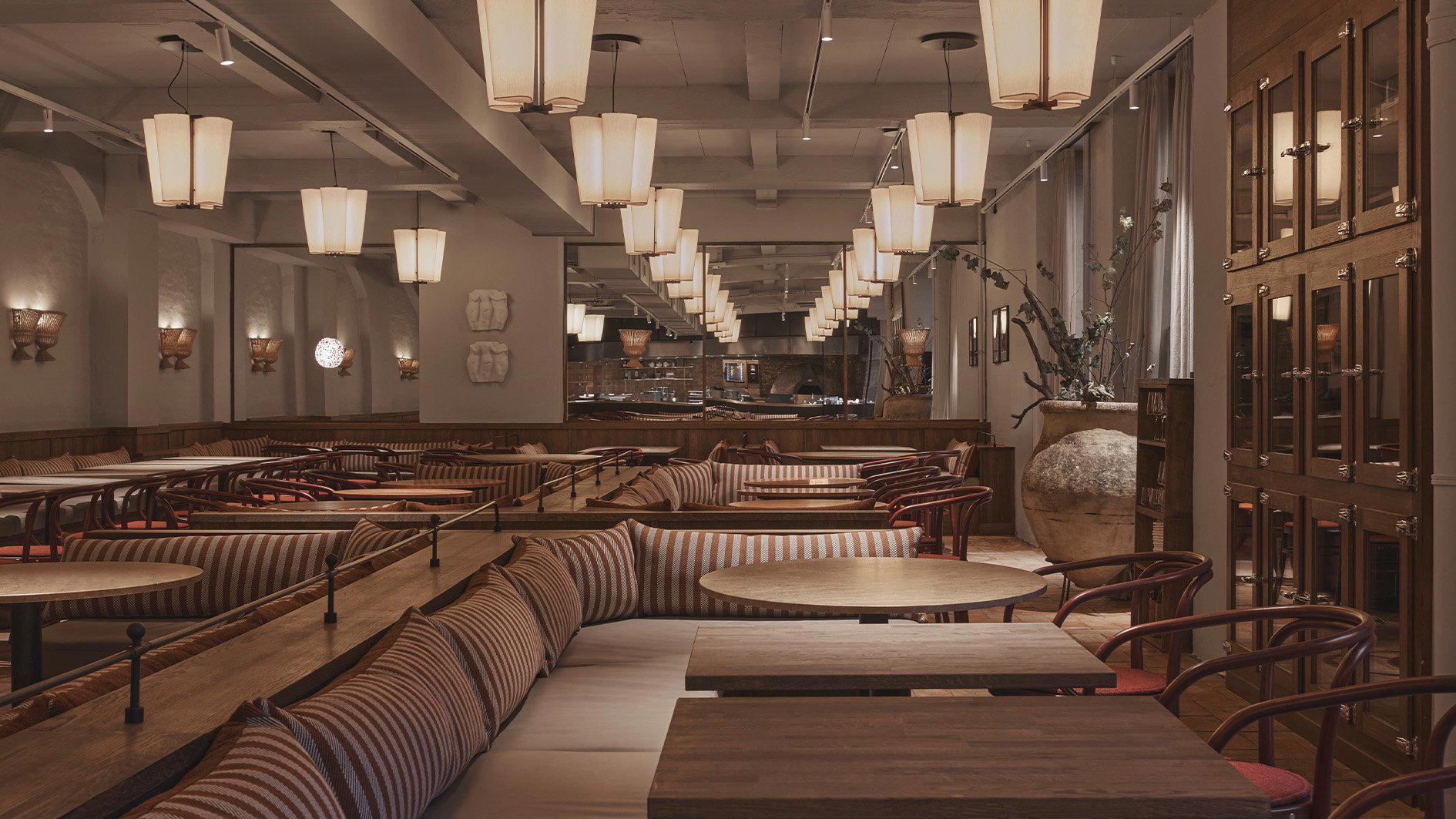
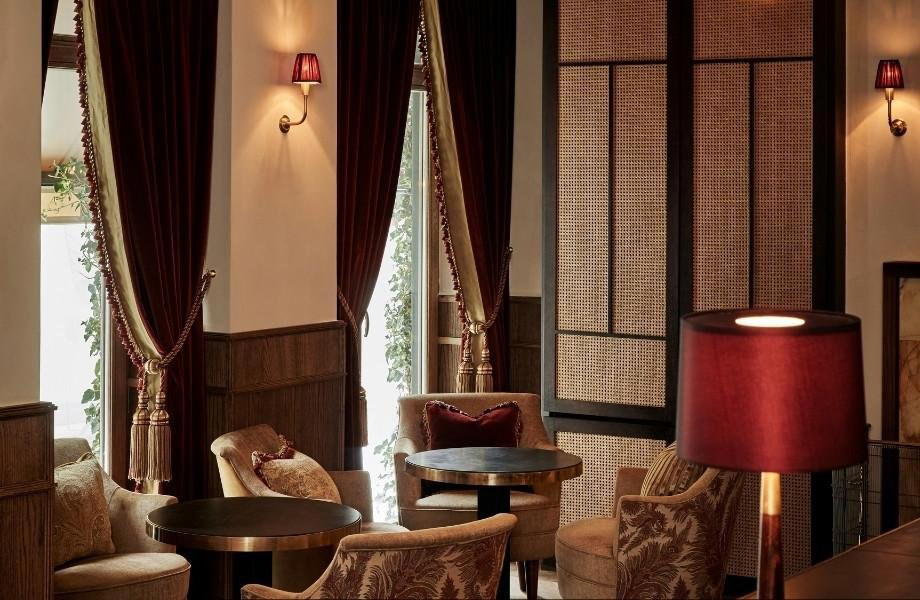
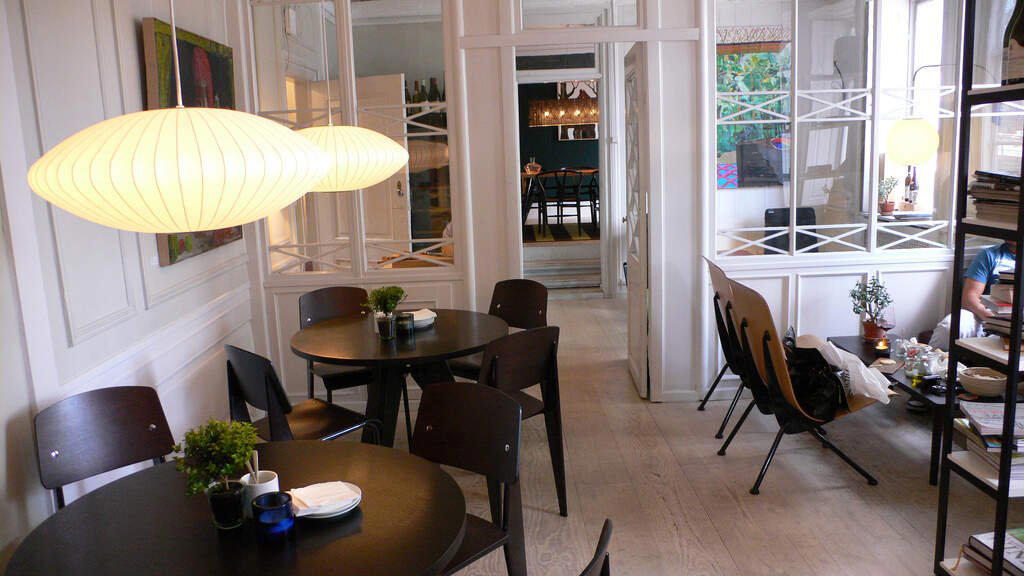
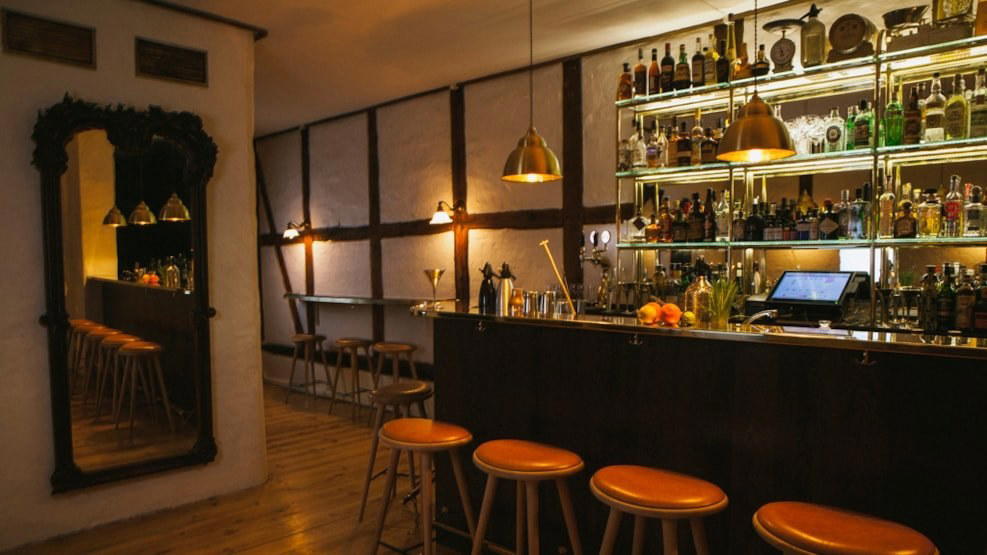
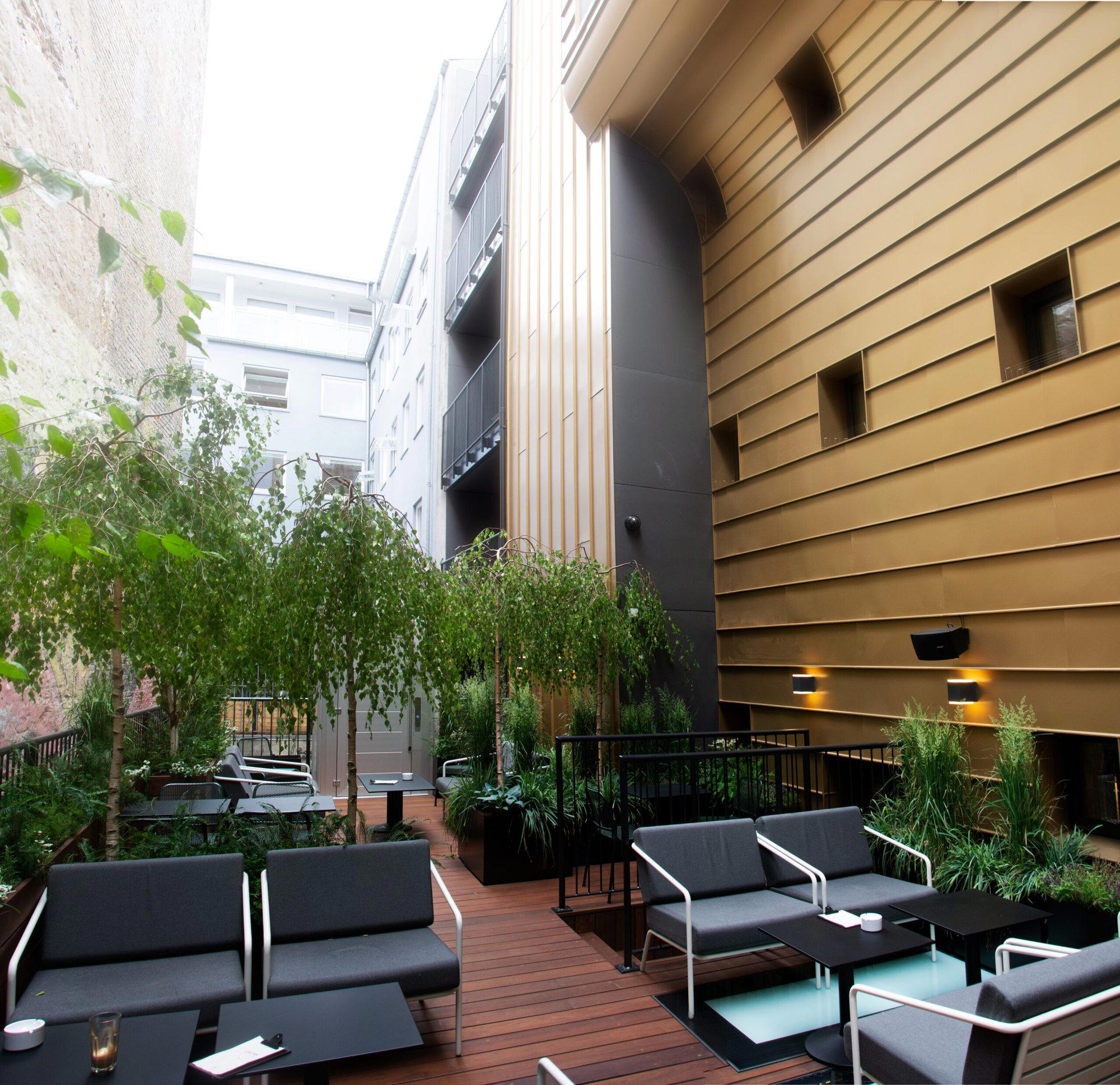
Lively and energetic atmosphere with late-night DJ sessions on weekends, transforming into a lively bar.