Little Saigon Restaurant
Our verdict
Little Saigon Restaurant on Wilson Boulevard sits in the heart of Falls Church's Vietnamese corridor, a stretch of Northern Virginia that has shaped how the DC metro area understands pho, bun bo Hue, and the broader grammar of southern Vietnamese cooking. The address puts it among some of the most densely concentrated Vietnamese dining in the eastern United States, where regulars navigate by dish rather than by name.

Pearl is the En Primeur Club membership app — saves, bookings, and concierge access live there. Same editors, same standards.
- Address
- 6218 Wilson Blvd, Falls Church, VA 22044
- Phone
- (703) 536-2633
- Hours
- Mon 11 AM–9 PMTue ClosedWed–Sun 11 AM–9 PM
- Website
- littlesaigonrestaurant.net
- Directions
- Get directions
- Booking
- Book on the venue's website
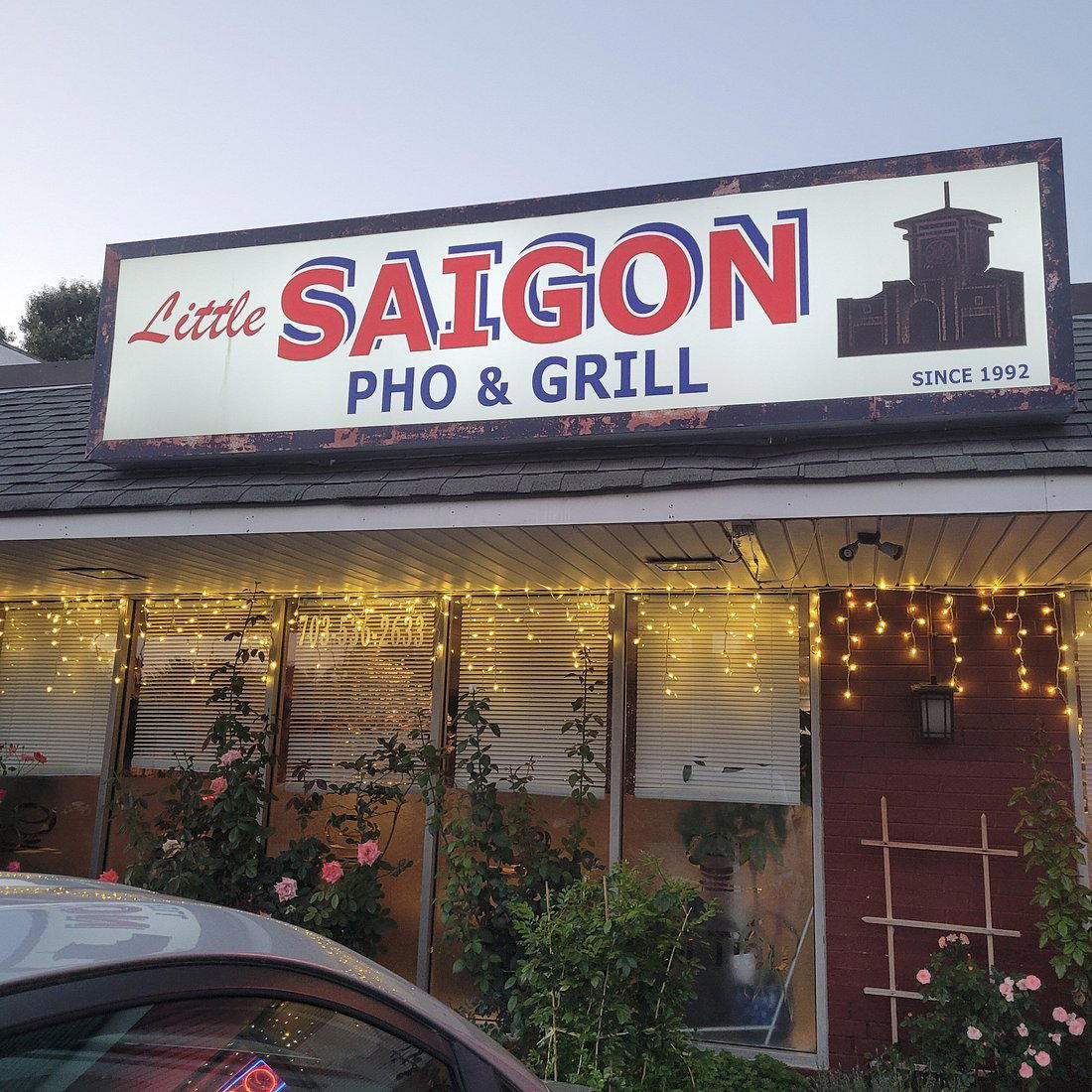
Wilson Boulevard and the Vietnamese Dining Corridor
Falls Church's Wilson Boulevard stretch is one of the most consequential Vietnamese dining corridors in the eastern United States. The concentration here is not accidental: Vietnamese immigration to Northern Virginia intensified through the late 1970s and 1980s, and the commercial strip around Falls Church became a self-reinforcing cluster where suppliers, restaurants, and community institutions settled in proximity. Today, a single mile of Wilson Boulevard contains more Vietnamese kitchens than most American cities will ever accumulate, and the competition inside that corridor is genuinely instructive. Restaurants do not survive here on novelty. They survive by executing the fundamentals — pho, banh mi, bun, and the broader spectrum of southern and central Vietnamese cooking — with consistency and at a price point the neighborhood will sustain.
Little Saigon Restaurant at 6218 Wilson Blvd sits squarely inside that tradition. The address is not incidental context; it is part of the restaurant's competitive identity. To eat here is to eat within one of the most demanding peer sets for Vietnamese food outside of Vietnam itself, where diners carry decades of comparative reference and where a weak broth or an underpowered banh hoi will be noticed immediately.
How the Menu Speaks
Vietnamese restaurant menus in the Wilson Boulevard corridor tend to function as catalogues rather than edited statements. The logic is regional comprehensiveness: a menu that spans pho variations, rice plates, vermicelli bowls, grilled proteins, and specialty soups is not padding, it is a signal that the kitchen has the range to serve a full cross-section of Vietnamese cooking traditions. Southern Vietnamese cooking, which anchors most of the corridor's output, leans toward sweetness, brightness, and fresh herb accompaniment. Central Vietnamese influences, when present, introduce more fermented and spiced profiles: bun bo Hue's lemongrass-forward broth and the pungency of mam ruoc are markers of a kitchen drawing on a wider geographic frame.
The architecture of a Vietnamese menu at this tier is worth reading carefully before ordering. The soup section typically differentiates between pho (the long-simmered beef bone stock of northern origin), bun bo Hue (a central Vietnamese preparation with a distinct spice and fermentation register), and hu tieu (a southern Chinese-influenced clear broth with a lighter body). These are not interchangeable. A kitchen that handles all three with equal confidence is demonstrating technical breadth that a single-format restaurant does not have to maintain. Similarly, the rice plate and vermicelli sections tend to anchor the midday trade, while grilled protein dishes and hotpot formats are more common in the evening. Reading the menu's internal structure reveals what the kitchen considers its core and what it offers at the margins.
In a corridor where price sensitivity is high and repeat-visit frequency drives the business, menu depth also functions as retention. A regular who has worked through the pho variants will move on to the specialty soups, then to the grilled combinations, then to the seasonal or off-menu items that regulars learn by asking. This is how Vietnamese restaurants in Falls Church build durable audiences rather than one-time visitors.
Falls Church in the Broader DC Vietnamese Context
Northern Virginia's Vietnamese dining scene sits in a different register from the high-concept Vietnamese cooking emerging in other American cities. Where some urban markets have seen Vietnamese-American chefs reframe the cuisine through a fine-dining lens, the Falls Church corridor operates on a different value proposition: depth of tradition, competitive pricing, and proximity to a community of diners for whom this food is daily rather than occasional. That is not a limitation. It is a distinct competitive positioning that produces a different kind of authority.
Within Falls Church specifically, the Vietnamese corridor exists alongside a broader diversity of immigrant dining that makes the city a genuine destination for serious eaters from across the DC metro area. Bamian represents the Afghan cooking tradition that has deep roots in Northern Virginia, while Dolan Uyghur Restaurant brings a Central Asian perspective rarely found at this quality level outside major coastal cities. Bread & Kabob and Clare & Don's Beach Shack fill out a picture of a small city with an eating culture that punches significantly above its size. For a complete orientation to what Falls Church offers, the full Falls Church restaurants guide maps the range.
For comparison, the fine-dining tier of the DC region is anchored by places like The Inn at Little Washington, which operates at a price point and formality level that places it in a national conversation alongside Le Bernardin in New York City, Alinea in Chicago, The French Laundry in Napa, and Providence in Los Angeles. The Wilson Boulevard corridor, by contrast, represents a completely different axis of dining authority: daily-use, community-rooted, and priced for frequency. Both axes matter, and the Falls Church Vietnamese corridor occupies its end of the spectrum with considerable credibility. Other notable American dining destinations on the EP Club radar include Lazy Bear in San Francisco, Blue Hill at Stone Barns in Tarrytown, Single Thread Farm in Healdsburg, Addison in San Diego, Emeril's in New Orleans, and Atomix in New York City, each representing distinct regional cooking traditions. Internationally, 8 1/2 Otto e Mezzo Bombana in Hong Kong demonstrates how immigrant culinary traditions can be reframed at a luxury tier. The Falls Church Vietnamese corridor makes the opposite argument: that tradition performed with daily discipline carries its own form of distinction. Falls Church's own higher-end dining is represented by 2941, which operates at a different price and format level entirely.
Planning a Visit
Little Saigon Restaurant is located at 6218 Wilson Blvd, Falls Church, VA 22044, in a section of the Boulevard that sees significant lunchtime and early evening traffic from both local residents and visitors making dedicated trips from across the DC metro area. The corridor is accessible from the Washington metro system, though most visitors arrive by car given the suburban street layout. Midday visits tend to offer the fastest service and the most active kitchen pace; weekend evenings bring higher volume across the corridor.
Frequently asked questions
Where is Little Saigon Restaurant in Falls Church?
Little Saigon Restaurant is located at 6218 Wilson Blvd, Falls Church, VA 22044, Falls Church.
How does Little Saigon Restaurant compare to other Vietnamese restaurants on Wilson Boulevard in Falls Church?
In this corridor, longevity and repeat neighbourhood custom are the operative trust signals — the kind of external awards and critical attention that distinguish venues in other cities are rarely the deciding factor here. Visiting multiple spots along the Boulevard on a single trip is a reasonable approach given the proximity.
What should I eat at Little Saigon Restaurant?
The Wilson Boulevard corridor, where Little Saigon sits at 6218 Wilson Blvd, is built around regional Vietnamese breadth rather than a single signature format. On menus like this, the practical approach is to work across categories: broth-based dishes, rice plates, and any specials listed in Vietnamese alongside the English menu. Staff can usually point you toward what the kitchen does with the most consistency on a given day.
Do I need a reservation for Little Saigon Restaurant?
Falls Church Vietnamese restaurants along Wilson Boulevard generally operate on a walk-in basis, and Little Saigon at 6218 Wilson Blvd follows that convention for the corridor. Lunchtime and early evening see the heaviest traffic on this stretch, so arriving before the peak window is the practical hedge. No reservation contact is currently listed in available venue records.
What's the defining dish or idea at Little Saigon Restaurant?
Little Saigon sits within a corridor that prizes regional comprehensiveness over a single marquee dish — the menu functions as a catalogue of Vietnamese cooking rather than an edited statement around one technique. That breadth is itself the point: Falls Church's Wilson Boulevard dining tradition is built on giving Vietnamese communities access to the full range, not a condensed greatest-hits version shaped for outside audiences.
Can Little Saigon Restaurant handle vegetarian requests?
The safest move is to ask staff directly about broth bases and fish sauce use, which are the two most common friction points for strict vegetarians in this cuisine tradition.
Is Little Saigon Restaurant worth the price?
Falls Church's Wilson Boulevard Vietnamese corridor has a long-standing reputation for delivering honest, cook-focused food at prices that reflect neighbourhood restaurant economics rather than destination-dining premiums. Little Saigon operates inside that same framework at 6218 Wilson Blvd, in a section of the Boulevard where value is effectively enforced by competition density.
A Credentials Check
Comparable venues nearby, for context on price, style, and recognition.
| Venue | Cuisine | Price | Awards | Notes |
|---|---|---|---|---|
| Little Saigon RestaurantThis venue — the venue you are viewing | Authentic Vietnamese | $20–30 | Not listed | Not listed |
| Present | Authentic Vietnamese | $20–30 | Not listed | Arlington Boulevard corridor |
| Rice Paper Taste.of. Vietnam | Authentic South Vietnamese | $20–30 | Not listed | Eden Center |
| Truong Tien | Authentic Hue-style Vietnamese | $20–30 | Washingtonian 100 Very Best Restaurants #94 | Eden Center |
| Bread & Kabob | Persian Kabobs | $20–30 | Not listed | Bailey's Crossroads |
| Ellie Bird | Contemporary Asian-American Fusion | $100–150 | Washingtonian 100 Very Best Restaurants #30 | Falls Church |
Continue exploring
More in Falls Church
Restaurants in Falls Church
Browse all →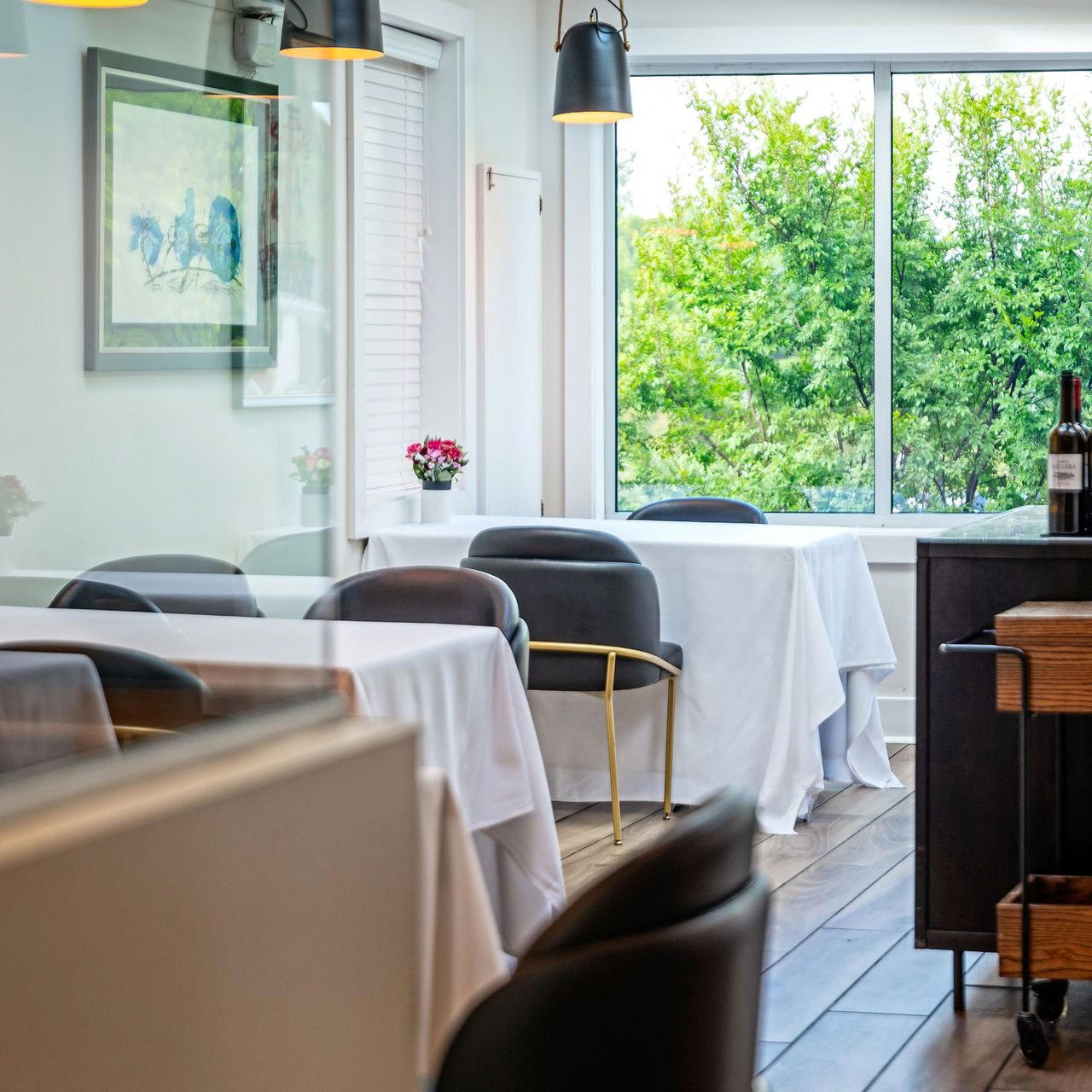
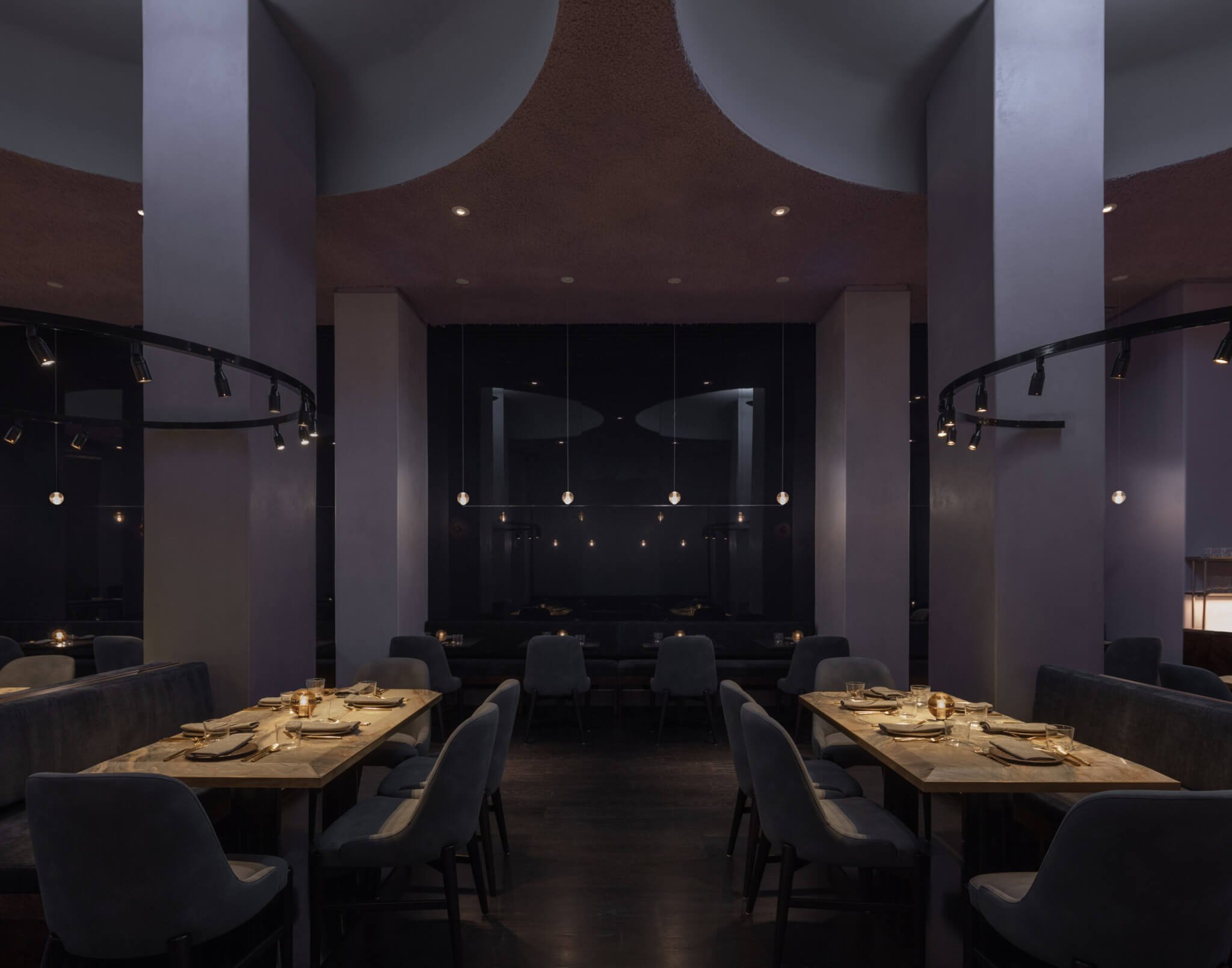
Bars in Falls Church
Browse all →
Hotels in Falls Church
Browse all →
Details
- Cozy
- Classic
- Family
- Casual Hangout
- Live Music
- A La Carte
- Vegetarian Friendly
- Vegan Options
Current opening hours
- Monday
- 11 AM–9 PM
- Tuesday
- Closed
- Wednesday
- 11 AM–9 PM
- Thursday
- 11 AM–9 PM
- Friday
- 11 AM–9 PM
- Saturday
- 11 AM–9 PM
- Sunday
- 11 AM–9 PM
Hours can change for holidays and private events. Last verified .
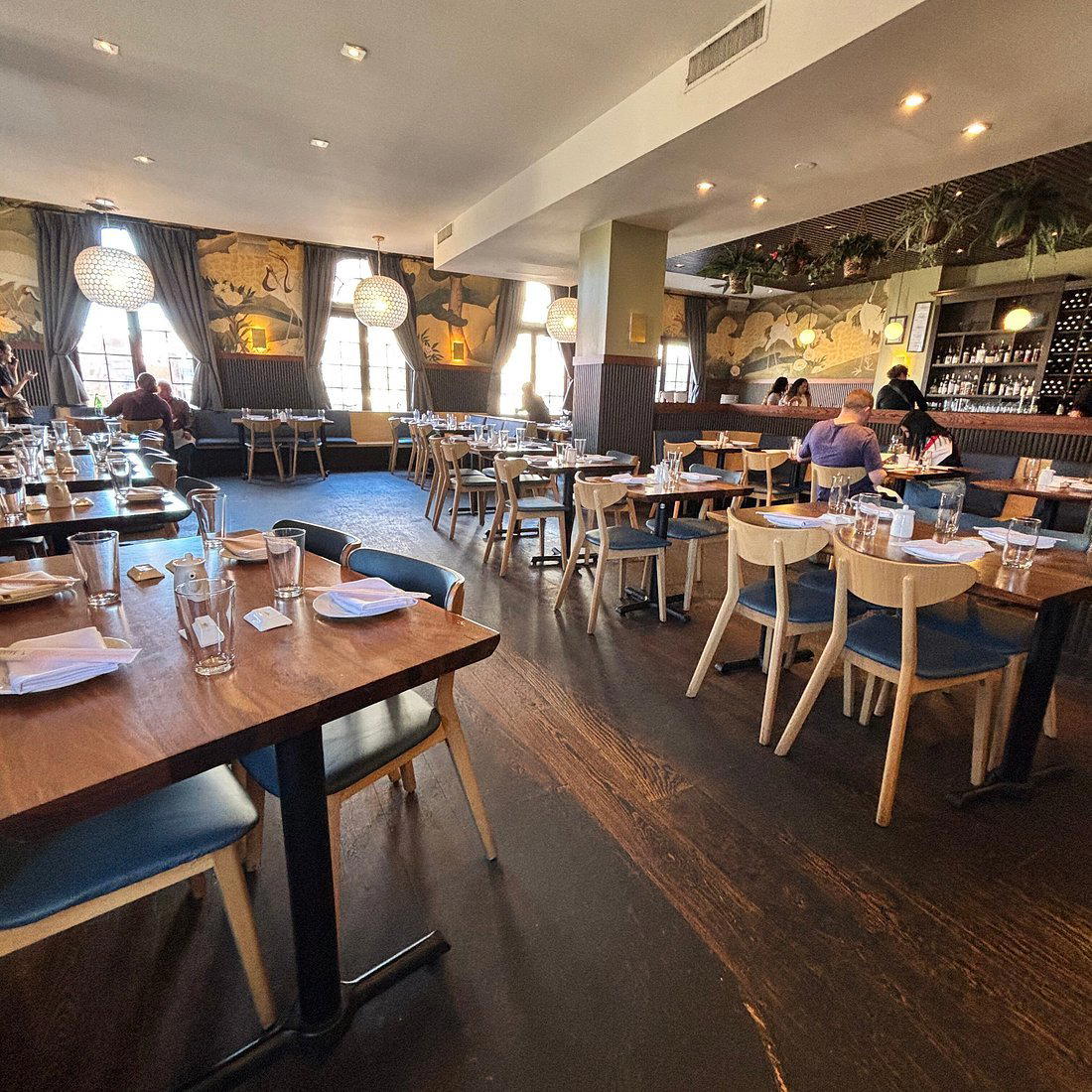
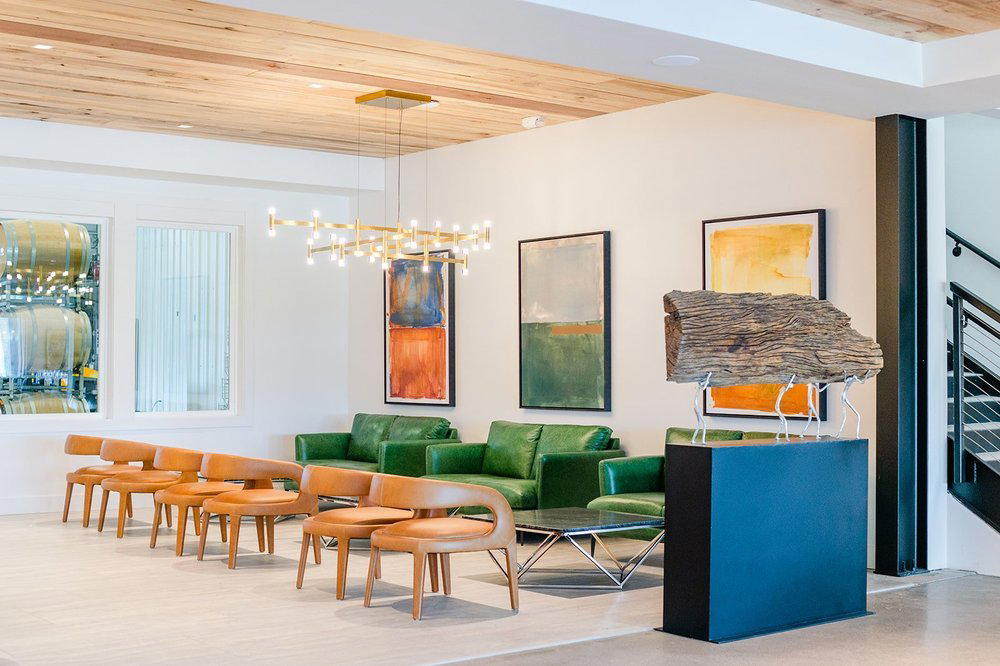
Clean and contemporary with wall murals of 1970s Saigon, white tablecloths, and a relaxing atmosphere occasionally featuring live music.