East End Market
East End Market on Corrine Drive sits at the center of Orlando's local-food movement, pulling together independent vendors, urban farmers, and small-batch producers under one roof. The market format rewards repeat visits: what's available shifts with the season and the grower. For anyone tracking where Orlando's food culture is genuinely heading, this address is a reliable coordinate.
Pearl is the En Primeur Club membership app — saves, bookings, and concierge access live there. Same editors, same standards.
- Address
- 3201 Corrine Dr, Orlando, FL 32803
- Phone
- +1 321 236 3316
- Website
- eastendmkt.com
- Directions
- Get directions
 Saves & bookings on Pearl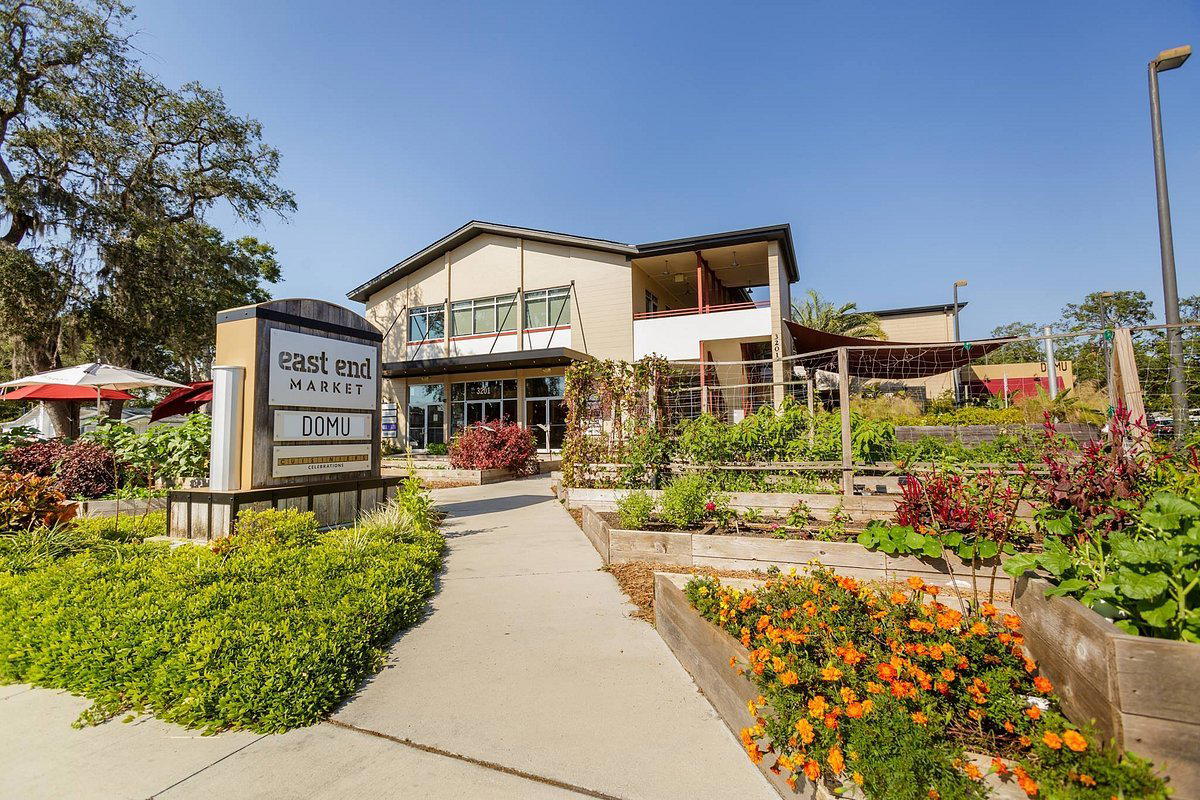
Corrine Drive and the Architecture of Local Food
The stretch of Corrine Drive running through Orlando's Audubon Park neighborhood has developed into one of the city's more coherent food corridors over the past decade, distinct from the tourist-adjacent dining of International Drive and the upscale tasting-menu tier represented by venues like Kadence and Sorekara. East End Market, at 3201 Corrine Dr, operates inside that corridor as a diverse food hall. The building functions as a gathering point for producers, vendors, and urban farmers whose supply chains run through Central Florida rather than through national distributors. That orientation is the defining editorial fact about the place.
Food halls across the United States have split into two broad categories: the developer-driven models that lease space to recognizable brands, and the producer-anchored models where sourcing philosophy determines tenancy. East End Market belongs firmly to the second type. The distinction matters because it changes what visitors encounter. The produce vendor here is sourcing from a farm that may be a county away. The preserves on a shelf reflect what was in season when they were made. The throughline is provenance, and that framing connects East End Market to a wider national conversation about how urban markets should relate to their agricultural surroundings.
What the Sourcing Model Produces in Practice
Producer-anchored markets live and die by the quality of their vendor relationships, and the ingredient-sourcing ethos at East End Market is legible in how the space is organized. Rather than a single unified kitchen, the market hosts multiple independent operators, each with a defined specialty. This structure means that sourcing decisions are made at the vendor level, not by a central management team imposing a house philosophy from above. A vendor who has built a direct relationship with a Central Florida citrus grower brings that relationship into every transaction. The market provides the infrastructure; the sourcing intelligence belongs to the individual producers.
This model has parallels at the nationally recognized end of the farm-to-table spectrum. Operations like Blue Hill at Stone Barns in Tarrytown and Single Thread Farm in Healdsburg have made integrated sourcing a fine-dining credential, turning proximity to the farm into a competitive signal. The restaurant operates at a different price point and format, but the underlying logic runs in the same direction: the origin of an ingredient is considered relevant information, not incidental detail. For a city whose dining identity is still often framed around theme parks and convention-center fare, that stance has genuine weight.
Orlando's Independent Food Scene in Context
Orlando's independent restaurant and market sector has been developing a more distinct identity over the past several years. The city's high-end dining tier now includes Vietnamese fine dining at Camille, Japanese omakase at Natsu, and steakhouse programs at Capa, representing a range that would have seemed improbable a decade ago. The restaurant sits below that price tier but contributes to the same broader shift: the argument that Orlando's food culture is generated locally, not imported wholesale from coastal cities.
The market format itself is well-suited to Orlando's climate and calendar. Florida's agricultural season runs counter to most of the continental United States, with winter and spring producing particularly active growing windows for many crops. A market anchored to local sourcing therefore has a natural rhythm that reflects the state's agricultural reality rather than a nationally averaged supply chain. Visitors arriving in January or February will find a different set of available ingredients than those arriving in August, and that variability is a feature of the model rather than an operational gap.
That seasonal specificity is one of the structural differences between producer-anchored markets and their brand-franchise counterparts. At the latter, the menu is effectively the same year-round because it draws on national distribution. At a place like East End Market, the calendar has operational consequences. This connects the Orlando market to a tradition visible at well-regarded operations across the country, from Smyth in Chicago to Emeril's in New Orleans, where the sourcing calendar shapes the offer rather than being overridden by it.
Placing East End Market Within the National Farm-to-Table Conversation
The farm-to-table framework has been critiqued in recent years for becoming a marketing posture rather than a genuine operational commitment. Critics point to restaurants that describe local sourcing in menu copy while drawing the bulk of their supply from conventional distributors. The producer-market format is structurally more resistant to that slippage because the vendors and their sourcing decisions are visible to the customer. You can ask the person selling you a jar of honey which apiary it came from, and get a specific answer. That transparency is a structural advantage of the format, not a branding decision.
At the highest end of the American dining spectrum, sourcing transparency has become a Michelin-level credential. The French Laundry in Napa, Providence in Los Angeles, and Addison in San Diego all operate with highly specified sourcing programs that position ingredient origin as central to the dining proposition. Atelier Moessmer Norbert Niederkofler in Brunico has taken this to a regional-terroir extreme that influences how European fine dining thinks about ingredient geography. The restaurant operates without that formal recognition tier, but the directional argument is consistent: knowing where food comes from changes how you understand what you are eating.
For readers building an Orlando itinerary that extends beyond the obvious fine-dining anchors, see our full Orlando restaurants guide for a mapped view of how the city's independent food scene fits together. The restaurant reads most clearly when placed alongside the neighborhood context of Audubon Park, which has accumulated coffee roasters, independent retailers, and food producers along the same corridor over the same period.
Planning Your Visit
The restaurant sits at 3201 Corrine Dr in Orlando's Audubon Park neighborhood, accessible by car with street and lot parking along the Corrine Drive corridor. Because the market hosts independent vendors rather than a single operator, hours and availability vary by tenant. The sensible approach is to arrive mid-morning when vendors are fully set up and product selection is at its broadest. Given the sourcing model, a weekday visit in the cooler months, roughly November through March, aligns leading with Florida's peak growing season and the fullest vendor offer. For visitors primarily interested in fine dining elsewhere in the city, the restaurant works as a daytime counterpoint to the evening tasting-menu circuit at venues like Kadence or Sorekara, and as a reference point for understanding the local sourcing culture that informs the better end of Orlando's independent restaurant scene.
Side-by-Side Snapshot
Comparable venues nearby, for context on price, style, and recognition.
| Venue | Cuisine | Price | Notes |
|---|---|---|---|
| East End MarketThis venue — the venue you are viewing | Diverse Food Hall | $$ | Not listed |
| Mamak Asian Street Food | Malaysian Street Food | $$ | Mills 50 |
| Maguro Sushi | Latin Asian Fusion Sushi | $$ | Florida Mall |
| Eskina Brazilian Restaurant | Authentic Brazilian Steakhouse | $$ | International Drive |
| Bosphorous Turkish Cuisine - Lake Nona | Authentic Turkish Cuisine | $$ | Lake Nona |
| Latitude & Longitude | Southern American with Florida Flair | $$ | Vistana |
At a Glance
- Lively
- Trendy
- Modern
- Casual Hangout
- Brunch
- Group Dining
- Open Kitchen
- Craft Cocktails
- Local Sourcing
Current opening hours
- Monday
- 8 AM–7 PM
- Tuesday
- 8 AM–7 PM
- Wednesday
- 8 AM–7 PM
- Thursday
- 8 AM–7 PM
- Friday
- 8 AM–9 PM
- Saturday
- 8 AM–9 PM
- Sunday
- 8 AM–6 PM
Hours can change for holidays and private events. Last verified .
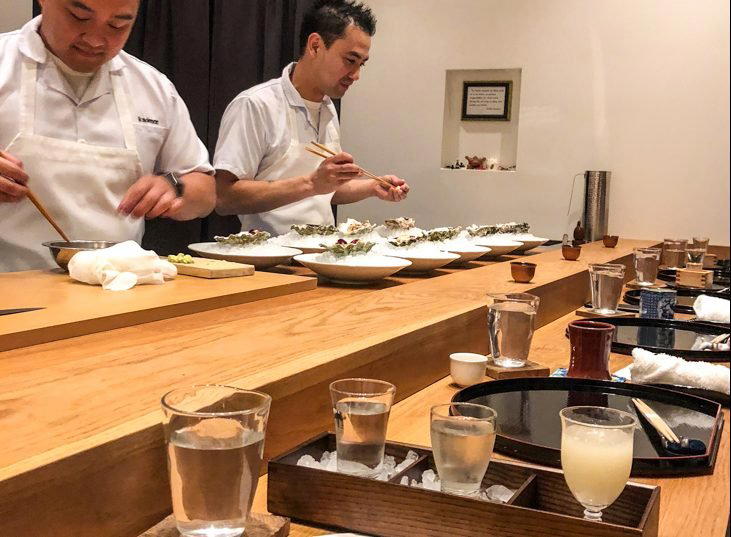
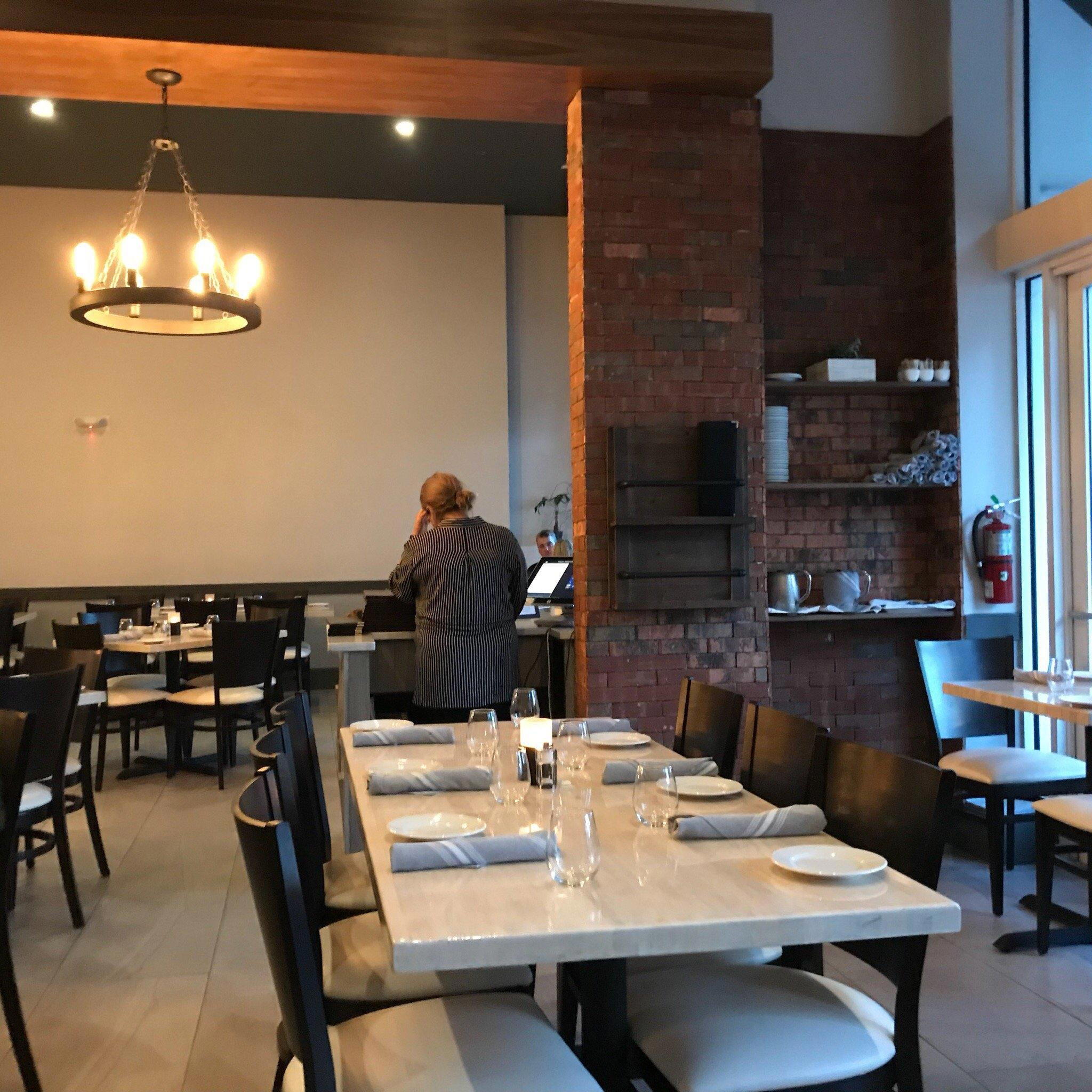
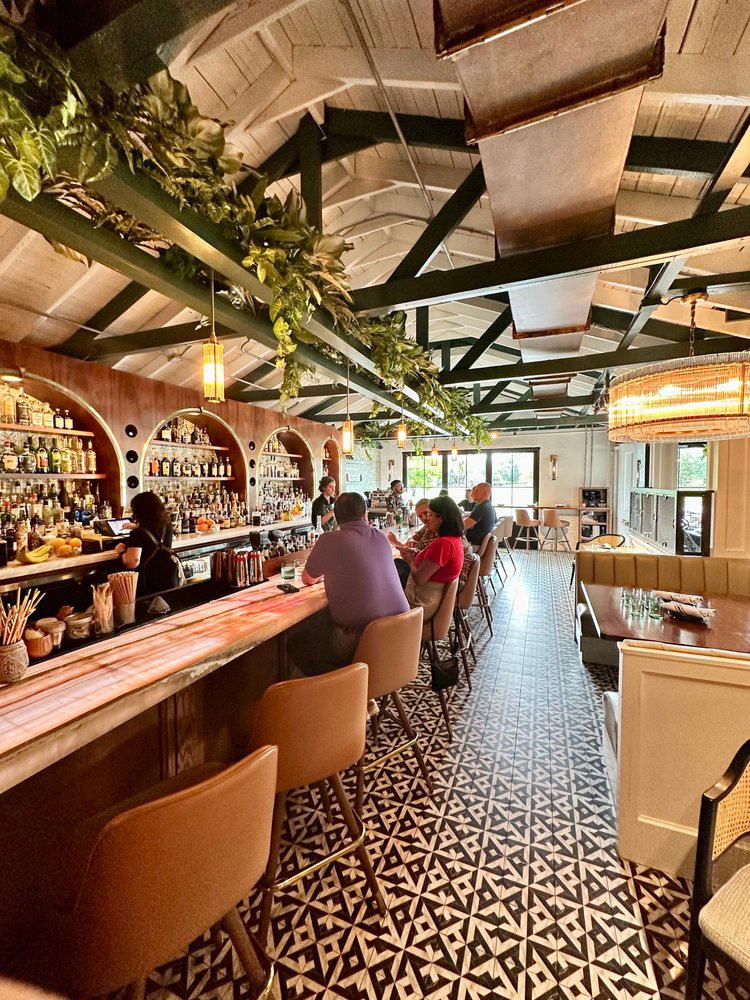
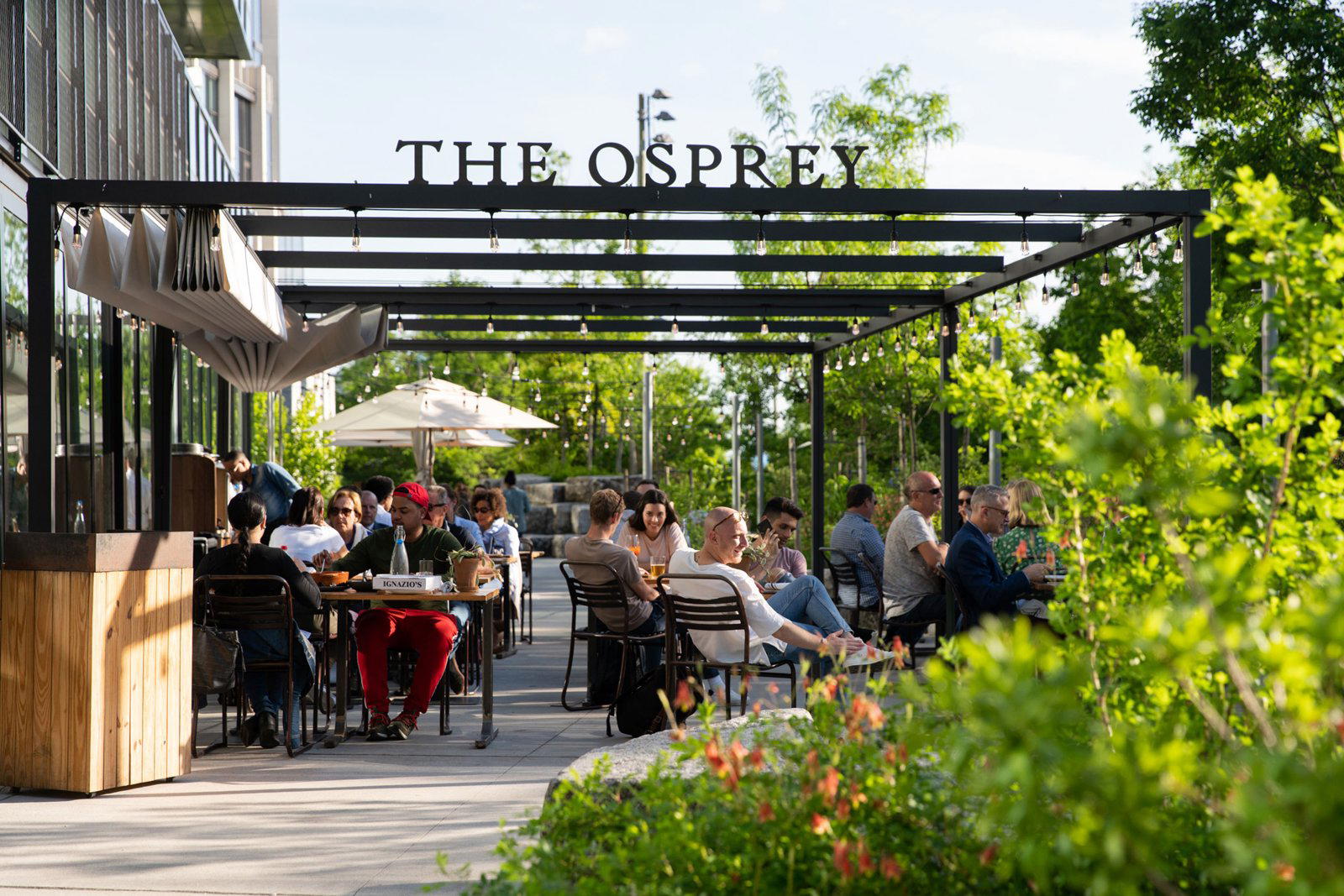
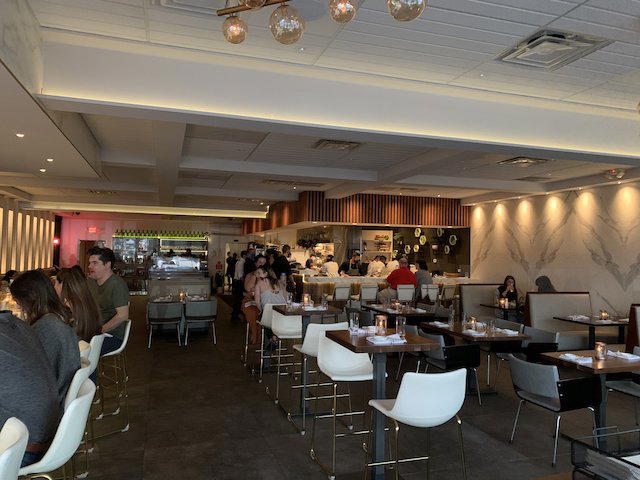
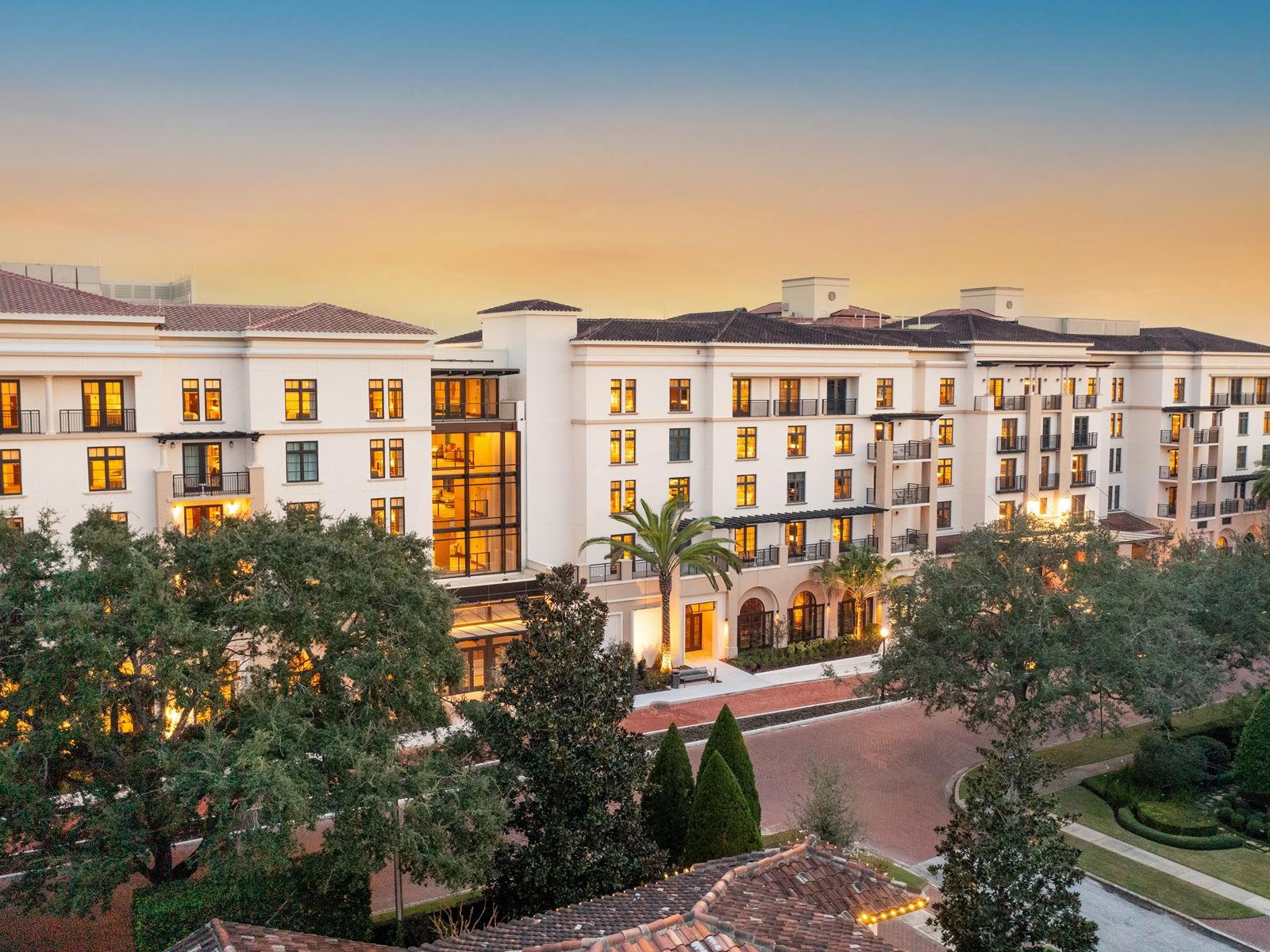
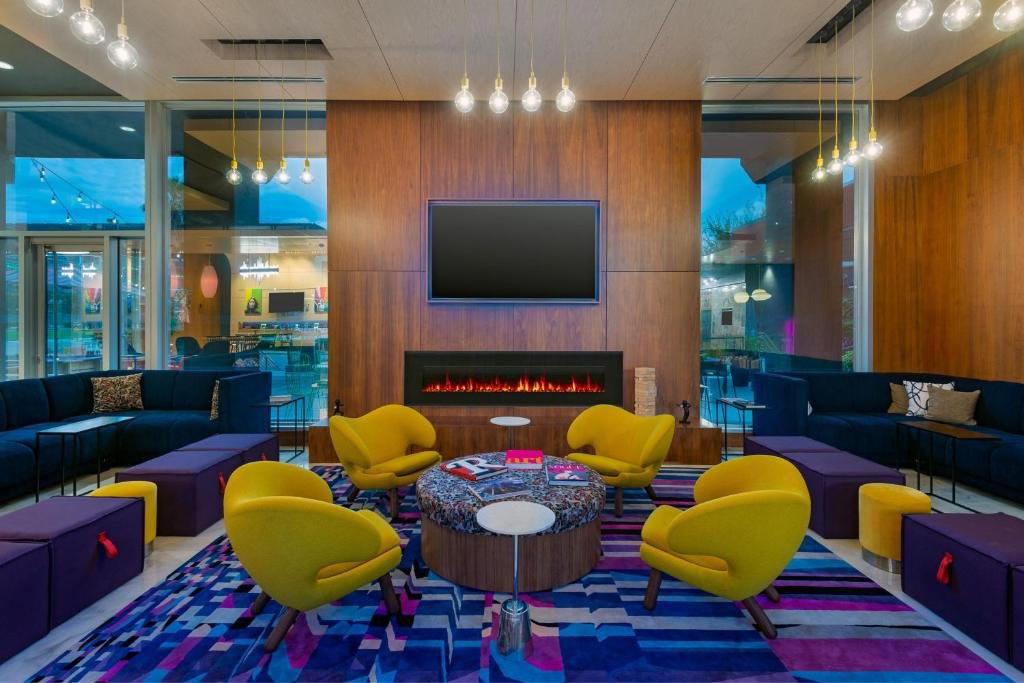
Sociable and energetic food hall atmosphere fostering community and creativity with a mix of merchants and casual seating.