Litchfield's

Wine Spectator Award of Excellence
Our verdict
Litchfield's sits at the address of the Wigwam Resort in Litchfield Park, Arizona, a town whose quiet, tree-lined character sets it apart from the sprawl of greater Phoenix. The restaurant draws from the Southwest's ingredient traditions, placing it within a regional dining conversation that values provenance and place. For visitors to the West Valley, it represents the most considered dining option in the immediate area.

Pearl is the En Primeur Club membership app — saves, bookings, and concierge access live there. Same editors, same standards.
- Address
- 300 E Wigwam Blvd, Litchfield Park, AZ 85340
- Phone
- (855) 855-7540
- Hours
- Mon–Sat 5–9 PMSun 10 AM–2 PM, 5–9 PM
- Website
- litchfieldsrestaurant.com
- Directions
- Get directions
- Booking
- Book on OpenTable
The menu
What to order
- Ribeye
- Duroc pork chop
- Litchfield's Crab Cake
- Comprehensive Ranch Breakfast
Where the Sonoran Desert Meets the Table
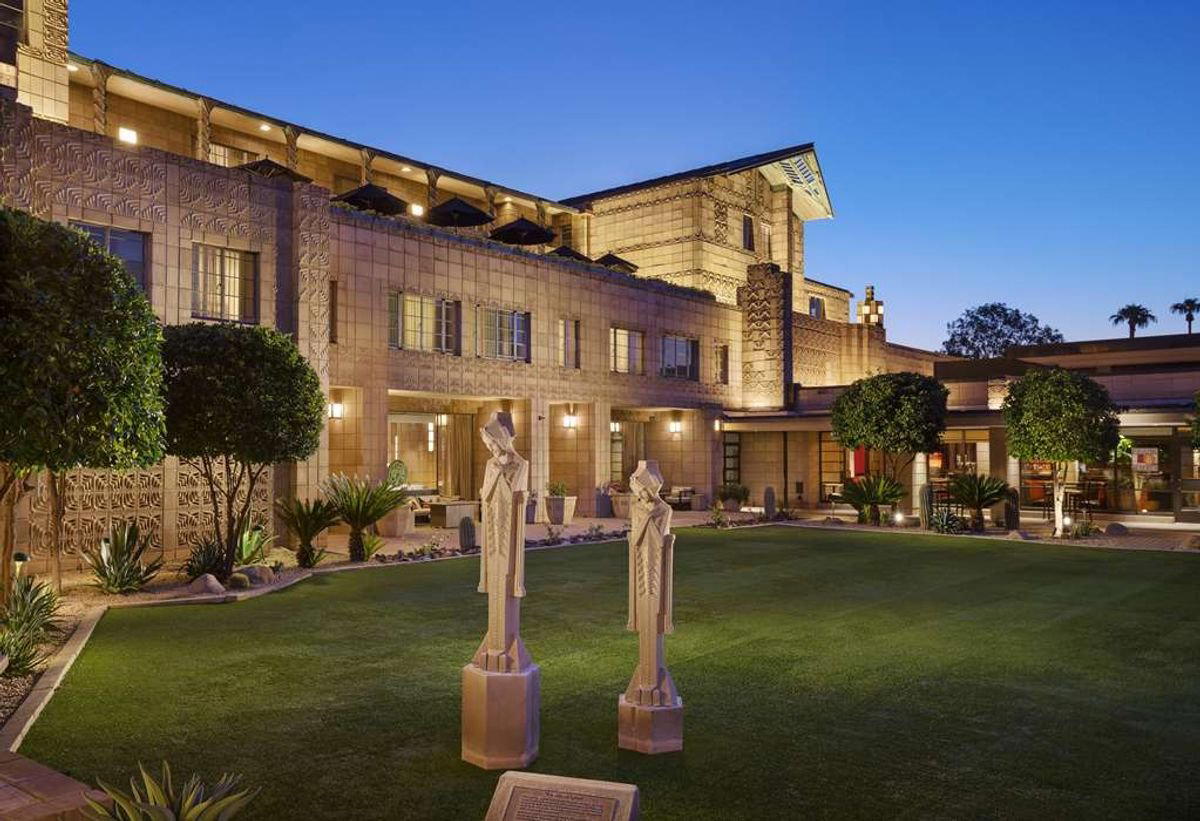
Litchfield Park occupies a particular position in the Phoenix metro: quiet, deliberately paced, and shaped by a resort heritage that predates the Valley's postwar sprawl. Arriving at 300 E Wigwam Blvd, the grounds register before the dining room does. The Wigwam Resort's low-slung adobe architecture and mature citrus trees establish a sense of place that is increasingly rare in a region where new development tends to erase landscape memory. Litchfield's, the property's signature restaurant, inherits that sense of rootedness and translates it, at least in atmosphere, into a dining context.
This matters more than it might seem. In the broader American Southwest, a wave of ingredient-conscious cooking has taken hold at resort properties, partly because resorts have the capital and the captive audience to support longer supply chains and smaller producer relationships. The question worth asking about any resort dining room in this tier is whether it participates in that movement substantively or gestures at it decoratively. At Litchfield's, the address and setting suggest the former intention.
The Sourcing Logic of Southwestern Resort Dining
Arizona's ingredient story is more varied than its desert reputation implies. The state produces Medjool dates in the Yuma region, peaches and apples in the high country around Willcox and Sedona's rim, grass-fed beef from ranches across the southern corridor, and a growing constellation of small farms supplying chefs in Scottsdale, Tempe, and Tucson. For a restaurant operating within the Phoenix metro, access to this supply network is a function of intention as much as geography. Kitchens that commit to sourcing from within the state's agricultural zones operate differently from those drawing from national broadline distributors, and the difference shows in seasonal menu variation and in the specificity of what arrives on the plate.
This is the framework within which Litchfield's sits. Resort dining in the American West has produced some of the country's most ingredient-forward programming: Single Thread Farm in Healdsburg built its identity almost entirely around a working farm's output, while Blue Hill at Stone Barns in Tarrytown set the standard for farm-to-table as a serious culinary discipline rather than a marketing posture. Litchfield's operates in a different scale and register, but the regional logic applies: a restaurant on historic resort grounds in a state with genuine agricultural depth has the conditions to do interesting sourcing work.
Placing Litchfield's in the Regional Conversation
The West Valley has historically sat outside Phoenix's main dining current, which runs through Scottsdale, Paradise Valley, and central Phoenix neighborhoods like Roosevelt Row. That geography has changed as the metro expanded westward, but Litchfield Park retains its own tempo. For visiting diners, this means Litchfield's functions less as a destination extracted from its surroundings and more as an extension of a specific place. The Wigwam's history as one of Arizona's legacy resorts gives the property a context that newer hotels cannot replicate.
Within the national tier of resort fine dining, the reference points are instructive. Addison in San Diego represents one end of the spectrum: a Michelin-starred kitchen operating within a resort that uses the property's resources to support serious culinary ambition. The Inn at Little Washington in Virginia offers another model, where the inn format and the restaurant are inseparable. Litchfield's sits in a different competitive tier, but the structural question is the same: does the kitchen make use of what the surrounding region offers?
For travelers comparing options across the Southwest, it helps to understand what Litchfield Park is not. It is not a high-wattage culinary destination in the way that Scottsdale's dining corridor is, and Litchfield's does not position itself against kitchens like Bacchanalia in Atlanta or Frasca Food & Wine in Boulder for culinary destination traffic. It serves a guest mix that includes resort visitors, West Valley locals on occasion, and travelers using the Wigwam as a base. That audience shapes what the kitchen can reasonably execute and what the dining room needs to deliver.
How to Plan a Visit
For guests staying at the Wigwam, Litchfield's is the natural anchor for an evening meal, and the convenience of an in-house reservation within a resort property generally means booking a day or two in advance is sufficient outside peak Arizona season. The high-season window in the Phoenix area runs from roughly October through April, when snowbird traffic and conference business fill resort properties across the Valley; during that stretch, advance planning is advisable. Summer months, when temperatures routinely exceed 110 degrees Fahrenheit, see lower occupancy across Litchfield Park's hospitality properties, which typically translates to more flexibility in securing a table.
Visitors arriving from central Phoenix or Scottsdale should account for a drive of roughly 35 to 45 minutes depending on traffic along the I-10 corridor, which makes Litchfield's less practical as a standalone dining destination for Phoenix-based travelers unless combined with other reasons to be in the West Valley. For those already on the Wigwam's grounds, the proximity is the point. Full details on how Litchfield's compares to other dining options in the area are available in our full Litchfield Park restaurants guide.
The Broader Table: Ingredient Transparency in American Resort Dining
Across American fine dining, ingredient sourcing has moved from differentiator to expectation. Kitchens from Le Bernardin in New York City to Providence in Los Angeles now publish supplier relationships as part of their identity. At the farm-integrated end of the spectrum, restaurants like Lazy Bear in San Francisco and Alinea in Chicago have pushed ingredient sourcing into the territory of culinary argument. For a resort restaurant in the Sonoran Desert, the expectation is calibrated differently, but the underlying question remains whether the kitchen's sourcing decisions give the menu a reason to exist beyond hotel convenience.
Arizona's agricultural producers deserve a kitchen willing to feature them with specificity. The state's date groves, heritage grain growers, and small-scale ranchers represent a supply network that could support genuinely place-specific cooking. Whether Litchfield's deploys that network with depth is the measure by which serious diners should evaluate it, alongside the reference set of regionally grounded American restaurants now operating from Brutø in Denver to Causa in Washington, D.C.
Frequently asked questions
Is Litchfield's good for families?
The Wigwam's resort setting at 300 E Wigwam Blvd has historically accommodated a broad range of guests, and a hotel dining room of this type typically runs service suited to multi-generational groups. That said, the evening dining orientation and resort pace make it a better fit for families with older children than for those with young kids needing a quick, informal meal.
Is Litchfield's formal or casual?
Litchfield's operates within the Wigwam resort in Litchfield Park, which sets a tone somewhere between relaxed and polished — resort-smart rather than black-tie. The West Valley context leans less stiff than comparable Scottsdale resort dining rooms, though arriving in resort wear rather than shorts is a reasonable read of the room.
Is Litchfield's inside the Wigwam resort, and do non-hotel guests need a reservation?
Litchfield's is located at 300 E Wigwam Blvd within the Wigwam resort in Litchfield Park, AZ. Non-hotel guests are generally welcome at resort restaurants of this type, but securing a reservation ahead of arrival is advisable, since seating priority can shift toward in-house guests during peak periods. Contacting the property directly will confirm current access policy and availability.
What do people recommend at Litchfield's?
Given the body of Arizona's regional larder — Medjool dates from the Yuma region, stone fruit from the central highlands, and local ranching product — dishes drawing on in-state sourcing are the category worth watching. Check directly with the restaurant at 300 E Wigwam Blvd for current menu detail.
Where exactly is Litchfield's?
Litchfield's is located at 300 E Wigwam Blvd, Litchfield Park, AZ 85340, Litchfield Park.
How far ahead should I plan for Litchfield's?
For guests already staying at the Wigwam, in-house reservations typically move faster than third-party bookings. If you are visiting specifically for dinner from outside the resort, confirming a reservation several days in advance is sensible, particularly on weekends when the West Valley's limited fine-dining options concentrate demand at addresses like this one.
What makes Litchfield's worth seeking out?
Litchfield's holds a position the broader Phoenix dining circuit does not easily replicate: a dedicated restaurant within a resort that predates the Valley's modern development, anchoring a neighbourhood that has stayed deliberately quiet while Scottsdale and central Phoenix absorbed the region's dining growth. For visitors to the West Valley, it functions as the area's primary sit-down dining reference point at 300 E Wigwam Blvd, Litchfield Park.
Side-by-Side Snapshot
Comparable venues nearby, for context on price, style, and recognition.
| Venue | Cuisine | Price | Awards | Notes |
|---|---|---|---|---|
| Litchfield'sThis venue — the venue you are viewing | Contemporary American Farm-to-Table | Not listed | Wine Spectator Award of Excellence | Not listed |
| The Gladly | New American | $50–100 | Not listed | Colony Biltmore Iv |
| Perfect Pear Bistro | Modern American Bistro | $20–30 | Not listed | Not listed |
| Filthy Animal | Modern American Steakhouse | $50–100 | Not listed | Downtown Tempe |
| Rough Rider | Modern American with Victorian-Era Cocktails | $50–100 | Not listed | Roosevelt Row |
| The House Brasserie | Modern American Brasserie with French Influence | $50–100 | Not listed | Old Town Scottsdale |
Recognition history
Dated appearances from independent guides and award organizations, with the underlying list record or original source where available.
Wine Spectator Award of Excellence
Wine Spectator
Continue exploring
More in Litchfield Park
Restaurants in Litchfield Park
Browse all →
Bars in Litchfield Park
Browse all →
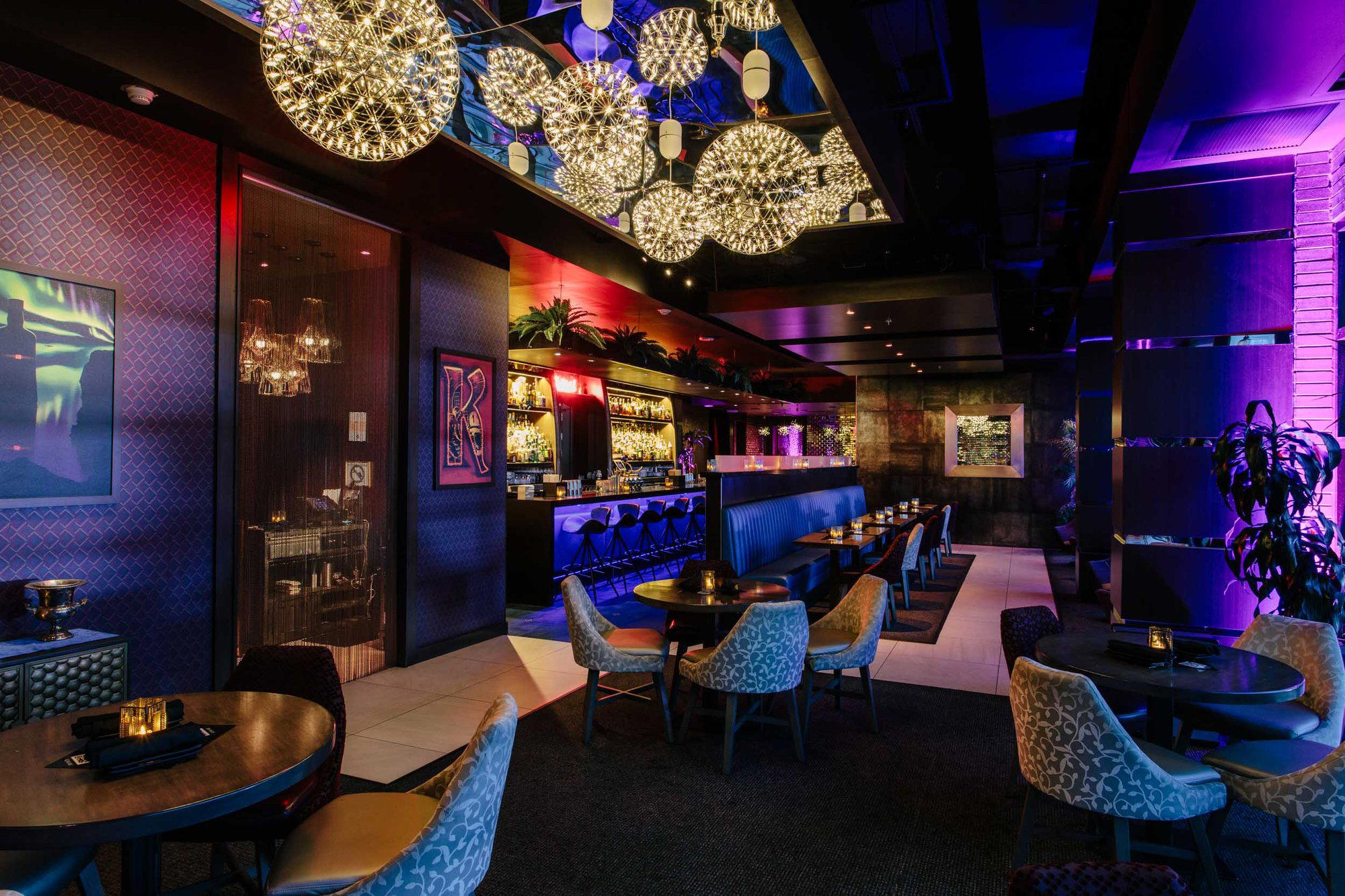
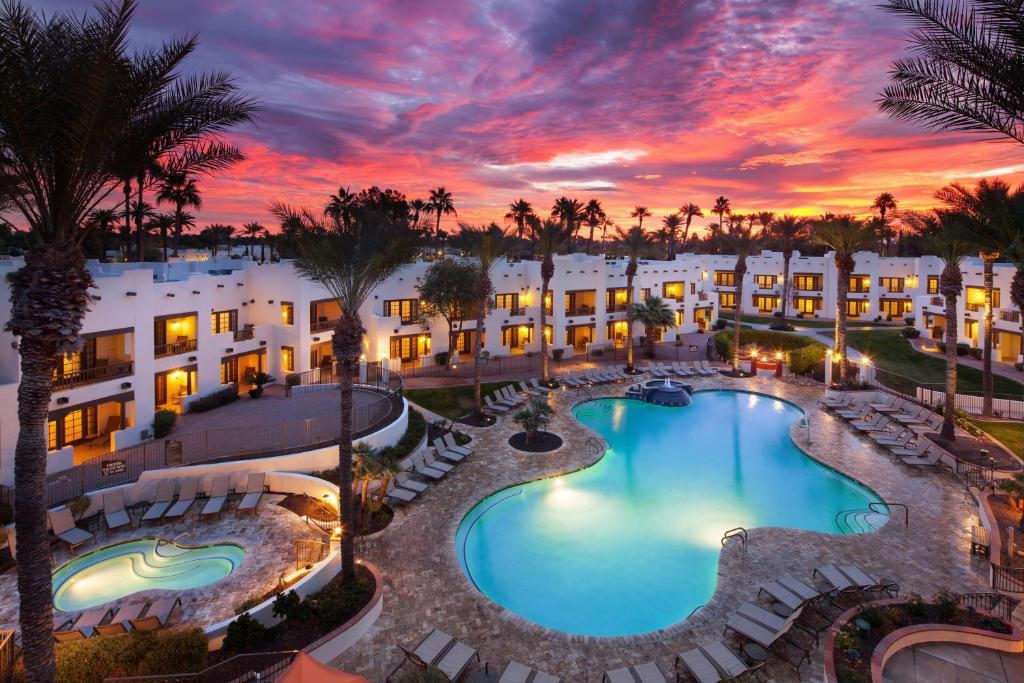
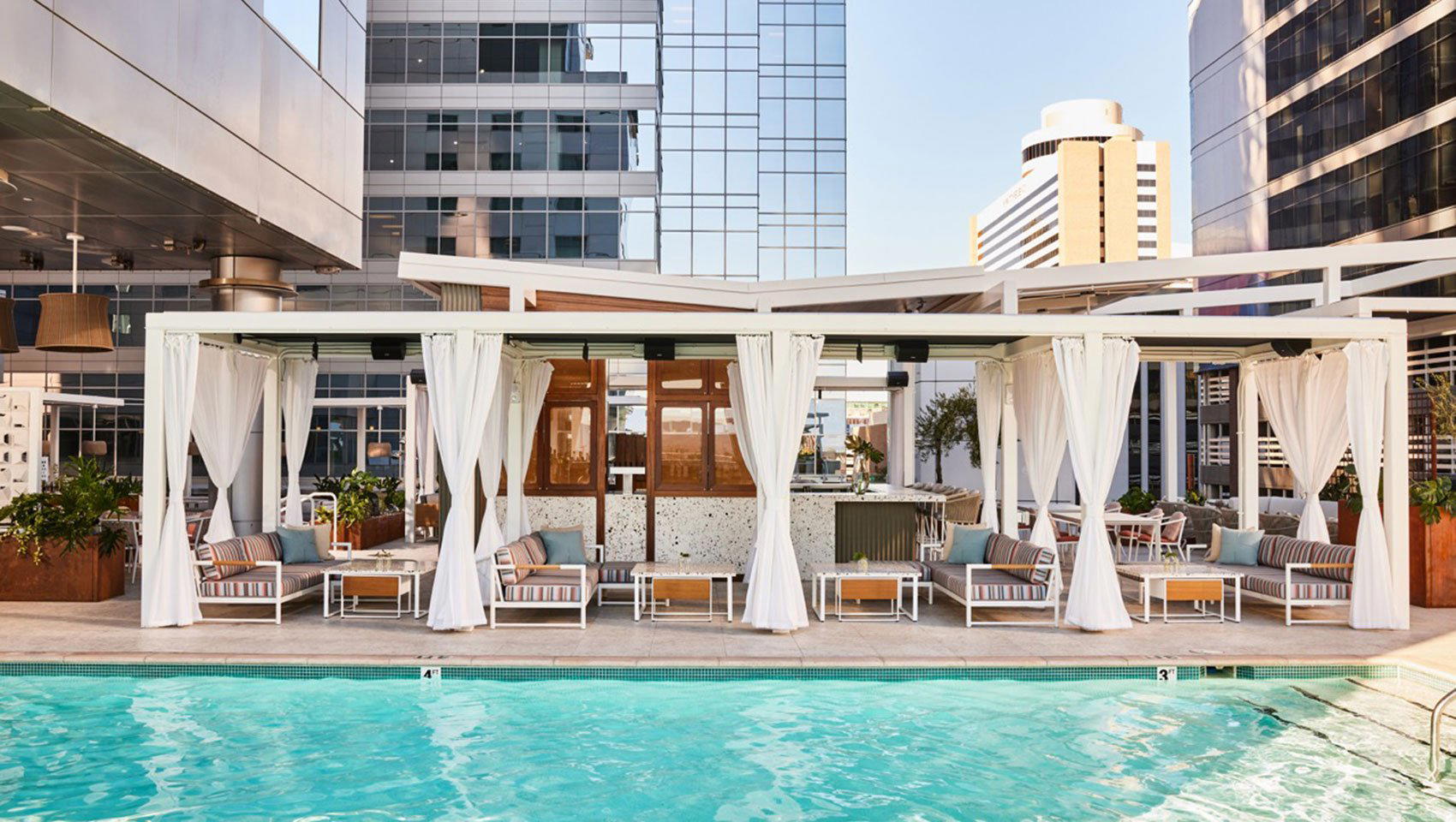
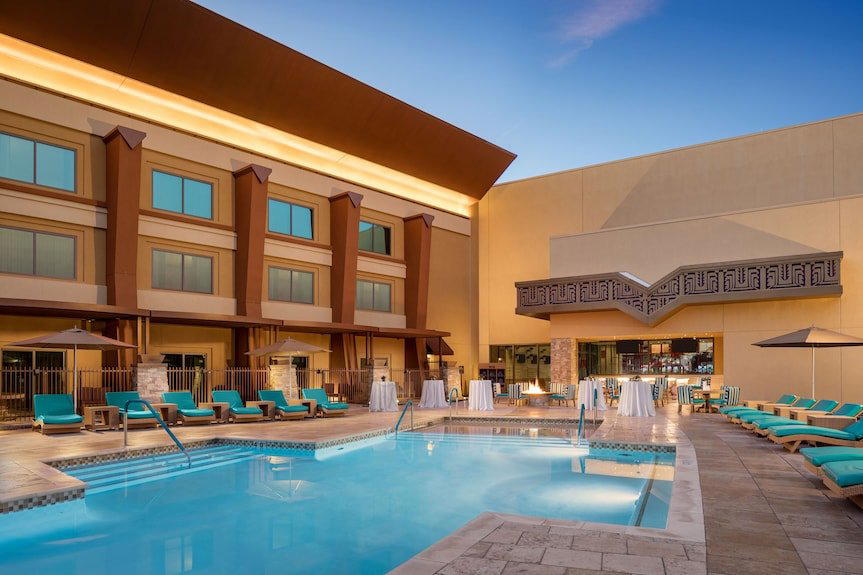
Litchfield's
The wine
Litchfield's holds the Wine Spectator Award of Excellence, which Wine Spectator gives to lists of usually 90 or more selections.
- Wine program
- Curated wine list
- Wine Spectator
- Wine Spectator Award of Excellence
- Extensive wine list
Details
- Elegant
- Classic
- Cozy
- Sophisticated
- Date Night
- Special Occasion
- Brunch
- Open Kitchen
- Historic Building
- Hotel Restaurant
- Extensive Wine List
- Farm To Table
- Local Sourcing
- A La Carte
- Vegetarian Friendly
- Vegan Options
- Gluten Free Options
Current opening hours
- Monday
- 5–9 PM
- Tuesday
- 5–9 PM
- Wednesday
- 5–9 PM
- Thursday
- 5–9 PM
- Friday
- 5–9 PM
- Saturday
- 5–9 PM
- Sunday
- 10 AM–2 PM, 5–9 PM
Hours can change for holidays and private events. Last verified .
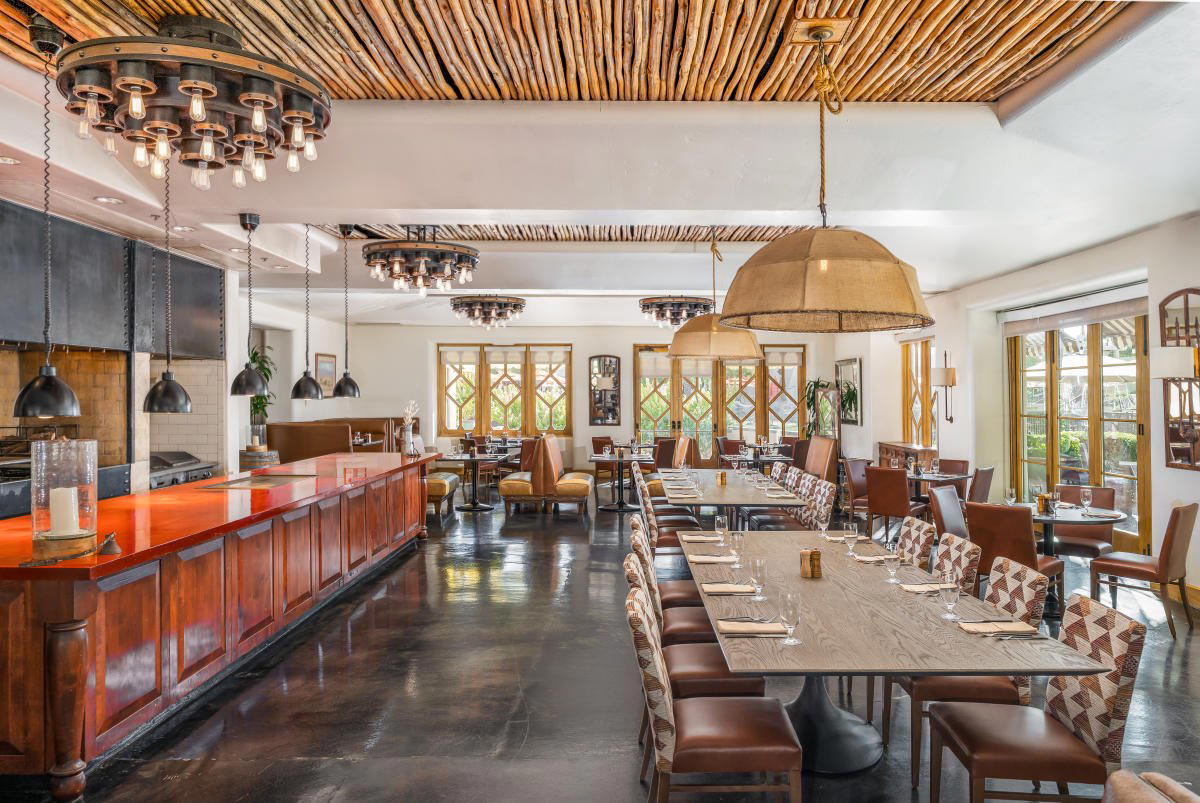
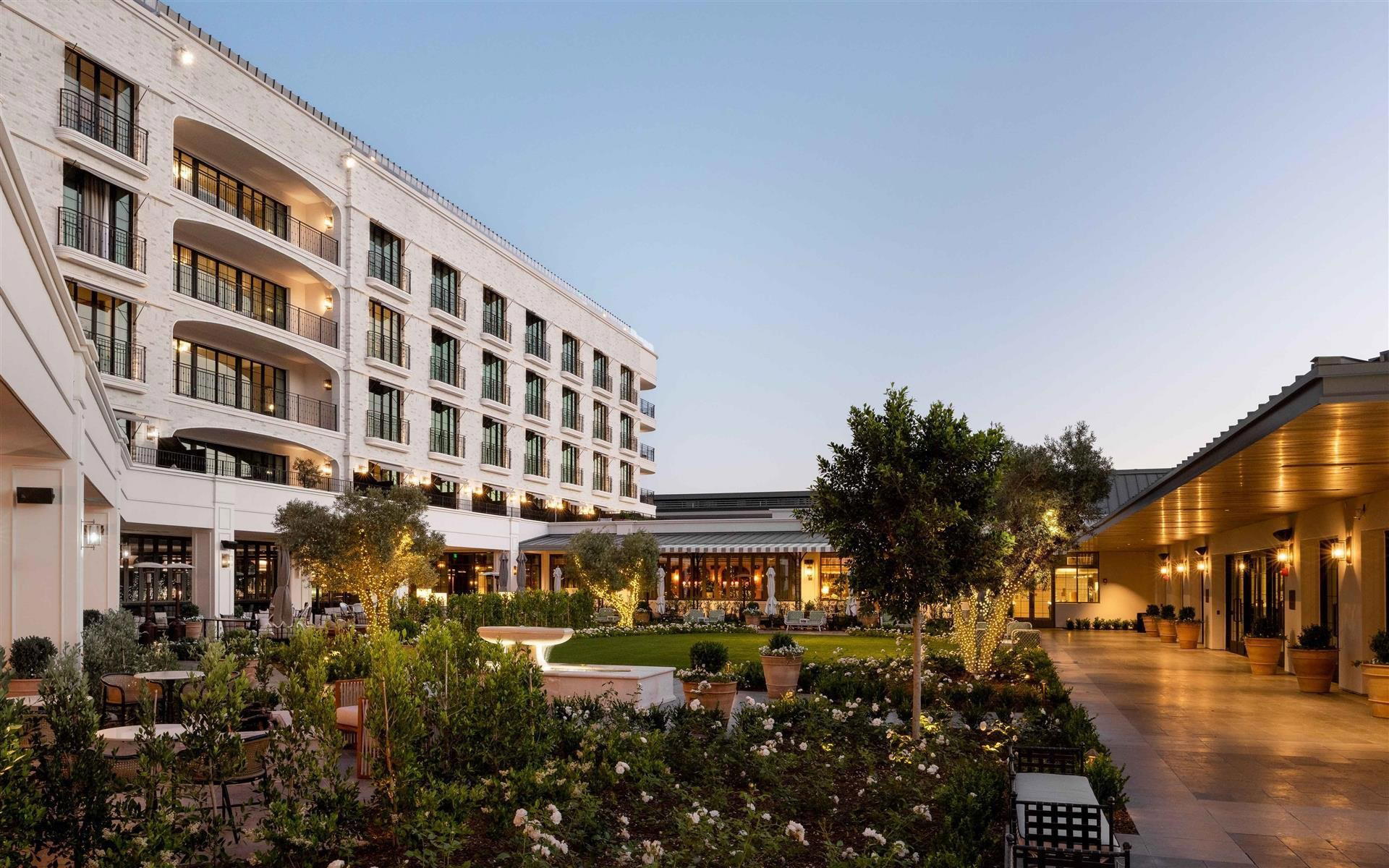
Casually refined atmosphere blending 1920s historic charm with contemporary flair, featuring an open exhibition kitchen.