Black Pearl 1 Diamond
Our verdict
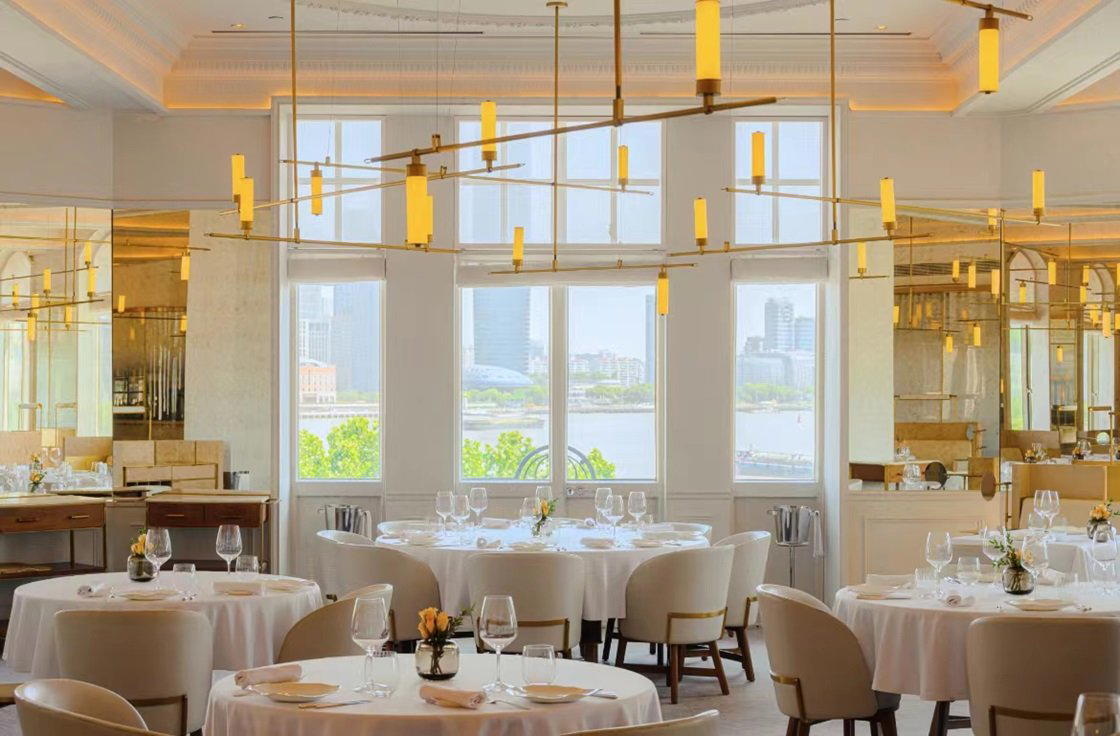
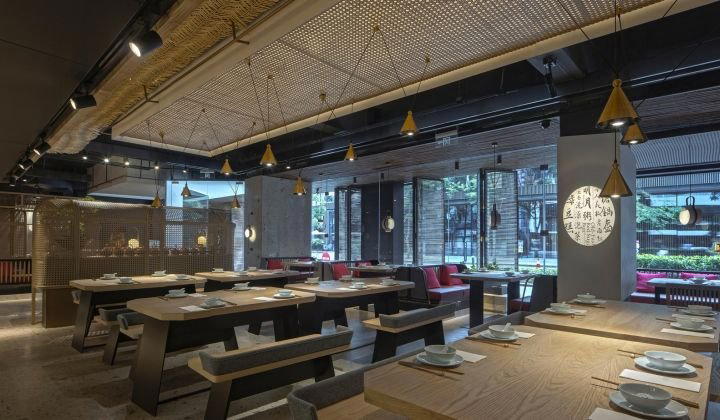
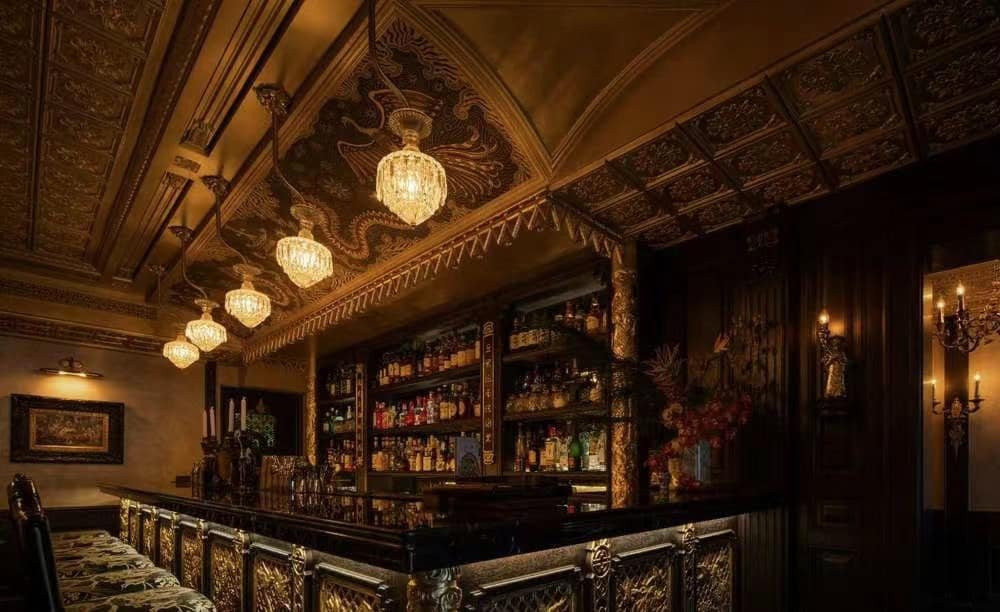
Linjiangyan•Yun holds a Black Pearl 1 Diamond (2025), placing it among Chengdu's recognised fine-dining tier at an address in Wuhou District along the First Ring Road South. The restaurant operates within a city where serious Sichuan cooking ranges from single-yuan mapo tofu counters to multi-course private dining rooms, and Linjiangyan•Yun occupies the formal upper register of that spread.

Pearl is the En Primeur Club membership app — saves, bookings, and concierge access live there. Same editors, same standards.
The menu
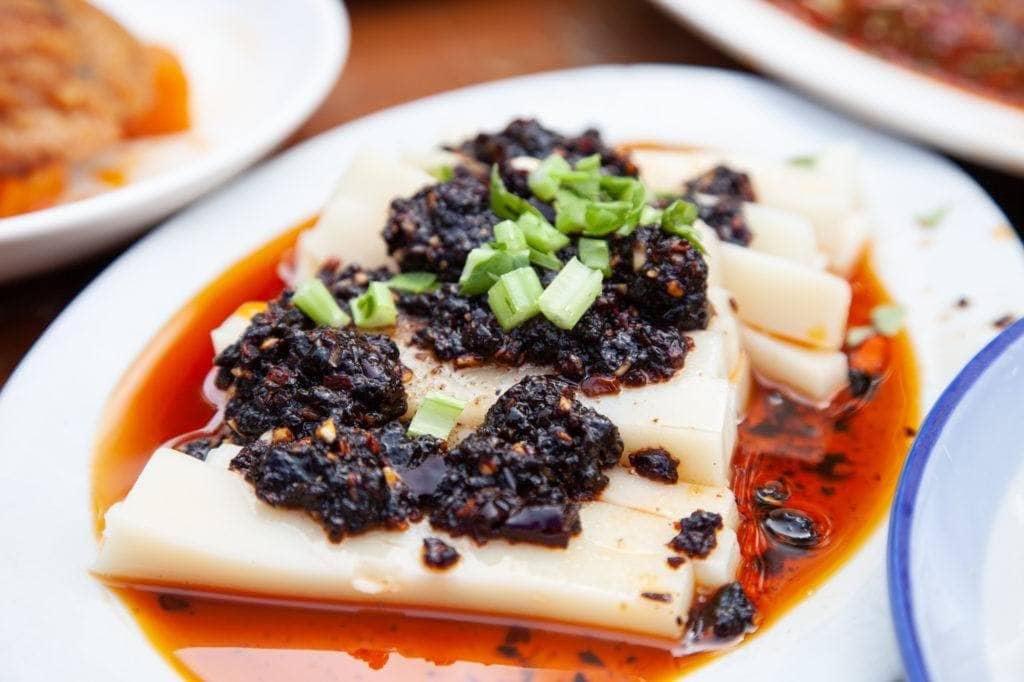
What to order
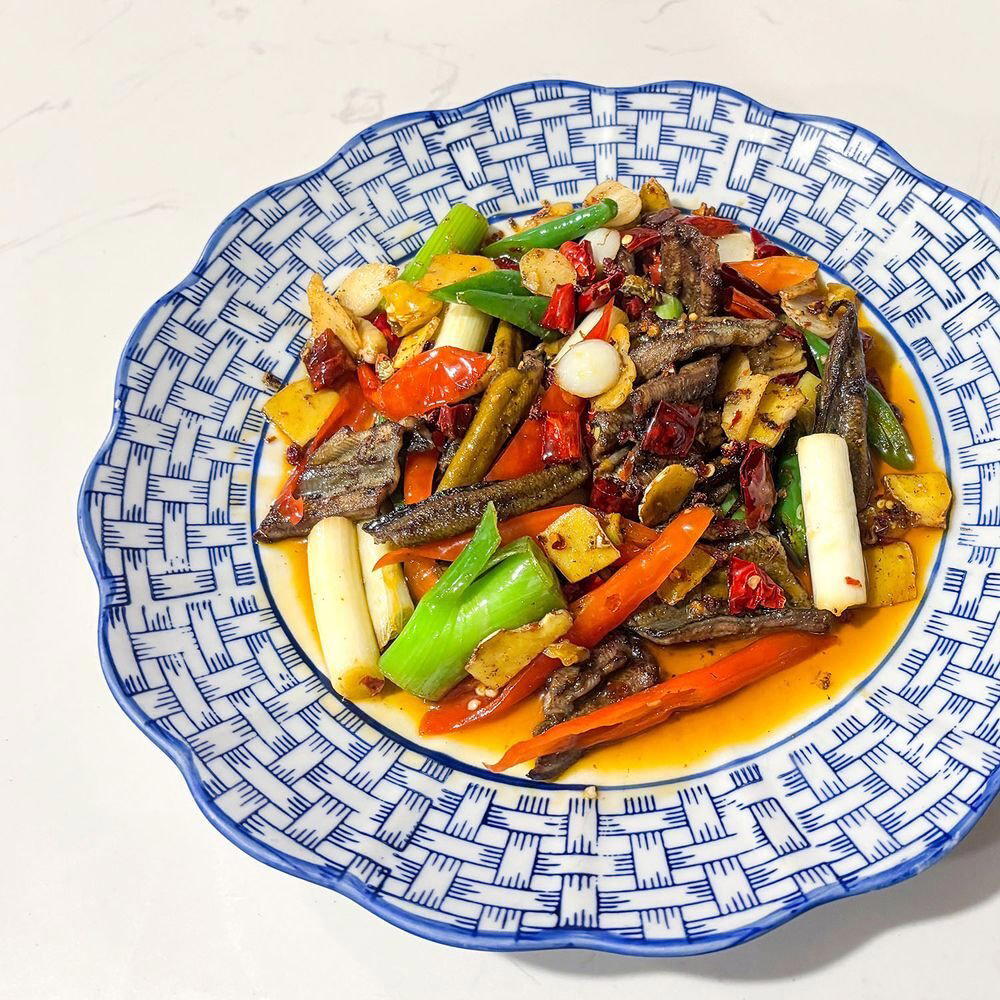
- Casserole shark's fin
- Six-year-old lion's head
- Spicy stir-fried beef brisket
- Smoked lion's head foie gras
Where Wuhou's Dining Culture Reaches Its Formal Register
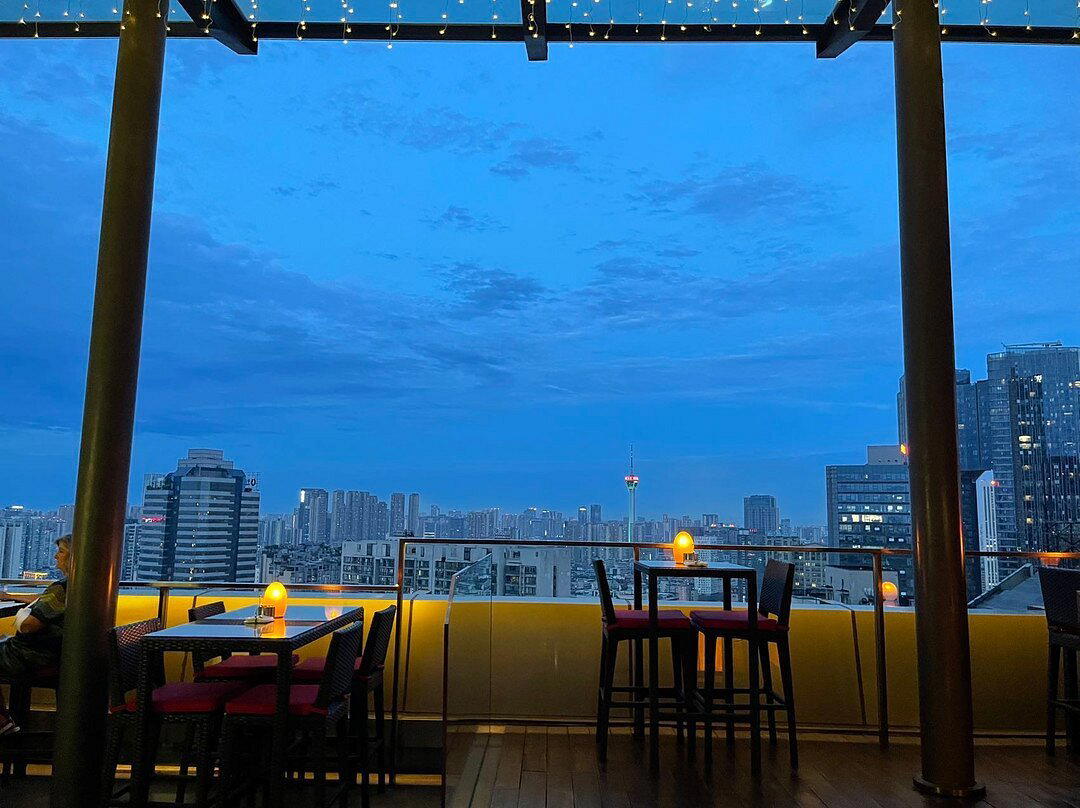
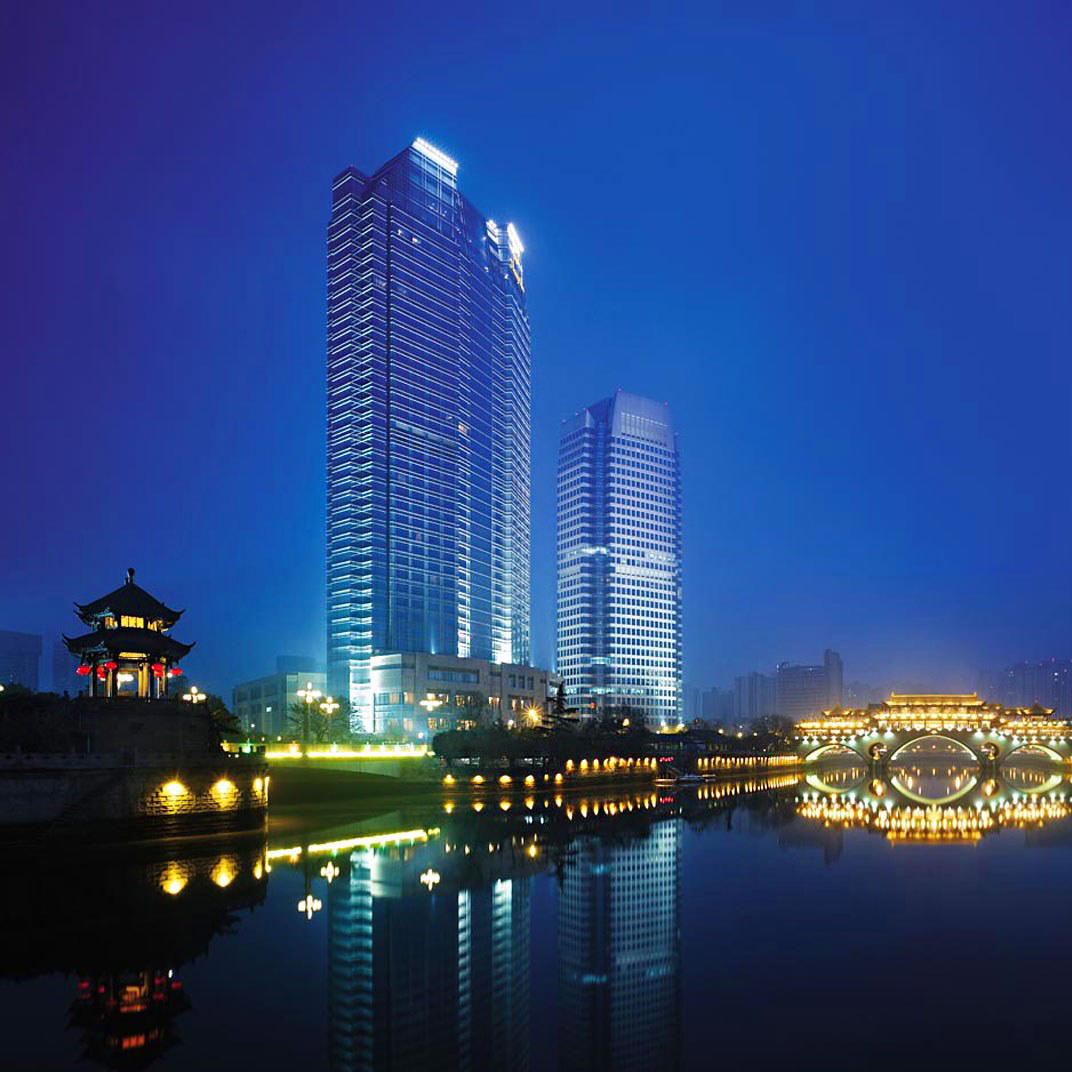
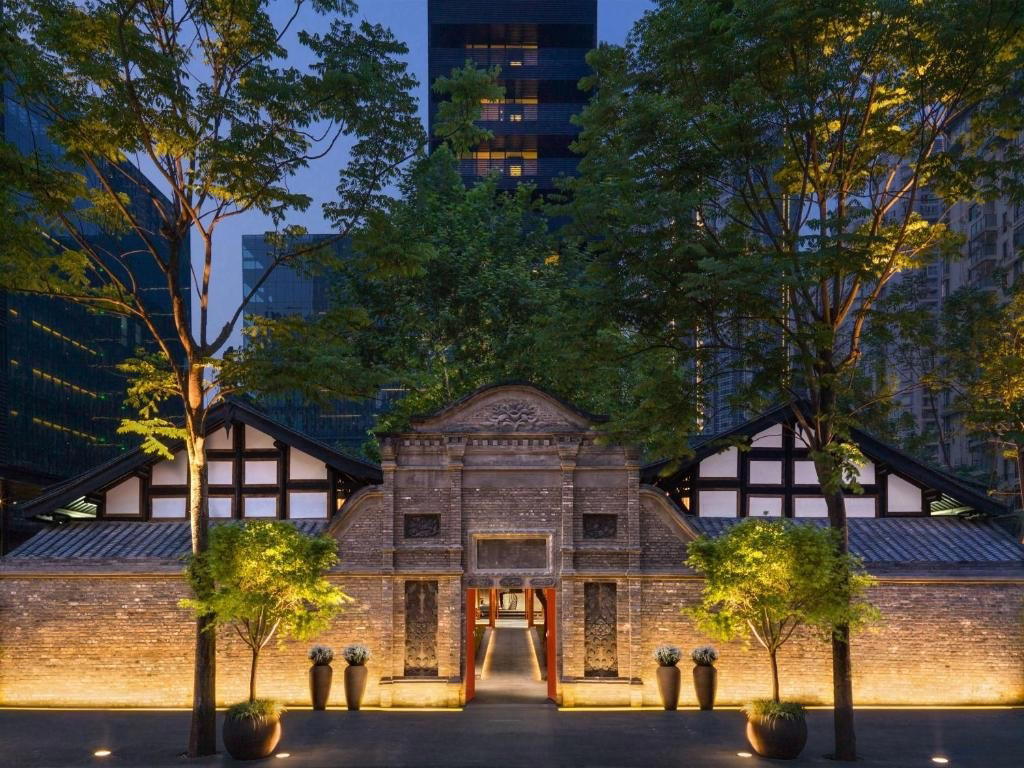
Chengdu's First Ring Road South cuts through Wuhou District in a way that rewards attention. The neighbourhood carries a dual identity: street-level Sichuan staples at almost every corner, and, set back from the noise, a quieter tier of dining rooms that operate at a different pace entirely. Linjiangyan•Yun sits in the latter category, at 9 First Ring Road South, Section 1, in the area locals sometimes reference as 小天竺. The approach to the room signals a shift in register before you reach the door — the kind of transition that regulars in Chengdu's serious dining circuit have come to read as shorthand for a particular style of evening.
That shorthand matters here. Chengdu has spent the last decade consolidating a fine-dining tier that draws as much from Sichuan classical tradition as it does from contemporary Chinese cooking more broadly. Linjiangyan•Yun's 2025 Black Pearl 1 Diamond places it within this set — a credential issued by the Black Pearl Restaurant Guide, which functions as one of China's primary domestic benchmarks for fine dining, covering a narrower selection than the Michelin Guide's urban sweeps.
The Regulars' Logic
In Chengdu's awarded dining circuit, loyalty patterns tell you more about a restaurant than its press material ever will. The city has a dining culture that is unusually self-referential: Chengdu residents eat out at a frequency that benchmarks well above the national average, and they develop strong opinions about the gradations within a single cuisine category. At the formal end of the market, where a meal represents a deliberate choice rather than a casual stop, regulars return for reasons that are rarely about novelty. They return because the room holds its standard, because the service has absorbed their preferences, and because the cooking reflects a consistent point of view rather than menu churn driven by seasonal PR cycles.
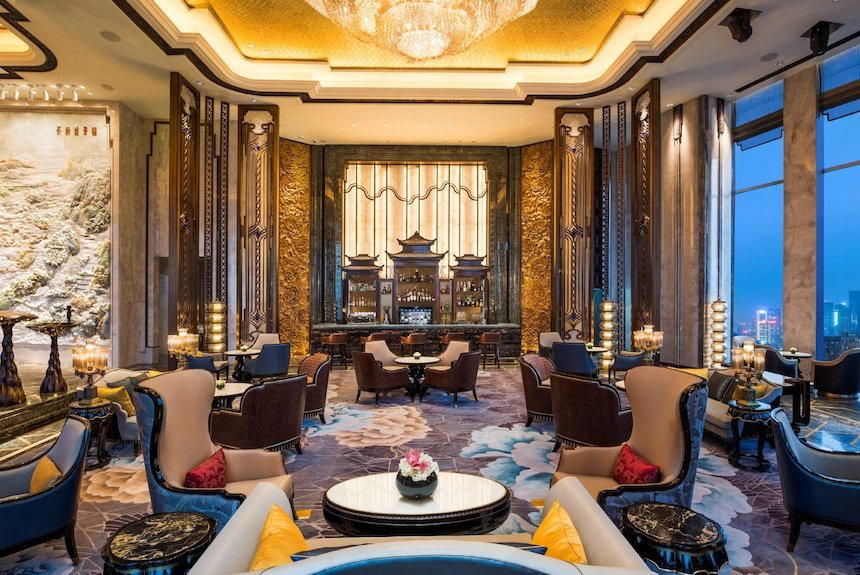
Linjiangyan•Yun's position in Wuhou District carries geographic logic for its repeat clientele. The district is not Chengdu's tourist-facing centre, it operates more as a neighbourhood for residents who know the city's restaurant geography well enough to move past the obvious. That positioning tends to self-select for a dining room populated by people who are there specifically rather than accidentally, which shapes the atmosphere in ways that no interior design decision can fully replicate.
Across China's fine-dining tier, this kind of neighbourhood anchoring has become a meaningful differentiator. Restaurants in Hangzhou and Shanghai that have built loyal clientele outside their city's central dining corridors often sustain a more stable booking rhythm than high-profile rooms in premium commercial districts, where table pressure and tourism throughput can dilute the experience over time.
Chengdu's Fine-Dining Tier in Context
The Black Pearl Guide's 1 Diamond designation represents entry into formal recognition, a step that distinguishes a restaurant from Chengdu's broad mid-market and positions it within a smaller national conversation. For context, Chinese cuisine's formal awards infrastructure has developed significantly since 2016, with the Black Pearl Guide and Michelin Guide China now operating in partial competition and partial complementarity. The Black Pearl tends to weight domestic Chinese culinary tradition more explicitly, which makes its recognitions particularly relevant at a restaurant like Linjiangyan•Yun, where the Sichuan context is the point rather than a background note.
Comparable Black Pearl recipients in other Chinese cities, Chef Tam's Seasons in Macau, Imperial Treasure Fine Chinese Cuisine in Guangzhou, and Dai Yuet Heen in Nanjing, give a sense of the tier's expectations: serious technique, consistent service, and a dining room that holds itself to a standard recognisable to experienced diners across China's major food cities. Internationally, the equivalent register might map loosely to the serious-but-not-theatrical end of the tasting-menu market, a tier occupied in New York by rooms like Atomix or at the focused end of Le Bernardin's tradition, though the cultural and culinary coordinates differ entirely.
Within Chengdu specifically, the fine-dining conversation also touches restaurants working with non-Sichuan traditions. Hokkien Cuisine in Chengdu introduces Fujian techniques into the city's dining mix, which reflects a broader pattern of regional Chinese cuisine specialists establishing footholds in cities where the local food culture is strong enough to absorb them seriously. Xin Rong Ji's presence in Beijing, operating the same Taizhou-origin identity in a northern capital context, illustrates the same dynamic at a different scale.
Planning a Visit
Linjiangyan•Yun's address in Wuhou District is accessible from central Chengdu by metro or car, with the First Ring Road serving as a navigable reference for visitors unfamiliar with the district's internal geography. Given the restaurant's awarded status within Chengdu's formal dining tier, booking ahead is the sensible approach rather than a walk-in attempt, at this level in the market, availability on the day is rarely reliable, and the dining room's regulars tend to hold the calendar tight.
For a broader orientation to Chengdu's dining and hospitality offer, our full Chengdu restaurants guide maps the city's range from street-level Sichuan to formal multi-course rooms. Supplementary guides cover bars, wineries, and experiences across the city.
Frequently asked questions
Where do I go for Linjiangyan•Yun?
Linjiangyan•Yun is located at 9 1st Ring Rd South 1 Section, 小天竺 Wuhou District, Chengdu, Sichuan, China, 610047, Chengdu.
Is Linjiangyan•Yun Michelin-listed?
Linjiangyan•Yun has received recognition including: Black Pearl 1 Diamond (2025).
Can I walk in to Linjiangyan•Yun?
No walk-in policy is confirmed in available documentation. At Chengdu's Black Pearl-designated restaurants, advance booking is standard practice, and Linjiangyan•Yun's address in Wuhou District at 9 First Ring Road South 1 Section suggests a fixed-format dining room rather than a casual drop-in setting. Contacting the venue directly before visiting is advisable.
What is Linjiangyan•Yun known for?
Linjiangyan•Yun holds a 2025 Black Pearl 1 Diamond award, placing it within Chengdu's formally recognised dining tier. The restaurant operates in Wuhou District, a neighbourhood that carries both street-level Sichuan culture and a quieter layer of destination dining. That recognition distinguishes it from the broader Chengdu restaurant scene without requiring the volume or visibility of the city's more tourist-facing establishments.
Do they accommodate allergies at Linjiangyan•Yun?
No allergy or dietary accommodation policy is documented for Linjiangyan•Yun. Restaurants operating at the Black Pearl 1 Diamond level in China's awarded dining circuit generally handle dietary requirements at the point of booking or pre-visit communication. Raising specific requirements in advance, rather than at the table, is the practical approach at venues of this type.
What is the signature dish at Linjiangyan•Yun?
What the 2025 Black Pearl 1 Diamond designation does confirm is a kitchen operating at Chengdu's formal dining tier, where the cooking typically reflects considered technique rather than a single marquee dish. Visiting without a set expectation of one signature is the more accurate approach here.
The Short List
Comparable venues nearby, for context on price, style, and recognition.
| Venue | Cuisine | Price | Awards | Notes |
|---|---|---|---|---|
| Linjiangyan•YunThis venue — the venue you are viewing | Contemporary Chaoshan Cantonese | Not listed | Black Pearl 1 Diamond | Not listed |
| Chaimen Residence | Modern Sichuan Fine Dining | $100–150 | Not listed | Chengdushi, Modern Sichuan Fine Dining |
| 子非 Zi Fei | Modern Chinese Fine Dining | $300–500 | La Liste Top Restaurants | Chengdushi, Modern Chinese Fine Dining |
| Nantangguan Sichuan Cultural Restaurant | Refined Sichuan Cuisine | $50–100 | Black Pearl 1 Diamond | Chengdushi, Refined Sichuan Cuisine |
| Li Xuan | Refined Cantonese and Sichuan | $50–100 | Michelin Plate | Chengdushi, Refined Cantonese and Sichuan |
| Shu Mansion | Modern Sichuanese | Not listed | Michelin Plate | Chengdushi, Modern Sichuanese |
Recognition history
Dated appearances from independent guides and award organizations, with the underlying list record or original source where available.
Black Pearl 1 Diamond
Black Pearl
Full recognition history (2 entries)
Black Pearl 1 Diamond
Black Pearl