Dolce Vita


A Michelin Plate-recognised address in Klagenfurt's city centre, Dolce Vita serves Mediterranean cooking anchored in wild-caught fish, house-made pasta, and risotto. The kitchen reduces each dish to a handful of premium components. Evenings bring a surprise menu of five, seven, or nine courses; lunch is more relaxed.8 across 138 reviews reflects consistent execution rather than occasional brilliance.
Pearl is the En Primeur Club membership app — saves, bookings, and concierge access live there. Same editors, same standards.
- Address
- Heuplatz 2 / Ecke, Purtscherstraße, 9020 Klagenfurt am Wörthersee, Austria
- Phone
- +43 463 55499
- Website
- dolce-vita.at
- Directions
- Get directions
 Saves & bookings on Pearl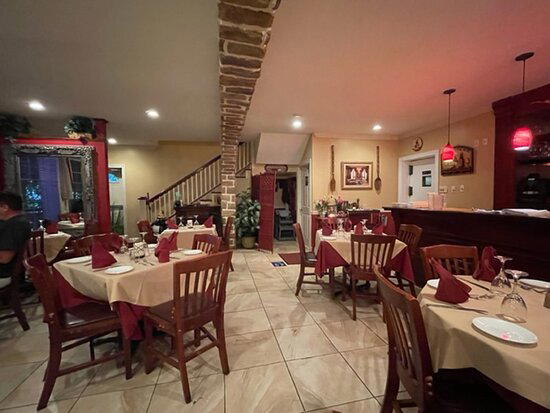
Where the Adriatic Meets the Alps: Mediterranean Cooking in Central Klagenfurt
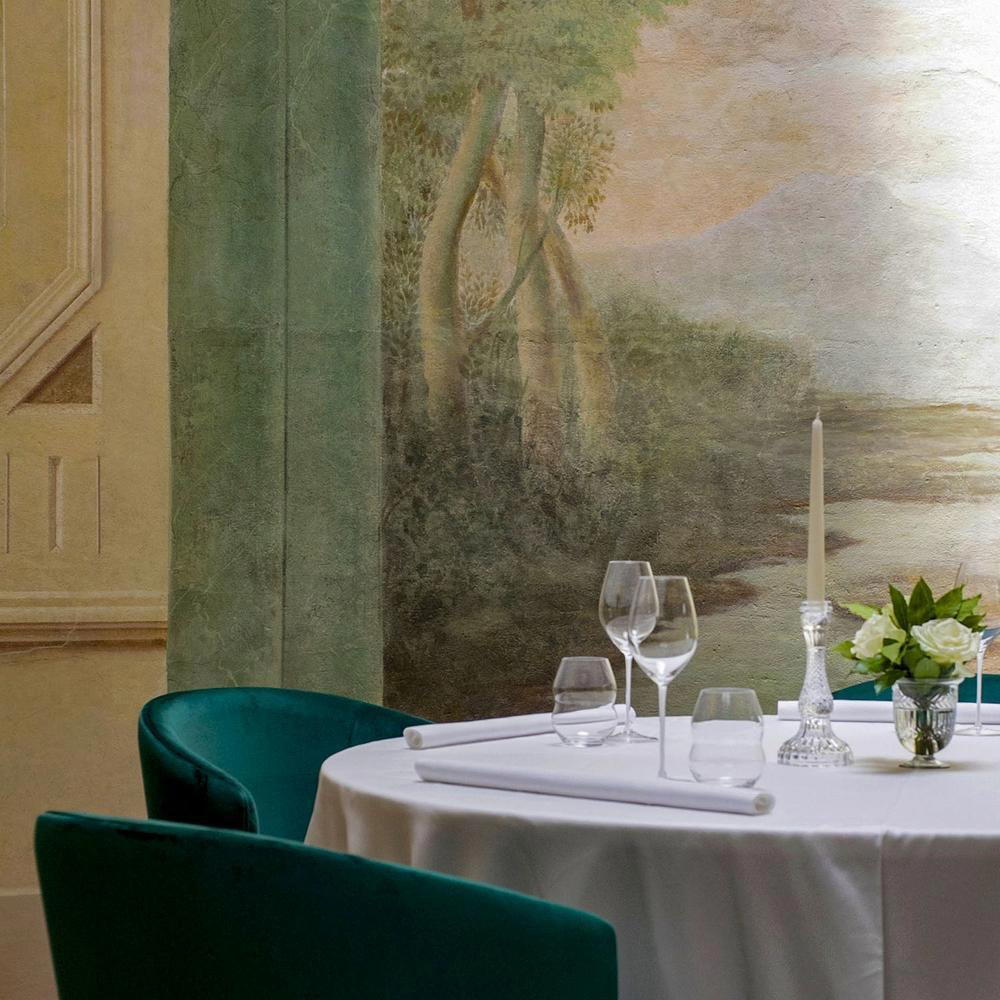
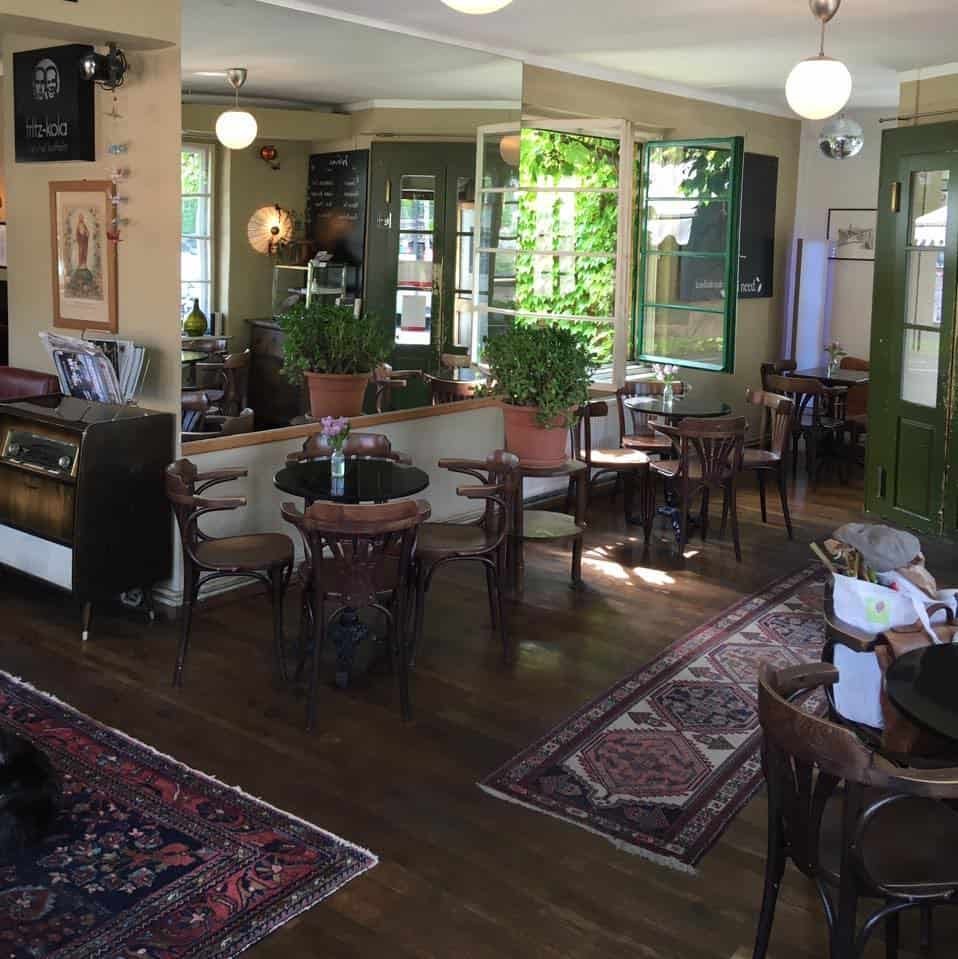
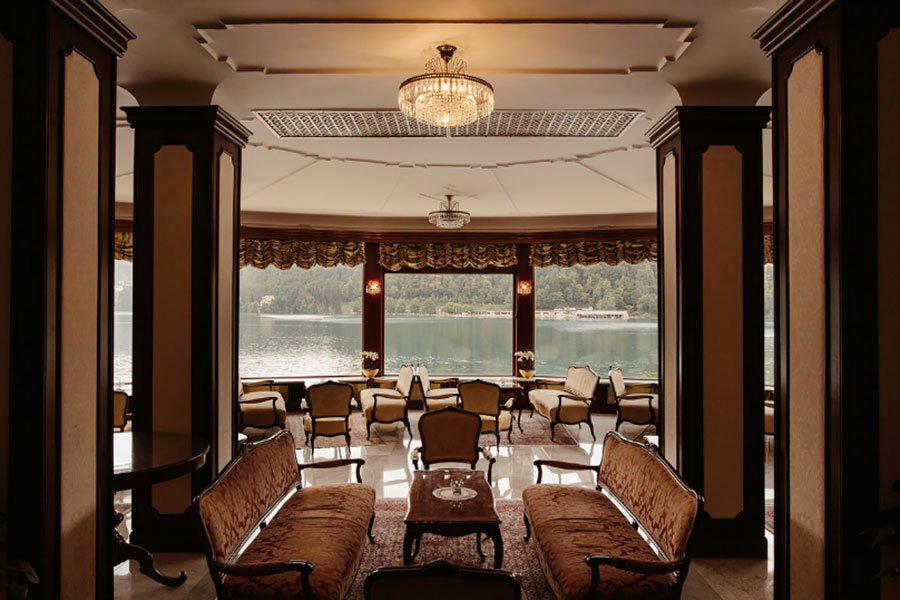
There is a particular kind of restaurant that does something quietly subversive in an Alpine city: it refuses to cook like an Alpine city. Klagenfurt sits closer to the Adriatic than most Austrian cities, and its proximity to Slovenia and northern Italy has always made the case for a Mediterranean sensibility on local menus. Dolce Vita, a restaurant in Klagenfurt am Wörthersee, takes that argument seriously. The room itself has the warmth of a private living space rather than a formal dining room, the kind of place where the mood loosens quickly and the conversation between tables you never meant to have starts anyway. That atmosphere is not accidental. It reflects a broader European tradition of the small, owner-run Mediterranean table where hospitality is structural, not theatrical.
The Discipline of Fewer Ingredients
Mediterranean cuisine at its most considered is not about abundance of components but about the quality of each one. The kitchen at Dolce Vita operates on that principle: fish is wild-caught, pasta is made in-house, and the construction of each dish stops well before it becomes complicated. Meagre, a lean white fish popular along the Adriatic and Tyrrhenian coasts, appears here alongside grilled courgettes and mashed potatoes, three elements that allow the fish's texture and salinity to hold the plate. Gnocchi with clams in a white wine broth follows the same logic: the pasta carries weight, the broth provides acidity, and the clams bring the sea into a landlocked city.
The tradition of reducing a dish to its essential components is well-established in both Italian and Greek Mediterranean cooking, and it maps directly onto the small-plates, sharing culture of the broader region. At Dolce Vita, even the longer tasting formats maintain that restraint: courses accumulate meaning through contrast rather than through volume or complexity. For Austrian dining, where the tendency can lean toward richness and density, this is a meaningful departure. Peers earning similar or higher recognition elsewhere in the country, such as Döllerer in Golling an der Salzach or Landhaus Bacher in Mautern an der Donau, anchor firmly in the Austrian and Central European canon. Dolce Vita belongs to a different reference set entirely.
Table Culture: Sharing, Pacing, and the Surprise Menu
The communal logic of Mediterranean eating, where a table populates gradually with shared plates and the meal shapes itself around conversation, sits at the core of how the restaurant functions. At lunch, the format is lighter and more flexible, suited to a mid-week meal or an afternoon near the Wörthersee before continuing elsewhere. In the evening, the kitchen shifts to a structured surprise menu: five, seven, or nine courses, with the exact dishes determined by what has arrived that day. The dinner set menu is also available on request for those who prefer it. This is a format that asks the diner to surrender some control, which is the correct posture for a kitchen built around seasonal and market-led sourcing.
Decision to offer a surprise format rather than an à la carte evening menu is meaningful. It signals that the kitchen's identity is tied to the quality of incoming produce rather than to a fixed signature repertoire. In the Mediterranean tradition, that responsiveness to daily market supply is not a novelty format but a foundational habit. Restaurants at this level that hold to that discipline, from the Ligurian coast to the Dalmatian islands, tend to produce more consistent results than those anchored to a permanent menu. The Michelin Plate recognition in 2025 reflects this kind of ingredient-led execution.
Wine: Orange and Natural Alongside the Fish
Wine list at the restaurant includes a selection of orange and natural wines alongside a broader list, a choice that aligns sensibly with the food. Orange wines, made by fermenting white grapes with extended skin contact, carry tannin and texture that work against the assumption that white wine and fish is a simple pairing question. The structured, sometimes oxidative character of an orange wine from Friuli, Slovenia, or Georgia can hold its own against the brine of clams or the fat of a richer fish preparation. That the list includes these options in Klagenfurt, rather than only in Vienna or Graz, says something about how widely the natural wine conversation has distributed itself across Austrian dining. For context on how other Austrian addresses handle wine ambition, Steirereck im Stadtpark in Vienna operates at a different price tier and scale, but the underlying commitment to pairing integrity is a shared value.
For a Mediterranean-focused comparison at a different European latitude, La Brezza in Ascona operates with similar coastal ingredient priorities in the Swiss-Italian borderland, and Arnaud Donckele and Maxime Frédéric at Louis Vuitton in Saint-Tropez represents the category at its most ambitious. The restaurant occupies a deliberately smaller register, but the underlying food logic is coherent with both.
Klagenfurt's Dining Context
Klagenfurt is not a city that tends to appear in Austrian fine dining conversations the way Vienna, Salzburg, or even the Vorarlberg ski towns do. Restaurants like Ikarus in Salzburg, Griggeler Stuba in Lech, or Gourmetrestaurant Tannenhof in Sankt Anton am Arlberg draw destination-dining attention to their respective cities. Klagenfurt's restaurant scene is more local in orientation, which is part of why a place like Dolce Vita reads differently here than it would in a more internationally trafficked city. It is not performing for tourists or critics at the expense of the regular clientele. That kind of rating stability, at a recognised price point, is harder to sustain than a launch-moment score.
For further context on what Klagenfurt offers across categories, see the Klagenfurt am Wörthersee restaurants guide, which includes Das Vogelhaus as a notable regional alternative.
Planning a Visit
The restaurant sits at Heuplatz 2, on the corner of Purtscherstraße, in the city centre, making it walkable from the main pedestrian zone and accessible without a car. It carries a €€€ price designation, placing it in the mid-to-upper tier for Klagenfurt, below the €€€€ bracket occupied by the country's two- and three-Michelin-star addresses such as Obauer in Werfen, Kräuterreich by Vitus Winkler, or Ois in Neufelden. For an evening visit, the nine-course surprise menu represents the kitchen at full stretch and requires an appetite for both time and trust in the day's sourcing. The lunch format is a lower-commitment entry point. Given the 4.8 rating and Michelin Plate status, booking in advance is advisable, particularly on weekends or during the Wörthersee summer season when the city's visitor numbers rise. Reservations are essential. Restaurant 141 by Joachim Jaud in Mieming offers a useful reference point for what the €€€ bracket delivers in other Austrian contexts.
Pricing, Compared
Comparable venues nearby, for context on price, style, and recognition.
| Venue | Cuisine | Price | Awards | Notes |
|---|---|---|---|---|
| Dolce VitaThis venue — the venue you are viewing | Mediterranean Cuisine | $$$$ | Michelin Plate | Not listed |
| Das Vogelhaus | City Center, Regional Austrian Fusion | $$$ | Michelin Plate | Not listed |
| DER 12 ENDER | Not listed | $$$$ | Not listed | Obertauern, Alpine-Mediterranean Fine Dining |
| fischerhaus | Not listed | $$$ | Michelin Plate | Moosburg, Contemporary Austrian with Italian Influences |
| Wirtshaus by Vitus Winkler | Not listed | $$$$ | Michelin Plate | Sankt Veit im Pongau, Avant-garde Alpine Austrian |
| Stammtisch am Paulustor | Not listed | $$$$ | Michelin Plate | Innere Stadt, Styrian-Austrian Grill with Seasonal Creativity |
Recognition history
Dated appearances from independent guides and award organizations, with the underlying list record or original source where available.
Falstaff Restaurant - 92 Falstaff Points
Falstaff
Michelin Plate
Michelin
Michelin Plate
Michelin
Michelin Plate
Michelin
Continue exploring
More in Klagenfurt am Wörthersee
Restaurants in Klagenfurt am Wörthersee
Browse all →
Bars in Klagenfurt am Wörthersee
Browse all →

At a Glance
- Cozy
- Intimate
- Elegant
- Sophisticated
- Date Night
- Special Occasion
- Open Kitchen
- Natural Wine
- Local Sourcing
Current opening hours
- Monday
- 11 AM–2 PM, 6–10 PM
- Tuesday
- 11 AM–2 PM, 6–10 PM
- Wednesday
- 11 AM–2 PM, 6–10 PM
- Thursday
- 11 AM–2 PM, 6–10 PM
- Friday
- 11 AM–2 PM, 6–10 PM
- Saturday
- Closed
- Sunday
- Closed
Hours can change for holidays and private events. Last verified .
Cosy 'living room' atmosphere with smart, clean interior, friendly and enthusiastic service.