Bistro Südsee

Relaxed lakeside spot with warm service
- Address
- Dellach Südufer Straße 258 - Maria Wörth AT, 9080 Dellach, Austria
- Phone
- +436644181400
- Website
- sued-see.at
- Directions
- Get directions
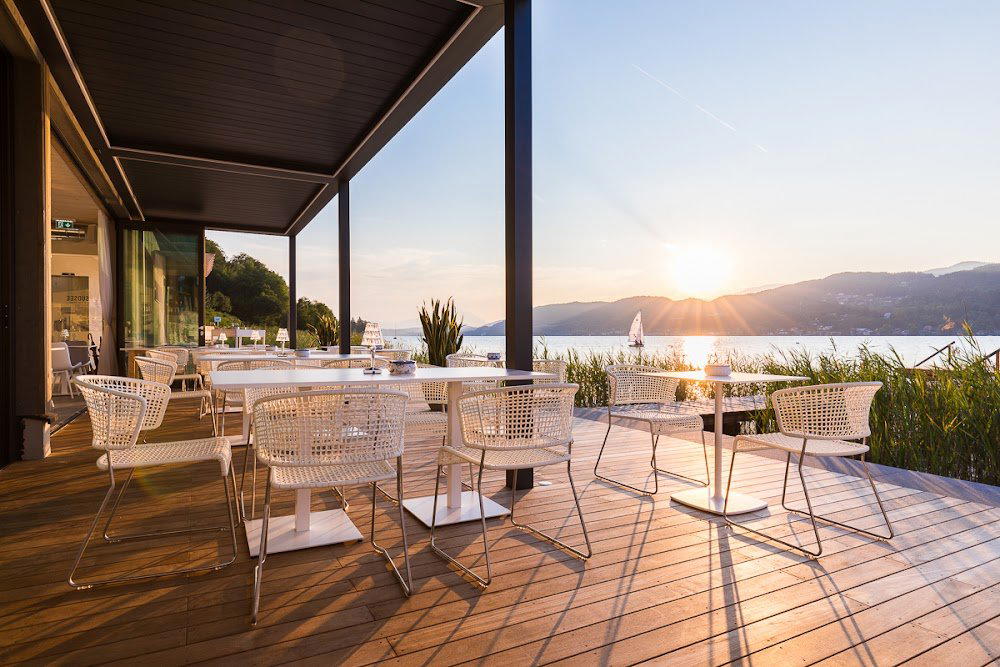
Where Wörthersee Sets the Table
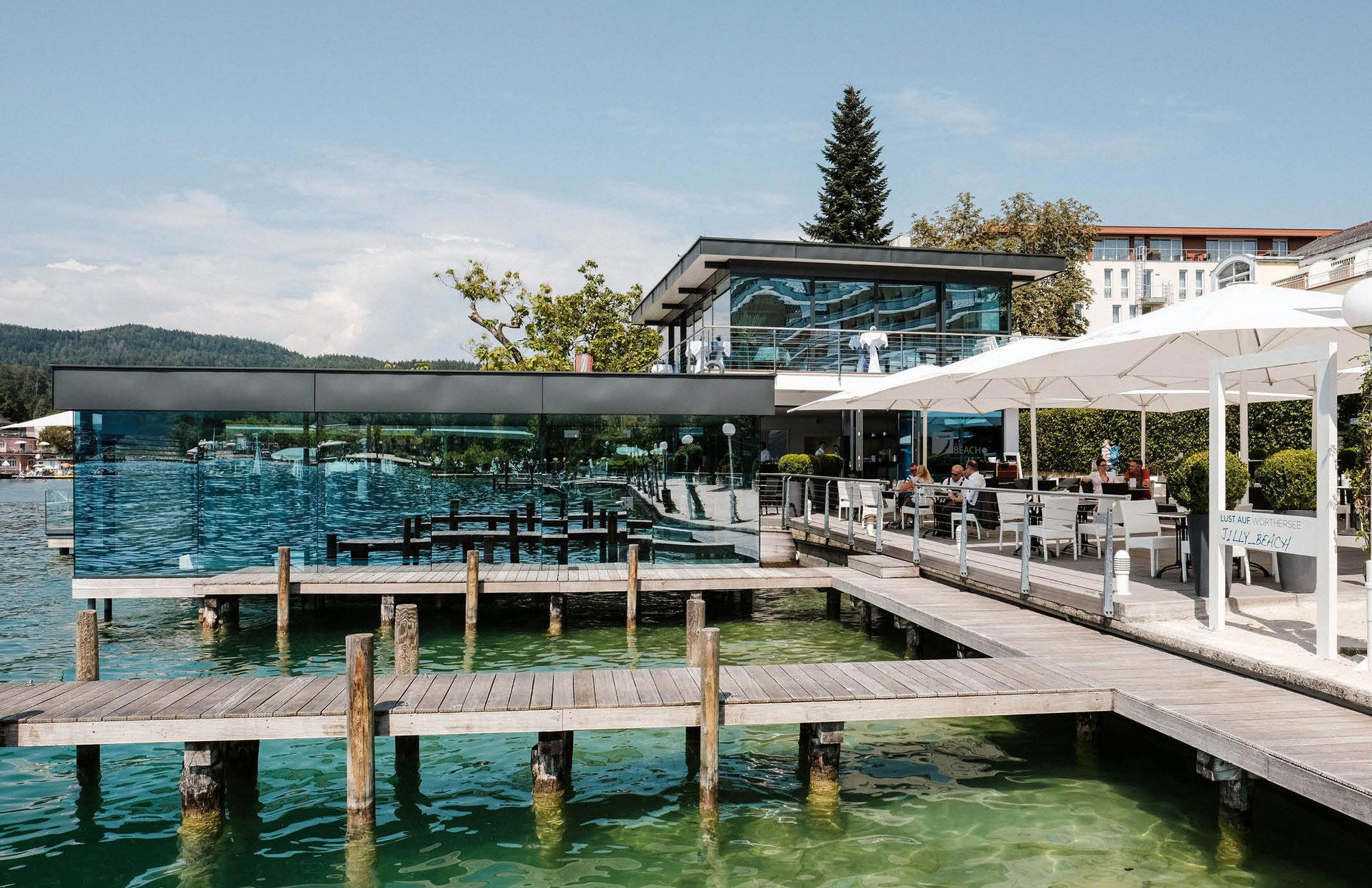
Bistro Südsee is a restaurant in Dellach, Maria Wörth, Austria, with a price tier of 3 and a typical spend of about $50 per person. The southern shore of the Wörthersee operates at a different register from the lakeside promenades to the north. Here, the road hugs the water closely, and the light in late afternoon comes off the surface in long, low angles that define Carinthian summers more precisely than any postcard could. Bistro Südsee sits along this stretch in Dellach, within the municipality of Maria Worth, at an address that positions it squarely on that quieter, more residential arc of the lake. The setting belongs to a tradition of Austrian lake-country dining where the view does considerable editorial work, but where the more serious kitchens understand that scenery alone does not justify a reservation.
Carinthian Sourcing and the Logic of Proximity
The broader pattern in Austrian regional cooking, particularly in Carinthia, is one that has been accelerating for two decades: a return to proximity as culinary principle. The Wörthersee basin is ringed by farms producing pumpkin-seed oil, freshwater fish from the lake itself, and livestock raised in conditions that reflect the altitude and pasture quality of the surrounding Karawanken foothills. For a bistro at this address, the sourcing argument is not abstract. Lake fish, particularly Reinanke (lake whitefish) and pike-perch, travel meters rather than kilometers from water to kitchen in this part of Carinthia. That geographical compression is what separates particularly credible kitchens along the southern shore from those importing product from further afield.
Carinthian cuisine occupies a specific position within Austria's broader regional food map. It sits closer to Slovenian and northeastern Italian influence than the Styrian or Viennese traditions, and that cross-border character shows up most clearly in preparations like Kasnudeln, the region's cheese-filled pasta that borrows from but does not replicate the Italian approach. A kitchen grounded in local sourcing in this part of the country has access to a distinct pantry: buckwheat from the Gail Valley, Carinthian lamb, freshwater crayfish when the season allows. The category context still matters for any reader considering this address against the broader surrounding dining scene.
The Southern Shore in Context
Maria Worth itself is a small lakeside settlement with a profile shaped more by its medieval church on the peninsula than by any concentration of dining venues. That relative quietness is the point for many visitors. The Wörthersee's northern shore, toward Velden, carries the more commercial hospitality infrastructure, the hotels with larger footprints, the festivals. The south is where residents and return visitors tend to settle for longer stays, and the restaurant options along this stretch reflect that: smaller operations, less volume-oriented, calibrated to a clientele that is not passing through.
Within Maria Worth specifically, Bistro Südsee operates alongside a small number of other dining options. Linde and Seensucht are the other notable addresses in the immediate area, and together they suggest a locale where dining is taken seriously but where the scale remains human. For a fuller picture of what this municipality offers, the options span price tiers and cuisine types.
Austrian Bistro Dining as a Format
The bistro designation in Austrian hospitality sits in a specific gap: less formal than a Gasthaus in full traditional mode, less ambitious than a destination restaurant pursuing award recognition. The format tends to favor shorter menus with higher rotation, cooking that responds to what is available rather than to a fixed seasonal program written months in advance. In this tier, the quality signal is usually consistency and sourcing discipline rather than technical pyrotechnics. Across Austria's most credible regional dining, this bistro register is where a great deal of honest cooking happens.
At the upper end of Austrian fine dining, the benchmark kitchens remain influential. Steirereck im Stadtpark in Vienna and Döllerer in Golling an der Salzach represent the kind of destination-level commitment to Austrian product and technique that has drawn international attention. Landhaus Bacher in Mautern an der Donau and Obauer in Werfen occupy a similar tier in their respective regions. These are not direct comparators for a lakeside bistro in Maria Worth, but they establish what Austrian regional cooking looks like when it is operating with full commitment to provenance and craft. A bistro format cannot and should not be held to the same standard, but the leading in this category demonstrate that the underlying philosophy, sourcing locally, cooking with restraint, letting the ingredient carry the plate, is not exclusive to the fine-dining register.
Other Austrian addresses worth noting for context include Taubenkobel in Schützen am Gebirge, Kräuterreich by Vitus Winkler in Sankt Veit im Pongau, and Stüva in Ischgl, each of which approaches regional sourcing from a distinct vantage point. Further afield, Gourmetrestaurant Tannenhof in Sankt Anton am Arlberg, Griggeler Stuba in Lech, Schwarzer Adler in Hall in Tirol, Restaurant 141 by Joachim Jaud in Mieming, Ois in Neufelden, and Ikarus in Salzburg complete the picture of regional dining across formats and price points. For reference beyond Austria, Le Bernardin in New York City and Lazy Bear in San Francisco demonstrate how sourcing-led philosophies operate at the destination-dining level in different contexts.
Planning Your Visit
The restaurant is located at Dellach Südufer Straße 258, in Dellach within the Maria Worth municipality, along the southern shore of the Wörthersee. The address is accessible by car along the lake road; public transport connections to the southern shore are more limited than to Velden or Klagenfurt, so driving or cycling from Klagenfurt, approximately 15 kilometers to the east, is the practical approach for most visitors. The summer months, June through September, represent the peak window for lake-country dining in this part of Carinthia, when the outdoor setting potential and the availability of local lake fish are both at their highest. The venue is permanently closed.
How It Stacks Up
Comparable venues nearby, for context on price, style, and recognition.
| Venue | Cuisine | Price | Awards | Notes |
|---|---|---|---|---|
| Bistro SüdseeThis venue — the venue you are viewing | Regional European Bistro with Mediterranean Influences | $$$ | Not listed | Not listed |
| Linde | Austrian Classics with International Specialties | $$$ | Not listed | Maria Wörth |
| Bistro Südsee by Hubert Wallner | Dining | Not listed | Michelin Plate | Maria Wörth |
| Seensucht | Seasonal Regional Bistro | $$$ | Not listed | Sekirn |
| Hubert Wallner | Modern Alpine-Adriatic Fine Dining | $$$$ | Michelin 1 Star | Maria Wörth |
| Bistrot Bertarelli | Northern Italian Bistro with Viennese Influences | $$$ | Not listed | Wieden (4th district) |
Recognition history
Dated appearances from independent guides and award organizations, with the underlying list record or original source where available.
Michelin Plate
Michelin
Michelin Plate
Michelin
Continue exploring
More in Maria Wörth
Restaurants in Maria Wörth
Browse all →
Bars in Maria Wörth
Browse all →
Hotels in Maria Wörth
Browse all →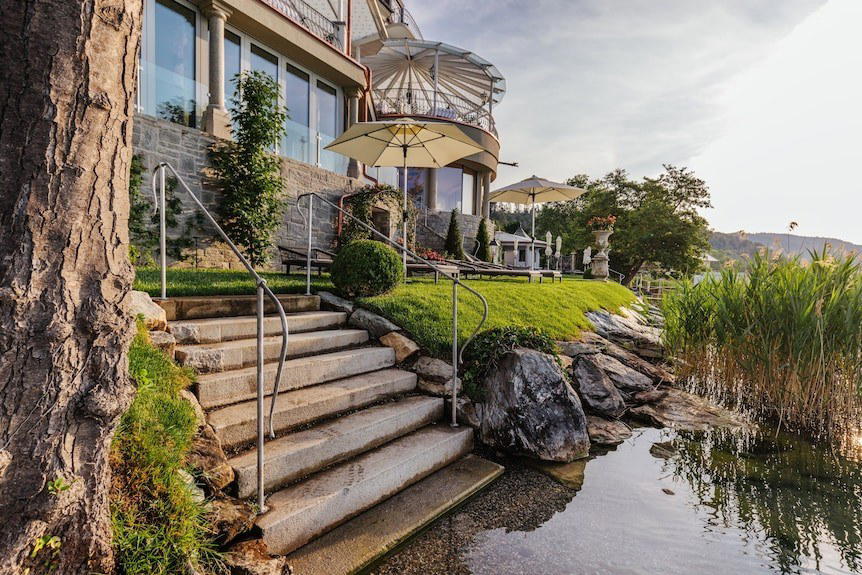

At a Glance
- Relaxed
- Scenic
- Cozy
- Date Night
- Casual Hangout
- Waterfront
- Terrace
- Craft Cocktails
- Local Sourcing
- Waterfront
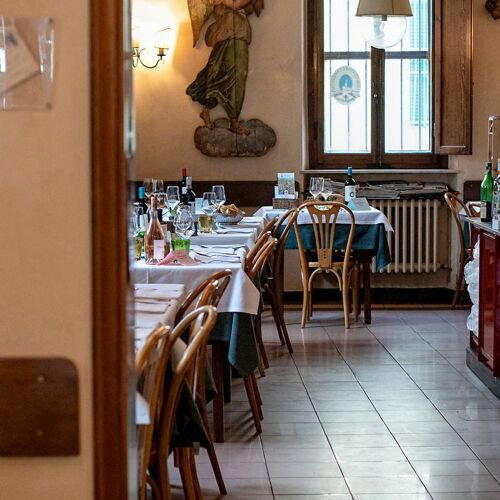
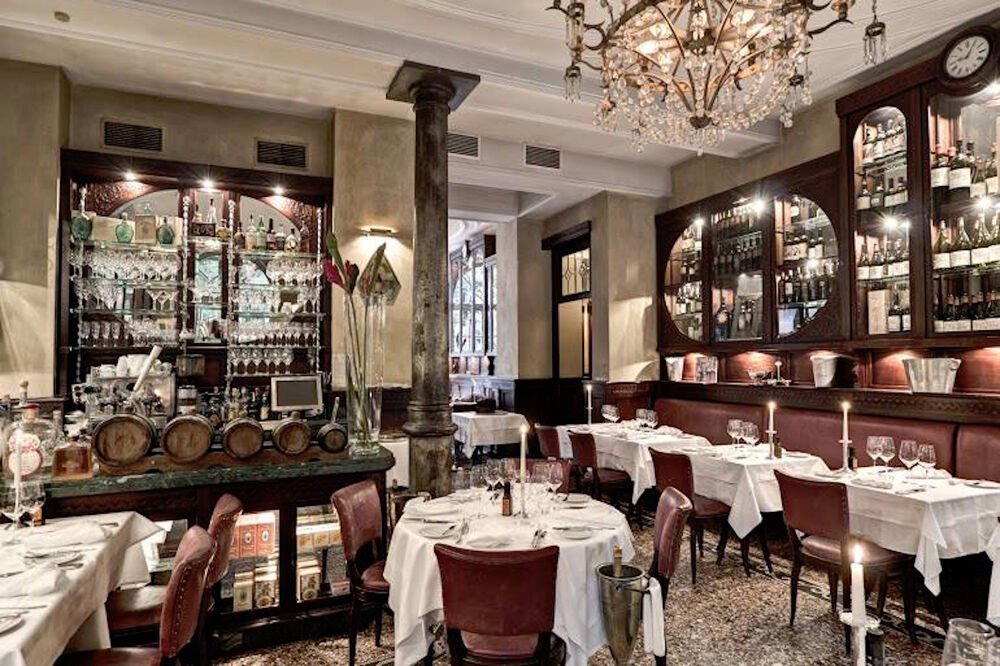
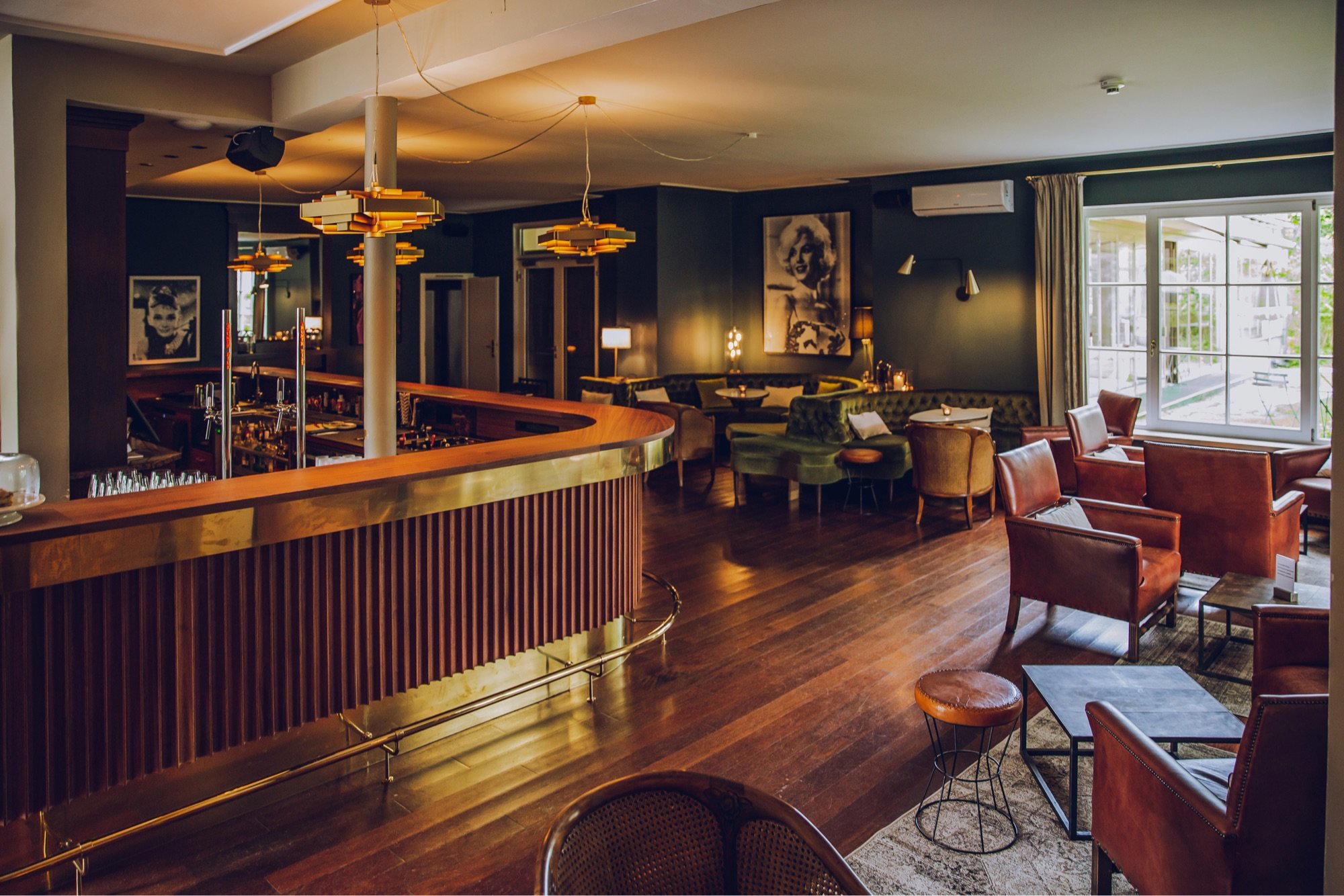
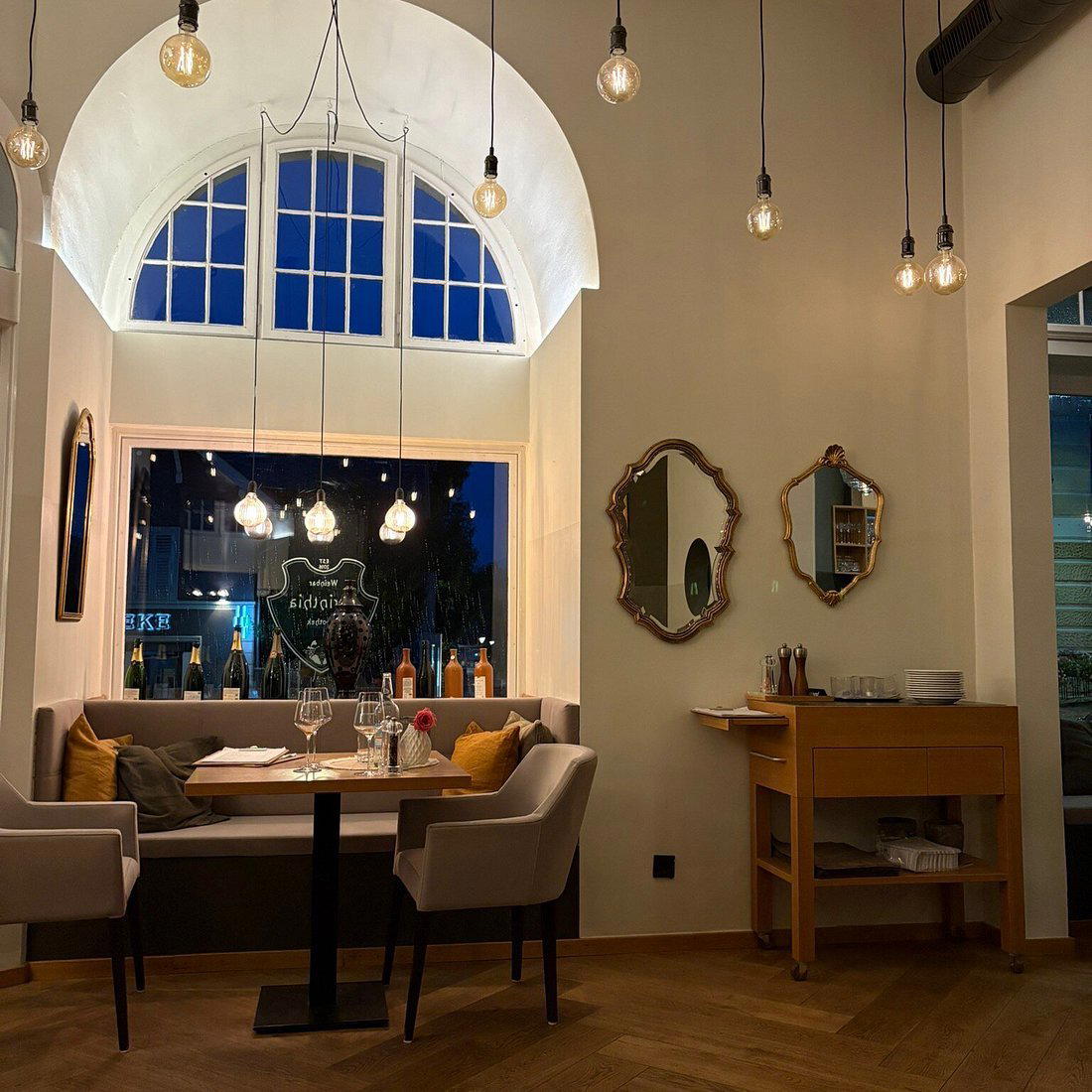
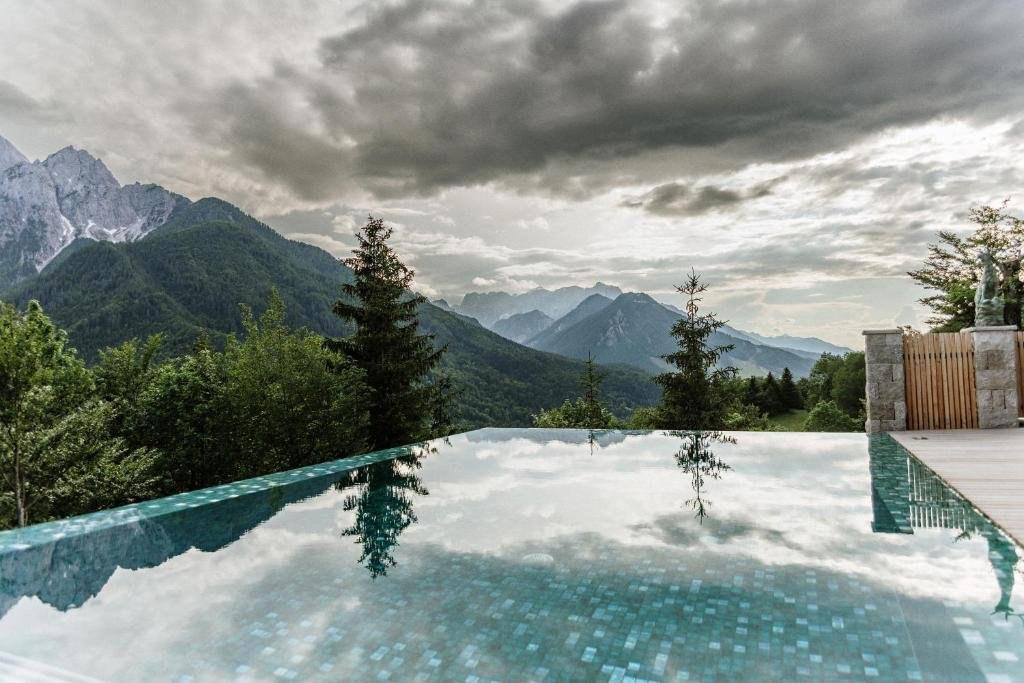
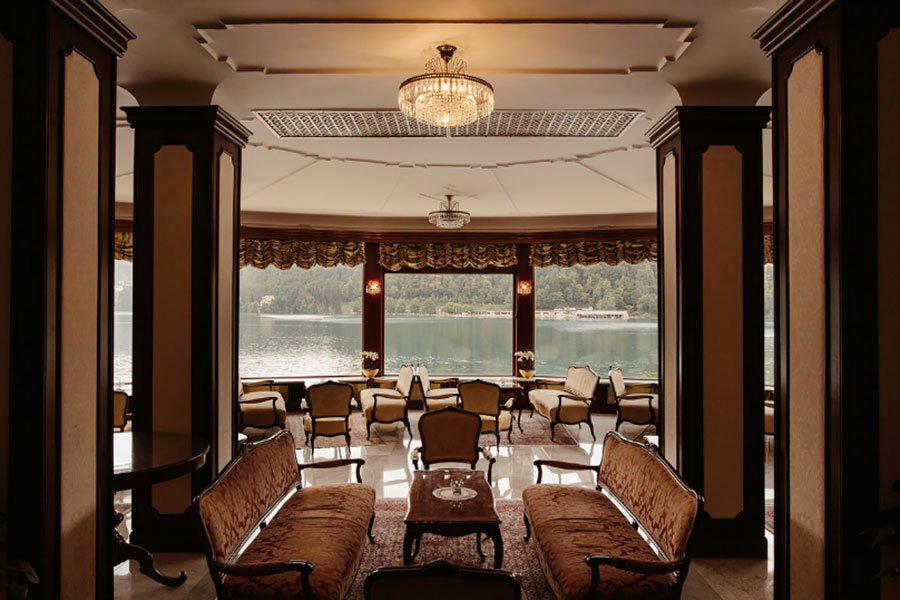
Relaxed bistro atmosphere with trendy background music, reeds swaying by the lake, and friendly down-to-earth service.