Lilōu

Lilōu occupies a quiet address on Campos Elíseos in Polanco, one of Mexico City's most considered dining corridors. The restaurant sits in a neighbourhood where sourcing credentials and culinary precision define the competitive conversation, placing it alongside a cohort of Mexico City tables where ingredient provenance shapes the menu before technique does. Reservations and current hours are best confirmed directly with the venue.
Pearl is the En Primeur Club membership app — saves, bookings, and concierge access live there. Same editors, same standards.
- Address
- Campos Elíseos 218, Polanco, Polanco IV Secc, Miguel Hidalgo, 11560 Ciudad de México, CDMX, Mexico
- Phone
- +525553277758
- Website
- lilourestaurante.com
- Directions
- Get directions
 Saves & bookings on Pearl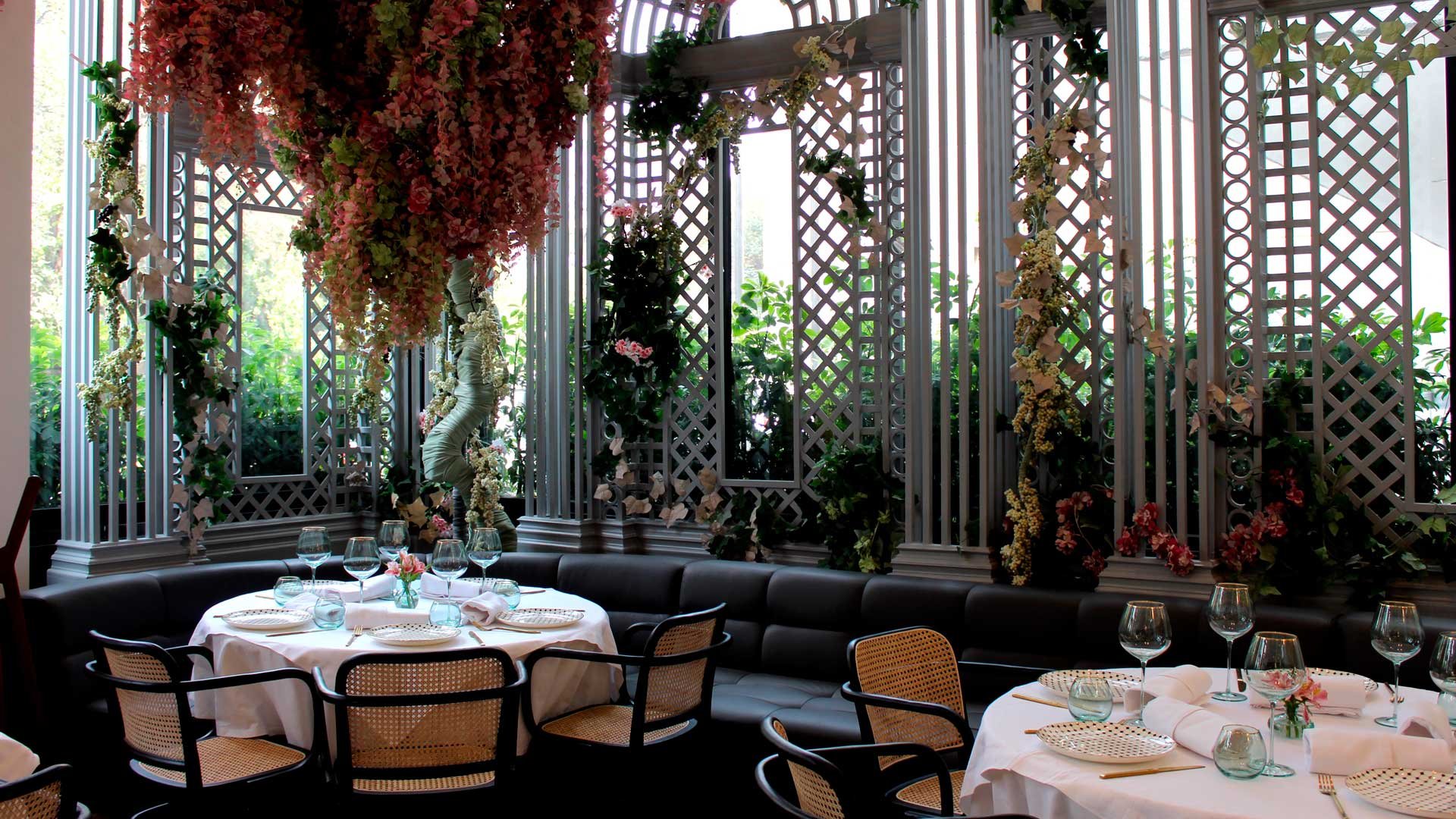
Polanco's Sourcing-Led Dining Tier
Polanco has spent the better part of two decades sorting itself into tiers. At the leading end, a cluster of addresses competes on exactly the same terms as the city's most discussed tables: provenance, seasonal discipline, and culinary lineage. Campos Elíseos, the avenue where Lilōu sits at number 218, threads through this zone, a stretch where the dining conversation tends to focus less on spectacle and more on what arrives at the table and where it came from. That framing matters, because it positions Lilōu within a comparable set defined by ingredient rigour rather than by cuisine category alone.
Across Mexico City's upper-mid and fine dining bracket, the sourcing argument has become the primary differentiator. Quintonil built much of its international reputation on native Mexican ingredients treated with contemporary precision. Pujol operates at the $$$$-tier with a decade-long Michelin recognition streak that rests partly on its commitment to Mexican product. Em has carved a distinct identity at the $$$ level by working with Mexican producers directly. Lilōu, on Campos Elíseos, enters this conversation from Polanco's residential edge, where the format tends to be quieter and the room smaller than the neighbourhood's more theatrical addresses.
What Ingredient-Driven Dining Looks Like in This Part of the City
The broader shift toward sourcing-first menus in Mexico City reflects something happening at the national level. Across the country, from Animalón in Valle de Guadalupe, where the vineyard setting dictates the produce logic entirely, to Levadura de Olla in Oaxaca, where the menu is inseparable from regional Oaxacan producers, there is a consistent argument: the provenance of the ingredient is not a selling point but a structural principle. What changes is execution and setting.
In Polanco specifically, that principle tends to manifest in a more international register than in, say, Oaxaca or the Baja peninsula. The neighbourhood has always attracted kitchens that speak to a globally fluent diner, and the sourcing conversation here is as likely to involve European technique applied to Mexican product as it is to involve strictly regional cooking. This is the culinary grammar that Campos Elíseos restaurants have historically worked in, and Lilōu's address puts it squarely in that tradition.
Elsewhere in Mexico, the sourcing-first model takes on regional character: KOLI Cocina de Origen in Monterrey anchors its identity in northern Mexican produce, while HA' in Playa del Carmen works within a coastal sourcing logic shaped by Yucatecan and Caribbean proximity. In Polanco, the sourcing story is more eclectic, and often more expensive, because the neighbourhood's dining infrastructure supports it.
The Room and the Register
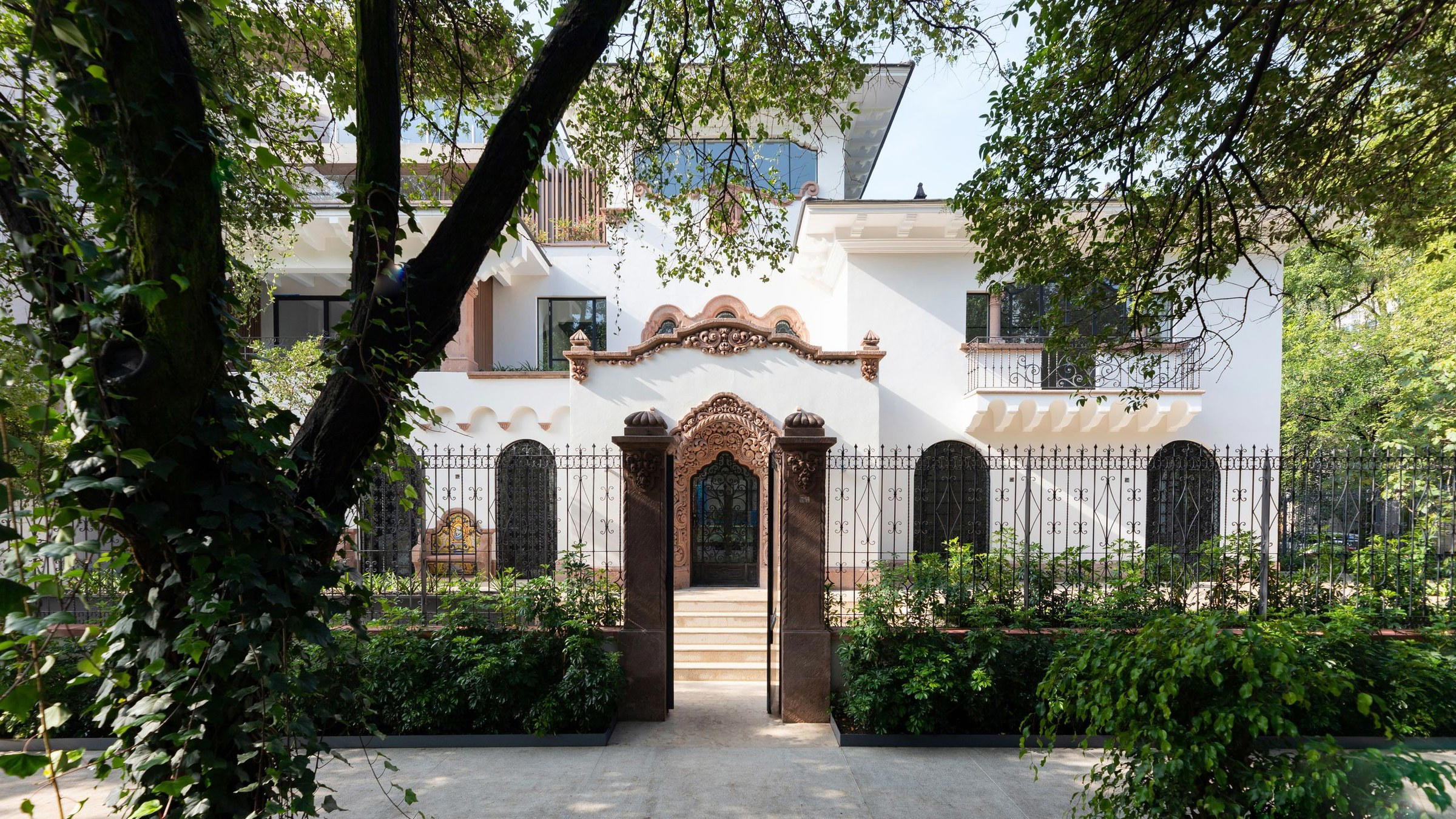
Approaching from Campos Elíseos, the address reads as residential before it reads as restaurant. This is deliberate in Polanco's more considered dining tier: the room is the first signal that the experience is calibrated toward a specific kind of attention. Larger, louder rooms line the main commercial stretches of Polanco; the quieter addresses on side streets and residential avenues tend to attract diners who have already decided what they want before arriving, which shifts the atmosphere from discovery to confirmation.
That atmosphere, composed, relatively intimate, designed for a diner who is there to eat rather than to be seen eating, places Lilōu in a comparable set that includes Rosetta in Roma Norte (which occupies a Porfirian house and operates at the $$-tier with Italian-creative credentials) and Sud 777, which has built a reputation for considered produce-driven cooking in Pedregal. The comparison across these venues is less about cuisine type than about the shared premise that the room should not compete with the food for attention.
At the international level, this is a format that cities like New York have been refining for years. Atomix in New York operates a 14-seat counter that makes the room's intimacy structurally inseparable from the tasting format. Le Bernardin maintains a controlled formality where the dining room recedes in order to let the fish-driven menu occupy the foreground. The logic is consistent across latitudes: when the sourcing story is the point, the room needs to get out of the way.
Mexico's Broader Sourcing Conversation
Understanding Lilōu's position in Polanco is easier when you map it against where Mexico City's ingredient-led dining sits in the national picture. The country now has a well-documented tier of restaurants where sourcing is both argument and differentiator. Alcalde in Guadalajara built its identity around western Mexican produce and has attracted international recognition for it. Pangea in San Pedro Garza García has spent years defining northern Mexico's fine dining register through a similar sourcing discipline. Lunario in El Porvenir works in the Valle de Guadalupe wine country, where the produce sourcing and the wine programme are effectively one argument.
In Merida, Huniik has made Yucatecan ingredients central to its identity. On the coast, Le Chique in Puerto Morelos operates with a technique-heavy approach to regional coastal produce. And in Ensenada, Olivea Farm to Table makes the farm-to-table relationship literal rather than rhetorical. What unites these restaurants across Mexico is the insistence that the ingredient's origin is not background information but the central editorial decision of the menu.
Polanco's version of this conversation is, inevitably, filtered through the neighbourhood's cosmopolitan orientation. The sourcing at this postcode tends to be rigorous but not nativist, the kitchen is as likely to reach for a French technique as a Mexican one, and the wine list typically skews international. This is what distinguishes the Campos Elíseos tier from its counterparts in Oaxaca or the Baja wine country, and it is the register in which Lilōu operates. See our full Mexico City restaurants guide for a broader map of how these tiers distribute across the city.
Reputation First
Comparable venues nearby, for context on price, style, and recognition.
| Venue | Cuisine | Price | Notes |
|---|---|---|---|
| LilōuThis venue — the venue you are viewing | Contemporary International Bistro | $$$$ | Not listed |
| Samos | Contemporary Mexican Fine Dining | $$$$ | Nva Anzures |
| Umai | Modern Japanese | $$$$ | Juarez |
| Sakai | Modern Japanese Sushi | $$$$ | Tlaxala |
| La Buena Barra CDMX | Contemporary Mexican Grill | $$$$ | Polanco Chapultepec |
| Señora Tanaka Masaryk | Japanese-Latin Fusion | $$$$ | Chapultepec Morales |
Recognition history
Dated appearances from independent guides and award organizations, with the underlying list record or original source where available.
Wine Spectator Best of Award of Excellence
Wine Spectator
Continue exploring
More in Mexico City
Restaurants in Mexico City
Browse all →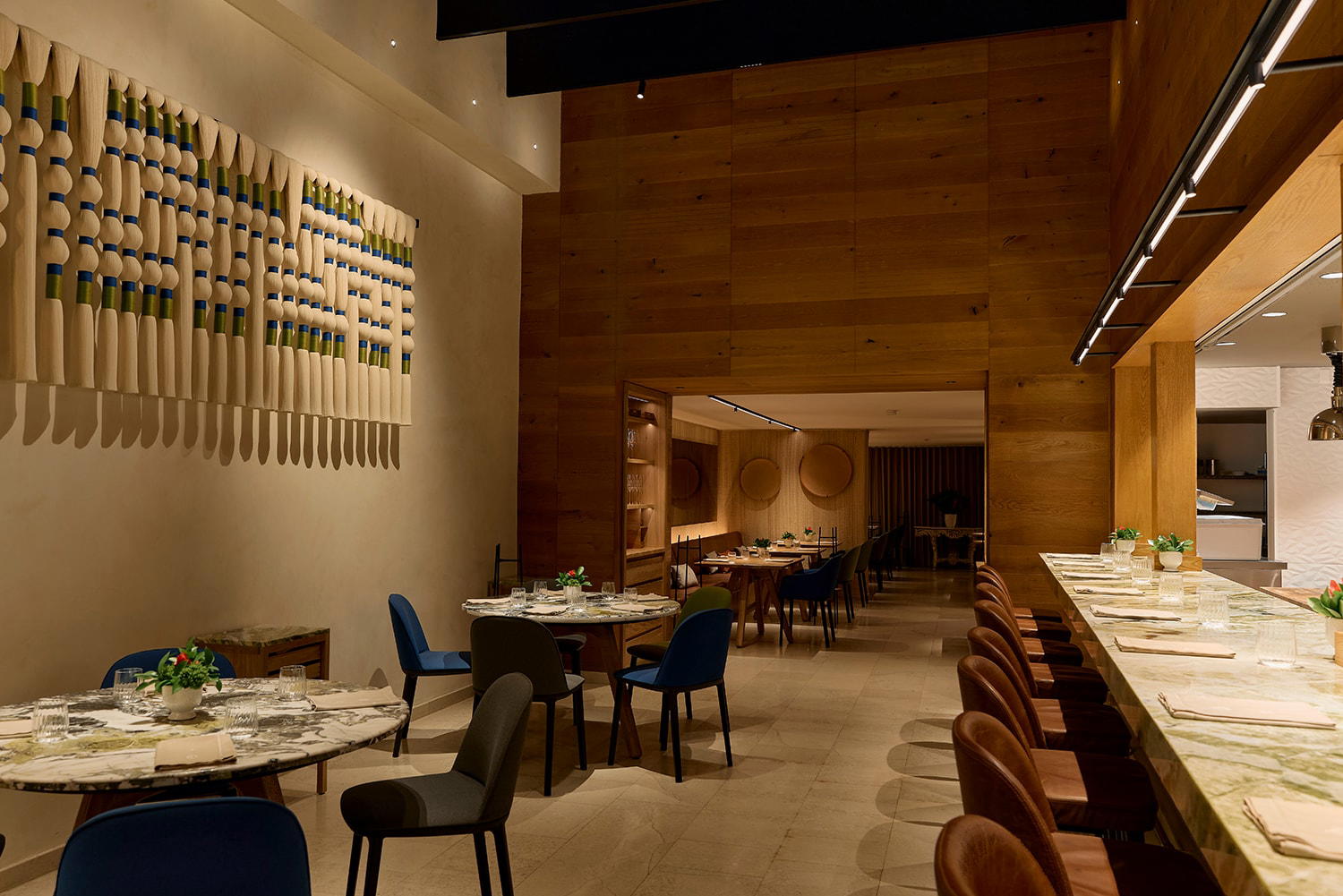
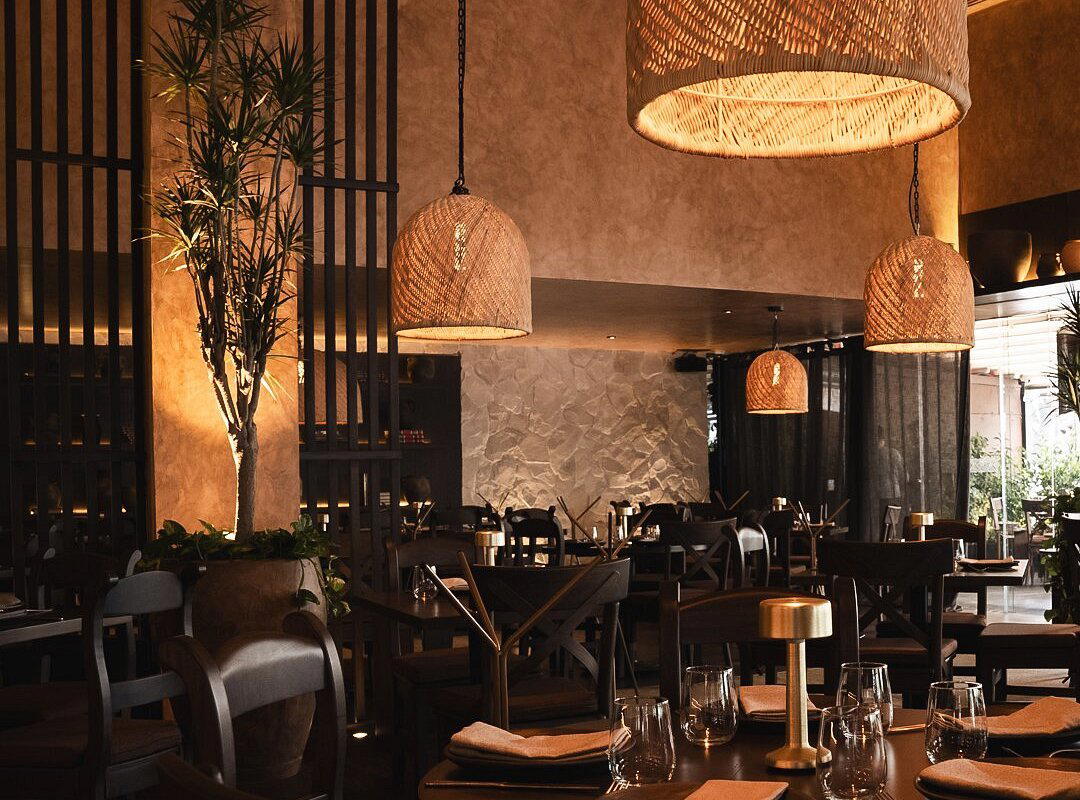
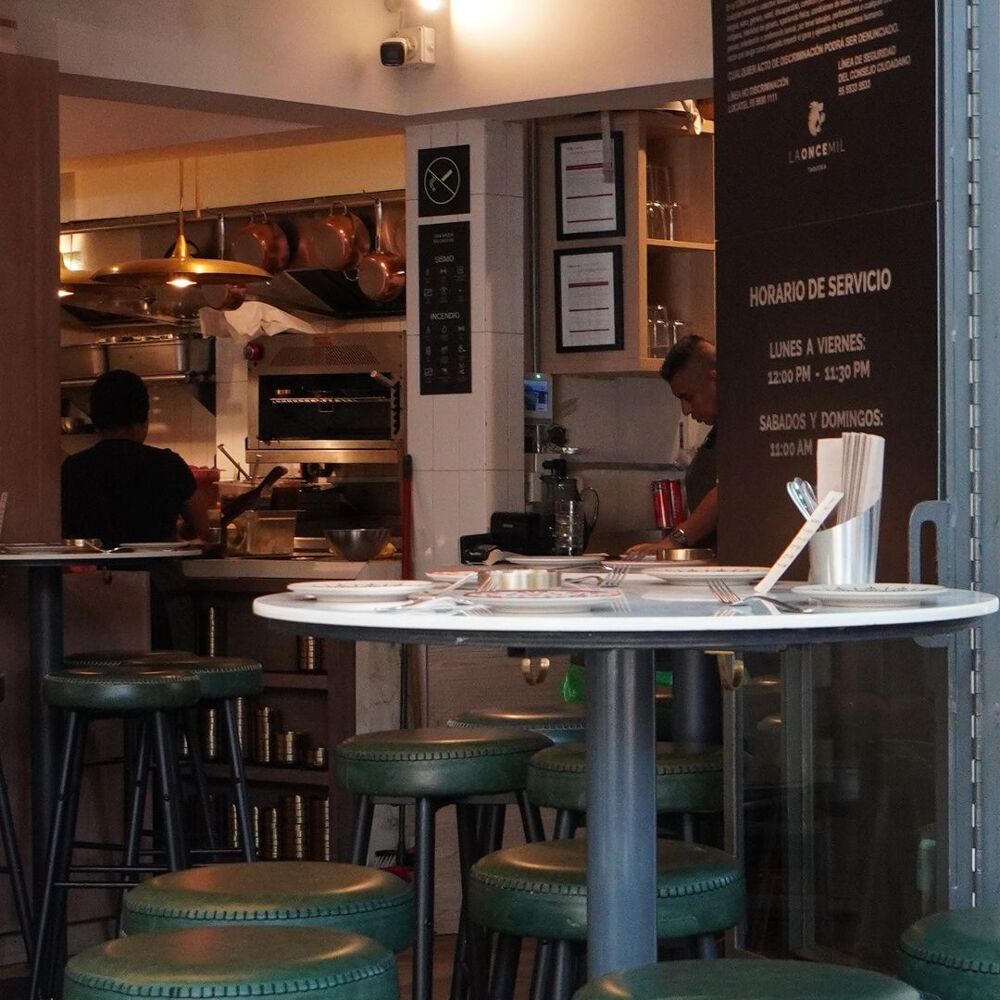
Bars in Mexico City
Browse all →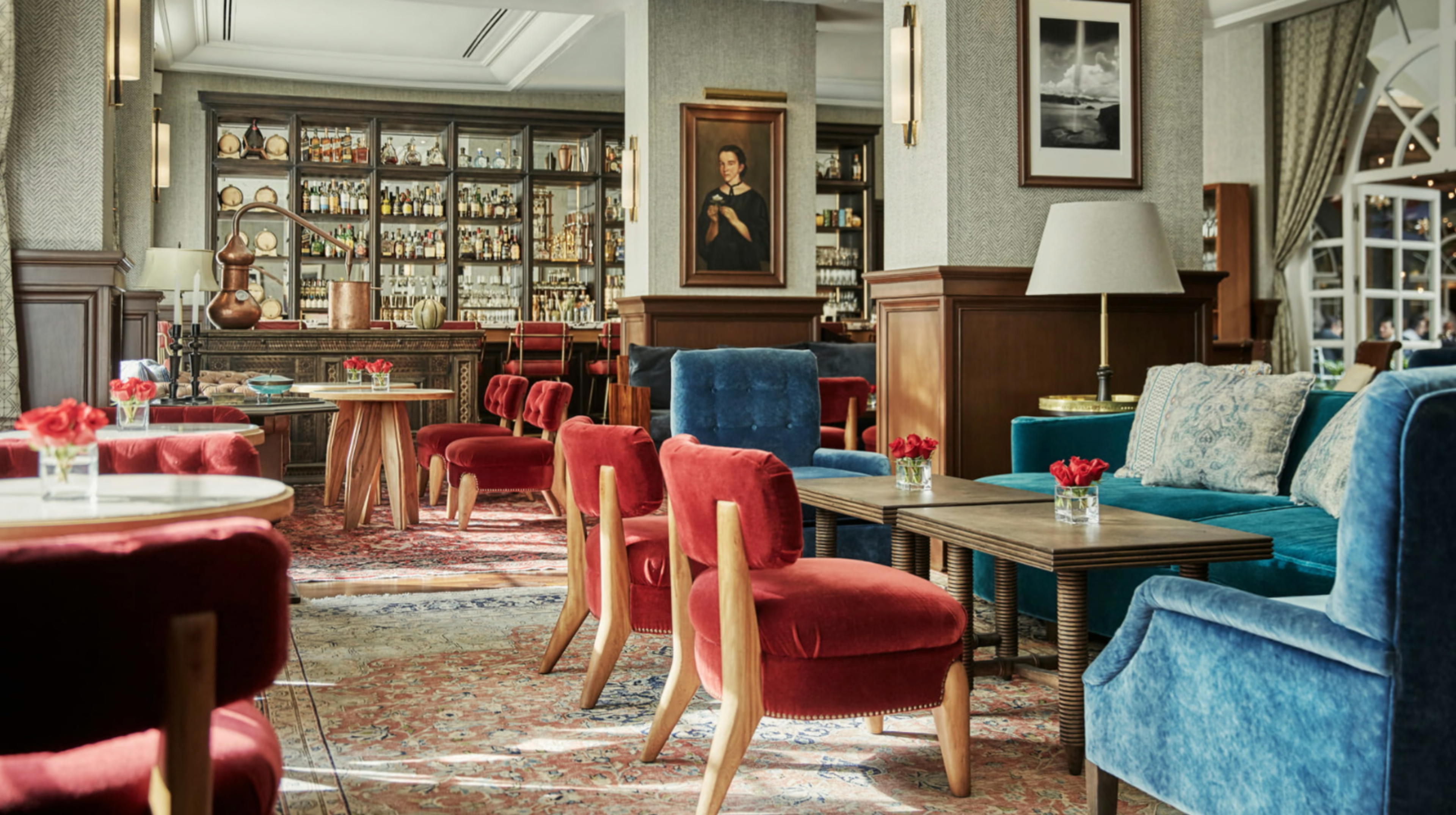

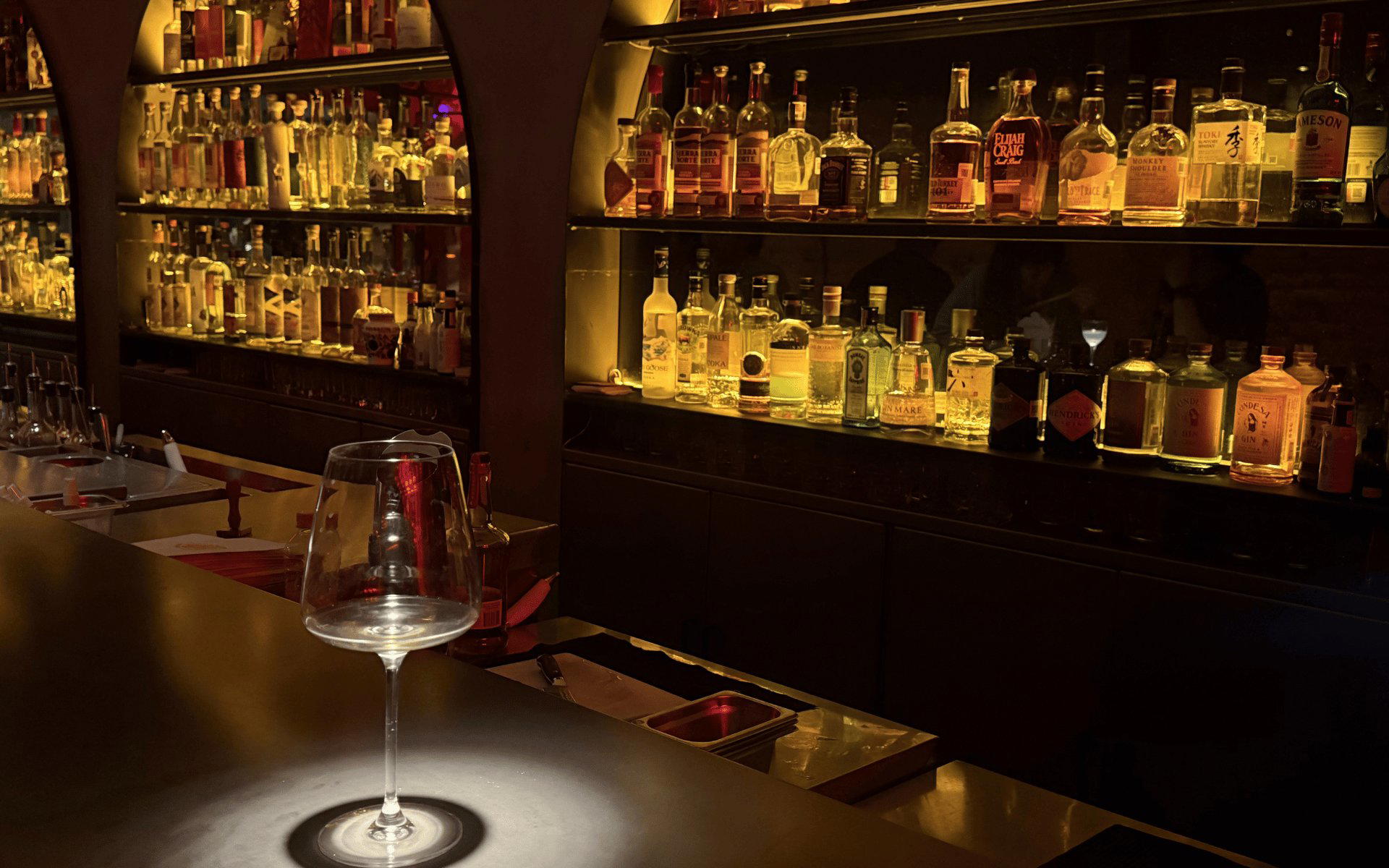


At a Glance
- Sophisticated
- Elegant
- Modern
- Romantic
- Trendy
- Date Night
- Business Dinner
- Brunch
- Hotel Restaurant
- Terrace
- Craft Cocktails
- Extensive Wine List
Current opening hours
- Monday
- 6:30 AM–11:30 PM
- Tuesday
- 6:30 AM–11:30 PM
- Wednesday
- 6:30 AM–11:30 PM
- Thursday
- 6:30 AM–11:30 PM
- Friday
- 6:30 AM–1 AM
- Saturday
- 6:30 AM–1 AM
- Sunday
- 6:30 AM–8 PM
Hours can change for holidays and private events. Last verified .
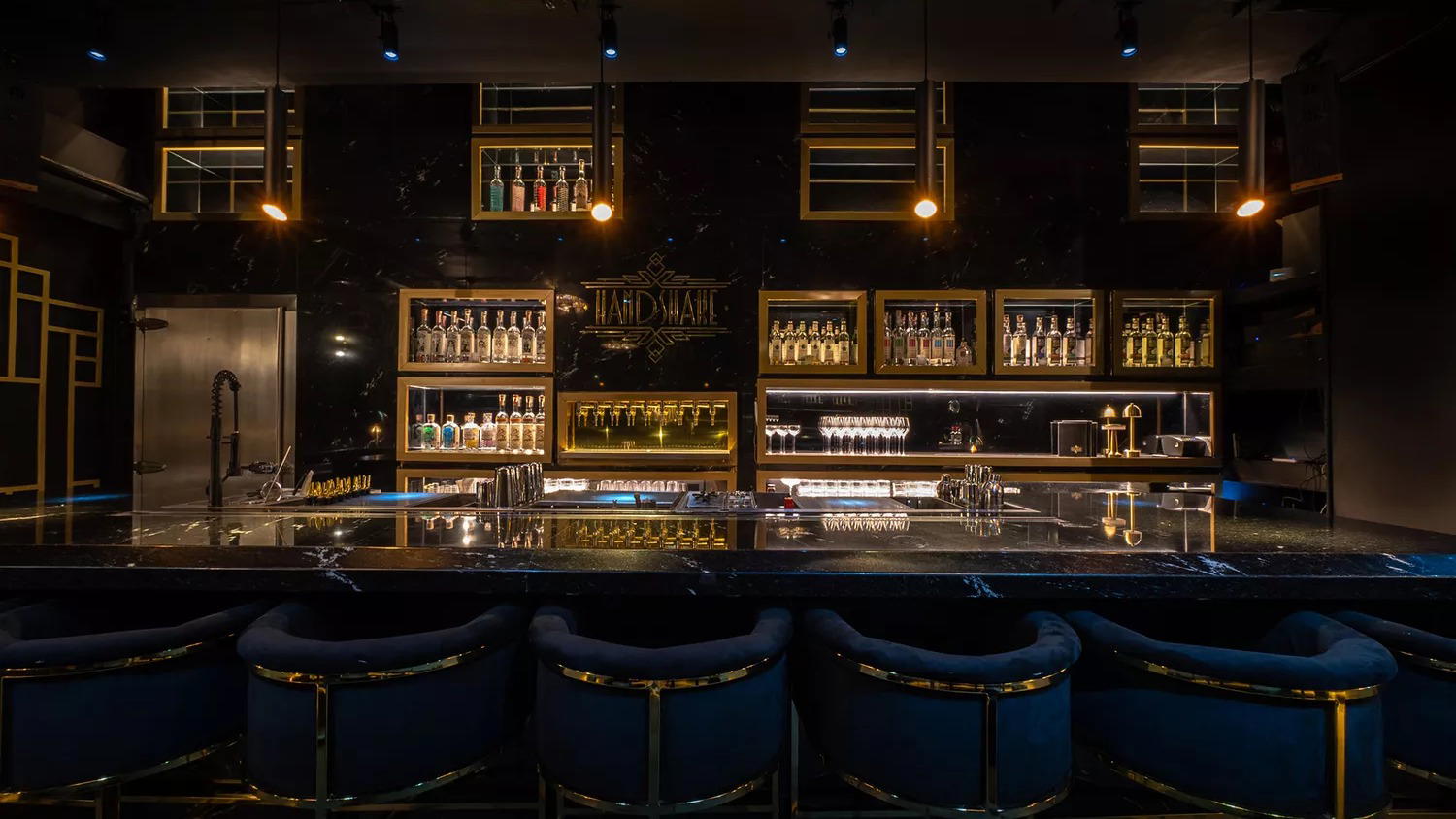
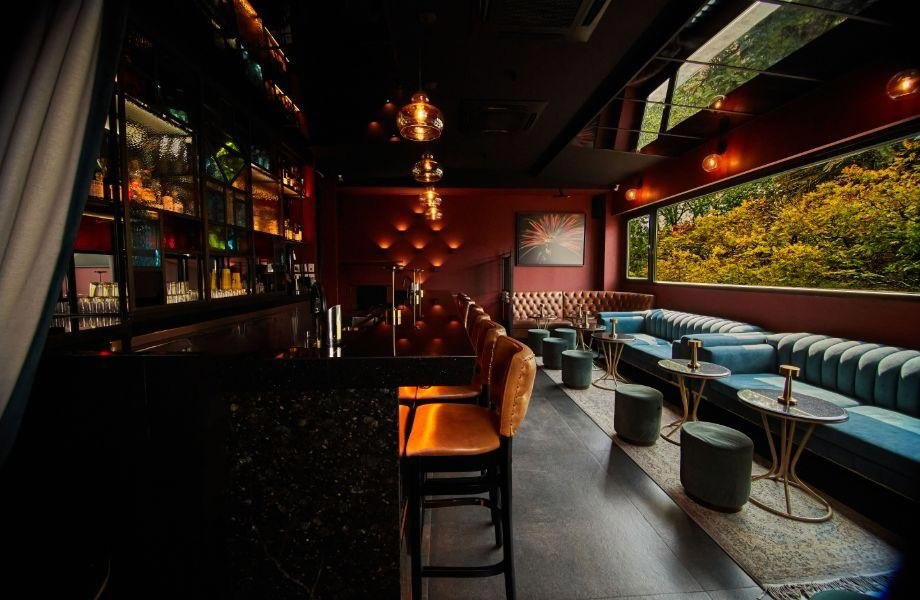
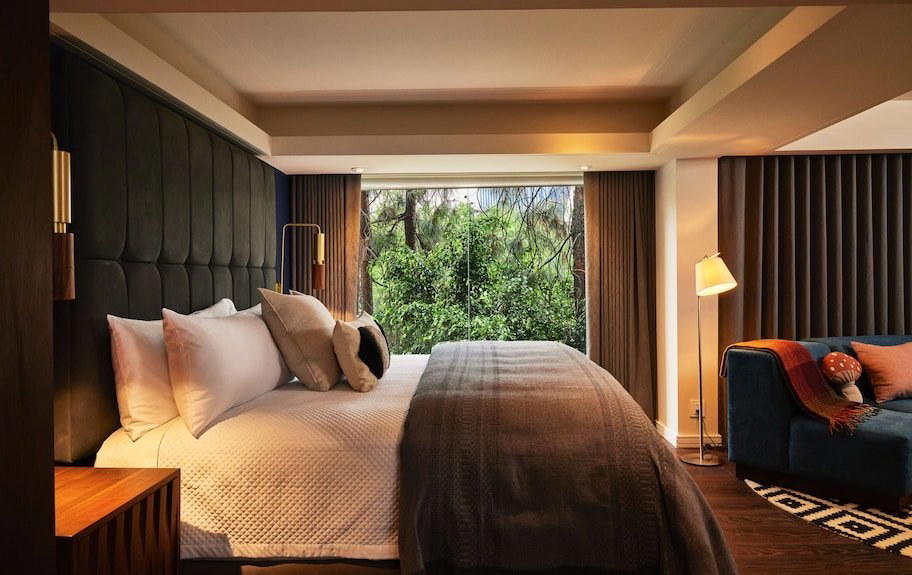
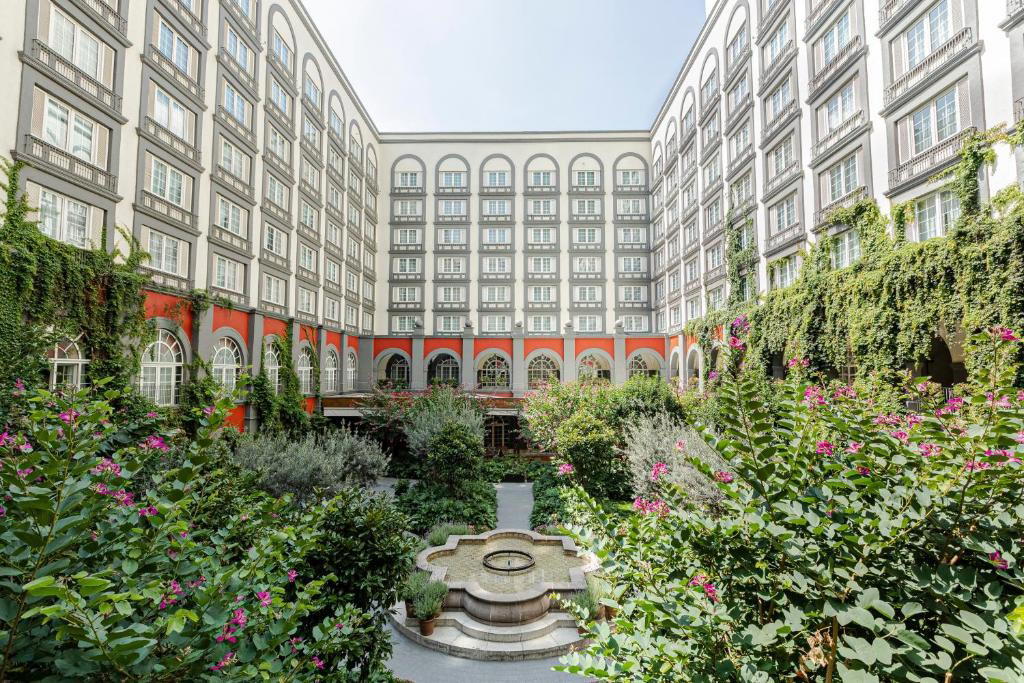
Refined atmosphere with warm lighting, floral decor, elegant velvet sofas, vanguardist elements, and lush foliage creating an intimate and luxurious vibe.