Señora Tanaka Masaryk
Señora Tanaka Masaryk brings the Japan-Mexico crossover concept to Polanco, one of Mexico City's most competitive dining corridors. The address on Avenida Presidente Masaryk places it among the neighbourhood's premium tier, where a growing cohort of fusion-format restaurants is testing how far audiences will follow a concept away from either tradition. A reservation here is a read on where Mexico City's cosmopolitan dining scene is heading.
Pearl is the En Primeur Club membership app — saves, bookings, and concierge access live there. Same editors, same standards.
- Address
- Av. Pdte. Masaryk 169, Polanco, Polanco V Secc, Miguel Hidalgo, 11560 Ciudad de México, CDMX, Mexico
- Phone
- +525528751870
- Website
- sratanaka.com
- Directions
- Get directions
 Saves & bookings on Pearl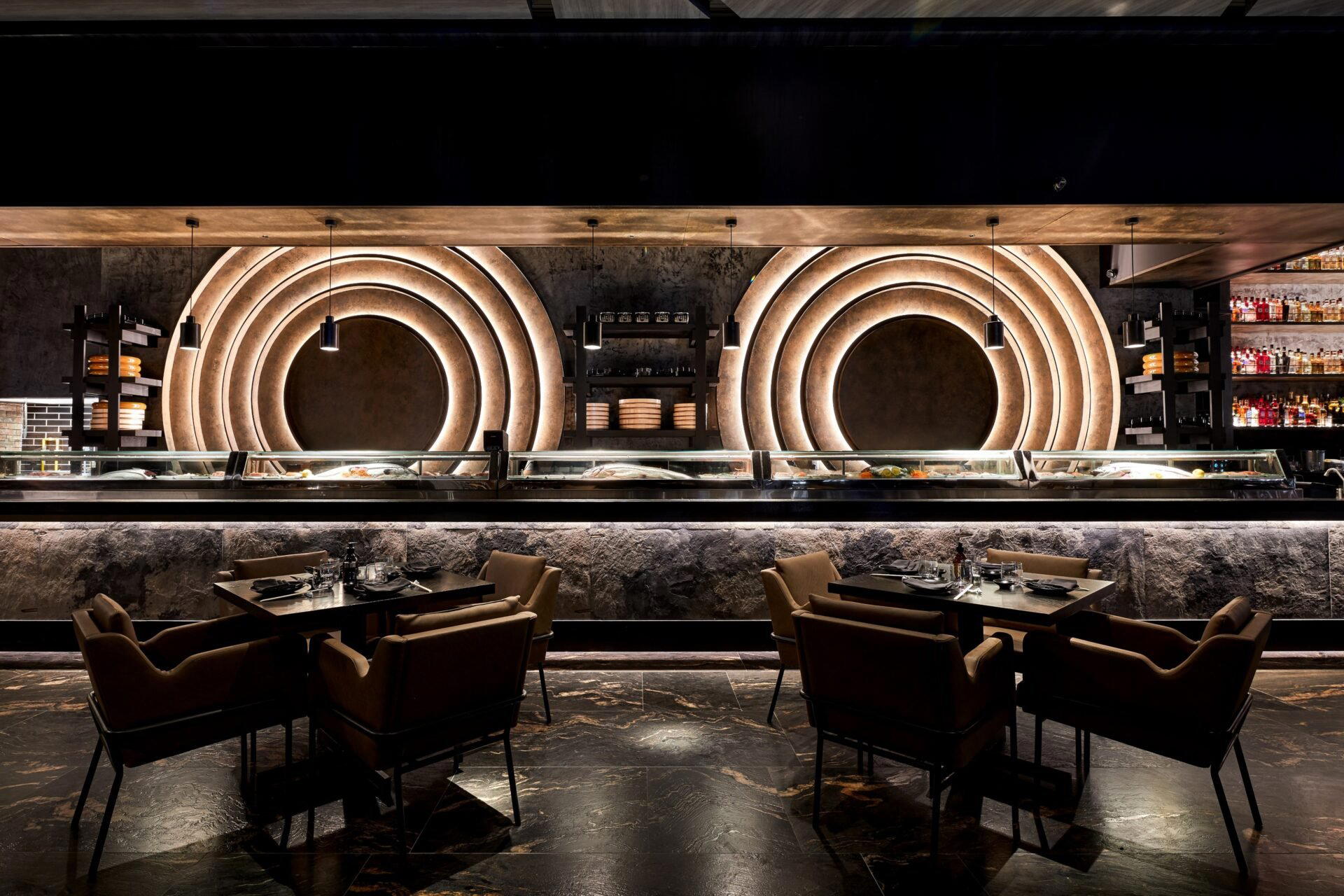
Where Polanco's Appetite for the Unfamiliar Meets Japanese-Mexican Crossover
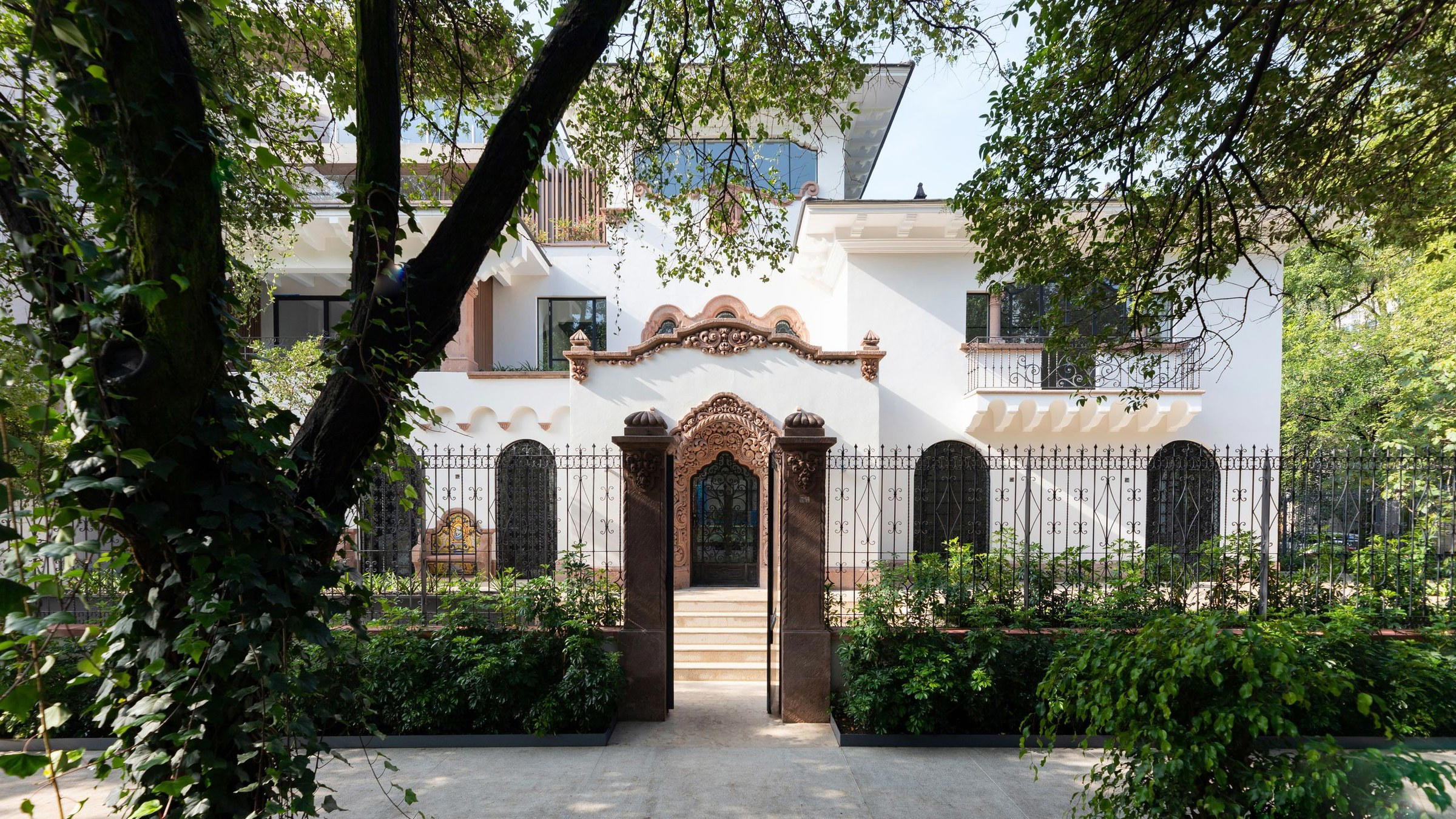
Avenida Presidente Masaryk is Mexico City's clearest signal of where the money and ambition sit in the same room. The boulevard runs through Polanco V Secc with the self-assurance of a street that knows its own status: European luxury retail on the ground floor, premium restaurants above and between, an audience that has eaten at Pujol and Quintonil and is ready for the next argument. Señora Tanaka Masaryk is a Japanese-Latin Fusion restaurant at Av. Pdte. Masaryk 169 in Polanco, Mexico City,648 reviews. The name alone positions a thesis before a single dish arrives: Mexico and Japan are having a conversation here, and the address tells you it will be conducted at a certain register.
The Japan-Mexico pairing is not a recent invention in this city. Mexico City's Japanese community, one of the largest in Latin America, has been layering culinary DNA into the local food culture for decades, and that cross-pollination accelerated sharply when younger Mexican chefs began returning from stints in Tokyo, Osaka, and Kyoto kitchens with technique to deploy and no obligation to stay purist. What Señora Tanaka Masaryk represents is the Polanco version of that story: a format designed for a neighbourhood where the guest expects visual coherence, a clear concept, and a level of execution that justifies the postcode.
The Sensory Register on Masaryk
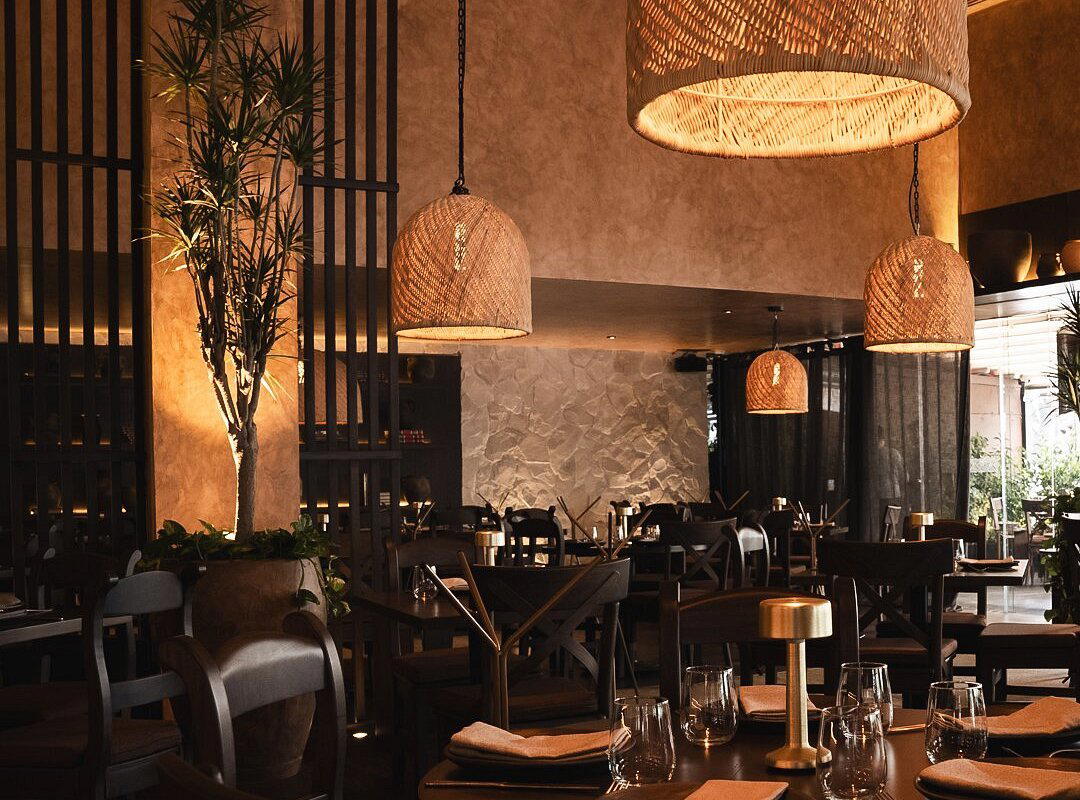
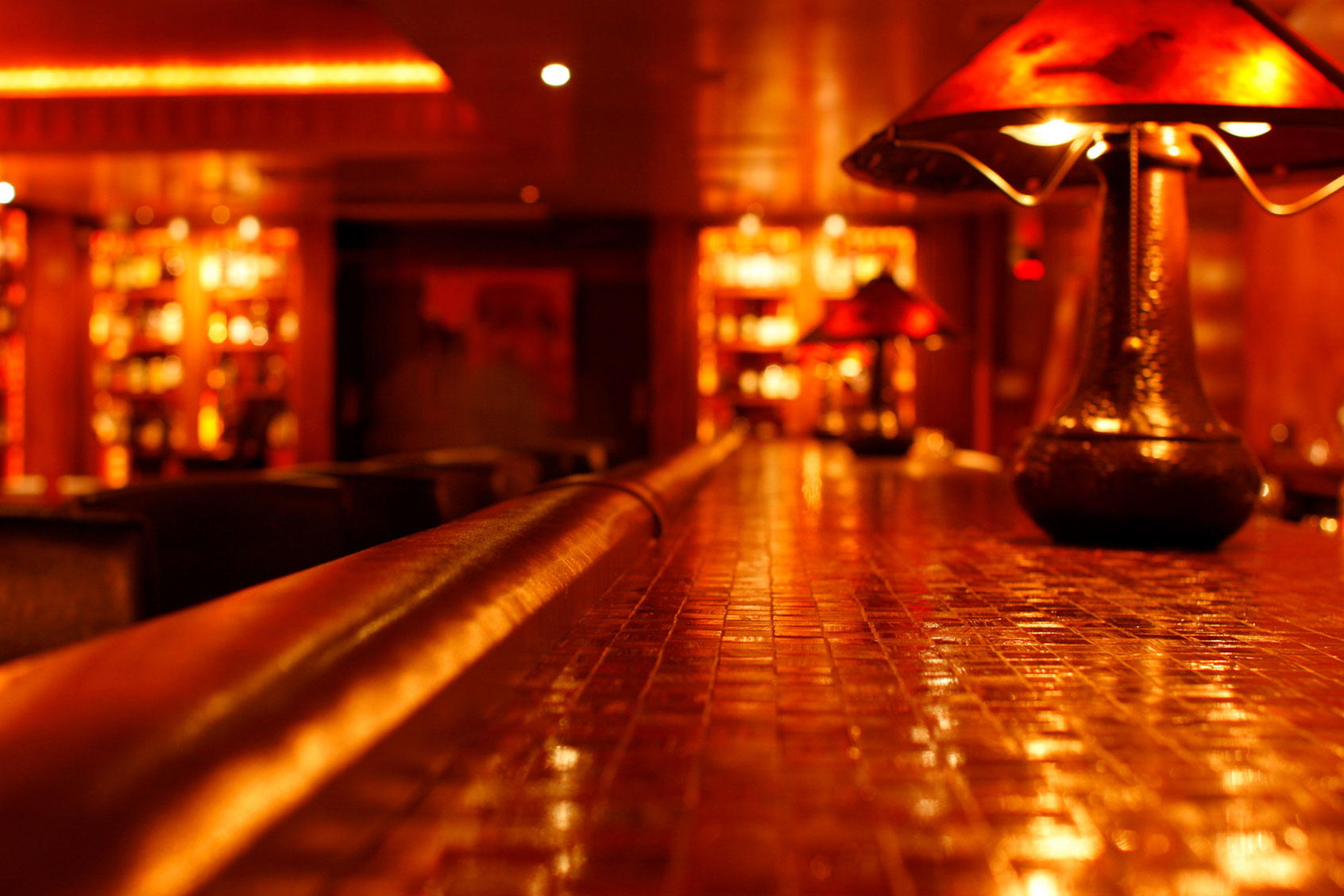
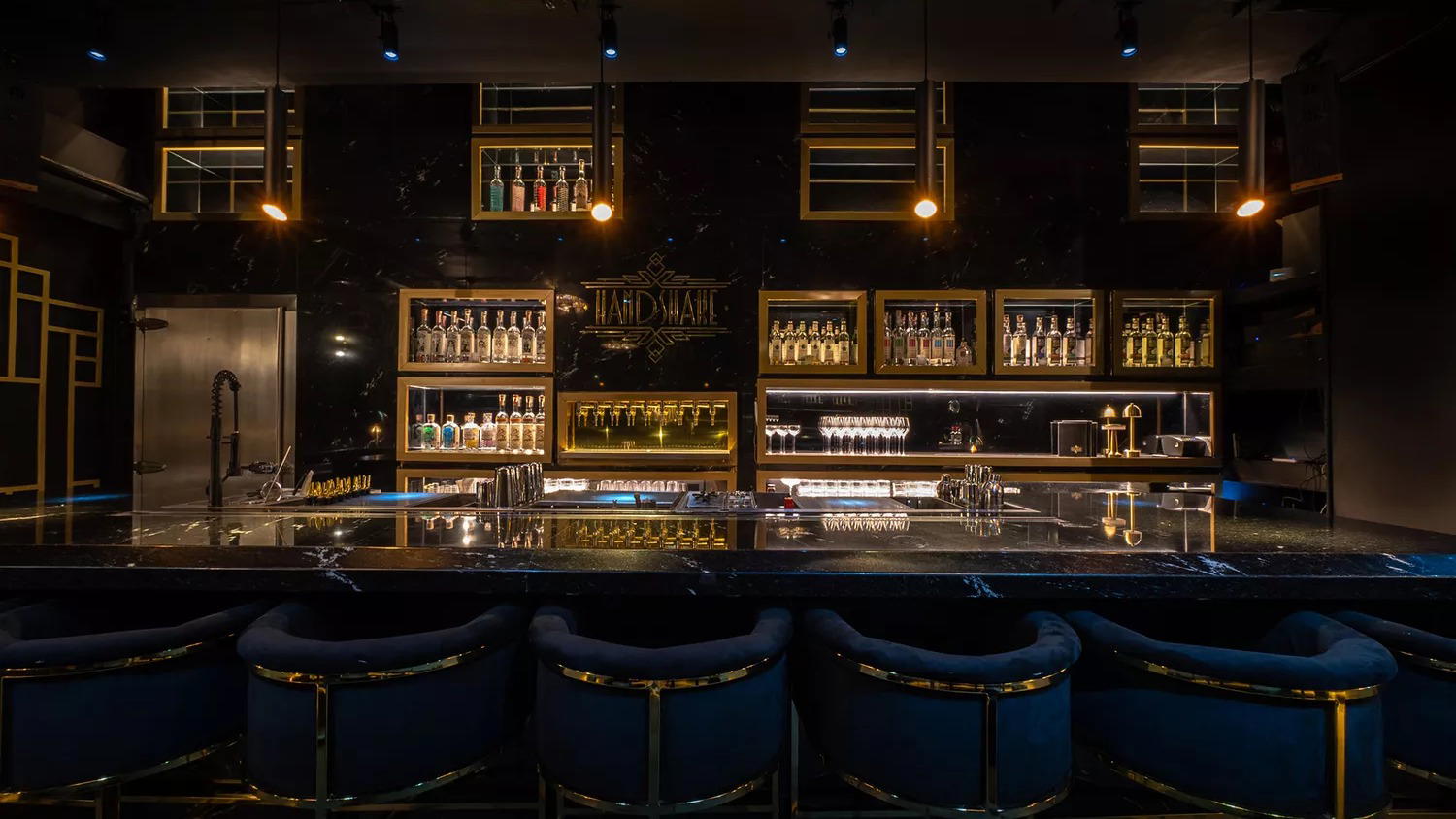
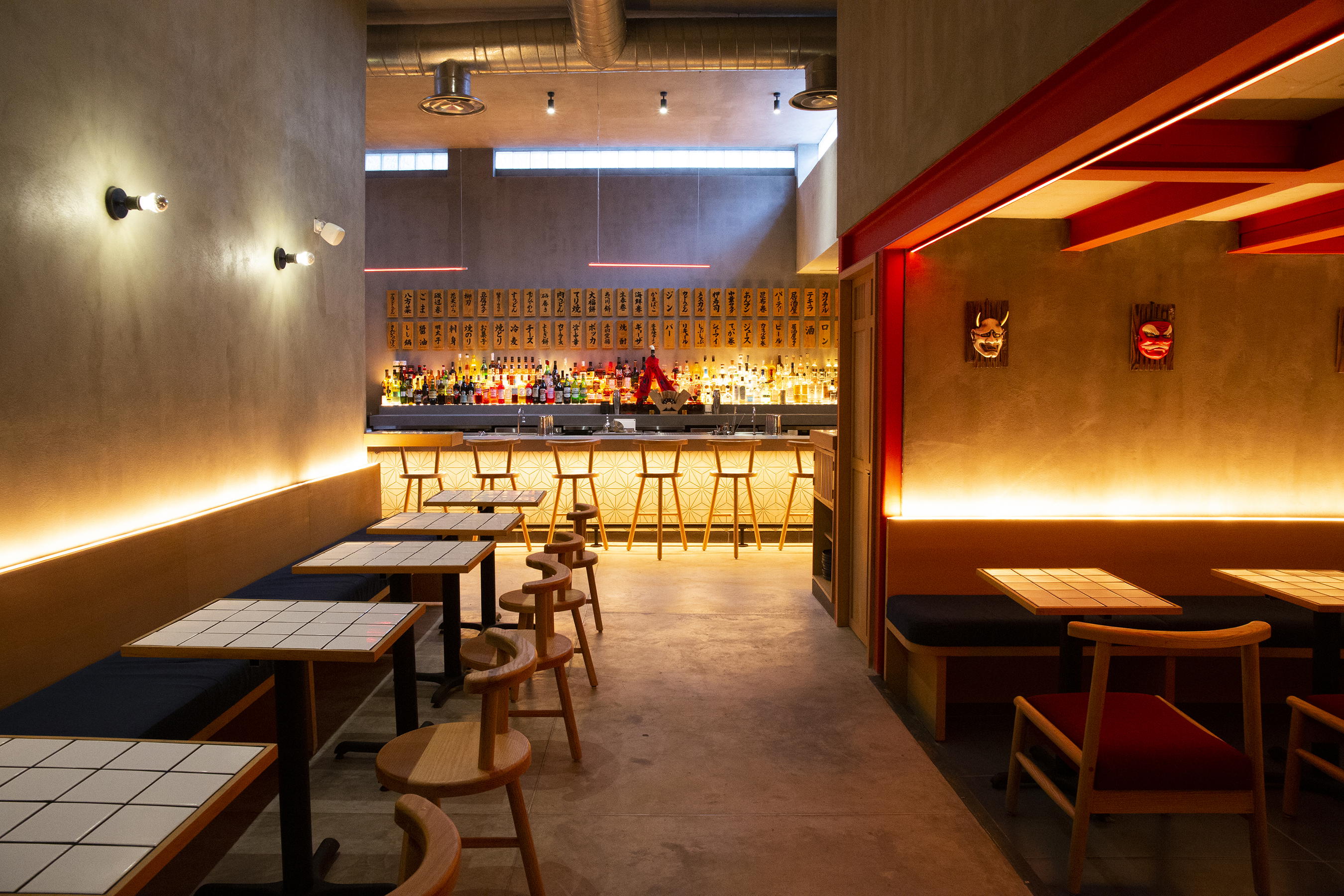
Polanco's dining rooms tend to operate as designed environments before they function as restaurants, and the Japan-Mexico crossover concept lends itself to that logic. The visual grammar of Japanese minimalism, pale wood, considered negative space, restrained ceramic, sits in productive tension with the warmth and color that Mexico City interiors almost always carry. When that tension is managed well, the room becomes the first argument for the concept on the plate. The guest does not arrive at the food cold; the environment has already been making the case.
Sound matters on Masaryk evenings. The boulevard itself is not quiet, and the restaurants that line it tend to absorb the street's energy rather than fight it. A successful room in this corridor usually runs warm enough that conversation requires presence without demanding that guests shout across the table. The Japan-Mexico crossover format, with its smaller, more composed plates arriving in sequence, rewards that kind of attention. There is a pacing built into the cuisine that encourages the room to operate at a particular rhythm rather than the high-velocity turnover that some Polanco addresses prefer.
Polanco sits alongside Roma and Condesa as one of the three neighbourhoods that drive Mexico City's international restaurant reputation, but its character is distinct. Where Rosetta in Roma draws a more creatively inclined crowd and Sud 777 in Pedregal works a different register of contemporary Mexican, Polanco's audience skews toward internationalism as a primary value. That audience understands the Japan-Mexico concept not as novelty but as a category with precedents worth referencing.
The Concept in Its Competitive Context
Mexico City's crossover dining tier has become a genuine competitive space rather than a novelty bracket. The city now has enough Japan-influenced restaurants across multiple price points that a venue on Masaryk is positioning against an informed comparison set, not simply against Mexican restaurants that happen to serve a tuna tostada. The question a place like Señora Tanaka Masaryk has to answer is not whether the concept is interesting but whether the execution separates it from the growing middle of the category.
That question is worth holding alongside the wider Mexican dining moment. The country's restaurant scene is producing serious work well beyond the capital: Animalón in Valle de Guadalupe, KOLI Cocina de Origen in Monterrey, Levadura de Olla in Oaxaca, Alcalde in Guadalajara, and Huniik in Merida all represent a national dining culture that has moved decisively past the idea that the capital holds all the cards. Within Mexico City itself, Em and the Michelin-recognised addresses have raised the bar against which any premium restaurant on a prominent Polanco address is measured, whether or not the format is strictly Mexican.
Internationally, the Japan-Mexico crossover has its own reference points. The ferment around Japanese technique applied to non-Japanese ingredients that is visible at places like Atomix in New York or the seafood rigour at Le Bernardin reflects a broader global conversation about what happens when Japanese culinary discipline meets other product traditions. Mexico's own coastal produce, its chiles, corn, citrus, and cured proteins, offers genuinely compelling raw material for that conversation. The crossover is not arbitrary; there is real culinary logic in the pairing that a skilled kitchen can expose.
For readers tracking Mexico's broader coastal and regional dining, the comparison extends to HA' in Playa del Carmen, Le Chique in Puerto Morelos, Olivea Farm to Table in Ensenada, Pangea in San Pedro Garza Garcia, and Lunario in El Porvenir, each operating in their own regional tier but contributing to the national picture against which Mexico City restaurants are increasingly evaluated.
Planning Your Visit
The restaurant sits at Av. Pdte. Masaryk 169, in the Polanco V Secc section of Miguel Hidalgo, postcode 11560. The restaurant recommends reservations, and its smart casual dress code fits the Polanco setting. Opening hours run Mon: 1 PM to 1 AM; Tue: 1 PM to 1 AM; Wed: 1 PM to 1 AM; Thu: 1 PM to 2 AM; Fri: 1 PM to 2 AM; Sat: 1 PM to 2 AM; Sun: 1 to 11 PM.
Budget and Context
Comparable venues nearby, for context on price, style, and recognition.
| Venue | Cuisine | Price | Notes |
|---|---|---|---|
| Señora Tanaka MasarykThis venue — the venue you are viewing | Not listed | $$$$ | Not listed |
| Cocina Abierta - Reforma | Nva Anzures, Multi-Cuisine Fusion | $$$ | Not listed |
| Estoril | Not listed | $$$ | Polanco Chapultepec, French-Oaxacan Fusion |
| Faunna Rooftop | Not listed | $$$$ | Tabacalera, Modern International with Mexican Influences |
| Parole | Not listed | $$$$ | Polanco Chapultepec, Modern Italian Seafood |
| Los Canarios Miyana | Not listed | $$$$ | Ampl Granada, Traditional Mexican-Spanish |
Continue exploring
More in Mexico City
Restaurants in Mexico City
Browse all →
Bars in Mexico City
Browse all →
At a Glance
- Trendy
- Sophisticated
- Lively
- Elegant
- Date Night
- Special Occasion
- Group Dining
- Open Kitchen
- Craft Cocktails
- Sake Program
Current opening hours
- Monday
- 1 PM–1 AM
- Tuesday
- 1 PM–1 AM
- Wednesday
- 1 PM–1 AM
- Thursday
- 1 PM–2 AM
- Friday
- 1 PM–2 AM
- Saturday
- 1 PM–2 AM
- Sunday
- 1–11 PM
Hours can change for holidays and private events. Last verified .
Sophisticated and well-decorated with 80s/90s rock music, pleasant yet dark lighting, energetic and fun vibe.