Liebman’s Deli
Our verdict
Liebman's Deli has anchored the Riverdale neighborhood of the Bronx since 1953, making it one of New York's longest-running Jewish delicatessens still operating at its original address. The counter-service format and deli case remain fixtures in a borough that rarely registers on Manhattan-centric dining itineraries. For visitors willing to cross the bridge, it represents a direct line to a deli tradition that has largely disappeared elsewhere in the city.

Pearl is the En Primeur Club membership app, where members save venues, book tables and use the concierge.
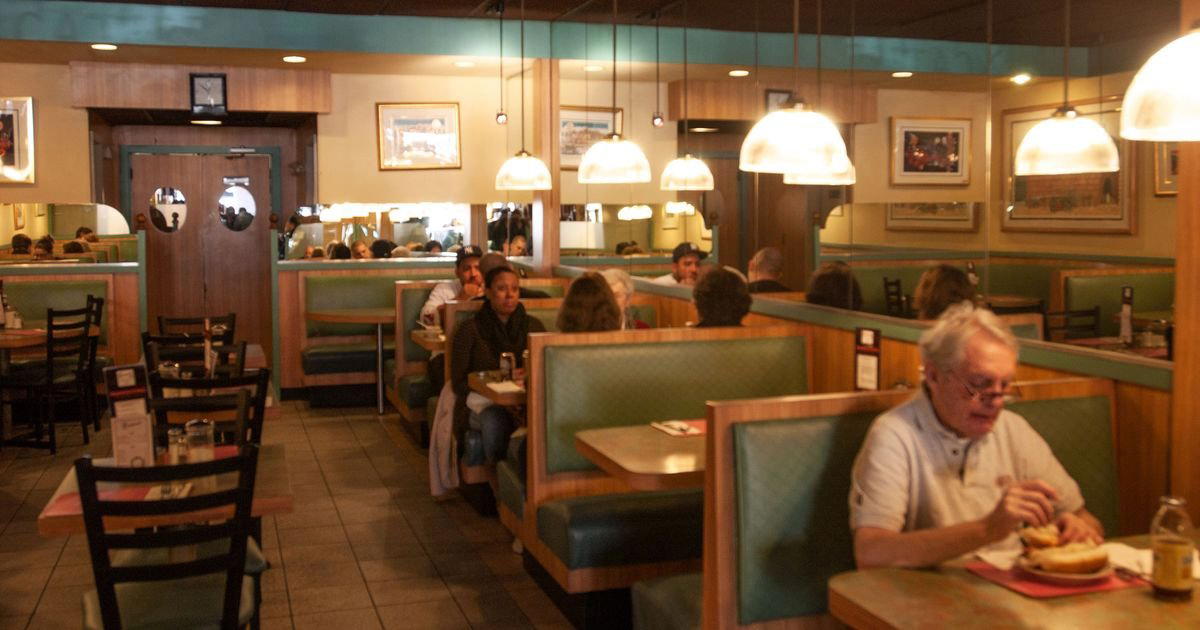
The menu
What to order
- Pastrami Sandwich
- Corned Beef Sandwich
- Matzo Ball Soup
- Knishes
Riverdale and the Deli That Stayed
New York's Jewish delicatessen culture peaked somewhere in the mid-twentieth century, when the city supported over a thousand such establishments. The attrition since then has been relentless: rent increases, changing neighborhood demographics, and the economics of hand-cut meat have reduced the working deli to a small and shrinking category. In Manhattan, the survivors tend to be institutions operating under considerable tourist pressure. The Bronx tells a different story, and Liebman's Deli, at 552 West 235th Street in Riverdale, is its most durable chapter.
Riverdale occupies the northwestern edge of the Bronx, separated from Manhattan by the Harlem River and from the rest of the Bronx by its own particular topography: hilly, residential, and historically home to a substantial Jewish community that built the neighborhood's character across the twentieth century. Liebman's opened in 1953 and has operated continuously from that address ever since, which puts it in a small cohort of New York delis that can claim both longevity and geographic stability. Most of the city's celebrated deli addresses have changed hands, relocated, or closed entirely. Liebman's has not moved.
What the Bronx Location Actually Means
The EA-GN-05 framing is not incidental. Where a deli sits in New York shapes what it becomes. Manhattan delis face constant pressure to perform for out-of-borough visitors, to maintain a kind of theatrical authenticity that serves the tourism economy as much as the neighborhood. The result, at many surviving Manhattan addresses, is a product calibrated for recognition rather than regularity. Riverdale's deli operates under different conditions. The customer base is primarily local, repeat, and embedded in the neighborhood. That relationship produces a different kind of operation: less performative, more utilitarian in the leading sense, oriented toward the weekly pastrami order rather than the first-time visitor's photo opportunity.
This is not to romanticize working-class authenticity at the expense of accuracy. Riverdale is not a low-income neighborhood; it is one of the Bronx's more affluent residential areas, with cooperative apartment buildings and a long-established professional community. The deli serves that community, which means the clientele is not scraping by on deli sandwiches as a budget option. The deli persists here because it remains genuinely useful to the people who live nearby, not because it occupies a protected cultural reservation.
Contrast that positioning with the tier that dominates EP Club's New York coverage: Le Bernardin, Atomix, Eleven Madison Park, Masa, and Per Se all sit in the $$$$ bracket and operate in Midtown or the Flatiron, pulling from a global visitor pool. Liebman's operates in a different economy entirely, serving a neighborhood that has been eating there for generations. The two tiers describe the same city but almost no overlap in experience or intent.
The Deli Format and Its Diminishing Returns Elsewhere
The traditional Jewish delicatessen format is worth understanding on its own terms before arriving at any specific address. Smoked and cured meats, hand-cut to order; a counter or case where the product is visible before you order; a menu built around pastrami, corned beef, brisket, chopped liver, matzo ball soup, and the supporting cast of pickles, rye bread, and coleslaw. The format is labor-intensive and margin-thin, which explains why it has contracted so sharply. The economics that sustained it in the postwar decades, when the surrounding residential communities were densely Jewish and deli-going was a weekly routine rather than a special occasion, no longer exist in most New York neighborhoods.
Riverdale is one of the few places where enough of those original conditions survived long enough for an operation like Liebman's to reach its seventh decade. That longevity, from 1953 to the present, functions as a kind of implicit credential in a category where most competitors have not survived. For context on how rare sustained operation at a single address is in this format, consider that the Bronx's broader dining identity rarely surfaces in the same conversation as Blue Hill at Stone Barns in Tarrytown or the destination-restaurant tier represented by The French Laundry in Napa, Single Thread Farm in Healdsburg, or Smyth in Chicago. Those venues compete on a different axis. Liebman's competes on duration and neighborhood fidelity.
Getting to Riverdale
The logistics of reaching Riverdale are worth addressing directly because they filter the visitor pool in a way that shapes the experience. The neighborhood is not on the 1/2/3 subway lines; the nearest subway access involves the 1 train to 231st Street and a walk or local bus connection north along Broadway to 235th. The Metro-North Hudson Line stops at Riverdale station, which puts the deli within reasonable walking distance for those coming from Manhattan's upper reaches. By car from Midtown, the Henry Hudson Parkway north is the direct route, with parking in the neighborhood more accessible than in most of the borough.
The transit friction means Liebman's does not operate as a casual drop-in for most visitors from outside the Bronx. That friction is, in practice, a preserving force: it keeps the customer base local and the operation calibrated to that base. Anyone making the trip specifically should treat it as a deliberate excursion rather than a stop on a broader itinerary, which is consistent with how most worthwhile neighborhood-specific dining in New York actually works. The same principle applies to seeking out Providence in Los Angeles or Addison in San Diego: geographic specificity is part of what you're committing to.
Know Before You Go
Address: 552 W 235th St, Bronx, NY 10463
Neighborhood: Riverdale, Bronx
Transit: Metro-North Hudson Line (Riverdale station) or 1 train to 231st St with local bus north
Format: Counter-service delicatessen; no reservations format typical of the category
Awards:
Booking: Walk-in; no advance reservation system typical for this deli format
Further New York dining context: See our full New York City restaurants guide
Frequently asked questions
What is Liebman's Deli known for?
Liebman's is recognized as one of New York's longest-continuously-operating Jewish delicatessens at a single address, with service dating to 1953. That duration in a category defined by attrition is the primary credential. The deli occupies Riverdale, a Bronx neighborhood with one of the city's more intact mid-century Jewish residential communities, which gives it a customer base and neighborhood context that differ significantly from surviving Manhattan deli addresses.
What's the ideal way to book Liebman's Deli?
Traditional delicatessens of this format operate on a walk-in basis; reservations are not part of the category norm. If you are traveling specifically from outside the Bronx, timing your visit to avoid peak lunch hours on weekdays or weekend mornings will reduce wait times at the counter.
Is Liebman's Deli the only remaining Jewish deli in the Bronx?
For American dining at the destination end of the spectrum, EP Club also covers Emeril's in New Orleans, Lazy Bear in San Francisco, The Inn at Little Washington, Frasca Food and Wine in Boulder, and internationally, Atelier Moessmer Norbert Niederkofler in Brunico and Dal Pescatore in Runate.
A Pricing-First Comparison
Comparable venues nearby, for context on price, style, and recognition.
| Venue | Cuisine | Price | Notes |
|---|---|---|---|
| Liebman’s DeliThis venue (the venue you are viewing) | Classic Jewish Kosher Deli | $20–30 | Not listed |
| Sarabeth's Upper West Side | Classic American Brunch | $30–50 | Upper West Side (Central), Classic American Brunch |
| Joe Allen | Classic American Brasserie | $30–50 | Hell's Kitchen, Classic American Brasserie |
| The Grey Dog - Chelsea | American Comfort Food | $20–30 | Chelsea-Hudson Yards, American Comfort Food |
| Café Standard | East Village, American Bistro Café | $20–30 | Not listed |
| Two Boots Pizza East Village | Cajun-Italian Fusion Pizza | $20–30 | East Village, Cajun-Italian Fusion Pizza |
Continue exploring
More in New York City
Restaurants in New York City
All restaurants in New York City →
Bars in New York City
All bars in New York City →

Details
- Classic
- Cozy
- Well Known
- Casual Hangout
- Family
- Historic Building
- A La Carte
- Kosher
Current opening hours
- Monday
- 11 AM–9 PM
- Tuesday
- 11 AM–9 PM
- Wednesday
- 11 AM–9 PM
- Thursday
- 11 AM–9 PM
- Friday
- 11 AM–9 PM
- Saturday
- 11 AM–9 PM
- Sunday
- 11 AM–9 PM
Hours can change for holidays and private events. Hours as of .
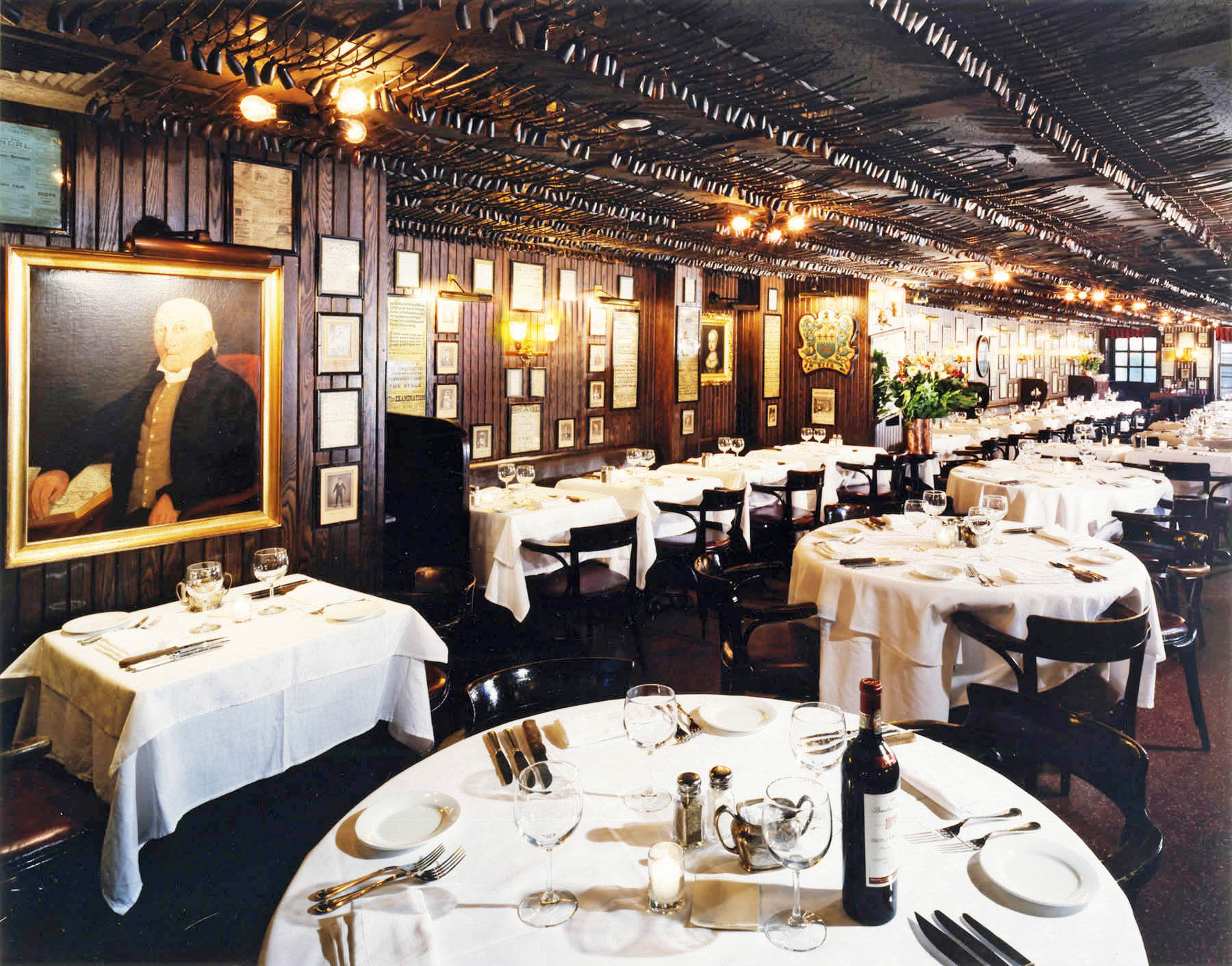
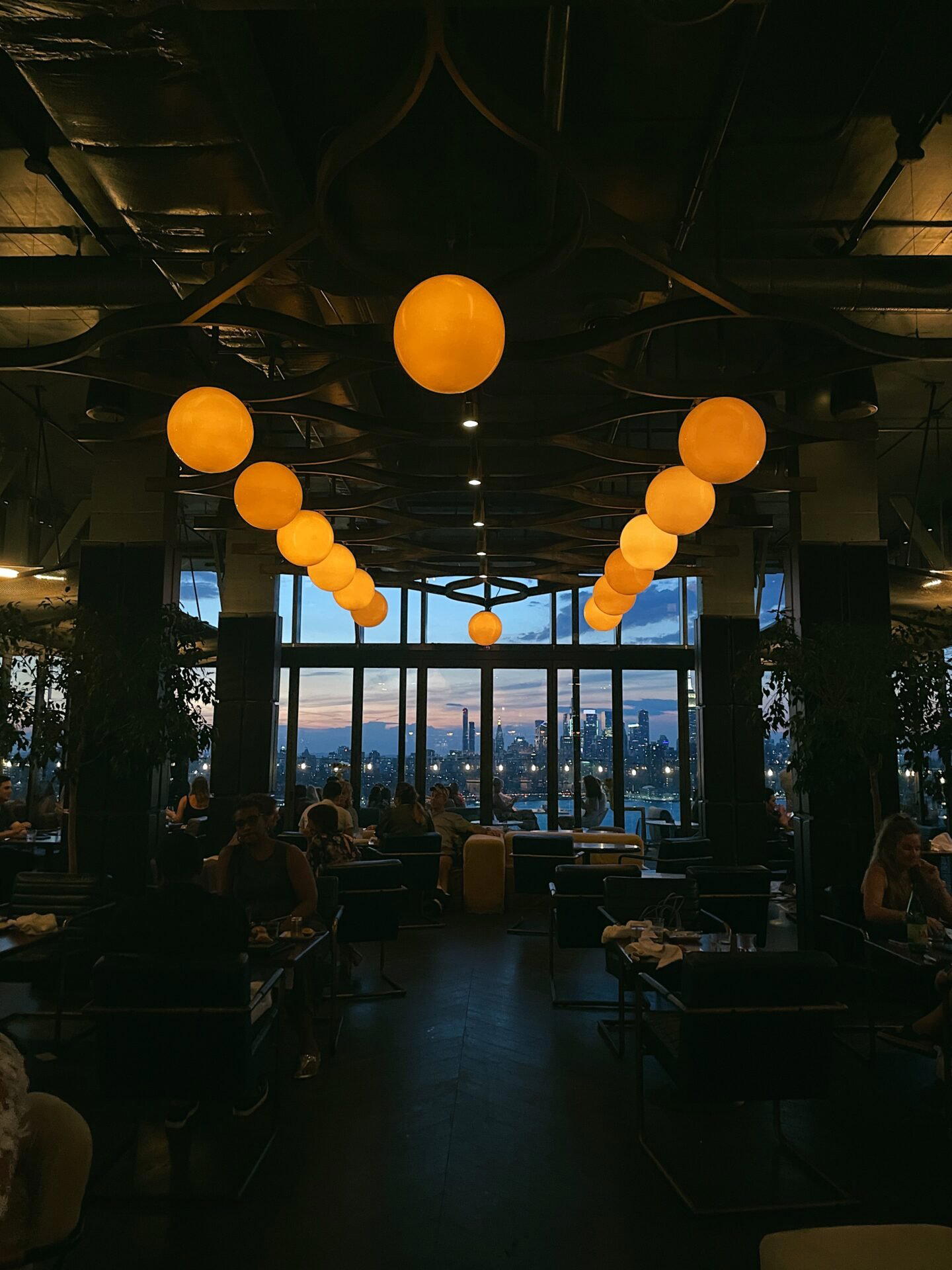
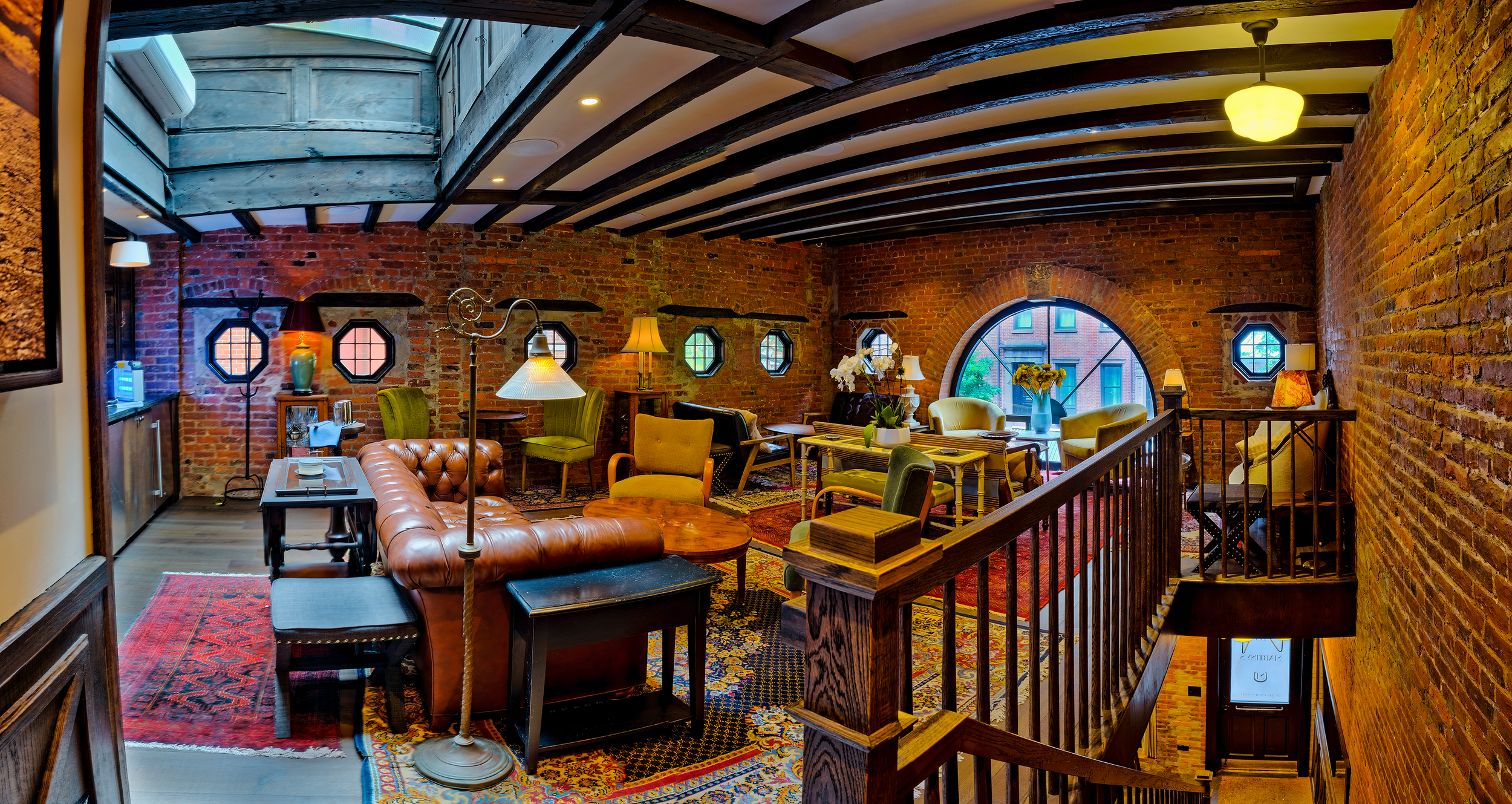
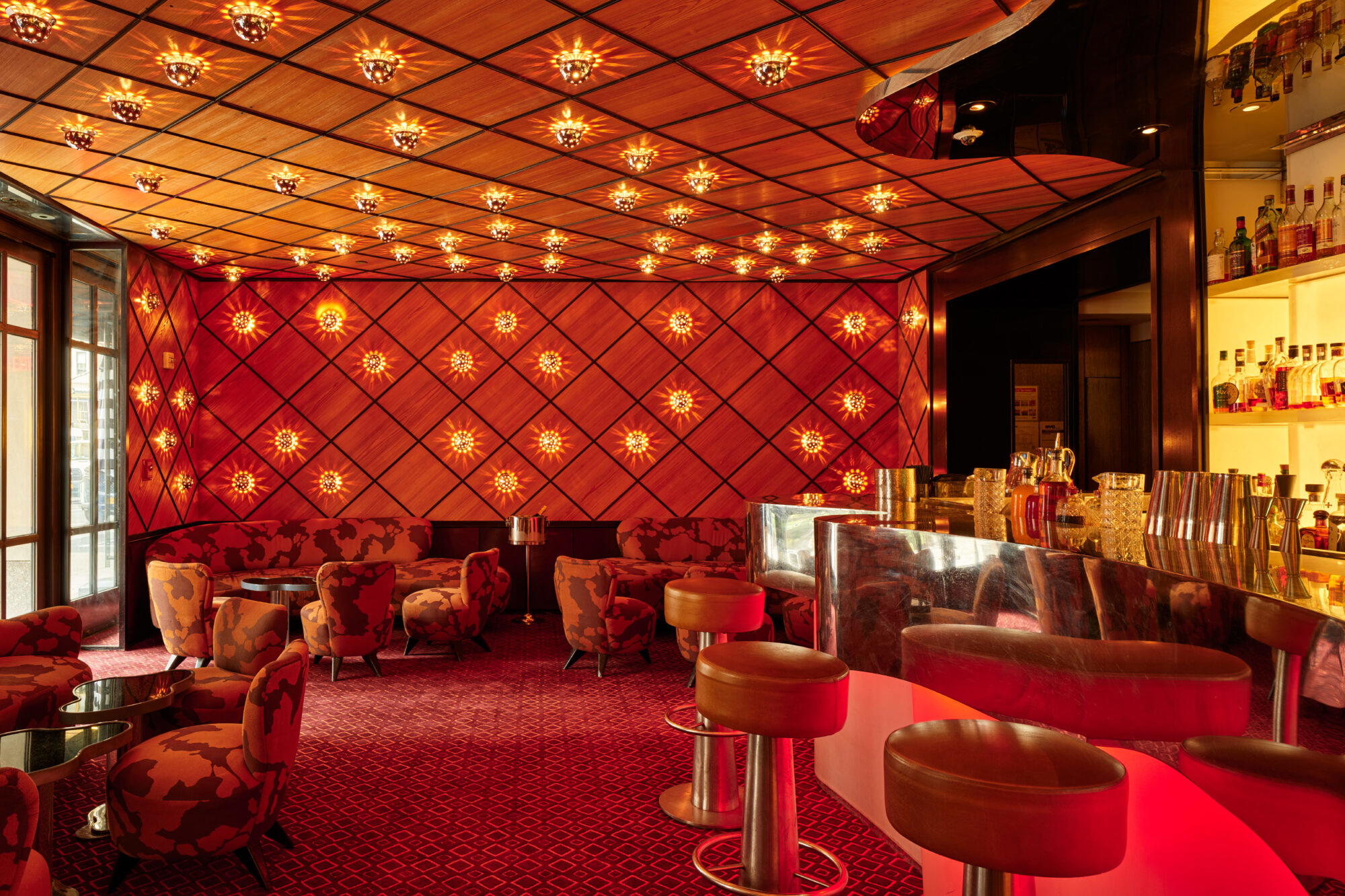
Old-fashioned deli with sea-blue naugahyde booths, wood-grained formica tables, pale beige walls, and neon-lit windows displaying knishes and hot dogs.