The Mercer

1 Michelin Key
Rates from $1,025 per night across 73 rooms designed by Christian Liaigre balance confident minimalism with warm materials. An in-house restaurant by Alfred Portale and Scott Sartiano anchors the dining program across two distinct settings.

Pearl is the En Primeur Club membership app, where members save venues, book tables and use the concierge.
SoHo's Loft Hotel Template, Still Running the Original
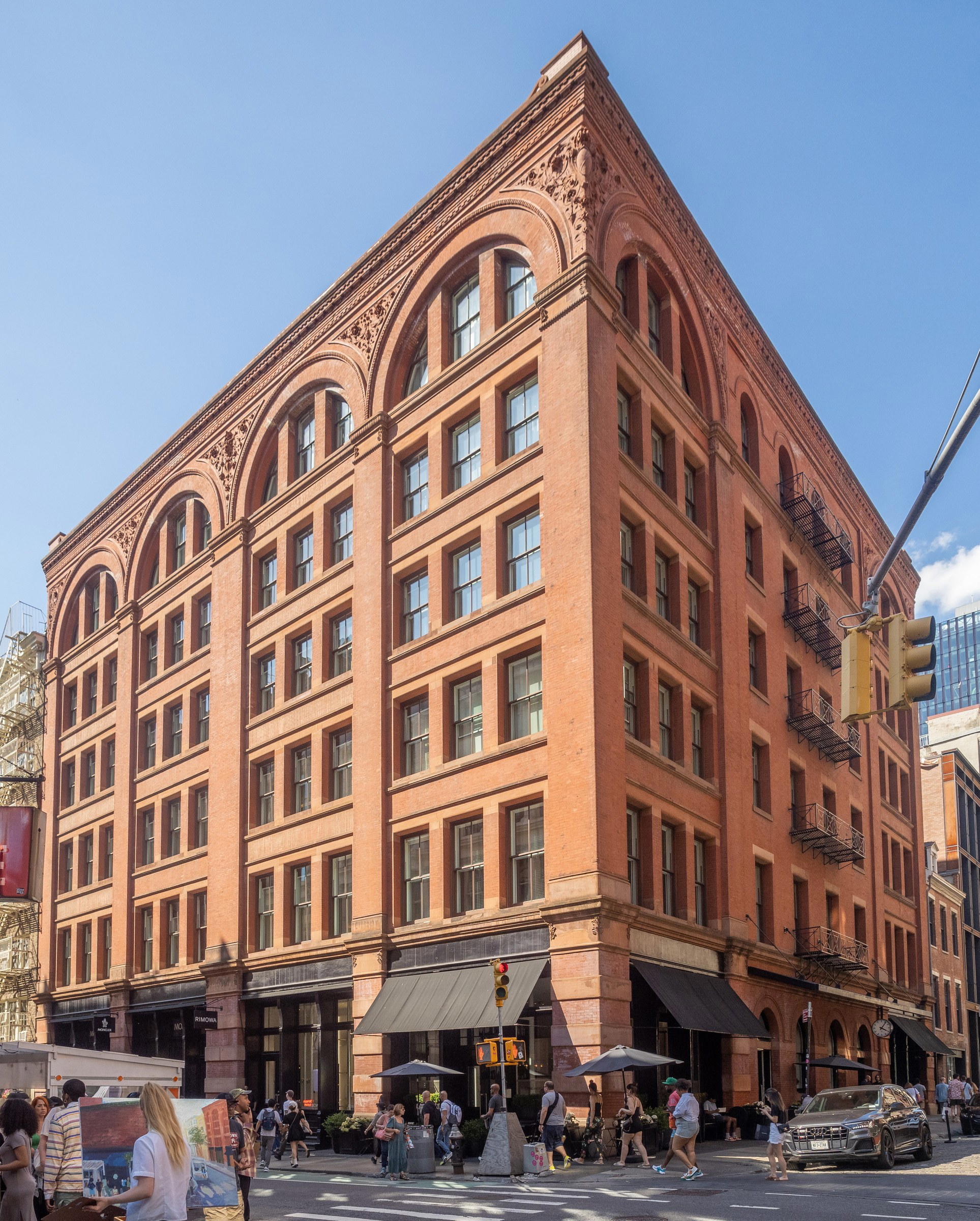
Cast-iron facades and oversized windows define the streetscape along Mercer Street between Prince and Houston, a stretch that concentrates more design-aware retail per block than almost anywhere else in Manhattan. The building at number 147 predates all of it by decades: a Romanesque Revival structure from the 19th century that housed artists' lofts through SoHo's postwar industrial-to-bohemian transition. When the late-1990s renovation arrived, interior designer Christian Liaigre translated that loft vocabulary into something more considered than the conversion hotels that would follow throughout the 2000s, raw material honesty, restrained palette, proportions that read as generous without being wasteful. That early decision still organises everything about The Mercer's physical experience today.
The boutique hotel category has expanded considerably since The Mercer opened. Properties like Crosby Street Hotel a few blocks over and The Whitby Hotel uptown brought their own distinct design languages to the New York market, and the downtown boutique field now includes The Greenwich Hotel in TriBeCa, which leans into Japanese craft references. Against that field, The Mercer holds its position through category seniority and the coherence of its original brief rather than through programmatic novelty. The 2024 Michelin 1 Key award confirms it remains a credentialed property within the current evaluation framework, not just a legacy name running on goodwill.
The Rooms: Loft Logic Applied to Hospitality
At 73 rooms, The Mercer operates at a scale that keeps service ratios tight without crossing into the ultra-private territory of properties like Aman New York, which compresses its footprint further still. The room count sits close to the threshold where a boutique hotel can sustain a full restaurant and lobby program without defaulting to the anonymity of a larger operation.
Liaigre's room design centres on the building's existing assets: oversized loft windows that pull daylight deep into the floor plan, and hardwood floors that anchor the spatial register without needing decorative reinforcement. The furniture and fixtures are custom pieces developed specifically for the project, which removes the visual shorthand of off-the-shelf hospitality furnishing and replaces it with objects that carry genuine material weight. The result is a room that reads as calm rather than sparse, the distinction between minimalism as discipline and minimalism as budget constraint is carried by the quality of what remains.
Standard rooms operate within the compression typical of Manhattan hospitality; the floor plan reflects the city's land economics as much as any design decision. Suites expand into a different register, with proportions that begin to justify the rate tier above the opening $1,025 per night. For guests accustomed to the scale of full-floor arrangements at properties like Casa Cipriani New York or the lateral sprawl of historic Upper East Side properties like The Carlyle, A Rosewood Hotel or The Mark, the Mercer's suites represent a different proposition: vertical loft height and architectural character over horizontal square footage.
The Dining Program: Two Settings, One Kitchen
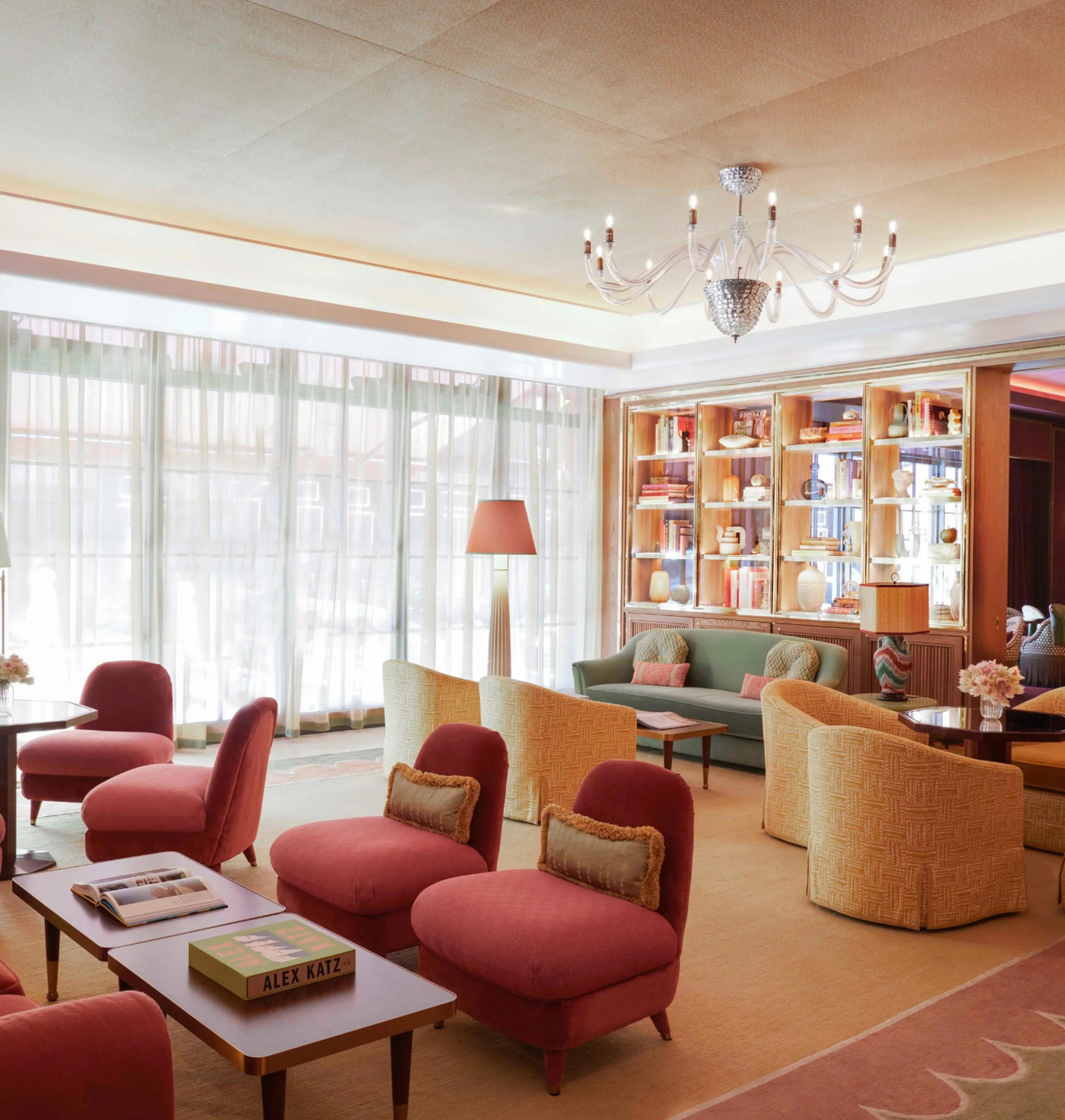
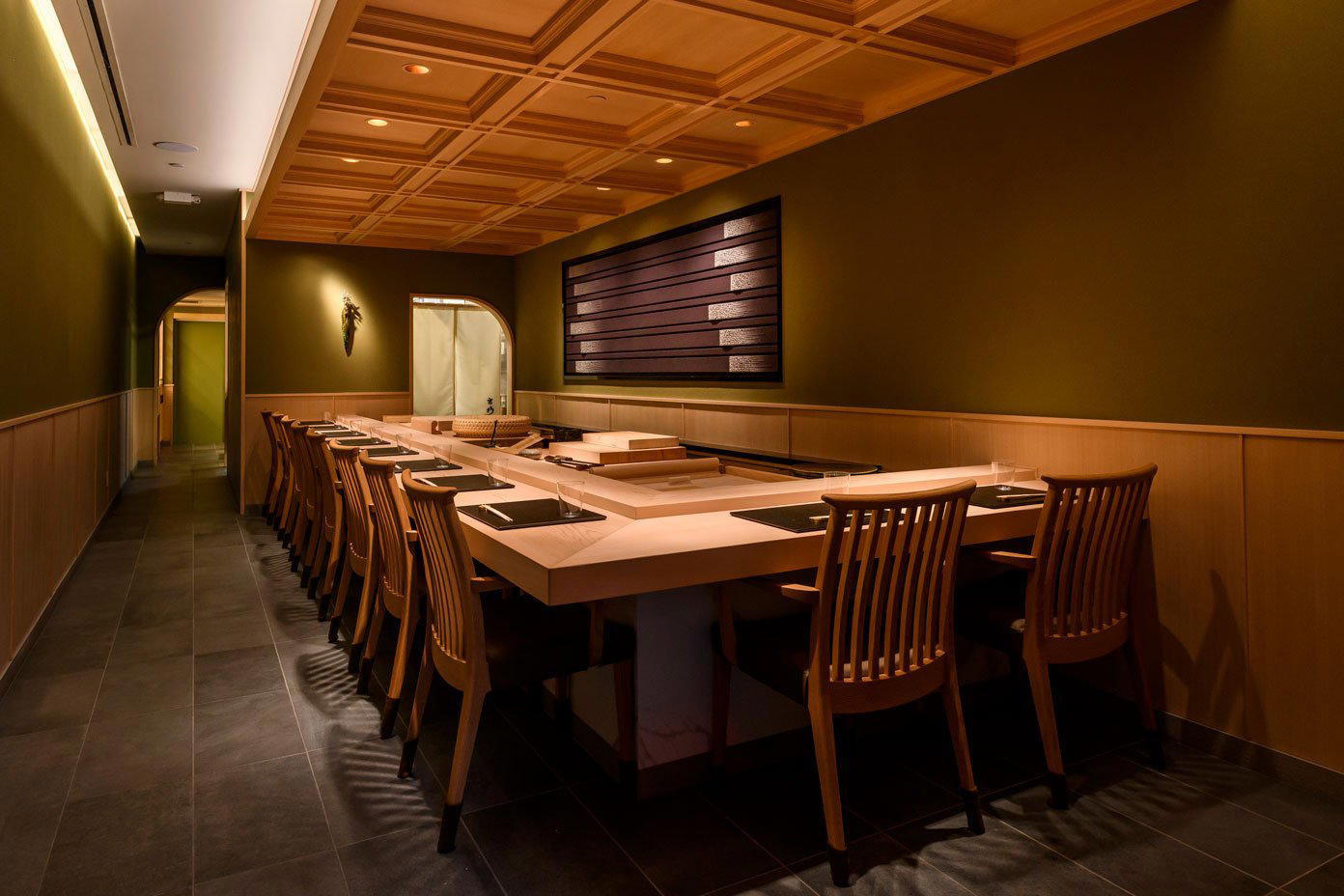
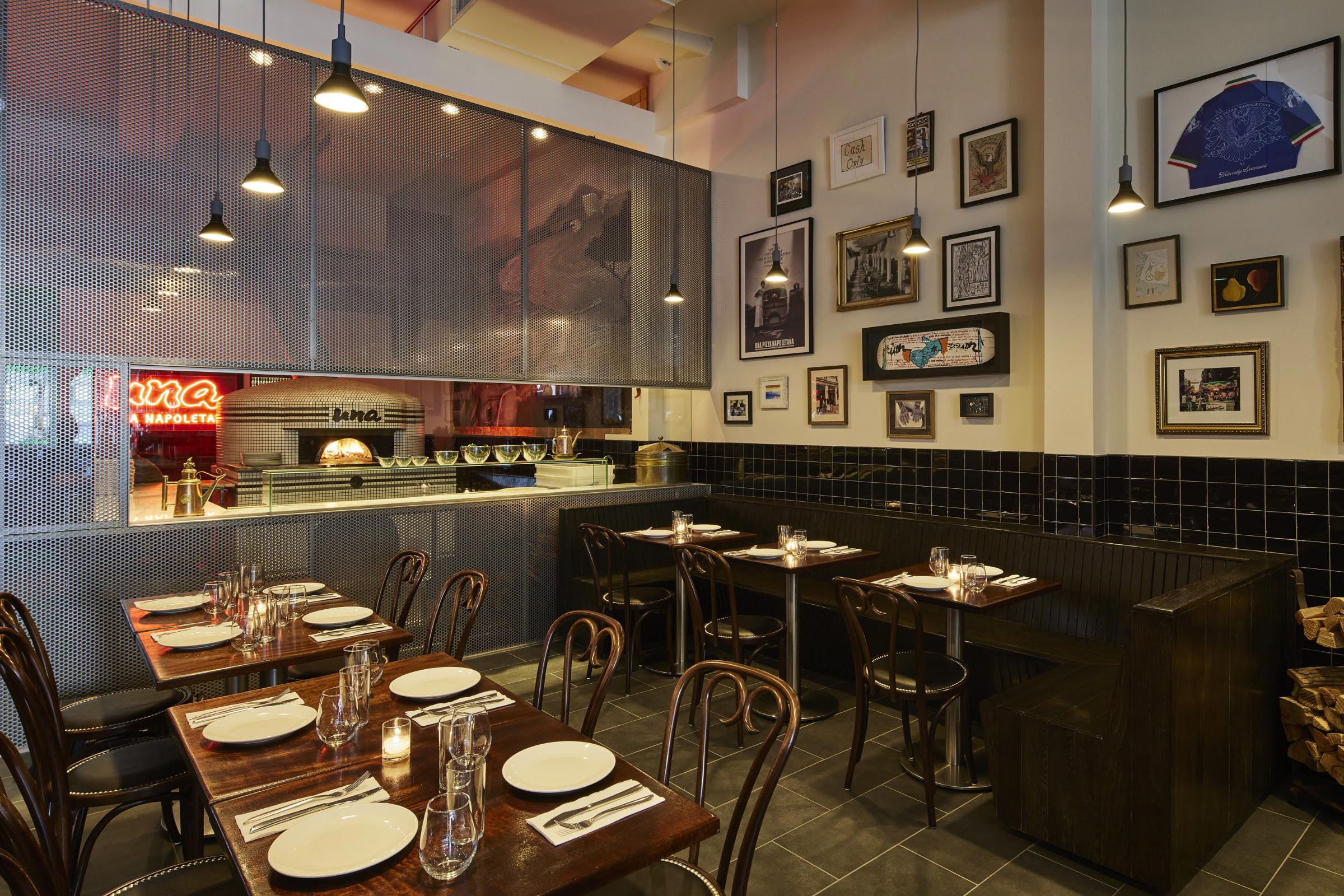
The in-house restaurant at The Mercer operates across two physically distinct environments, and the choice between them shapes the meal considerably. The lobby setting positions dining within the main social circulation of the hotel, a format that works for breakfast and lighter services, where the hotel's ambient energy functions as a backdrop. The subterranean dining room runs a different temperature: brick-clad walls, lower ceilings, a room that contracts the world outside to the immediate table.
The kitchen is the collaboration of restaurateur Scott Sartiano and Alfred Portale, who holds a James Beard Award. Portale's career established a particular approach to ingredient-led modern Italian cooking during his tenure at Gotham Bar and Grill, a sensibility focused on proportion and restraint rather than elaboration. That register carries into the Mercer program, where the Italian framing provides structural clarity without the kind of menu maximalism that often signals insecurity about identity.
For a hotel restaurant in this price tier and neighbourhood, the underground dining room is the more interesting proposition. SoHo's dining scene around it has grown denser, but the brick-vaulted subterranean format is a specific experience that sits apart from the street-level options on the surrounding blocks.
Guests who want to extend their dining across Lower Manhattan have a substantial field nearby. The broader New York City dining context is covered in our full New York City restaurants guide.
Location: The SoHo Advantage and Its Limits
Mercer Street's retail density, a concentration of flagship stores from international houses alongside independent boutiques, gives the address a specific character within the wider New York map. The neighbourhood functions as a destination in its own right rather than a transit point, which means the hotel's location generates its own gravitational pull for guests interested in design, fashion, and the kind of gallery programming that still anchors SoHo's cultural identity despite the retail overlay.
The practical limit of the address is the same as the neighbourhood's: SoHo's restaurant and nightlife programming thins out faster than Midtown or the West Village, and guests seeking proximity to cultural institutions at a different scale may find the location less centred than properties positioned around Carnegie Hall or the Upper East Side museum corridor, such as The Fifth Avenue Hotel. For guests whose New York agenda centres on lower Manhattan, however, the Mercer's address removes the cab calculation from most of the day.
Guests comparing New York against broader US itineraries will find a different spatial logic at properties like Amangiri in Canyon Point, Post Ranch Inn in Big Sur, or Troutbeck in Amenia, properties where the surrounding landscape is the primary offering rather than urban density. The Mercer sits at the opposite end of that spectrum: the city is the amenity, and the hotel is the edit of it.
For those comparing European equivalents in the design-led boutique category, Aman Venice in Venice or Badrutt's Palace Hotel in St. Moritz operate on a different historical register, while Bvlgari Hotel Tokyo represents the brand-architecture-as-hotel format that The Mercer explicitly predates and differs from philosophically.
Know Before You Go
- Address: 147 Mercer St, New York, NY 10012 (SoHo, between Prince and Houston)
- Rooms: 73 rooms and suites
- Rate from: $1,025 per night
- Awards: Michelin 1 Key (2024)
- Dining: In-house modern Italian restaurant by Alfred Portale (James Beard Award) and Scott Sartiano; lobby and subterranean brick dining room settings
- Neighbourhood: SoHo, central to lower Manhattan retail and gallery programming; walking distance to TriBeCa and NoLita
Budget Reality Check
Comparable venues nearby, for context on price, style, and recognition.
| Venue | Price | Awards | Notes |
|---|---|---|---|
| The MercerThis venue (the venue you are viewing) | Not listed | 1 Michelin Key | Not listed |
| The Wall Street Hotel | $200–300 | 1 Michelin Key · Preferred Hotels L.V.X. Collection | Financial District-Battery Park City, luxury boutique hotel with residential feel |
| The Hotel Chelsea | $500–750 | 1 Michelin Key · Leading Hotels of World Member | Chelsea-Hudson Yards, Historic luxury with modern renovations |
| The Lowell | Not listed | 2 Michelin Keys · La Liste Top Hotels | Upper East Side-Carnegie Hill, timeless residential luxury |
| The Beekman | Not listed | 1 Michelin Key · Star Wine List | Financial District-Battery Park City, Historic luxury boutique hotel with modern comforts. |
| 1 Hotel Central Park | $300–500 | 1 Michelin Key | Midtown-Times Square, Rustic-chic boutique hotel blending industrial design with sustainable luxury, emphasizing natural materials and environmental consciousness. |
Recognition history
Dated appearances from independent guides and award organizations, with the underlying list record or original source where available.
Michelin 1 Key
Michelin
Full recognition history (3 entries)
Michelin 1 Key
Michelin
Michelin 1 Key
Michelin
Continue exploring
More in New York City
Hotels in New York City
All hotels in New York City →
Bars in New York City
All bars in New York City →




Details
- Elegant
- Sophisticated
- Trendy
- Intimate
- Modern
- Romantic Getaway
- Business Trip
- Weekend Escape
- Historic Building
- Design Destination
- Wi Fi
- Fitness Center
- Spa
- Room Service
- Concierge
- Valet Parking
- Street Scene
- Wheelchair Accessible
- Step Free Entrance
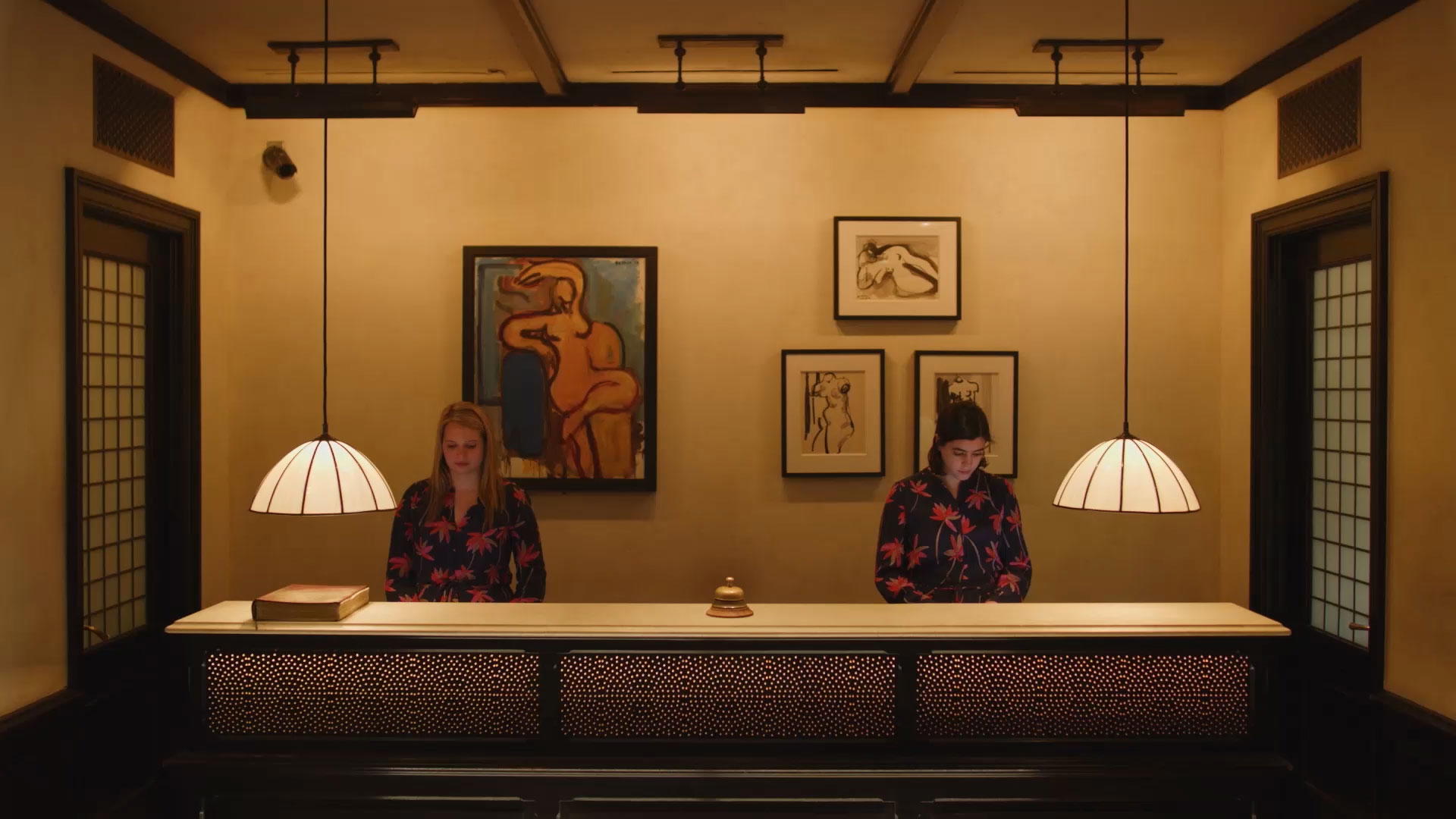
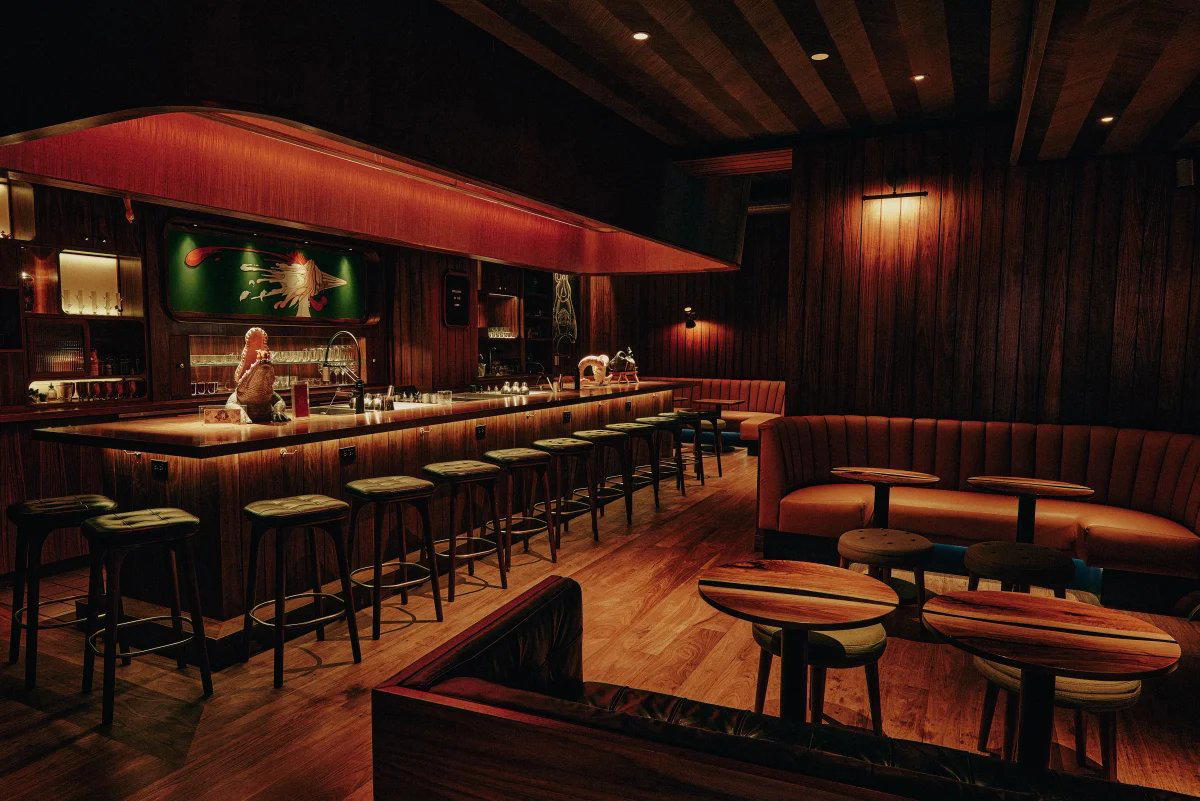
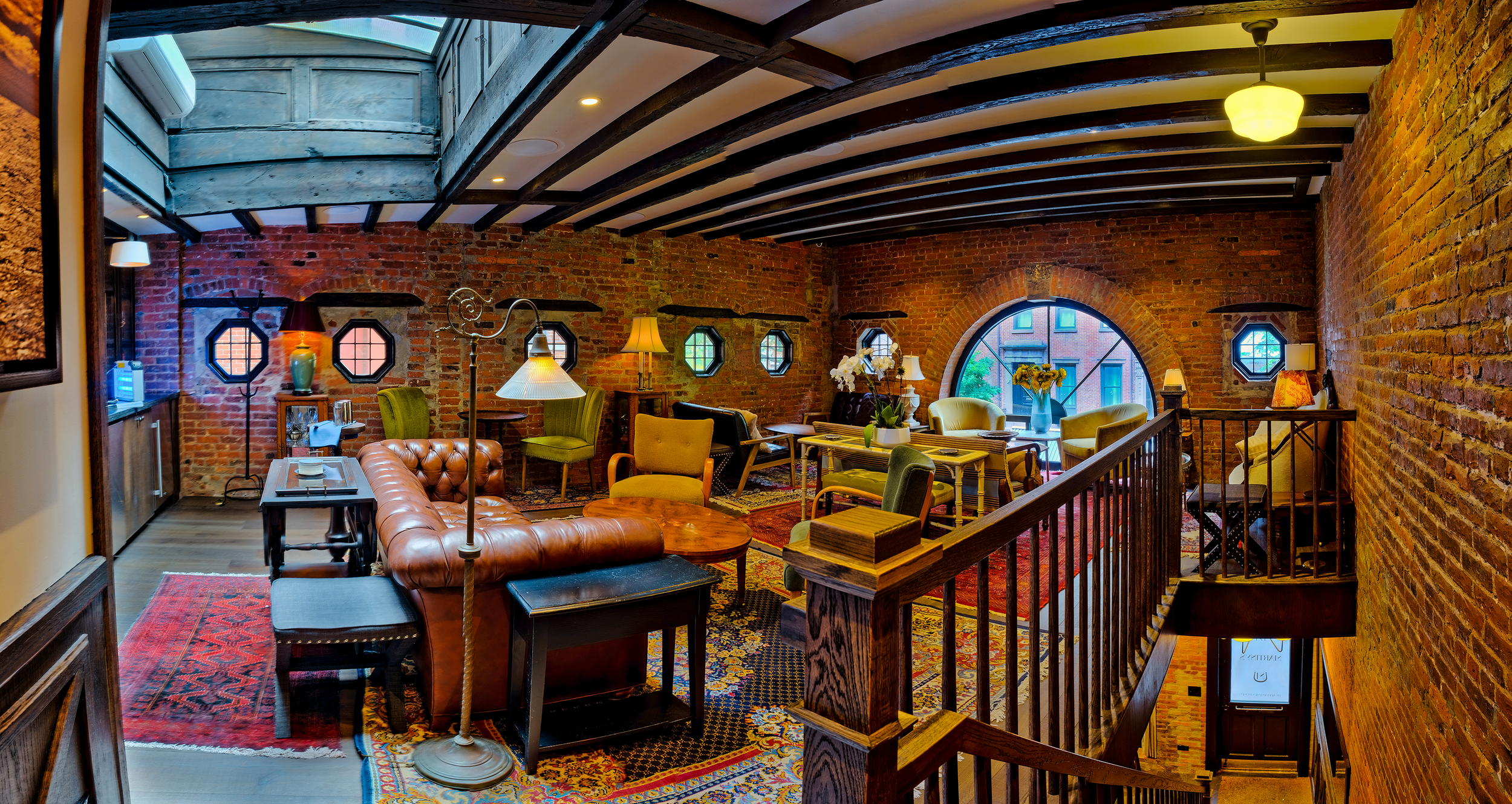
Trendy yet warm lobby with 14-foot ceilings, exposed brick, plush seating, and library vibe; rooms are peaceful with blackout blinds and double glazing blocking city noise.