Libertalia
Our verdict
Patrimonio sits at the northern tip of Corsica, where the island's wine country meets the Cap Corse peninsula and the produce arriving at local tables reflects that particular geography. Libertalia, on the D81 route through the village, occupies that intersection of Corsican terroir and Mediterranean table tradition. For visitors approaching the island's dining scene seriously, it forms part of a compact local picture worth understanding.

Pearl is the En Primeur Club membership app, where members save venues, book tables and use the concierge.
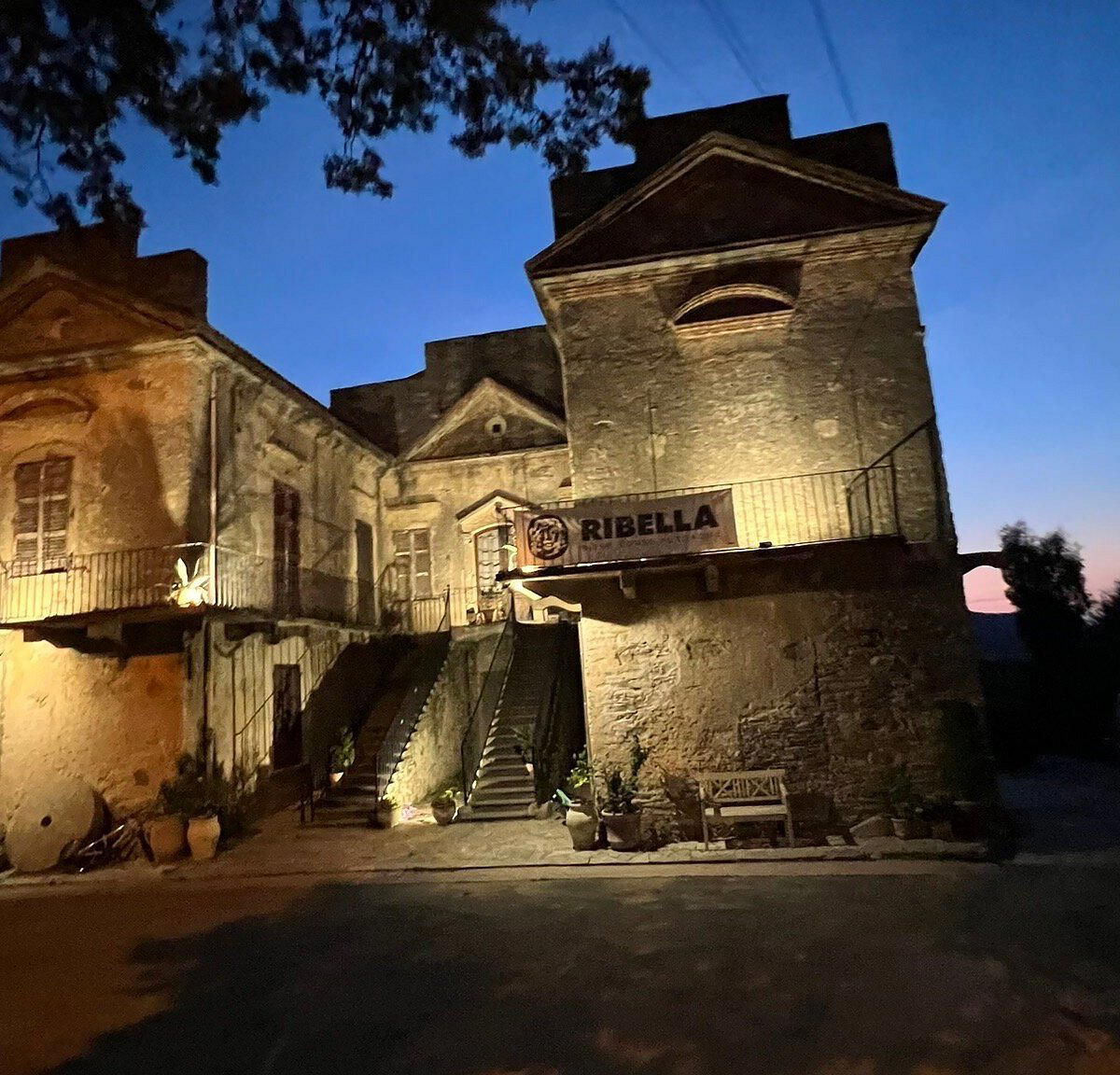
Where Corsica's Northern Terroir Meets the Table
Patrimonio is a small commune but a disproportionately significant one in the context of Corsican food and wine culture. The appellation of the same name produces some of the island's most respected red and white wines, built primarily on Nielluccio and Vermentino, and the village sits close enough to the Nebbio hills and the Golfe de Saint-Florent to draw ingredients from both inland and coastal sources. Restaurants operating here do so within a tighter, more defined larder than those in Ajaccio or Bastia: the sourcing story is almost unavoidable, because the geography makes it immediate. Libertalia, located at 1850 D81 in the heart of the village, sits within that context.
The broader shift in Corsican dining over the past decade has moved toward a sharper acknowledgment of what the island actually produces, rather than importing templates from mainland French cuisine. Charcuterie from the Castagniccia, brocciu from the high pastures, fish from the Tyrrhenian coast, and wines from appellations including Patrimonio and Ajaccio have moved from background assumptions to active editorial points on menus serious about place. That shift is visible across the island but particularly concentrated in small villages where the distance between producer and plate is short enough to be a daily operational reality rather than a marketing posture.
The Ingredient Logic of Northern Corsica
Patrimonio's position at the convergence of mountain, maquis, and sea makes the sourcing argument here more layered than in most comparable small French villages. The maquis itself, the dense scrubland of cistus, myrtle, rosemary, and immortelle that covers much of the island's interior, carries flavour into the meat and dairy produced around it. Animals grazed on maquis pasture produce a different product than those from managed lowland farms, and kitchens that understand this work with suppliers whose geography is specific rather than generic.
The wine dimension reinforces the food story. Patrimonio's Nielluccio-based reds are among the most structured on the island, capable of pairing with the richer preparations of Corsican cuisine: braised meats, aged cheeses, the heavier charcuterie. Vermentino-based whites from the same appellation hold enough acidity to work against seafood from the nearby gulf. A kitchen operating in Patrimonio has access to a wine pairing logic that is native and coherent rather than assembled from outside. For context on how similar terroir-driven coherence shapes menus at the highest end of French fine dining, the sourcing philosophy at Bras in Laguiole and Auberge du Vieux Puits in Fontjoncouse offer useful reference points: both built their reputations substantially on proximity to and deep knowledge of a specific local ingredient pool.
Libertalia in the Patrimonio Dining Picture
Patrimonio is not a large dining market. The village operates at a scale where a handful of addresses define the local conversation, and the D81 corridor through the appellation zone sees traffic from wine visitors as much as dedicated food tourists. Restaurants here tend to serve a mixed clientele of locals, wine tourists, and visitors passing through from Saint-Florent or the Cap Corse circuit. That mix shapes what gets cooked and how it gets priced, with menus typically anchored in Corsican staples rather than attempting the kind of abstracted tasting-menu format that defines addresses like Mirazur in Menton or Alléno Paris au Pavillon Ledoyen.
The closest peer in Patrimonio's immediate dining scene is U Scontru, which operates within the same village geography and the same ingredient logic. For visitors building a broader picture of the commune's table offer, consulting our full Patrimonio restaurants guide is the most efficient way to map the options against each other.
The wider French fine dining context illustrates how differently ingredient sourcing can be applied at different scales. The formality of Assiette Champenoise in Reims or the classical tradition at Auberge de l'Ill in Illhaeusern represents one end of the spectrum. A village restaurant in a Corsican appellation zone represents another: less formal, more directly tied to the produce cycle, and often more honest in how it communicates what's on the plate. Neither model is superior; they operate for different audiences and different moments of travel.
Getting There and Planning Your Visit
Patrimonio is accessible from Bastia, approximately 20 kilometres to the southeast, making it a realistic half-day or evening trip from the island's main northern hub. The D81 runs directly through the village; Libertalia's address at 1850 D81 places it on that main route. Visitors arriving by car from Saint-Florent, roughly 6 kilometres to the west, will pass through the appellation's vineyards on the approach. Given the limited advance information available on current hours and booking procedures, contacting the venue directly before visiting is the practical approach, particularly during the shoulder season in May and October when opening patterns in small Corsican villages can shift week to week. The summer months of July and August draw the heaviest visitor traffic to northern Corsica, and the wine harvest period in September brings additional movement through Patrimonio specifically.
For those building a longer southern French or Mediterranean itinerary that takes in serious dining, the contrast between a village address in Patrimonio and the coastal ambition of AM par Alexandre Mazzia in Marseille or the Atlantic precision of Christopher Coutanceau in La Rochelle is instructive. Corsican village dining operates in a register where the sourcing story is the primary value proposition rather than technical complexity, and visitors who approach it on those terms tend to leave more satisfied than those expecting mainland fine-dining production values. Comparable regional sincerity at the highest credential level can be found at Flocons de Sel in Megève, where Alpine terroir plays a similar structural role to what the maquis and gulf do here. Further reference for context: Troisgros in Ouches, Paul Bocuse in Collonges-au-Mont-d'Or, Georges Blanc in Vonnas, L'Oustau de Baumanière in Les Baux, Au Crocodile in Strasbourg, Le Bernardin in New York City, and Atomix in New York City collectively illustrate the range of ways terroir and technique interact across serious dining at different price points and geographies.
Frequently asked questions
How do I find Libertalia?
Libertalia is located at 1850 D81, 20253 Patrimonio, France, Patrimonio.
Is Libertalia a good option for combining dinner with a Patrimonio wine appellation visit?
Libertalia sits on the D81 in Patrimonio, the commune that gives Corsica's oldest AOC appellation its name, putting it within walking or cycling distance of several domaines offering tastings along the same road. The appellation is built primarily on Nielluccio for reds and Vermentino for whites, and a meal in the village after a domaine visit follows a logic that most comparable French wine regions would recognise.
What's the must-try dish at Libertalia?
The kitchen sits within the Corsican ingredient tradition, which points the table toward the island's native produce: brocciu, charcuterie from free-range mountain pigs, and fish drawn from the Tyrrhenian coast. Patrimonio's position where mountain, maquis, and sea converge makes the sourcing argument here more layered than in most comparable small French village addresses.
What's the best way to book Libertalia?
The most reliable approach is to visit in person or ask accommodation providers in Patrimonio or Bastia, roughly 20 kilometres to the southeast, for current booking arrangements. Local hoteliers on this stretch of northern Corsica tend to have up-to-date contacts for village dining addresses.
What do critics highlight about Libertalia?
Recognition for Corsican village dining more broadly tends to follow producers and domaines rather than individual restaurant names, particularly in an appellation commune as compact as Patrimonio. The D81 corridor carries enough culinary credibility on the strength of its wine appellation alone to draw serious food-and-wine travellers without requiring formal press validation.
Can Libertalia adjust for dietary needs?
Corsican cuisine is structured around cured pork, sheep and goat dairy, and seafood, which means meat-free or dairy-free adjustments may be limited by the kitchen's ingredient logic rather than willingness. Guests with specific requirements should flag them as early as possible.
At-a-Glance Comparison
Comparable venues nearby, for context on price, style, and recognition.
| Venue | Cuisine | Price | Notes |
|---|---|---|---|
| LibertaliaThis venue (the venue you are viewing) | Locavore Tropical Bistro | Not listed | Not listed |
| U Scontru | Traditional Corsican French | Not listed | Patrimonio |
| Aux Trois Fourchettes | Traditional Corsican | $10–20 | Cervione |
| La Rivière des Vins | Traditional Corsican Grill | $30–50 | Rampe Sainte-Croix |
| A Cantina Di Ghjulia | Authentic Corsican | $30–50 | Centre-Ville |
| Restaurant Lecci e Murta | French Mediterranean | Not listed | Belvédère-Campomoro |
Continue exploring
More in Patrimonio
Restaurants in Patrimonio
All restaurants in Patrimonio →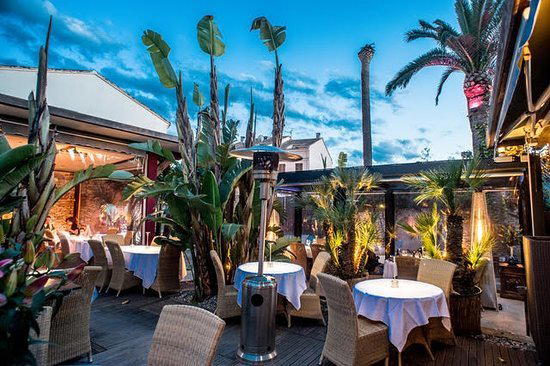
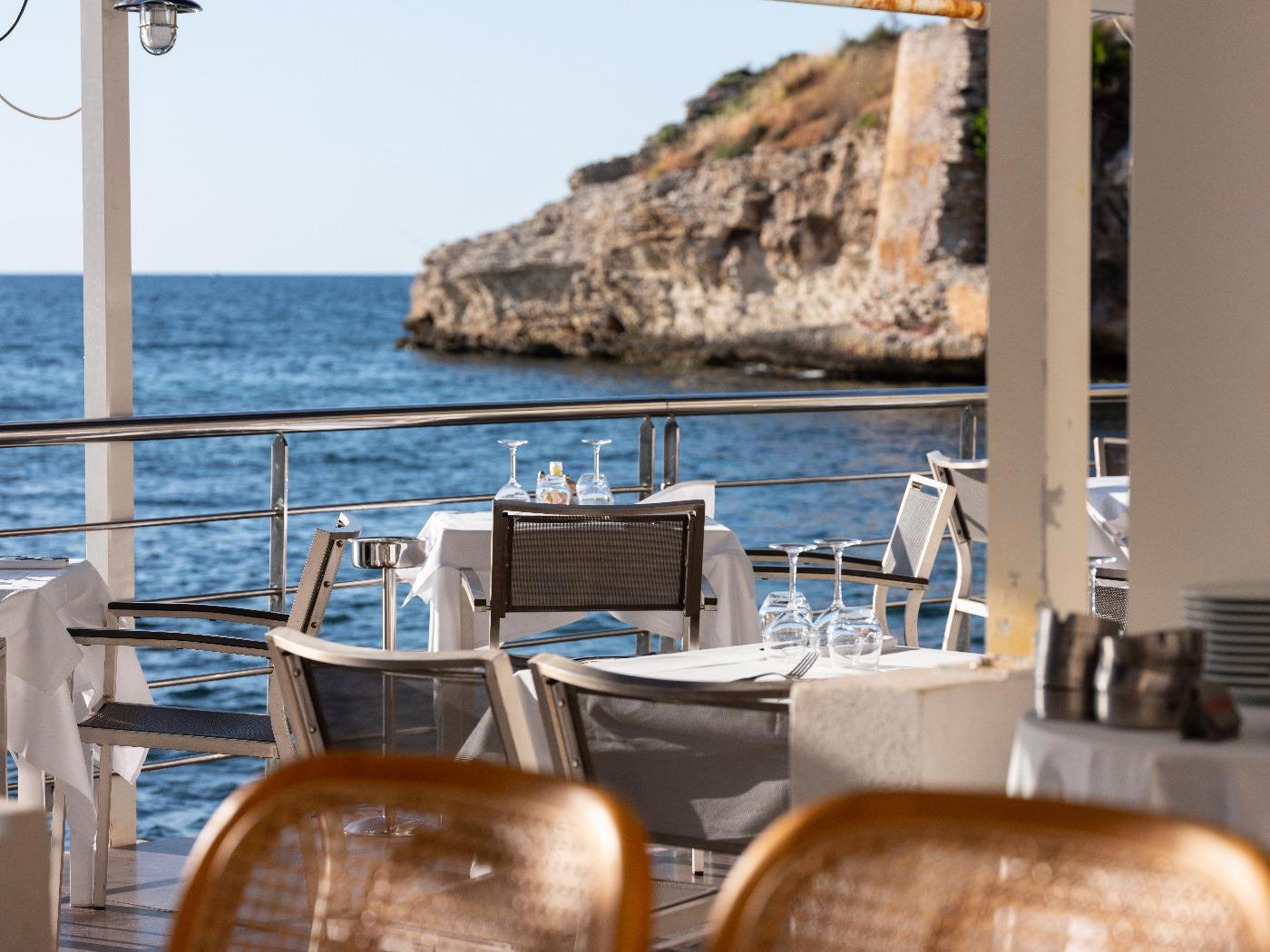
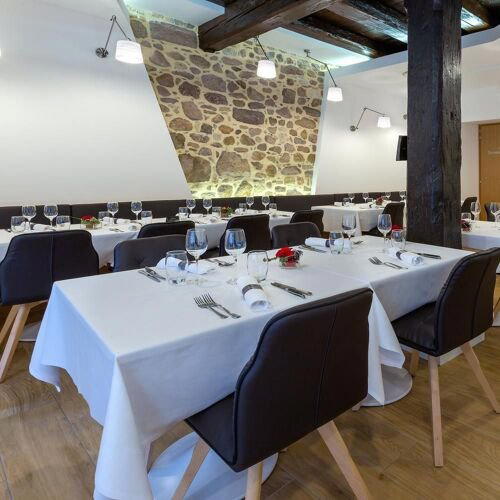
Hotels in Patrimonio
Browse all →
Wineries in Patrimonio
Browse all →
Details
- Rustic
- Cozy
- Bohemian
- Casual Hangout
- Date Night
- Group Dining
- Garden
- Open Kitchen
- Natural Wine
- Craft Cocktails
- Farm To Table
- Local Sourcing
- Organic
- Garden
- A La Carte
- Small Plates
- Vegetarian Friendly
- Vegan Options
Current opening hours
- Monday
- 7 PM–2 AM
- Tuesday
- 7 PM–2 AM
- Wednesday
- 7 PM–2 AM
- Thursday
- 7 PM–2 AM
- Friday
- 7 PM–2 AM
- Saturday
- 7 PM–2 AM
- Sunday
- 7 PM–2 AM
Hours can change for holidays and private events. Hours as of .
Charming garden terrace with atypical decoration, relaxed and youthful energy, peaceful vegetation-surrounded atmosphere enhanced by musical background.