Liban Cuisine
Liban Cuisine operates from Rantzausgade 1 in Copenhagen's Nørrebro district, a neighbourhood where Middle Eastern and North African culinary traditions have taken deep root among a dense concentration of immigrant-run kitchens. The address places it within walking distance of the area's informal dining corridor, where Lebanese cooking sits alongside Syrian, Palestinian, and Moroccan influences in a format that rewards repeat visitors over single-occasion dining.
Pearl is the En Primeur Club membership app — saves, bookings, and concierge access live there. Same editors, same standards.
- Address
- Rantzausgade 1, 2200 København, Denmark
- Phone
- +4538115050
- Website
- libancuisine.dk
- Directions
- Get directions
 Saves & bookings on Pearl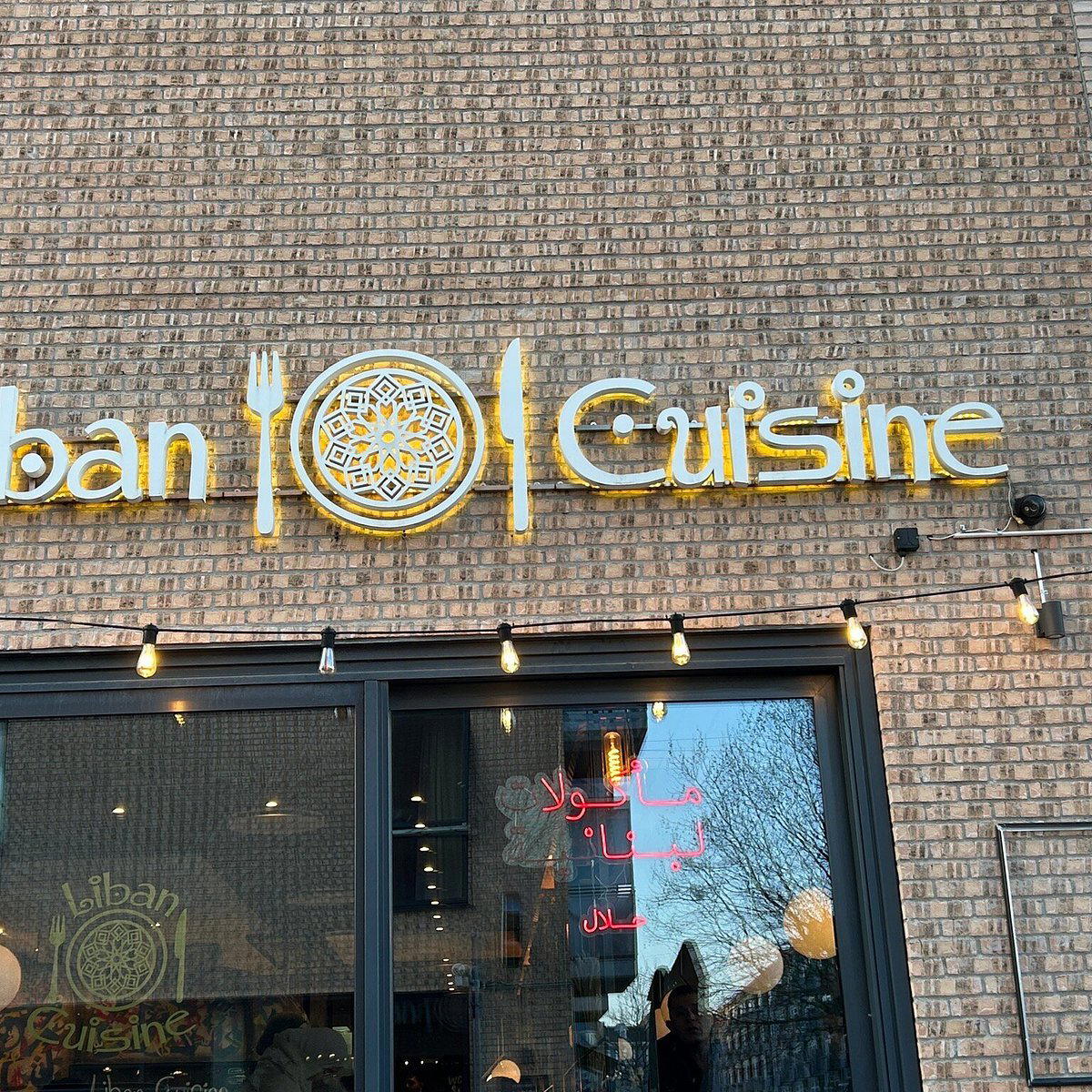
Nørrebro's Lebanese Table
Rantzausgade cuts through one of Copenhagen's most culinarily layered neighbourhoods, and the building at number 1 anchors a stretch where Middle Eastern cooking has moved from peripheral curiosity to neighbourhood staple over the past two decades. Copenhagen's dining conversation is often dominated by the New Nordic canon, but Liban Cuisine is a casual Lebanese restaurant in Copenhagen's Nørrebro district, known for authentic Lebanese cooking at about USD 15 per person, Geranium, Noma, Alchemist, and their creative successors, but Nørrebro operates on a different register entirely. Here, the reference points are fermented dairy, charcoal-grilled proteins, herb-heavy salads, and flatbreads pulled from high-heat ovens rather than tasting menus built around foraged Scandinavian flora. Liban Cuisine occupies that counter-tradition, and its address on Rantzausgade places it squarely within the district's Lebanese-leaning restaurant corridor.
Where Lebanese Cooking Sits in the Copenhagen Scene
Lebanese cuisine has carved out a specific niche in northern European cities that is worth understanding before you arrive. In Copenhagen, the informal Middle Eastern restaurant tier operates largely outside the award circuit that elevates places like Kadeau or Koan, but it serves a function those restaurants do not: daily-frequency eating rooted in communal sharing formats, mezze structures, and kitchens that treat chickpea, lamb, and aubergine with the same seriousness that tasting-menu chefs apply to Bornholm scallops. The Lebanese table, historically, is built around abundance rather than restraint, a meaningful distinction in a city whose fine-dining identity has been shaped almost entirely by the opposite philosophy.
That structural contrast matters to the reader choosing where to eat. Copenhagen's premium tasting-menu tier, which includes Jordnær in Gentofte and extends regionally to Frederikshøj in Aarhus and Henne Kirkeby Kro, demands advance booking windows of weeks to months, formal dress orientations, and price points that reflect the full cost of the kitchen labour behind them. Neighbourhood Lebanese restaurants in Nørrebro operate closer to the walk-in model, with pricing calibrated to daily use rather than occasion dining.
The Nørrebro Context
Nørrebro has been Copenhagen's most demographically layered district for decades. The postwar settlement patterns that brought Lebanese, Palestinian, Syrian, and Moroccan communities to the area produced a culinary infrastructure that remains particularly consistent in the city for its category. The neighbourhood's informal restaurant culture has a different rhythm than the waterfront or Vesterbro: tables turn faster, menus are more fixed, and the kitchen's relationship to its cooking is often generational rather than conceptual. This is not the environment that produces ambitious tasting menus like Alimentum in Aalborg or ARO in Odense, but it is the environment that produces particularly reliable hummus, the consistent mixed grill, and the kind of flatbread that only survives in kitchens where the technique has been practiced daily for years.
Liban Cuisine sits within that generational infrastructure. The address on Rantzausgade places it at the northern end of a stretch that connects to the broader Nørrebrogade dining corridor,
Service, Format, and the Shared Table
The team dynamic at informal Lebanese restaurants differs structurally from the fine-dining model where the roles of chef, sommelier, and front-of-house are formally delineated. In kitchens operating at this tier in Nørrebro, the floor team typically handles the entire hospitality function: guiding first-time visitors through a mezze-forward menu, managing the pacing of shared dishes, and advising on portion quantities for the table. At restaurants like this, that guidance function is not ceremonial, it is genuinely useful, because the Lebanese sharing format can overwhelm tables unfamiliar with how quickly the table fills when cold mezze, warm bread, and a mixed grill arrive in sequence rather than courses. Internationally, kitchens running this kind of sharing format, from Le Bernardin in New York City to more casual diaspora operations, rely on front-of-house teams to translate format conventions for guests who arrive with tasting-menu expectations. At neighbourhood Lebanese restaurants, that translation is often particularly valuable service the team provides.
Placing Liban Cuisine in a Wider Danish Frame
Copenhagen's dining map is often read purely through its New Nordic and creative fine-dining lens, with reference points like Domæne in Herning, Dragsholm Slot Gourmet in Hørve, Frederiksminde in Præstø, LYST in Vejle, and MOTA in Nykøbing Sjælland forming a constellation of ambitious regional cooking that sits within the Nordic tradition. That frame misses a significant portion of how Copenhageners actually eat, and the Nørrebro Lebanese corridor is central to that daily eating culture. Places like Liban Cuisine are not competing with the Nordic fine-dining circuit; they are serving a parallel and equally sustained tradition that predates the New Nordic movement and will likely outlast its current form.
For visitors building a multi-day Copenhagen itinerary, the practical logic is direct: reserve the tasting-menu evenings for the places that require them, and use Nørrebro's Lebanese and Middle Eastern kitchens for the meals in between. That rotation reflects how the city's informed residents actually use their own restaurant geography.
Korean-informed fine dining at Atomix in New York City has demonstrated how diaspora culinary traditions can operate at the highest recognised tier of the international restaurant circuit, a useful reminder that the informal register in which most Middle Eastern restaurants operate in northern European cities reflects economic and cultural positioning rather than culinary ceiling.
Practical Information
The restaurant is located at Rantzausgade 1, 2200 København N, in Copenhagen's Nørrebro district. The address is accessible by bus from central Copenhagen, with multiple routes serving Nørrebrogade within a short walking distance.
Price and Positioning
Comparable venues nearby, for context on price, style, and recognition.
| Venue | Cuisine | Price | Notes |
|---|---|---|---|
| Liban CuisineThis venue — the venue you are viewing | Nørrebro, Authentic Lebanese | $$ | Not listed |
| Gaza Grill Nørrebro | Not listed | $$ | Nørrebro, Authentic Palestinian Middle Eastern |
| Elippa | Amager Vest, Authentic Lebanese | $$ | Not listed |
| Killer Kebab | Indre By, Middle Eastern Kebabs | $$ | Not listed |
| Inferno | Vesterbro-Kongens Enghave, Cocktail Bar | $$ | Not listed |
| WOK Østerbro | Østerbro, Authentic Thai | $$ | Not listed |
Continue exploring
More in Copenhagen
Restaurants in Copenhagen
Browse all →
Bars in Copenhagen
Browse all →
At a Glance
- Cozy
- Casual
- Casual Hangout
- Family
Current opening hours
- Monday
- 11 AM–9:30 PM
- Tuesday
- 11 AM–9:30 PM
- Wednesday
- 11 AM–9:30 PM
- Thursday
- 11 AM–9:30 PM
- Friday
- 11 AM–10 PM
- Saturday
- 11 AM–10 PM
- Sunday
- 12–9:30 PM
Hours can change for holidays and private events. Last verified .
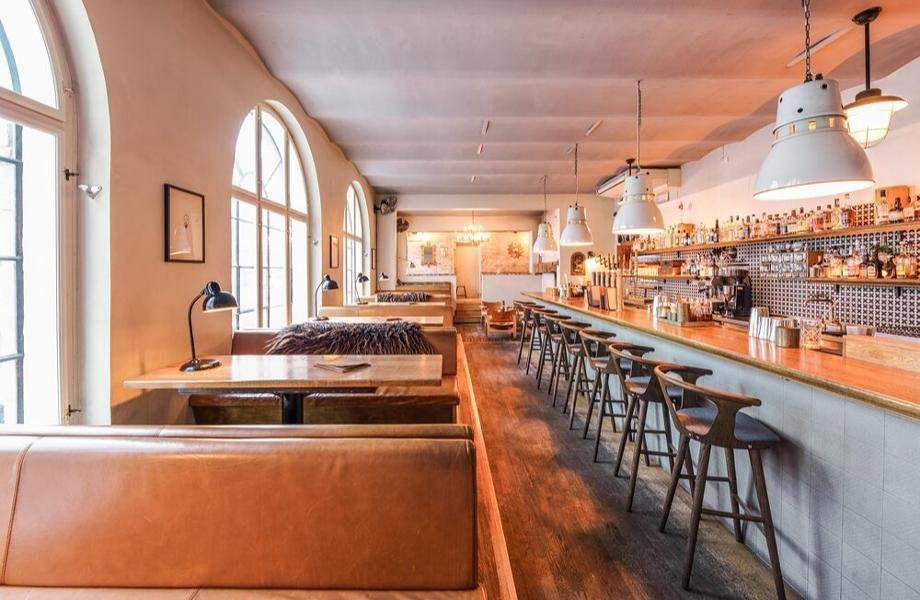
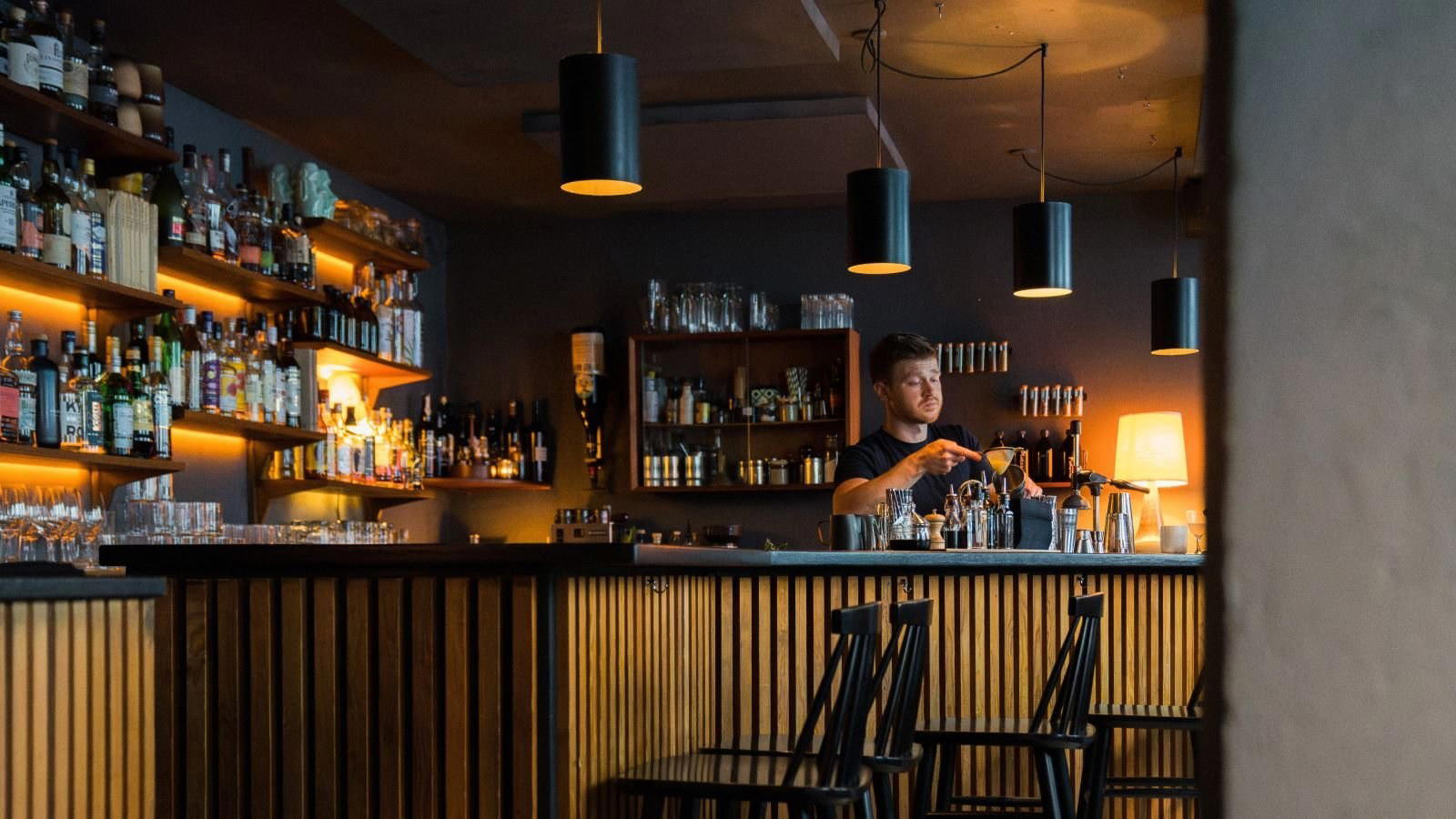
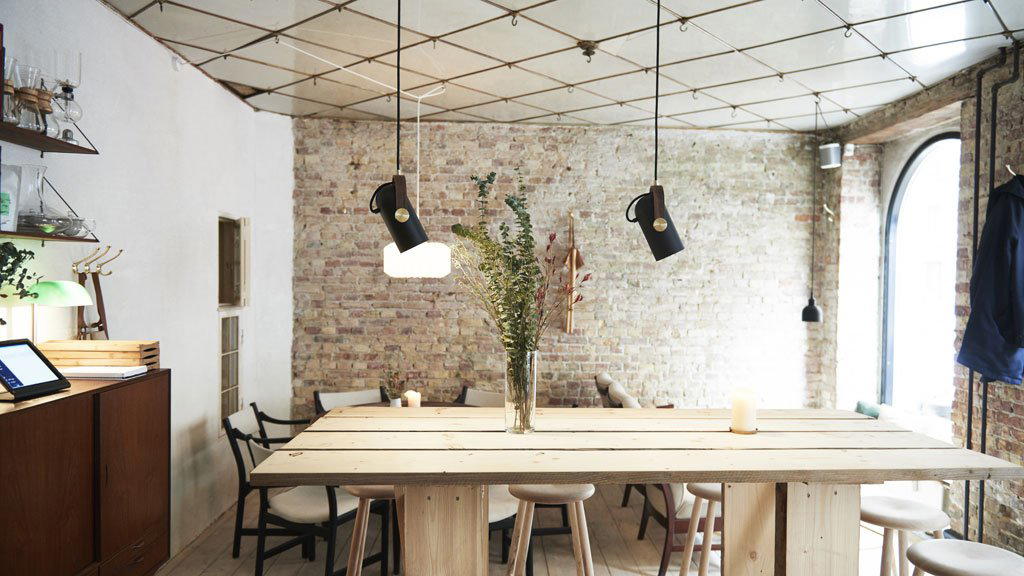
Cozy and welcoming casual atmosphere ideal for quick meals or family dining with friendly service.