L'Hortensia sits on Rue Sainte-Brigitte in Theix-Noyalo, a small commune in the Morbihan department of Brittany where the Atlantic coast shapes what ends up on the plate as much as what ends up in the glass. Morbihan's proximity to some of France's most productive shellfish beds and market gardens gives local kitchens a sourcing advantage that larger, more celebrated addresses elsewhere have to manufacture. L'Hortensia draws on that geography in a setting that reads as quietly serious rather than showy.
Pearl is the En Primeur Club membership app — saves, bookings, and concierge access live there. Same editors, same standards.
- Address
- 18 Rue Sainte-Brigitte, 56450 Theix-Noyalo, France
- Phone
- +33297430200
- Website
- restaurantlhortensia.com
- Directions
- Get directions
 Saves & bookings on Pearl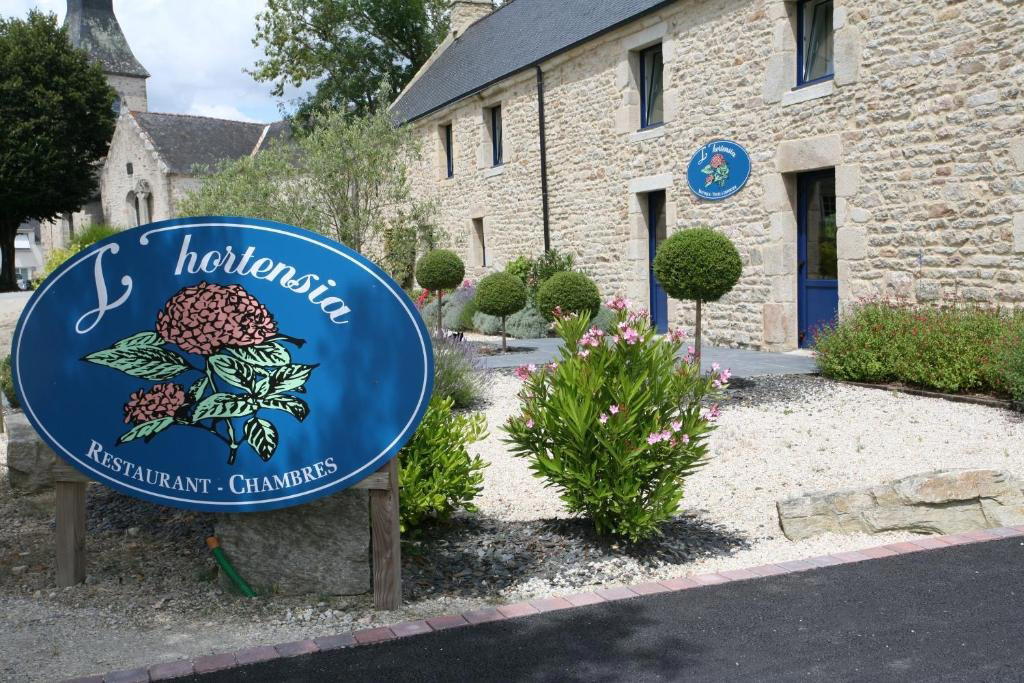
Morbihan's Sourcing Logic and What It Means for a Meal in Theix
While destinations such as Mirazur in Menton or Alléno Paris au Pavillon Ledoyen dominate international conversation, the quieter kitchens of Brittany operate on a different economy: proximity to the source. The Morbihan gulf, among the more ecologically productive coastal zones in western France, feeds a network of oyster parks, mussel beds, and small fishing operations that supply restaurants within a few kilometres. In practical terms, that means the gap between water and plate is measured in hours, not days.
Theix-Noyalo, a commune roughly ten kilometres from Vannes, sits at the edge of that supply chain. It is not a destination in the way that coastal Brittany resort towns are, which is precisely why the restaurants that take root here tend to be oriented toward the local rather than the theatrical. L'Hortensia, at 18 Rue Sainte-Brigitte, belongs to that pattern. The address itself signals something: a named street in a small commune rather than a waterfront promenade suggests a restaurant built for its community first and for visiting diners second.
The Physical Setting and What to Expect on Arrival
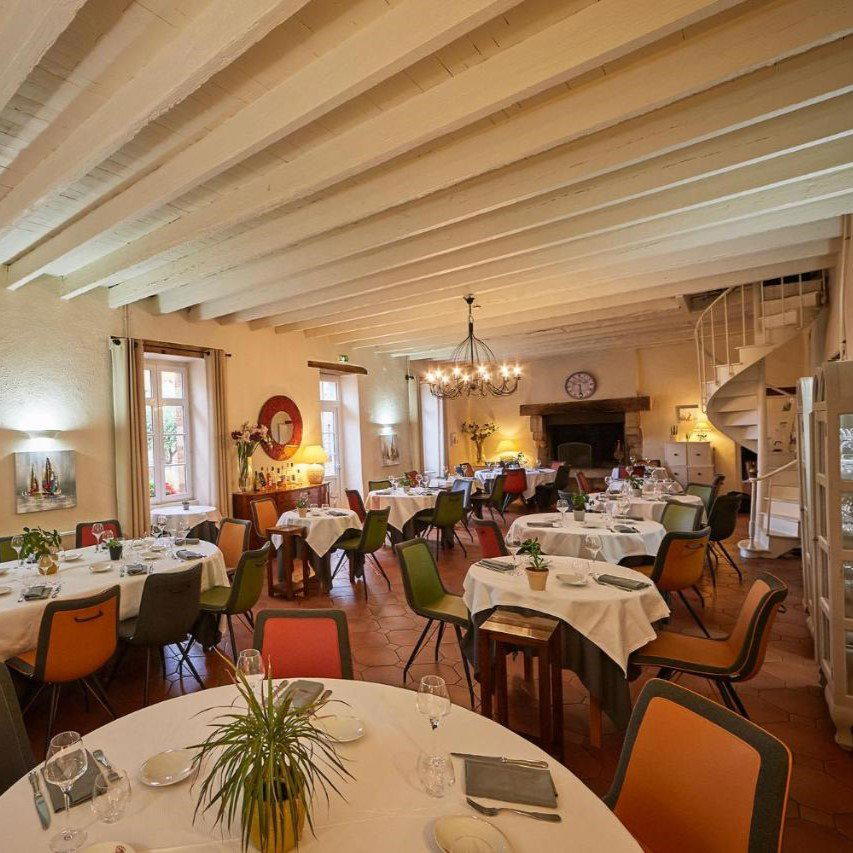
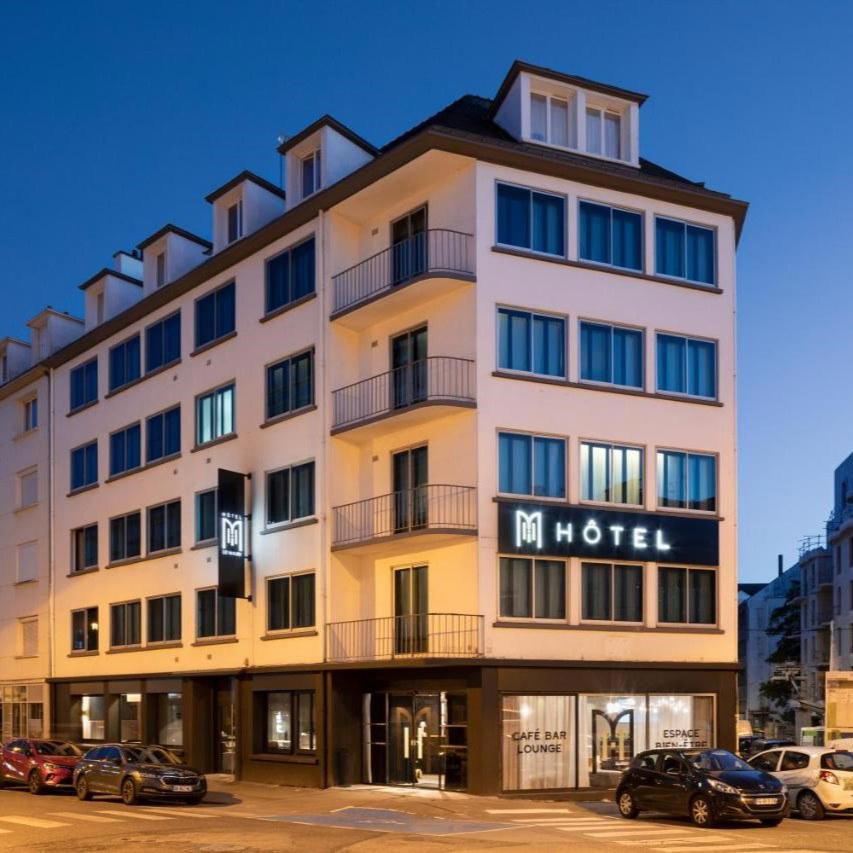
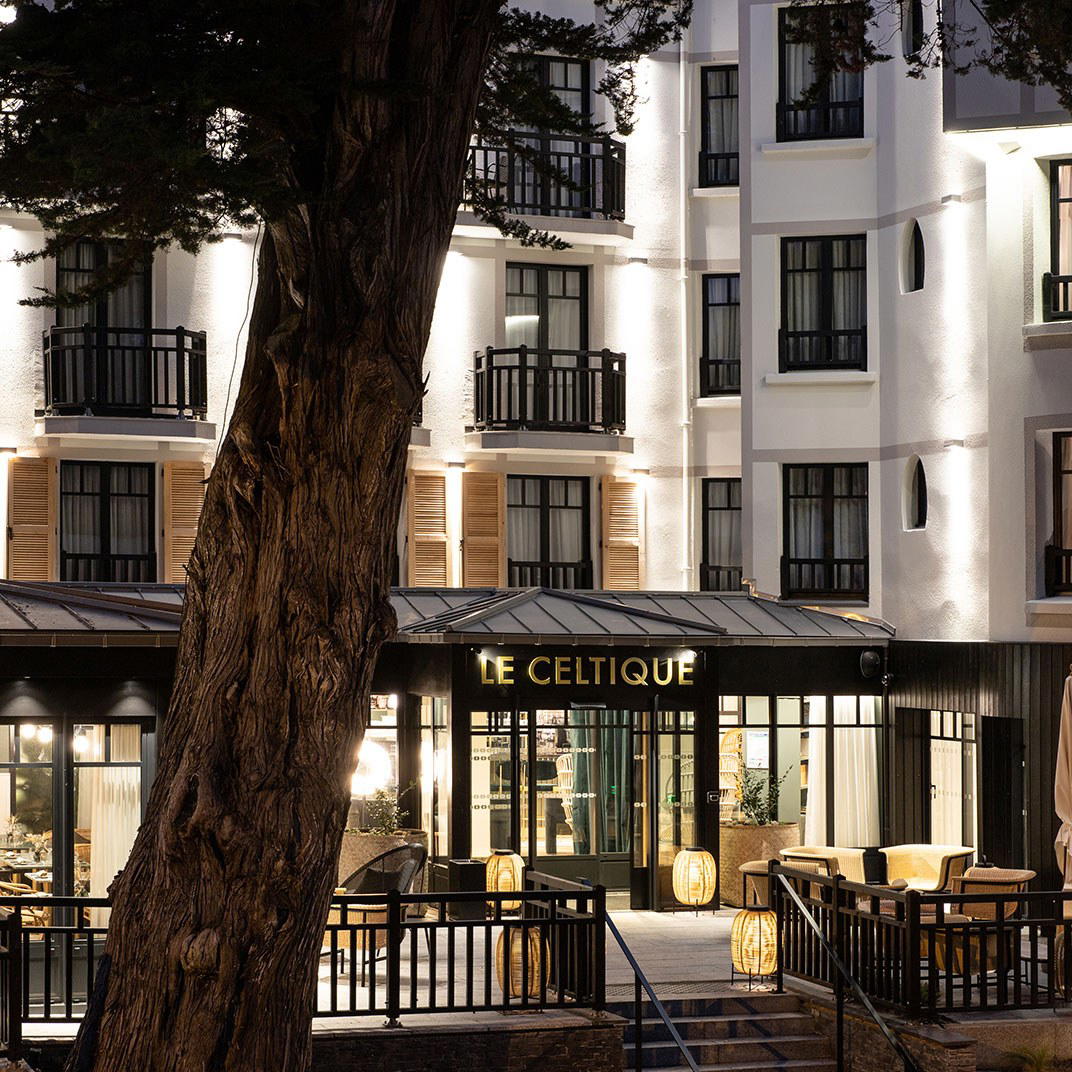
Arriving at L'Hortensia, the scale is residential rather than monumental. Brittany's interior communes favour this kind of restraint: stone facades, modest signage, interiors that rely on natural light and the quality of a room's proportions rather than designed spectacle. This is a format common across provincial French dining at a certain register, where the room is understood to be secondary to what arrives from the kitchen. The approach contrasts sharply with the design-led theatrics that define much Parisian fine dining, or the dramatic landscape positioning of places like Bras in Laguiole.
For visitors accustomed to the atmospheric density of a coastal address, Theix initially reads as understated. That understatement is functional: it keeps the focus on the plate and, more specifically, on the sourcing story that the region's geography makes possible. Morbihan's produce calendar runs differently from Paris or Lyon, shaped by tidal rhythms and seasonal fishing regulations rather than by metropolitan supply chains. A kitchen that pays attention to that calendar is working with a different set of constraints and opportunities than one ordering from a national distributor.
Ingredient Sourcing in Morbihan: Why the Region Matters
The case for Morbihan as a serious sourcing territory rests on a few verifiable facts. The gulf's protected waters produce oysters, particularly the flat Belon variety and the more abundant creuse, that reach Paris restaurants at a considerable premium and with considerable transit time attached. Salt from the Guérande marshes, roughly forty kilometres west of Theix, is distributed globally but sourced locally here. Lamb from the salt marshes of the Presqu'île de Rhuys carries a genuine terroir distinction, in the same category as Normandy's pré-salé. These are not marketing designations; they are geographical realities that inform what a serious kitchen in this part of France puts on the menu.
The broader French provincial fine dining tradition, represented at its most celebrated by institutions such as Auberge de l'Ill in Illhaeusern or Georges Blanc in Vonnas, has always been grounded in regional produce logic. Brittany's version of that logic is marine-forward: the sea defines the sourcing hierarchy, with land-based produce playing a supporting role. For a kitchen in Theix, that hierarchy is not a concept but a practical reality determined by what is available at the market and what the fishing boats bring in. The Atlantic coast dining tradition also finds expression further south at Christopher Coutanceau in La Rochelle and at La Marine in Noirmoutier-en-l'île, both of which have built serious reputations on the same Atlantic sourcing premise.
Where L'Hortensia Sits in the Broader Picture
France's restaurant spectrum runs from multi-Michelin addresses in major cities to small, unremarked provincial tables that serve their communities without national recognition. The latter category is numerically dominant and, in many regions, culinarily significant. Theix is not a Michelin circuit stop in the way that Reims (home to Assiette Champenoise) or Strasbourg (home to Au Crocodile) are. The restaurant occupies the provincial table category: a restaurant whose value proposition is rooted in its geography and local sourcing rather than in accumulated awards or chef celebrity.
That positioning is not a limitation. Particularly instructive meals in France happen at addresses with no guide recognition, where the kitchen's relationship with its immediate supply network is more direct than anything a destination restaurant can replicate. The comparable dynamic operates at Auberge du Vieux Puits in Fontjoncouse, a village address that built a serious reputation on hyper-local produce well before broader recognition arrived. The lesson those restaurants teach is that sourcing proximity, when taken seriously, produces results that are difficult to achieve at scale or at distance. For context on how French kitchens at the highest level have approached the same sourcing questions, Troisgros - Le Bois sans Feuilles in Ouches and L'Oustau de Baumanière in Les Baux are instructive reference points. For contrast with the more technically experimental end of French cooking, AM par Alexandre Mazzia in Marseille represents a different strand entirely. Beyond France, Le Bernardin in New York City and Atomix in New York City demonstrate how sourcing discipline translates across different culinary traditions.
Planning a Visit
Theix-Noyalo is accessible from Vannes by a short drive; Vannes itself is served by TGV from Paris Montparnasse in under three hours. For visitors making the journey specifically for the restaurant, confirming reservations in advance is advisable given the small scale typical of Brittany's provincial tables. The restaurant is located at 18 Rue Sainte-Brigitte; The region's produce peaks in summer and early autumn, when the shellfish season is in full rhythm and the market gardens around the gulf are producing at capacity, making those months the natural window for a visit if the sourcing dimension matters to your decision.
Side-by-Side Snapshot
Comparable venues nearby, for context on price, style, and recognition.
| Venue | Cuisine | Price | Notes |
|---|---|---|---|
| L'HortensiaThis venue — the venue you are viewing | French Gastronomic Bistro | $$$ | Not listed |
| Saturne | Modern French with Nordic Influences | $$$ | 2nd Arrondissement |
| A Comer | French Terroir Bistro | $$$ | Malestroit |
| Au Fil des Saisons | Seasonal French Bistro | $$$ | Saint-Nicolas-des-Eaux |
| Le Petit Canard | Traditional French Duck Bistro | $$$ | 9th arrondissement |
| La Maison des Poulains | Seasonal French Locavore | $$$ | Sauzon |
At a Glance
- Romantic
- Cozy
- Rustic
- Elegant
- Quiet
- Date Night
- Business Dinner
- Group Dining
- Special Occasion
- Celebration
- Terrace
- Garden
- Hotel Restaurant
- Standalone
- Sommelier Led
- Local Sourcing
- Garden
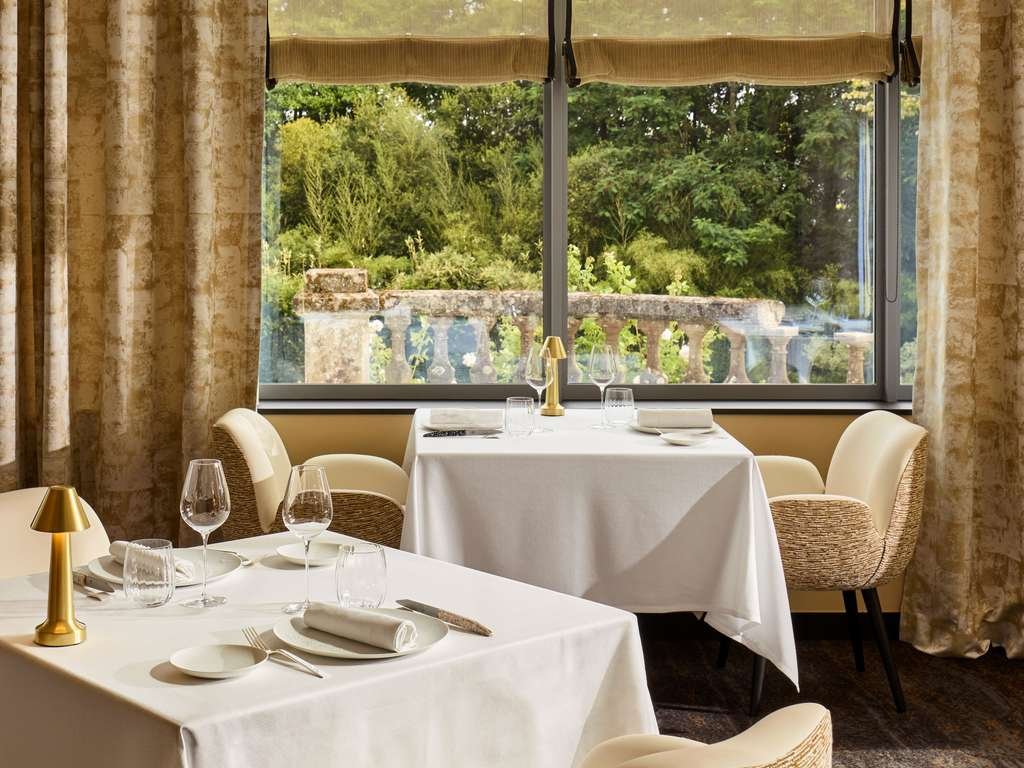
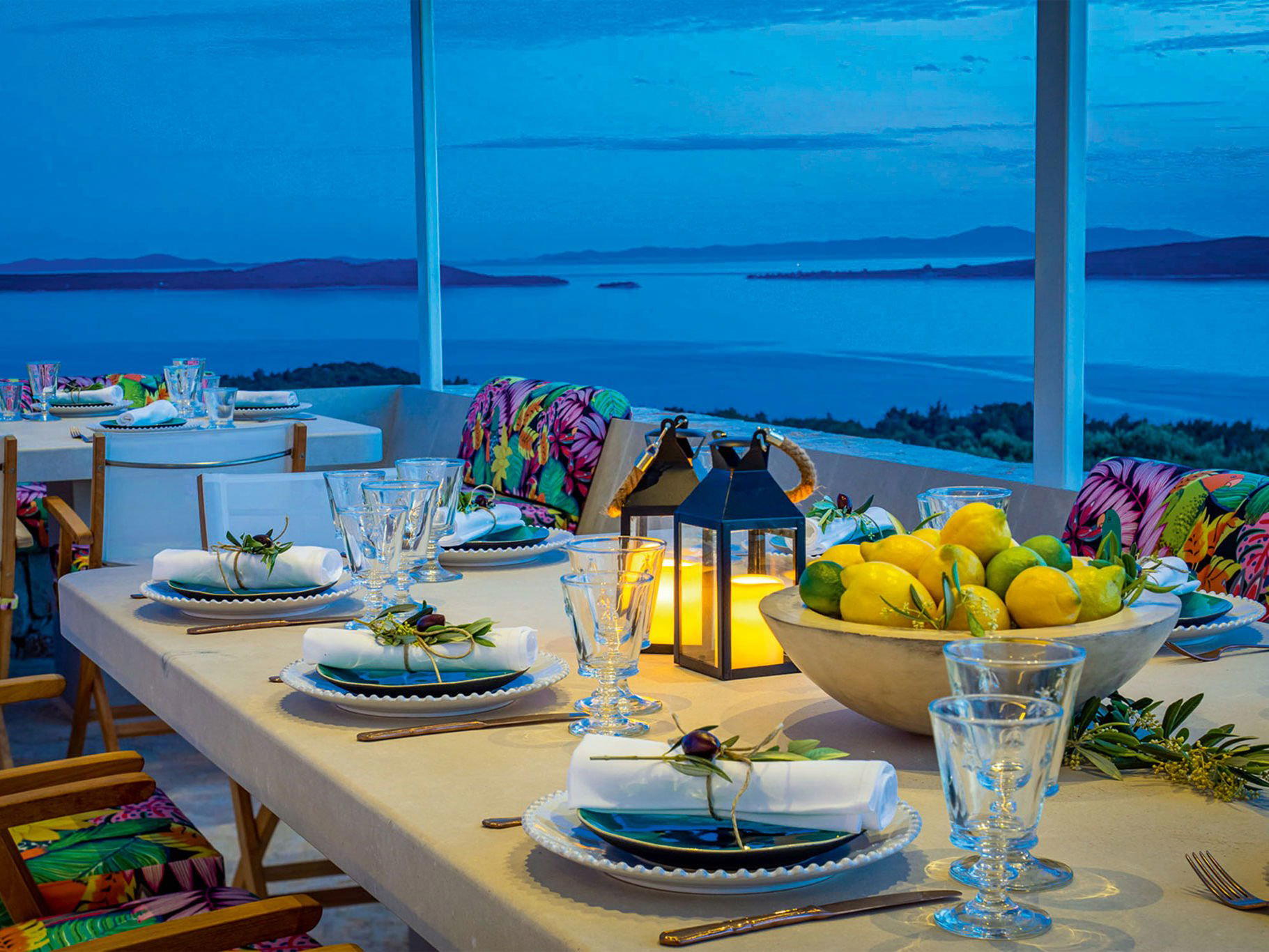
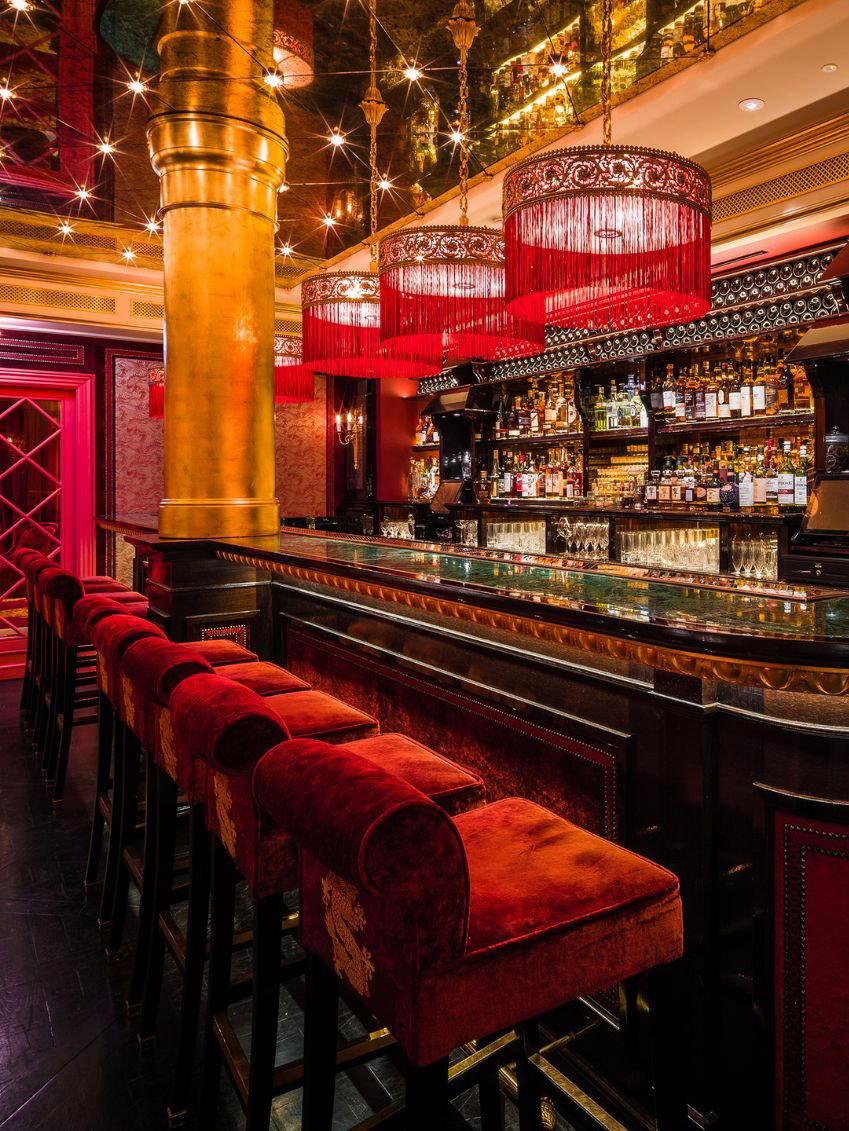
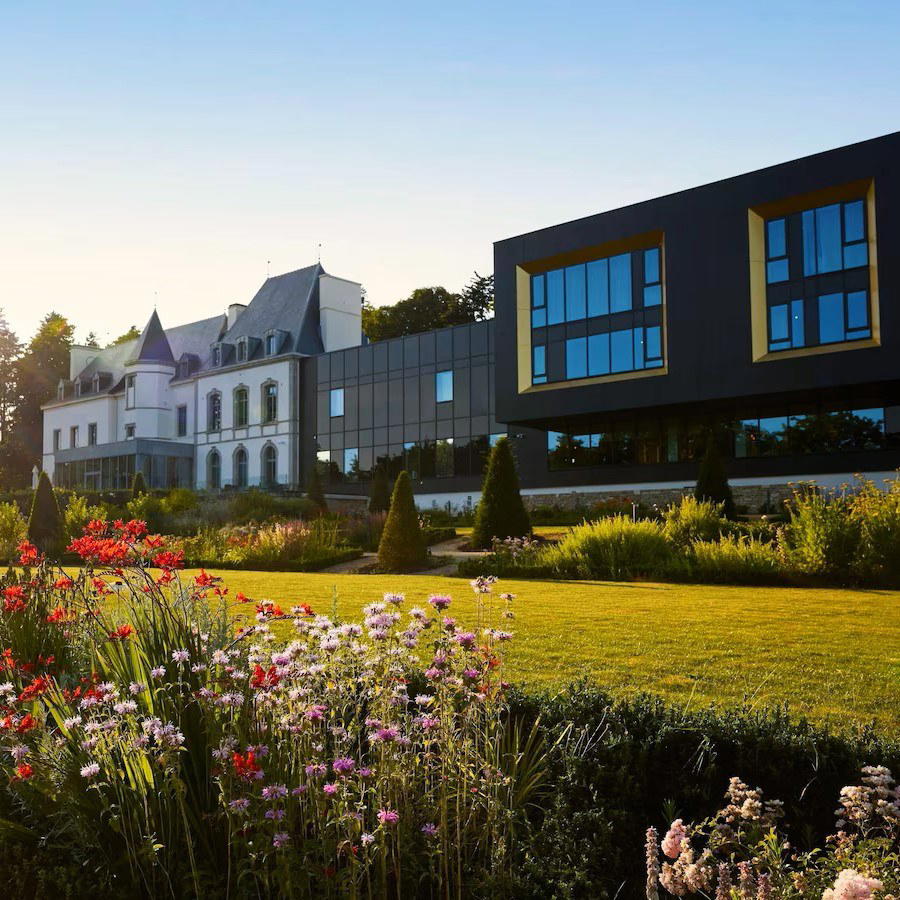
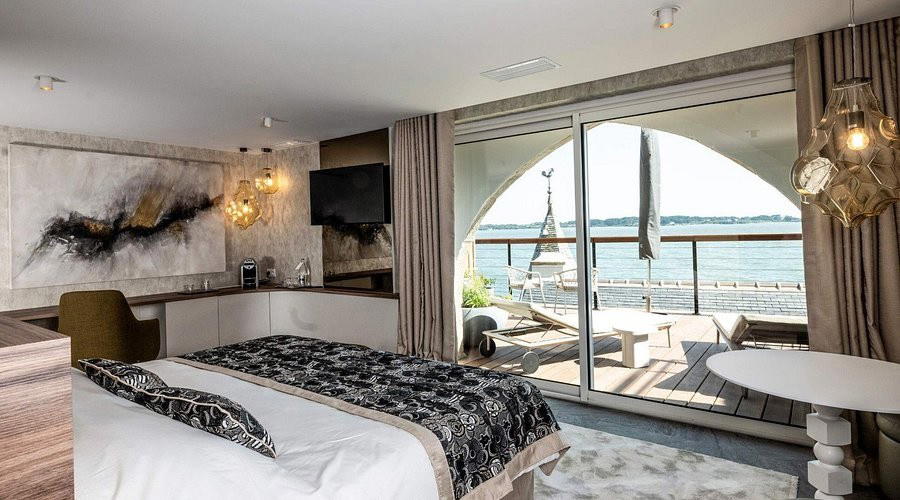
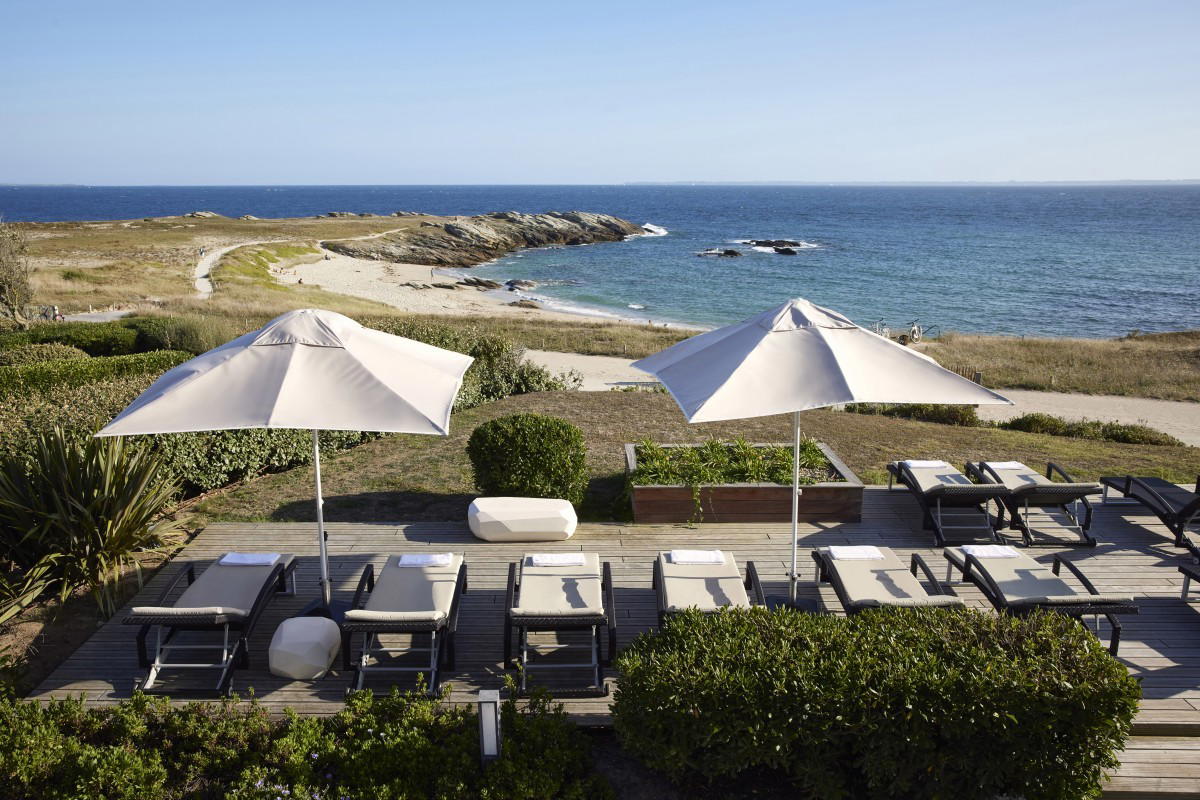
Cosy and rustic with contemporary rooms, garden terrace views, and a peaceful countryside setting that provides respite from city life.