
Star Wine List
A Star Wine List-recognised bar in Vannes, Crapule occupies the medieval heart of Brittany's walled capital, where the wine programme has earned independent critical attention in a city more often celebrated for its seafood than its glass. The address on Rue Porte Poterne places it within the old town's stone-fronted streets, where serious drinking sits quietly alongside centuries of coastal tradition.

Pearl is the En Primeur Club membership app, where members save venues, book tables and use the concierge.
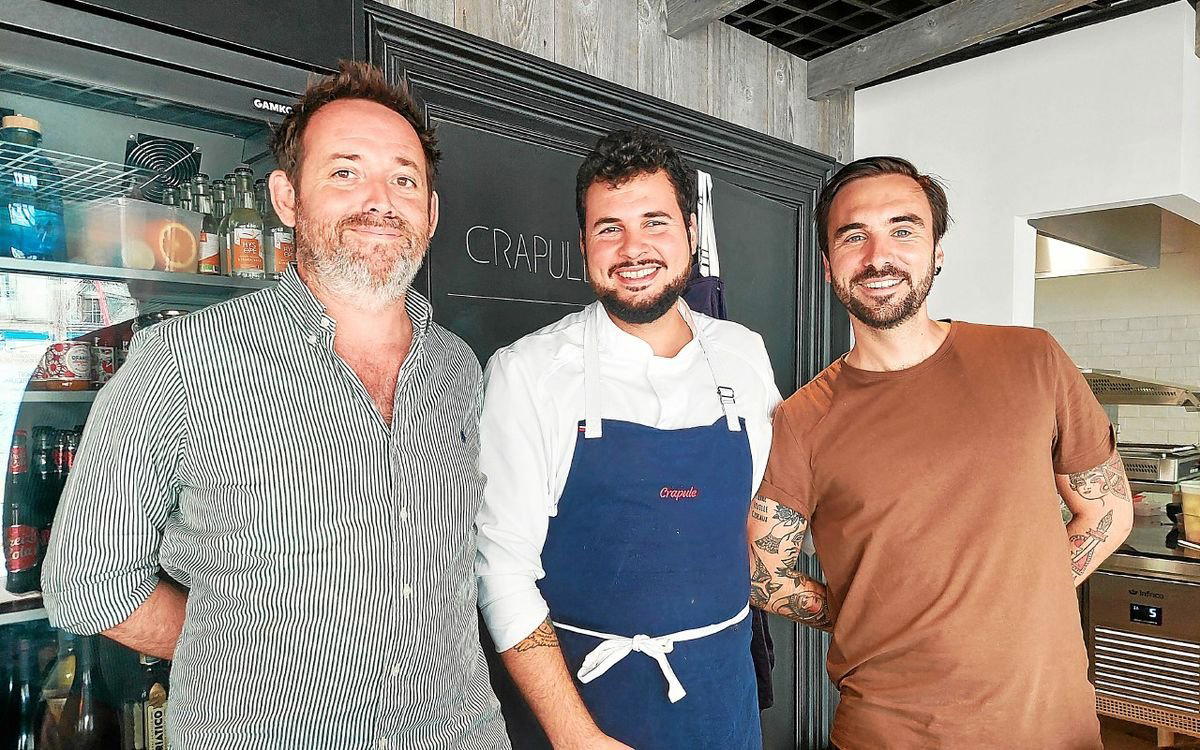
The Old Town Context
Vannes operates at a different register from France's better-publicised wine bar circuits. The medieval walled city, set at the mouth of the Gulf of Morbihan on Brittany's southern coast, draws visitors for its preserved ramparts, its oyster culture, and the tidal archipelago beyond the harbour. What it does not typically draw is the kind of focused drinks attention that clusters around Paris's 11th arrondissement or Lyon's Presqu'île. That makes a Star Wine List recognition in 2026 worth pausing on. The award, issued by an independent European drinks publication with a programme that spans over 60 countries and evaluates lists by depth, range, and producer selection, does not land in smaller French cities without a list that has done the work. For our full Vannes restaurants guide, Crapule represents the clearest evidence that the city's bar programme is moving beyond the reflexively local and into something with broader critical weight.
Rue Porte Poterne: What the Address Signals
The bar sits at 3 Rue Porte Poterne, a street that runs through the southern gate of the old town's medieval wall system. In Vannes, that address means stone buildings, narrow pavements, and a neighbourhood that fills with tourists in summer and returns to locals in autumn. Bars in these streets tend toward the predictable: regional cider, Muscadet by the carafe, the occasional Breton craft beer. A venue that earns wine list recognition in this setting is either working against neighbourhood type or has found a way to turn the location's character into an argument for a more considered programme. The physical environment at this address, with its proximity to the ramparts and the old town's pedestrian core, puts the bar within easy walking distance of the cathedral, the covered market, and the port.
The Wine Programme and What the Star Wine List Award Implies
Star Wine List recognition is the editorial lens through which Crapule reads most clearly. The award process, which evaluates lists submitted by venues and assessed by a panel of sommeliers and drinks journalists, typically favours depth over volume: a short list with strong producer selection outperforms a long list assembled by distributor habit. For a bar of this type in a Breton coastal town, that framing matters. It positions Crapule alongside a peer group that includes venues in larger French cities where wine bar culture is more established, from Bar Nouveau in Paris to La Maison M. in Lyon, each operating with a similar orientation toward list curation over list length.
Brittany's regional wine production is limited, which means a bar in Vannes that earns drinks recognition is almost certainly working with producers from elsewhere: the Loire to the east, perhaps Burgundy, Jura, or further south. France's natural wine movement, which reshaped bar lists in Paris and Lyon over the past decade and has since moved into secondary cities, provides one likely reference point. The Loire corridor in particular, running from the Pays Nantais through Anjou and Saumur, sits within plausible sourcing range. Venues like BOUVET LADUBAY in Saumur and House of Cointreau in Angers illustrate the depth of the wider region's drinks tradition, and a Breton bar with serious list ambitions would be drawing from that well.
The Cocktail and Drinks Frame
The editorial angle that a Star Wine List award foregrounds is the programme itself: what a bar chooses to stock, how the list is structured, and what the curation implies about the philosophy behind it. In France's smaller cities, the bars that earn independent drinks recognition tend to be those where the person responsible for the list has made deliberate choices about producer relationships, serving temperature, glassware, and the relationship between what's on the menu and what the kitchen, if there is one, is doing alongside it. This is distinct from the high-volume cocktail programmes that define venues like Papa Doble in Montpellier or the craft beer depth of Au Brasseur in Strasbourg. What a wine-led bar in this tier offers is a different kind of attentiveness: the list as argument, the glass as position.
Along the Atlantic coast, bars with serious wine ambitions sit in a different competitive context than their counterparts further south. The reference points closer to the Mediterranean, such as Bar Casa Bordeaux in Bordeaux, Coté Vin in Toulouse, or Le Petit Nice Passedat in Marseille, operate in cities where wine culture is structurally embedded. In Brittany, a bar that earns drinks recognition is doing so against a backdrop where the default is cider and seafood. That is not a disadvantage; it is a distinction.
Where Crapule Sits in a Wider French Drinks Context
France's bar scene has fragmented by format and focus over the past decade. The cocktail programme at Bar Leather Apron in Honolulu and the focused list aesthetic at Le Café de la Fontaine in La Turbie each represent a different version of the specialist drinks format: bars that have made a programme decision and built an identity around it. Crapule's Star Wine List recognition places it in that specialist tier, where the award functions as a signal of curatorial intent rather than volume or celebrity. In a French regional context, that positions it alongside a small number of bars in cities of similar scale that have built credibility through list depth rather than through footfall or marketing.
Planning Your Visit
Vannes is accessible by TGV from Paris Montparnasse in under three hours, and by regional rail from Nantes in approximately one hour. The old town is compact and walkable from the station. Rue Porte Poterne is within the walled perimeter, making Crapule reachable on foot from most central accommodation. The summer months see the old town at its most crowded, with the Gulf of Morbihan drawing significant tourist traffic between June and September. Visiting in shoulder season, particularly May or October, brings quieter streets and a more local atmosphere. The Star Wine List 2026 recognition confirms the bar's current critical standing, but specific list details and pricing should be confirmed at the time of visit.
A Quick Peer Check
Comparable venues nearby, for context on price, style, and recognition.
| Venue | Cuisine | Awards |
|---|---|---|
| CrapuleThis venue (the venue you are viewing) | wine_bar | Star Wine List |
Recognition history
Dated appearances from independent guides and award organizations, with the underlying list record or original source where available.
Star Wine List
Star Wine List
Continue exploring
More in Vannes
Restaurants in Vannes
All restaurants in Vannes →
Details
- Cozy
- Intimate
- Trendy
- Date Night
- Casual Hangout
- Standalone
- Seated Bar
- Booth Seating
- Natural Wine
Current opening hours
- Monday
- 11 AM–3 PM, 6–11 PM
- Tuesday
- 11 AM–3 PM, 6–11 PM
- Wednesday
- 11 AM–3 PM, 6–11 PM
- Thursday
- 11 AM–3 PM, 6–11 PM
- Friday
- 11 AM–3 PM, 6–11 PM
- Saturday
- 11 AM–3 PM, 6–11 PM
- Sunday
- 11 AM–3 PM, 6–11 PM
Hours can change for holidays and private events. Hours as of .
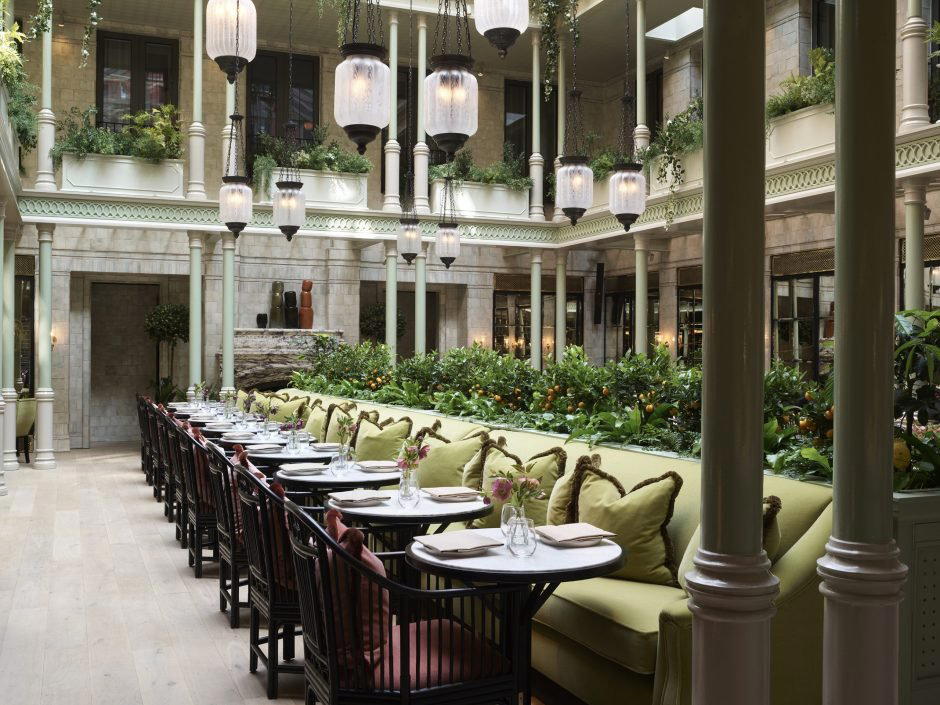
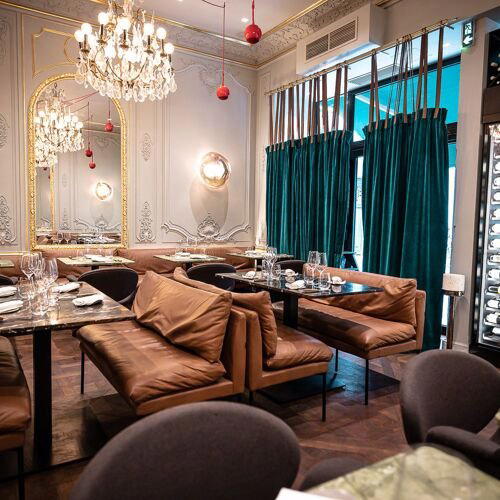
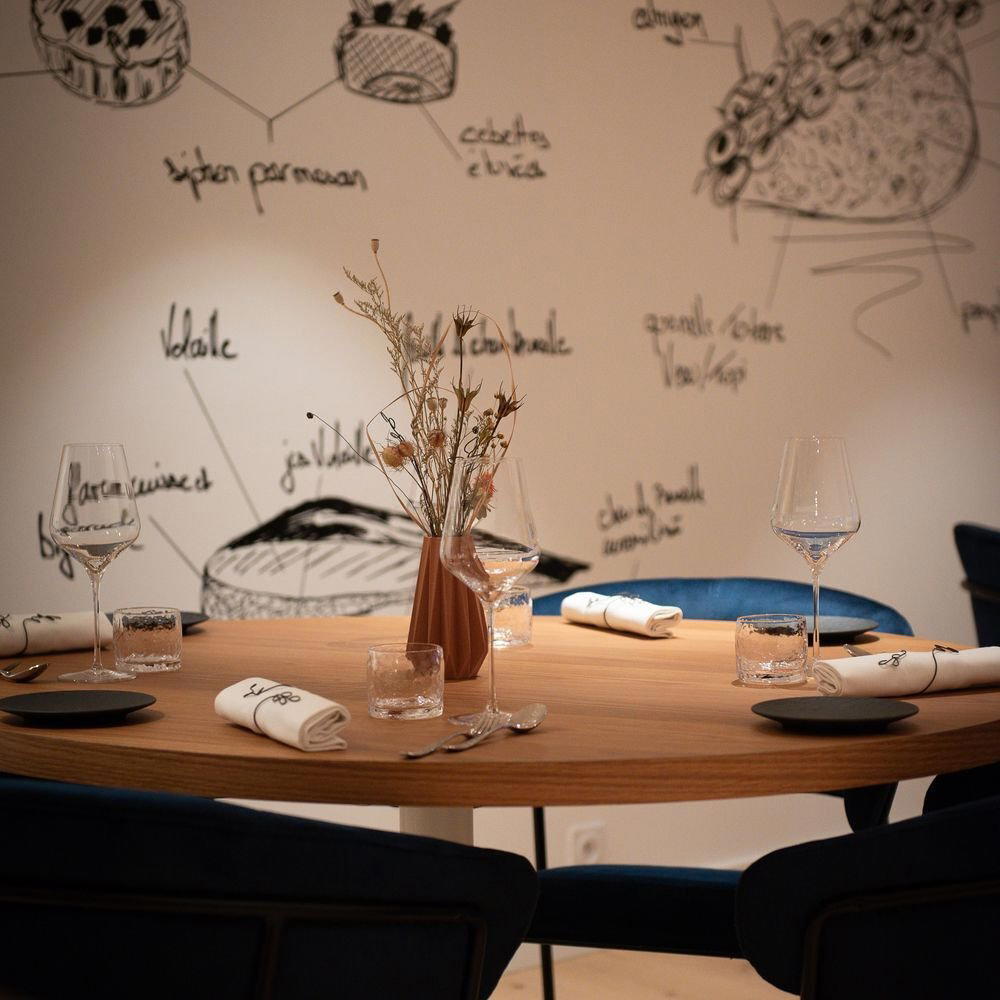
Warm, convivial atmosphere with thoughtful decor details and lively music.