A Comer
A Comer sits on Place du Dr Jean Queinnec in the medieval town of Malestroit, Brittany, where the region's agricultural and coastal larder shapes what ends up on the plate. The restaurant operates within a dining tradition that prizes produce over performance, placing it in a category of French provincial cooking where sourcing decisions carry more weight than kitchen theatrics.
Pearl is the En Primeur Club membership app — saves, bookings, and concierge access live there. Same editors, same standards.
- Address
- 11 Pl. du Dr Jean Queinnec, 56140 Malestroit, France
- Phone
- +33297705929
- Website
- a-comer-restaurant.eatbu.com
- Directions
- Get directions
 Saves & bookings on Pearl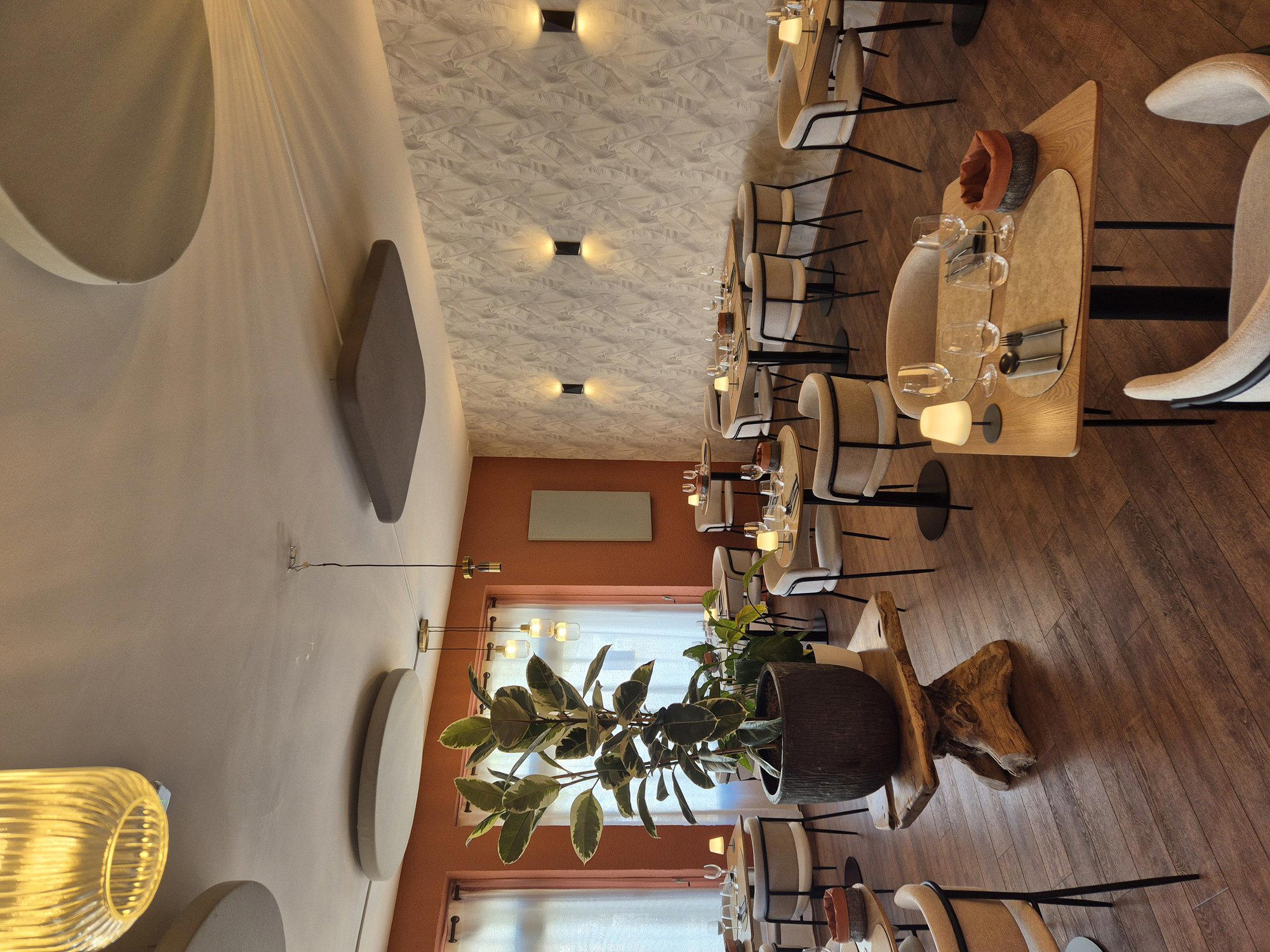
Malestroit and the Logic of Provincial French Dining
The Place du Dr Jean Queinnec is not a square that announces itself. In Malestroit, a small medieval market town in the Morbihan department of inland Brittany, the architecture does the talking quietly: half-timbered facades, stone pavements worn to smoothness, and a general refusal of the kind of cosmetic renovation that tends to follow tourist money. A Comer occupies an address at number 11 on this square, and the setting is worth understanding before anything else, because it frames the type of dining that makes sense here. This is a town where you arrive expecting a slower, more local register of cooking. What Malestroit offers instead is proximity to one of France's most productive regional larders, and restaurants here have historically traded on that proximity rather than on spectacle.
Brittany's food identity is built on specific raw materials: the salted butter and crêpes that most visitors know, but also Breton oysters, moules de bouchot from the bay, lamb pre-salé grazed on coastal salt marshes, Janzé poultry with protected status, and a vegetable tradition anchored in the Légumes de Bretagne cooperative network. Inland towns like Malestroit sit at the intersection of coastal supply and agricultural production, which gives local kitchens a broader sourcing palette than their size might suggest. That context matters when reading any restaurant at this address: the ingredient quality available to a cook in Morbihan rivals what chefs in larger French cities work considerably harder to obtain.
How Ingredient Sourcing Defines This Category
French provincial restaurants of this tier tend to operate on a sourcing logic that urban fine dining has spent the last decade trying to replicate. Chefs at destination restaurants in Paris, Reims, or Lyon, places like Assiette Champenoise or Au Crocodile in Strasbourg, build supply chains at significant cost to access the kind of primary-quality produce that exists on the doorstep of a Breton market-town cook. In Malestroit, the relationship between kitchen and land is structural rather than curated. Farmers' markets, direct producer relationships, and seasonal availability are not selling points layered onto a menu; they are the operational baseline.
This dynamic has shaped a particular style of French cooking in towns like Malestroit: less transformative, more deferential to the ingredient, and calibrated around what the season actually delivers rather than what a sourcing budget can import. It is a tradition with a long French lineage, visible in the terroir-first philosophy of Bras in Laguiole and, at an earlier moment in French culinary history, in the regional fidelity of Auberge de l'Ill in Illhaeusern. A Comer operates at a considerably more modest scale than either of those addresses, but the underlying sourcing logic connects them to a shared provincial French tradition.
Where A Comer Sits in the Regional Picture
Brittany has produced a number of serious cooking addresses in recent years, many of them oriented toward the coast. La Marine in Noirmoutier-en-l'Île and Christopher Coutanceau in La Rochelle, both Michelin-starred, represent the higher end of western French coastal fine dining, where the produce quality of the Atlantic seaboard is channelled through technically ambitious kitchens. The restaurant, in Malestroit, is not in competition with that comparable set. It belongs to a different tier of French provincial dining, one that serves the town and its surrounding communes rather than a destination-dining circuit. That is not a limitation; it is a category specification. The restaurants that have sustained the French provincial tradition longest, from Georges Blanc in Vonnas to Auberge du Vieux Puits in Fontjoncouse, built their identities around deep rootedness in a specific place, not around scalability.
For visitors arriving in Morbihan for the inland waterways, the Nantes-Brest Canal, or the megalithic sites that concentrate around this part of Brittany, Malestroit functions as a logical base. The town's restaurants, the restaurant among them, are calibrated for that kind of traveller: people spending time in the area rather than passing through to tick off a fine-dining address.
Planning Your Visit
The restaurant is located directly on the Place du Dr Jean Queinnec, the main square in Malestroit's historic centre, which makes it easy to find on foot from anywhere in the town. Malestroit is approximately 35 kilometres east of Vannes, the Morbihan departmental capital, and is accessible by regional train on the Vannes-Ploërmel line, though a car is the more practical option for exploring the surrounding area. Arriving with a reservation, even for a casual meal, is the more reliable approach.
The broader context of French provincial dining is one of ongoing negotiation between place and ambition. Restaurants like Troisgros in Ouches or L'Oustau de Baumanière in Les Baux have resolved that tension at the starred level. The restaurant resolves it differently, at the level of a working market-town restaurant in one of France's most ingredient-rich corners. Both are legitimate answers to the same question about what French cooking is for. Diners will find a different register here, one where the measure of quality is the produce itself rather than what the kitchen does to transform it.
In Context: Similar Options
Comparable venues nearby, for context on price, style, and recognition.
| Venue | Cuisine | Price | Notes |
|---|---|---|---|
| A ComerThis venue — the venue you are viewing | French Terroir Bistro | $$$ | Not listed |
| Atelier de Candale | Seasonal French wine‑country restaurant in the vineyards | $$$ | Saint-Laurent-des-Combes / Saint-Émilion vineyards |
| Comptoir De Vie | Modern French Tasting Counter-Bar | $$$ | 2nd Arrondissement |
| Éco-domaine La Fontaine | French Farm-to-Table Potager | $$$ | La Fontaine au Bretons |
| La Note des gourmets | Bistronomique Française | $$$ | :null |
| Restaurant Nao | Inventive French Fusion with Breton Terroir | $$$ | historic heart |
Continue exploring
More in Malestroit
Restaurants in Malestroit
Browse all →
Bars in Malestroit
Browse all →
At a Glance
- Elegant
- Classic
- Cozy
- Intimate
- Date Night
- Business Dinner
- Special Occasion
- Historic Building
- Standalone
- Local Sourcing
- Farm To Table
Current opening hours
- Monday
- Closed
- Tuesday
- 12–2:30 PM, 7–9:30 PM
- Wednesday
- 12–1:30 PM, 7–9:30 PM
- Thursday
- 12–1:30 PM, 7–9:30 PM
- Friday
- 12–2 PM, 7–9:30 PM
- Saturday
- 12–1:30 PM, 7–9:30 PM
- Sunday
- Closed
Hours can change for holidays and private events. Last verified .
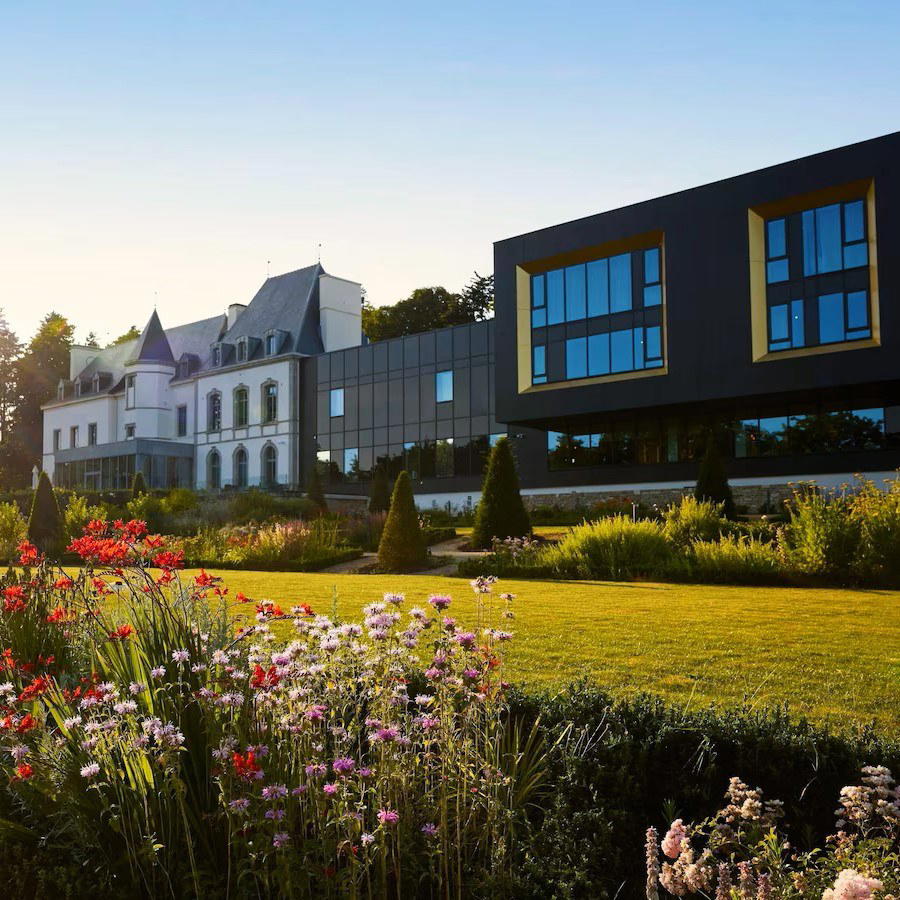
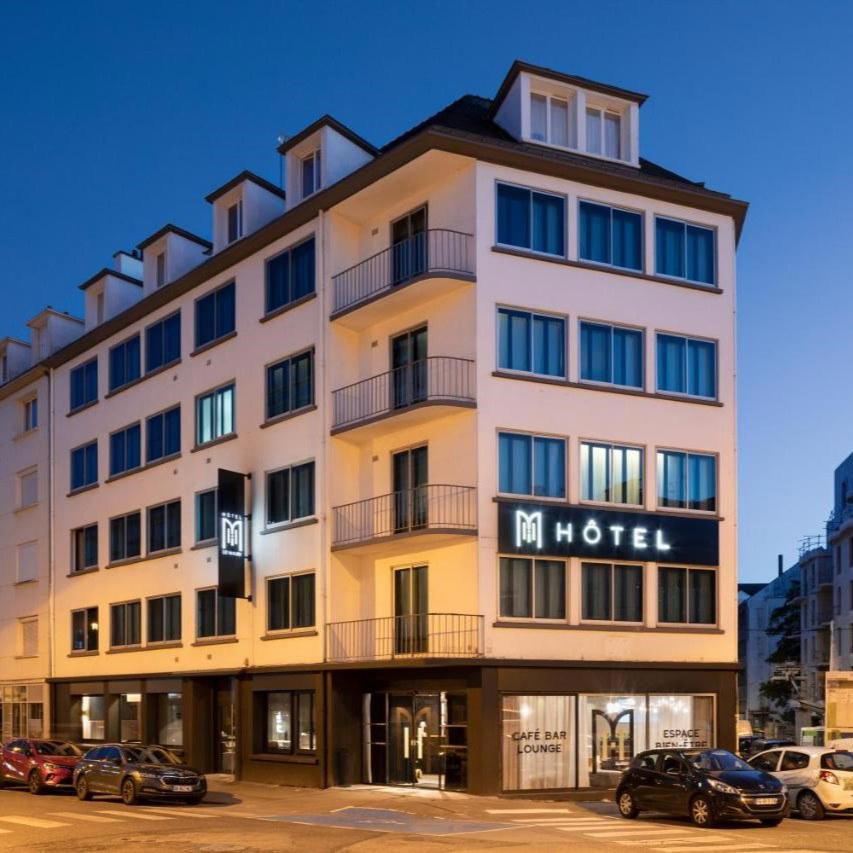
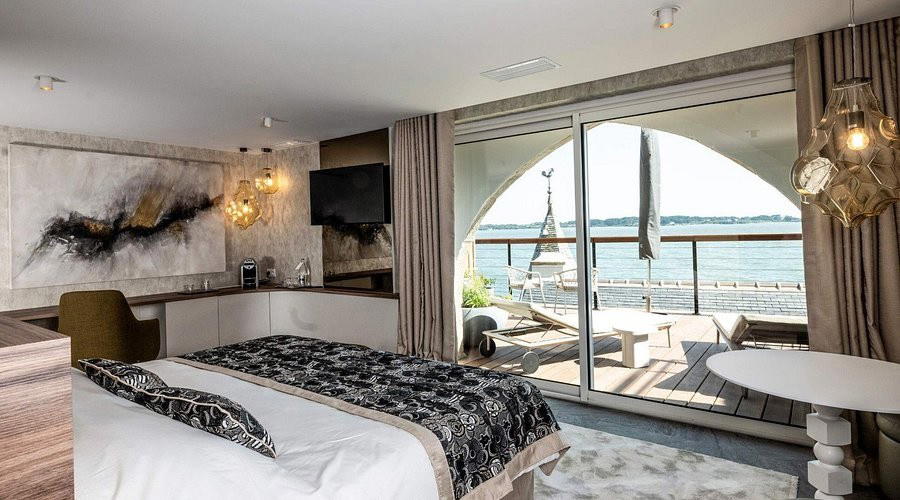
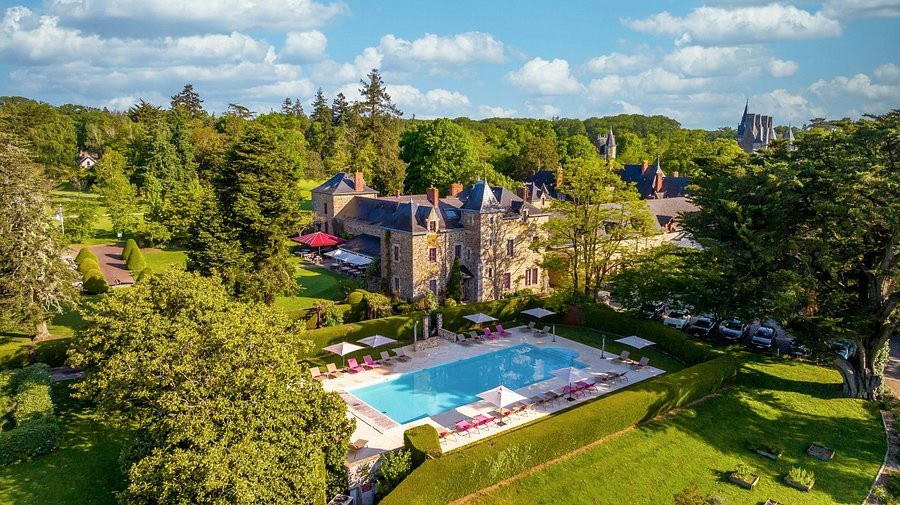
Refined and elegant setting with warm, welcoming atmosphere; refined decor with balanced, high-quality ingredients creating a sophisticated yet comfortable dining experience.