
Michelin Selected
A Michelin Selected hotel on Carnac's avenue des Druides, Le Celtique sits at the quieter, more residential end of Brittany's most-visited megalithic town. The address places guests within reach of the alignments and the beach strip alike, while the Michelin selection signals a baseline of comfort that sets it apart from the town's standard seasonal stock.

Pearl is the En Primeur Club membership app — saves, bookings, and concierge access live there. Same editors, same standards.
- Address
- 82 Av. des Druides, 56340 Carnac, France
- Phone
- +33 2 97 52 14 15
- Website
- hotel-celtique.com
- Directions
- Get directions
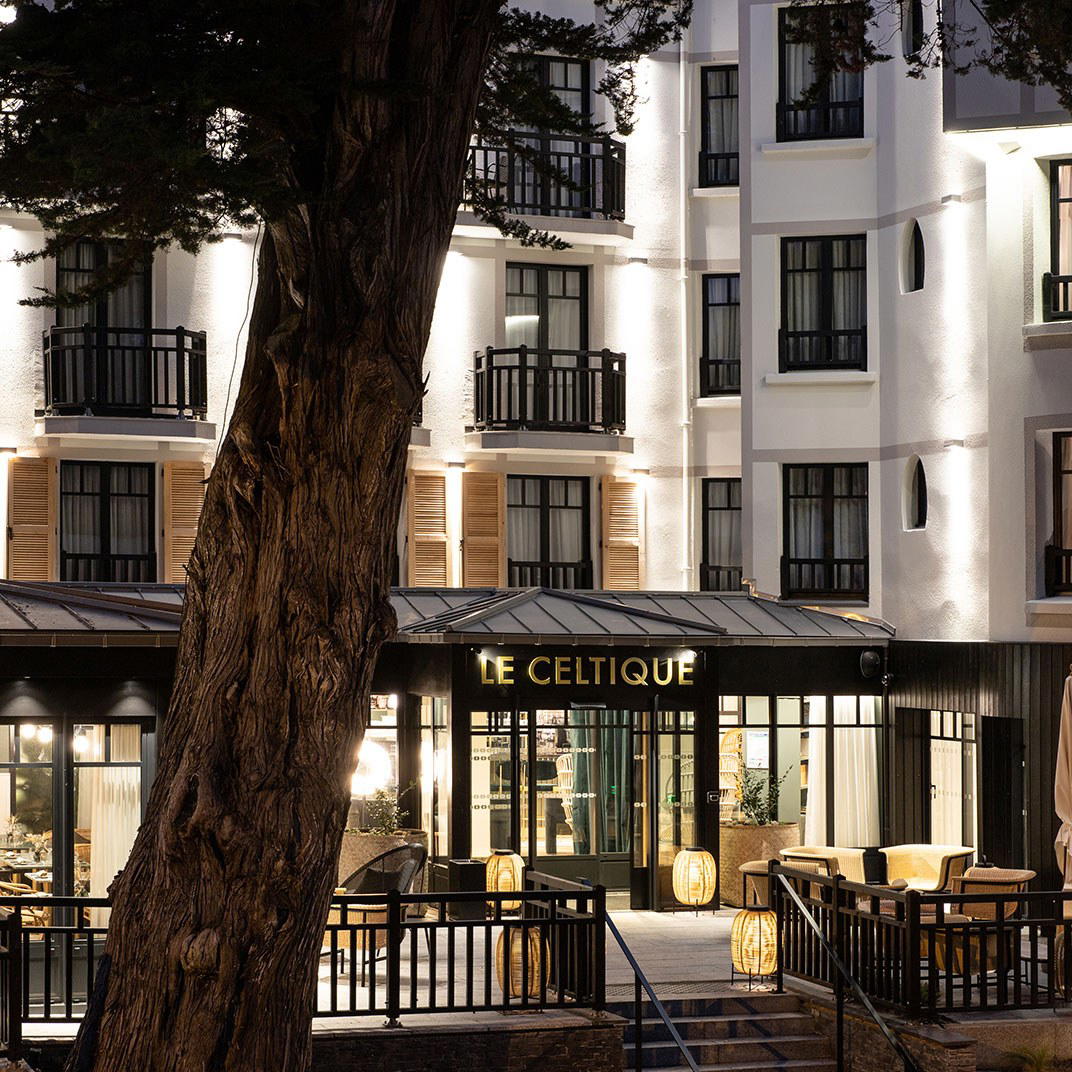
Stone, Coast, and the Architecture of a Breton Stay
Carnac occupies a particular position in French Atlantic tourism: it is simultaneously an archaeological site of international significance and a mid-sized beach resort that empties sharply outside July and August. Avenue des Druides, the road that runs along the northern fringe of the town toward the megalithic alignments, is where these two identities converge most legibly. The address at number 82 places Le Celtique in the zone where Carnac's resort architecture gives way to something quieter, closer to the stone rows that give the whole area its weight. That proximity is not incidental to understanding what kind of stay this is.
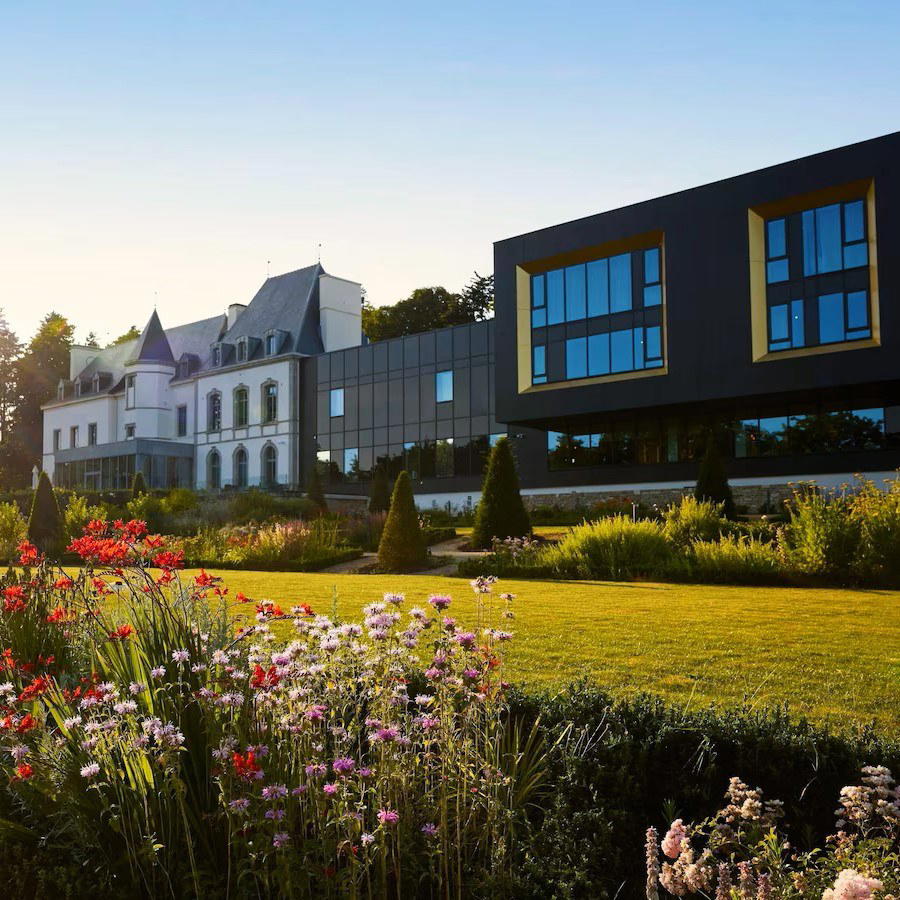
Brittany's coastal hotel stock broadly divides between large, ageing thalassotherapy complexes built during the 1970s and 1980s health-tourism boom, and smaller, owner-operated properties whose character derives from the local building vernacular: granite facades, slate rooflines, shuttered windows in the regional palette of cream and grey. Le Celtique, with its Michelin Selected status confirmed in the 2025 guide, sits outside the thalasso tier and within the smaller, more personally operated category. Michelin's hotel selection process, which evaluates comfort, character, and locational coherence rather than size or facilities arms race, tends to favour this kind of property in provincial France. Across Brittany, properties that receive the designation share a tendency toward restraint over spectacle.
What the Michelin Selection Actually Signals Here
The Michelin Selected designation, as distinct from the guide's starred restaurant recognition, functions as a reliability indicator within its tier. It tells a traveller that the property has been evaluated against a consistent framework and found to meet a threshold of quality and character. In a market like Carnac, where seasonal demand drives a wide range of accommodation quality, that signal is more useful than it might be in Paris or Lyon, where the competitive field is denser and better-documented by other sources. For comparison, Michelin Selected hotels elsewhere in France's more-visited regions, such as La Bastide de Gordes in Gordes or Baumanière in Les Baux-de-Provence, operate at a higher price point and with fuller facilities. Le Celtique's position in Carnac represents the same curatorial logic applied to a more modest market.
That context matters when setting expectations. This is not a property that competes with Le Bristol Paris or Hotel du Cap-Eden-Roc on any axis of scale or luxury provision.
The Fabric of the Avenue and What It Frames
Avenue des Druides takes its name directly from the megalithic culture the town has built its identity around, and the alignment fields begin not far from the road's northern end. Staying on this axis rather than in Carnac's more commercialised southern beach strip gives a different quality of access to the area. The alignments at Ménec and Kermario, where several thousand standing stones are arranged in parallel rows running east to west, are leading experienced in the early morning or late evening when visitor numbers thin and the light comes low across the granite. A base on avenue des Druides puts that kind of access within walking distance in a way that beach-focused accommodation does not.
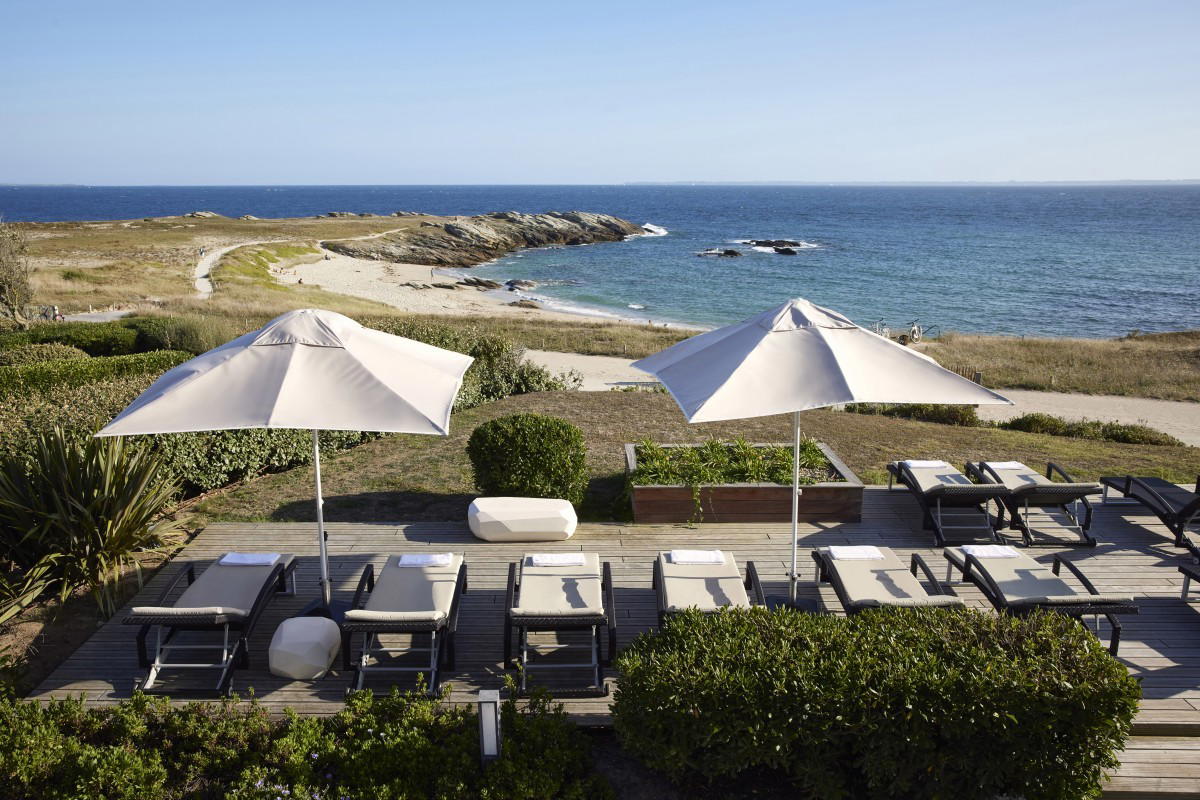
The physical character of the area, low-density, tree-lined, with the particular Atlantic Breton light that photographers and painters have sought here for a century, is part of what a property on this street offers. Carnac does not have the architectural drama of, say, Biarritz's Hôtel du Palais or the vineyard setting of Les Sources de Caudalie outside Bordeaux, but it has a distinct landscape character that rewards slower engagement. The town's main beach, la Grande Plage, is accessible from the southern end of the avenue, keeping coastal access in range without the noise of the resort core.
Planning Your Stay in Carnac
Carnac's tourist season is concentrated between mid-June and early September, with the peak weeks in July and August bringing significant crowds to the alignment sites and the beaches. Visiting in May, June, or September offers lower occupancy, cooler temperatures suited to walking the stone rows, and a version of the town that feels closer to its off-season self. The alignments are partially accessible year-round, though some sectors are fenced for ecological management and rotational grazing, with access paths varying by season. Travellers arriving by rail use Auray, approximately twelve kilometres north, as the nearest mainline station, from which local services or taxis reach Carnac. Car access from Rennes takes approximately two hours on the N166 and D768 routes.
For travellers building a broader French Atlantic or Breton itinerary, Carnac works well as part of a circuit that might include the Quiberon peninsula immediately to the south, the Gulf of Morbihan's island network to the northeast, and the Guérande salt marshes and La Baule further down the Loire-Atlantique coast. Brittany's wider hotel scene has several Michelin-tracked properties beyond Carnac; travellers extending to Normandy will find comparable character-led coastal accommodation, including La Ferme Saint-Siméon in Honfleur.
For travellers planning multi-property French itineraries that include properties in the Alps, the Riviera, or Paris, the contrast in scale and register is considerable: Le K2 Palace in Courchevel, La Réserve Ramatuelle, or the Hôtel de Paris Monte-Carlo represent a different tier entirely. Le Celtique's value is specific to its context: a Michelin-vetted base in one of western France's most singular archaeological landscapes. For further context on Carnac's dining and accommodation options, see our full Carnac guide.
How It Stacks Up
Comparable venues nearby, for context on price, style, and recognition.
| Venue | Cuisine | Price | Awards | Notes |
|---|---|---|---|---|
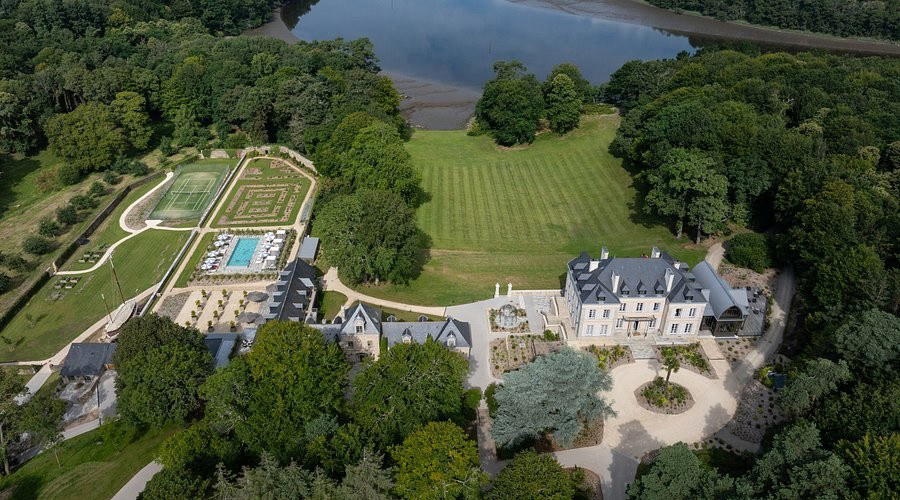
| Le CeltiqueThis venue — the venue you are viewing | Family-run historic beachfront property blending Breton heritage with modern spa luxury | Not listed | Michelin Selected | Not listed |
| La Colonie Maison d'Hôtes | Renovated historic guesthouse with traditional French countryside aesthetics and comfortable elegance. | Not listed | Michelin Selected | Collonges |
| Rock Noir | Contemporary Alpine chalet | Not listed | Michelin Selected | La Salle-les-Alpes |
| Tribe Paris Batignolles | Contemporary lifestyle hotel with open social spaces and innovative design. | Not listed | Michelin Selected | Batignolles |
| Solly Hotel Paris | Boutique hotel in historic Art Deco building with modern updates | $200–300 | Michelin Selected | Le Marais |
| L'Amirauté Brest | Refined contemporary hotel with simple and elaborate decoration in sober neutral tones. | $1–100 | Michelin Selected | Downtown Brest |
Recognition history
Dated appearances from independent guides and award organizations, with the underlying list record or original source where available.
Michelin Selected
Michelin
Details
- Elegant
- Classic
- Scenic
- Cozy
- Romantic Getaway
- Wellness Retreat
- Family Vacation
- Weekend Escape
- Beachfront
- Infinity Pool
- Terrace
- Wi Fi
- Pool
- Spa
- Fitness Center
- Room Service
- Concierge
- Business Center
- EV Charging
- Waterfront
- Wheelchair Accessible
- Elevator
- Accessible Parking
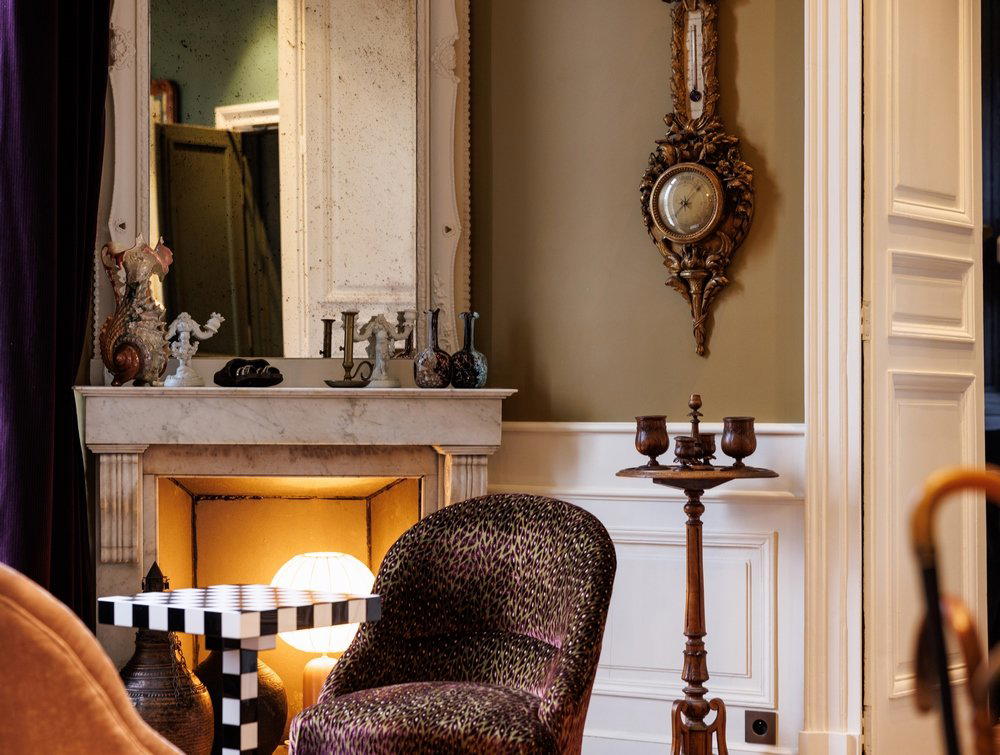
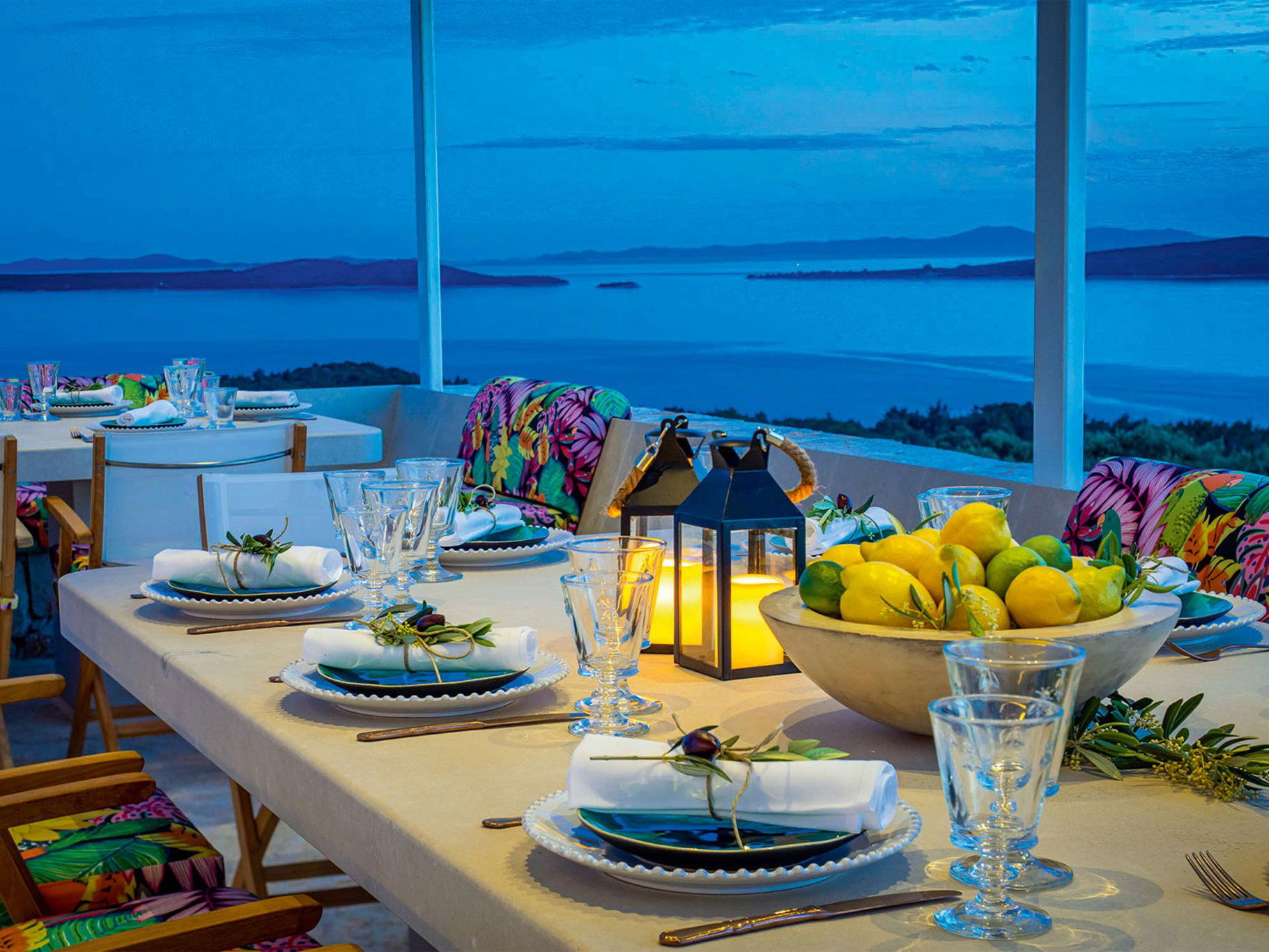
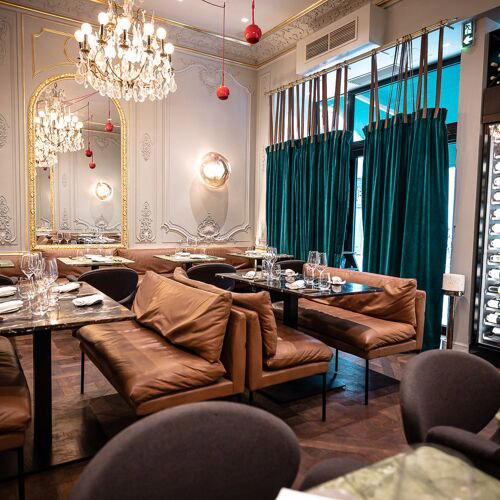
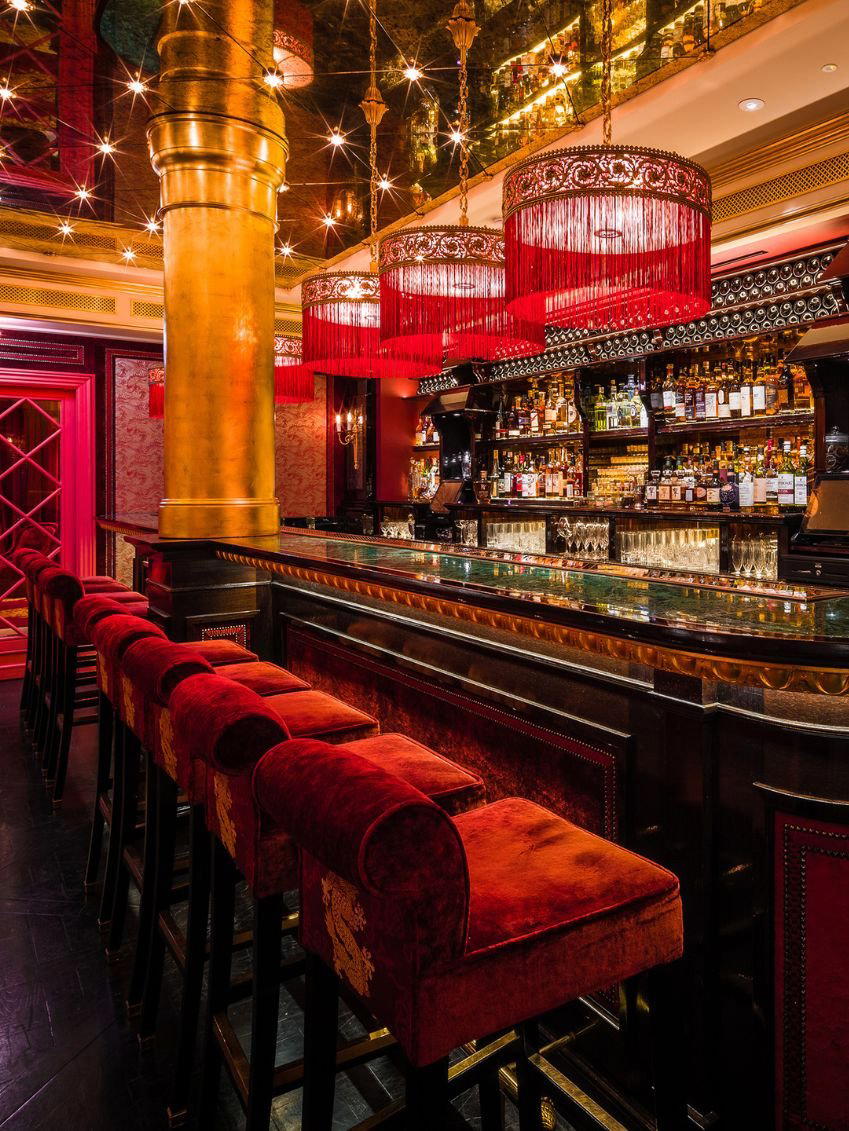
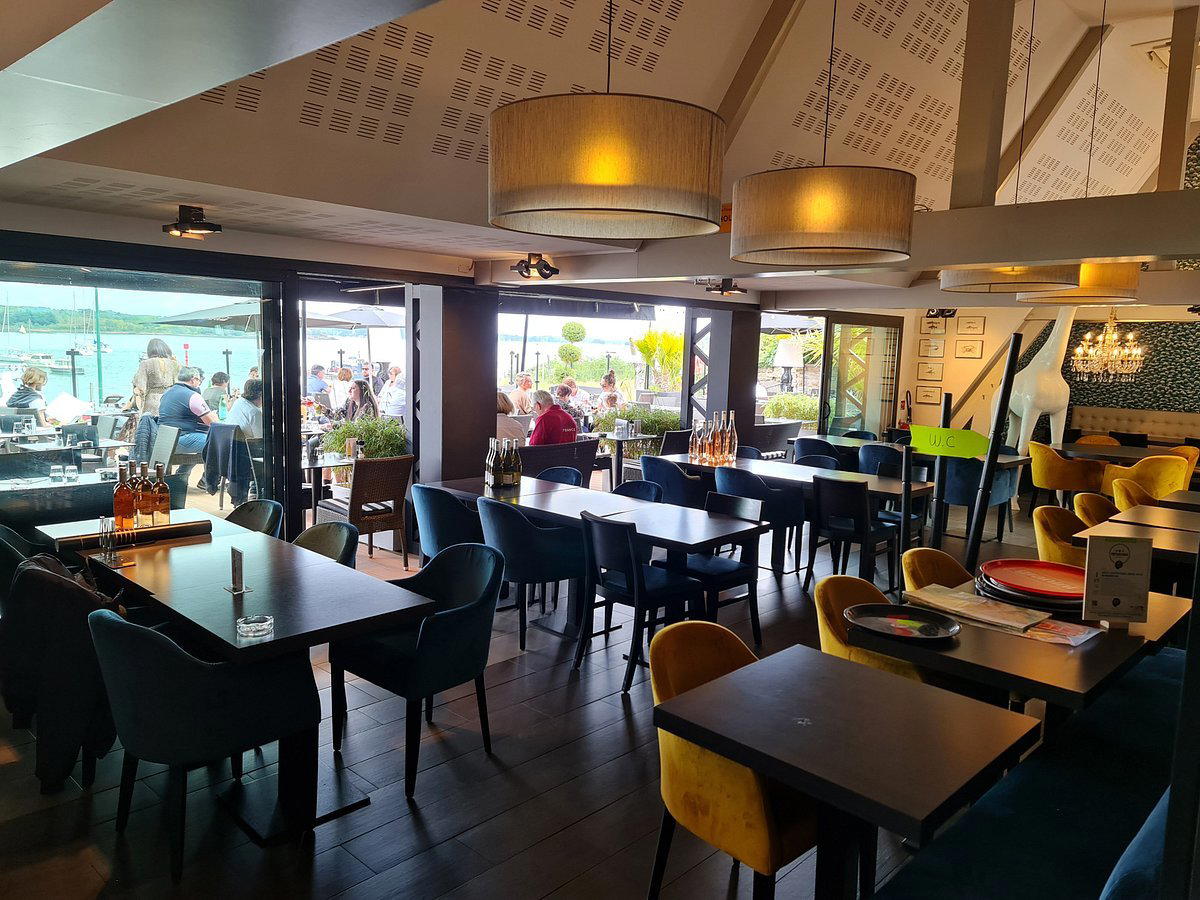
Art Deco elegance with relaxed, sophisticated lighting and serene spa atmosphere praised in guest reviews.