
Le Manoir de Kerbot holds back-to-back Michelin Bib Gourmand recognition in 2024 and 2025, placing it among the Morbihan coast's most consistent addresses for traditional French cooking at a mid-range price point. Chef Louis Gachet works within the classical register at this Sarzeau property, where the cooking draws on the agricultural and maritime produce that defines southern Brittany's table.
Pearl is the En Primeur Club membership app — saves, bookings, and concierge access live there. Same editors, same standards.
- Address
- Kerbot Lieu-Dit, 56370 Sarzeau, France
- Phone
- +33 2 97 26 40 38
- Website
- kerbot.com
- Directions
- Get directions
 Saves & bookings on Pearl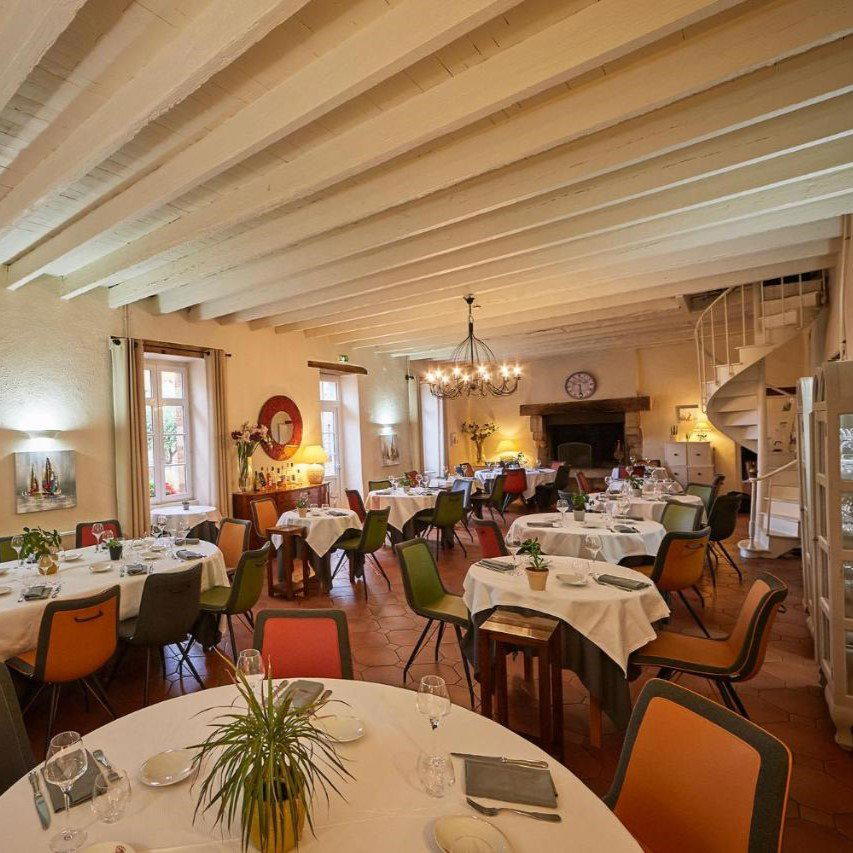
Where Breton Produce Sets the Terms
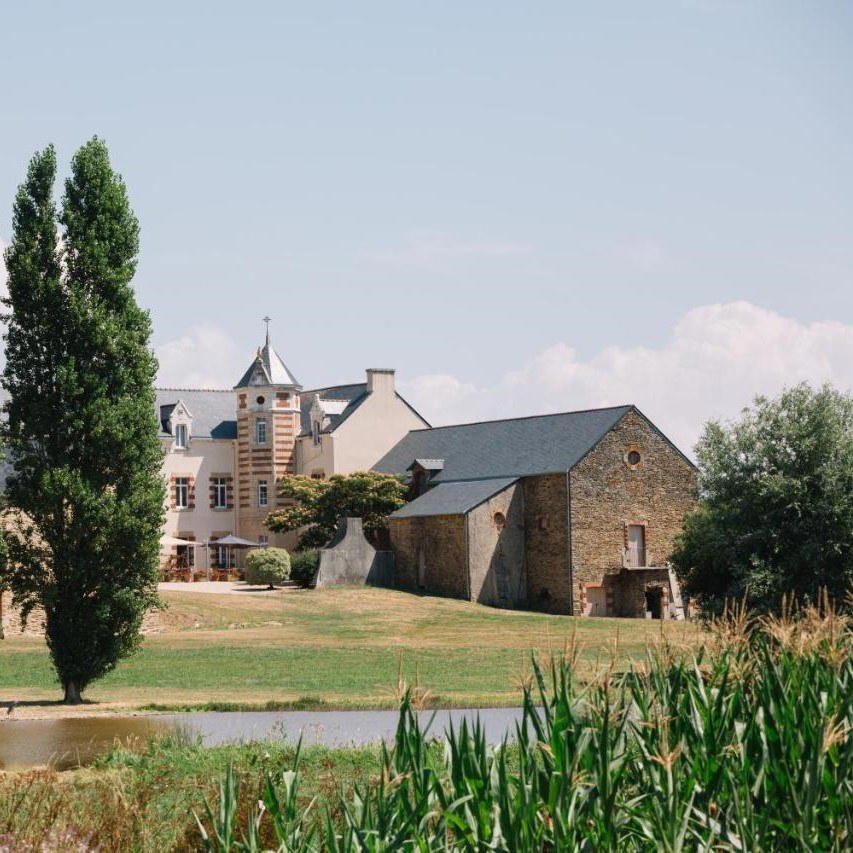
Drive the rural lanes south of Vannes toward the Rhuys Peninsula and the signage for Kerbot Lieu-Dit announces a different kind of dining address. The setting here is the manor-house typology that southern Brittany does quietly and without ceremony: stone, land, a sense of remove from the coastal tourist circuit. That physical context is not incidental. In a region where the leading traditional cooking has always been organised around what the surrounding land and water produce rather than what a chef imports, the location of a restaurant carries real information about the food that will follow.
The Bib Gourmand designation that Michelin awarded Le Manoir de Kerbot in both 2024 and 2025 situates the restaurant in a specific tier of the French dining system. The Bib is not a consolation prize below star level; it is a distinct category, awarded where inspectors find cooking of genuine quality at a price that the broader public can access. In a country where the gap between neighbourhood bistro and starred destination has widened considerably over the past decade, the Bib Gourmand addresses occupy an increasingly important middle ground. Chef Louis Gachet's work at Le Manoir de Kerbot has earned consecutive recognition in that category, which signals consistency rather than a single strong year.
The Produce Logic of Southern Brittany
The editorial angle that matters most at a restaurant like this is not the menu format or the dining room furniture. It is the ingredient chain that connects the kitchen to its immediate geography, because that chain explains everything about why traditional French cooking in a place like the Rhuys Peninsula tastes different from the same nominal tradition practised in a city kitchen.
Southern Brittany, and the Morbihan coastline in particular, offers one of the more concentrated convergences of premium raw material in France. The Gulf of Morbihan's sheltered tidal waters produce oysters, clams, and crustaceans whose flavour profiles are shaped by specific salinity levels and tidal rhythms. Inland from the coast, the Breton agricultural interior supplies dairy, pork, and poultry of a quality that the region has traded on since well before farm-to-table became a marketing concept. The lamb raised on the salt marshes of the peninsula carries a mineral character that has no equivalent further inland. A kitchen working the traditional French register in this environment is not simply executing classical technique; it is applying that technique to a supply chain with genuine specificity.
This is the distinction that separates a credentialed regional address from a formulaic reproduction of French cooking. The traditional cuisine category, as Michelin applies it, does not demand innovation. It demands fidelity to a technique and product tradition. In Brittany, that tradition is anchored in coastline proximity and in the farming rhythms of the bocage interior. Restaurants of this type, and Le Manoir de Kerbot sits within this current, function as something closer to agricultural translators than to creative studios. The kitchen's role is to get out of the way of the produce and apply the correct technique at the correct moment.
Visitors arriving from the starred-restaurant circuit of French cities, say from the creative ambition of Alléno Paris au Pavillon Ledoyen in Paris or the mountain terroir intelligence of Flocons de Sel in Megève, will find a different register operating here. The point is not lesser ambition but a different definition of what the cooking is for. Regional traditional addresses in Brittany are not in dialogue with international fine dining trends; they are in dialogue with their own coastline and calendar.
Sarzeau's Dining Position on the Peninsula
Sarzeau sits at the base of the Rhuys Peninsula, which extends southwest into the Atlantic between the Gulf of Morbihan and the Vilaine estuary. The town anchors a small but coherent dining scene that includes Le Kermer and Les Jardins de Kerstéphanie, two other addresses drawing on the same coastal and agricultural supply base. The concentration of recognised restaurants in a town of this size reflects the quality of the raw material available locally rather than an imported dining culture. Sarzeau is not a gastronomy destination in the way that a city with multiple starred tables might be described. It is a place where good cooking happens because the ingredients make it almost inevitable.
The broader Breton traditional cuisine context includes Auberge Grand'Maison in Mûr-de-Bretagne, another address working within the regional and traditional French register. The comparison is useful because it illustrates how the traditional category operates across different Breton sub-regions: the common thread is agricultural proximity and classical technique, while the specific produce profile shifts with location. On the Rhuys Peninsula, seafood dominance and salt-marsh rearing conditions push the flavour language in a particular direction.
Across the French south Atlantic and Cantabrian coast, the traditional seafood-focused register finds a parallel in addresses like Auga in Gijón, where Galician coastal produce sets an equivalent discipline. The comparison is not about equivalence of ambition but about how coastal geography shapes a kitchen's priorities when the supply chain is short and the produce quality is high.
Planning Your Visit
Le Manoir de Kerbot sits at Kerbot Lieu-Dit in Sarzeau, at a €€ price point that positions it as accessible relative to the region's starred addresses. The Bib Gourmand rating places it in the tier where quality is verified but the price remains within the range of a broadly accessible lunch or dinner. The peninsula location means a car is necessary for most visitors arriving from Vannes or the TGV corridor further north. The manor setting and the reputation for consistent, produce-led traditional cooking draw bookings from both regional visitors and travellers making the Morbihan coastline a dedicated stop rather than a passing detour.
For visitors building a broader picture of Sarzeau, the full planning scope extends to nearby experiences.
For those mapping the restaurant against France's wider traditional and regional dining canon, the reference points span from the Loire Valley approaches of Auberge de l'Ill in Illhaeusern and the Lozère terroir of Bras in Laguiole to the contemporary ambition of Mirazur in Menton and the Champagne-region cooking of Assiette Champenoise in Reims. Each represents a different answer to the question of what French cooking can do when anchored in a specific place. The restaurant's answer, delivered at the €€ tier with consecutive Michelin recognition, is that fidelity to local produce and classical technique remains a credible and satisfying position in its own right.
What to Eat at Le Manoir de Kerbot
What should I eat at Le Manoir de Kerbot?
The kitchen operates in the traditional French register, which means the menu will follow the produce calendar and the coastal supply available on the Rhuys Peninsula. Chef Louis Gachet's approach to traditional cuisine in this geography points toward seafood preparations drawing on Gulf of Morbihan shellfish and Atlantic fish, alongside meat and dairy dishes that reflect the Breton agricultural interior. In a traditional French kitchen of this type, that usually means the fish of the day and any preparation involving local shellfish are one direct expression of why the address has earned its recognition. For comparison and wider context across the French traditional and regional dining spectrum, see also Troisgros - Le Bois sans Feuilles in Ouches, Paul Bocuse - L'Auberge du Pont de Collonges, and AM par Alexandre Mazzia in Marseille.
Price and Recognition
Comparable venues nearby, for context on price, style, and recognition.
| Venue | Cuisine | Price | Awards | Notes |
|---|---|---|---|---|
| Le Manoir de KerbotThis venue — the venue you are viewing | Sarzeau, Gastronomic Breton French | $$$ | Bib Gourmand | Not listed |
| Les Jardins de Kerstéphanie | Not listed | $$$ | Michelin Plate | Sarzeau, Presqu'île de Rhuys, Modern French Seafood |
| Lesage | Sarzeau, Modern French Terre & Mer | $$$ | Michelin Plate | Not listed |
| Le Kermer | centre de Sarzeau, Modern Breton Bistro | $$ | Michelin Plate | Not listed |
| Vivant | Not listed | $$$ | Michelin Plate | Arradon, Modern French Seafood & Vegetable Tasting |
| Maison Cachée | Not listed | $$$ | Bib Gourmand | Rochefort-en-Terre, Modern French Bistronomique |
Recognition history
Dated appearances from independent guides and award organizations, with the underlying list record or original source where available.
Michelin Plate
Michelin
Michelin Bib Gourmand
Michelin
Michelin Bib Gourmand
Michelin
Continue exploring
More in Sarzeau
Restaurants in Sarzeau
Browse all →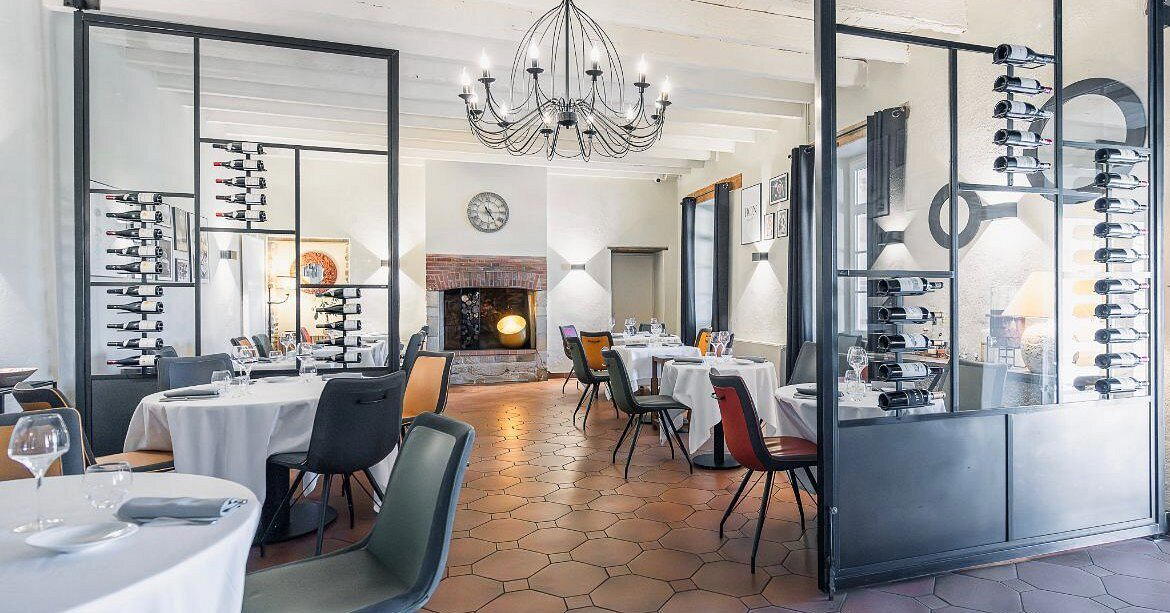
At a Glance
- Romantic
- Elegant
- Classic
- Cozy
- Sophisticated
- Date Night
- Special Occasion
- Celebration
- Historic Building
- Terrace
- Private Dining
- Local Sourcing
- Waterfront
- Garden
Current opening hours
- Monday
- Closed
- Tuesday
- 7–8:30 PM
- Wednesday
- 8–10 AM, 7–8:30 PM
- Thursday
- 8–10 AM, 12–1:30 PM, 7–8:30 PM
- Friday
- 8–10 AM, 12–1:30 PM, 7–8:30 PM
- Saturday
- 8–10 AM, 12–1:30 PM, 7–8:30 PM
- Sunday
- 8–10 AM, 12–1:30 PM, 7–8:30 PM
Hours can change for holidays and private events. Last verified .
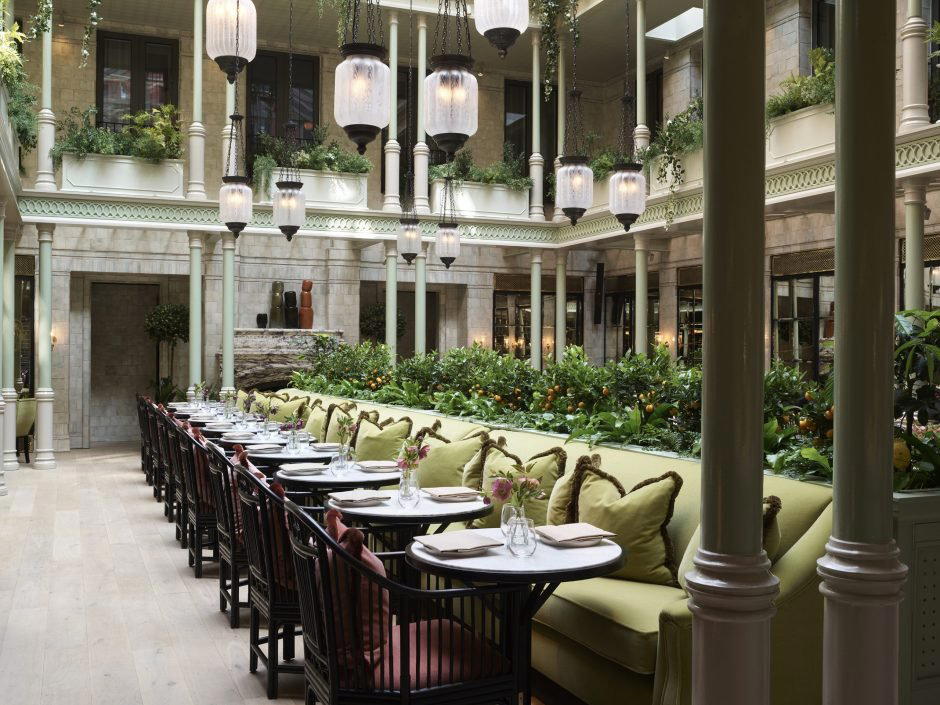
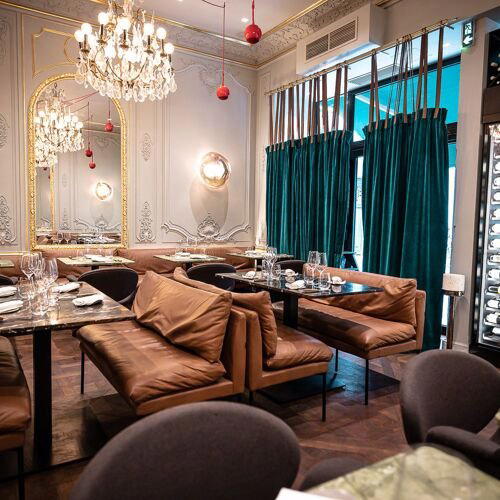
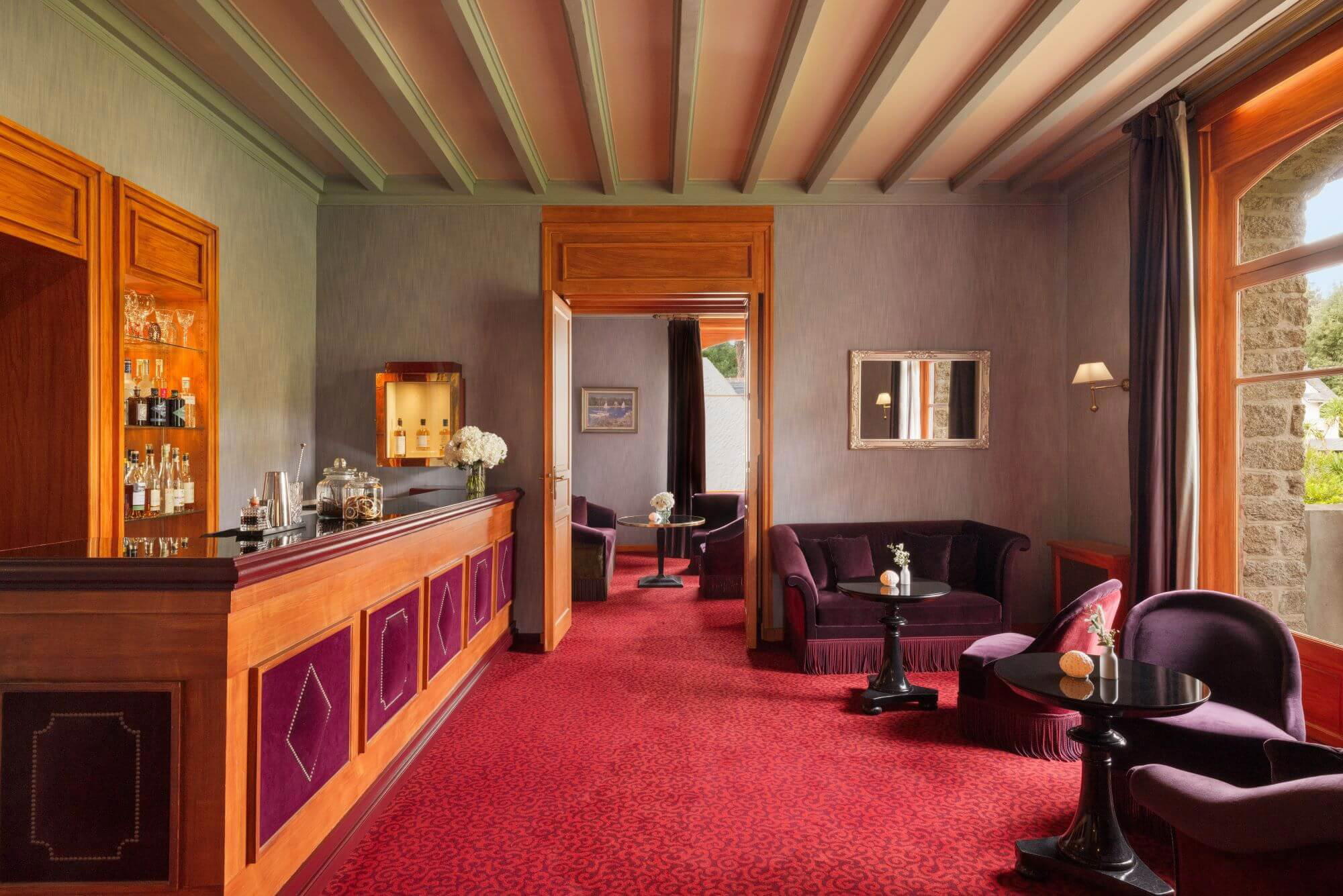
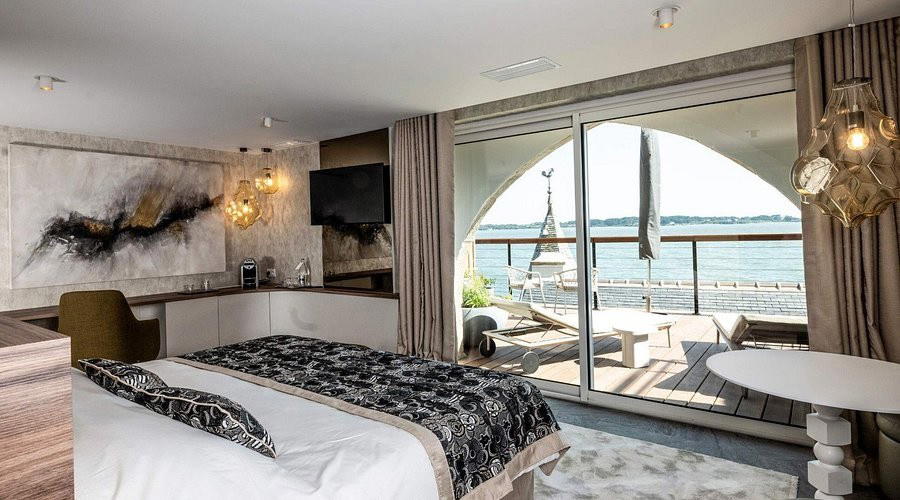
Lumineux et chaleureux with natural light, historic stones, and a peaceful atmosphere overlooking the pond.