Au Fil des Saisons sits on the Promenade des Estivants in Pluméliau-Bieuzy, a quietly serious address in the Breton interior where seasonal sourcing shapes the menu more than any single chef's signature. The restaurant belongs to a tradition of French provincial cooking that follows the agricultural calendar rather than fashion, placing it in a niche that rewards diners willing to travel off the familiar Brittany coastal circuit.
 Discover on Pearl
Pearl is the En Primeur Club membership app — saves, bookings, and concierge access live there. Same editors, same standards.
- Address
- 14 Bis Prom. des Estivants, 56930 Pluméliau-Bieuzy, France
- Phone
- +33297397690
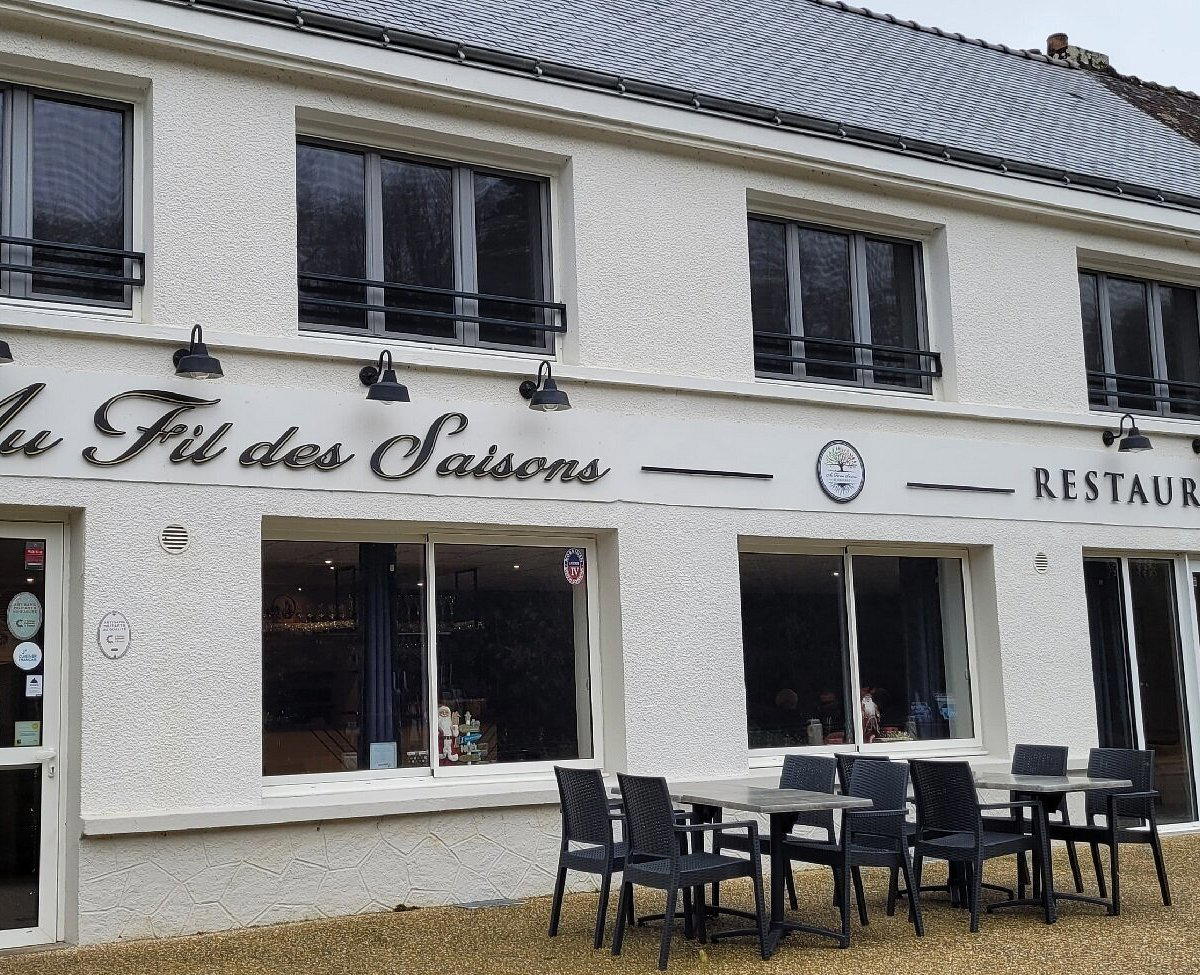
Where the Breton Interior Eats
The coastal reputation of Brittany overshadows everything inland, which is precisely why a table in Pluméliau-Bieuzy carries a different kind of authority. The Blavet valley and the Morbihan backcountry operate on agricultural rhythms rather than tourist ones: buckwheat, heritage pork breeds, river fish, foraged herbs, and the specific dairy culture of a region that never fully traded its pastoral identity for seaside spectacle. Au Fil des Saisons, at 14 Bis Promenade des Estivants in Pluméliau-Bieuzy, France, is a Seasonal French Bistro. The address itself signals the dynamic: a promenade in a village of this scale suggests a local resort culture, the kind of place where French families have taken their August fortnight for generations, and where the leading table in town earns its standing through repetition and trust rather than media cycles.
The Seasonal Sourcing Argument
The restaurant's name, which translates directly as "Along the Seasons," sets the editorial frame before you open the door. In French provincial cooking, that phrase carries real weight. It is the organizing principle behind some of the country's most serious kitchens, from Bras in Laguiole, where Michel Bras built an entire idiom around the Aubrac plateau's plant life, to Auberge du Vieux Puits in Fontjoncouse, where Gilles Goujon anchors a Michelin three-star kitchen to a single remote terroir. The ambition at those addresses is different in scale, but the underlying logic is the same: a menu that changes because the land changes, not because a marketing calendar demands novelty.
In the Breton interior, that logic connects directly to supply chains that larger city restaurants struggle to replicate. Local markets in Morbihan operate on short loops between small producers and nearby kitchens. The gap between field and plate is measurably shorter in a village like Pluméliau-Bieuzy than in a metropolitan center, which gives a serious seasonal restaurant here a structural sourcing advantage. That advantage only matters, of course, if the kitchen actually uses it, and a name like Au Fil des Saisons is as much a statement of intent as a promise to be tested.
The Room and the Setting
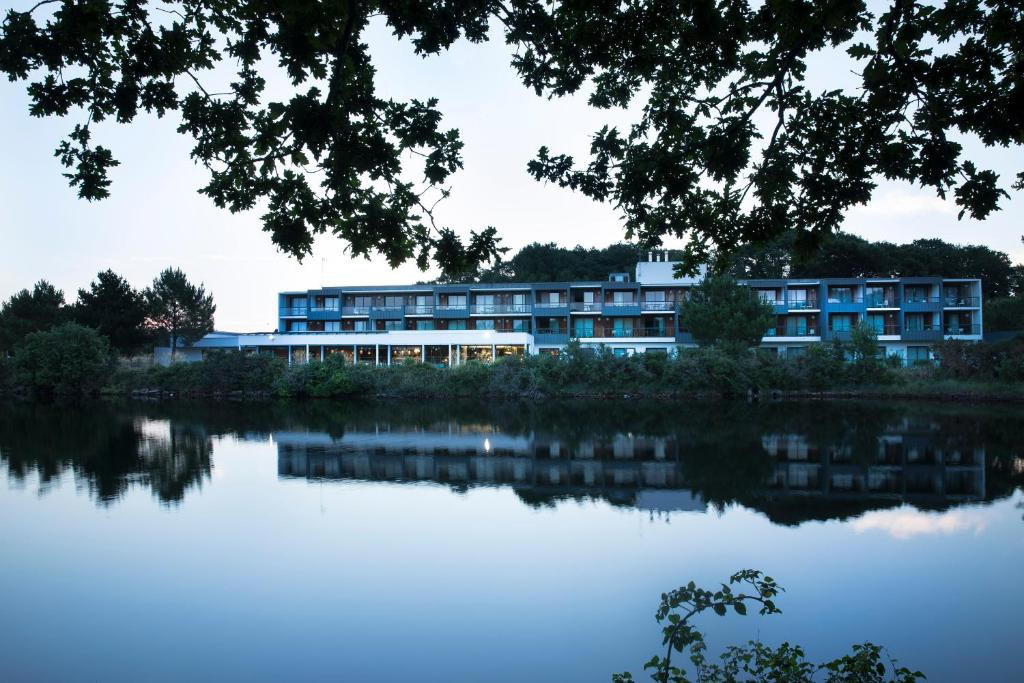
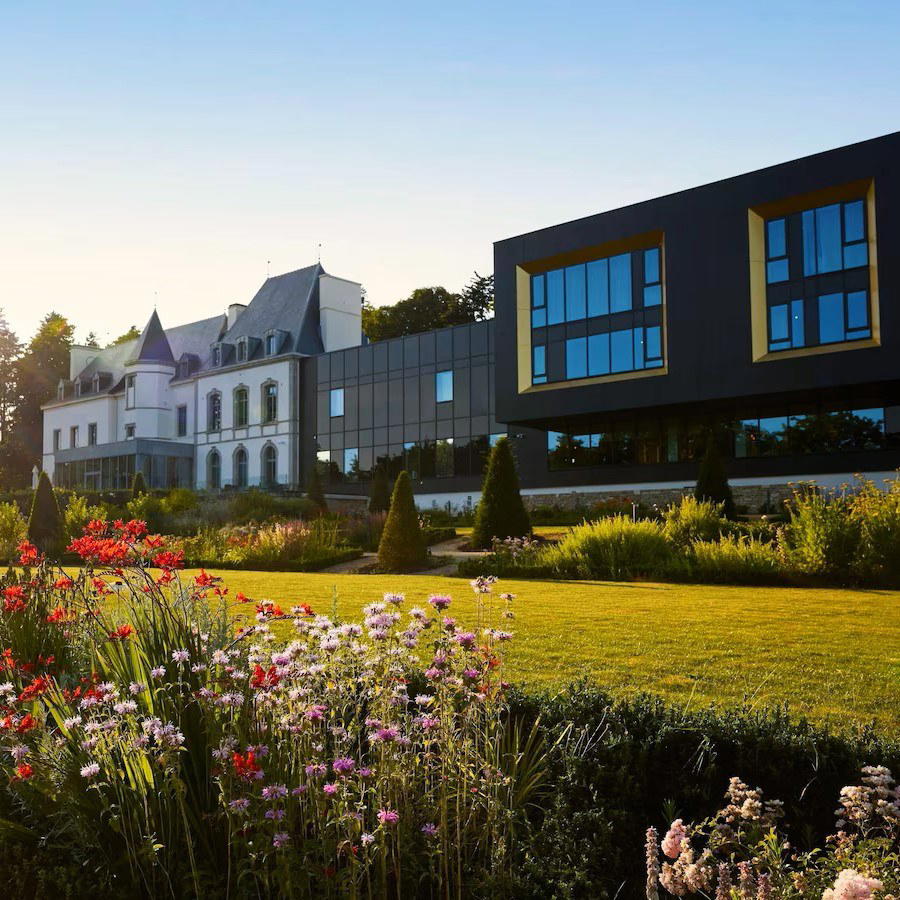
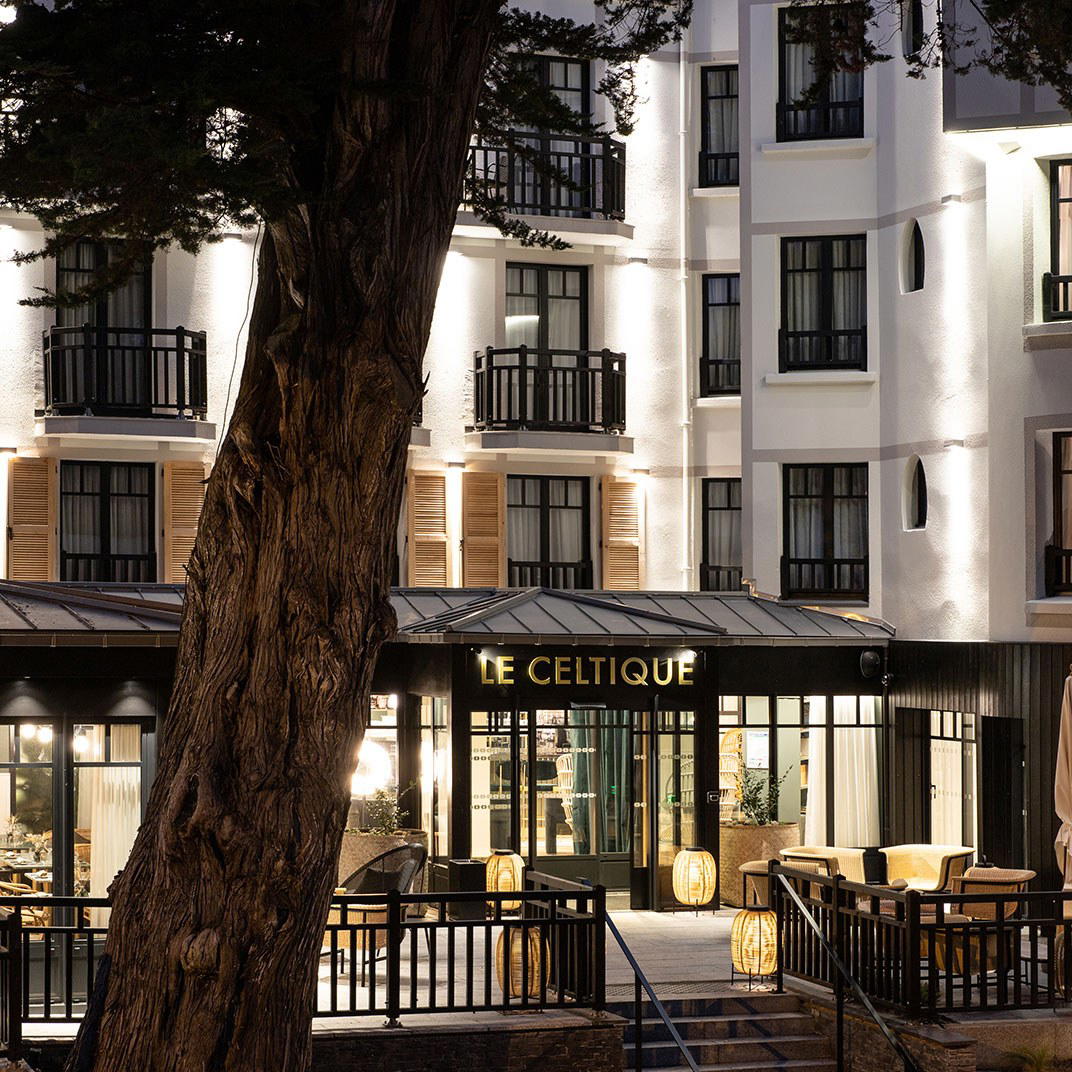
Approaching from the promenade side, the setting is recognizably Breton: stone architecture, a village scale that feels unhurried, a river valley that keeps the temperature a degree or two lower than the coast in summer. French restaurant rooms of this type, in villages of this size, tend toward the personal rather than the designed. You read the room through accumulated choices, the tablecloths, the glassware, the way bread is presented, rather than through a signature interior scheme. The atmosphere, by the logic of the address and the name, should feel closer to a serious family-run auberge than to an urban dining room, with the warmth that tradition implies alongside the culinary discipline that a name built around seasonality demands.
The comparison that positions Au Fil des Saisons most accurately is the one-room, owner-operated French provincial restaurant that earns its clientele through consistent seasonal cooking and stays full through word of mouth and repeat visits from a regional catchment. That tier produces some of the most honest eating in France, and it is systematically underrepresented in English-language travel coverage, which skews toward destinations already on the starred map. Houses like Maison Lameloise in Chagny or Les Prés d'Eugénie in Eugénie-les-Bains represent what this tier looks like at its most decorated. Au Fil des Saisons sits at the foundational level of that same tradition.
Provincial French Cooking in European Context
France's most compelling dining is not concentrated at the three-star level, however impressive those addresses remain. Alléno Paris au Pavillon Ledoyen, Mirazur in Menton, and Flocons de Sel in Megève represent the country's most technically ambitious cooking, but they operate in a different register from the seasonal provincial restaurant. The latter tradition, from Auberge de l'Ill in Illhaeusern to Georges Blanc in Vonnas and Paul Bocuse in Collonges-au-Mont-d'Or, was built on the premise that a region's leading ingredients, prepared with technical seriousness, justify a destination journey on their own terms. That argument holds as firmly in Morbihan as in the Rhône valley or Alsace.
For a broader international comparison, the parallel to Lazy Bear in San Francisco is instructive: a restaurant where format, sourcing philosophy, and a commitment to a specific local food culture matter more than conventional markers. Across the Atlantic, Le Bernardin in New York City offers the contrast, a kitchen where product quality is similarly non-negotiable but the urban context and scale differ entirely. The seasonal rural French model is its own category, and Au Fil des Saisons occupies it on the Brittany interior's terms.
Planning a Visit
Pluméliau-Bieuzy is leading approached by car from Pontivy, roughly 20 kilometres to the east, or from Lorient and Vannes further south and southeast. The village is not on a mainline rail route, making independent transport the practical assumption. Given the restaurant's village scale and apparent positioning as a local institution, booking ahead is prudent, particularly through July and August when the Morbihan interior draws its seasonal French clientele. The Promenade des Estivants address suggests a summer trade that fills the dining room during peak weeks. Outside that window, spring and autumn offer the seasonal menus most directly tied to Breton agricultural rhythms: asparagus from the Morbihan sandy soils, game in autumn, the specific root vegetable and dairy cooking that defines winter in the Blavet valley. The restaurant is recommended for reservations and is open Wednesday through Sunday for lunch, with dinner service Thursday through Sunday.
Comparable Spots, Quickly
Comparable venues nearby, for context on price, style, and recognition.
| Venue | Cuisine | Price | Awards | Notes |
|---|---|---|---|---|
| Au Fil des SaisonsThis venue — the venue you are viewing | Seasonal French Bistro | $$$ | , | |
| Le Ratelier | Traditional French Seafood Bistro | $$$ | , | Carnac town center |
| Auberge du Trieux | Creative French Terroir Bistro | $$$ | , | Lézardrieux |
| Momento | Modern French-Mexican Fusion | $$$ | 1 recognition | Bué |
| Manoir Le Quatre Saisons | Traditional French Bistro | $$$ | , | Saint-Brieuc |
| Atelier de Candale | Seasonal French wine‑country restaurant in the vineyards | $$$ | , | Saint-Laurent-des-Combes / Saint-Émilion vineyards |
Continue exploring
More in Plumeliau
Restaurants in Plumeliau
Browse all →
Bars in Plumeliau
Browse all →
At a Glance
- Cozy
- Scenic
- Elegant
- Rustic
- Date Night
- Family
- Special Occasion
- Waterfront
- Terrace
- Local Sourcing
- Waterfront
Lumineuse et confortable salle with harmonious atmosphere, terrace dining with river views.