Au Cheval

Au Cheval sits on West Randolph Street at the edge of Chicago's Fulton Market corridor, a French bistro-inflected American diner that has tracked consistently on Opinionated About Dining's North American casual rankings since 2023. Open seven days a week from 10 am, it draws a cross-section of the city's dining public and holds,000 reviews, which is a meaningful signal for a high-volume room.
Pearl is the En Primeur Club membership app — saves, bookings, and concierge access live there. Same editors, same standards.
- Address
- 800 W Randolph St, Chicago, IL 60607
- Phone
- (312) 929-4580
- Website
- auchevaldiner.com
- Directions
- Get directions
 Saves & bookings on Pearl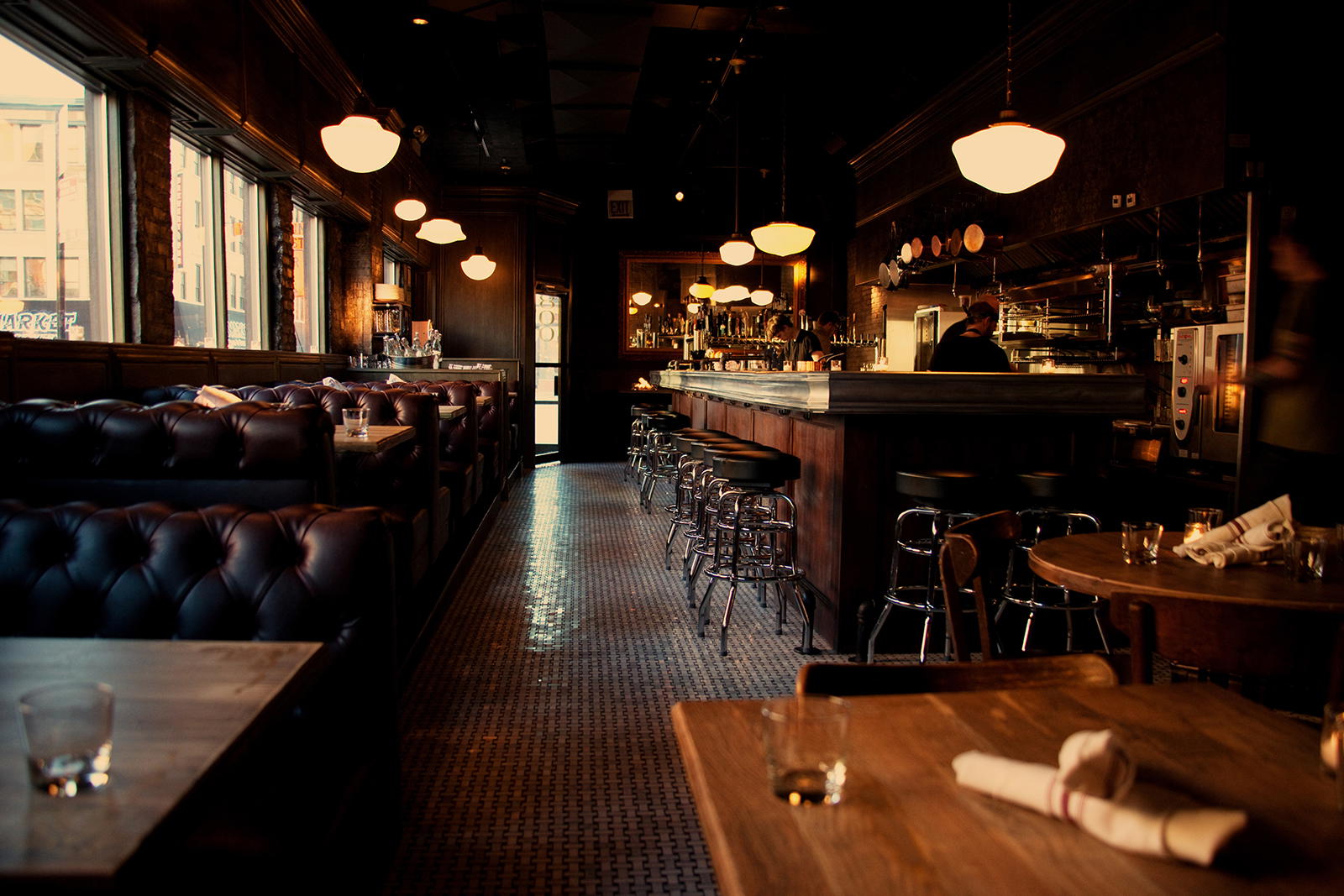
West Randolph, Late Morning, the Smell of Rendered Fat
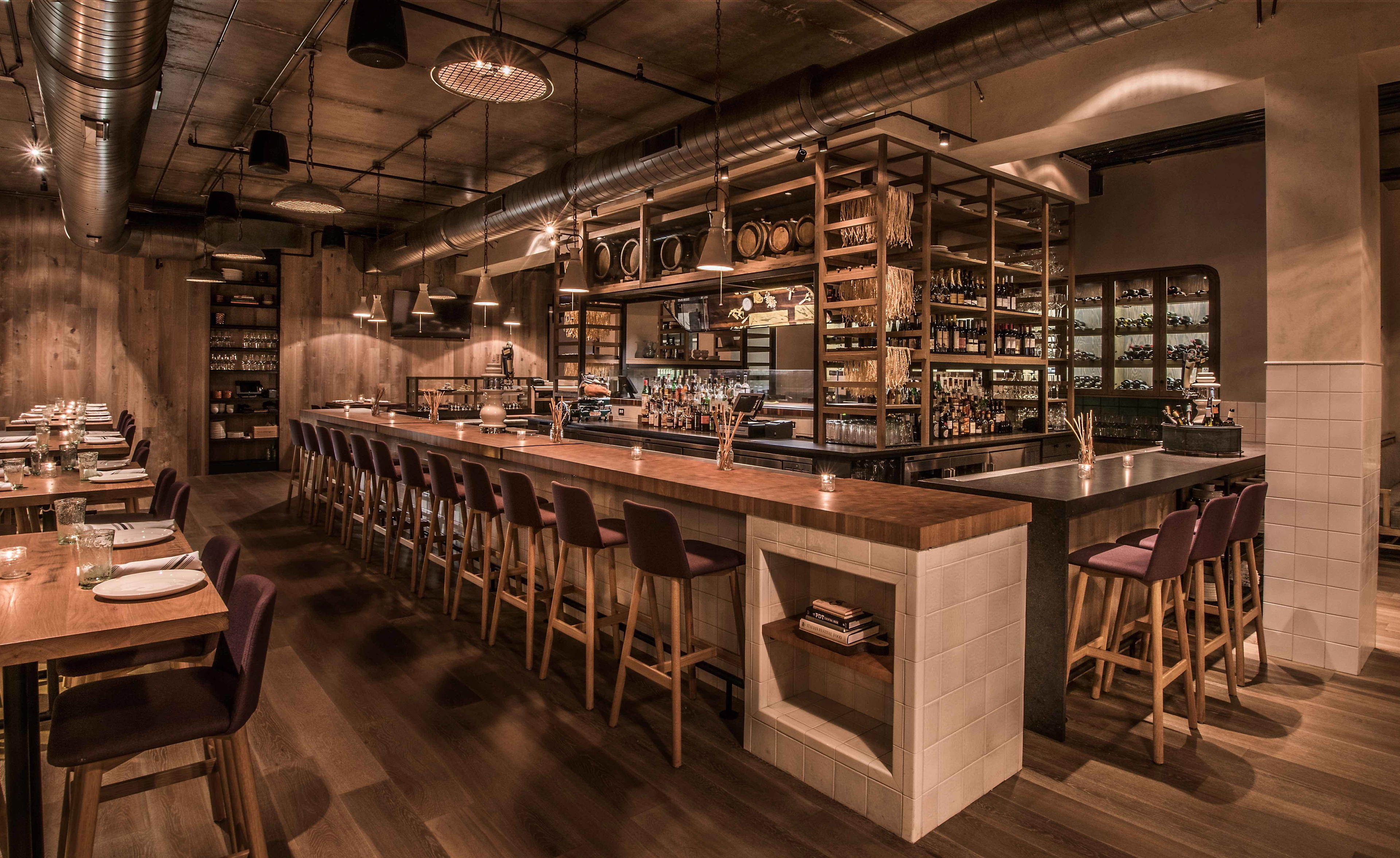
Step onto West Randolph Street on a weekday morning and the Fulton Market district already hums with a particular kind of Chicago ambition: converted meatpacking buildings now housing some of the city's most-watched restaurants, loading docks replaced by glass frontage and curated lighting. Au Cheval occupies 800 W Randolph at the eastern edge of this corridor, and even before you push through the door the scent of rendered fat and black coffee signals what kind of room you are about to enter. Dark wood, diner counter logic, the clatter of an open kitchen: the design vocabulary is deliberate French bistro refracted through an American roadside diner, and the combination has proven durable. The restaurant opens at 10 am daily, which makes it an outlier on a street where most kitchens don't fire until dinner.
Where French Bistro Format Meets American Ingredient Reality
The French bistro in North America has always been a negotiation. Brasserie formulas travel reasonably well, but the ingredient logic behind them, the terroir-specific charcuterie, the particular fat content of French dairy, the regional specificity of certain cuts, requires either importation or local substitution. Chicago kitchens have generally chosen the latter, and Au Cheval sits squarely in that tradition. The format here is bistro in structure (counter seating, a mid-length menu built around a few anchor proteins, a wine list that doesn't demand study) while the sourcing leans into the American Midwest's own strengths: beef with genuine marbling, pork with fat depth, eggs from suppliers who can deliver at the volume a busy counter demands.
That sourcing logic matters more than it might appear. The French bistro canon, in its home context, is inseparable from the specific character of its raw materials: the particular acidity of French mustard, the quality of lard rendered from heritage breeds, the freshness of offal in a market culture that moves whole animals. When American kitchens commit to bistro forms without engaging those ingredient questions seriously, the result reads as theme rather than translation. The rooms that work, from Republique in Los Angeles to Belleville in Portland, tend to be the ones where the kitchen treats domestic sourcing as a genuine argument rather than a compromise. Au Cheval's position on the Opinionated About Dining casual rankings across multiple consecutive years suggests the room has sustained its quality proposition across a period when many similar concepts softened.
The Room as Context for What You're Eating
Chicago's Fulton Market addresses have become status-bearing in the way that a Tribeca zip code once conferred credibility in New York. The neighbourhood now contains some of the city's most-discussed fine dining, including the kind of tasting-menu restaurants, Alinea, Smyth, Oriole, Ever, that require months of forward planning and carry Michelin recognition at the highest levels. The restaurant operates in a different register entirely. There are no courses, no amuse-bouches, no sommelier who will anchor you to a pairing. What the room offers instead is the kind of casual eating that a city's dining culture needs as counterweight to its tasting-menu prestige: food that requires no ceremony, a room you can walk into at midday without a reservation booked three months ahead, and a price point that reflects the bistro tradition's fundamental democratic premise.
That said, the,763 reviews indicates the room operates under scrutiny. At that review volume, a high average score is harder to maintain than at low-traffic establishments, and it signals a consistency that the kitchen has evidently maintained across changing staff and a pandemic-era disruption that reshaped much of Chicago's restaurant landscape. For context on the full range of what Chicago's restaurant scene offers across formats and price points, see our full Chicago restaurants guide.
The Bistro Counter and What It Demands of the Kitchen
Counter service in the bistro tradition is not a lesser format. The French zinc bar developed as the primary surface for serious eating, not as an alternative to table dining, and kitchens that take counter seats seriously plate to a different rhythm: faster, more direct, less architecture on the plate. The disciplines required are different from those at tasting-menu counters like Kasama or the omakase rooms that have proliferated in Chicago's North Side, but they are not lesser disciplines. Timing a table of four at a busy lunch service while maintaining temperature and texture discipline across protein-heavy bistro plates is a kitchen management problem that has humbled experienced operations. Brendan Sodikoff's kitchen at the restaurant has addressed that problem well enough to hold OAD recognition across multiple ranking cycles.
Planning Your Visit
The restaurant opens at 10 am Monday through Saturday, closing at 11:15 pm, with a slightly earlier 10:15 pm close on Sundays, making it one of the few serious kitchens on this stretch of Randolph with daytime availability. The all-day format means the room absorbs both lunch and dinner traffic, and weekend evenings tend to draw the longest waits. Arriving in the late morning or at off-peak lunch hours generally offers the path of least resistance. The address is 800 W Randolph St, in the heart of the Fulton Market district, accessible by transit via the Morgan CTA Green and Pink Line stop two blocks west.
Comparable Options
Comparable venues nearby, for context on price, style, and recognition.
| Venue | Cuisine | Price | Notes |
|---|---|---|---|
| Au ChevalThis venue — the venue you are viewing | Upscale Diner Burgers & Egg Dishes | $$ | Not listed |
| Big Jones | Modern Southern | $$ | Andersonville |
| Ina Mae | New Orleans Creole & Southern | $$ | Wicker Park |
| Little Goat | Globally Inspired Diner | $$ | Lakeview |
| Walker Bros. Original Pancake House | Classic American Pancake House | $$ | null |
| Manny’s | Classic Jewish Deli | $$ | South Loop |
Recognition history
Dated appearances from independent guides and award organizations, with the underlying list record or original source where available.
Opinionated About Dining Casual in North America Recommended
Opinionated About Dining
Opinionated About Dining Casual in North America Ranked #352
Opinionated About Dining
Opinionated About Dining Casual in North America Ranked #205
Opinionated About Dining
Opinionated About Dining Casual in North America Ranked #134
Opinionated About Dining
Opinionated About Dining Gourmet Casual Dining in North America Ranked #65
Opinionated About Dining
Continue exploring
More in Chicago
More from Chef Brendan Sodikoff
Browse all →
Restaurants in Chicago
Browse all →
Bars in Chicago
Browse all →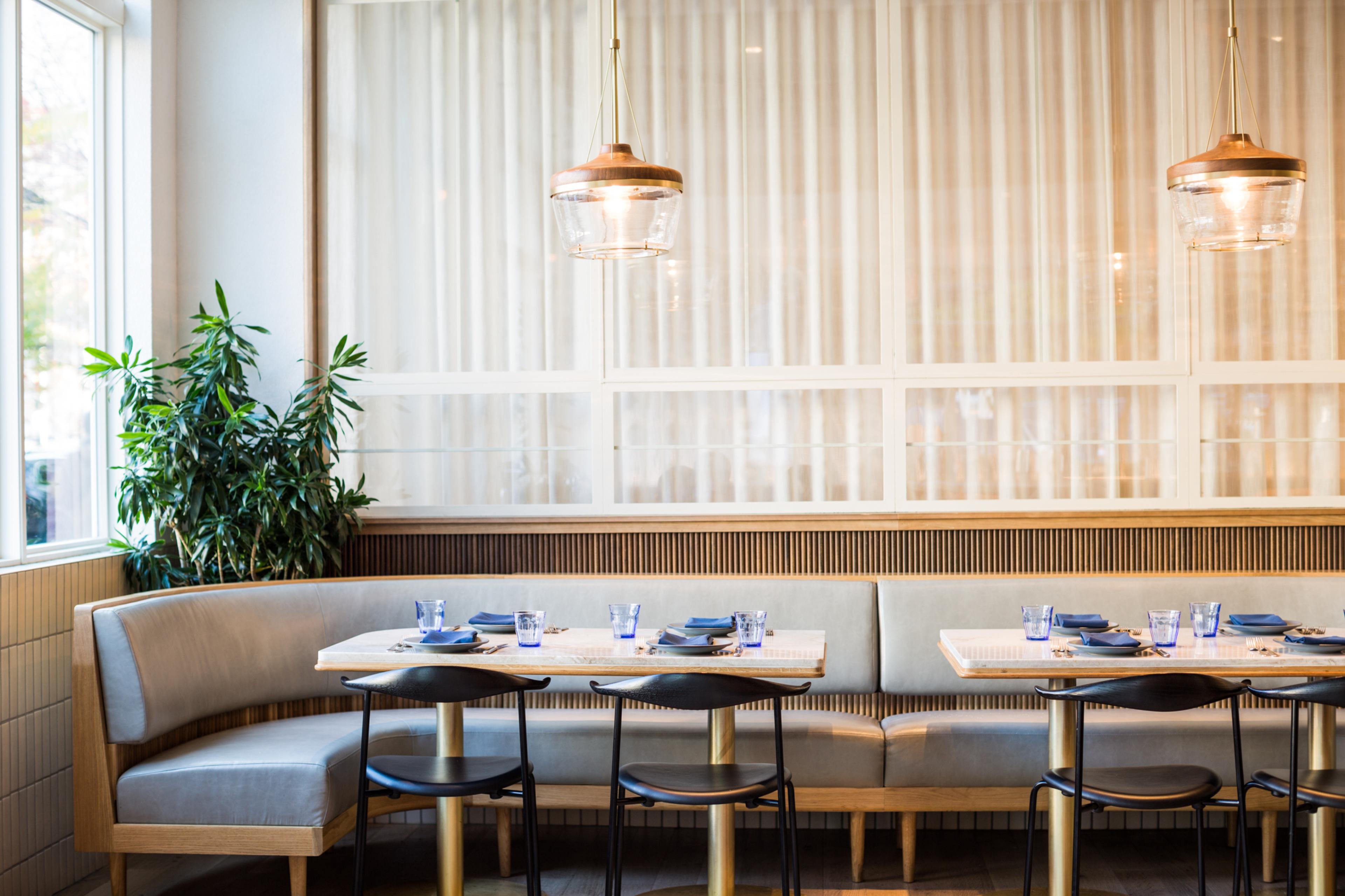
At a Glance
- Lively
- Cozy
- Trendy
- Well Known
- Casual Hangout
- Brunch
- Late Night
- Open Kitchen
- Craft Cocktails
- Beer Program
Current opening hours
- Monday
- 10 AM–11:15 PM
- Tuesday
- 10 AM–11:15 PM
- Wednesday
- 10 AM–11:15 PM
- Thursday
- 10 AM–11:15 PM
- Friday
- 10 AM–11:15 PM
- Saturday
- 10 AM–11:15 PM
- Sunday
- 10 AM–10:15 PM
Hours can change for holidays and private events. Last verified .
Dark, cozy diner with leather booths, dark wood, bustling open kitchen, and lively atmosphere.