
Tabelog 100 #83
Our verdict
Levian Shinshuu ueda ten gives Ueda’s bakery culture a serious point of reference: bread and cafe service in a house-style setting, with take-out part of the format and children welcome. Its selection for Tabelog Bread EAST “Tabelog 100” in 2020 and 2022 puts it in a more selective regional conversation than the modest spend suggests.

Pearl is the En Primeur Club membership app — saves, bookings, and concierge access live there. Same editors, same standards.
- Address
- 4 Chome-7-31 Central, Ueda, Nagano 386-0012, Japan
- Phone
- +81 268-26-3866
- Hours
- Mon 9 AM–5 PMTue–Wed ClosedThu–Sun 9 AM–5 PM
- Website
- instagram.com
- Directions
- Get directions
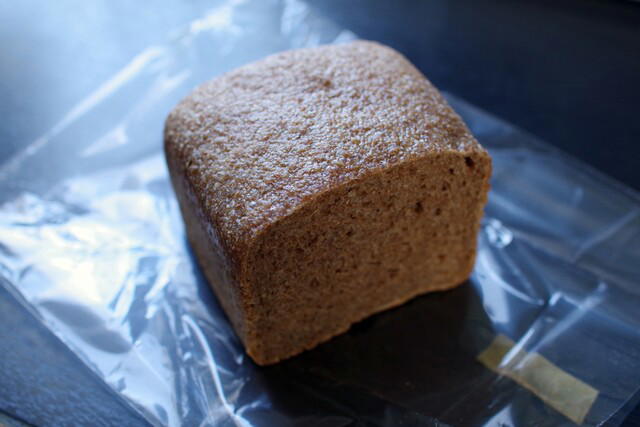
Ueda’s food culture is easier to understand at street level than through grand dining rooms. The city rewards places that work close to the grain, fruit, miso, soba, and mountain produce that define Nagano cooking. In that context, a bakery-cafe such as Levian Shinshuu ueda ten matters because bread here is not just a convenience purchase. It sits between daily food, rural sourcing, and the slower cafe habits of a city that does not need Tokyo’s volume to feel serious.
Nagano’s inland position gives its bakers a different brief from the coastal cities. Wheat, dairy, fruit, nuts, and preserved ingredients all carry local meaning, and the better bakeries tend to read less like patisserie counters and more like small kitchens built around fermentation, texture, and seasonality. Levian Shinshuu ueda ten, listed under bread and cafe, belongs to that tradition. Its 2022 Tabelog Hyakumeiten recognition is the useful signal: this is not a generic bakery listing, but part of the Japan bread conversation that includes serious regional makers outside the capital.
Ueda's bakery scene is rooted in grain, fruit, and low-key cafe culture
The city’s dining map has a broad range for its size. Fika sits in a different dining bracket, while Misuzu Ame Honpo Iijima Shoten Ueda honten anchors a sweets tradition, and Tonkatsu Rikitei represents the city’s comfortable lunch-and-dinner mainstream. Bread occupies a different lane: less formal than a full meal, more ingredient-sensitive than a snack. That middle ground is where Ueda can be especially persuasive, because Nagano’s food identity is built on materials that reward restraint rather than show.
The cafe element also changes the reading. A bakery that can be understood as a pause, not only a retail counter, belongs to a slower provincial rhythm. Its bread-and-cafe category places the experience closer to everyday local eating than to a formal restaurant format. That matters for travellers using Ueda as a cultural stop rather than a transit point. The meal can be brief, but the format gives a more grounded picture of how the city eats between set lunches, sweets shops, and evening reservations.
Ingredient sourcing is the strongest lens here because Nagano’s appeal is agricultural before it is theatrical. Ueda is not trying to compete with Tokyo on sheer density of openings. It has a quieter advantage: proximity to producers, orchards, mountain climate, and old preserving habits. Bread and cafe formats can show that advantage without forcing it into a tasting-menu frame. The result is a useful counterweight to destination dining, especially for readers who build an itinerary around everyday foods as carefully as formal restaurants.
The recognition places it in Japan's serious bread conversation
Tabelog Hyakumeiten recognition is not the same kind of signal as Michelin dining, but it is meaningful in Japan’s bakery category. It separates regional bread specialists from the much larger field of cafes, pastry counters, and commuter bakeries. For Ueda, that recognition also carries civic weight: it puts a small-city bakery into a list where the competitive field is not limited to Nagano.
The practical implication is simple. Treat this as a focused bakery-cafe rather than a restaurant designed around courses. The category makes it useful for travellers moving through the city, while the cafe format gives it enough shape for a pause. The reason to pay attention remains the bread category and the way it connects to Nagano’s regional pantry.
Compared with Ueda’s other useful addresses, the value proposition is distinct. Misuzu Ame Honpo Iijima Shoten Ueda honten speaks to confectionery and local gifting; Tonkatsu Rikitei sits in the reliable meal bracket; Fika belongs to a different dining category. Levian Shinshuu ueda ten is the low-commitment stop with disproportionate editorial relevance, because bread is one of the clearest ways to read place when the baker is working inside a strong agricultural prefecture.
How to fold it into a sharper Ueda itinerary
Ueda rewards a day planned across categories rather than a single reservation. Use our full Ueda restaurants guide for the wider dining map, then build outward through our full Ueda hotels guide, our full Ueda bars guide, our full Ueda wineries guide, and our full Ueda experiences guide. The stronger plan is not to chase a single meal, but to let bakery, confectionery, lunch, and local culture explain the city in sequence.
For readers comparing Japanese food stops across cities, Ueda’s appeal is its scale. It does not have the endless specialization of Tokyo or Osaka, but that limitation can be clarifying. A meal in a larger urban dining room answers a different city question. Ueda’s bakery-cafe culture asks the quieter one: what does a regional city do well when it is not performing for a metropolis?
That same contrast helps when placing it beside other casual or specialist addresses across Japan and beyond, from small regional counters to city cafes and focused everyday food formats. Even overseas Japanese-leaning formats show how tightly format shapes expectation. In Ueda, the bakery-cafe remains modest in form, but its regional recognition and ingredient logic make it a sharper stop than the category first suggests.
Frequently asked questions
Is Levian Shinshuu ueda ten okay with children?
Levian Shinshuu ueda ten is listed under bread and cafe, with a lunch budget of JPY 1,000–JPY 1,999 in Ueda. Check the venue's official channels for the latest details.
What's the overall feel of Levian Shinshuu ueda ten?
It reads as a relaxed bread-and-cafe address rather than a formal dining room. The Tabelog Hyakumeiten 2022 recognition gives it clear category credibility in Ueda.
What's the pricing like at Levian Shinshuu ueda ten?
Pricing at Levian Shinshuu ueda ten is listed as JPY 1,000 - JPY 1,999 View spending breakdown.
What is Levian Shinshuu ueda ten known for?
Levian Shinshuu ueda ten is known as a bread-and-cafe address in Ueda with 2022 Tabelog Hyakumeiten recognition.
Fast Comparison
Comparable venues by cuisine and price in the same metro.
| Venue | Cuisine | Price | Awards | Notes |
|---|---|---|---|---|
| Levian Shinshuu ueda tenThis venue — the venue you are viewing | Bakery & cafe | $10–20 | Tabelog 100 #83 | Not listed |
| Tonkatsu Rikitei | Classic Tonkatsu (Pork Cutlet) Restaurant | $20–30 | Tabelog 100 #61 | Tenjin, Ueda |
| Fika | French Bistro | $30–50 | Tabelog 100 #2 | Chuo |
| Misuzu Ame Honpo Iijima Shoten Ueda honten | Traditional Japanese confectionery and fruit jelly shop | $10–20 | Tabelog 100 #55 | Chuo |
| Kita Alps Bokujou | Farm dairy shop & soft-serve ice cream | Not listed | Not listed | Hotaka Ariake, Azumino |
| HARVEST NAGAI FARM Karuizawa ten | Farm-to-table gelato & dairy café | Not listed | Not listed | Harunire Terrace, Hoshino Area |
Recognition history
Dated appearances from independent guides and award organizations, with the underlying list record or original source where available.
Tabelog 100 #83 · No. 83
Tabelog · Tabelog 100 - Bread - EAST - 2022
Continue exploring
More in Ueda
Restaurants in Ueda
Browse all →
Bars in Ueda
Browse all →
Hotels in Ueda
Browse all →
Wineries in Ueda
Browse all →

Details
- Cozy
- Rustic
- Solo
- Casual Hangout
- Brunch
- Standalone
- Design Destination
- Street Scene
- A La Carte
- Counter Dining
Current opening hours
- Monday
- 9 AM–5 PM
- Tuesday
- Closed
- Wednesday
- Closed
- Thursday
- 9 AM–5 PM
- Friday
- 9 AM–5 PM
- Saturday
- 9 AM–5 PM
- Sunday
- 9 AM–5 PM
Hours can change for holidays and private events. Last verified .