On Rue des Dames in the 17th arrondissement's Batignolles quarter, Les Paresseux occupies the register between grand-room dining and neighbourhood bistrot that Paris does better than almost any other city. The address positions it outside the tourist-pressure circuit of the 8th, with the market culture of the surrounding streets informing a kitchen that appears to prioritise seasonal coherence over spectacle.
Pearl is the En Primeur Club membership app — saves, bookings, and concierge access live there. Same editors, same standards.
- Address
- 41 Rue des Dames, 75017 Paris, France
- Phone
- +33974641087
- Website
- lesparesseux.fr
- Directions
- Get directions
 Saves & bookings on Pearl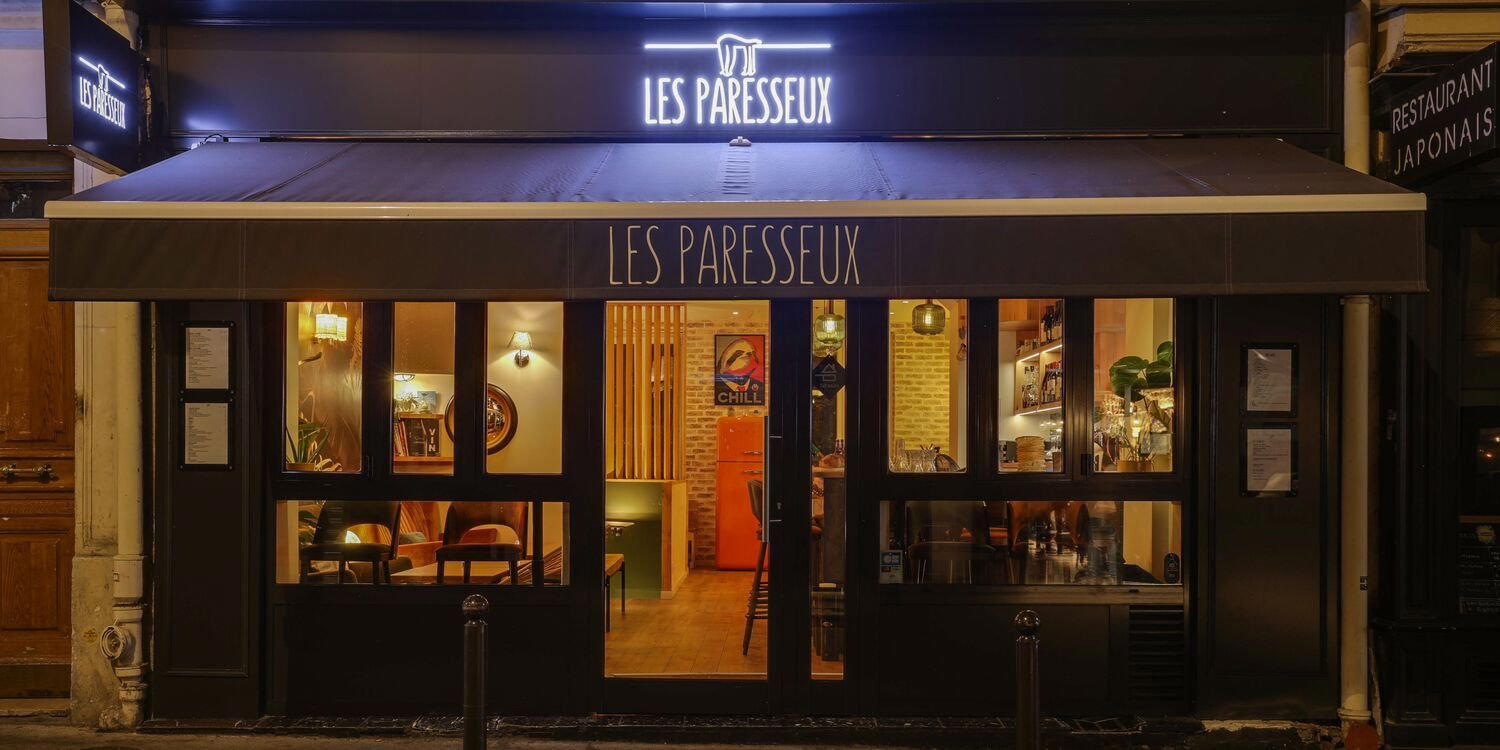
Rue des Dames and the 17th Arrondissement's Quieter Register
The 17th arrondissement operates at a different frequency from the city's more photographed dining quarters. Where the 8th offers grand hotel dining rooms and the Left Bank trades on literary mythology, the Batignolles neighbourhood around Rue des Dames has built a reputation on a more measured kind of seriousness: smaller rooms, fewer covers, less ceremony for its own sake. Les Paresseux, at number 41, sits within that logic. The address alone positions it outside the circuit of grand boulevard restaurants — the kind of Paris dining that requires no red rope, no lobby, no press officer to explain the concept.
This part of the 17th has been absorbing a particular type of Parisian restaurant over the past decade: places that price and cook at a serious level without performing the theatre of grandeur that venues like Le Cinq at the Four Seasons George V or L'Ambroisie on Place des Vosges are built around. The neighbourhood functions as a corrective to all of that, which is part of why addresses here tend to draw a more local, repeat clientele rather than an international first-visit crowd.
The Arc of a Meal: How the Progression Reads
In contemporary French dining, the structure of a meal has become almost as legible as a literary form. There is an established grammar: the opening gestures that set tone and temperature, the courses that build in density and complexity, the cheese trolley or pre-dessert that signals the shift toward resolution, and the closing sweets that let the meal exhale. What separates restaurants working at a serious level from those merely going through the motions is the degree to which that arc feels considered rather than procedural.
At Les Paresseux, the address and neighbourhood context suggest a kitchen with a particular point of view — one less interested in spectacle than in the calibration of a meal's internal logic. The name itself ("the lazy ones" in French, though the irony is presumably intentional) implies a studied nonchalance, the kind that in French culture signals confidence rather than indifference. It is a positioning that several of Paris's more compelling contemporary addresses have adopted: the deliberate step back from ambition-signalling so that the food can carry the argument.
Compare this to the approach at Alléno Paris au Pavillon Ledoyen, where the progression is architecturally ambitious and the room is part of the statement, or to Kei, where Franco-Japanese techniques produce a very specific kind of disciplined sequence. Les Paresseux operates in a different register, less invested in the demonstration of technique as spectacle.
Placing Les Paresseux in the Broader French Dining Map
France's most discussed restaurant progressions tend to cluster at the level of multi-starred destinations: Mirazur in Menton, Troisgros in Ouches, Bras in Laguiole, or Auberge de l'Ill in Illhaeusern. These are rooms where the tasting menu has been refined over generations and the progression of a meal carries the weight of institutional memory. Within Paris itself, the ceiling is set by addresses like Arpège, where Alain Passard's vegetable-forward progressions have redefined what a multi-course French meal can argue.
Les Paresseux sits at a different point in this ecosystem, closer in spirit to the neighbourhood bistrot de cuisine than to the grand destination, but with enough seriousness of intent to distinguish it from the casual end of the Batignolles dining scene. That middle register is increasingly where the most interesting work in Paris dining is being done: restaurants that do not require a Michelin star to validate their relevance but that cook with a precision and coherence that makes a tasting progression worth following from first to last course.
For a broader picture of where Paris dining is positioned right now, from the haute end to the neighbourhood-serious, the EP Club Paris restaurants guide maps the full field.
The 17th as a Dining Neighbourhood
The Batignolles end of the 17th has the texture of a village that has been absorbed into the city without quite losing its grain. The market on Boulevard des Batignolles sets the food culture of the area: seasonal, producer-oriented, less interested in trend-chasing than in quality at the source. Restaurants that succeed here tend to reflect that disposition. They cook from the market, they maintain a short menu, and they earn loyalty through repetition rather than novelty.
Rue des Dames itself is a working street rather than a destination boulevard, the sort of address that Parisians give to friends rather than post on social media. That informality is part of the value proposition for restaurants on this axis.
Outside France, the tradition of serious neighbourhood cooking with a progressive meal structure is well represented at places like AM par Alexandre Mazzia in Marseille or Assiette Champenoise in Reims. In the French provinces more broadly, the model runs from century-old institutions like Paul Bocuse's Auberge du Pont de Collonges to newer addresses like Auberge du Vieux Puits in Fontjoncouse and Flocons de Sel in Megève. Paris's neighbourhood-serious tier is the urban equivalent of that tradition.
For a transatlantic point of comparison on what it means to build a meal with genuine arc and internal logic at the tasting level, both Le Bernardin in New York and Atomix represent the American end of that conversation, and Au Crocodile in Strasbourg anchors the Alsatian branch of the same tradition.
Planning a Visit
Les Paresseux is at 41 Rue des Dames in the 17th arrondissement, accessible from Place de Clichy by a short walk north. The neighbourhood rewards arriving early enough to walk the market boulevard before a meal. As with most serious Paris addresses in this tier, booking in advance is advisable, particularly for dinner on weekends; the specific booking method, current hours, and pricing are best confirmed directly with the venue, as these details shift with the season and the kitchen's current format. Visitors with dietary requirements or allergies are advised to communicate those at the point of reservation rather than on arrival, this is standard practice at this level of French cooking, where menus are often calibrated per table rather than fixed in stone.
How Les Paresseux Paris compares with similar nearby venues.
| Venue | Cuisine | Price |
|---|---|---|
| Mova | Traditional Cuisine | €€ |
| Jupi | Modern Cuisine | €€ |
Continue exploring
More in Paris
Restaurants in Paris
Browse all →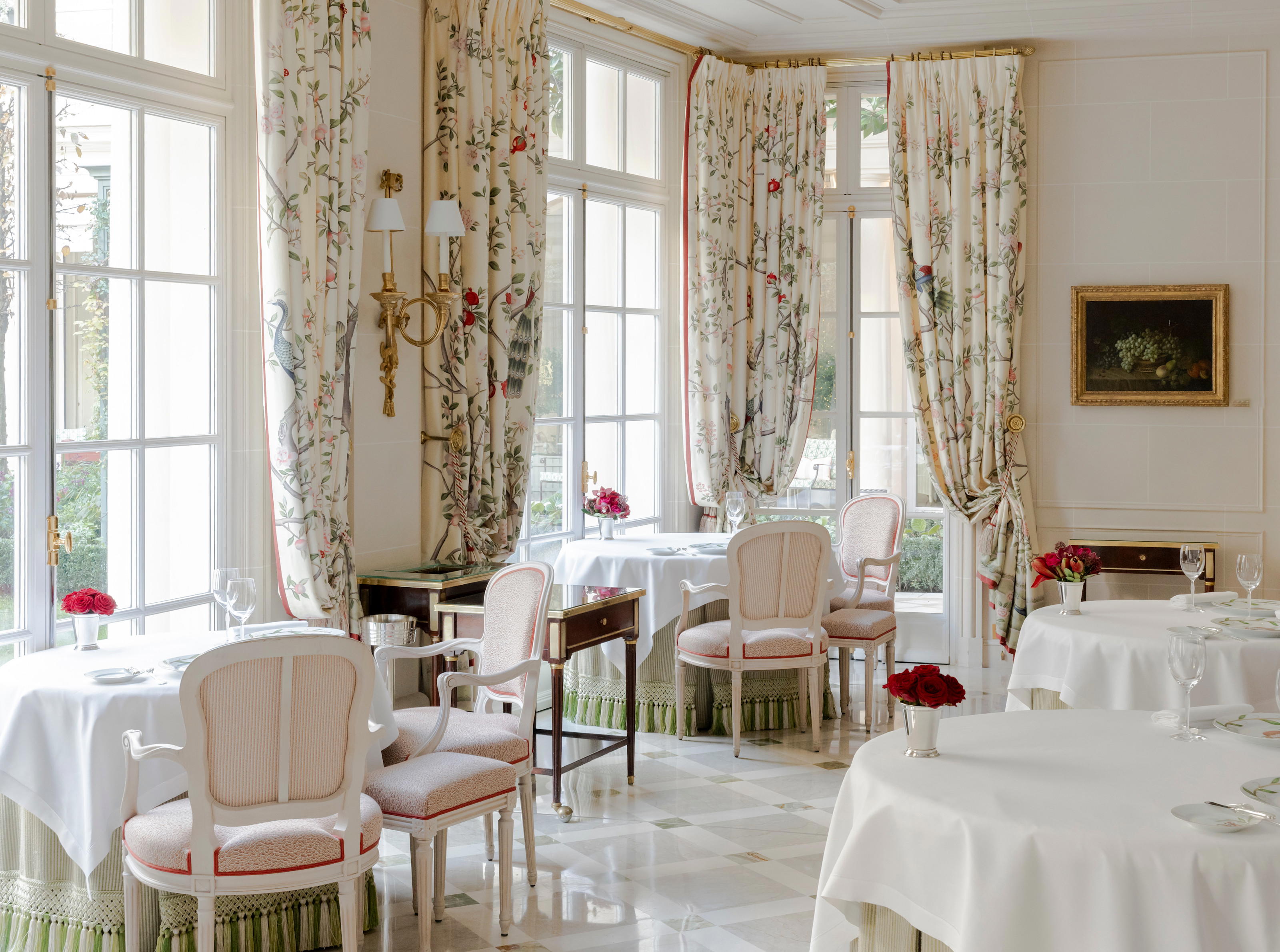
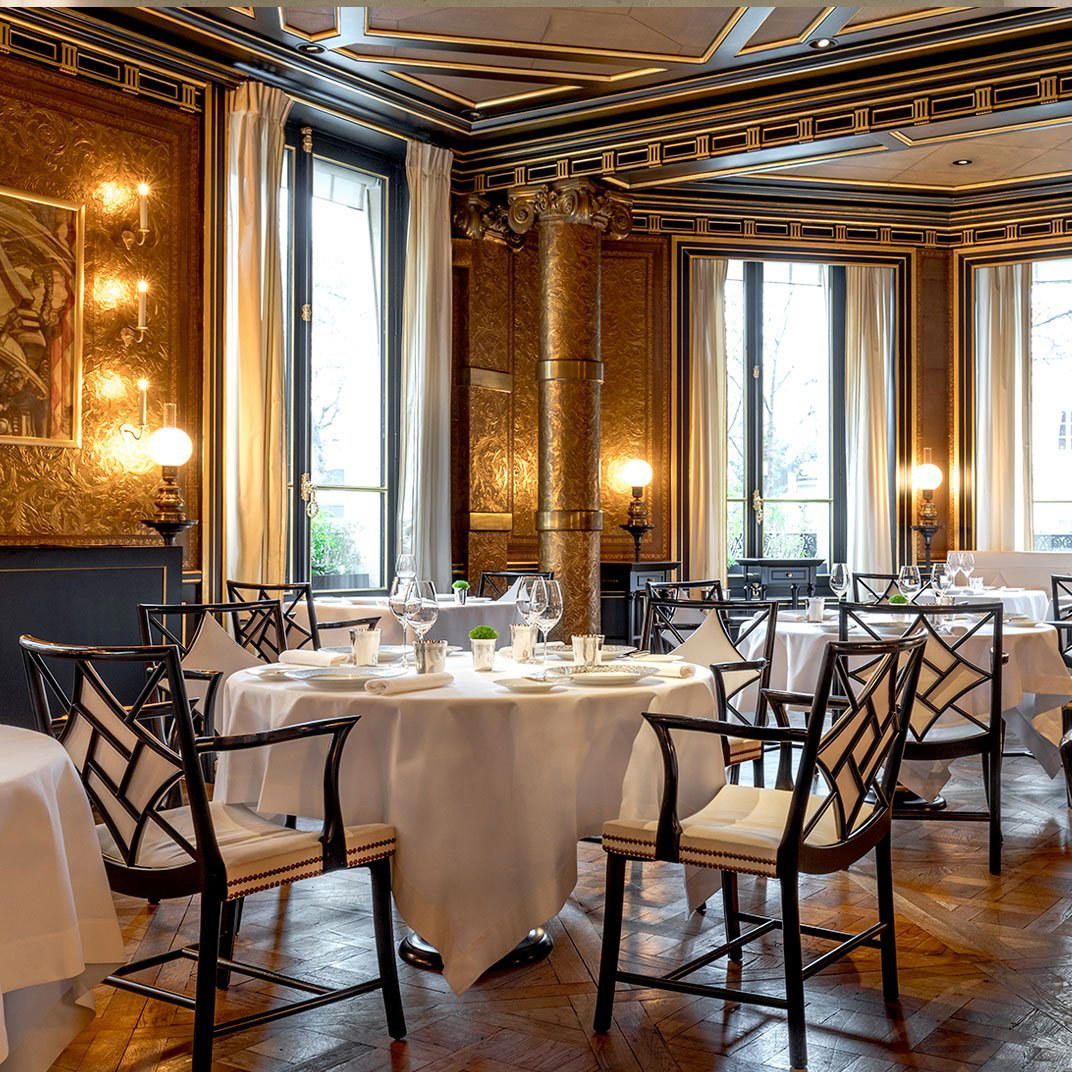

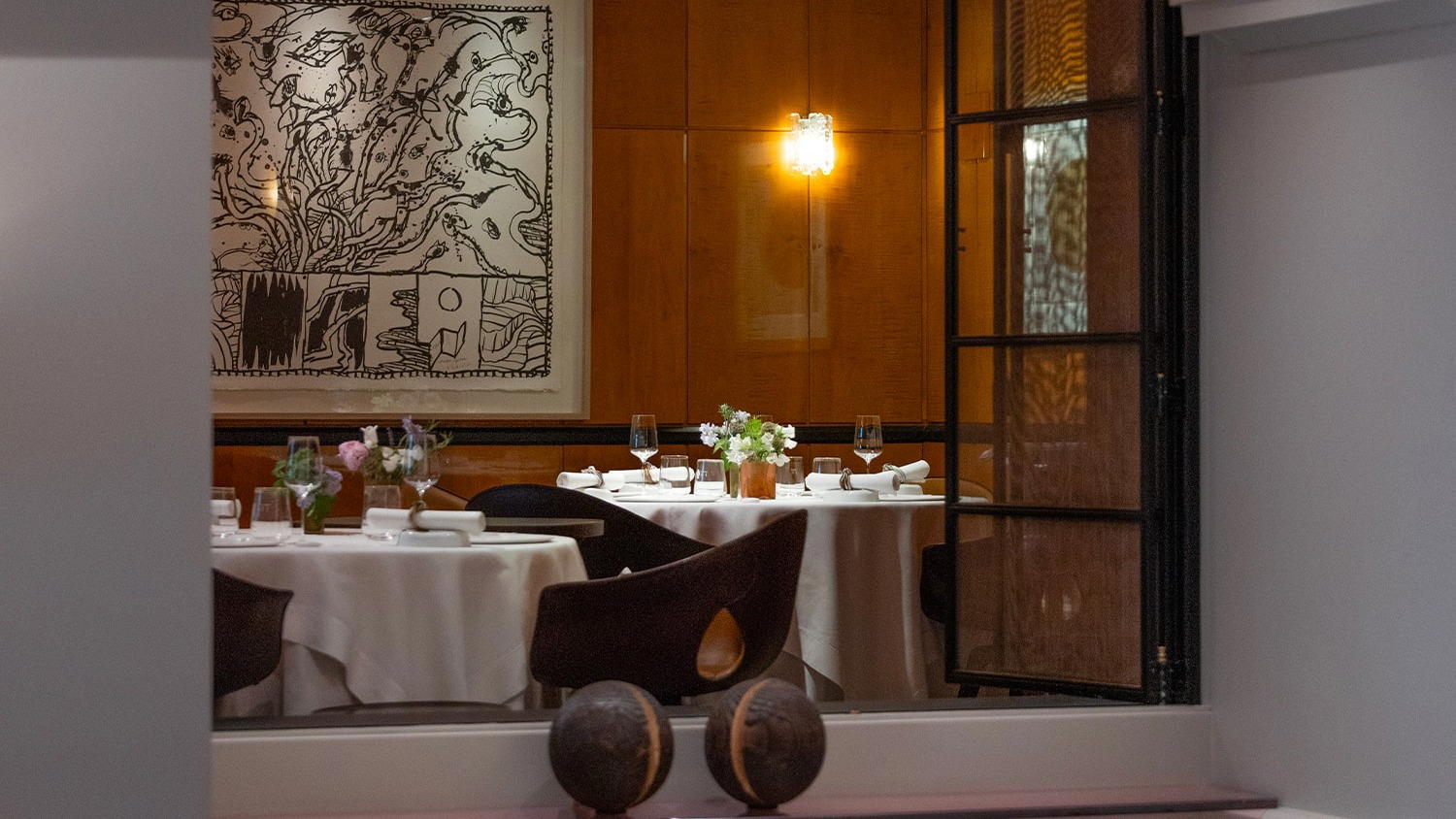
Bars in Paris
Browse all →
Hotels in Paris
Browse all →




At a Glance
- Cozy
- Intimate
- Trendy
- Casual Hangout
- Date Night
- After Work
- Open Kitchen
- Extensive Wine List
- Local Sourcing
Current opening hours
- Monday
- 6–11 PM
- Tuesday
- 6–11 PM
- Wednesday
- 6–11 PM
- Thursday
- 6–11 PM
- Friday
- 6–11 PM
- Saturday
- 6–11 PM
- Sunday
- 6–11 PM
Hours can change for holidays and private events. Last verified .
Cozy and relaxed atmosphere resembling a friend's apartment, with a convivial and laid-back vibe.
Know Before You Go
- Getting there
- 41 Rue des Dames, 75017 Paris, France