Set at the edge of the Bois de Vincennes, Beach Paris occupies a seasonal pocket of Paris that most visitors overlook in favour of the city's dense dining centre. The address on Avenue Anna Politkovskaïa places it within the 12th arrondissement's sprawling parkland, where the draw is as much the setting as whatever arrives on the plate. For regulars, this is precisely the point.
Pearl is the En Primeur Club membership app — saves, bookings, and concierge access live there. Same editors, same standards.
- Address
- Bois de Vincennes, Orée du, Av. Anna Politkovskaïa, 75012 Paris, France
- Phone
- +33149295050
- Website
- labeachparisienne.fr
- Directions
- Get directions
 Saves & bookings on Pearl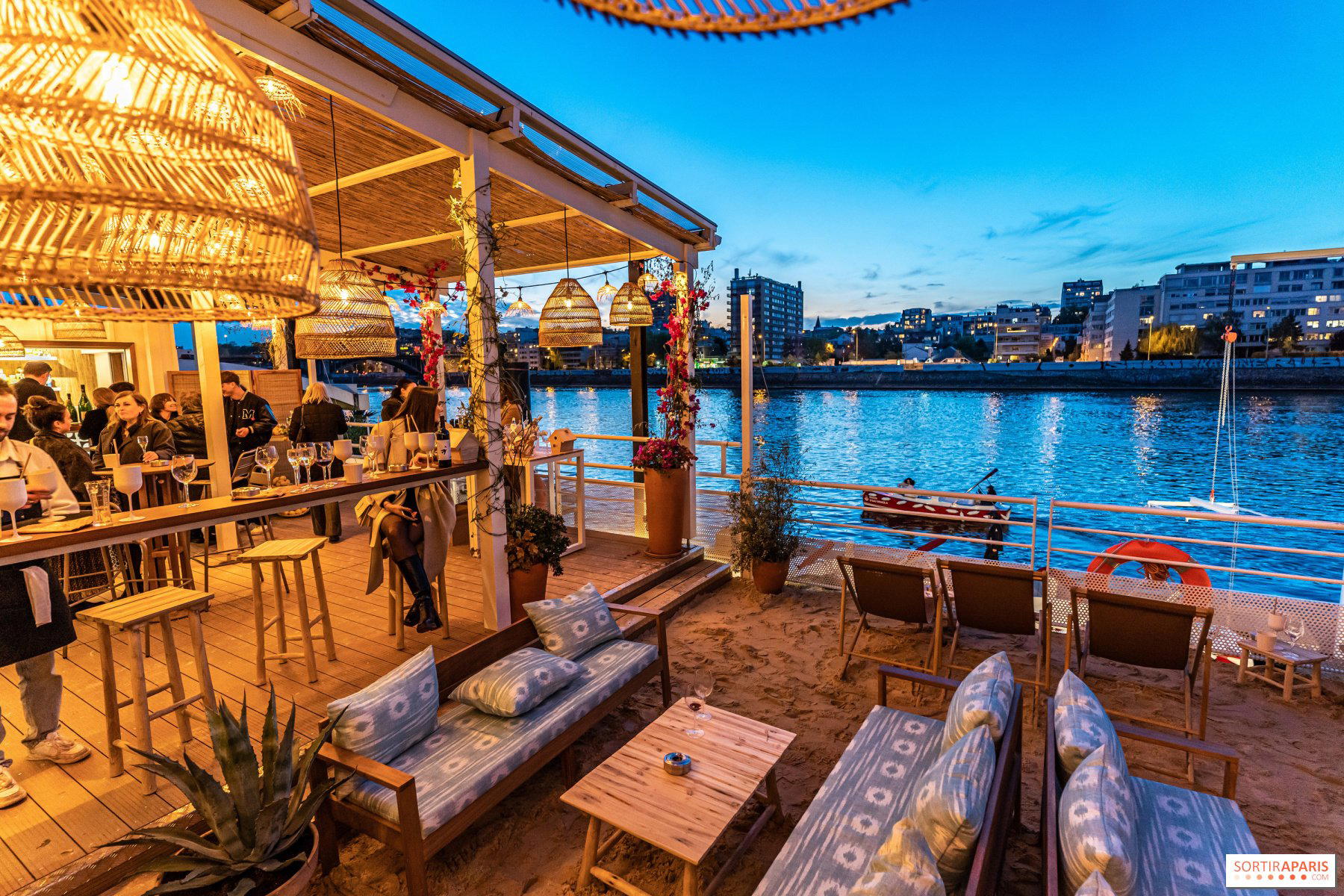
A Park Address with Its Own Rhythm
Paris has a well-documented habit of hiding its most habitual pleasures at its fringes. The Bois de Vincennes, occupying the eastern edge of the city before the landscape gives way to the suburbs, has long operated on a different schedule than the arrondissements clustered around the Seine. It is a place Parisians visit for reasons that have nothing to do with the Michelin circuit: the lake, the open air, the seasonal rhythm that the city's interior cannot replicate. Beach Paris, addressed along Avenue Anna Politkovskaïa at the park's threshold, falls into this category of places whose value is inseparable from where they stand.
That peripheral address is not a liability for the people who return regularly. It is a condition of their loyalty. Venues of this type across European cities — those whose location defines the experience as much as any menu — tend to attract a clientele that treats proximity to parkland or waterfront as part of the transaction. What those regulars understand, and what occasional visitors sometimes miss, is that the setting is the primary offering. The cuisine and the service operate within that frame, not outside it.
The Regulars' Logic
The pattern that emerges around places like Beach Paris is familiar to anyone who has spent time mapping how Parisians actually eat versus how Paris presents itself to the world. The Michelin-dense belt of the 6th, 8th, and 1st arrondissements, home to addresses like Alléno Paris au Pavillon Ledoyen, Arpège, and Le Cinq at the Four Seasons Hôtel George V, competes on a different axis entirely. Those rooms reward the special occasion, the client dinner, the anniversary. The park-adjacent address rewards the weekday habit, the Sunday afternoon that stretches longer than intended, the table you book because you know the walk there has value.
That distinction matters more than it might appear. A city's dining culture is never fully captured by its formal dining room tier. Kei and L'Ambroisie represent one axis of what Paris does with food. Beach Paris represents a different one: casual outdoor seasonality, the kind of setting where the chair faces outward rather than inward, where the ambient sound is wind in trees rather than murmured service.
Regulars at venues like this are often local, often arrive on foot or by bicycle, and often carry more contextual knowledge about what is actually being served than a first-time visitor researching online. They know which months are worth the trip, which table positions catch the afternoon light, and what to order when the menu reflects whatever the season has allowed. That accumulated knowledge is, in practice, an unwritten guide that no listing can fully replicate.
Placing Beach Paris in the Wider French Scene
France's dining culture at the upper tier organises itself along two main lines: the formality of the grand restaurant, places like Flocons de Sel in Megève, Mirazur in Menton, or Troisgros in Ouches, and a quieter, less-documented category of places where the surrounding environment does substantial work. Paul Bocuse's Auberge du Pont de Collonges built its identity around a riverbank address. Bras in Laguiole functions in part because the Aubrac plateau is visible from the table. Auberge de l'Ill in Illhaeusern draws meaning from its position beside the river Ill. Les Prés d'Eugénie in Eugénie-les-Bains and Georges Blanc in Vonnas both derive character from the villages they anchor.
Beach Paris belongs to a younger, more informal expression of that same logic: the city park address, where the dining proposition leans on season and setting rather than on culinary formalism. It is closer in spirit to what Auberge du Vieux Puits in Fontjoncouse and La Table du Castellet understand about place-specificity than to what the grand Parisian dining room delivers. The comparison set is not the first-arrondissement palace. It is the category of address whose draw is geographic first.
For international visitors who have been tracking what park-adjacent dining looks like in other cities, the kind of experience that Lazy Bear in San Francisco or Le Bernardin in New York represent in their respective local hierarchies, Beach Paris occupies a structurally different position. It is not competing on technique or tasting menu architecture. It is offering something that technically accomplished kitchens rarely can: a reason to be in a specific place on a specific afternoon that has nothing to do with what arrives from the kitchen.
What the Setting Asks of You
The Bois de Vincennes is not a manicured urban garden. It is the largest public green space in Paris, at roughly 995 hectares, and it operates on a scale that makes the Tuileries or the Palais-Royal gardens feel like architectural punctuation by comparison. Getting to Beach Paris requires intention: the address is within the park boundary, and access via public transport means either the Château de Vincennes metro stop on Line 1 or the Bois de Vincennes RER A stop, both of which require a walk through parkland to reach the venue. That walk is, for regulars, part of the ritual. For first-time visitors, it is worth factoring into arrival time, particularly in warmer months when the park is active and the route is more interesting than the destination alone.
Seasonality governs when this type of address is worth visiting. Park-adjacent dining in Paris typically concentrates its leading conditions between late April and early October, when outdoor settings become viable and the surrounding environment is at its most active. Those planning a visit around the wider Paris dining scene should treat this as a complementary stop to the formal restaurant programme rather than a substitute for it.
Planning Your Visit
Address: Bois de Vincennes, Orée du, Av. Anna Politkovskaïa, 75012 Paris, France. Access: Château de Vincennes (Line 1) or Bois de Vincennes (RER A), followed by a walk through the park. Reservations: Specific booking details are not confirmed in current records; contacting the venue directly in advance of a visit is advisable, particularly for larger groups or weekend afternoons during peak season. Dress: No formal dress code has been documented; the park setting implies a casual register. Season: Late spring through early autumn represents the period when the outdoor setting is most relevant to the experience.
| Venue | Cuisine | Price |
|---|---|---|
| Beach ParisThis venue — the venue you are viewing | This venue | Not listed |
| Alléno Paris au Pavillon Ledoyen | Creative | €€€€ |
| Kei | Contemporary French, Modern Cuisine | €€€€ |
| L'Ambroisie | French, Classic Cuisine | €€€€ |
| Le Cinq - Four Seasons Hôtel George V | French, Modern Cuisine | €€€€ |
| Pierre Gagnaire | French, Creative | €€€€ |
Continue exploring
More in Paris
Restaurants in Paris
Browse all →
Bars in Paris
Browse all →
Hotels in Paris
Browse all →





At a Glance
- Trendy
- Lively
- Scenic
- Brunch
- Casual Hangout
- Terrace
- Craft Cocktails
Terrace beach atmosphere with club food, cocktails, fresh rosé, and music; lively outdoor setting evoking a beach club vibe.
Know Before You Go
- Getting there
- Bois de Vincennes, Orée du, Av. Anna Politkovskaïa, 75012 Paris, France