Cagnard sits on Rue des Petits Hôtels in Paris's 10th arrondissement, a stretch that has quietly accumulated some of the city's more considered neighbourhood restaurants over the past decade. The address places it inside a tier of Paris dining that trades spectacle for substance, where the wine list often does as much editorial work as the kitchen. An address worth tracking for those who read cellars before menus.
Pearl is the En Primeur Club membership app — saves, bookings, and concierge access live there. Same editors, same standards.
- Address
- 5 Rue des Petits Hôtels, 75010 Paris, France
- Phone
- +33142263729
- Website
- cagnard-restaurant.com
- Directions
- Get directions
 Saves & bookings on Pearl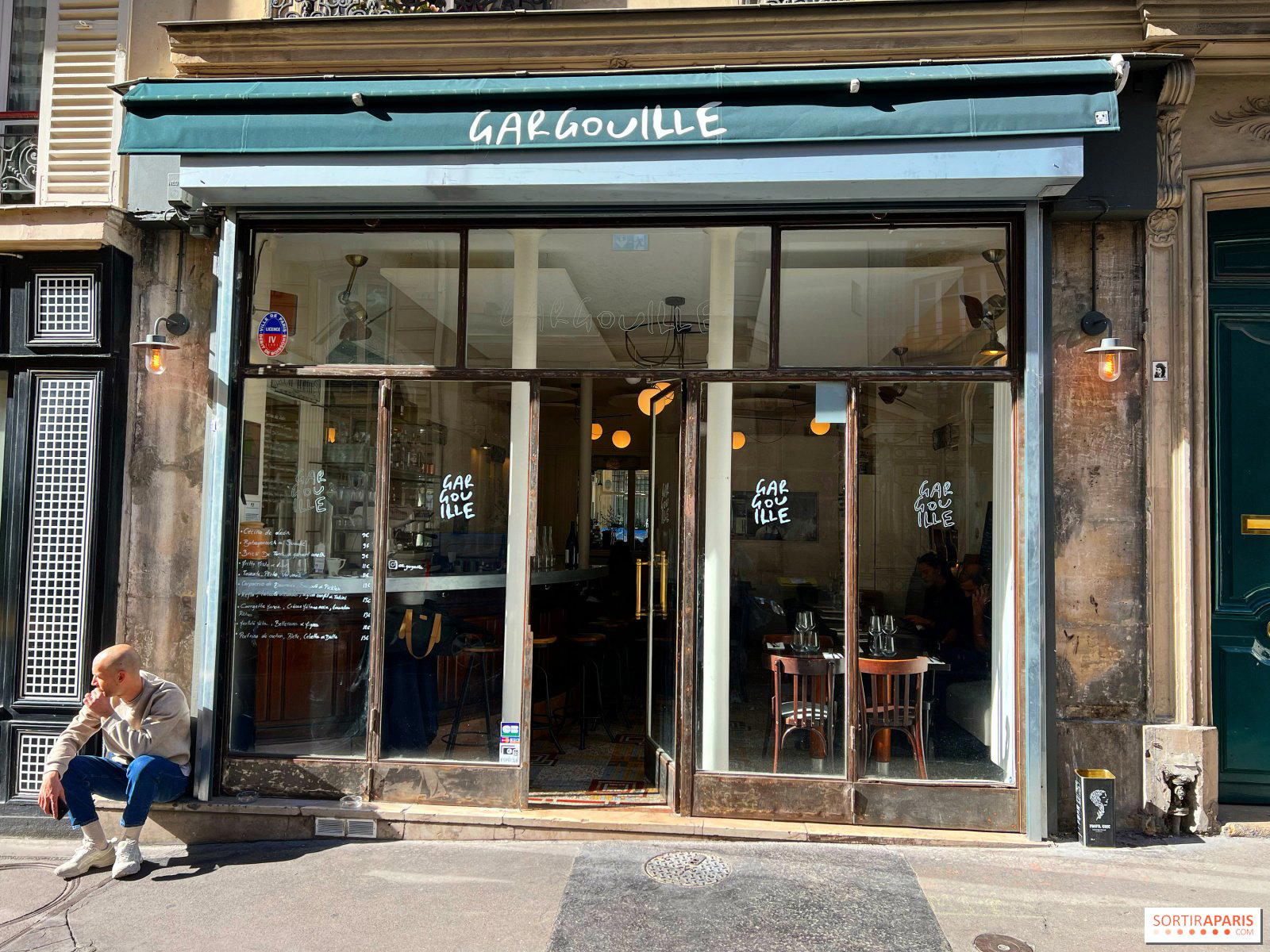
The 10th Arrondissement and the Case for Quieter Addresses
Rue des Petits Hôtels is not a street that appears in the opening paragraphs of most Paris dining dispatches. The 10th arrondissement has long occupied a middle register in the city's restaurant conversation: too residential for the grand-boulevard crowd, too close to the Canal Saint-Martin's casual dining strip to register as a destination for the Michelin-focused traveller. That positioning, however, has become an advantage. Over the past ten years, the arrondissement has attracted a specific kind of operator: one less interested in the theatre of destination dining and more focused on what actually goes into the glass and onto the plate. Cagnard, at 5 Rue des Petits Hôtels, sits inside that pattern.
Paris's dining geography has fractured considerably since the early 2010s. The €€€€ bracket — where Alléno Paris au Pavillon Ledoyen, Le Cinq at the Four Seasons George V, and L'Ambroisie operate — remains the reference tier for formal French cooking. Below it, a more interesting competition has emerged: neighbourhood addresses in the 10th, 11th, and 18th that price and position themselves against each other rather than against the grandes maisons. The better ones have done this by building credibility through their cellars, sourcing relationships, and consistency over seasons rather than through the kind of press-cycle momentum that rarely survives a second year.
Reading a Room Before Reading a Menu
The physical approach to a restaurant on a street like Rue des Petits Hôtels tells you something before you sit down. These are not addresses with awnings, valets, or the kind of façade that announces itself to passing traffic. The format implies a clientele that already knows where it is going, a room built around repeat visits rather than first impressions. That pattern tends to produce a different kind of service dynamic: one oriented toward the regular rather than the newcomer, with wine conversations that assume some baseline knowledge rather than starting from scratch.
In Paris, this format has clear precedents. The neighbourhood bistro with a serious cellar is not a new invention; what has changed is the price point at which it operates and the sourcing depth it can now credibly claim. Growers who would have sold exclusively to three-star houses a generation ago now allocate bottles to smaller operators with the right relationships and storage. The result is that a well-run address in the 10th can pour wines that would look at home in a far more formal dining room, at prices that reflect the lower overhead of a quieter postcode.
The Wine List as Editorial Position
In the current Paris restaurant conversation, the cellar has become a statement of values as much as a beverage programme. Houses like Arpège have long used their wine selection to signal an alignment with small-production, biodynamic, and terroir-driven producers that mirrors the kitchen's sourcing philosophy. At Kei, the list is calibrated to complement a Franco-Japanese kitchen rather than replicate the Burgundy-heavy catalogues of the 8th arrondissement institutions. What these different approaches share is intentionality: the list as argument, not inventory.
A neighbourhood address that takes its cellar seriously is making a claim about the kind of dining it wants to support. A list weighted toward natural and low-intervention producers, for instance, aligns the restaurant with a specific Paris dining conversation that has moved well beyond trend status into something closer to standard practice among the city's more considered operators. A list that prioritises regional French depth, Loire, Jura, Roussillon alongside the expected Burgundy and Rhône, signals that the buyer has done sourcing work rather than purchasing from a standard négociant catalogue. Either approach, executed with consistency, gives the wine programme a point of view that a menu alone cannot always provide.
For diners who use the cellar as a primary selection criterion, the relevant question at any Paris address is whether the list has been built or merely assembled. Built lists tend to have gaps where conventional coverage would sit and depth where it would not be expected. They require a front-of-house team fluent enough to guide a guest toward the right bottle without defaulting to the obvious call. That fluency, in a neighbourhood format, is often the differentiating variable between a good dinner and a memorable one.
Where Cagnard Sits in a Wider French Context
France's restaurant geography extends well beyond Paris, and the comparison set for a considered neighbourhood address is broader than the city alone. Outside the capital, operators like Flocons de Sel in Megève, Mirazur in Menton, and Bras in Laguiole have built reputations that draw international travellers specifically. The multigenerational institutions, Troisgros in Ouches, Paul Bocuse in Collonges-au-Mont-d'Or, Auberge de l'Ill in Illhaeusern, and Les Prés d'Eugénie in Eugénie-les-Bains, represent a different model entirely: destination addresses with deep historical roots and wine cellars that span decades of vertical accumulation.
A Paris neighbourhood restaurant does not compete with these addresses on those terms. It competes on accessibility, frequency, and the kind of relationship a regular can build over multiple visits across different seasons. The French provincial addresses, Auberge du Vieux Puits in Fontjoncouse, Georges Blanc in Vonnas, La Table du Castellet in Le Castellet, require planning, travel, and a specific kind of occasion. Cagnard's address in the 10th offers something different: the possibility of a serious meal on a Tuesday, without the logistics of a destination trip. For comparison, international addresses like Le Bernardin in New York and Lazy Bear in San Francisco illustrate how the neighbourhood-serious format has travelled beyond France, though the Paris version remains the reference point for the model.
Planning a Visit
Cagnard sits at 5 Rue des Petits Hôtels in the 10th arrondissement, accessible from the Gare du Nord and Gare de l'Est metro cluster. As with most addresses in this tier, checking current booking availability directly through the venue is advisable rather than relying on third-party aggregators, which can lag on table release windows. The 10th's neighbourhood character means that walk-in possibility exists at off-peak hours, though dinner service at addresses with this kind of following tends to fill ahead of time. For the broader Paris dining picture, the EP Club Paris restaurants guide covers the city's current tier structure in full.
Quick reference: 5 Rue des Petits Hôtels, 75010 Paris. Nearest metro: Gare du Nord / Poissonnière (lines 4, 5, 7). Price range: contact venue for current menu pricing.
Side-by-Side Snapshot
| Venue | Cuisine | Price | Awards |
|---|---|---|---|
| CagnardThis venue — the venue you are viewing | This venue | Not listed | Not listed |
| Alléno Paris au Pavillon Ledoyen | Creative | €€€€ | Michelin 3 Star |
| Kei | Contemporary French, Modern Cuisine | €€€€ | Michelin 3 Star |
| L'Ambroisie | French, Classic Cuisine | €€€€ | Michelin 3 Star |
| Le Cinq - Four Seasons Hôtel George V | French, Modern Cuisine | €€€€ | Michelin 3 Star |
| Pierre Gagnaire | French, Creative | €€€€ | Michelin 3 Star |
Continue exploring
More in Paris
Restaurants in Paris
Browse all →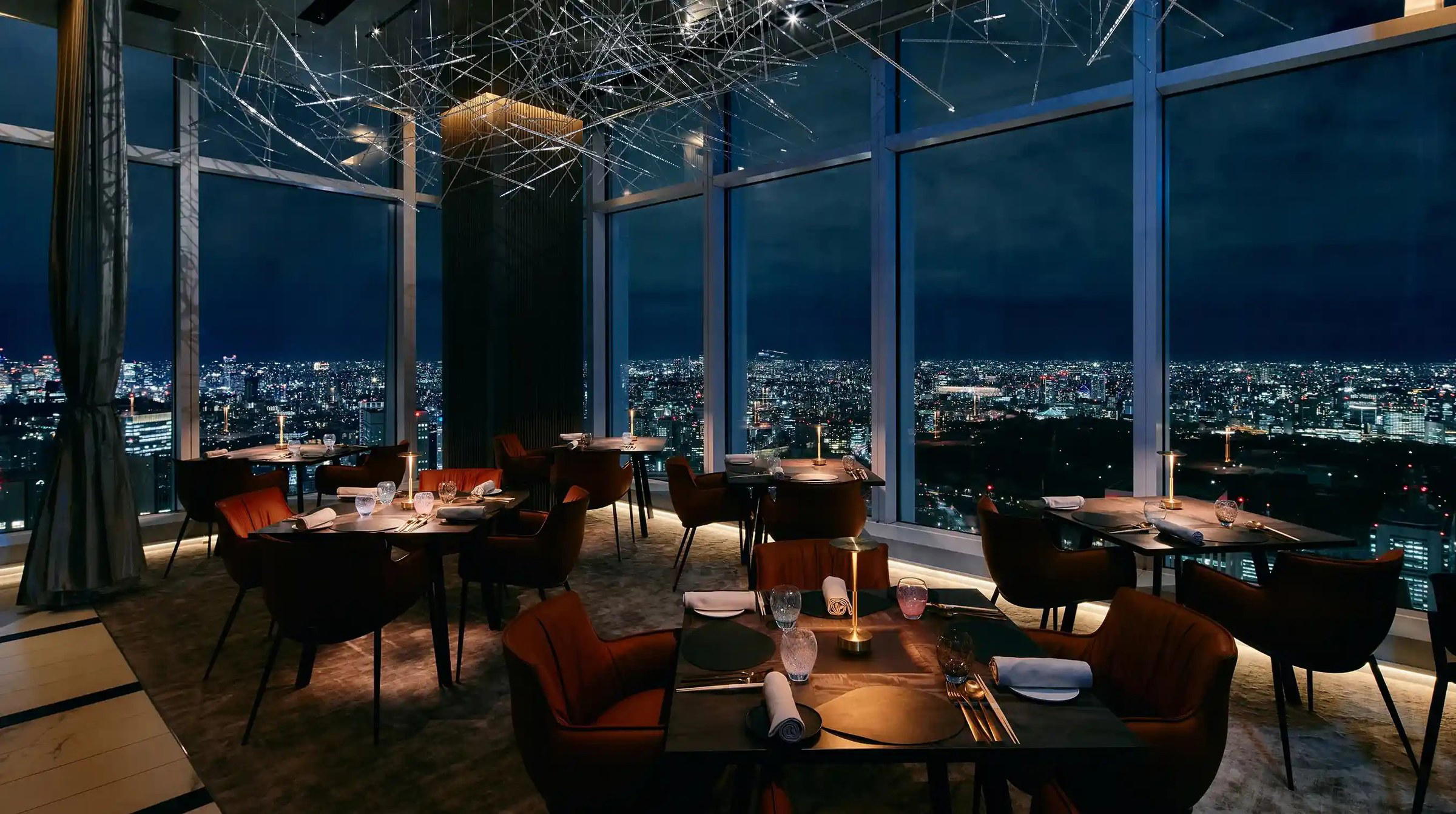
Bars in Paris
Browse all →
Hotels in Paris
Browse all →




At a Glance
- Cozy
- Elegant
- Intimate
- Date Night
- Special Occasion
- Standalone
- Natural Wine
Current opening hours
- Monday
- Closed
- Tuesday
- 12–2:15 PM, 7 PM–12:30 AM
- Wednesday
- 12–2:15 PM, 7 PM–12:30 AM
- Thursday
- 12–2:15 PM, 7 PM–12:30 AM
- Friday
- 12–2:15 PM, 7 PM–12:30 AM
- Saturday
- 12–2:15 PM, 7 PM–12:30 AM
- Sunday
- Closed
Hours can change for holidays and private events. Last verified .
Warm and inviting with Provençal red tile floors and a sunlit, comfortable atmosphere that transports guests to the Mediterranean.
Know Before You Go
- Getting there
- 5 Rue des Petits Hôtels, 75010 Paris, France