Basil Canteen
Basil Canteen occupies a Folsom Street address in San Francisco's SoMa neighborhood, where the city's casual-dining conversation has long run parallel to its fine-dining ambitions. The restaurant positions itself within a neighborhood known for its mix of working-class pragmatism and creative appetite, offering a counter-point to the tasting-menu tier that dominates San Francisco's critical attention.
Pearl is the En Primeur Club membership app — saves, bookings, and concierge access live there. Same editors, same standards.
- Address
- 1489 Folsom St, San Francisco, CA 94103
- Phone
- (415) 552-3963
- Website
- basilcanteen.com
- Directions
- Get directions
 Saves & bookings on Pearl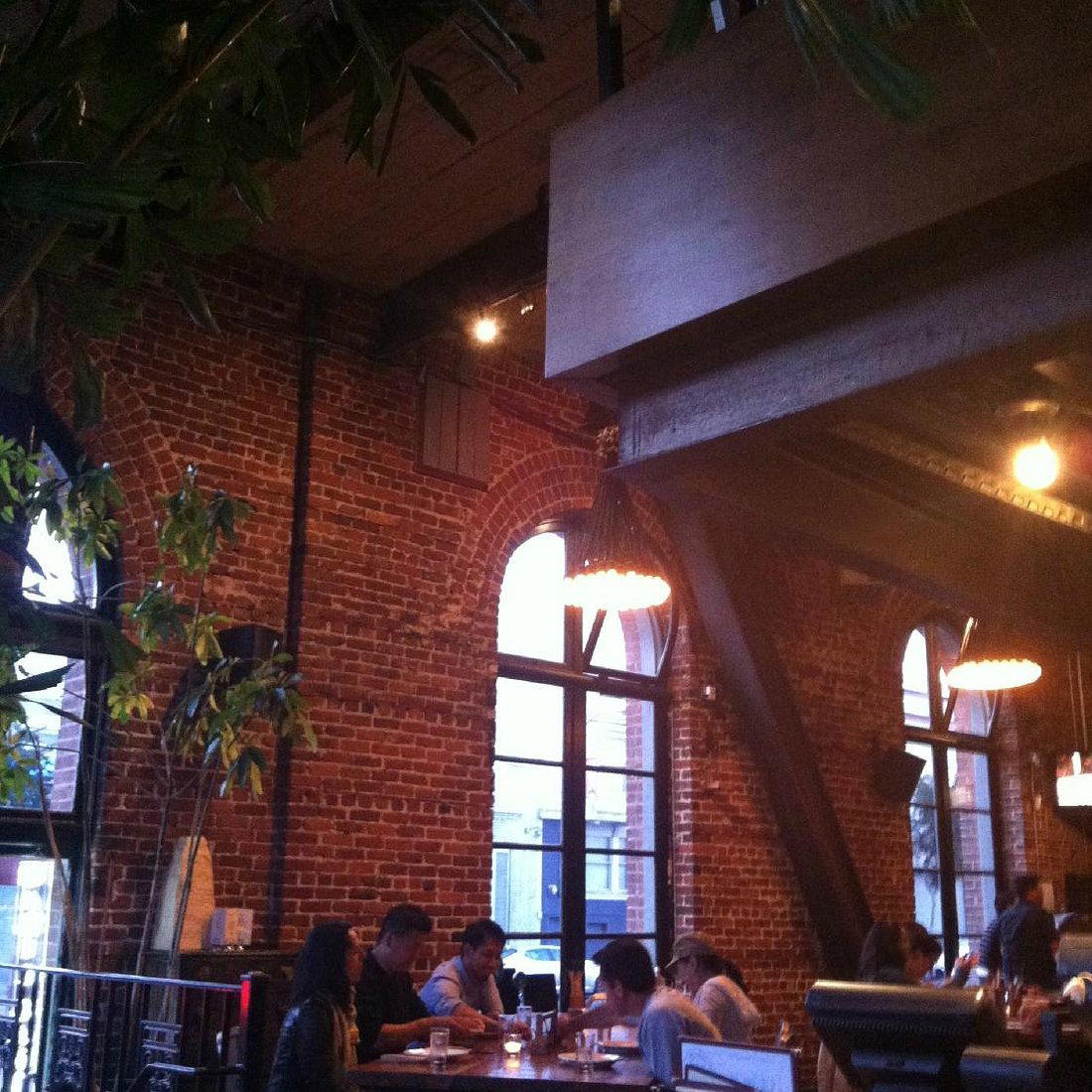
SoMa's Folsom Street and the Case for Ingredient-Driven Casual Dining
Folsom Street in SoMa has never been San Francisco's most celebrated dining corridor. That distinction belongs to the Financial District's white-tablecloth rooms, the Ferry Building's producer-market adjacency, or the Mission's taco-and-natural-wine circuit. What Folsom Street does offer is something the headline neighborhoods rarely deliver: a lower-pressure context in which ingredient quality can drive the experience without the freight of a $300 tasting menu justifying every decision. Basil Canteen, at 1489 Folsom St, occupies that context deliberately. The address places it squarely in a part of the city where the dining room competes on what's on the plate rather than the weight of its press file.
San Francisco's ingredient sourcing conversation is, by now, well-rehearsed at the fine-dining tier. The farms supplying Saison and Lazy Bear are part of those restaurants' editorial identity, named on menus, cited in reviews, built into the price architecture. At Atelier Crenn, sourcing ethics have become a formal part of the kitchen's published position. What's less examined is how that same sourcing ethic filters, or fails to filter, into the mid-register, where most diners actually eat most of the time. That's the question Folsom Street addresses in practice, and it's the question worth asking about any restaurant at this price point in a city with California's agricultural access.
The SoMa Setting: What the Neighborhood Tells You Before You Sit Down
SoMa's character has shifted across decades, warehouse district, dot-com-era office conversion, arts corridor, and its current dining identity reflects that layered history. The neighborhood draws a mix of after-work crowds from nearby tech offices, residents from the adjacent Tenderloin and Mission edges, and visitors whose hotels cluster along the main arteries. It is not a destination dining neighborhood in the way Hayes Valley or the Inner Richmond have become, which means the restaurants that persist here tend to do so on repeat local business rather than destination traffic. That dynamic shapes what a kitchen prioritizes: consistency, value clarity, and the kind of menu that rewards return visits rather than one-off occasions.
Basil Canteen sits within that commercial logic. The Folsom Street block at 1489 is residential-commercial mixed, typical of SoMa's patchwork zoning, and the physical approach to the restaurant carries the neighborhood's working texture rather than the curated arrival experience you'd find at Benu on Hawthorne or Quince in Jackson Square. That's not a deficiency, it's a calibration signal. The room is telling you something about what kind of meal follows.
Sourcing as Editorial Angle: Why It Matters at This Price Point
California's agricultural position is, by any practical measure, the significant factor shaping what San Francisco restaurants can put on a plate. The Central Valley, Sonoma Coast, Marin headlands, and the farms of the Santa Cruz Mountains create a sourcing radius that few American cities can match. That access democratizes quality in a way that gets underreported: a neighborhood restaurant in SoMa drawing from the same regional producers as a Michelin-starred room in the Financial District is not doing something notable by California standards, it is doing what the geography makes possible.
The sourcing question for a restaurant like Basil Canteen is therefore less about access and more about editorial commitment: does the kitchen treat ingredient provenance as a discipline or as a marketing afterthought? Across the American casual-dining tier, that distinction increasingly separates the restaurants that build loyal followings from those that cycle through novelty. Comparable operations in other cities, Smyth in Chicago, which runs a farm-to-table program with documented supplier relationships, or Blue Hill at Stone Barns in Tarrytown, which has made sourcing its entire institutional identity, demonstrate that the discipline exists across price tiers, not just at the leading end.
In Northern California specifically, the comparison set is instructive. Single Thread Farm in Healdsburg integrates its own farm into the dining program at the luxury tier. The French Laundry in Napa has maintained kitchen garden relationships for decades. These are formalized, award-ratified expressions of what California's geography enables. The interesting editorial question is what version of that commitment looks like at street level, on Folsom Street, at a price point the majority of San Franciscans might visit on a Tuesday.
How Basil Canteen Sits Within San Francisco's Broader Dining Picture
San Francisco's restaurant ecology in 2024 is bifurcated in ways that have become more pronounced since the pandemic. The fine-dining tier, anchored by operations like Benu and Atelier Crenn, both of which carry Michelin recognition, has consolidated around higher price points and smaller capacities. The casual tier has, in many cases, retrenched toward formats that prioritize throughput and margin over sourcing ambition. The gap between those two modes is where the more interesting neighborhood restaurants operate, and where the restaurant's SoMa address positions it.
For readers who move between San Francisco and other major American dining cities, the reference points are useful. Providence in Los Angeles operates at the fine-dining tier with documented sourcing commitments around sustainable seafood. Addison in San Diego has built a Michelin-rated program on Southern California's agricultural access. Le Bernardin in New York City has made sourcing discipline central to its institutional identity for decades. These are the formalized expressions; the restaurant operates several tiers below that visibility, which is precisely why the sourcing question matters more, not less, there is no Michelin star doing reputational work on the restaurant's behalf.
Our full San Francisco restaurants guide maps the city's dining tiers in more detail, including how the neighborhood corridors differ in character and what each one signals about a kitchen's priorities.
Planning Your Visit
| Venue | Cuisine / Format | Price Tier | Neighborhood | Booking |
|---|---|---|---|---|
| The restaurant | Neighborhood dining, SoMa | Not confirmed | SoMa / Folsom St | |
| Lazy Bear | Progressive American | $$$$ | Mission | Advance booking essential |
| Benu | French-Chinese fusion | $$$$ | SoMa / Hawthorne | Weeks to months ahead |
| Atelier Crenn | Modern French | $$$$ | Cow Hollow | Advance booking essential |
| Saison | Progressive Californian | $$$$ | SoMa | Advance booking essential |
Comparable Options
Comparable venues nearby, for context on price, style, and recognition.
| Venue | Cuisine | Price | Notes |
|---|---|---|---|
| Basil CanteenThis venue — the venue you are viewing | Thai Street Food | $$ | Not listed |
| Osha Thai Embarcadero | Modern Thai | $$ | Financial District/South Beach |
| Hawker Fare | Modern Isaan Thai Street Food | $$ | Mission Dolores |
| PatPong | Thai | $$ | Outer Richmond |
| BANGKOK STREET Thai Street Food | Thai Street Food | $$ | Pacific Heights |
| Khan Toke Thai House | Authentic Thai | $$ | Outer Richmond |
Continue exploring
More in San Francisco
Restaurants in San Francisco
Browse all →
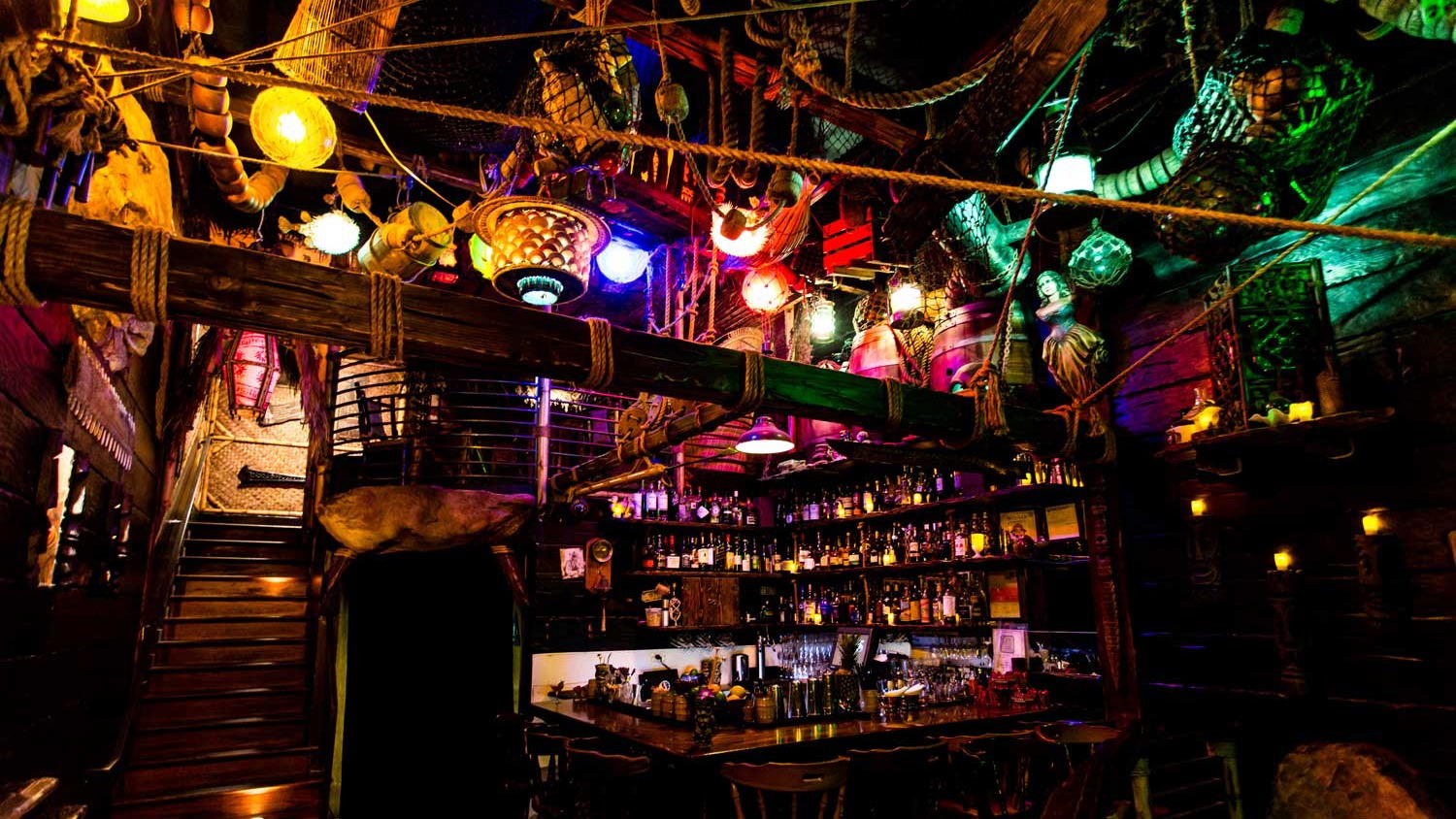
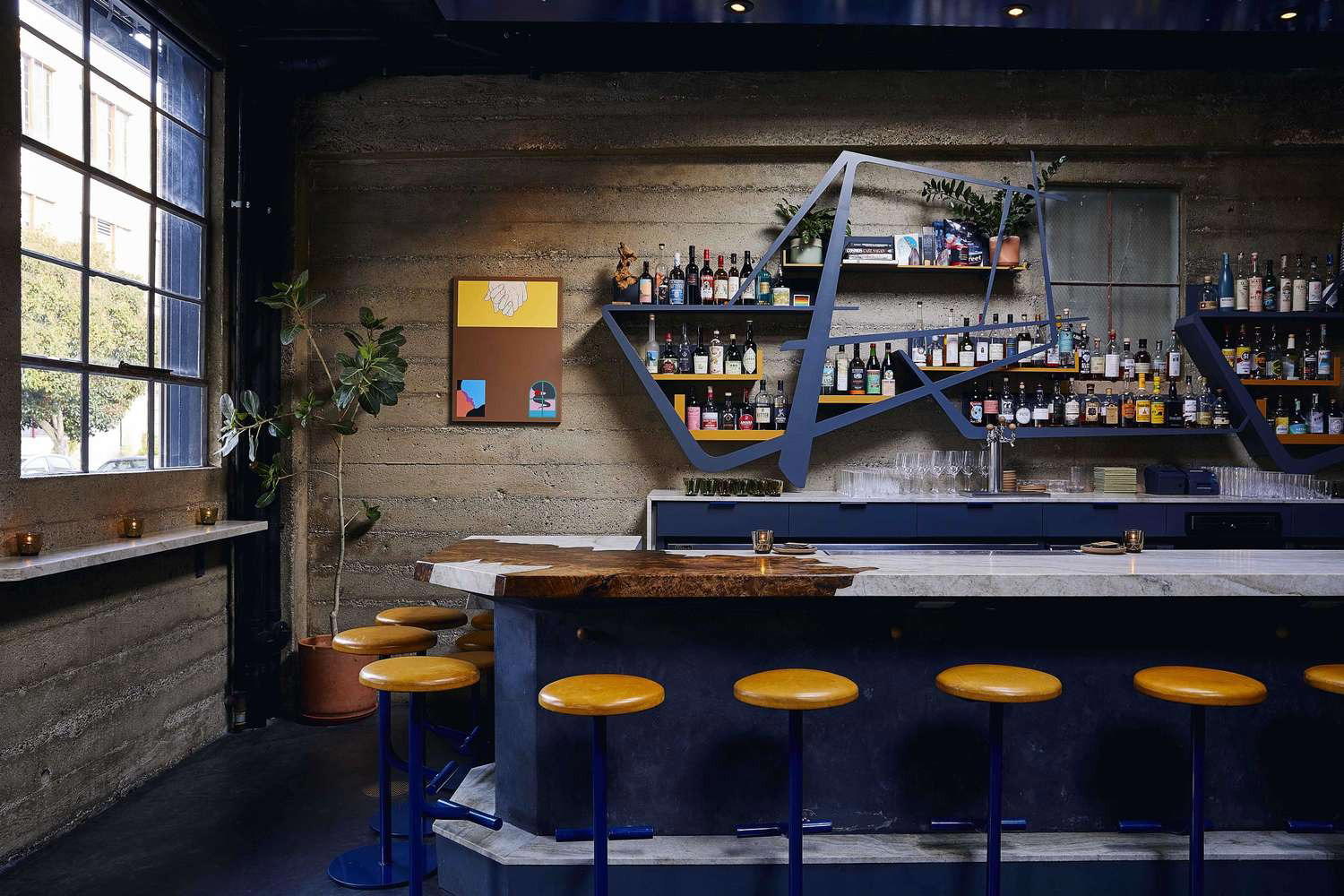
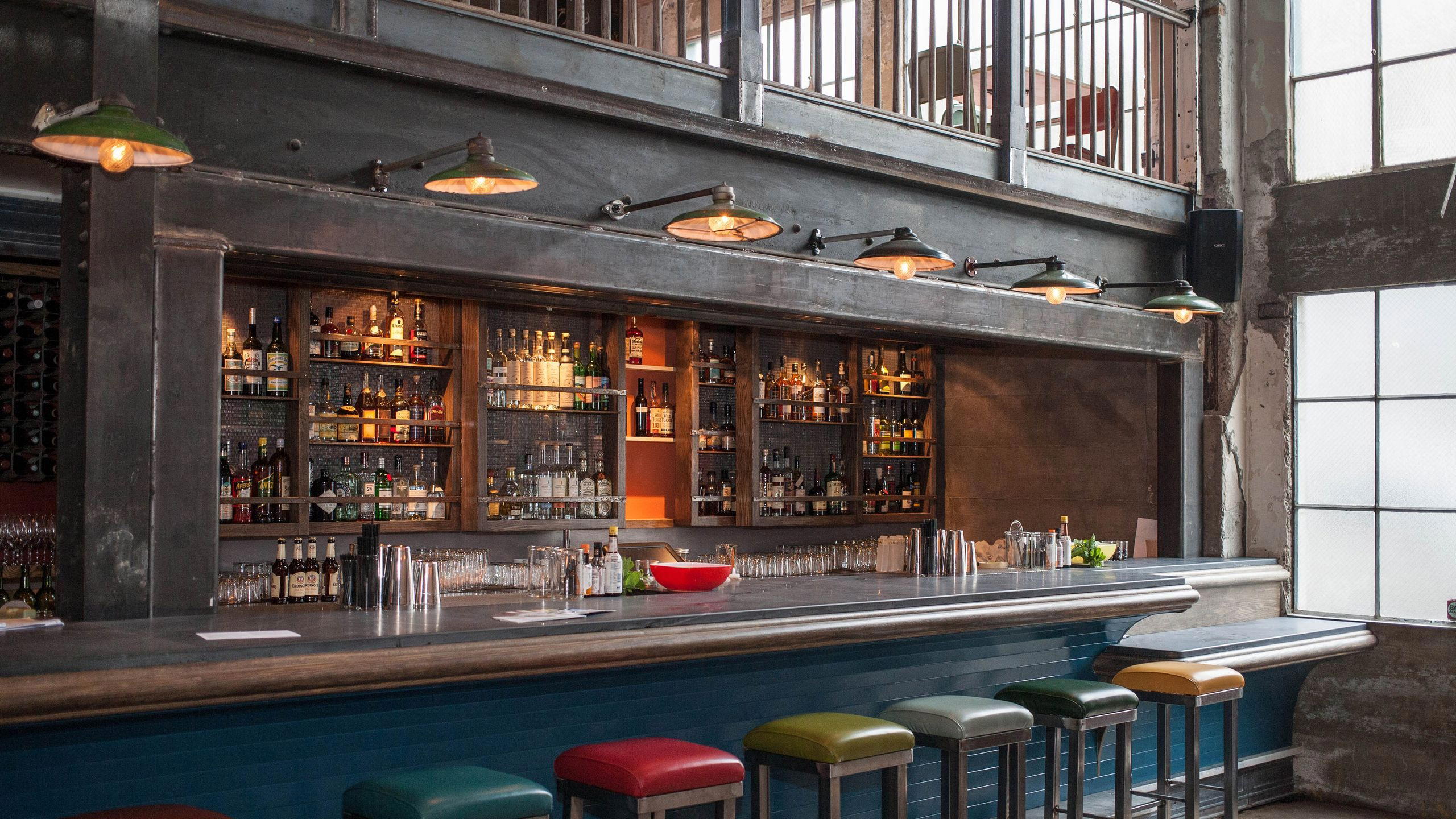
Bars in San Francisco
Browse all →
Hotels in San Francisco
Browse all →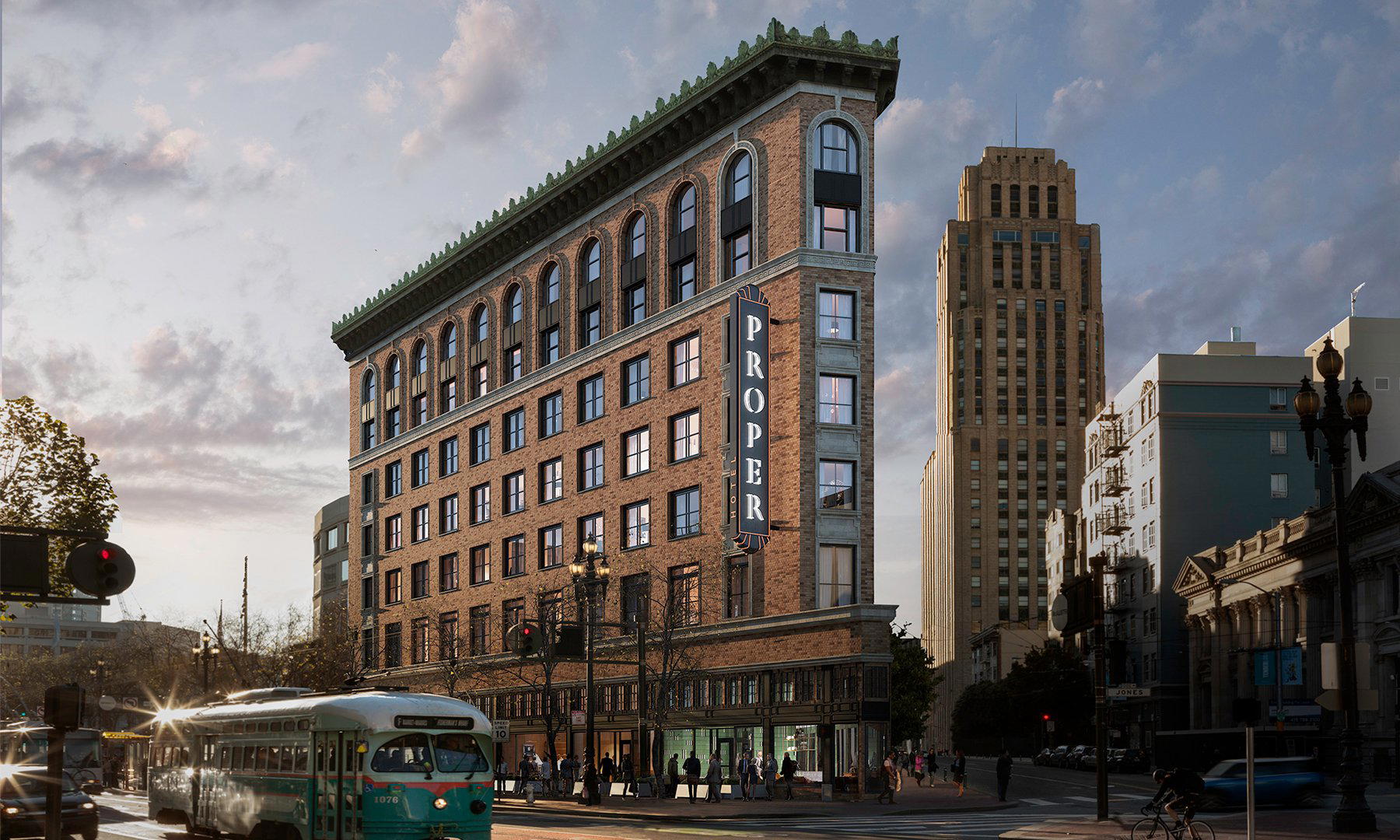
At a Glance
- Trendy
- Cozy
- Industrial
- Casual Hangout
- After Work
- Open Kitchen
- Historic Building
- Craft Cocktails
Current opening hours
- Monday
- 11:30 AM–2 PM, 5–9 PM
- Tuesday
- 11:30 AM–2 PM, 5–9 PM
- Wednesday
- 11:30 AM–2 PM, 5–9 PM
- Thursday
- 11:30 AM–2 PM, 5–9 PM
- Friday
- 11:30 AM–2 PM, 5–9 PM
- Saturday
- 5–9 PM
- Sunday
- 5–9 PM
Hours can change for holidays and private events. Last verified .
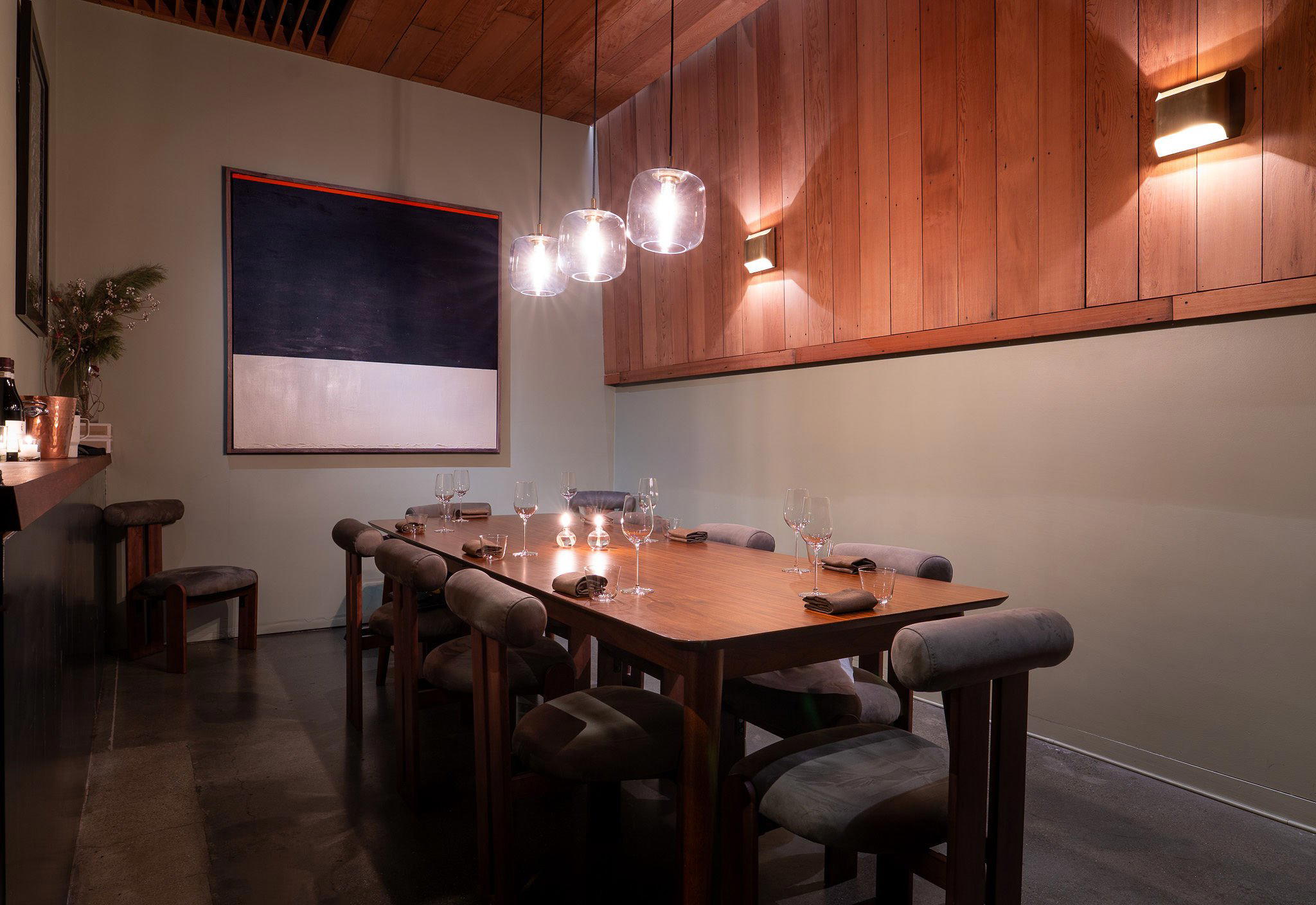
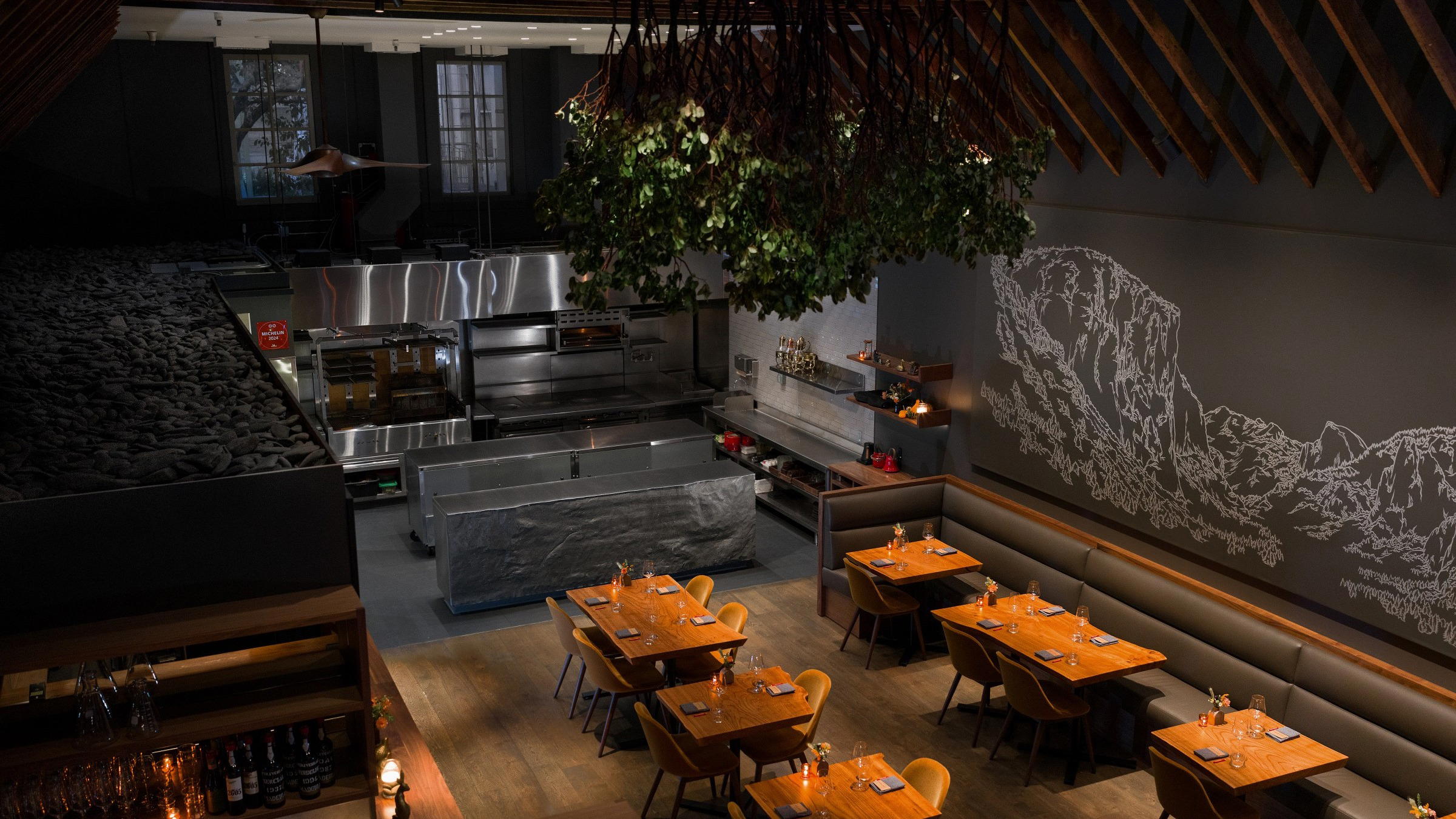
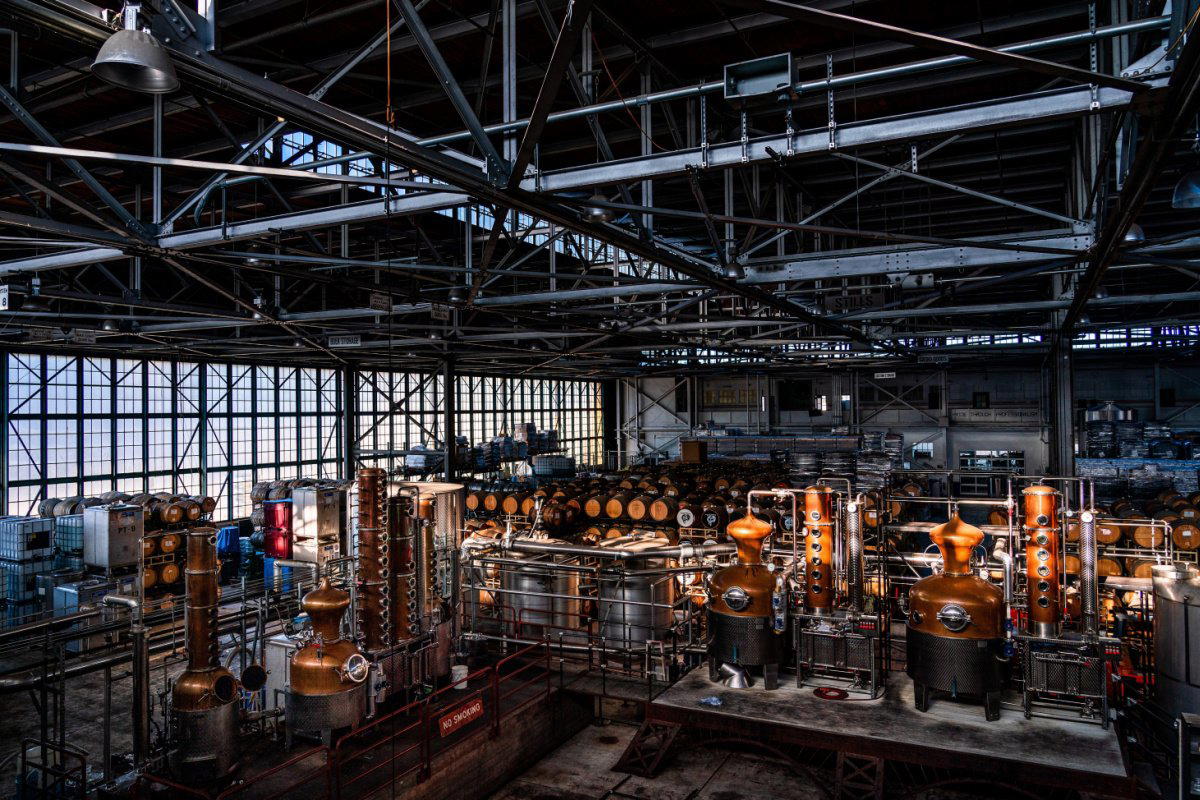
Loft-style with high ceilings and communal table, creating a cozy yet lively atmosphere for sharing dishes.