
Lepelblad on Onderbergen 40 takes a position that remains relatively rare in Ghent's dining scene: a seasonal menu built around close relationships with local farmers and small producers, where vegetables lead and fish or meat play a supporting role. The kitchen moves with the growing calendar, producing dishes like smoked red cabbage with rye and horseradish alongside steamed lotte with winter aromatics.
Pearl is the En Primeur Club membership app — saves, bookings, and concierge access live there. Same editors, same standards.
- Address
- Onderbergen 40, 9000 Gent, Belgium
- Phone
- +32 9 324 02 44
- Website
- lepelblad.be
- Directions
- Get directions
 Saves & bookings on Pearl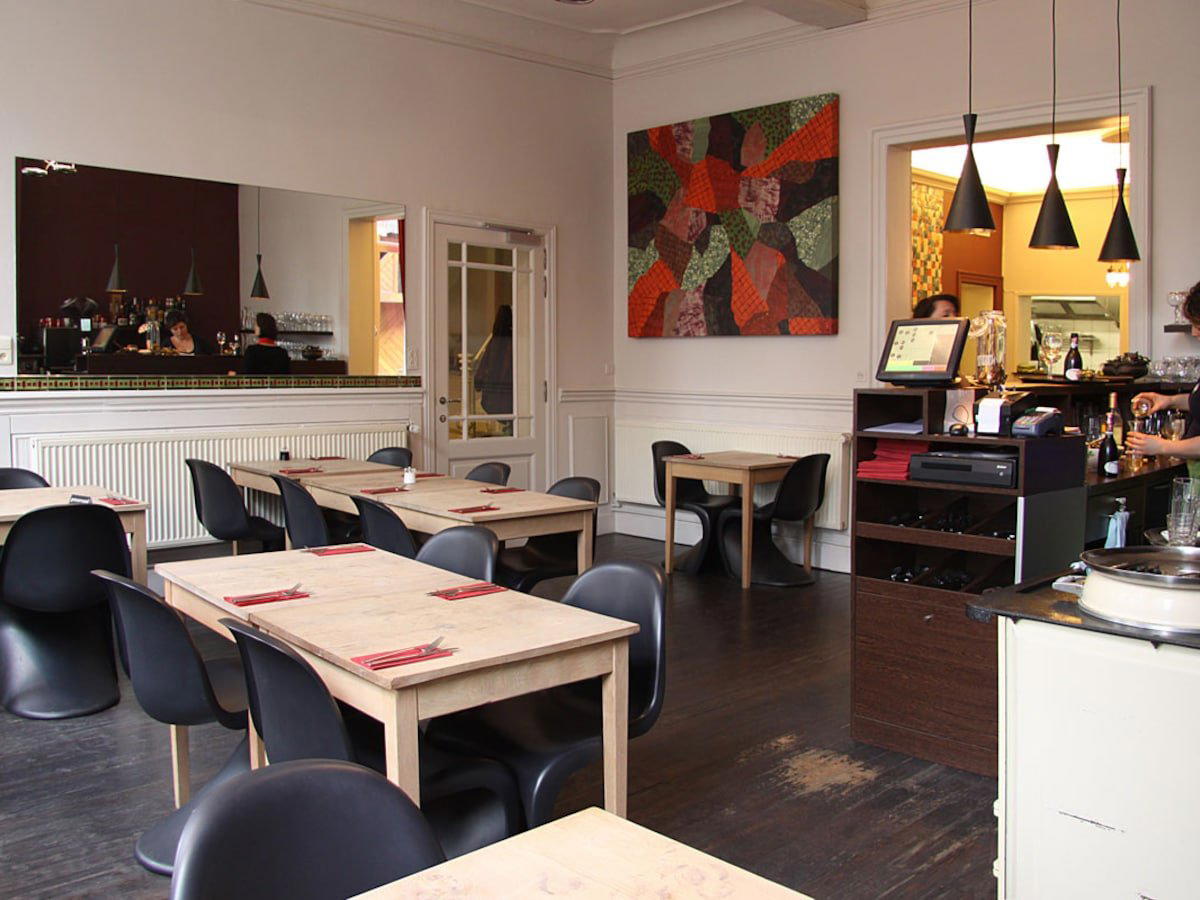
Where Ghent's Produce-Led Cooking Gets Its Clearest Expression
Ghent has built a reputation as one of Belgium's more vegetable-forward cities, in part because of a long-running civic push toward plant-based eating that began with initiatives like Thursday Veggie Day. That cultural groundwork created demand for restaurants that treat vegetables as the structural core of a menu rather than as accompaniment. Lepelblad, at Onderbergen 40 in the city's historic centre, operates firmly within that tradition, with a kitchen orientation that places seasonal, local, and organic sourcing at the foundation of every plate.
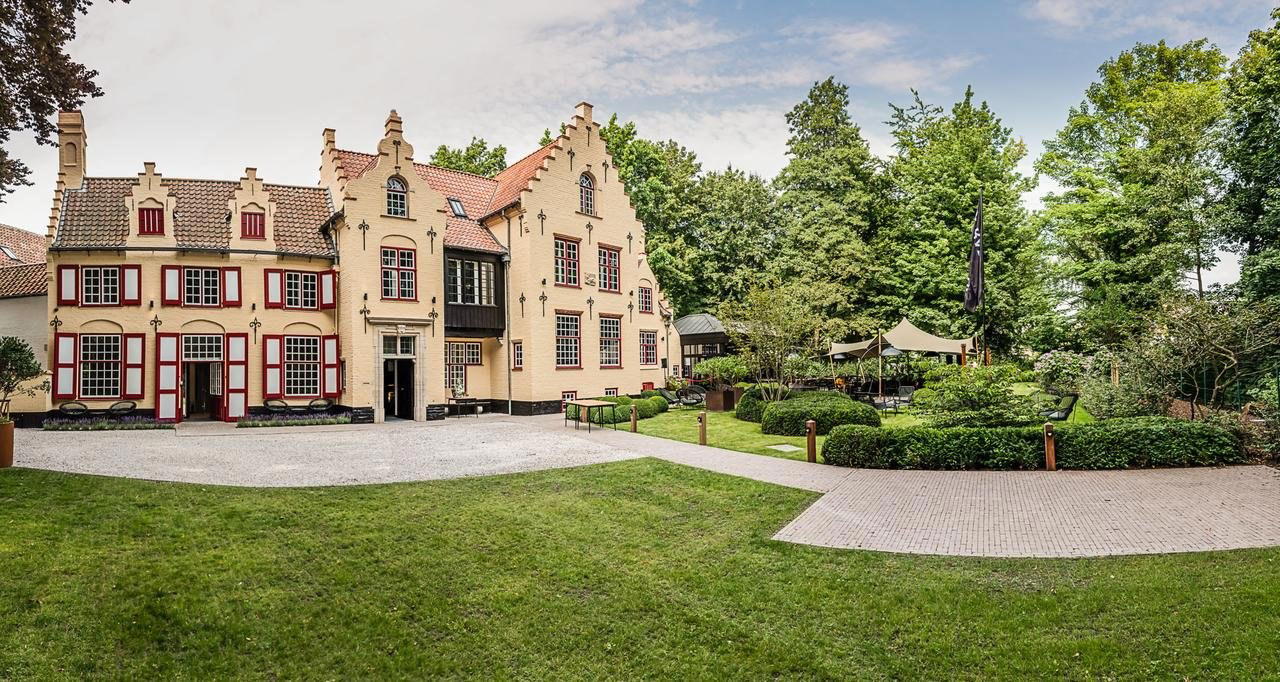
The address itself places the restaurant in a part of Ghent where the canal architecture and narrow streets shape the setting. Approaching along Onderbergen, you are walking through one of the city's older residential and commercial corridors, close enough to the Graslei waterfront to feel the weight of the medieval city but removed from its highest-traffic tourist flow. The physical context matters here because it reinforces the restaurant's general sensibility: rooted in place, unhurried, built around relationships with the land and the people working it.
The Menu Architecture: Vegetables Lead, but the Kitchen is Not Strictly Vegetarian
Belgium's most decorated restaurant tables, from Hof van Cleve in Kruishoutem to Boury in Roeselare, tend to anchor their identity in classical technique applied to luxury proteins. Lepelblad operates in a different register entirely. The menu moves between pure vegetable preparations and combinations that incorporate fish and meat, but the vegetable logic drives the structure. Small opening plates described as 'snaxx' arrive as a kind of compressed farm inventory: rye, smoked red cabbage, beetroot, radish, and horseradish treated as primary ingredients rather than garnish.
The smoked red cabbage preparation in that snax format is a useful reference point for understanding the kitchen's approach. Red cabbage, frequently treated as a braised side or a fermented condiment in Flemish cooking, is here repositioned as the carrier of a dish's main aromatic character. The smoking adds depth that a raw or simply pickled treatment would not; the pairing with rye grounds it in grain-forward northern European flavour logic. This is produce-led cooking with technique applied to amplify the ingredient rather than to demonstrate the kitchen's range.
On the fish and meat side, steamed lotte with paksoi, carrot, radish, and leek demonstrates the same proportional thinking. Lotte (monkfish) is a firm, meaty fish that holds steam well, and in this format it shares plate space with four distinct vegetable elements rather than one or two supporting garnishes. The composition is closer to what Le Bernardin in New York does with its fish-forward tasting menu than to the protein-and-two-veg logic that still defines most Belgian brasserie cooking. A vegetable curry with rice represents the more fully plant-based side of the menu, a dish format that lets the kitchen engage with spice-led cooking alongside the predominantly north European flavour vocabulary of the vegetable preparations.
Supply Chain as Culinary Position
Belgian restaurants at the higher end of the market increasingly signal their sourcing credentials, but there is a meaningful difference between a restaurant that lists its suppliers on the menu and one that builds its seasonal rotation around what those suppliers produce. Lepelblad's stated model places it in the second category: close cooperation with farmers and small producers is described not as a marketing footnote but as the operational logic behind what appears on the plate. The consequence is a menu that tracks with the agricultural calendar, which means the dishes that appear in spring will not be the dishes that appear in autumn, and what appears on the menu during any given visit reflects genuine harvest timing rather than a fixed repertoire with seasonal window dressing.
This distinction shapes what kind of restaurant Lepelblad is. Unlike destination-format restaurants such as Zilte in Antwerp or Willem Hiele in Oudenburg, where the menu is the fixed point around which a trip is organised, the experience at a produce-led kitchen changes substantially between visits. Returning guests encounter a different menu; the restaurant rewards repeat visits in a way that a fixed tasting format does not.
Ghent's Produce-Driven comparable set
Lepelblad sits within a cohort of Ghent restaurants that have made seasonal and local sourcing the defining framework of their cooking. Boon, Debra, and Epiphany's Kitchen each occupy distinct positions in this broader scene, from neighbourhood bistro formats to more structured tasting menus. Ce's Arts and Ferri approach the city's food culture from different angles. Lepelblad's specific position within this group is defined by the emphasis on the farm-to-table supply relationship as an operating principle rather than a stylistic choice, and by the flexibility of a menu that accommodates both vegetarians and omnivores rather than committing entirely to one register. For a fuller view of where Lepelblad sits within the city's dining scene, the broader field is clear.
Planning a Visit: What to Know Before You Go
Practical information on Lepelblad is direct: reservations are recommended, and the restaurant is open Tue to Thu 5:30 to 11 PM, Fri and Sat 12 to 3 PM and 5:30 to 11 PM, with Monday and Sunday closed. The address is confirmed at Onderbergen 40, 9000 Gent. Given the restaurant's producer-dependent menu model, calling ahead is advisable not only to confirm availability but to understand what the current menu is built around, information that matters more here than at a restaurant with a fixed year-round repertoire.
Walk-in availability is uncertain. For restaurants operating on a tight seasonal supply model with a kitchen built around specific quantities from specific producers, covers tend to be managed, and unannounced arrivals run a real risk of finding the kitchen at capacity. Ghent's compact historic centre means most of its notable restaurants, including those on Onderbergen, are walkable from the main hotel clusters near Sint-Pietersplein and Korenmarkt.
Budget Reality Check
Comparable venues nearby, for context on price, style, and recognition.
| Venue | Cuisine | Price | Notes |
|---|---|---|---|
| LepelbladThis venue — the venue you are viewing | Not listed | $$ | Not listed |
| Martino | Binnenstad, Belgian Brasserie | $$ | Not listed |
| Janine's | Binnenstad, Modern Belgian Tapas | $$ | Not listed |
| BIJ DEN WIJZEN EN DEN ZOT BVBA | Binnenstad, French and Flemish | $$ | Not listed |
| De Wan | Not listed | $$$ | Sluizeken - Tolhuis - Ham, Belgian Brasserie |
| Piu di Piu | Binnenstad, Craft Cocktail Bar | $$ | Not listed |
Recognition history
Dated appearances from independent guides and award organizations, with the underlying list record or original source where available.
We're Smart World 4 Radishes
We're Smart World

At a Glance
- Cozy
- Lunch
- Dinner
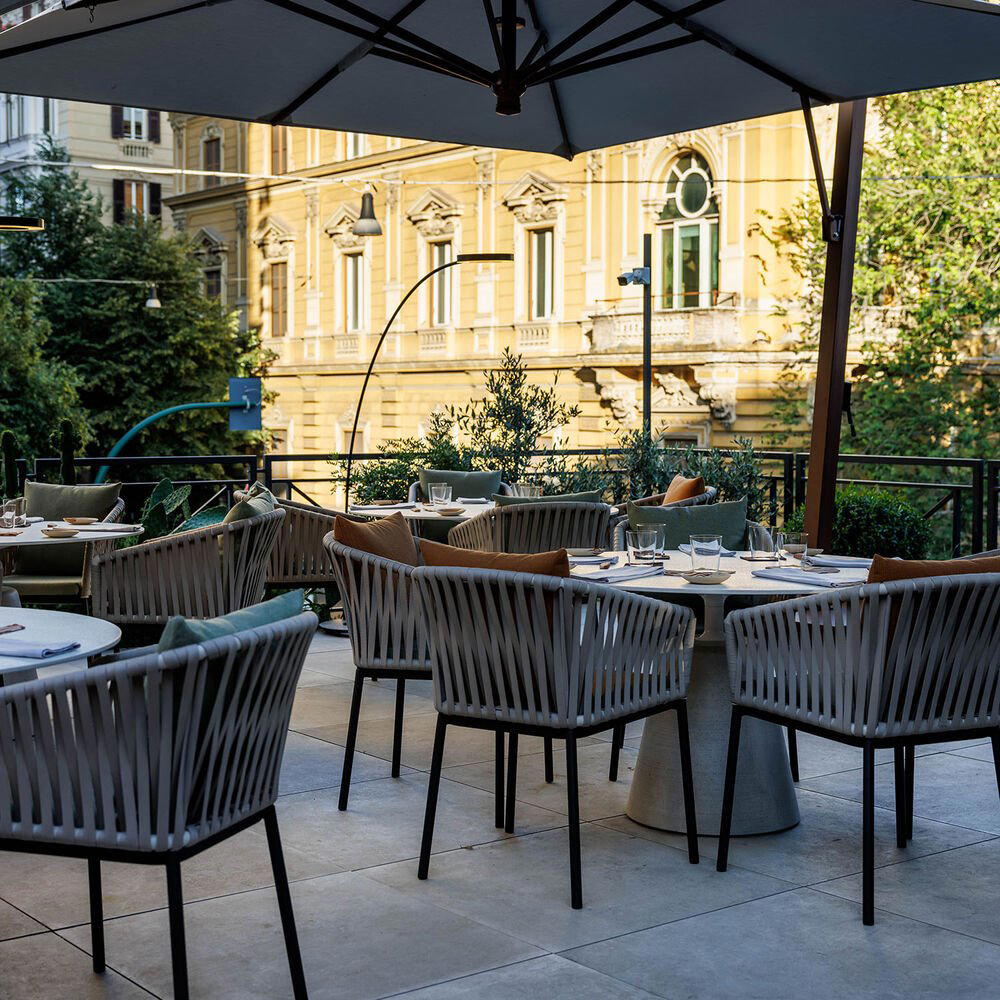
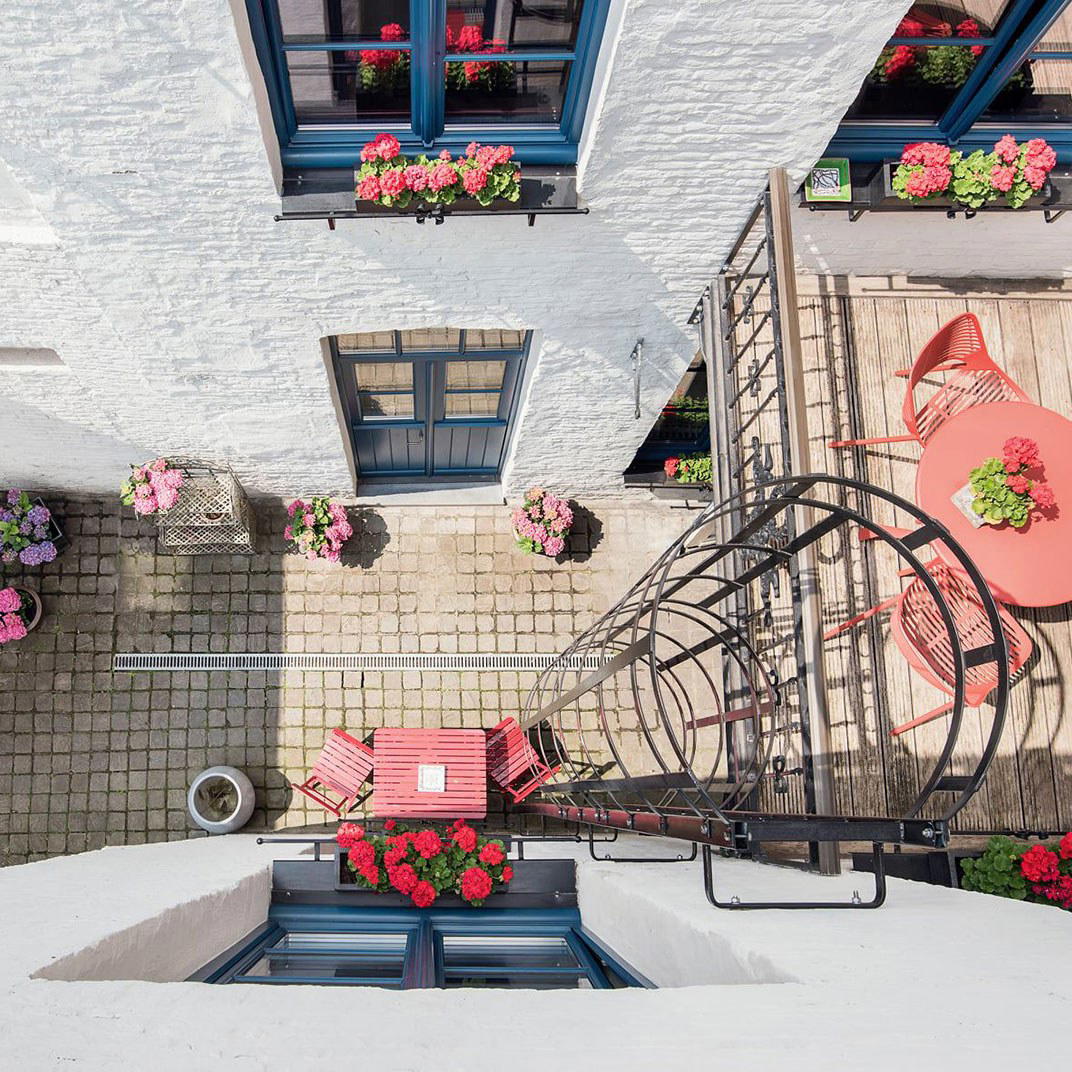
- Terrace
Current opening hours
- Monday
- Closed
- Tuesday
- 5:30–11 PM
- Wednesday
- 5:30–11 PM
- Thursday
- 5:30–11 PM
- Friday
- 12–3 PM, 5:30–11 PM
- Saturday
- 12–3 PM, 5:30–11 PM
- Sunday
- Closed
Hours can change for holidays and private events. Last verified .
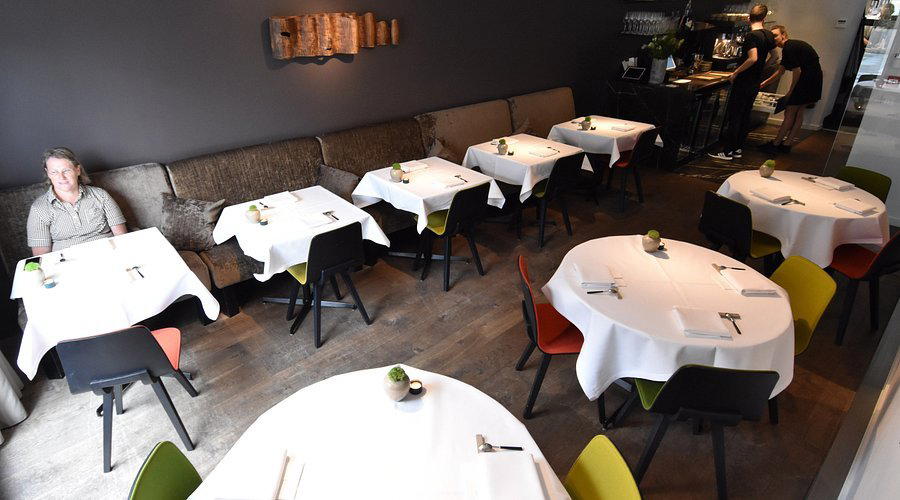
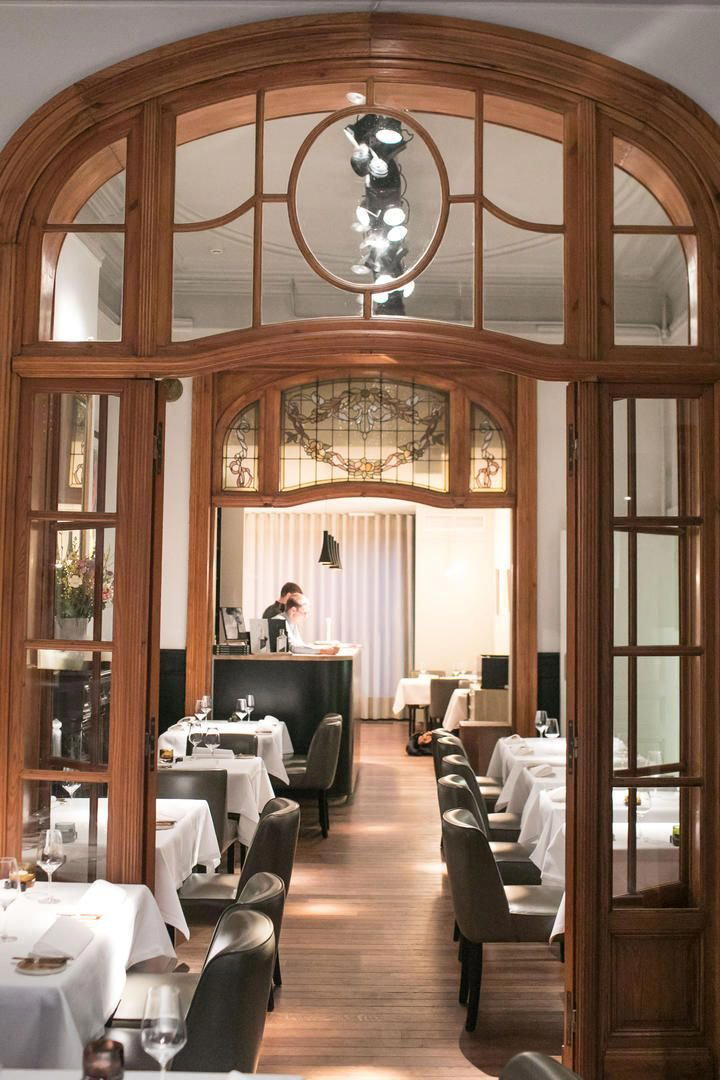
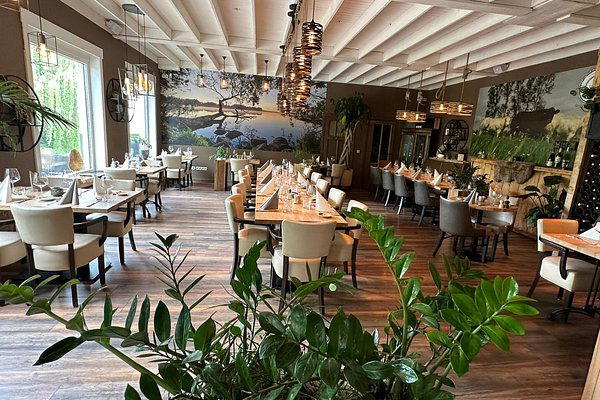
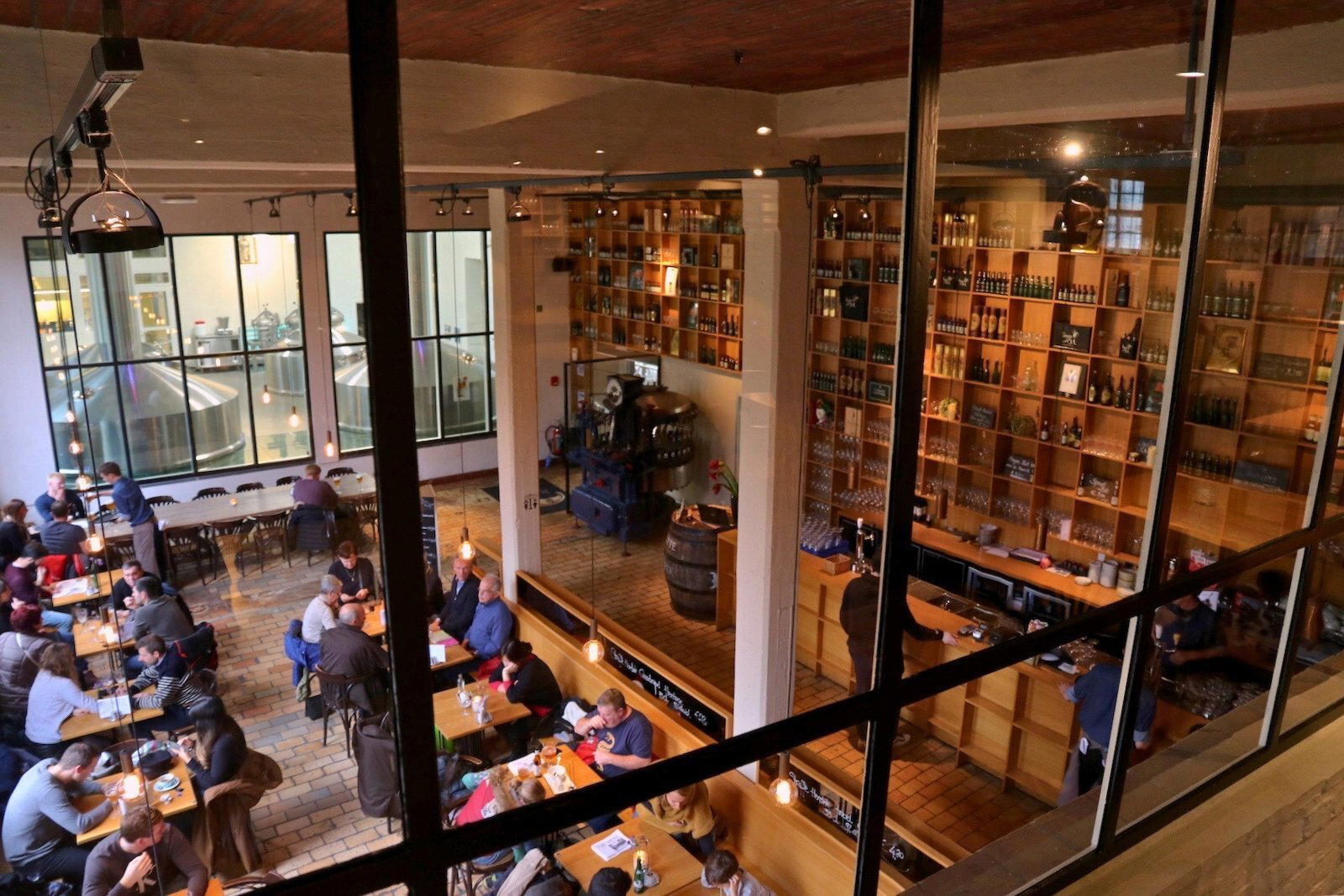
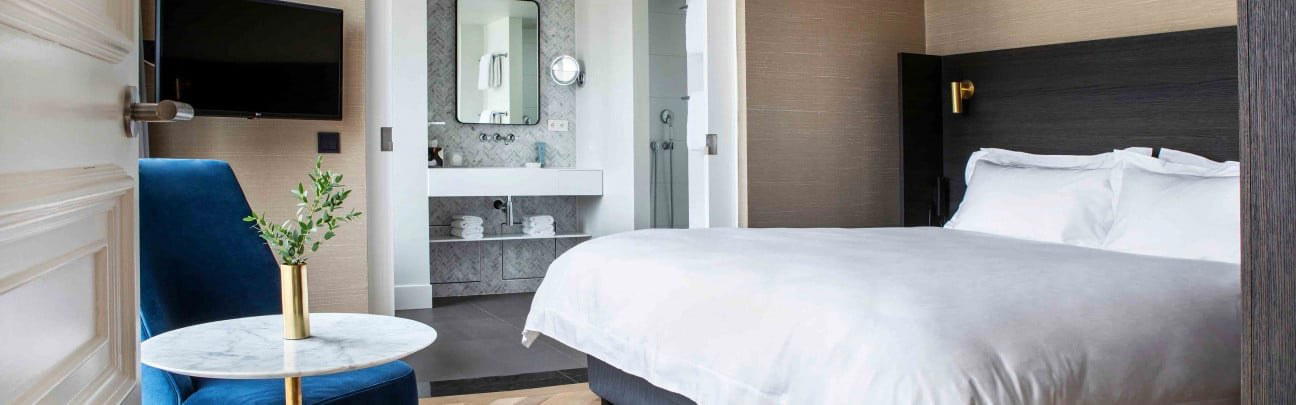
Well-decorated interior better suited for dining than the terrace, offering a peaceful and cozy atmosphere.