On Sophienstraße in central Hanover, Leonardo sits within the city's established dining corridor, where German precision and European cooking traditions intersect. Hanover's wider fine dining scene, anchored by creative and modern cuisine addresses, provides useful context for placing Leonardo within the city's restaurant hierarchy.
Pearl is the En Primeur Club membership app — saves, bookings, and concierge access live there. Same editors, same standards.
- Address
- Sophienstraße 6, 30159 Hannover, Germany
- Phone
- +4949511321033
- Website
- weinstube-leonardo.de
- Directions
- Get directions
 Saves & bookings on Pearl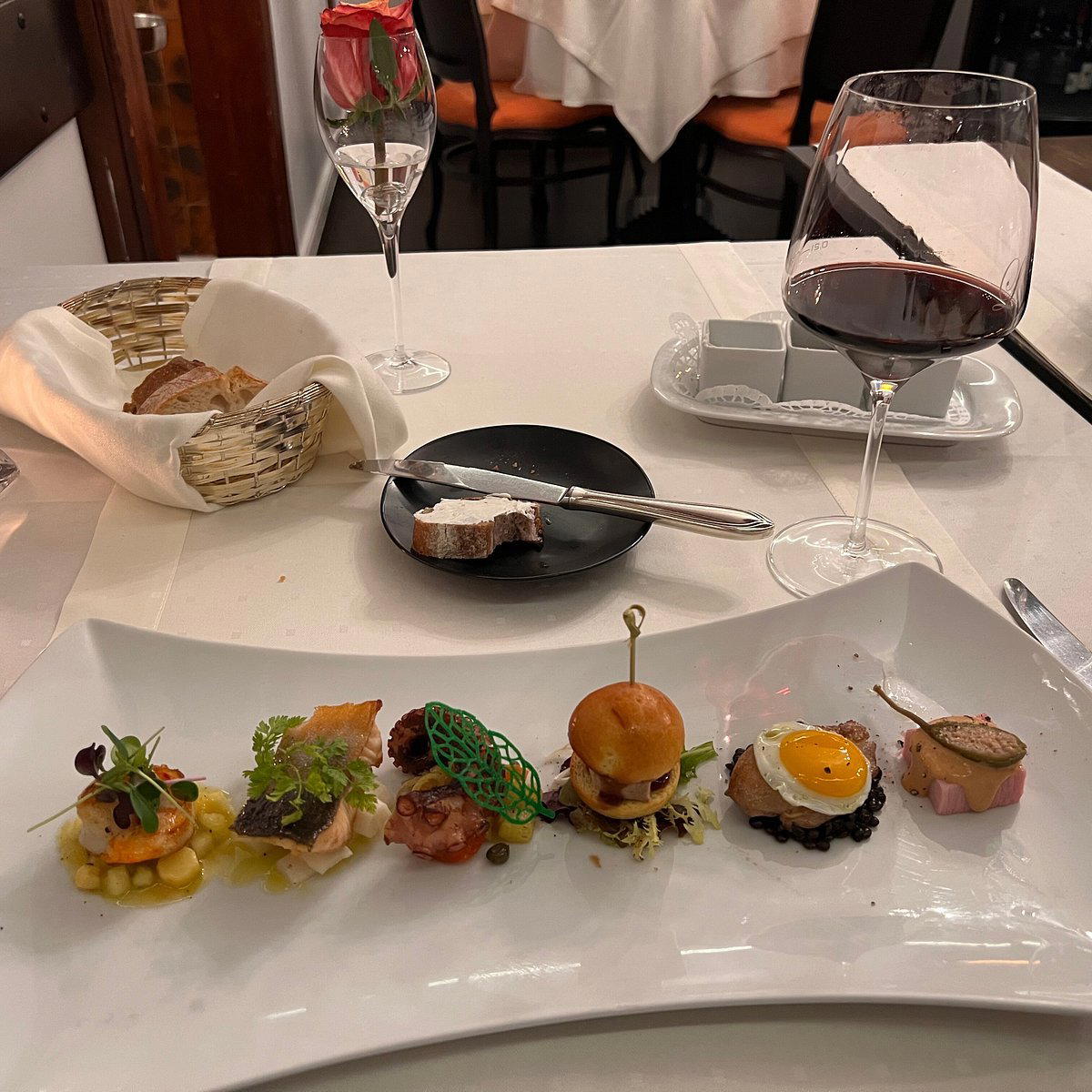
Sophienstraße and the Shape of Central Hanover Dining
Sophienstraße 6 places Leonardo at a specific coordinate in Hanover's city centre, a street that sits within walking distance of the Hauptbahnhof and the commercial core that feeds the city's weekday and weekend restaurant trade. Central Hanover's dining addresses tend to cluster around this zone, where office crowds, conference visitors, and a steady resident population sustain a mid-to-upper market of restaurants that run the full week rather than the selective weekend hours common in destination dining. The address alone signals something about the audience Leonardo is built for: city-centre diners who move between lunch meetings and evening tables, and visitors who want proximity to hotels and transport without sacrificing the quality of the meal.
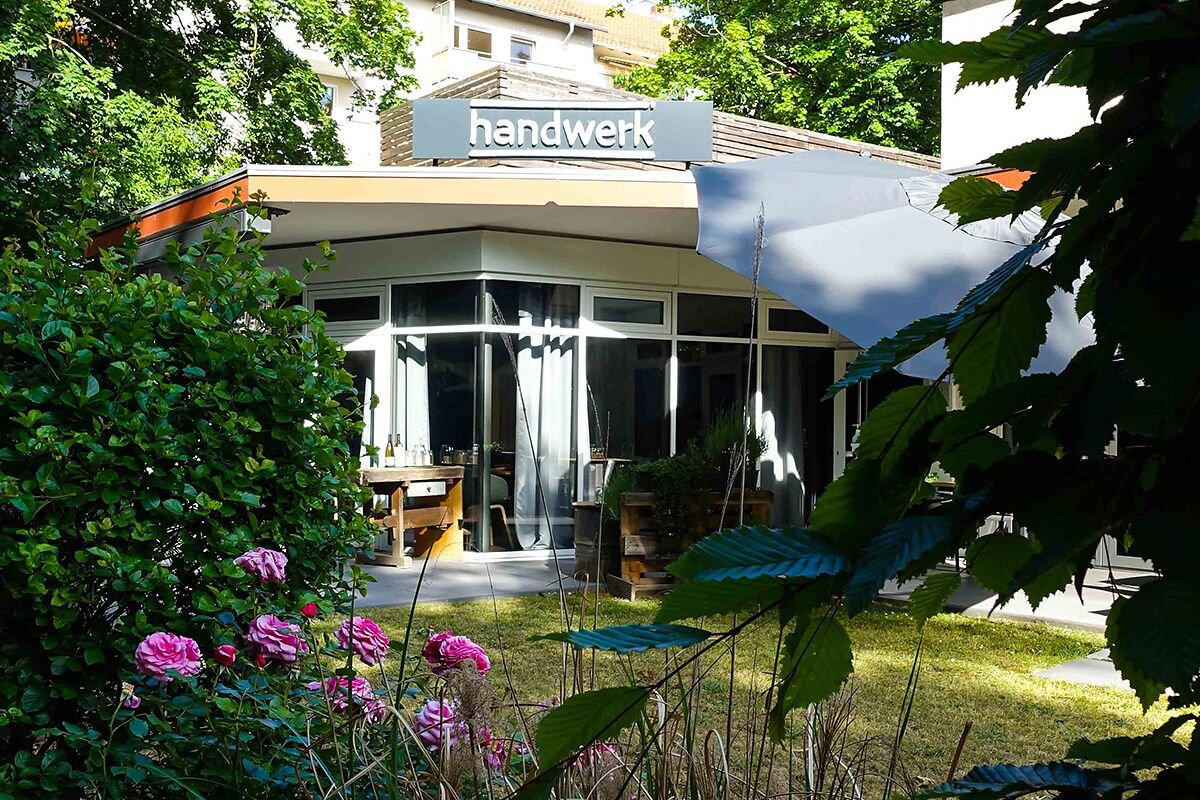
That central positioning shapes the competitive set. Marie, which operates a French menu at the €€€ tier, and Handwerk, running modern cuisine at the same price level, both occupy this zone of established, professionally run restaurants that sit a tier below the city's most ambitious creative kitchens. Jante and Votum, Hanover's more experimental creative addresses, represent a different register entirely, one defined by tasting-menu formats, longer booking lead times, and a closer relationship with the kind of recognition that filters through to national and international press. Leonardo's position within or between these tiers is something a prospective diner should verify directly, given the limited data currently in the public record.
What the City's Dining Pattern Suggests
Hanover does not attract the volume of food-press attention that Hamburg, Munich, or Berlin generate, which means individual restaurants here can operate at a genuinely high level without the saturation of editorial coverage that marks those cities. Restaurant Haerlin in Hamburg and JAN in Munich serve as reference points for what Germany's more prominent food cities push toward at the summit of their markets. Hanover's scene is quieter, which cuts both ways: less noise means fewer visitor-driven reservations clogging availability at mid-market addresses, but also less public accountability that forces kitchens to maintain standards under scrutiny.
For a city of Hanover's size and economic weight, the restaurant tier between purely casual and Michelin-tracked creative dining is where most of the interesting activity happens. This is the bracket where trained kitchens apply genuine technique to accessible formats, where wine lists reflect some curatorial effort, and where the room is furnished and managed to a level that makes a two-hour dinner feel like a considered evening rather than a transaction. Whether Leonardo operates at that level, and precisely where it prices, is something the venue itself can confirm. The address on Sophienstraße is consistent with that tier's geography.
Placing Leonardo Against Germany's Wider Fine Dining Reference Points
Germany's restaurant infrastructure at the upper end is well-documented. Aqua in Wolfsburg, Schwarzwaldstube in Baiersbronn, Vendôme in Bergisch Gladbach, and Victor's Fine Dining by Christian Bau in Perl occupy the nationally recognised tier where Michelin stars function as the primary sorting mechanism. Waldhotel Sonnora in Dreis and ES:SENZ in Grassau represent the regional destination category, where the drive to the restaurant is part of the experience. Schanz in Piesport adds the wine-country dimension to that national map.
Hanover's contribution to that conversation is quieter, which makes it all the more worth understanding on its own terms. CODA Dessert Dining in Berlin illustrates how a format-specific, high-commitment restaurant can earn international attention from an unlikely position. The lesson for any Hanover restaurant operating at genuine quality is that city profile matters less than kitchen consistency when the recognition infrastructure eventually pays attention. For international comparison, Le Bernardin in New York City and Atomix in New York City show what sustained critical focus looks like at the summit of a major market, a useful pole position for calibrating expectations across the tier system.
The Neighbourhood as Context for the Experience
Arriving at Sophienstraße 6 by foot from the Hauptbahnhof takes roughly ten minutes through central Hanover's grid, passing the kind of city-centre architecture that defines Lower Saxony's rebuilt postwar urban fabric. The area around the address is neither a preserved historic quarter nor a newly gentrifying district; it is working central Hanover, dense and functional, which makes restaurants here serve a practical as well as pleasurable purpose. That context tends to produce rooms that are composed and efficient rather than theatrical, kitchens that cook for regulars and business diners as much as for occasion tables.
Hanover's restaurant culture across this zone has developed without the dramatic reinvention cycles that hit Berlin or the tourism pressure that reshapes Hamburg's waterfront dining. Albertz., another address in the city's established restaurant set, reflects this pattern: places that build a clientele over time through consistency rather than through a high-visibility opening moment. For a visitor approaching Leonardo for the first time, understanding the neighbourhood as stable and professional rather than fashionable or emerging is the right calibration.
Planning a Visit: What to Establish Before You Book
Leonardo recommends reservations. The address at Sophienstraße 6, 30159 Hannover is confirmed. Cuisine format is Authentic Italian Fine Dining, current hours are Mon: 6–10:30 PM; Tue: 12–3 PM, 6–10:30 PM; Wed: 12–3 PM, 6–10:30 PM; Thu: 12–3 PM, 6–10:30 PM; Fri: 12–3 PM, 5–10:30 PM; Sat: 5–10:30 PM; Sun: Closed, and reservations are recommended.
For the broader Hanover picture, the EP Club Hanover restaurants guide maps the city's full dining range, from the creative end anchored by Jante and Votum through to the French and modern European mid-market. That context is useful for anyone building a multi-night itinerary in the city, where sequencing restaurants across price points and formats produces a more complete reading of what Hanover currently offers.
A Lean Comparison
Comparable venues nearby, for context on price, style, and recognition.
| Venue | Cuisine | Price |
|---|---|---|
| LeonardoThis venue — the venue you are viewing | Mitte, Authentic Italian Fine Dining | $$$ |
| Roy's | Oststadt, Italian Mediterranean | $$$ |
| Ristorante Tesoro | Südstadt, Modern Italian Fine Dining | $$$ |
| ristorante gianni | Kirchrode, Authentic Italian Trattoria | $$ |
| Little Cortile | Goethestraße, Italian Pasta Bar | $$ |
| Farina Spritz | Altstadt, Roman Pizza alla Pala | $$ |
At a Glance
- Cozy
- Elegant
- Intimate
- Date Night
- Business Dinner
- Special Occasion
- Private Dining
- Extensive Wine List
Current opening hours
- Monday
- 6–10:30 PM
- Tuesday
- 12–3 PM, 6–10:30 PM
- Wednesday
- 12–3 PM, 6–10:30 PM
- Thursday
- 12–3 PM, 6–10:30 PM
- Friday
- 12–3 PM, 5–10:30 PM
- Saturday
- 5–10:30 PM
- Sunday
- Closed
Hours can change for holidays and private events. Last verified .
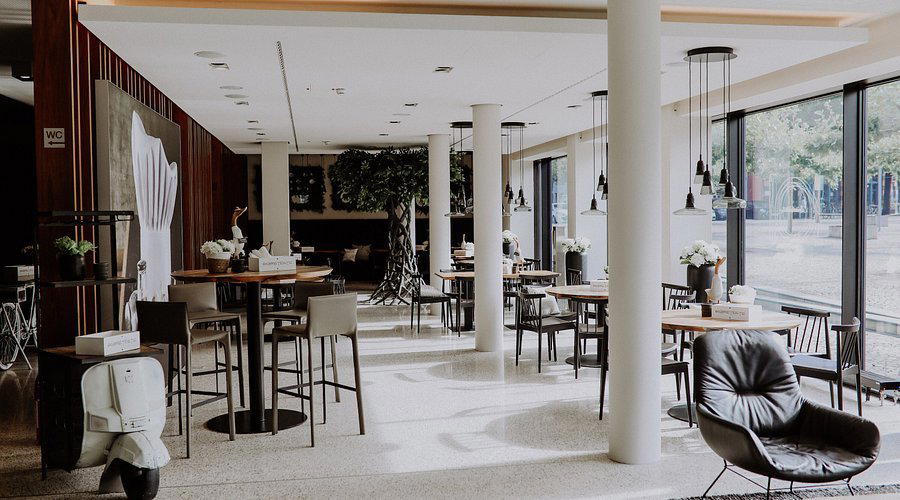
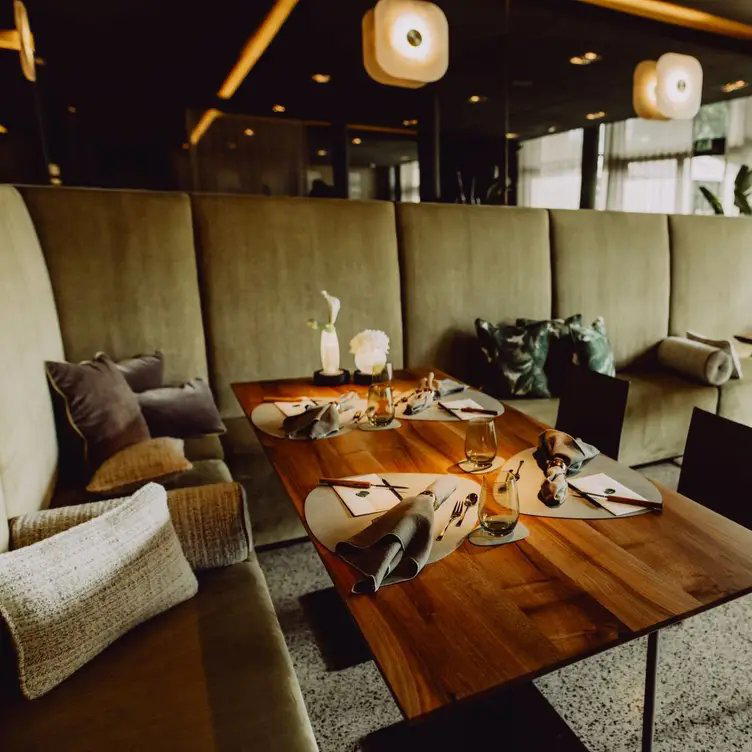
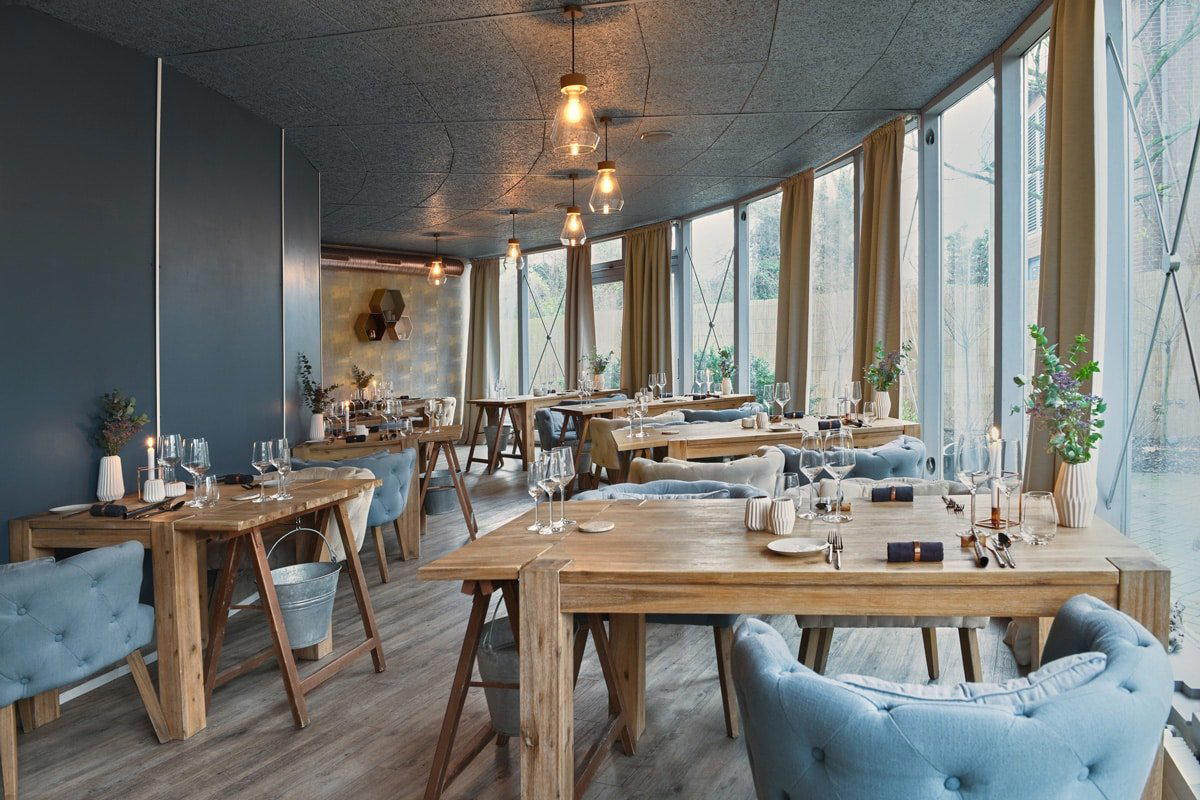
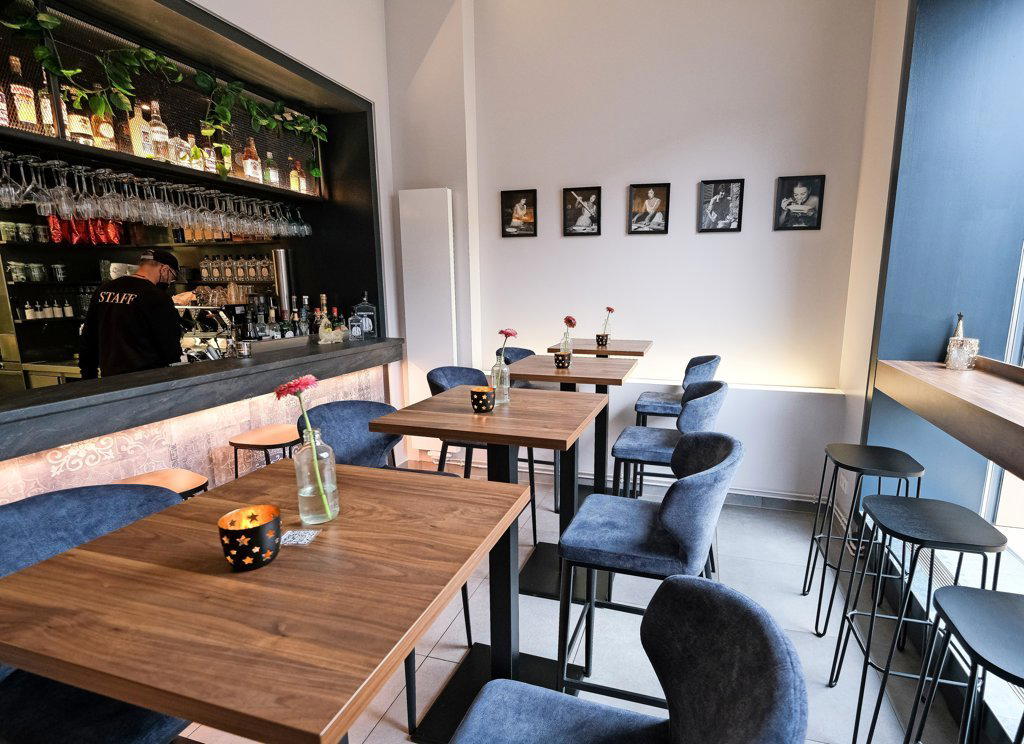
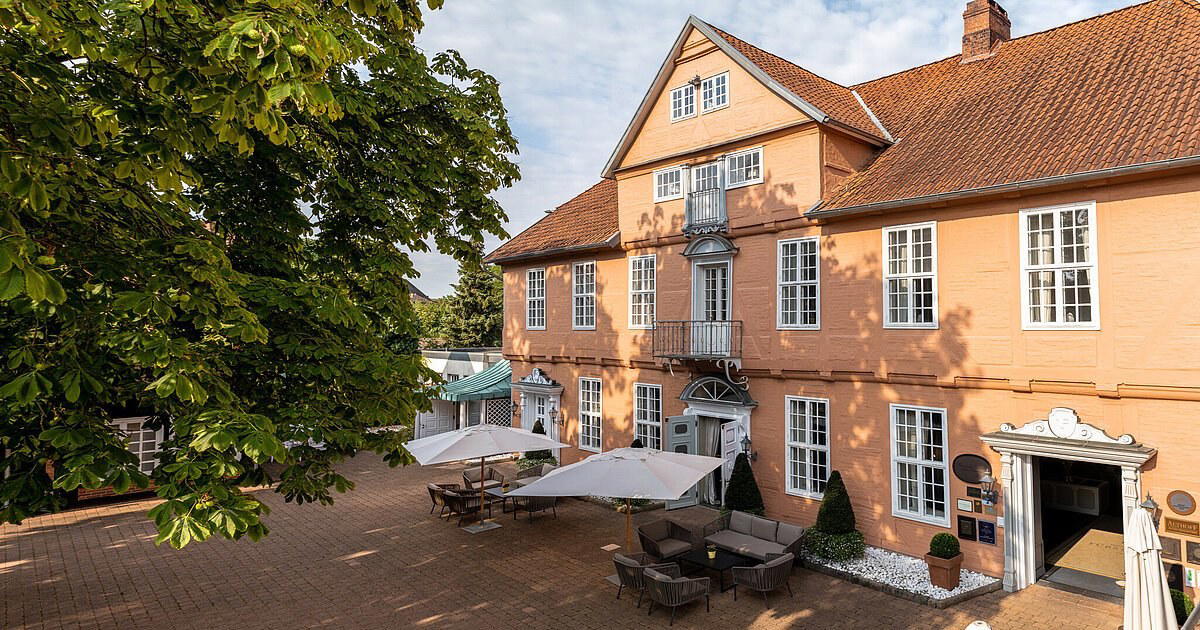
Cozy interior with warm, welcoming atmosphere, happy chaos from Italian staff, and a cheerful host creating a home-like feel.