An Italian restaurant on Marienstraße in Hanover's Südstadt, Ristorante Tesoro sits in a city where the upper end of the dining scene is increasingly defined by creative European formats. The address places it within reach of the Maschsee district, giving it a residential anchor that distinguishes it from the city-centre dining corridor. Contact the restaurant directly for reservations and current availability.
Pearl is the En Primeur Club membership app — saves, bookings, and concierge access live there. Same editors, same standards.
- Address
- Marienstraße 113, 30171 Hannover, Germany
- Phone
- +4951189931134
- Website
- ristorante-tesoro.de
- Directions
- Get directions
 Saves & bookings on Pearl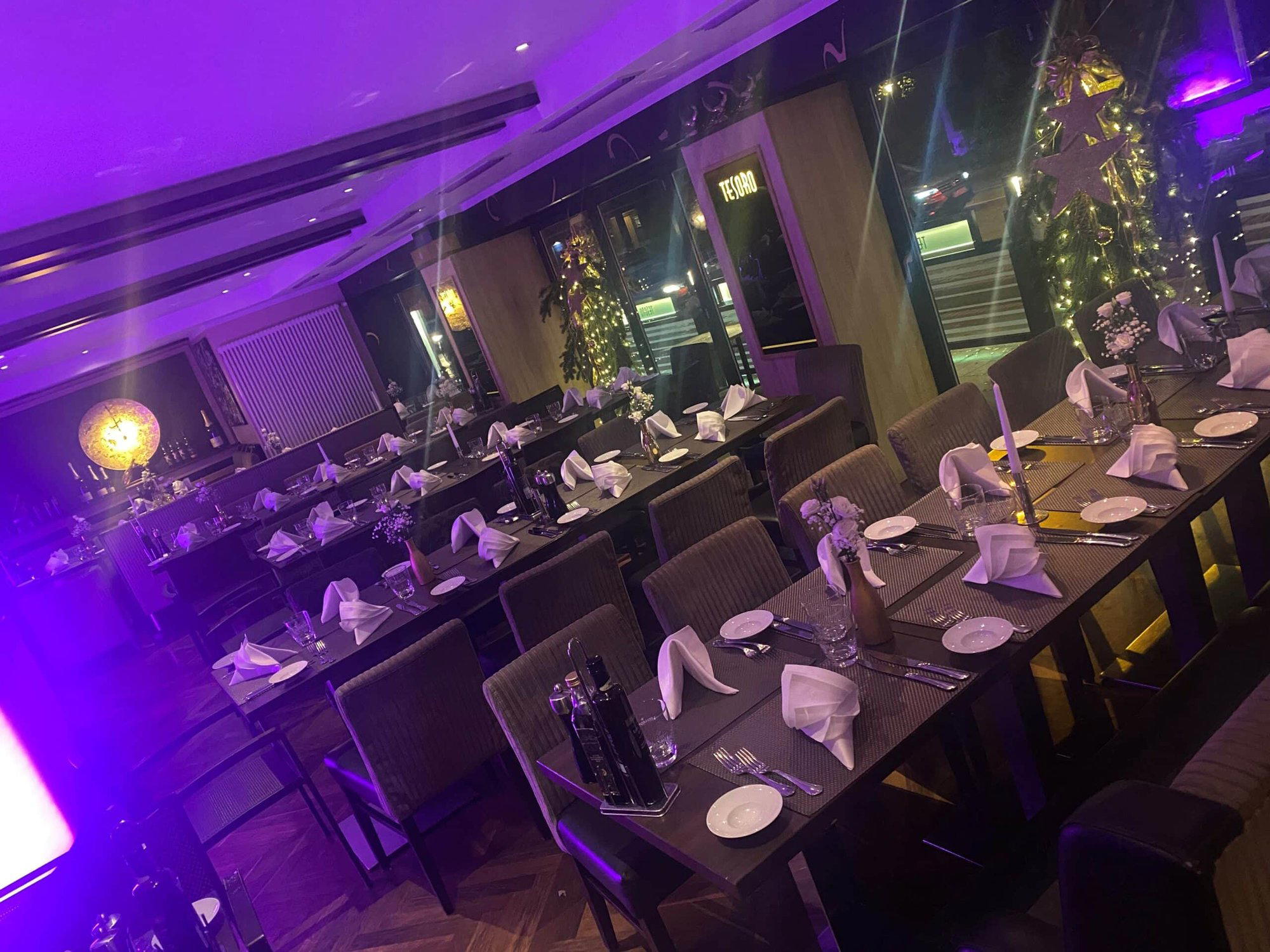
Marienstraße and the Südstadt Dining Quarter
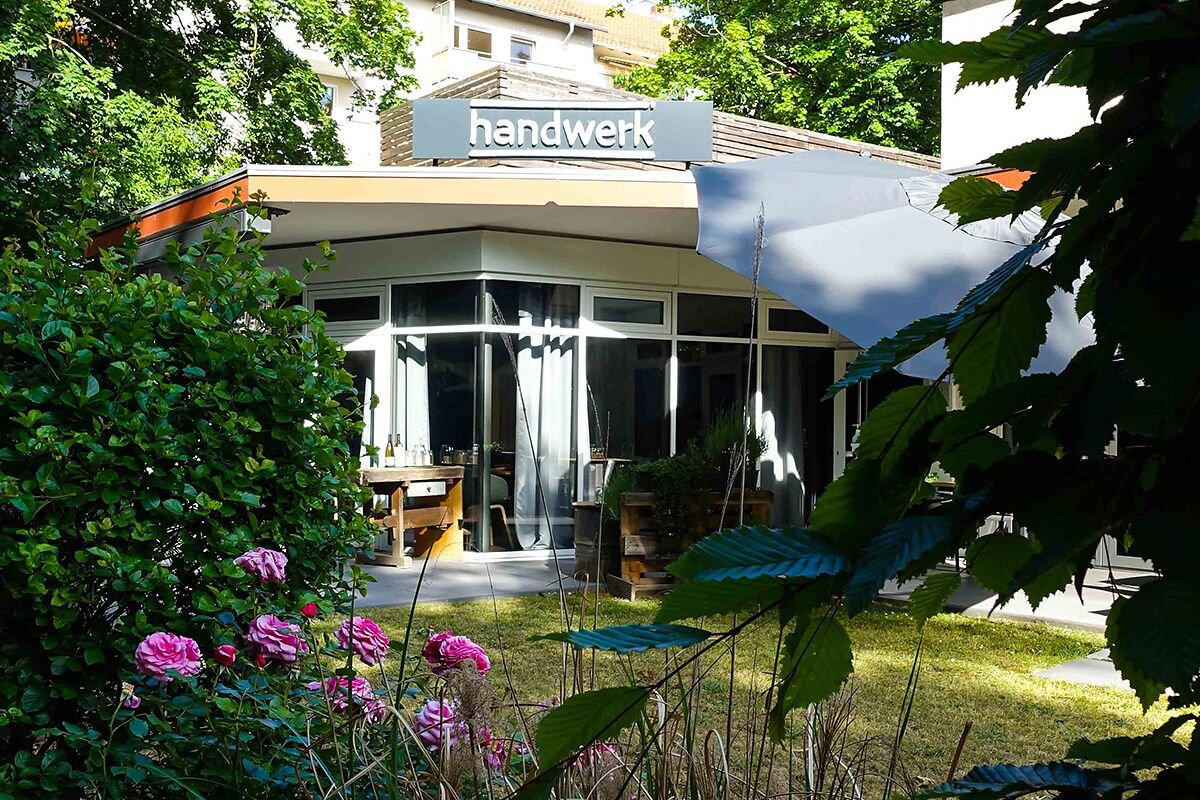
Ristorante Tesoro is a Modern Italian Fine Dining restaurant in Hannover, Germany, at Marienstraße 113 in the Südstadt district. Hanover's fine-dining conversation tends to concentrate around a handful of formats: creative tasting menus at places like Jante and Votum, modern cuisine at Handwerk, and French-influenced cooking at Marie. Italian sits somewhat apart from that axis. Across Germany, Italian restaurants occupy a wide spectrum, from fast-casual trattorie that anchor neighbourhood streets to formal rooms that price against the Michelin-recognised tier. The question for any Italian restaurant in a German city is where it positions itself along that spectrum, and what it does to signal that position clearly.
Ristorante Tesoro is located at Marienstraße 113 in Hanover's 30171 postcode, a residential district south of the city centre that runs toward the Maschsee. This is not the high-footfall corridor of the Innenstadt; it is a neighbourhood address, which tends to filter the clientele toward locals and deliberate visitors rather than passing trade. That geography matters when reading any Italian restaurant's identity. A room in a residential street lives and dies by repeat custom, which places different pressure on consistency than a venue feeding off tourist or conference volume.
Italian Cooking in a Northern German Context
Italian cuisine in Germany has gone through several phases of renegotiation. The post-war Gastarbeiter wave embedded a version of Italian cooking, pizza, pasta, the red-checked tablecloth, so thoroughly into German everyday life that it became almost invisible as a category. The more recent shift has been toward Italian restaurants that make a deliberate case for regional specificity: the difference between a Ligurian soffritto and a Neapolitan one, or the role of aged cheeses and cured meats sourced from identifiable producers rather than generic Italian import lines.
Hanover is not a city with a deep Italian fine-dining tradition in the way that, say, Hamburg's Restaurant Haerlin sits within a longer history of formal European dining. That absence can be read two ways: as a gap in the market, or as evidence that demand for formal Italian hasn't historically been strong enough to sustain it. Cities with more established fine-dining ecosystems, Berlin, Munich, Hamburg, tend to have Italian rooms that are either casual or operating at a price point that competes directly with French and contemporary European formats. The middle ground is the difficult territory.
The Sensory Register of the Südstadt Address
What any restaurant on a residential street in a German city offers, before the food arrives, is a particular kind of arrival experience. Marienstraße is a tree-lined street typical of the late-nineteenth-century Gründerzeit expansion of Hanover's southern districts, stucco facades, high ceilings, buildings that were designed for a bourgeois domestic life and have since been subdivided into ground-floor commercial uses. The sound environment of such a street is quieter than the centre: less traffic noise, less pedestrian density. A restaurant that opens onto that kind of street inherits a particular pace before the door is even opened.
The sensory register of Italian cooking in a formal register tends to operate differently from, say, the precision-plated minimalism of the contemporary Nordic style that defines places like Jante. Italian fine dining, when it is working well, is warmer in its signals, the smell of olive oil and allium before the menu arrives, the sound of a room where conversation is louder than at a Japanese counter or a modernist tasting room. These are not deficiencies; they are characteristic registers of a cuisine that historically prioritises conviviality as a structural element of the meal rather than an afterthought.
For context on how Italian and European fine dining interact across Germany's broader premium tier, restaurants like Vendôme in Bergisch Gladbach and Victor's Fine Dining by Christian Bau in Perl illustrate how rigorous European kitchens at the summit of the German market operate, though their format and price point sit well above the neighbourhood Italian register. Closer in spirit to the more approachable end of serious Italian cooking, Albertz. in Hanover offers a point of local comparison for diners mapping the city's mid-to-upper dining range.
Where Ristorante Tesoro Sits in Hanover's Eating Map
Hanover's dining scene is smaller than Germany's major metropolitan markets but has grown more coherent over the past decade. The city now has enough of a restaurant culture that categories are meaningful: you can identify a creative tasting-menu tier, a modern-European bistro tier, and a neighbourhood-restaurant tier that includes Italian, French, and international formats. The restaurant's Südstadt address places it in the third of these categories by default, though the name and format suggest it operates with more formal intent than a casual neighbourhood trattoria.
For diners arriving in Hanover from outside and mapping the city's options, the full picture is available in our Hanover restaurants guide. Those comparing Hanover's Italian offer to what's available in other German cities should note that the premium Italian tier in Germany's larger markets, and, for international context, restaurants like Le Bernardin in New York City or Atomix illustrate how the upper tier of formal dining operates globally, sets a high bar for what deliberate, technique-driven cooking in a focused format can achieve. The German creative tier, represented in Hanover by venues like Votum and nationally by restaurants like ES:SENZ in Grassau or Schwarzwaldstube in Baiersbronn, operates in a different register entirely.
Planning Your Visit
The restaurant is at Marienstraße 113, 30171 Hannover, accessible from Hanover's city centre by tram or a 20-minute walk south from the Hauptbahnhof toward the Maschsee. Its recommended reservation policy and daily hours are 11:30 AM to 3 PM and 5 PM to 11 PM. For comparable evenings in the city, Handwerk and Marie offer alternative formats for diners whose preferences run toward modern or French cooking.
A Minimal comparable set
Comparable venues nearby, for context on price, style, and recognition.
| Venue | Cuisine | Price | Notes |
|---|---|---|---|
| Ristorante TesoroThis venue — the venue you are viewing | Südstadt, Modern Italian Fine Dining | $$$ | Not listed |
| Restaurant Tropeano Di-Vino GmbH | Not listed | $$$ | Kirchrode, Northern Italian in Historic Setting |
| Va Bene | Not listed | $$ | List, Authentic Italian with Pizza and Pasta |
| Francesca & Fratelli | Oststadt, Italian Pizza | $$ | Not listed |
| Gallo Nero | Buchholz, Modern Italian & Mediterranean | $$$ | Not listed |
| Buddha Bowl | Not listed | $$$ | Mitte (Altstadt), Pan-Asian Sushi & Indochinese |
Continue exploring
More in Hanover
Restaurants in Hanover
Browse all →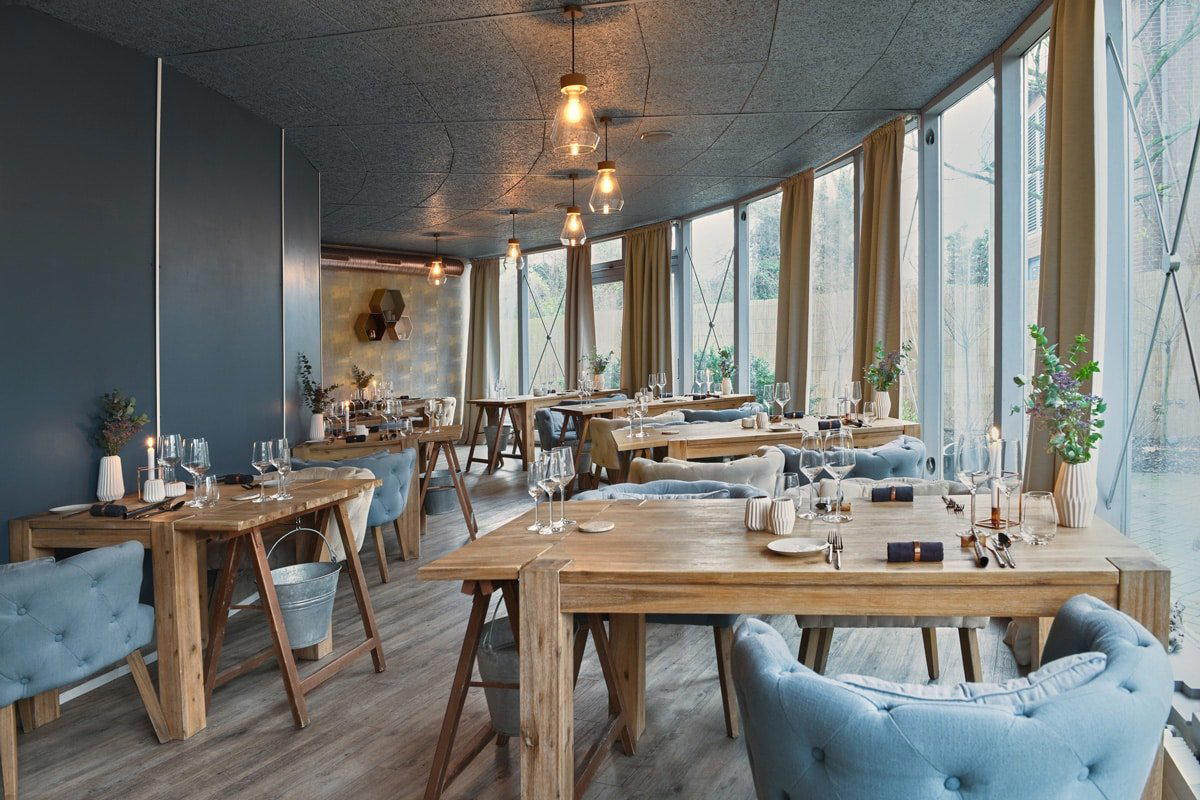
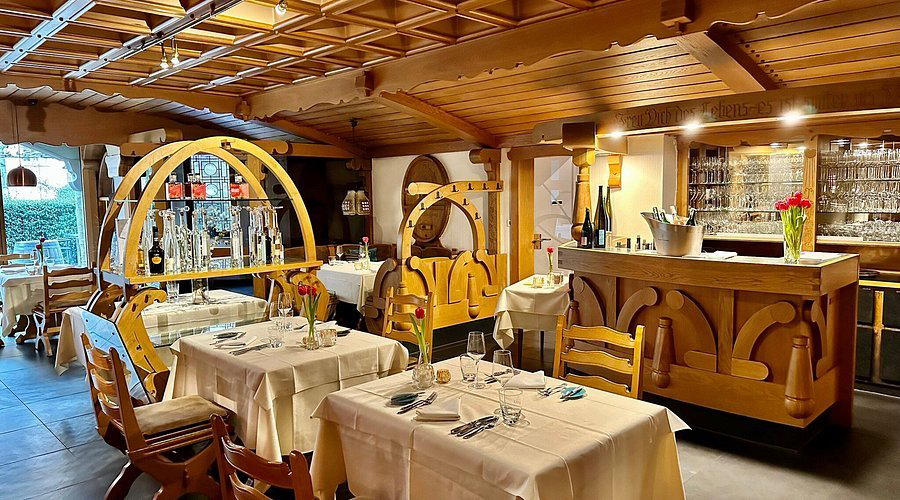
Bars in Hanover
Browse all →
Hotels in Hanover
Browse all →

At a Glance
- Romantic
- Elegant
- Modern
- Sophisticated
- Date Night
- Business Dinner
- Celebration
- Special Occasion
- Group Dining
- Standalone
- Open Kitchen
- Extensive Wine List
- Sommelier Led
- Local Sourcing
- Farm To Table
Current opening hours
- Monday
- 11:30 AM–3 PM, 5–11 PM
- Tuesday
- 11:30 AM–3 PM, 5–11 PM
- Wednesday
- 11:30 AM–3 PM, 5–11 PM
- Thursday
- 11:30 AM–3 PM, 5–11 PM
- Friday
- 11:30 AM–3 PM, 5–11 PM
- Saturday
- 11:30 AM–3 PM, 5–11 PM
- Sunday
- 11:30 AM–3 PM, 5–11 PM
Hours can change for holidays and private events. Last verified .
Modern and stylish with candlelit ambiance, intimate lighting, and romantic atmosphere; described as cozy and clean with thoughtful design that creates a comfortable yet upscale dining environment.