On Rue Jean Mermoz in Paris's 8th arrondissement, L'Empire du 8ème occupies one of the city's most competitive dining addresses, where Haussmann grandeur and high-ticket gastronomy converge. The 8th's concentrated density of serious French tables sets a demanding peer context, placing this address in direct conversation with the neighbourhood's most established rooms. Booking ahead is advised for any visit to this part of the city.
Pearl is the En Primeur Club membership app — saves, bookings, and concierge access live there. Same editors, same standards.
- Address
- 11 Rue Jean Mermoz, 75008 Paris, France
- Phone
- +33143592147
- Website
- lempiredu8eme.com
- Directions
- Get directions
 Saves & bookings on Pearl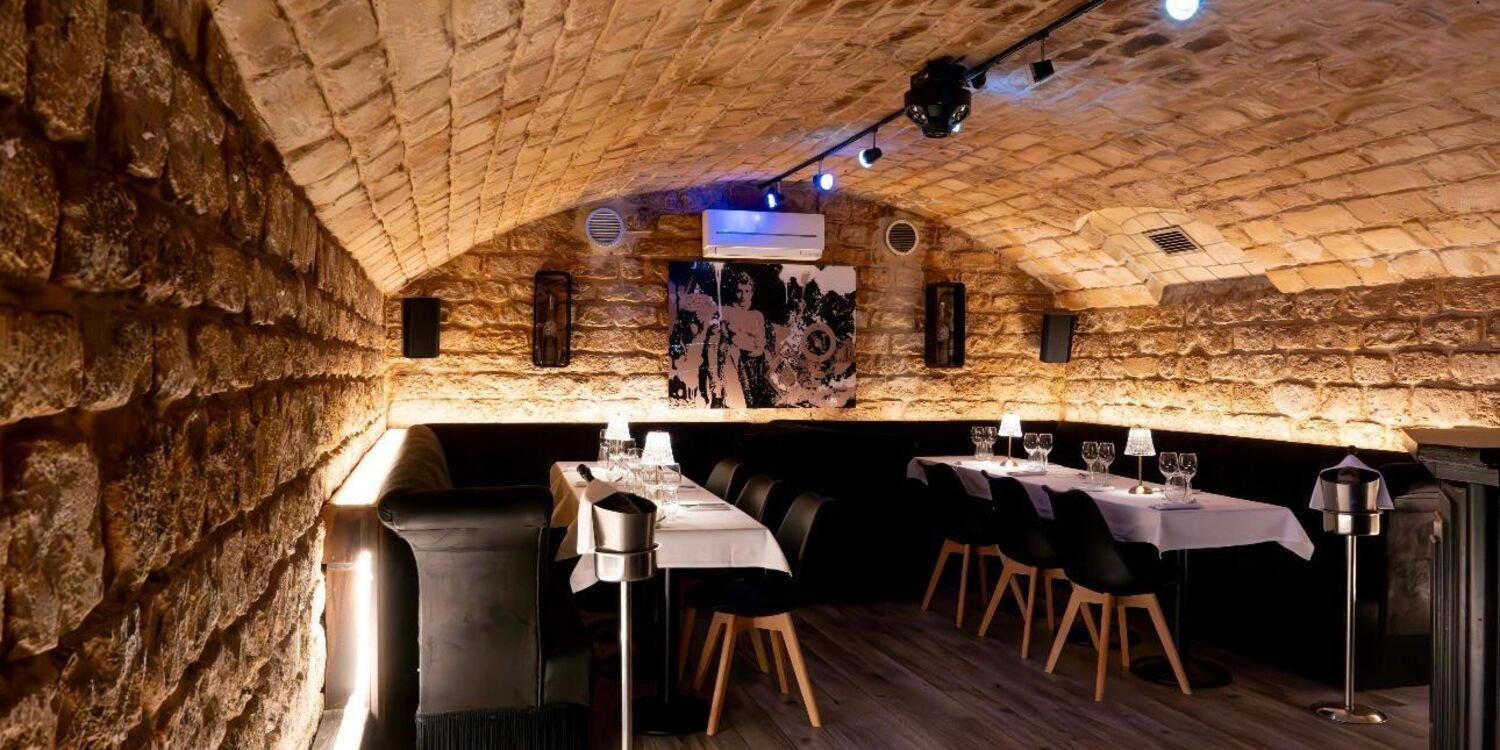
The 8th Arrondissement as Dining Pressure Test
L'Empire du 8ème is a restaurant in Paris's 8th arrondissement, with. The 8th arrondissement has long functioned as Paris's highest-stakes dining district, where the concentration of grand hotels, corporate headquarters, and old-money apartments creates a clientele that expects precision as a baseline. Rue Jean Mermoz, where L'Empire du 8ème sits at number 11, runs just off the Avenue Franklin D. Roosevelt corridor, a short walk from the Champs-Élysées and within the orbit of particularly scrutinised dining rooms in France. To open here is to accept comparison with that comparable set immediately, before a single plate arrives.
That competitive density is worth understanding before any booking decision. The 8th is home to Le Cinq at the Four Seasons Hôtel George V, one of the arrondissement's most formally appointed rooms, as well as Alléno Paris au Pavillon Ledoyen, operating at the creative edge of French haute cuisine from its position on the edge of the Champs-Élysées gardens. The neighbourhood does not accommodate mediocrity easily. Restaurants in this arrondissement price and position against international visitors, business expense accounts, and a Parisian clientele with long institutional memory.
What the Address Tells You About the Room
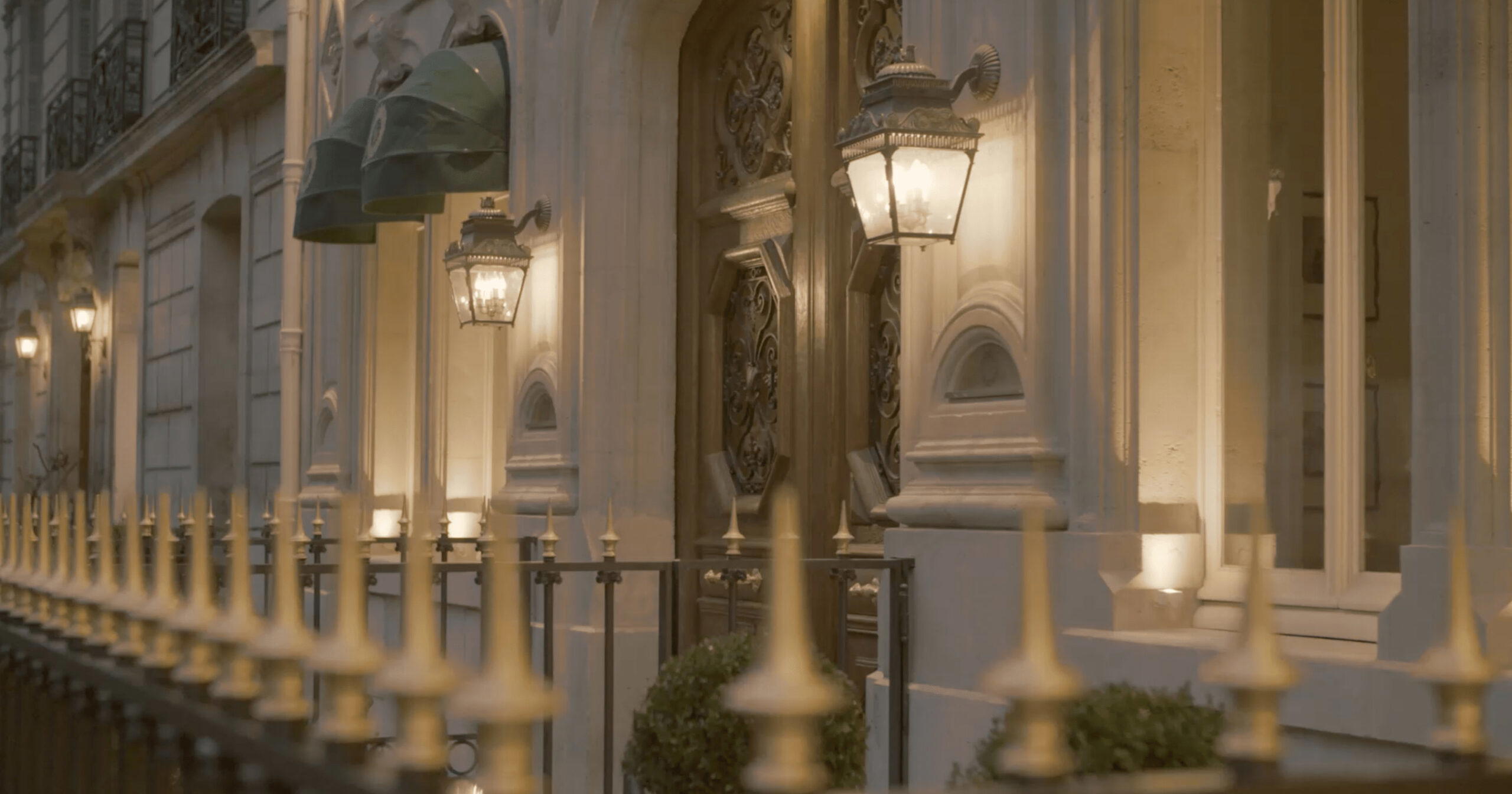
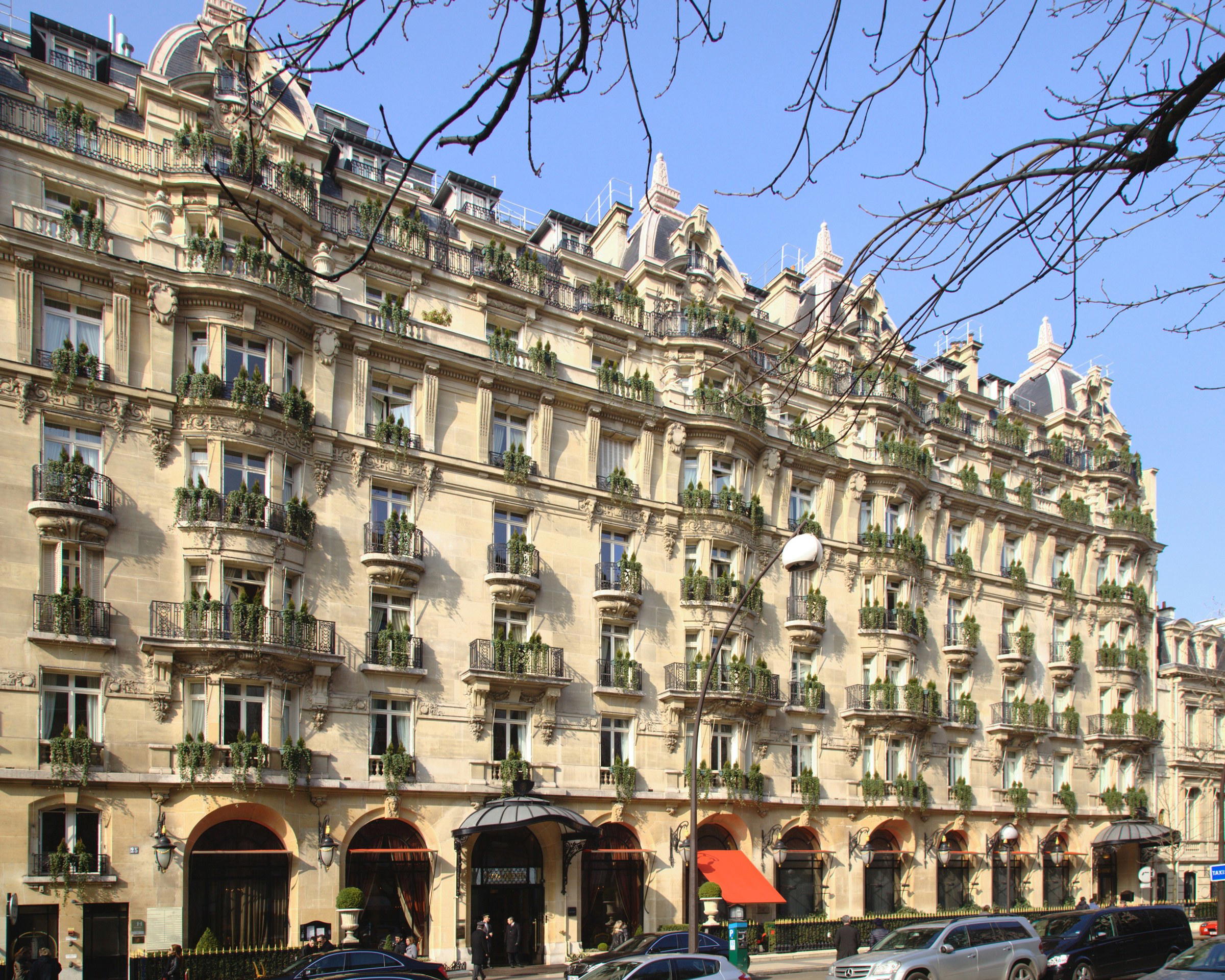
Rue Jean Mermoz is a quieter street than its proximity to the Champs-Élysées might suggest. The avenue itself draws the crowds; the surrounding side streets hold the kind of addresses that reward deliberate navigation. In this part of the 8th, buildings run to the Haussmann template: cut stone facades, high ceilings visible through ground-floor windows, ironwork balconies above. A restaurant operating at this address inherits a physical context that already communicates a certain register. The question is whether the interior and the cooking sustain the expectation the street sets.
This neighbourhood dynamic is not distinctive to Paris's 8th. Similar patterns operate around Mayfair in London or the Upper East Side in New York, where address carries implicit information about pricing tier, service formality, and the likely composition of the room on any given evening. In the 8th, that implicit information skews consistently toward the formal, the expensive, and the internationally-facing. Visitors from outside France often discover the neighbourhood through its most prominent tables; locals tend to know the secondary streets better and carry stronger opinions about which rooms earn their prices.
The Broader French Fine Dining Context
To understand what any serious 8th arrondissement table is working within, it helps to map the wider French fine dining ecosystem. The 8th sits at the apex of Paris's dining hierarchy, but Paris itself operates within a national system where some of the country's most significant cooking happens outside the capital. Mirazur in Menton and Troisgros in Ouches represent the depth of that provincial tradition. Bras in Laguiole, Auberge de l'Ill in Illhaeusern, and Auberge du Vieux Puits in Fontjoncouse each carry institutional weight that predates many of Paris's currently celebrated tables.
Within Paris, the counterweight to the 8th's grand-hotel formality is found in rooms like Arpège, which operates from the 7th with a philosophy built around vegetable-forward cooking, or Kei, which has absorbed classical French technique through a Japanese sensibility. Across the Seine on the Île Saint-Louis, L'Ambroisie holds its position as among the more unhurried and formally serious rooms in the city. These comparisons matter because they define the competitive field any 8th arrondissement restaurant enters, whether it is seeking Michelin recognition, a loyal local following, or both.
French gastronomy's international reach extends well beyond France's borders. Le Bernardin in New York City represents the export of classical French technique at the highest level, while the success of Atomix in New York City illustrates how contemporary fine dining increasingly absorbs influence from multiple traditions simultaneously. The 8th arrondissement dining scene sits at the more conservative end of that spectrum, where classical execution and room formality remain the primary currency.
Seasonal Considerations for the 8th
Visiting the 8th arrondissement in late autumn through winter brings a particular character to the neighbourhood. The Champs-Élysées Christmas market draws foot traffic to the main avenue, but the side streets, including Rue Jean Mermoz, hold to their usual rhythms. This is when Parisian restaurants in this tier tend to run their most complete seasonal menus, built around game, root vegetables, and the truffle season that peaks between December and February. Spring shifts the ingredient palette toward asparagus and morels; the summer months see a lighter approach to classical sauces, though the fundamental register of rooms in this arrondissement does not change much with the season.
For visitors combining Paris dining with a wider French itinerary, the regional options reward separate planning. Flocons de Sel in Megève and Assiette Champenoise in Reims represent the kind of destination-led dining that sits alongside rather than beneath the Paris first-tier. Paul Bocuse's Auberge du Pont de Collonges near Lyon and AM par Alexandre Mazzia in Marseille extend the map further south. Au Crocodile in Strasbourg operates within the Alsatian tradition, which has its own formal dining logic distinct from the Parisian model.
Comparable Options
Comparable venues nearby, for context on price, style, and recognition.
| Venue | Cuisine | Price | Notes |
|---|---|---|---|
| L'Empire du 8èmeThis venue — the venue you are viewing | Modern French Mediterranean | $$$ | Not listed |
| Maison 28 | Modern French Bistro | $$$ | 1er arrondissement |
| Lipp | Traditional Alsatian Brasserie | $$$ | Saint-Germain-des-Prés |
| Le Hibou | French Brasserie | $$$ | Odéon |
| Le Dôme | Classic French Seafood Brasserie | $$$ | Montparnasse |
| La Rotonde | Classic French Brasserie | $$$ | Montparnasse |
Continue exploring
More in Paris
Restaurants in Paris
Browse all →

Hotels in Paris
Browse all →
Wineries in Paris
Browse all →
At a Glance
- Elegant
- Sophisticated
- Trendy
- Lively
- Date Night
- Special Occasion
- Group Dining
- Open Kitchen
- Terrace
- Craft Cocktails
Current opening hours
- Monday
- 12–3 PM, 7 PM–2 AM
- Tuesday
- 12–3 PM, 7 PM–2 AM
- Wednesday
- 12–3 PM, 7 PM–2 AM
- Thursday
- 12–3 PM, 7 PM–2 AM
- Friday
- 12–3 PM, 7 PM–2 AM
- Saturday
- 7 PM–2 AM
- Sunday
- Closed
Hours can change for holidays and private events. Last verified .
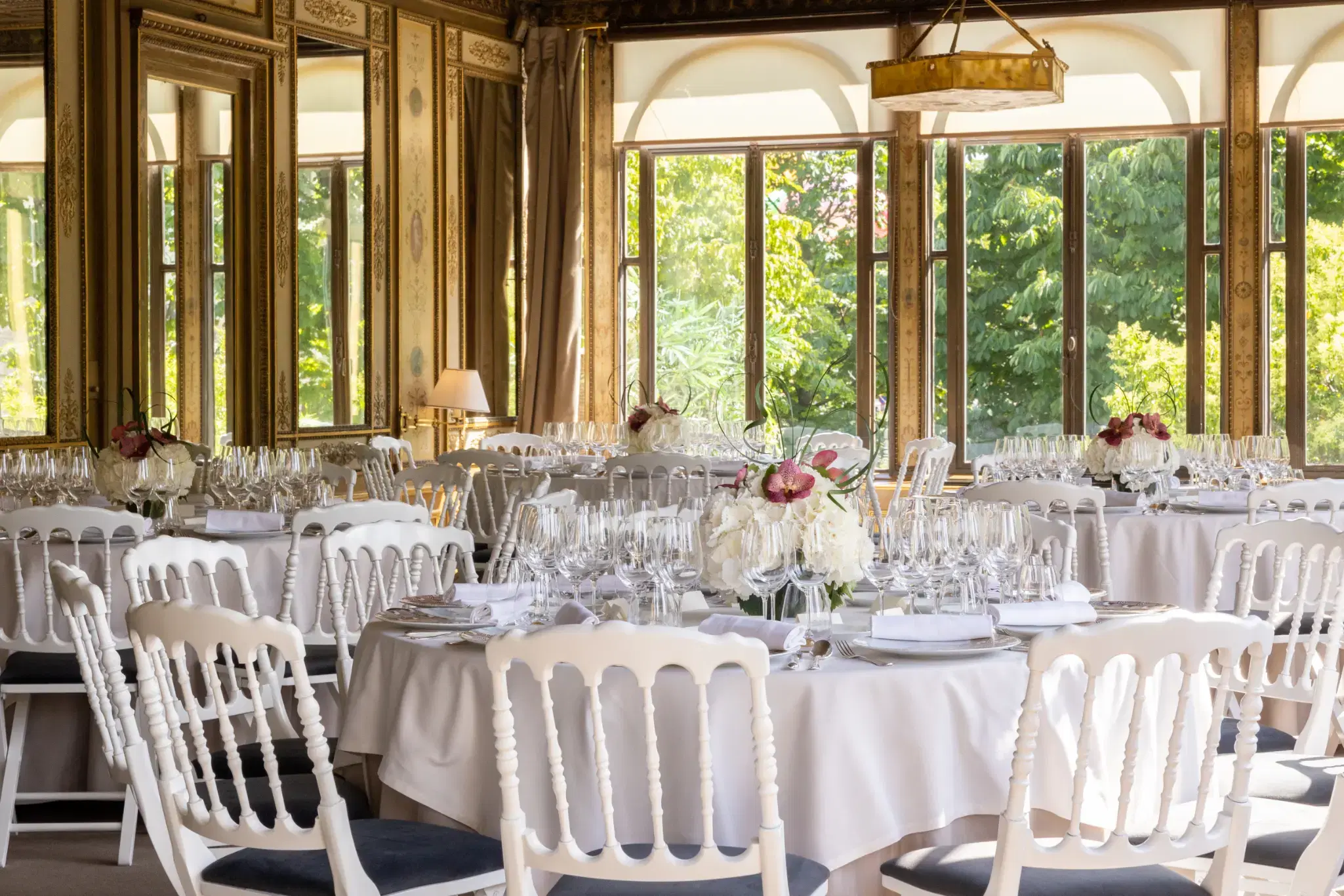
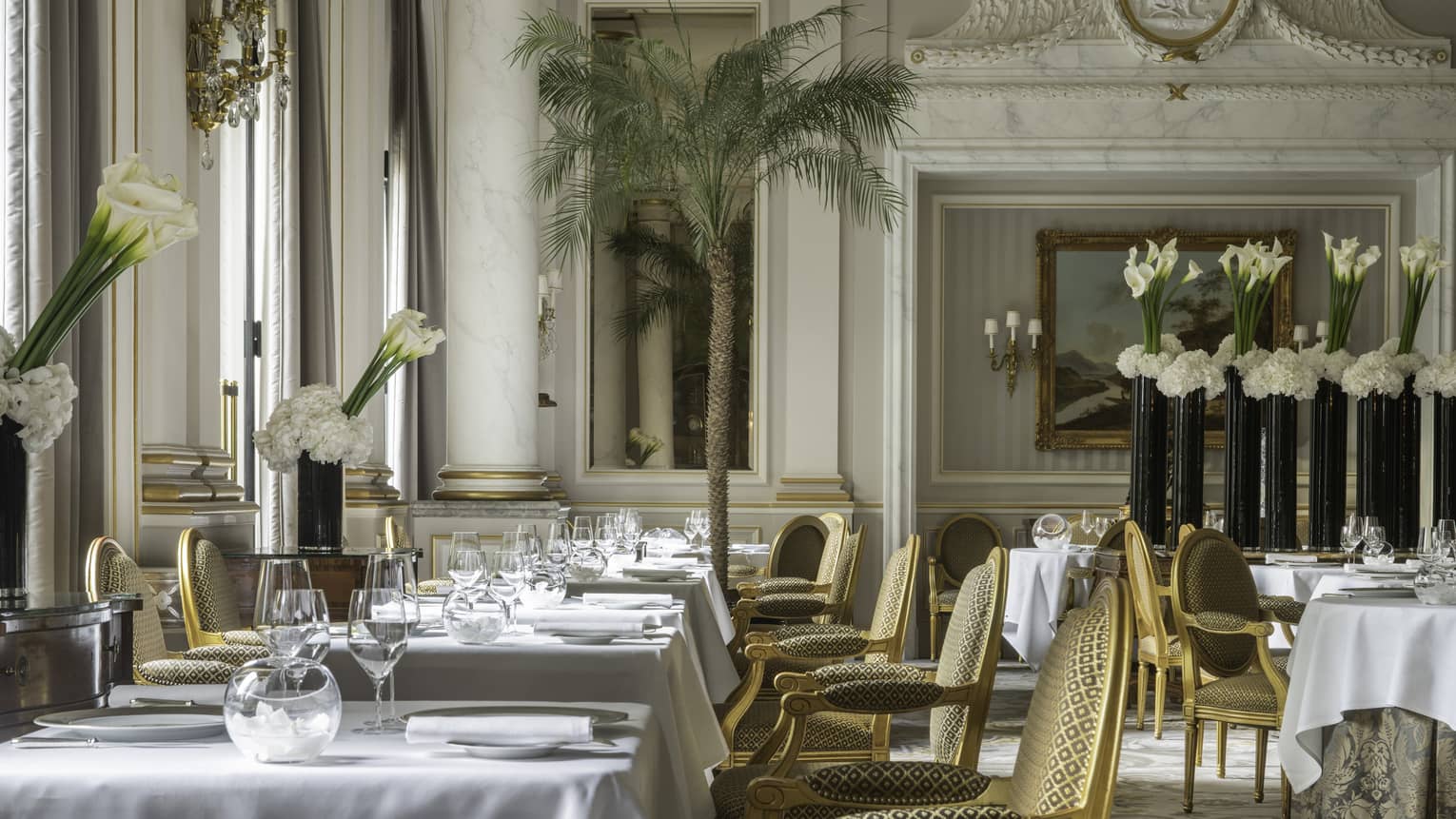
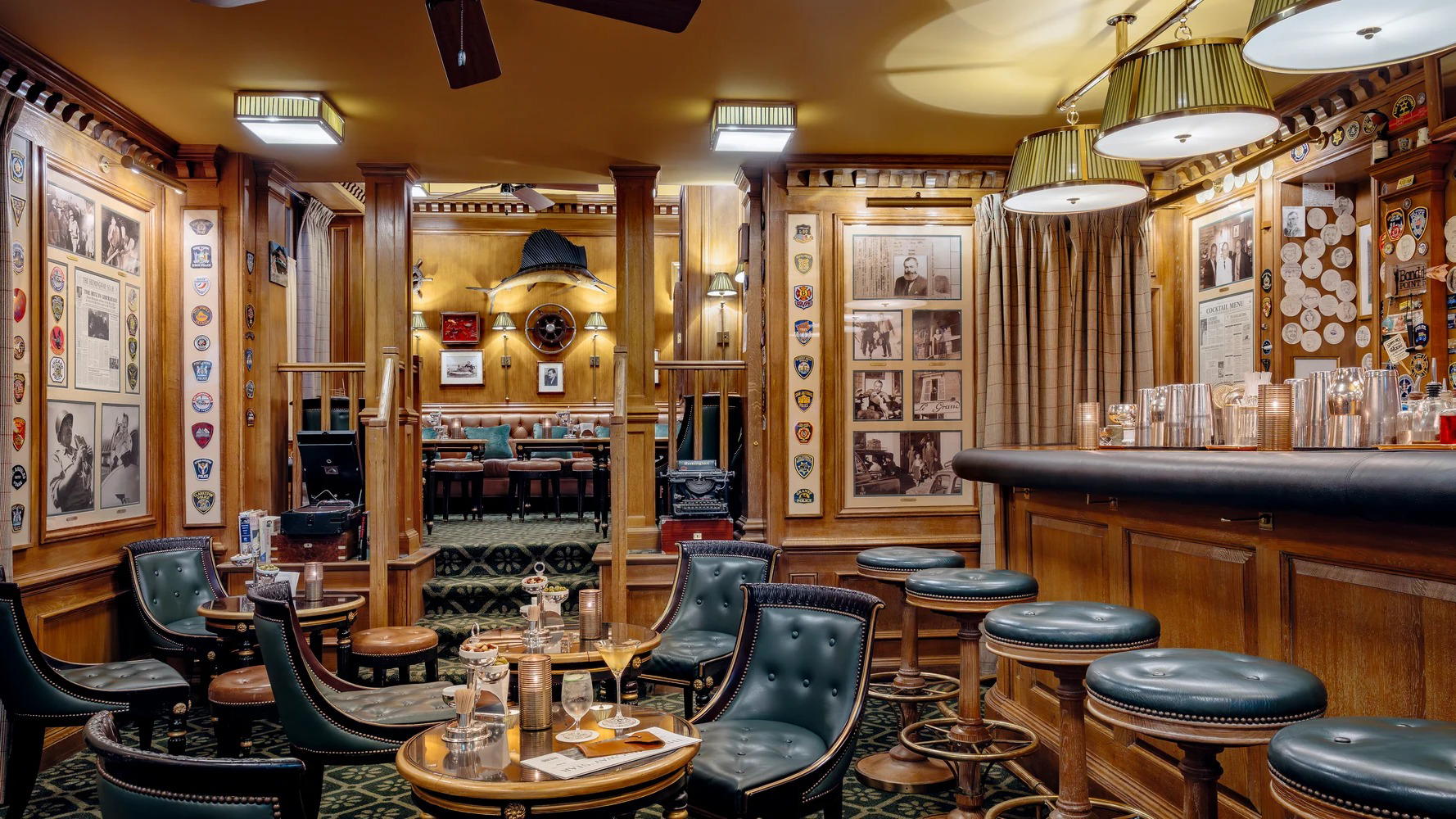
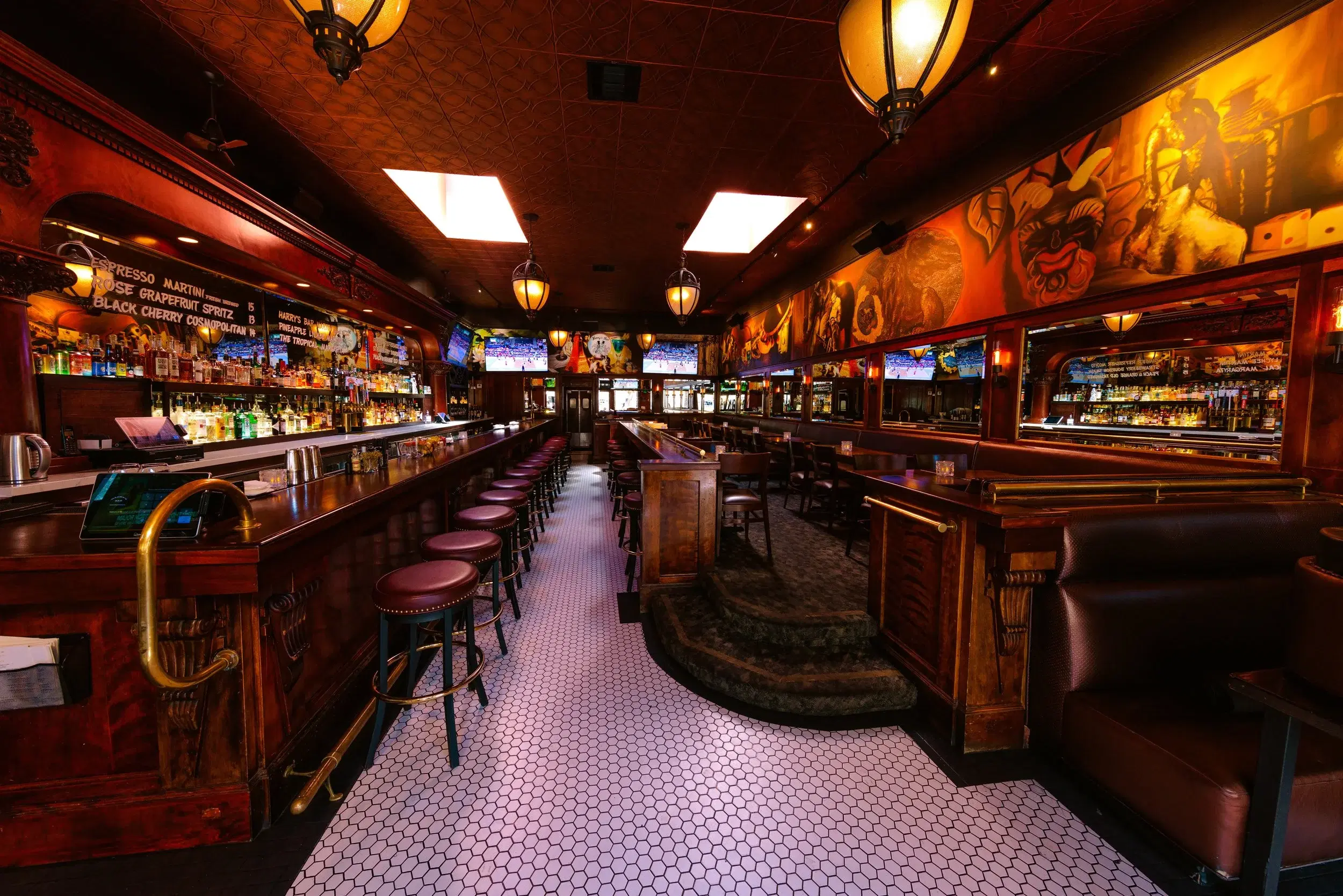
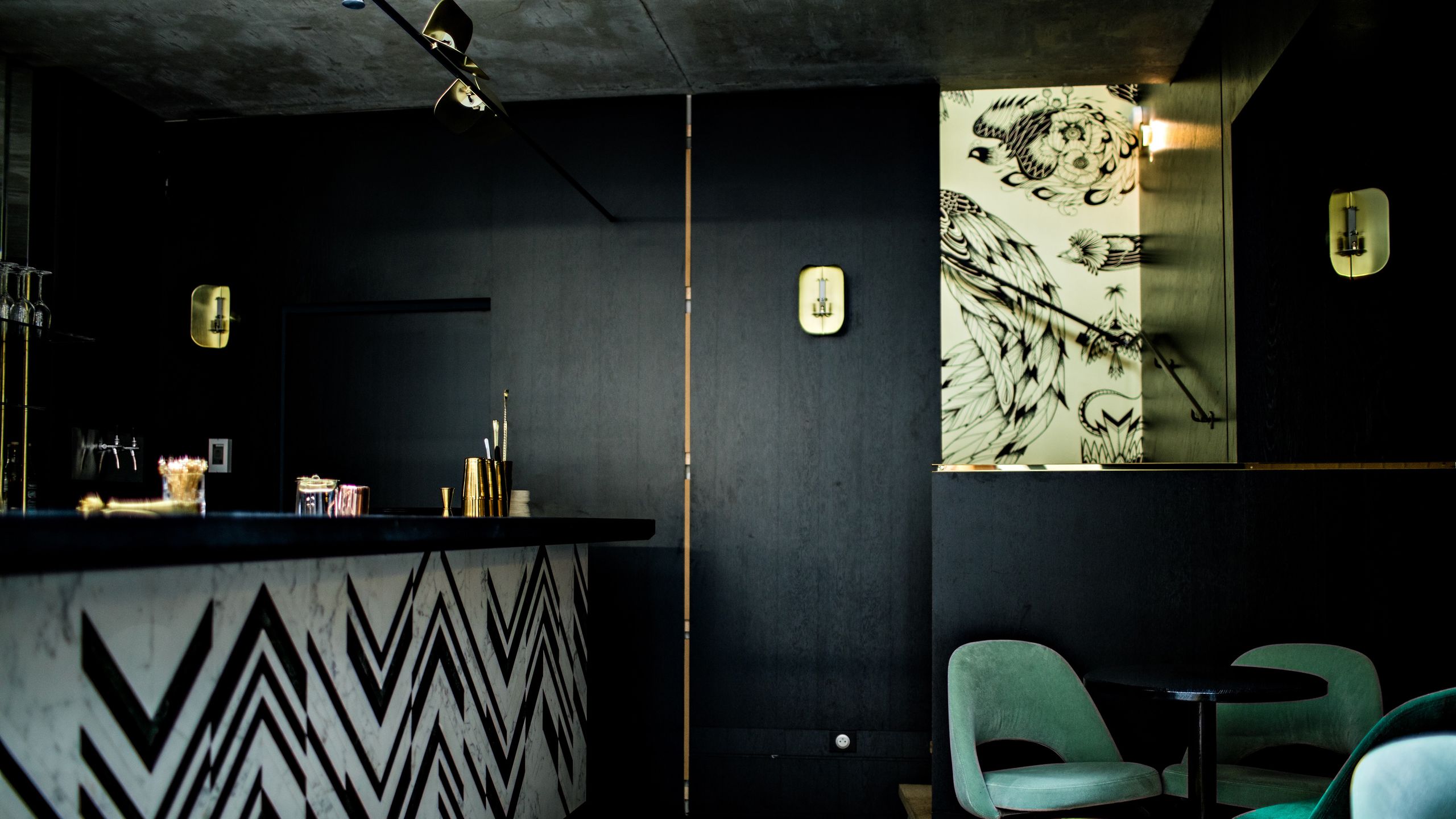
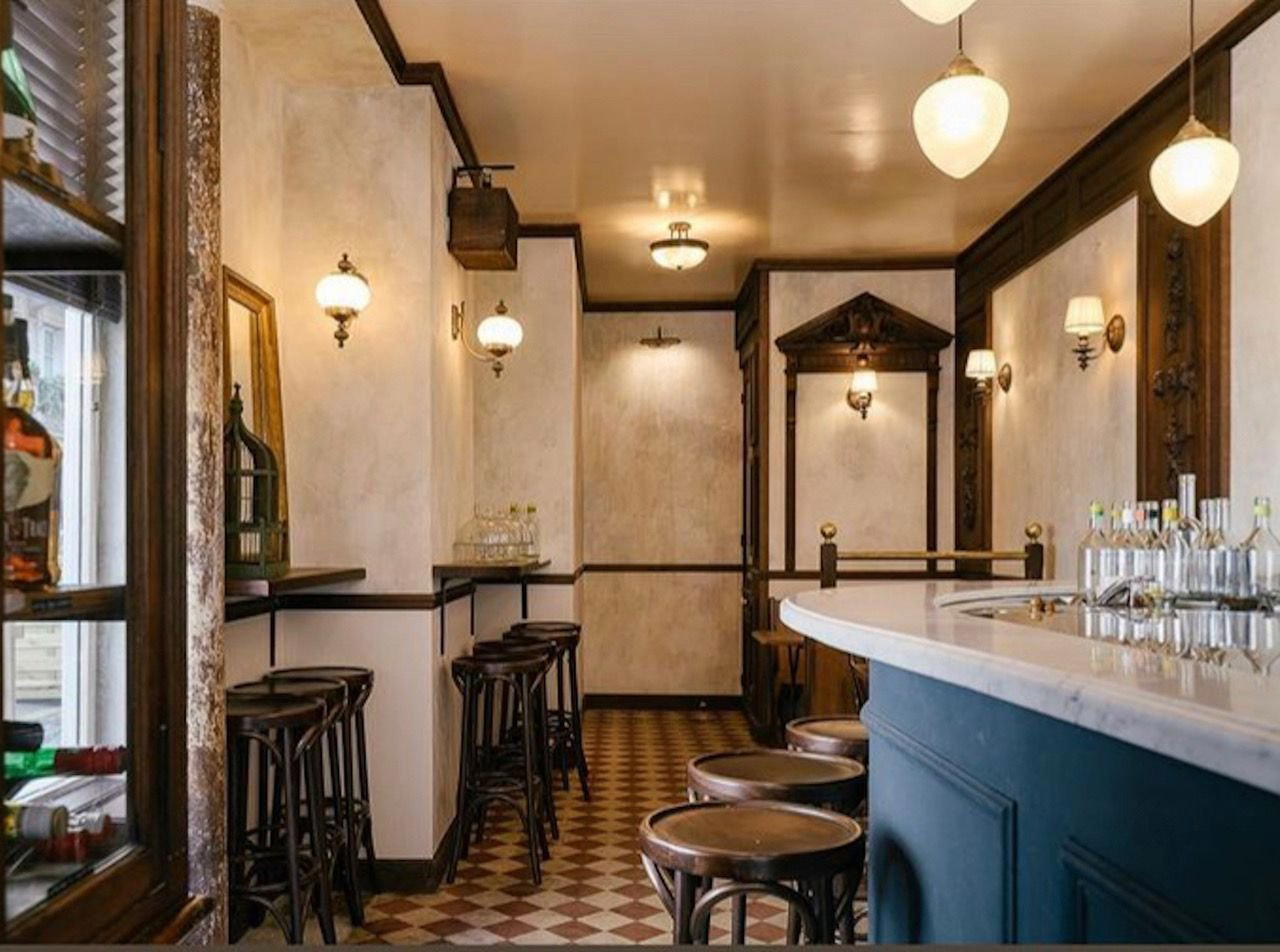
Contemporary lounge decor in Empire chic style, feutrée early evening lighting evolving to lively festive energy late night.