Le Hibou occupies a considered address at 16 Carré de l'Odéon in Paris's 6th arrondissement, a neighbourhood that has long sat at the intersection of literary culture and serious dining. Set against the broader Saint-Germain-des-Prés restaurant scene, where theatrical interiors compete with stripped-back bistro tradition, the space positions itself within a quieter, design-conscious register that the area's most deliberate operators now favour.
Pearl is the En Primeur Club membership app — saves, bookings, and concierge access live there. Same editors, same standards.
- Address
- 16 Carr de l'Odéon, 75006 Paris, France
- Phone
- +33143549691
- Website
- lehibou-paris.com
- Directions
- Get directions
 Saves & bookings on Pearl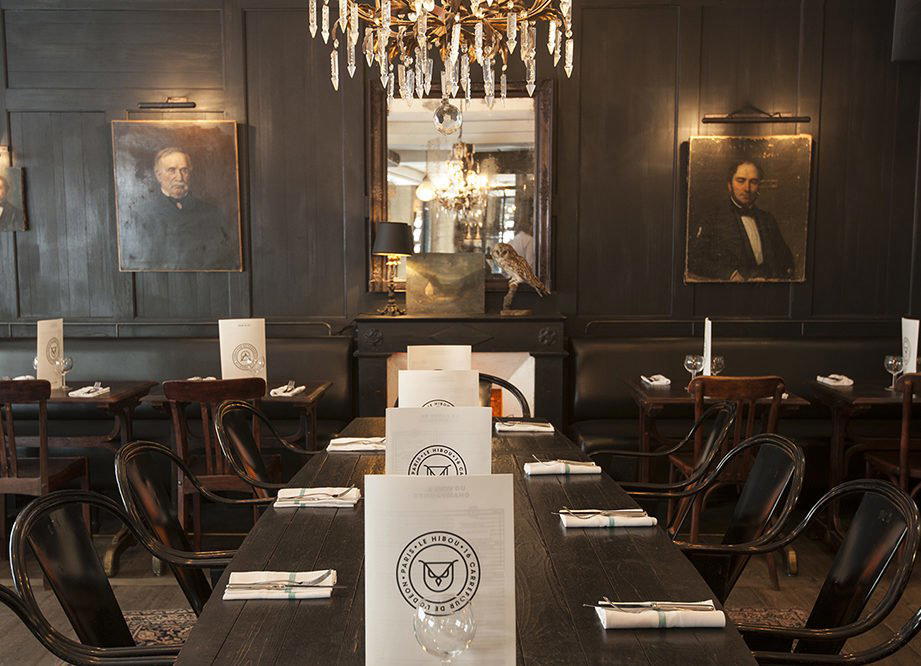
Saint-Germain's Quieter Register
The Carré de l'Odéon has functioned as one of Paris's more architecturally coherent pocket squares for the better part of two centuries, its proportions shaped by the Théâtre de l'Odéon's neoclassical presence on the northern edge. Restaurants that settle here inherit a context that is neither the tourist-facing bustle of the nearby Luxembourg gardens perimeter nor the expense-account density of the 8th arrondissement's avenue-side rooms. They occupy a middle ground: frequented by Parisians who know the neighbourhood, visited by travellers who have moved past the obvious itinerary, and held to the particular standard that literary Saint-Germain still quietly imposes. Le Hibou sits at address 16 within this square, a position that places it inside one of the 6th's most legible pedestrian spaces.
Among Paris's broader dining geography, the 6th arrondissement has split into two recognisable tiers over the past decade. The first is the haute cuisine tier, where rooms like L'Ambroisie (French, Classic Cuisine) on the nearby Place des Vosges or the multi-star operations of the 8th, including Le Cinq at the Four Seasons Hôtel George V, command four-figure covers per person and operate on tasting-menu logic. The second is the neighbourhood tier: smaller, often design-led, operating without the formal signalling of a starred ceiling. The Odéon quarter belongs predominantly to the latter category, and that is where Le Hibou's address places it within the city's competitive map.
The Physical Container
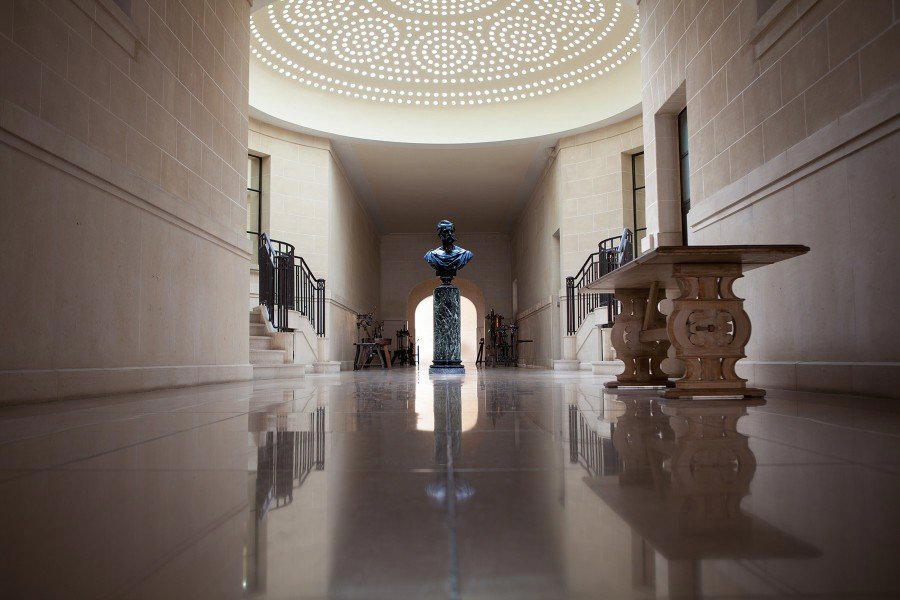
In French restaurant culture, the relationship between a room's physical architecture and its dining proposition has always been loaded with meaning. The brasserie model institutionalised zinc bars, banquette seating, and tiled floors as signals of democratic permanence. The starred room responded with linen, low light, and spatial formality that communicated ceremony. What has emerged across the past fifteen years in Paris's design-conscious middle ground is a third mode: interiors that use architectural restraint, exposed material finishes, considered proportions, minimal decorative gesture, to communicate seriousness without ceremony. The Odéon's neighbourhood character, bounded by limestone Haussmann facades and a square that retains its original spatial logic, provides a natural container for this mode.
When assessing a Paris room's spatial proposition, the interplay between street presence and interior volume matters considerably. Addresses on the Carré de l'Odéon benefit from the square's generous natural light, particularly in the mid-afternoon window that precedes dinner service, and from the architectural coherence of their neighbours, which sets a visual standard that interior design must either meet or deliberately counterpoint. Rooms that succeed here tend to make decisions about material and seating density that align with the square's own proportional logic rather than fighting it.
This architectural attentiveness connects to a broader shift visible across France's most considered dining rooms. At houses like Flocons de Sel in Megève or Bras in Laguiole, the spatial container and its landscape relationship are treated as editorial to the dining experience itself, not decorative afterthought. Urban rooms face a compressed version of the same challenge: how to make the physical space argue for the food's logic.
The Odéon Scene in Comparative Context
Paris's 6th arrondissement has produced a specific kind of restaurant patron: someone with a working knowledge of the city's dining vocabulary, a preference for rooms that do not shout their ambitions, and a reasonable expectation of technical competence in the kitchen. This profile shapes what operators in the Carré de l'Odéon area can reasonably offer and what they need to deliver consistently to hold a local clientele.
Across France more broadly, the addresses that have maintained this kind of local loyalty over time tend to share certain operational characteristics. Rooms like Auberge de l'Ill in Illhaeusern and Troisgros in Ouches have sustained multi-generational followings by treating their physical spaces and their culinary identity as integrated propositions. Paris neighbourhood rooms operate under different constraints, urban real estate, faster turnover, a more fluid clientele, but the underlying logic of spatial and culinary coherence applies across scales.
Within the capital itself, the creative tier exemplified by Alléno Paris au Pavillon Ledoyen or the Franco-Japanese synthesis at Kei represents one direction French restaurant culture has moved: toward technical elaboration and a self-conscious dialogue with tradition. The Odéon quarter's neighbourhood rooms represent a parallel path, one that values calibration over spectacle and consistency over ambition signalling. Both directions are legitimate; they serve different reader decisions.
Internationally, the comparison with Le Bernardin in New York City is instructive not because the price points or format align but because both addresses demonstrate how a room's spatial seriousness can set an expectation that the kitchen then has to meet. A room that takes its physical design seriously makes an implicit promise. Whether a given kitchen can keep that promise is the operative question for any Paris address in this register. Korean-influenced fine dining at Atomix in New York demonstrates a third model entirely: where spatial theatrics and tasting-format rigour combine in a way that has no precise Parisian equivalent, which is itself a useful calibration point for what the Odéon neighbourhood offers in contrast.
For readers looking beyond Paris, the regional French comparison set includes Mirazur in Menton, AM par Alexandre Mazzia in Marseille, Assiette Champenoise in Reims, Au Crocodile in Strasbourg, Auberge du Vieux Puits in Fontjoncouse, and Paul Bocuse's L'Auberge du Pont de Collonges, and Arpège within Paris itself. Each represents a distinct position in France's dining hierarchy.
Know Before You Go
- Address: 16 Carré de l'Odéon, 75006 Paris, France
- Arrondissement: 6th (Saint-Germain-des-Prés / Odéon quarter)
- Nearest Metro: Odéon (lines 4 and 10), approximately 2 minutes on foot
- Phone: Not available in current records
A Minimal comparable set
Comparable venues nearby, for context on price, style, and recognition.
| Venue | Cuisine | Price | Notes |
|---|---|---|---|
| Le HibouThis venue — the venue you are viewing | Odéon, French Brasserie | $$$ | Not listed |
| Bistrot Vivienne | Not listed | $$$ | 2nd arrondissement, Classic French Bistro |
| Ardent | Not listed | $$$ | 9th arrondissement, Modern French Flame-Grill |
| La Table d'Estrées | Not listed | $$$ | 7e arrondissement, Modern French Bistro |
| L'Empire du 8ème | Not listed | $$$ | 8e Arr. – Élysée, Modern French Mediterranean |
| La Ferrandaise | Not listed | $$$ | Saint-Germain-des-Prés, Traditional French Auvergne Bistro |
Continue exploring
More in Paris
Restaurants in Paris
Browse all →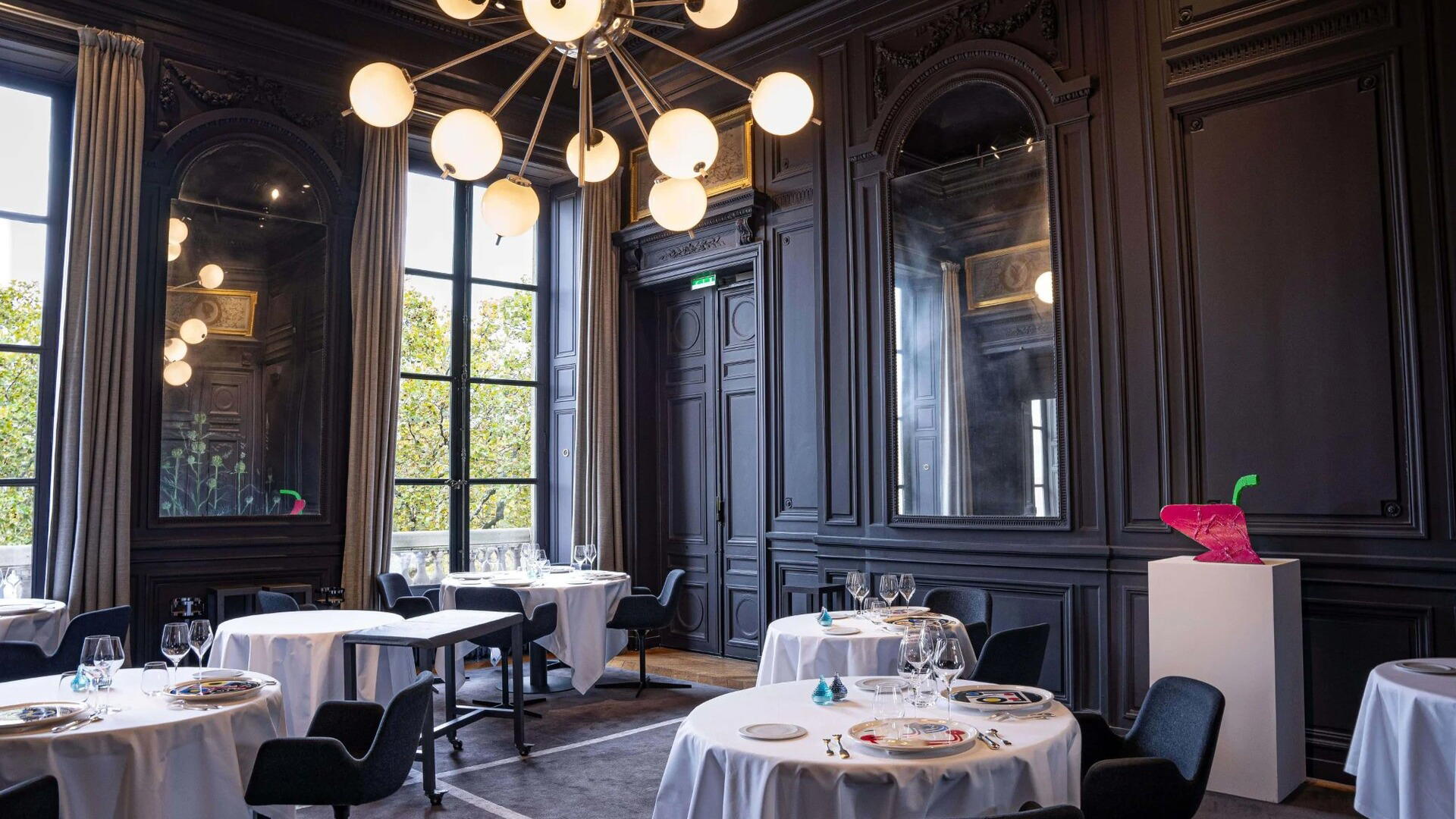
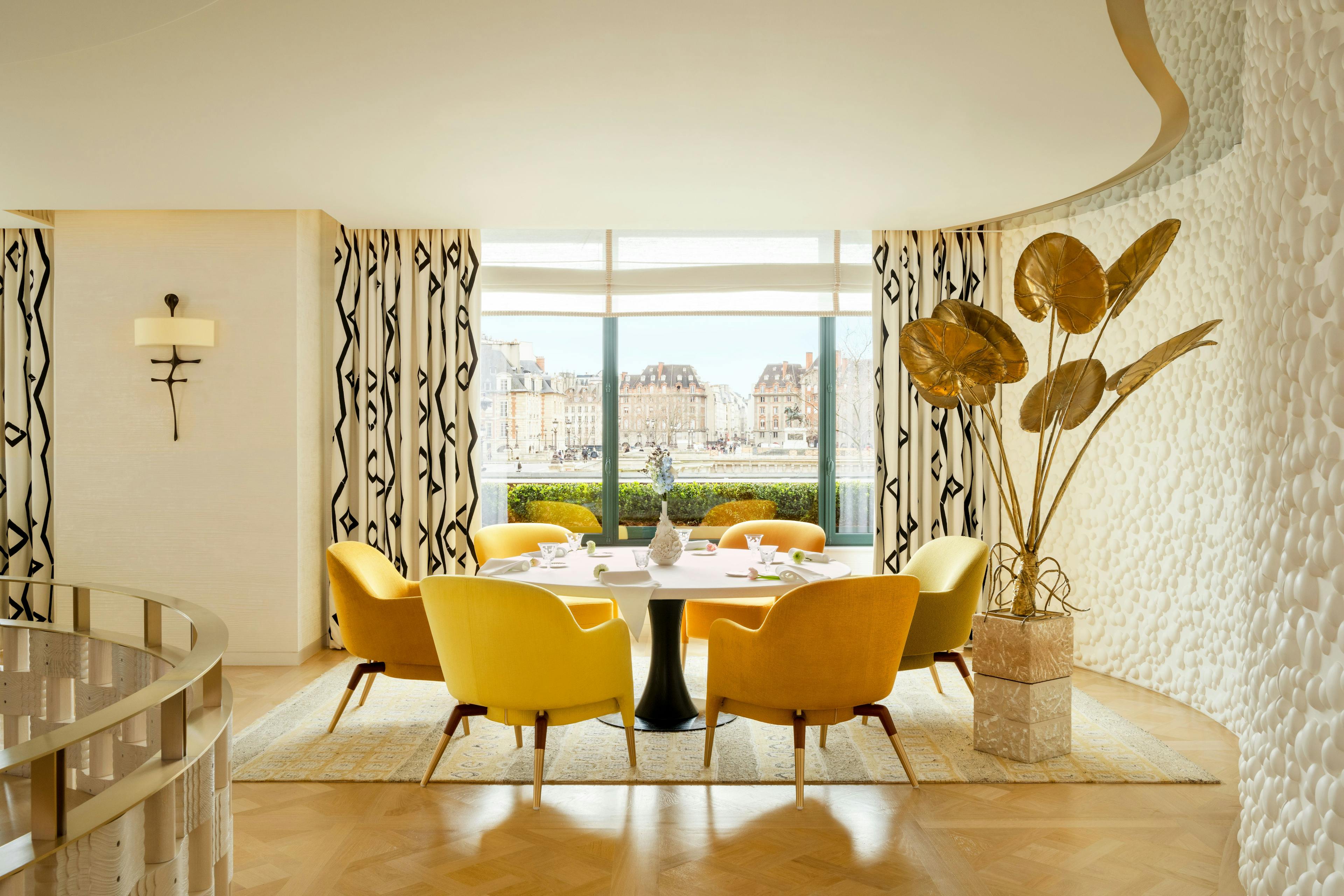
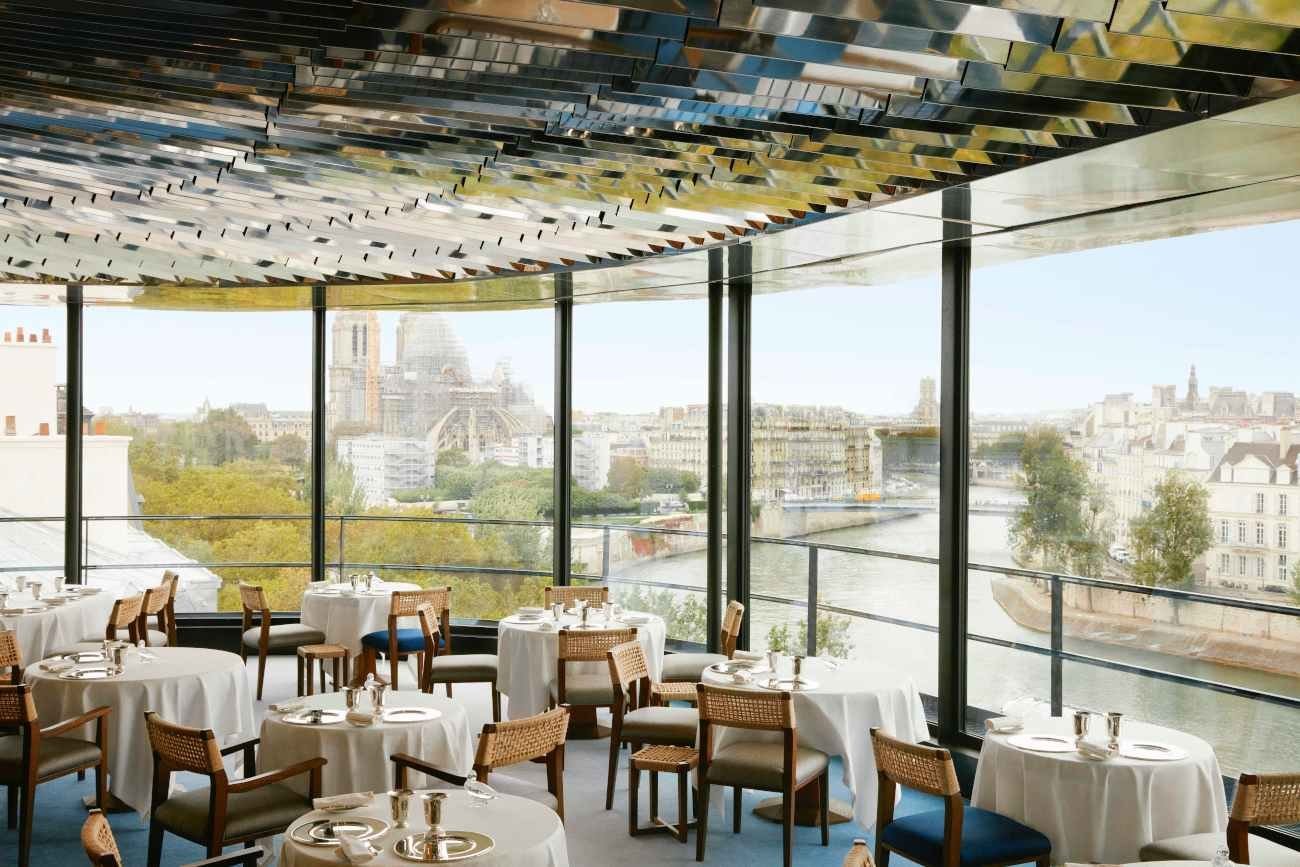
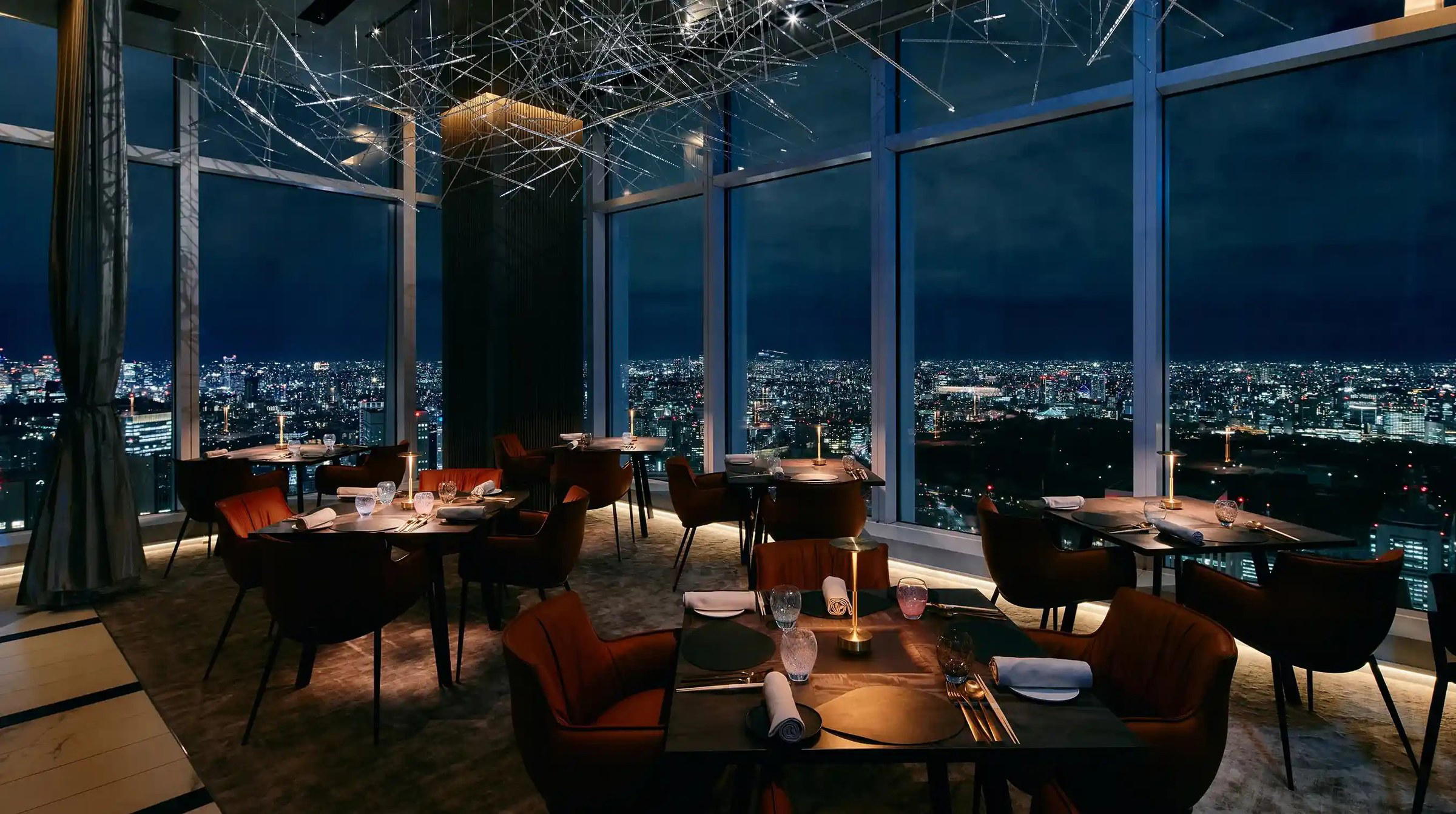
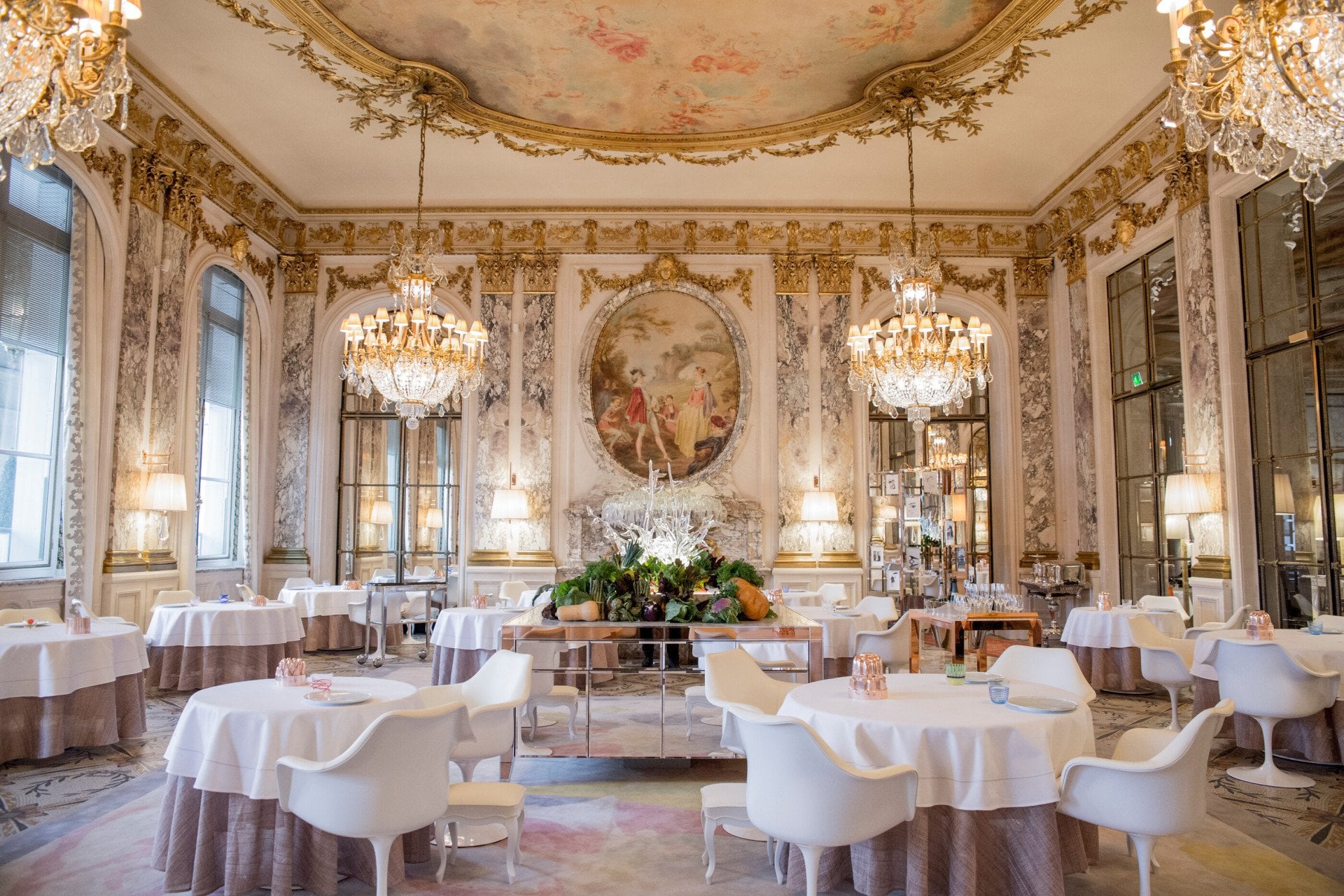
Bars in Paris
Browse all →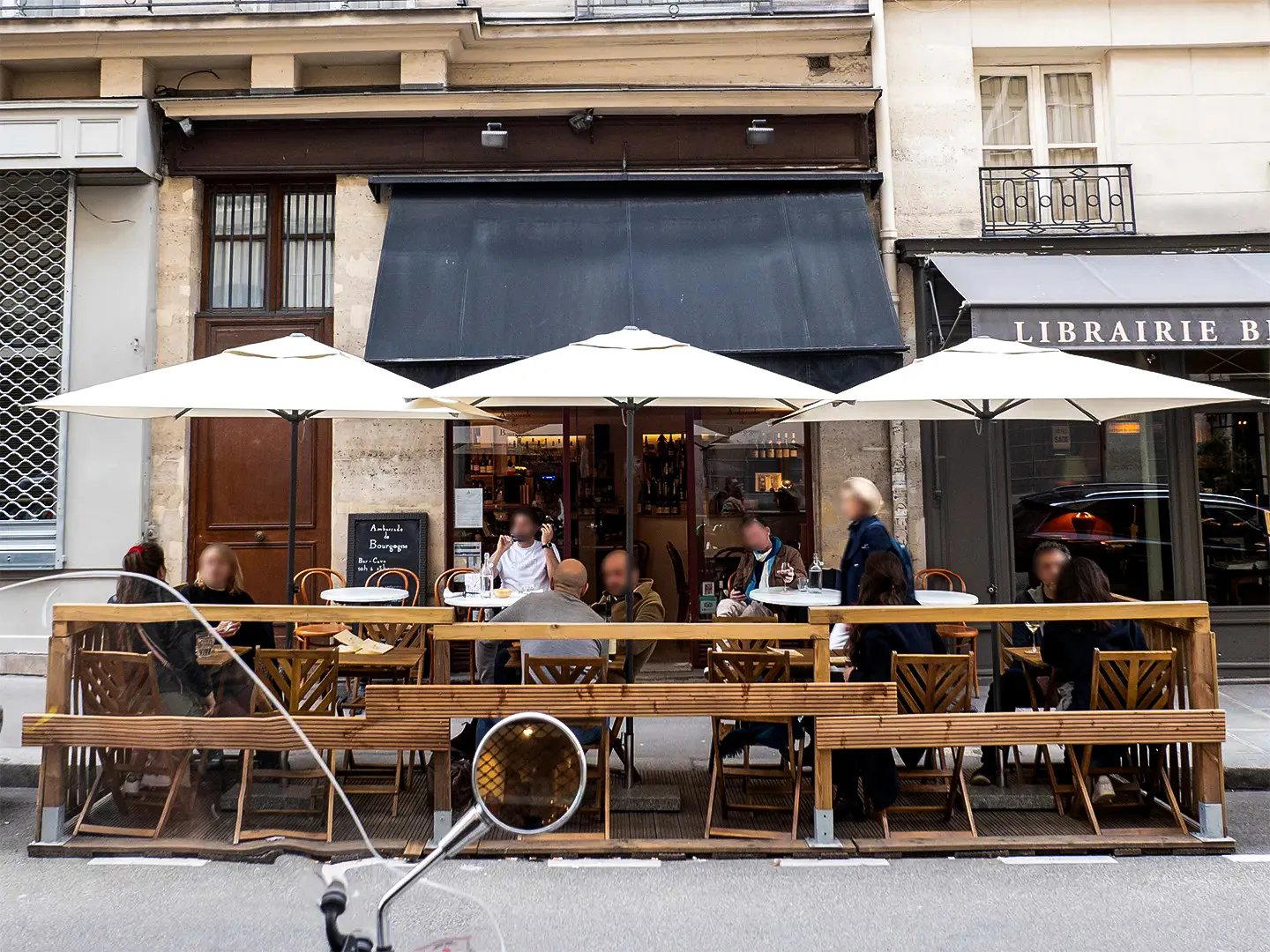
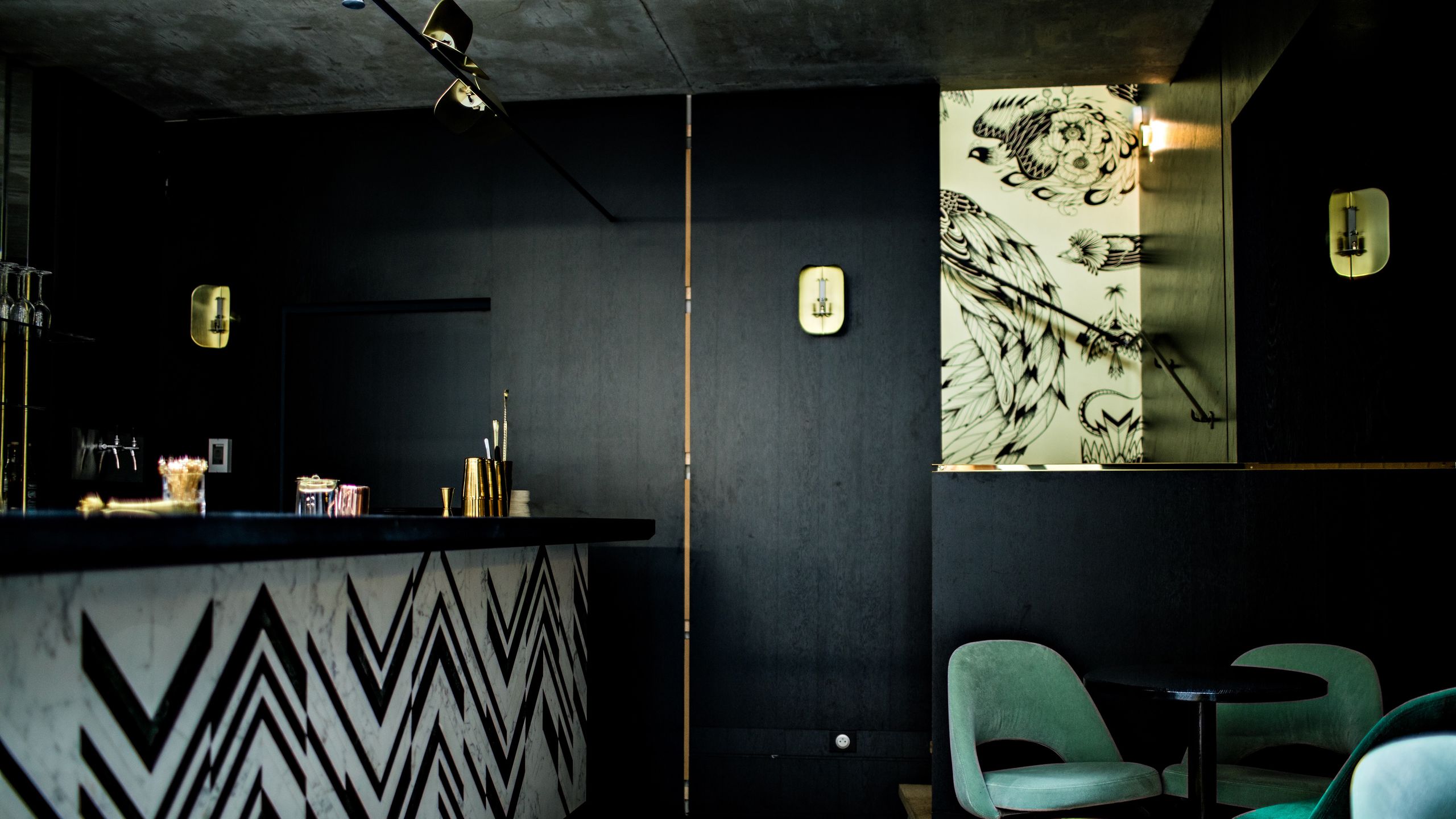
Hotels in Paris
Browse all →



At a Glance
- Cozy
- Elegant
- Relaxed
- Brunch
- Date Night
- Casual Hangout
- Terrace
- Craft Cocktails
- Street Scene
Current opening hours
- Monday
- 8 AM–2 AM
- Tuesday
- 8 AM–2 AM
- Wednesday
- 8 AM–2 AM
- Thursday
- 8 AM–2 AM
- Friday
- 8 AM–2 AM
- Saturday
- 8 AM–2 AM
- Sunday
- 8 AM–2 AM
Hours can change for holidays and private events. Last verified .
Warm and relaxed with broc chic decor, club armchairs, duck-blue wooden walls, glowing chandeliers, candlelight, stuffed birds, and family portraits on dark wood-panelled walls.