
Lee Ho Fook sits on Duckboard Place in Melbourne's CBD, operating at the junction where classical Chinese technique meets Australian produce and contemporary kitchen discipline. The result is a dining room that consistently draws comparisons to the city's serious fine-dining tier rather than its Chinatown strip. For anyone tracking how Australian-Chinese cuisine has evolved over the past decade, this address is the argument in concrete form.
Pearl is the En Primeur Club membership app — saves, bookings, and concierge access live there. Same editors, same standards.
- Address
- 11-15 Duckboard Pl, Melbourne VIC 3000, Australia
- Phone
- +61 3 9654 8239
- Website
- leehofook.com.au
- Directions
- Get directions
 Saves & bookings on Pearl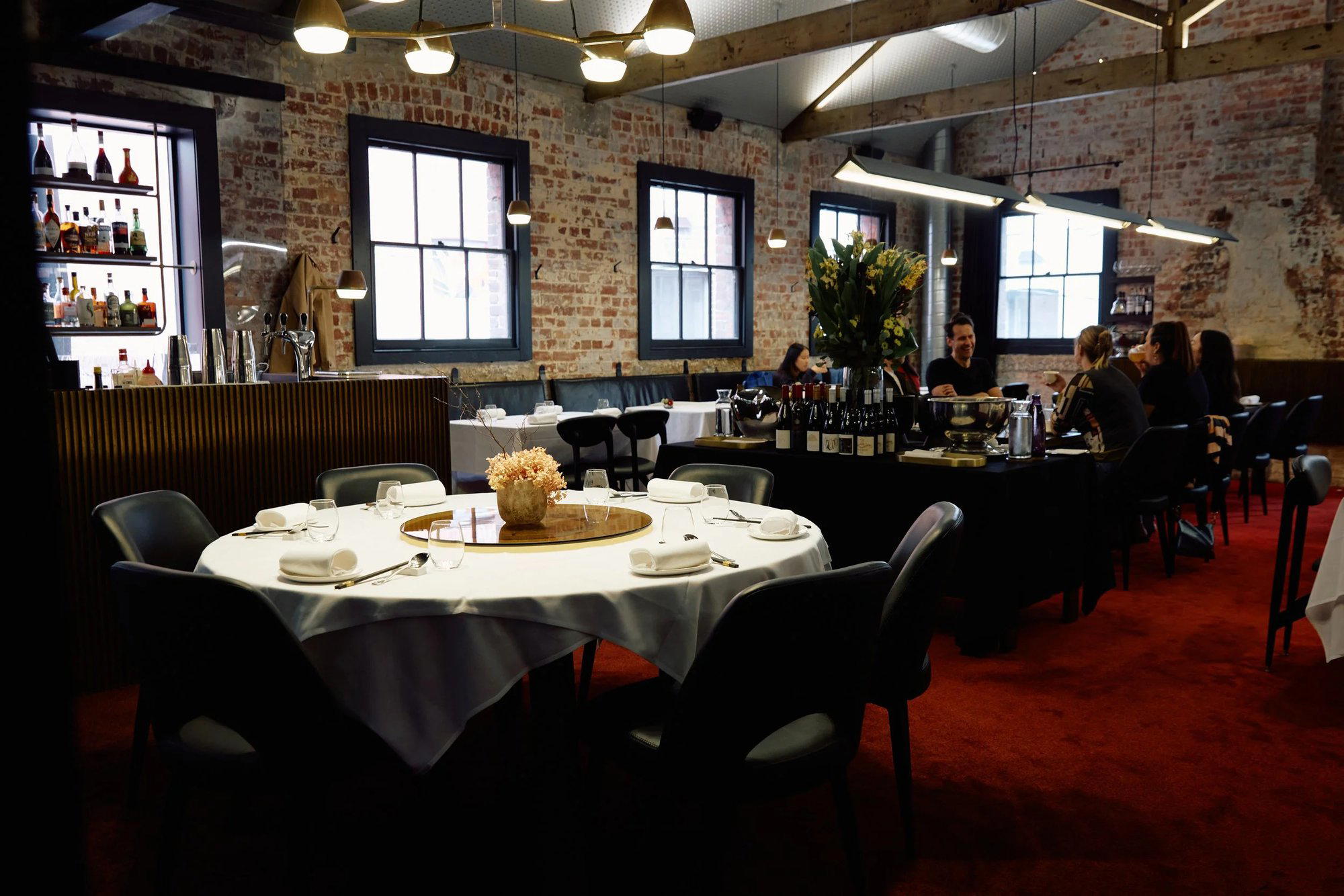
A Lane, a Counter, and a Conversation About Chinese Food in Australia
Duckboard Place is one of those Melbourne laneways that rewards people who know where they are going. It lacks the tourist foot traffic of Hosier Lane and the café density of Degraves Street, which means the crowd arriving at Lee Ho Fook's address has generally made a decision rather than stumbled in. Lee Ho Fook is a Modern Chinese restaurant in Melbourne, where dinner runs about US$180 per person. That self-selecting quality shapes what happens inside: a room of diners who have come with some expectation that what they are about to eat will not resemble the Chinese food they grew up ordering over the phone.
That expectation is the broader story. Over the past fifteen years, Australian-Chinese dining has split into distinct tiers. At one end, the traditional Cantonese banquet houses, represented in Melbourne by long-running institutions like Flower Drum, maintain formal service and classical technique refined over decades. At the other end, a younger cohort of kitchens has emerged, staffed by chefs who trained in fine-dining environments and then turned that training toward Chinese flavour frameworks. Lee Ho Fook belongs firmly to the second group, and it has become something of a reference point for that category across the country.
Where Technique Meets Provenance
The editorial angle that leading explains the restaurant is not Chinese food made modern. That framing is too common and too vague. The more precise description is: classical Chinese technique applied to Australian produce, with the discipline of contemporary fine dining governing both the kitchen and the plate. This is the same productive tension you find at Attica when Australian ingredients are pulled through a fine-dining framework, or at Saint Peter in Sydney when local seafood is subjected to precise classical method. The common thread across all three is that the produce argument and the technique argument reinforce each other rather than compete.
At the restaurant, that means Chinese cooking methods, flavour building principles, and seasoning logic are applied to what is available from Australian farms, fisheries, and suppliers. The result sits somewhere that neither a traditional Chinese banquet house nor an Australian fine-dining room occupies alone. It is a category that Melbourne has gradually claimed as its own, and the restaurant is frequently cited as the clearest example of it. Comparable ambitions exist at Aru Melbourne and Bottarga, where immigrant culinary traditions are being reprocessed through local sourcing discipline, but the Chinese-specific framework at the restaurant gives it a distinct position in that comparable set.
The Room and How to Read It
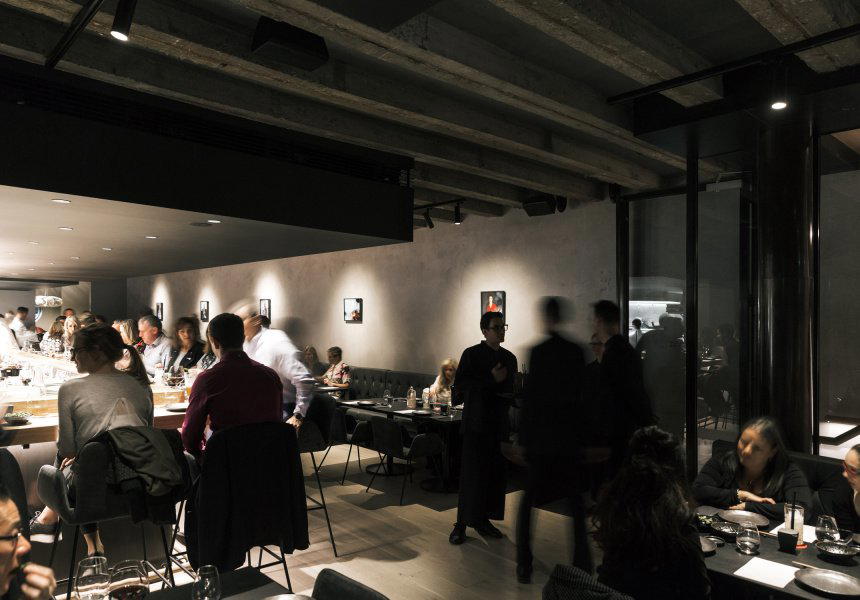
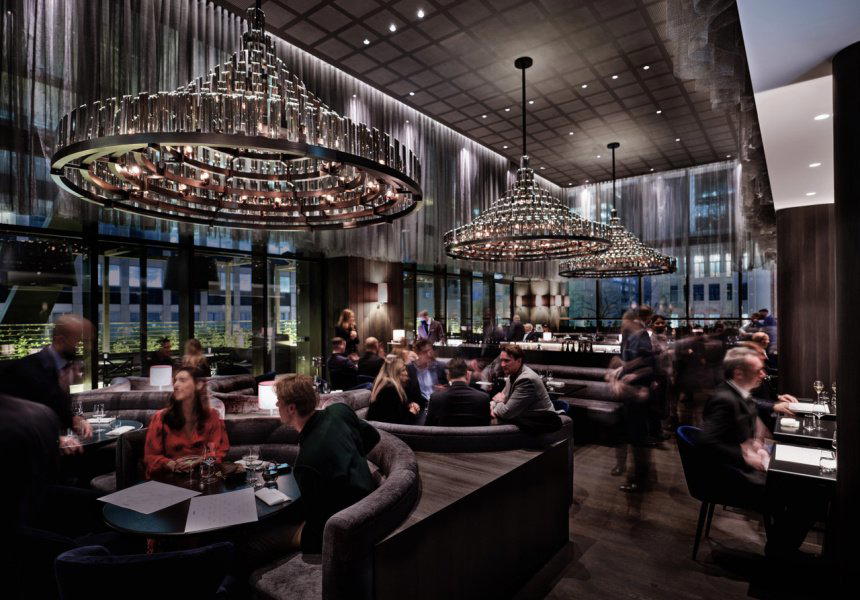
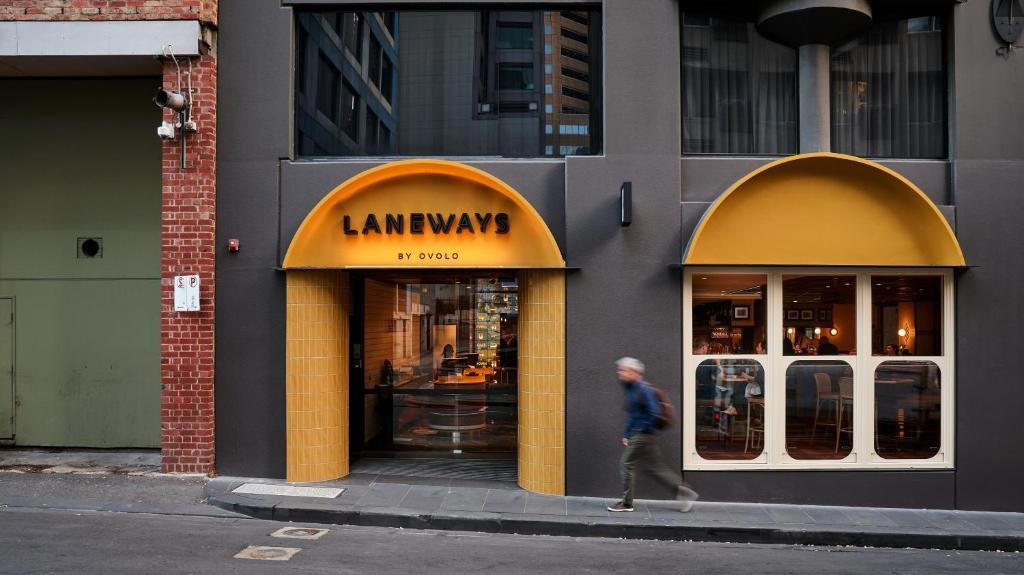
The physical address, 11 to 15 Duckboard Place, places the restaurant in the CBD's southern laneway grid, walkable from Flinders Lane and the main gallery and bar precinct that runs down toward the Yarra. The space itself signals its intent: this is not a dining room designed around the visual codes of Chinese restaurants as they existed in Australia before 2000. There are no red paper lanterns doing heavy lifting, no laminated menus running to forty pages. The interior conversation is with the city's contemporary dining aesthetic rather than with any particular immigrant restaurant tradition.
That choice is itself an editorial statement. Across the country, kitchens like Brae in Birregurra and Agrarian Kitchen in Hobart have made strong cases that regional Australian produce deserves the same serious treatment that European fine dining applies to its local ingredients. The restaurant makes a parallel argument, but the tradition it is serious about is Chinese rather than European. The room design supports that seriousness without making it heavy.
Victor Liong and the Chef-as-Context Argument
Chef Victor Liong's name is attached to the restaurant in essentially every piece of coverage the restaurant has generated since opening, and that is appropriate context rather than biographical indulgence. In Melbourne's current fine-dining conversation, the chef's training lineage and competitive positioning function like wine region credentials in the wine world: they tell you which comparable set to apply, which comparisons are fair, and what level of technical ambition to bring as a baseline expectation. Liong's background in Western fine-dining kitchens before the restaurant project explains why the kitchen operates with the precision it does, and why the menu's relationship to Chinese flavour is structural rather than decorative.
Within Melbourne's Chinese restaurant spectrum, that distinction matters. Flower Drum holds authority through decades of Cantonese mastery. The restaurant holds authority through a different credential set: fine-dining technique applied to a Chinese flavour system, with Australian produce as the third variable. Neither is subordinate to the other. They answer different questions about what Chinese food in Australia can be.
Planning a Visit
Duckboard Place is in the CBD's southern end, making the restaurant logistically direct from most of central Melbourne. The restaurant operates in the same general orbit as Melbourne's other serious dining addresses, and visitors building a broader food itinerary should cross-reference our full Melbourne restaurants guide for context on neighbourhood sequencing. For drinks before or after, our Melbourne bars guide covers the laneway-adjacent bar scene in detail. Those staying in the city should consult our Melbourne hotels guide. Bookings are strongly advised: the restaurant does not have the casual walk-in character of 48h Pizza e Gnocchi Bar or 400 Gradi in Brunswick East. This is destination dining.
For those building a wider Australian dining trip, the broader dining scene in other cities includes Amaru in Armadale, Bacchus in Brisbane, Le Bernardin in New York City, and Emeril's in New Orleans. Our Melbourne experiences guide and wineries guide round out the broader city picture for visitors planning longer stays.
A Quick Peer Check
Comparable venues nearby, for context on price, style, and recognition.
| Venue | Cuisine | Price | Notes |
|---|---|---|---|
| Lee Ho FookThis venue — the venue you are viewing | Modern Chinese | $$$$ | Not listed |
| IDES | Modern Australian Fine Dining | $$$$ | Fitzroy |
| Maha | Modern Middle Eastern Fine Dining | $$$$ | Melbourne |
| MoVida | Modern Spanish Tapas | $$$ | Melbourne |
| Osteria Ilaria | Modern Italian Osteria | $$$ | Melbourne |
| Scopri | Authentic Regional Italian | $$$ | Carlton |
Recognition history
Dated appearances from independent guides and award organizations, with the underlying list record or original source where available.
Star Wine List
Star Wine List
Continue exploring
More in Melbourne
Restaurants in Melbourne
Browse all →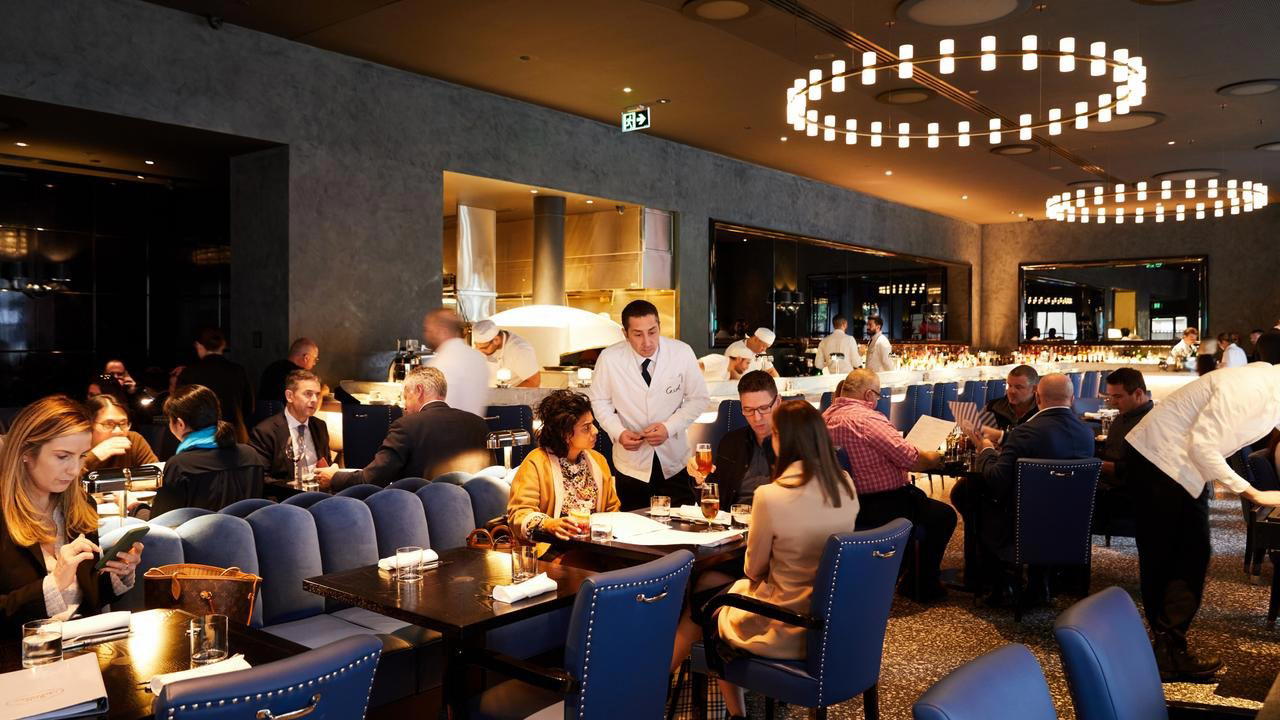
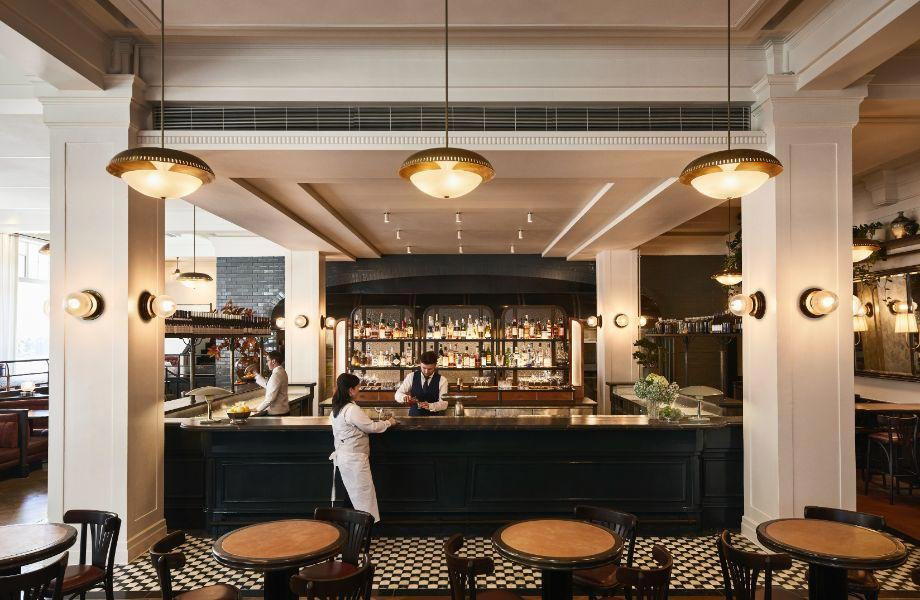
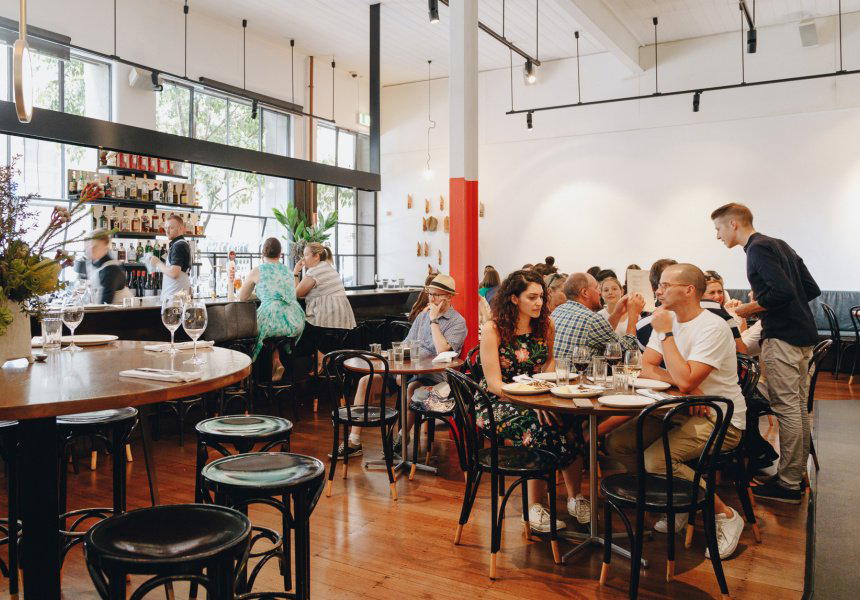
Bars in Melbourne
Browse all →
Hotels in Melbourne
Browse all →
At a Glance
- Modern
- Trendy
- Elegant
- Intimate
- Date Night
- Special Occasion
- Celebration
- Open Kitchen
- Extensive Wine List
Current opening hours
- Monday
- 5:30–9:30 PM
- Tuesday
- 5:30–9:30 PM
- Wednesday
- 5:30–9:30 PM
- Thursday
- 5:30–9:30 PM
- Friday
- 5:30–10:30 PM
- Saturday
- 5:30–10:30 PM
- Sunday
- Closed
Hours can change for holidays and private events. Last verified .
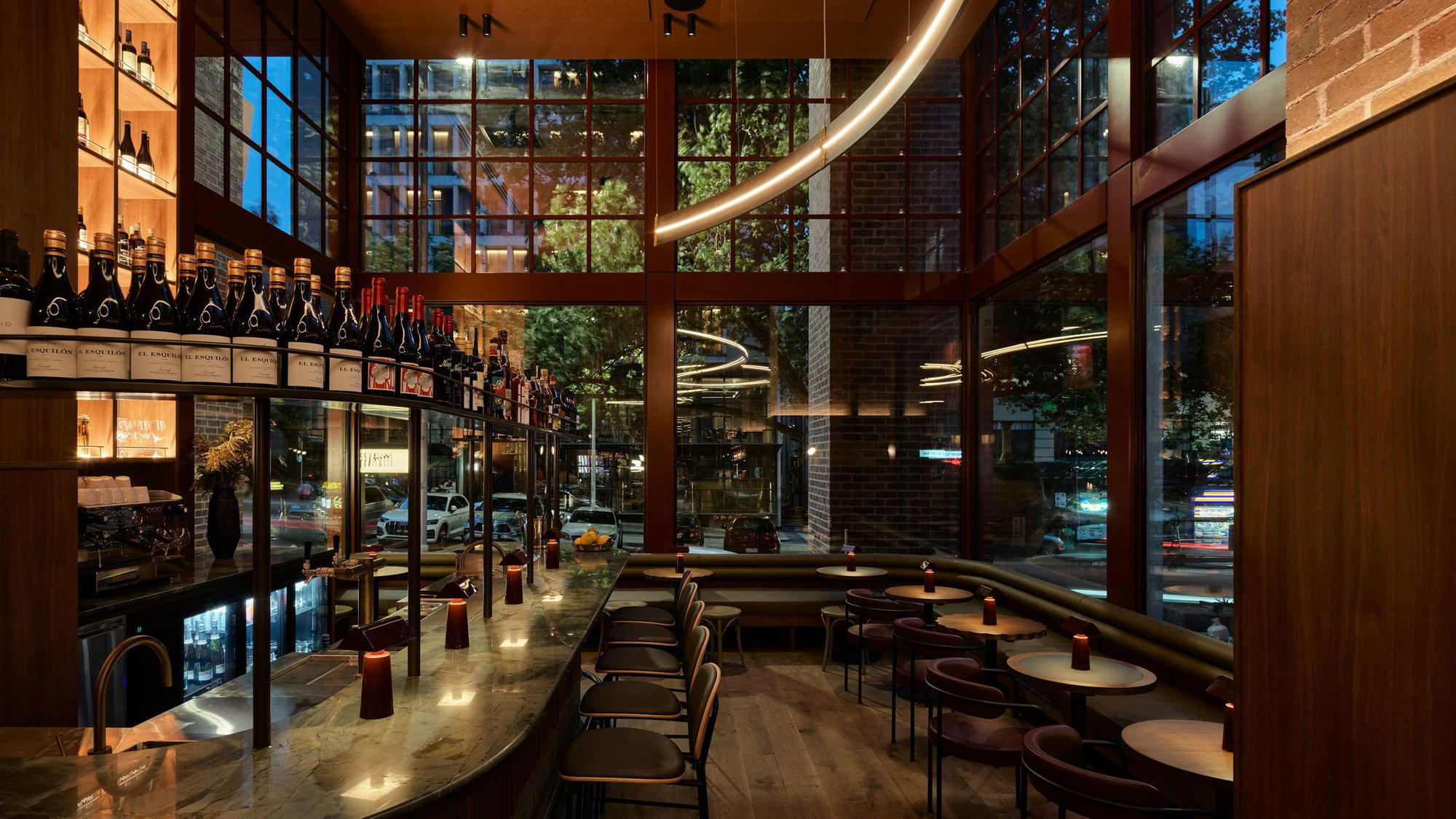
Intimate and elegant with a blend of buzz and class, featuring kitchen-adjacent bar seating downstairs and a more formal upstairs dining room.