
IDES occupies a corner of Collingwood's Smith Street dining strip, operating in the tier of Melbourne modern restaurants where tasting menus set the tempo and the kitchen's creative instincts drive every course. The format rewards patience: meals unfold across multiple courses with a structure that reflects the progressive fine dining tradition the city has developed over the past decade.
- Address
- 92 Smith St, Collingwood VIC 3066, Australia
- Phone
- +61432365869
- Website
- idesmelbourne.com.au
- Directions
- Get directions
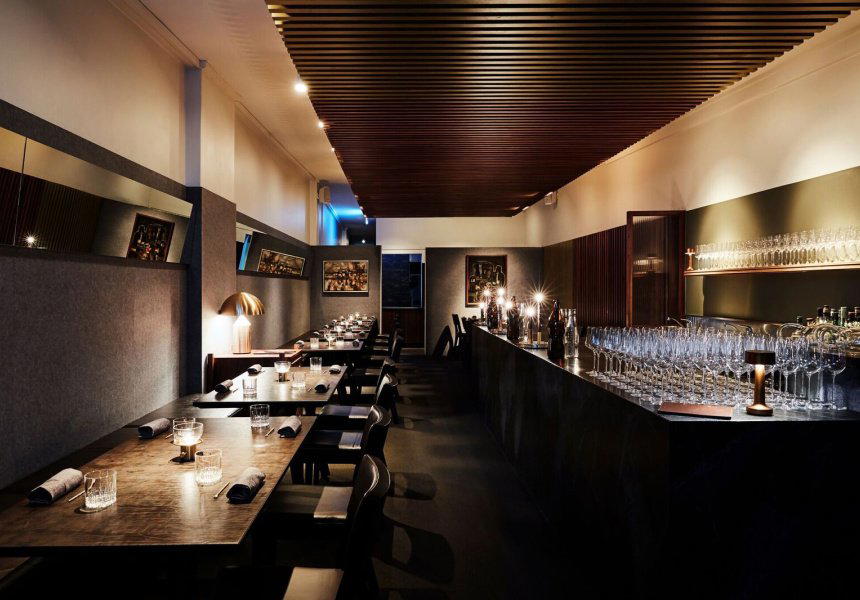
Collingwood's Fine Dining Register
Smith Street is one of those Melbourne strips that has absorbed successive waves of hospitality ambition without losing its neighbourhood footing. Collingwood's eating and drinking infrastructure stretches across formats, from street-level cafes through to rooms that ask considerably more of their guests in time and money. IDES sits at 92 Smith Street inside that second category, in a suburb not historically associated with formal dining but increasingly willing to host it. The address places the restaurant at some distance from Melbourne's CBD fine dining cluster, which has traditionally centred on the CBD grid, Southbank, and the inner-east restaurant corridors around St Kilda Road. That positioning is itself a signal: the room operates on reputation rather than foot-traffic, attracting guests who arrive with intent rather than through discovery.
For broader context on where IDES fits within Melbourne's restaurant ecosystem, see our full Melbourne restaurants guide, which maps the city's dining tiers from neighbourhood essentials through to the rooms with national and international standing.
The Architecture of the Meal
Multi-course tasting formats have become the operating language of serious Melbourne kitchens over the past fifteen years, and IDES enters that conversation. The format matters because it shapes everything else: pacing, kitchen staffing, the balance between front- and back-of-house, and the expectations a guest brings through the door. In the tier of Melbourne restaurants where tasting menus drive the offer, the sequencing of a meal becomes editorial. Courses are not simply dishes arriving in succession; they carry a developmental logic, with early plates establishing register and later courses resolving what was introduced at the start.
This kind of structural thinking about meal progression places IDES in dialogue with the broader Australian modern fine dining tradition that venues like Attica (Australian Modern) have spent years refining. At Attica in Ripponlea, the tasting menu has long functioned as a sustained argument about Australian produce and its relationship to place. IDES operates from a different postcode and with different ingredients in its argument, but the tasting format as a vehicle for sustained creative expression is shared territory. Similarly, Brae in Birregurra uses the progressive multi-course structure to build a case for regional Victorian produce across a full evening, a format discipline that has influenced how Melbourne-adjacent restaurants think about pacing and intent.
The progression model also means that early courses function differently than in a la carte dining. An opening snack or amuse in this format is less about satisfying immediate hunger and more about establishing the kitchen's sensibility: the texture preferences, the acidity calibration, the level of technical ambition the guest should expect across the hours ahead. By mid-meal, the kitchen is working through what are typically the structurally dense courses, proteins or larger compositions that test technique more directly. The close of a tasting menu, in the leading examples, should carry a sense of resolution rather than simply cessation.
Collingwood in the Melbourne Dining Map
Melbourne's inner-north has carved out a distinct dining identity that differs meaningfully from the CBD's more formal restaurant corridor or the South Yarra precincts anchored by places like Bar Carolina in South Yarra. The inner-north, covering Fitzroy, Collingwood, and Northcote, has historically been associated with accessible, informal eating, which is why the occasional fine dining room in that zone reads as somewhat deliberate in its placement. Barry Cafe in Northcote exemplifies the neighbourhood's strengths in the casual register. IDES occupies a different register entirely, which gives its Smith Street address a certain friction with its surroundings, a tension that some serious restaurants have used productively.
Across Melbourne's broader eating culture, the conversation between formal and informal continues to evolve. Flower Drum (Cantonese) in the city has maintained a very different kind of formal dining tradition for decades, its longevity proving that Melbourne guests will sustain a serious room when the execution justifies the commitment. 48h Pizza e Gnocchi Bar represents the other end of the register, where informality and precision coexist without ceremony. IDES operates in neither of those modes; it belongs to the generation of Melbourne restaurants that have adopted the tasting format as their primary structure and built their identity around kitchen creativity rather than tradition or comfort.
Comparisons with serious international rooms are not unreasonable in this context. Le Bernardin in New York City and Atomix in New York City represent the upper ceiling of tasting-menu ambition in North America, where the progressive course structure has been refined across decades and multiple Michelin cycles. Australian progressive dining, including IDES, operates within a smaller and younger framework, but the structural thinking about how a meal develops arc is comparable. Rockpool in Sydney offers another reference point: a restaurant that has navigated the shift from fine dining formalism to something more contemporary across its long operational history.
Planning a Visit
For a restaurant operating in the tasting-menu tier on Smith Street, the practical logistics follow a predictable pattern. Guests should expect the visit to occupy an entire evening; multi-course menus in this format rarely conclude in under two hours, and the better experiences extend well beyond that. The Collingwood address is accessible from the CBD by tram along Smith Street, which connects to the city centre without requiring a significant logistical effort. The neighbourhood itself has enough surrounding bars and cafes to build an evening around the restaurant without needing to travel far before or after the meal.
Reservations at this tier of Melbourne dining typically require advance planning. The city's serious tasting-menu rooms, particularly those with limited seat counts, book ahead by weeks rather than days during peak periods, especially Thursday through Saturday evenings. Guests visiting from interstate or internationally, particularly those already planning visits to venues like Above Board or 7 Alfred (steak-frites), would do well to treat IDES as an anchor booking built around first, given the format's time commitment. For context on comparable planning requirements in other Australian cities, Bayly's Bistro in Kirribilli, bills in Bondi Beach, Johnny Bird in Crows Nest, Jaani Street Food in Ballarat, Kulcha Restaurant Wollongong in Wollongong, and Hungry Wolfs Italian Restaurant in Newcastle each occupy different tiers and planning horizons worth understanding before committing to a regional itinerary.
Credentials Lens
| Venue | Cuisine | Awards |
|---|---|---|
| IDESThis venue — the venue you are viewing | Not listed | This venue |
| Attica | Australian Modern | World's 50 Best |
| Flower Drum | Cantonese | World's 50 Best |
| Vue de Monde | Australian Fine Dining | Australian Fine Dining |
| Florentino | Modern Italian | Modern Italian |
Recognition history
Dated appearances from independent guides and award organizations, with the underlying list record or original source where available.
Star Wine List
Star Wine List
Continue exploring
More in Melbourne
Restaurants in Melbourne
Browse all →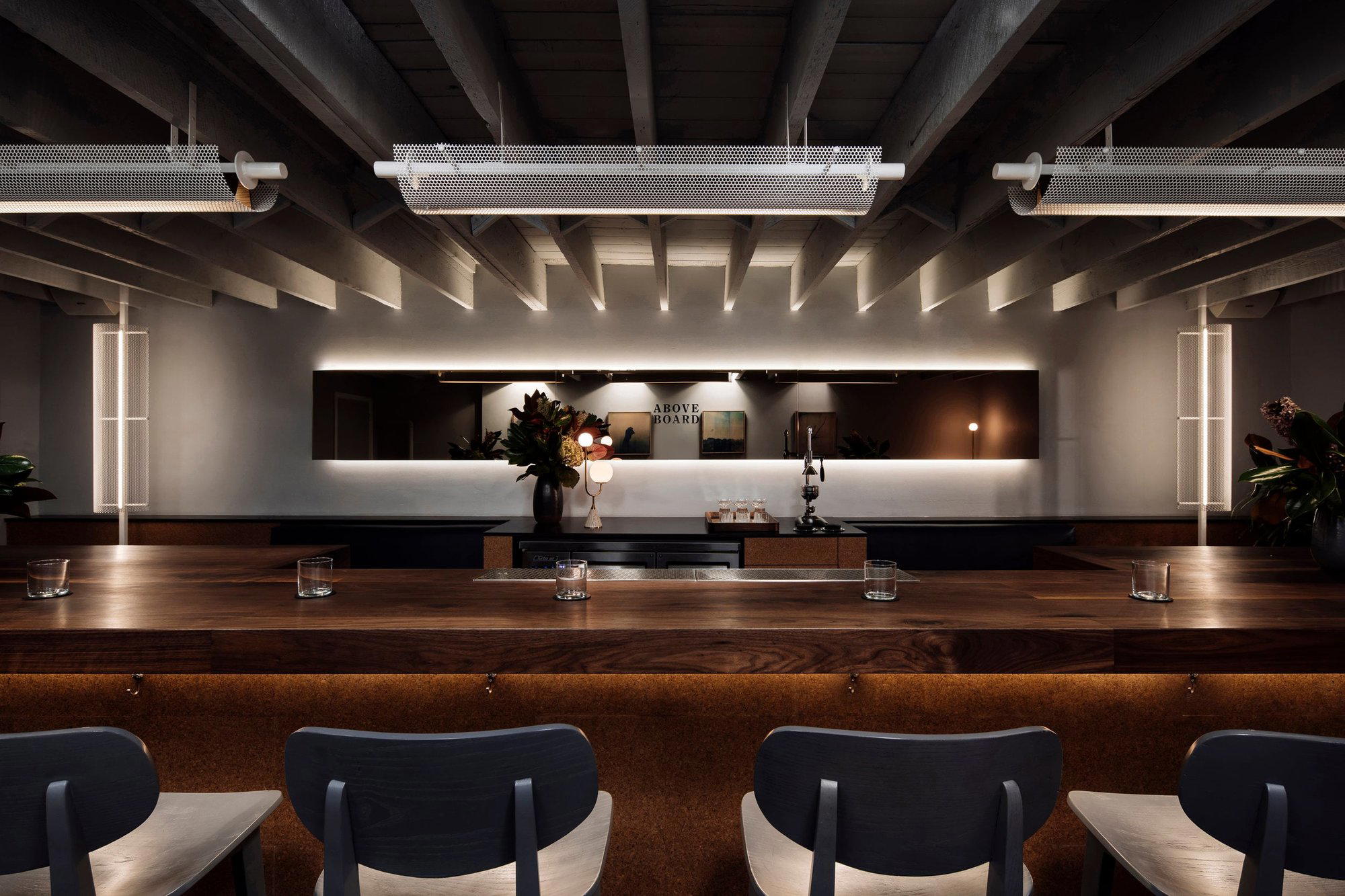
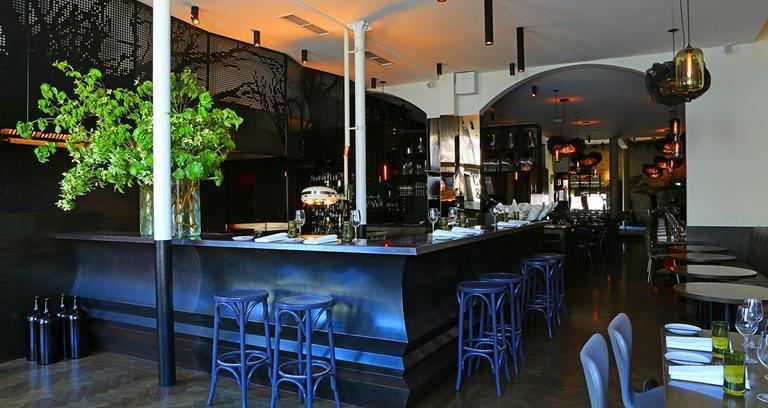
Bars in Melbourne
Browse all →
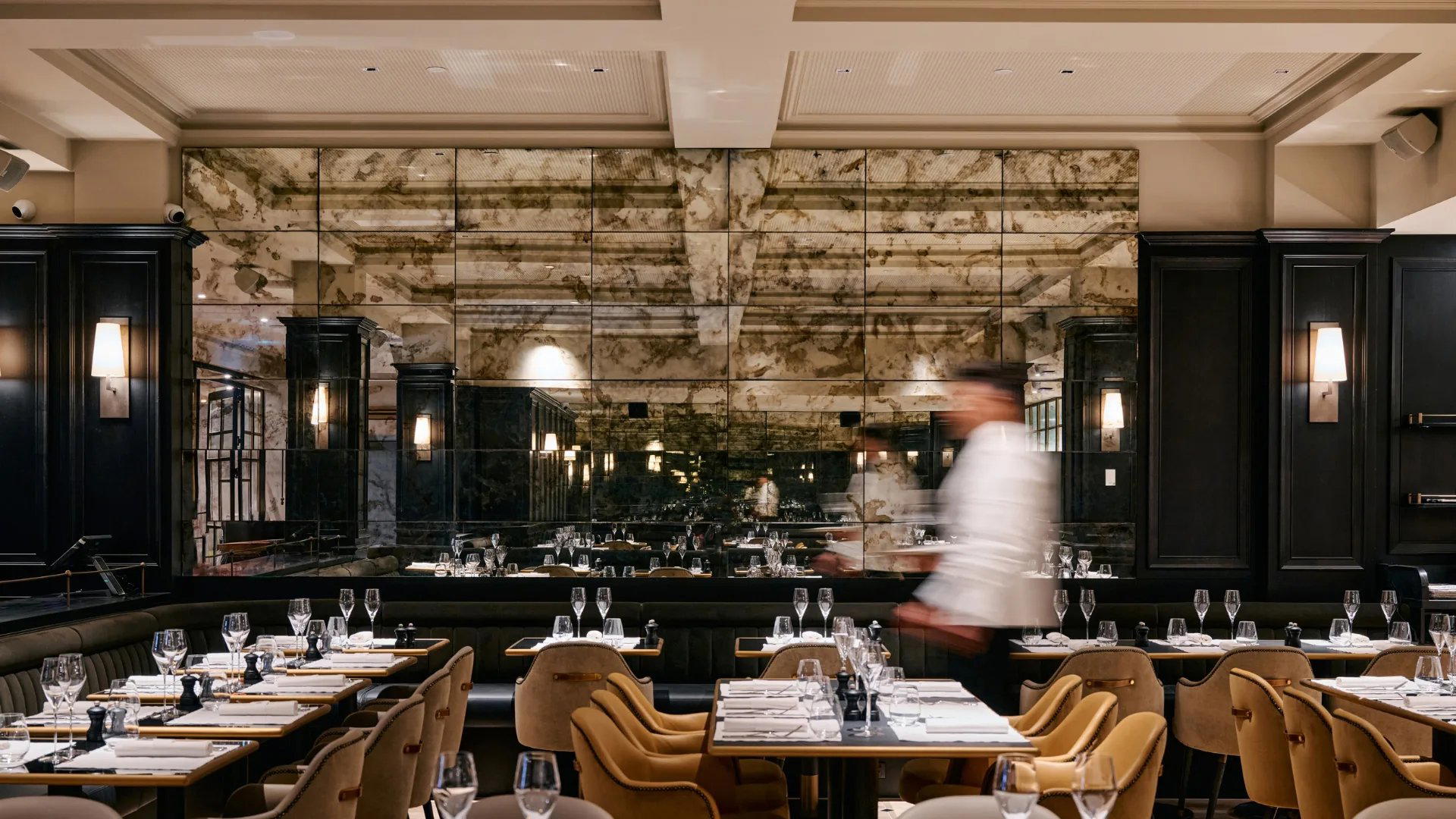
Hotels in Melbourne
Browse all →
At a Glance
- Modern
- Intimate
- Sophisticated
- Minimalist
- Date Night
- Special Occasion
- Open Kitchen
- Sake Program
- Natural Wine
Dimly lit, grey-clad room creating a cool, casual fine dining atmosphere.
Know Before You Go
- Getting there
- 92 Smith St, Collingwood VIC 3066, Australia