Le Trinquet Moderne occupies a address on Avenue Dubrocq in Bayonne, placing it within easy reach of the city's Basque culinary circuit. The name references the trinquet, the enclosed Basque pelota court that has long defined neighbourhood life in this corner of the Pays Basque. For visitors working through Bayonne's dining scene, it represents a point on the local map worth understanding in context.
Pearl is the En Primeur Club membership app — saves, bookings, and concierge access live there. Same editors, same standards.
- Address
- 60 Av. Dubrocq, 64100 Bayonne, France
- Phone
- +33559556987
- Website
- trinquetmoderne.com
- Directions
- Get directions
 Saves & bookings on Pearl
Avenue Dubrocq and the Rhythm of a Bayonne Meal
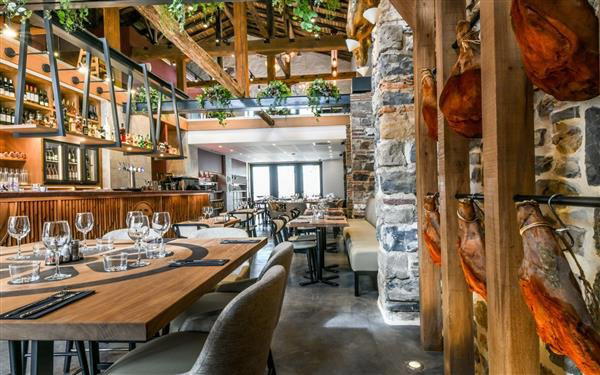
Approach Avenue Dubrocq on a weekday lunchtime and you encounter the particular tempo that defines dining in the French Basque Country: tables filling from noon, conversation pitched at the level of people who intend to stay a while, and an ease of service that treats the meal as an event with its own pace rather than a transaction to be completed. Le Trinquet Moderne sits at 60 Av. Dubrocq in Bayonne, France, as a French Basque Bistro with a casual dress code and a recommended reservation policy. The trinquet, the enclosed court used for Basque pelota, has historically been a gathering point, a place where community ritual and competition coexisted. That social weight is embedded in the name, and it shapes the expectation a diner brings to the address at 60 Av. Dubrocq before they have even sat down.
Bayonne occupies an interesting position in the French dining conversation. It is not a city that competes for the same kind of attention as the three-Michelin-star destinations that define French haute cuisine at its most pressurised: the formal architecture of Alléno Paris au Pavillon Ledoyen, the alpine precision of Flocons de Sel in Megève, or the coastal produce-led ambition of Mirazur in Menton. Bayonne's dining identity is built on a different set of values: cured ham produced under strict geographical specification, dark chocolate with a history reaching back to the seventeenth century, and a Basque culinary tradition that prizes the quality of raw material over complexity of technique. Within that context, the restaurants that earn local loyalty are those which understand the ritual of the table rather than simply the content of the plate.
The Dining Ritual in the Basque Country
The customs that govern a meal in this part of France are worth understanding before you book. Lunch in the French Basque Country is not a condensed version of dinner. It follows its own arc: a deliberate start, a middle passage where the table settles, and an ending that is rarely rushed. The culture around eating here draws from both French formal dining tradition and the Basque txoko tradition, the private gastronomic societies where the act of cooking and eating together carries social meaning that extends well beyond nutrition. That dual inheritance gives Bayonne's better restaurants a particular character: they are serious about food without performing seriousness at the diner.
The city's restaurant scene has developed in a way that reflects this. At the more accessible end, venues like Goxoki and La Grange maintain the traditional Basque cuisine register, while Basa works in a more creative idiom. La Table - Sébastien Gravé has positioned itself around farm-to-table sourcing, and Germaine holds its own place in the local circuit. Le Trinquet Moderne occupies a position in this neighbourhood ecosystem that is defined as much by its address and its name's cultural reference as by its menu category. In a city where context accumulates through layers of local knowledge, the name alone carries a shorthand about the kind of experience being offered.
For comparison, the French regional dining tradition at its most codified looks quite different from what Bayonne offers. The multigenerational gravity of Auberge de l'Ill in Illhaeusern, the terroir-led philosophy of Bras in Laguiole, or the institutional weight of Paul Bocuse's Auberge du Pont de Collonges represent one version of French dining seriousness. Bayonne represents another: less structured, more convivial, with its own distinct set of reference points. Restaurants in this city succeed or fail largely on whether they can hold that local register without losing the quality that justifies the visit.
What the Address Signals
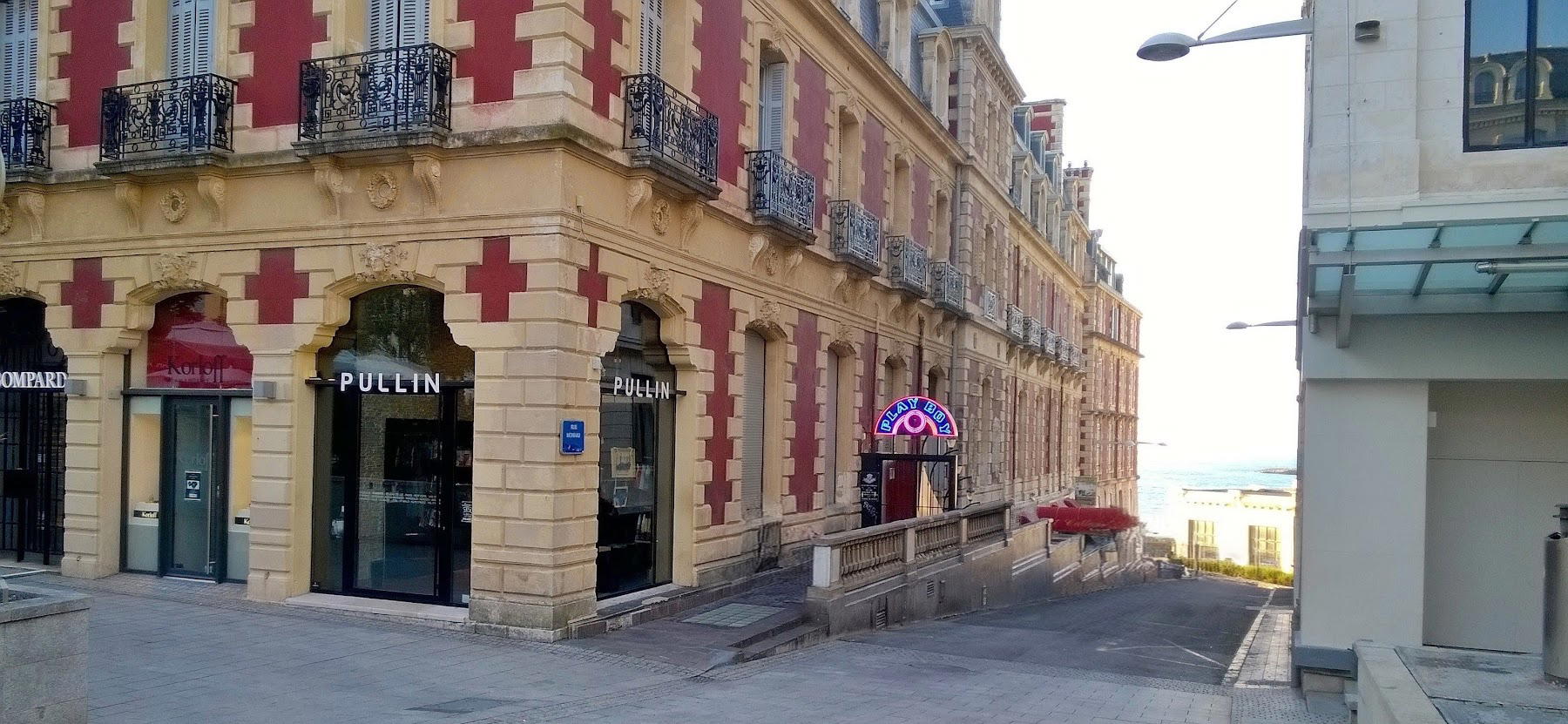
Avenue Dubrocq is not within the historic centre's tightly packed streets, which means the approach to Le Trinquet Moderne is different from that of the restaurants that cluster around the Nive river or the Grand Bayonne quarter. That distance from the tourist concentration is itself a signal: venues on this avenue are oriented toward local patronage rather than passing visitor traffic. The dining ritual here is more likely to unfold among people who live within the city's orbit than among first-time visitors working through a checklist. That distinction matters for how a meal is likely to feel. The pacing, the assumptions made by the room, and the social energy of the space are all calibrated differently when the majority of covers know the address well.
The Pays Basque dining circuit rewards those who stay more than one night: a single day in Bayonne cannot do justice to the range of the scene, from the chocolate workshops of the old town to the pintxos culture that crosses the Spanish border thirty minutes south. Placing the restaurant within a longer Basque itinerary, rather than treating it as a standalone destination, reflects how the city's restaurant culture actually works. Dining here is cumulative, built from multiple meals across different registers, not from a single high-stakes reservation.
For reference, the technical ambition that defines one decorated end of French dining, places like Troisgros - Le Bois sans Feuilles, AM par Alexandre Mazzia in Marseille, or Assiette Champenoise in Reims, operates at a different register entirely. Bayonne is not competing in that space, and it does not need to. The city's dining tradition has its own logic, and the restaurant, by placing itself within that tradition rather than against it, makes a clear statement about where it sits in the local hierarchy. For international context, those who track the evolution of technically rigorous but culturally embedded dining, at establishments like Au Crocodile in Strasbourg or, across the Atlantic, at Le Bernardin in New York City and Atomix, will find Bayonne's dining scene operating from a different set of priorities, ones rooted in locality, material quality, and the social function of the shared table.
Planning Your Visit
The restaurant is priced at about $25 per person, with recommended reservations and hours that run Monday to Friday from 7:30 AM to 3 PM and 6 PM to 12 AM.
Cuisine-First Comparison
Comparable venues nearby, for context on price, style, and recognition.
| Venue | Cuisine | Price | Awards | Notes |
|---|---|---|---|---|
| Le Trinquet ModerneThis venue — the venue you are viewing | French Basque Bistro | $$ | Not listed | Not listed |
| Le Chistera | Traditional Basque | $$ | Not listed | Downtown |
| Germaine | Modern French Creative | $$$ | Michelin Plate | Quai Amiral Dubourdieu |
| La Table - Sébastien Gravé | Modern Basque Bistronomie | $$$ | Michelin Plate | Petit Bayonne |
| Le Bayonnais | Basque Bistro | $$ | Not listed | Petit Bayonne |
| Nuance | Modern French Fine Dining | $$$$ | Michelin Plate | Petit Bayonne |
At a Glance
- Lively
- Classic
- Casual Hangout
- Group Dining
- Terrace
- Historic Building
- Extensive Wine List
- Local Sourcing
Current opening hours
- Monday
- 7:30 AM–3 PM, 6 PM–12 AM
- Tuesday
- 7:30 AM–3 PM, 6 PM–12 AM
- Wednesday
- 7:30 AM–3 PM, 6 PM–12 AM
- Thursday
- 7:30 AM–3 PM, 6 PM–12 AM
- Friday
- 7:30 AM–3 PM, 6 PM–12 AM
- Saturday
- Closed
- Sunday
- Closed
Hours can change for holidays and private events. Last verified .
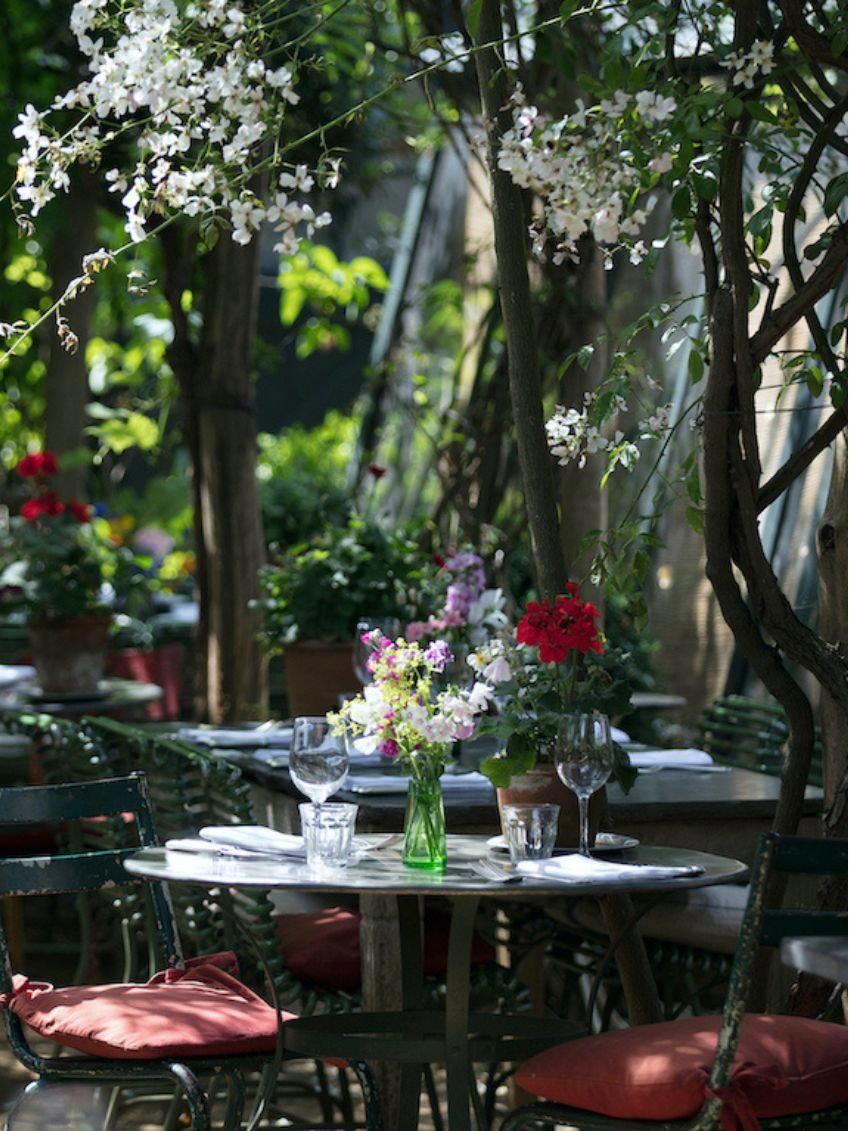
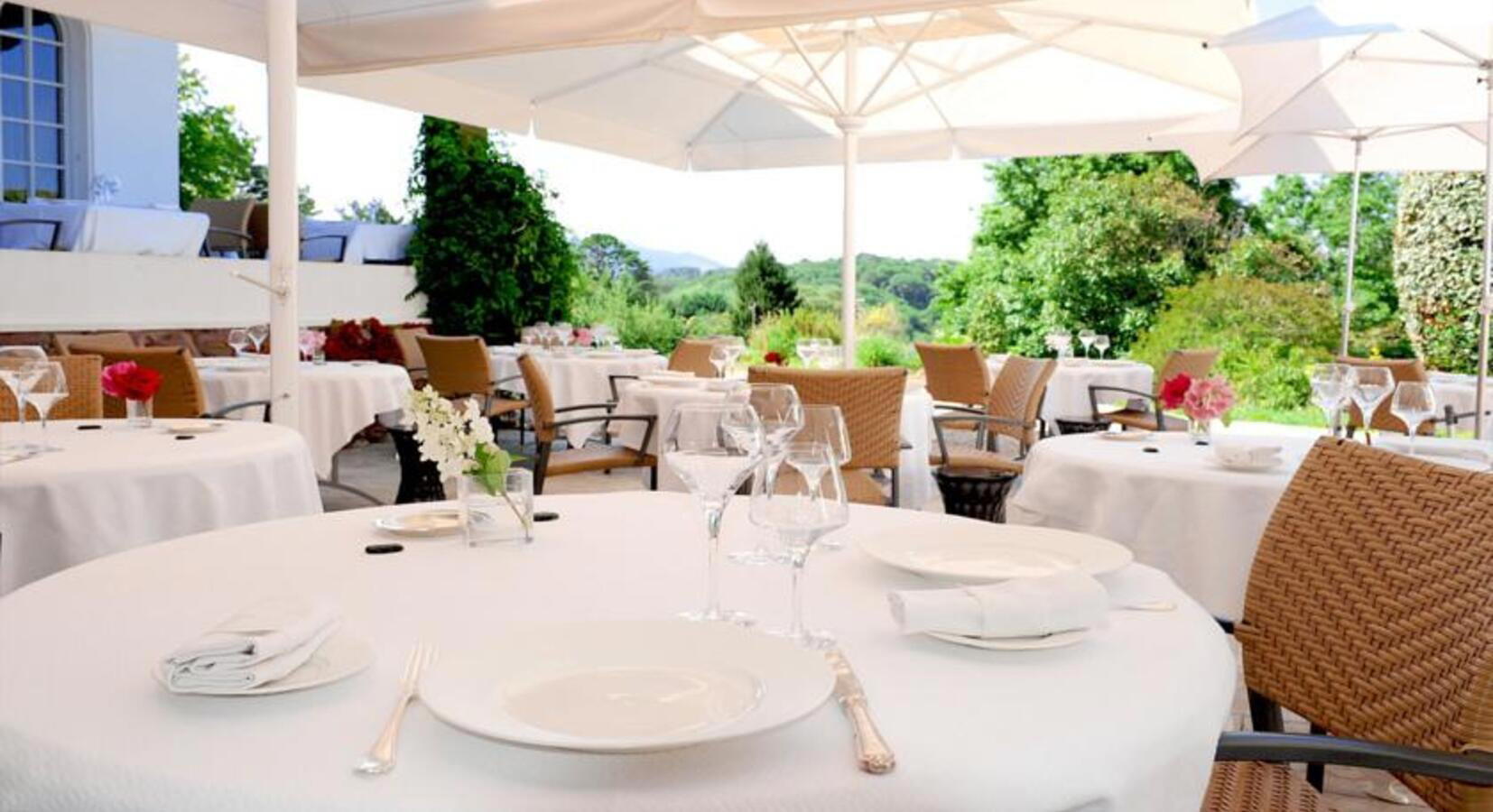
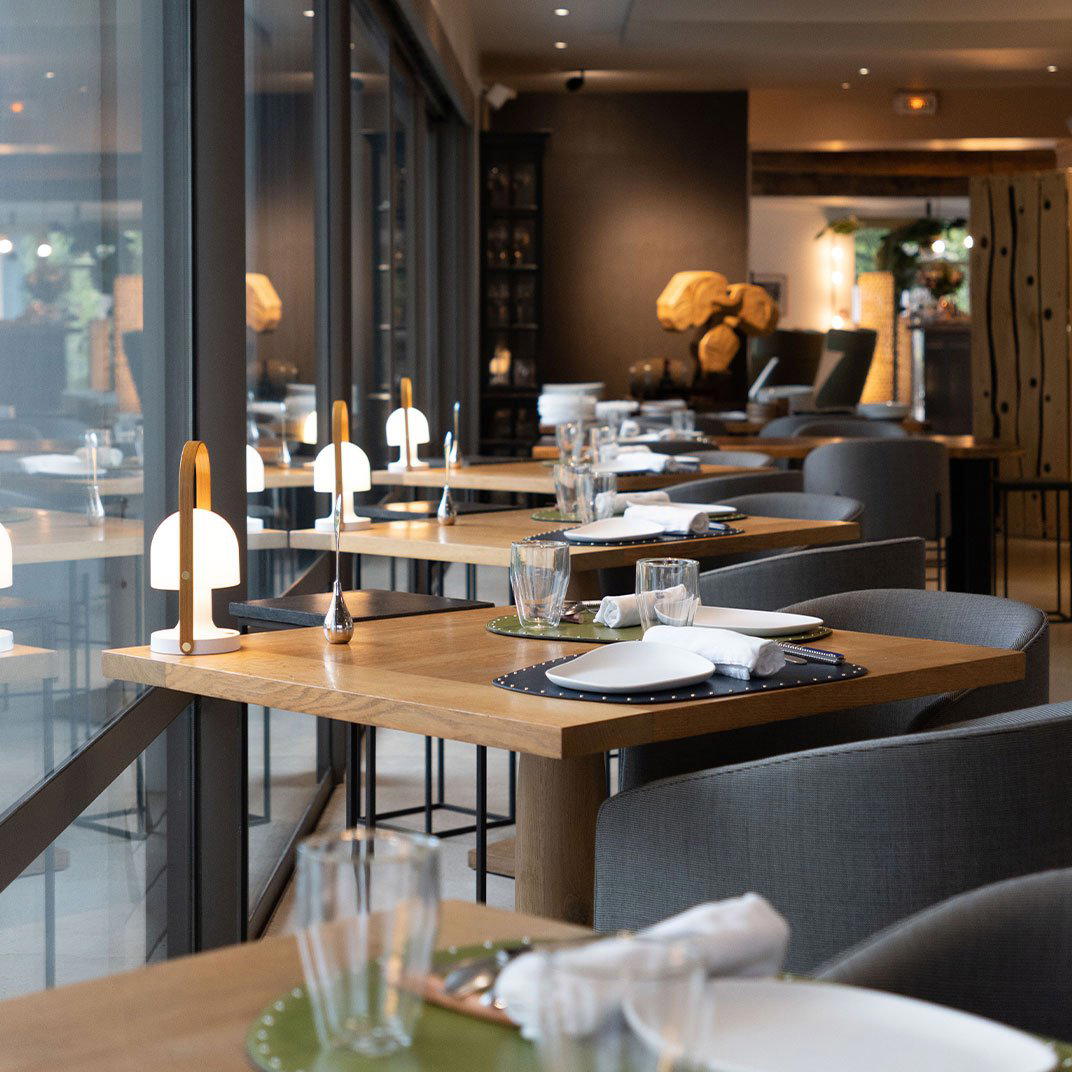
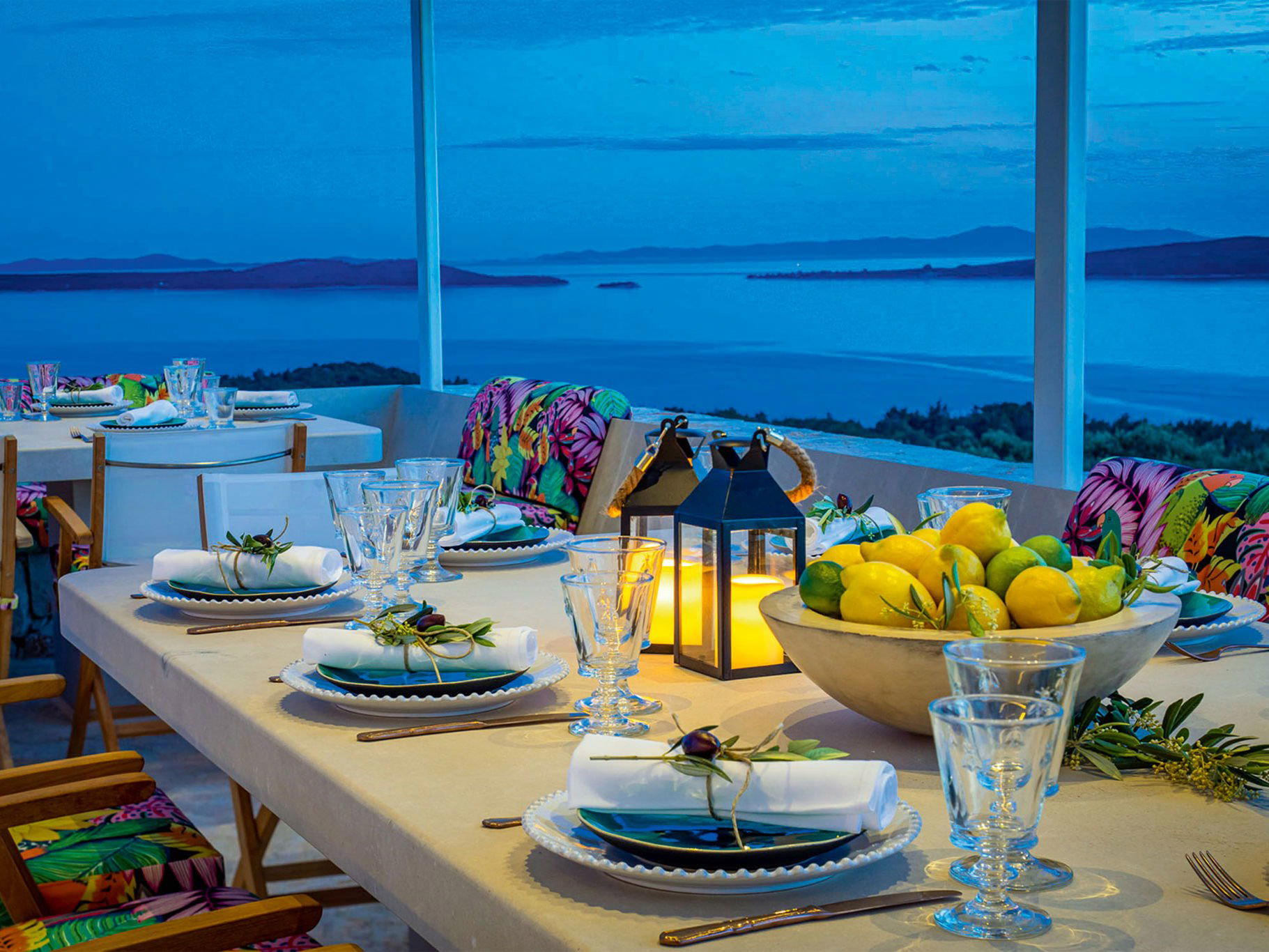
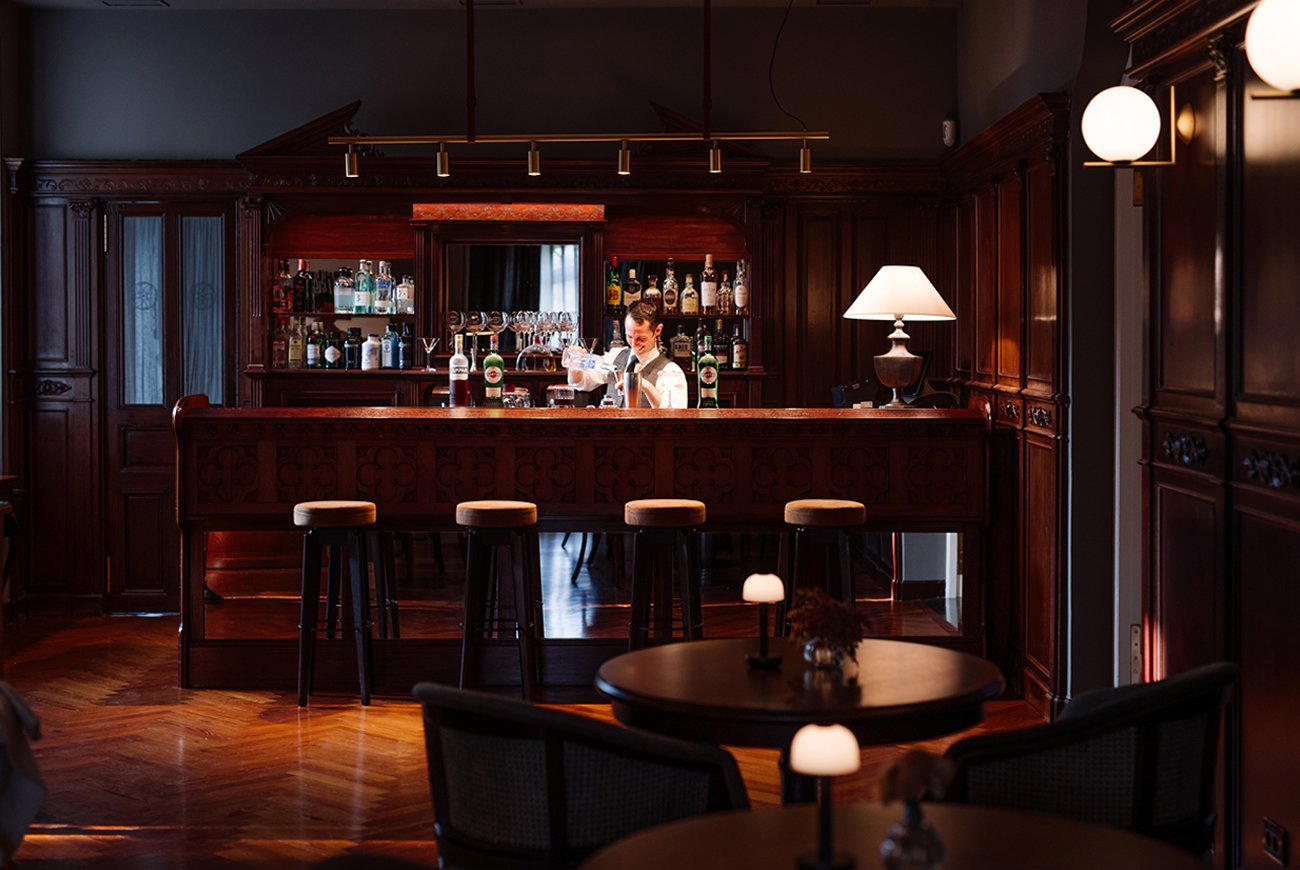
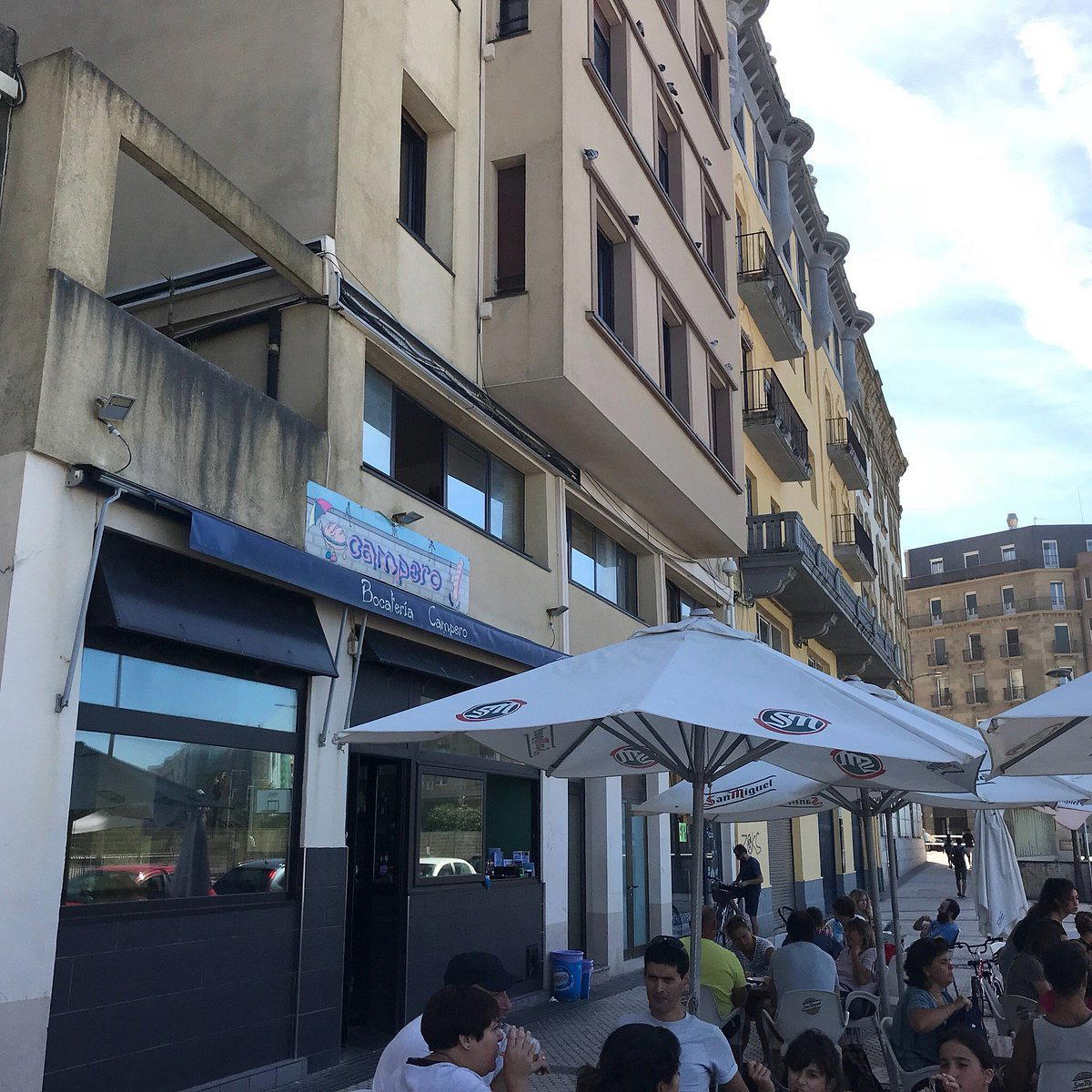
Simple, convivial, and authentic atmosphere in a renovated space with terrace.