Le Bayonnais occupies a quayside address at 38 Quai des Corsaires, where the Nive meets the daily rhythm of one of the Basque Country's most characterful cities. The restaurant draws on the deep culinary traditions that make Bayonne a reference point in southwest French cooking, from the cured hams of the Adour valley to the maritime produce that defines the region's table. A fixture in a city where serious eating is treated as civic habit.
Pearl is the En Primeur Club membership app — saves, bookings, and concierge access live there. Same editors, same standards.
- Address
- 38 Quai des Corsaires, 64100 Bayonne, France
- Phone
- +33559256119
- Website
- facebook.com
- Directions
- Get directions
 Saves & bookings on Pearl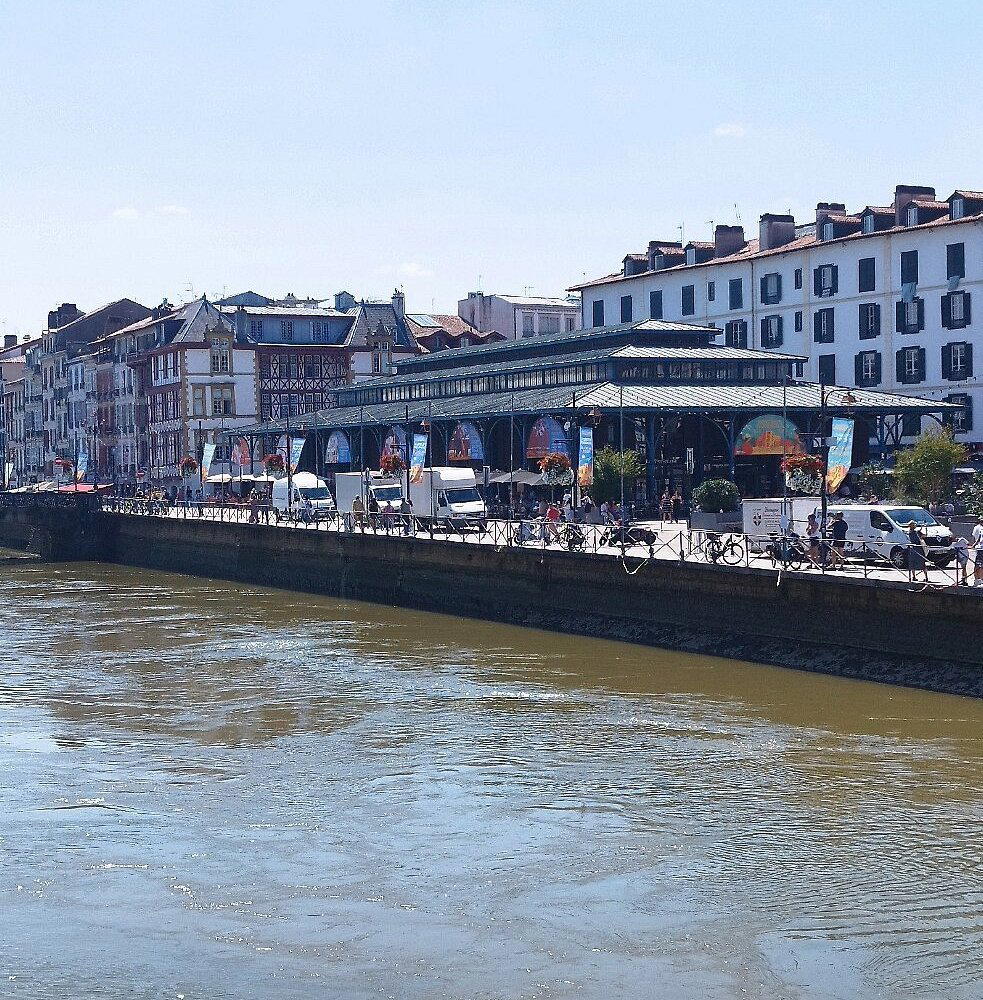
Le Bayonnais is a Basque Bistro in Bayonne, France. The Quai des Corsaires and What It Tells You About Bayonne
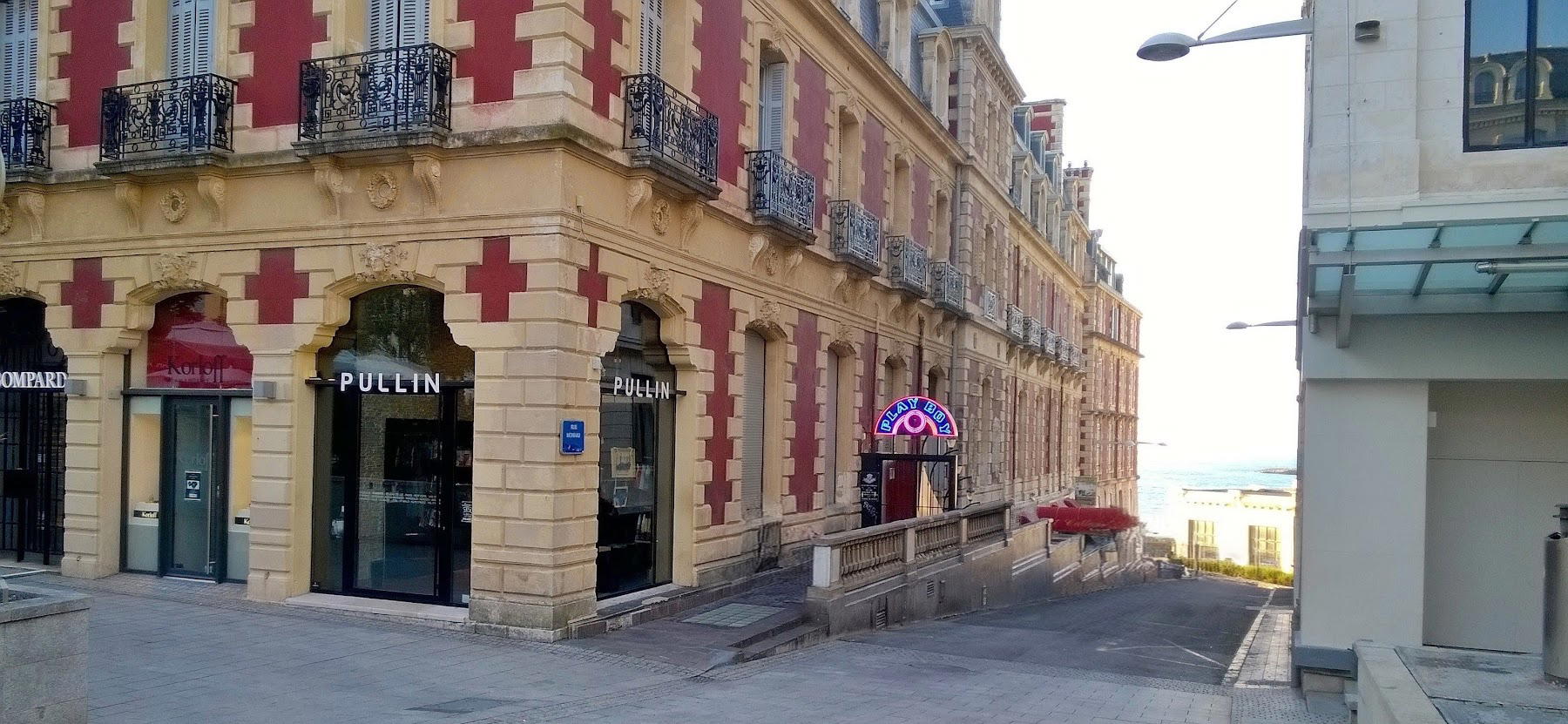
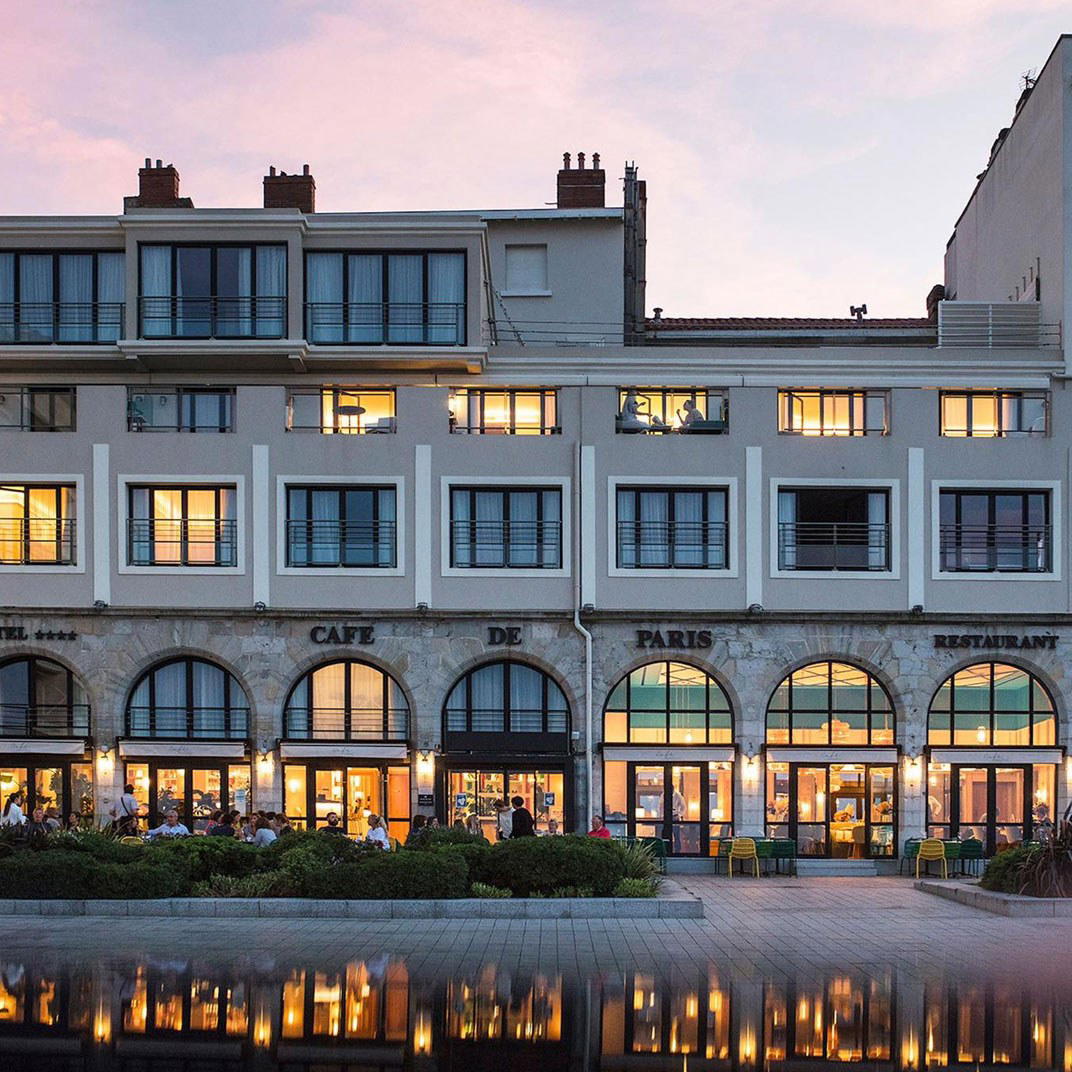
Arriving at 38 Quai des Corsaires, the visitor gets an immediate read on Bayonne's character. The Nive runs close enough that the air carries a faint salt trace, and the facades along the quay retain the ochre and terracotta tones that give the old city its visual coherence. Bayonne is not a city that performs its identity for tourists; it lives it, and the waterfront is where that daily life concentrates. Restaurants along this strip are, by geography and habit, embedded in the social fabric in a way that purpose-built dining destinations rarely achieve. Le Bayonnais sits within that continuity.
For the broader editorial context: Bayonne occupies an unusual position in the map of French gastronomy. It is not a Michelin-starred capital in the manner of Lyon or Paris, but it possesses a larder and a culinary literacy that major cities would not dismiss. The jambon de Bayonne, cured using salt from Salies-de-Béarn and aged in the Pyrenean air, carries a protected geographical indication and a production tradition stretching back centuries. The city's chocolate-making heritage, introduced by Sephardic Jews expelled from Spain and Portugal in the late fifteenth century, gives Bayonne a confectionery depth that predates most of what Paris claims as its own. This is the culinary inheritance any serious restaurant on the Quai des Corsaires is drawing from, consciously or otherwise.
A Cooking Tradition Anchored in the Adour Valley
Southwest French cooking, in its most coherent expression, is built on fat, salt, fire, and time. The cuisines of the Landes and the Basque interior share a preference for produce treated with restraint rather than transformation: duck confit, foie gras prepared in the farmhouse manner, piperade assembled from peppers grown in Espelette, and the full range of preserved meats that make the charcuterie boards of this region a category apart from anything produced north of the Loire. Bayonne, positioned at the confluence of the Adour and the Nive and a short distance from the Spanish border, absorbs influences from both Gascony and the Basque Country proper. The result is a cooking tradition that resists clean categorisation but rewards those who eat through it with attention.
Restaurants in Bayonne that work this territory well tend to anchor their menus in product quality rather than technique spectacle. The city's dining scene sits at a different register from, say, the three-Michelin-star ambition of Alléno Paris au Pavillon Ledoyen or the altitude-driven naturalism of Flocons de Sel in Megève. In Bayonne, the standard of comparison is more likely to be the quality of the piment d'Espelette in the sauce or the provenance of the Basque-breed pork on the plate. That is not a lesser ambition; it is a different one, and harder to sustain without the scaffolding of formal tasting-menu culture.
Within Bayonne's own comparable set, Le Bayonnais shares the market with venues covering a range of approaches. Goxoki and La Grange represent the traditional cuisine register, while Basa operates in a creative idiom and La Table by Sébastien Gravé brings a farm-to-table discipline that reflects the region's agricultural depth. Germaine rounds out a scene that, for a city of this scale, offers genuine breadth. Le Bayonnais on the Corsaires quay occupies a distinct position by virtue of its address: waterside, central, and legible to both locals and visitors arriving from the Basque Coast.
The Quayside Address as Practical Intelligence
Bayonne divides into three distinct quarters: Grand Bayonne and Petit Bayonne on either bank of the Nive, and the newer Saint-Esprit district across the Adour. The Quai des Corsaires runs along Petit Bayonne, the quarter historically associated with the tanneries and the market traders who supplied the city's interior. Today it is one animated stretch of the riverfront, particularly during the long southwest evenings when the light holds until past nine for much of the year. The address is walkable from the main train station at Bayonne-Saint-Esprit and within easy reach of the hotels clustered in the old town. Visitors arriving from Biarritz, a fifteen-minute train ride away, find the quay without difficulty. For those building a wider itinerary through southwest France or the Basque Country, Bayonne functions as a more grounded base than its flashier coastal neighbour.
France's broader fine-dining circuit, documented through venues such as Mirazur in Menton, Troisgros in Ouches, Auberge de l'Ill in Illhaeusern, and Bras in Laguiole, operates at a different register from provincial bistro culture. The value proposition in Bayonne is not formal service or prestige wine lists but access to produce and cooking traditions that those starred kitchens frequently reference as source material. Paul Bocuse's Auberge du Pont de Collonges, AM par Alexandre Mazzia in Marseille, Assiette Champenoise in Reims, and Au Crocodile in Strasbourg each represent the formal end of French regional ambition. Bayonne's contribution is quieter but no less embedded in the national food culture. Internationally, the appetite for this kind of cooking is legible too: Le Bernardin in New York and Atomix demonstrate what focused, produce-led cooking can achieve at the summit of a market, even when the cultural roots are far removed from the Adour valley.
Planning a Visit
Le Bayonnais is located at 38 Quai des Corsaires in Petit Bayonne, the quarter east of the Nive. Visitors arriving by rail use Bayonne station, from which the quay is reachable on foot in under fifteen minutes through the old town. The restaurant is recommended for reservations, and its regular hours are Tuesday through Saturday, 12 to 1:30 PM and 7 to 9:30 PM.
Questions Readers Ask About Le Bayonnais
- What's the must-try dish at the restaurant?
- Specific menu details are not listed here. What the Quai des Corsaires address and the wider Bayonne culinary tradition suggest is a kitchen working with the regional larder: Basque-breed meats, Adour river fish, Espelette pepper preparations, and the cured products for which the city holds a protected designation. For confirmed dish information, contacting the restaurant directly or consulting recent diner reviews is the reliable route. In the meantime, the broader Bayonne dining context is covered in our full Bayonne restaurants guide.
- Should I book the restaurant in advance?
- Bayonne's dining scene becomes significantly more pressured during the Fêtes de Bayonne, the city's annual festival running late July into early August, when visitor numbers rise sharply and tables across the city fill well ahead. Outside festival season, the quayside restaurants in Petit Bayonne are popular with both locals and visitors arriving from the Basque Coast, so advance contact is advisable regardless. Comparable €€-tier venues in the city, including Goxoki and La Grange, operate on a similar booking logic. Current reservation policy for the restaurant should be confirmed directly.
- What has the restaurant built its reputation on?
- The restaurant is known for its direct Basque Bistro approach and strong local following. The address at 38 Quai des Corsaires places the restaurant in one of Bayonne's most established dining corridors, and the city's culinary identity, anchored by jambon de Bayonne PGI, Espelette pepper, and a deep tradition of southwest French cooking, provides the framework within which any serious kitchen on this quay operates. For verified reputation signals, recent press coverage and current diner feedback are the appropriate sources.
- Can the restaurant handle vegetarian requests?
- Contact the restaurant directly before visiting if dietary requirements are a factor. In general, Basque and southwest French cooking traditions are heavily oriented toward meat and cured products, which means vegetarian accommodation varies more here than in cities with a longer plant-forward dining culture. Direct enquiry is the only reliable approach. The EP Club Bayonne guide covers the broader local scene for additional options.
- Is the restaurant a good base for exploring the wider Basque food culture beyond Bayonne itself?
- Bayonne sits at a genuine crossroads between Gascon and Basque culinary traditions, with the Spanish border less than an hour's drive south and the Basque Coast resorts of Biarritz and Saint-Jean-de-Luz reachable by local train. A meal on the Quai des Corsaires pairs logically with a visit to the city's covered market, a chocolate house in the old town (the Bayonne chocolate tradition, rooted in the Sephardic community's arrival in the sixteenth century, is one of the oldest in France), or a day trip south into the Basque interior. The EP Club Bayonne restaurants guide provides the broader context for building that kind of itinerary, with venues across price tiers and cooking styles.
Cost and Credentials
Comparable venues nearby, for context on price, style, and recognition.
| Venue | Cuisine | Price | Awards | Notes |
|---|---|---|---|---|
| Le BayonnaisThis venue — the venue you are viewing | Petit Bayonne, Basque Bistro | $$ | Not listed | Not listed |
| Le Chistera | Downtown, Traditional Basque | $$ | Not listed | Not listed |
| Relief | Saint Esprit, Modern French Bistronomic | $$ | Michelin Plate | Not listed |
| Goxoki | Not listed | $$$ | Michelin Plate | Petit Bayonne, French Gastronomic Brasserie |
| Nuance | Petit Bayonne, Modern French Fine Dining | $$$$ | Michelin Plate | Not listed |
| Basa | Not listed | $$ | Michelin Plate | centre de Bayonne, Modern French Brasserie with Basque and Asian Influences |
At a Glance
- Classic
- Cozy
- Scenic
- Date Night
- Special Occasion
- Terrace
- Waterfront
- Sommelier Led
- Local Sourcing
- Waterfront
- Street Scene
Current opening hours
- Monday
- Closed
- Tuesday
- 12–1:30 PM, 7–9:30 PM
- Wednesday
- 12–1:30 PM, 7–9:30 PM
- Thursday
- 12–1:30 PM, 7–9:30 PM
- Friday
- 12–1:30 PM, 7–9:30 PM
- Saturday
- 12–1:30 PM, 7–9:30 PM
- Sunday
- Closed
Hours can change for holidays and private events. Last verified .
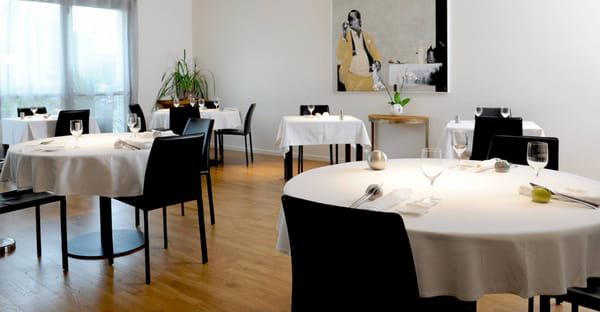
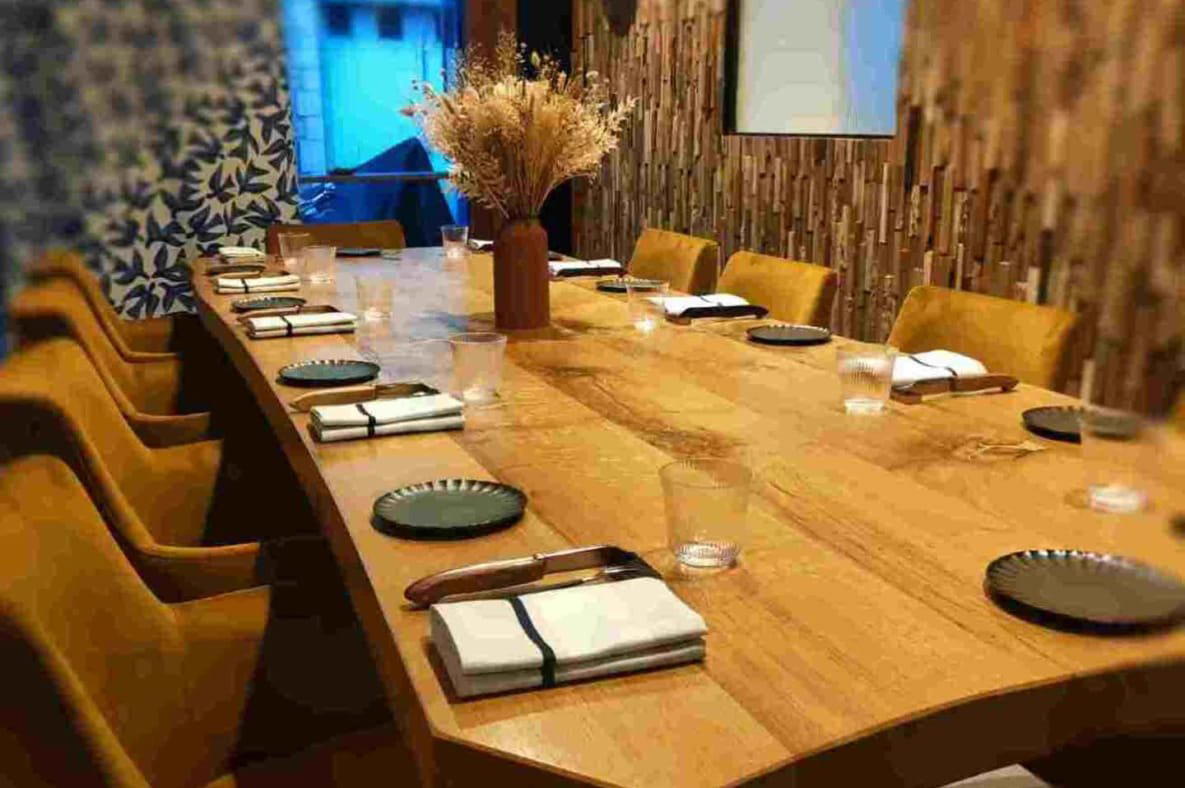
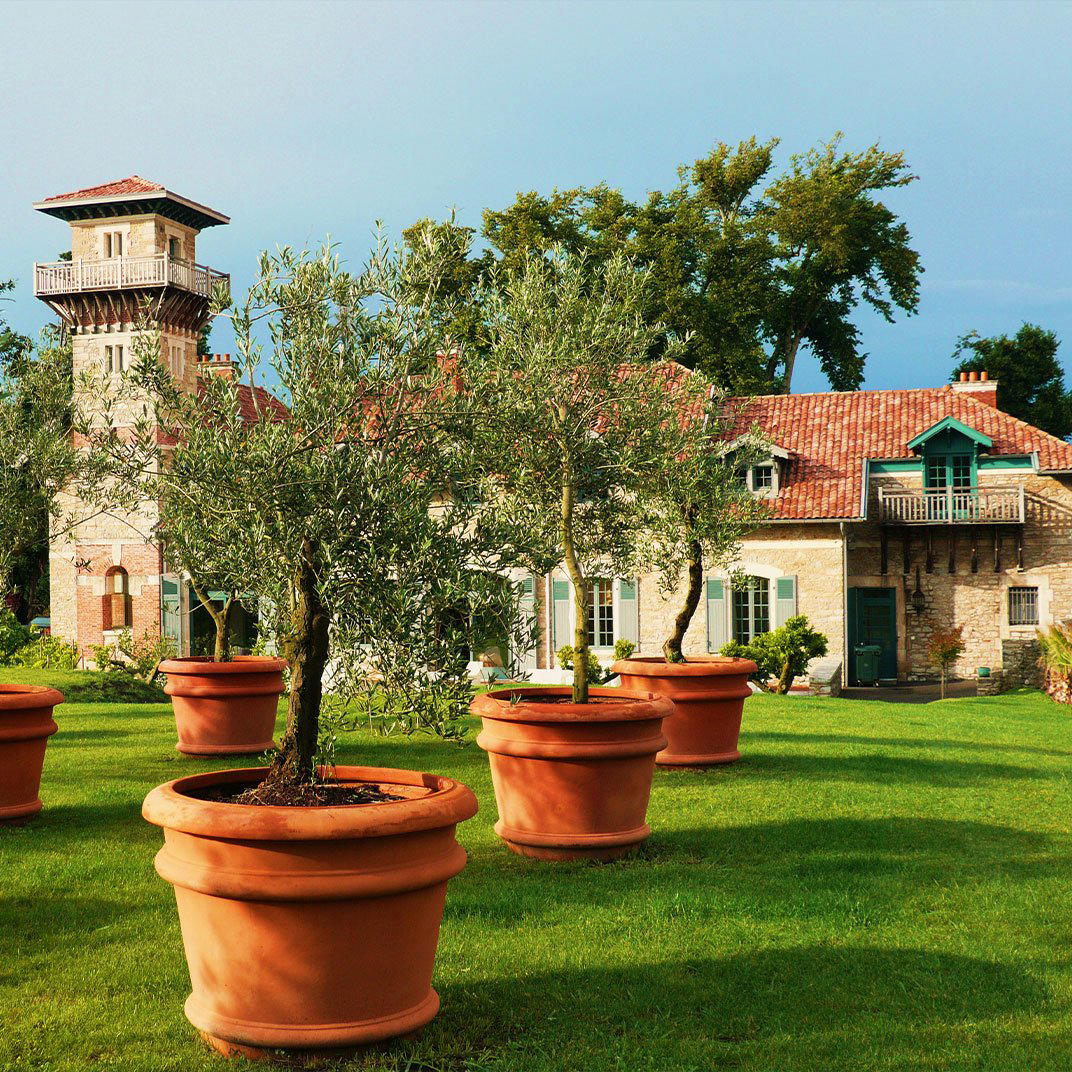
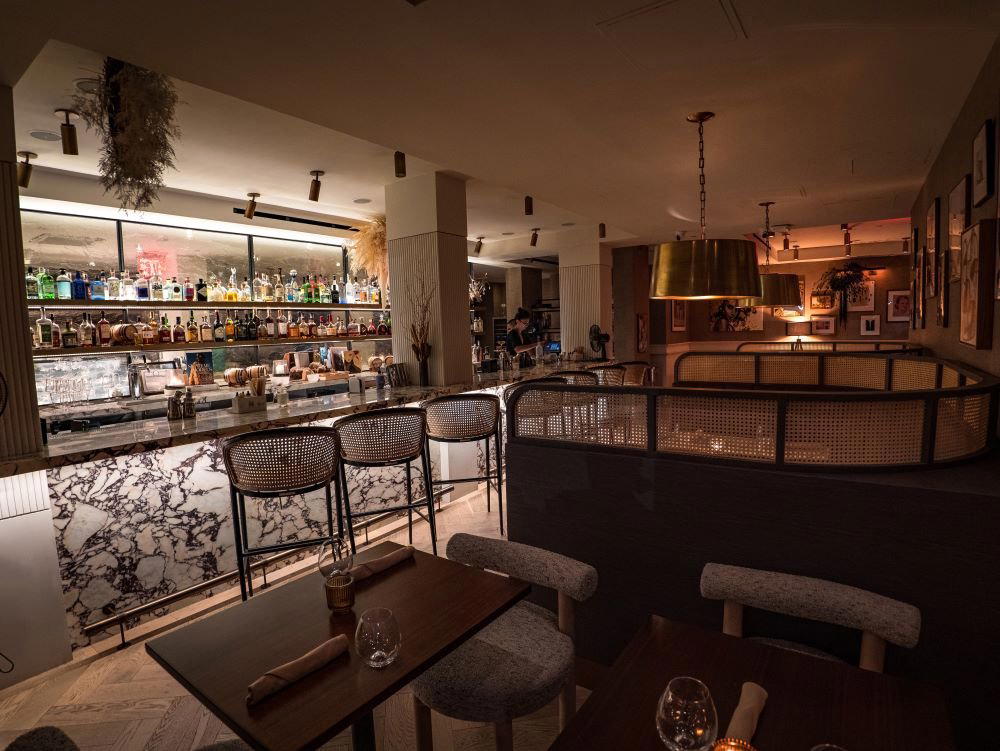
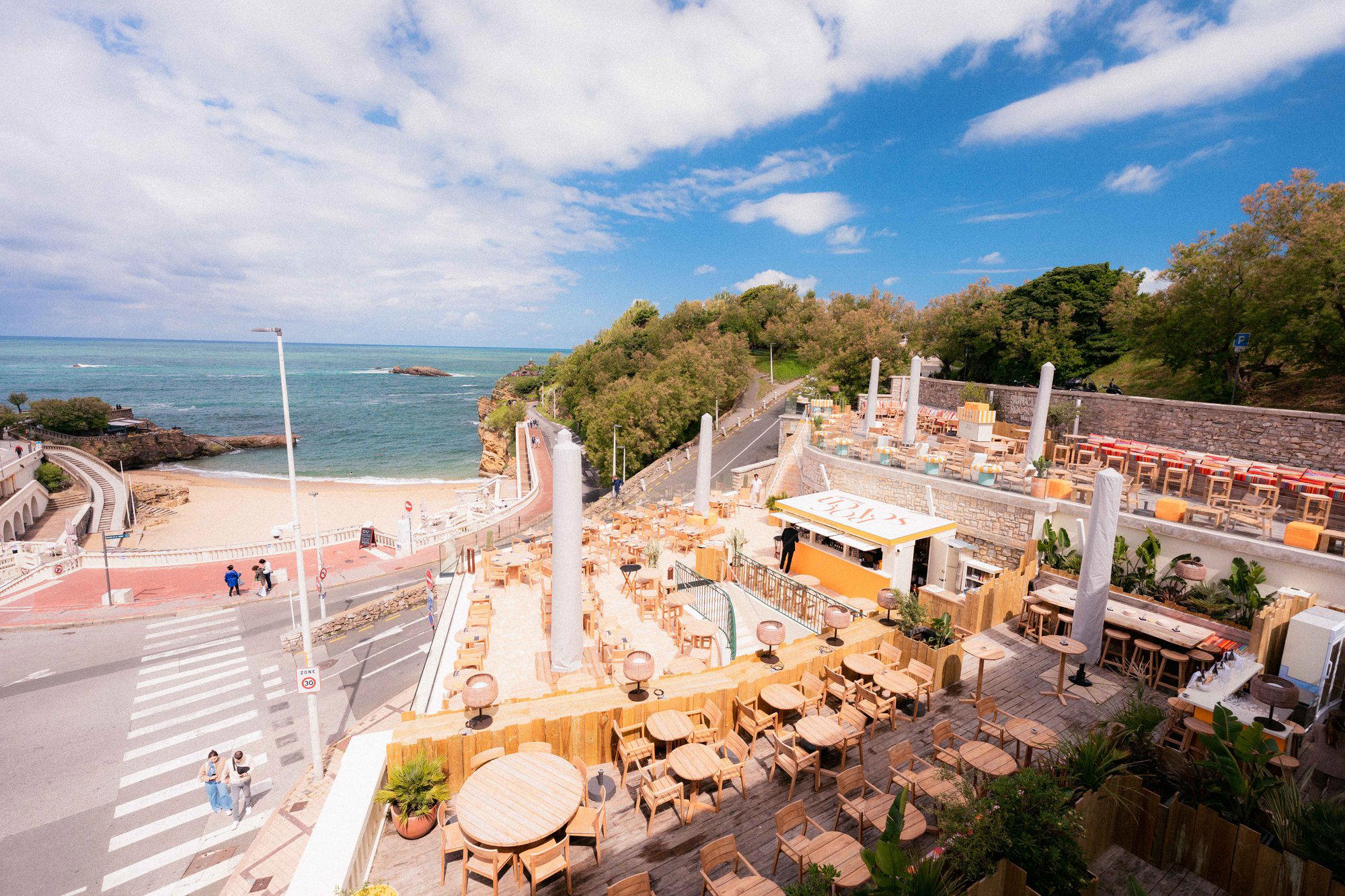
Pretty marquee building with pleasant atmosphere, friendly service, and riverside terrace.