Our verdict
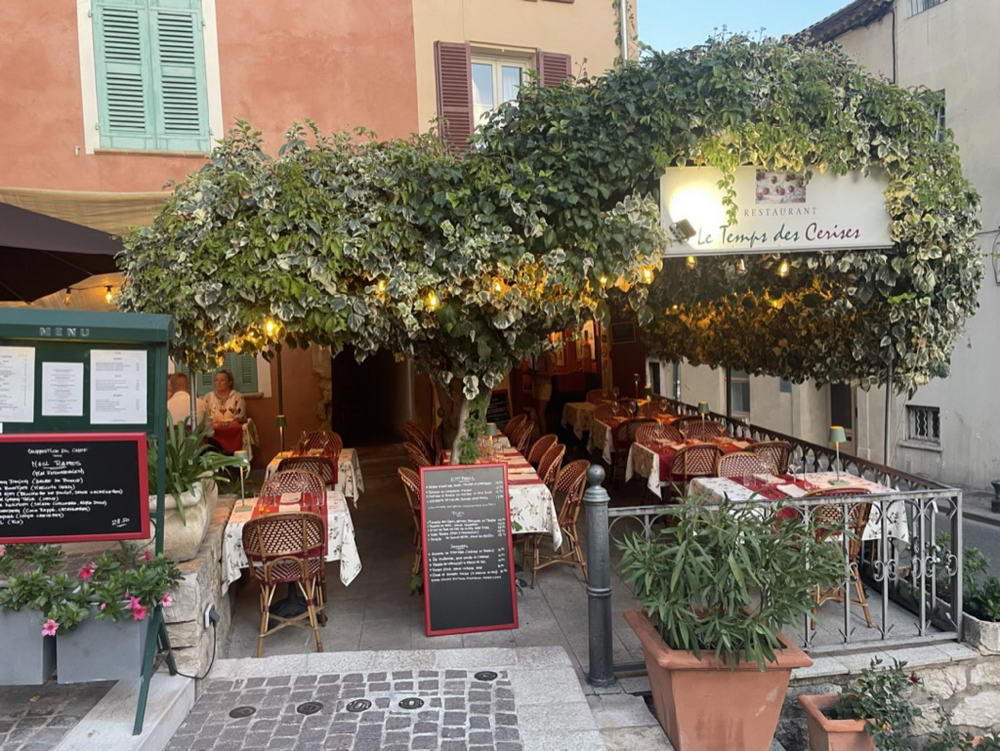
Le Temps des Cerises pairs a French-Mediterranean bistro menu with terrace seating and an extensive wine list, making it a workable lunch or dinner stop in Fayence.

Pearl is the En Primeur Club membership app — saves, bookings, and concierge access live there. Same editors, same standards.
- Address
- 2 Pl. de la République, 83440 Fayence, France
- Phone
- +33494760119
- Directions
- Get directions
The menu
What to order
- Salade de Tomate burata
- Homemade ravioli with truffles
Place de la République, Fayence: Where the Village Square Shapes the Meal
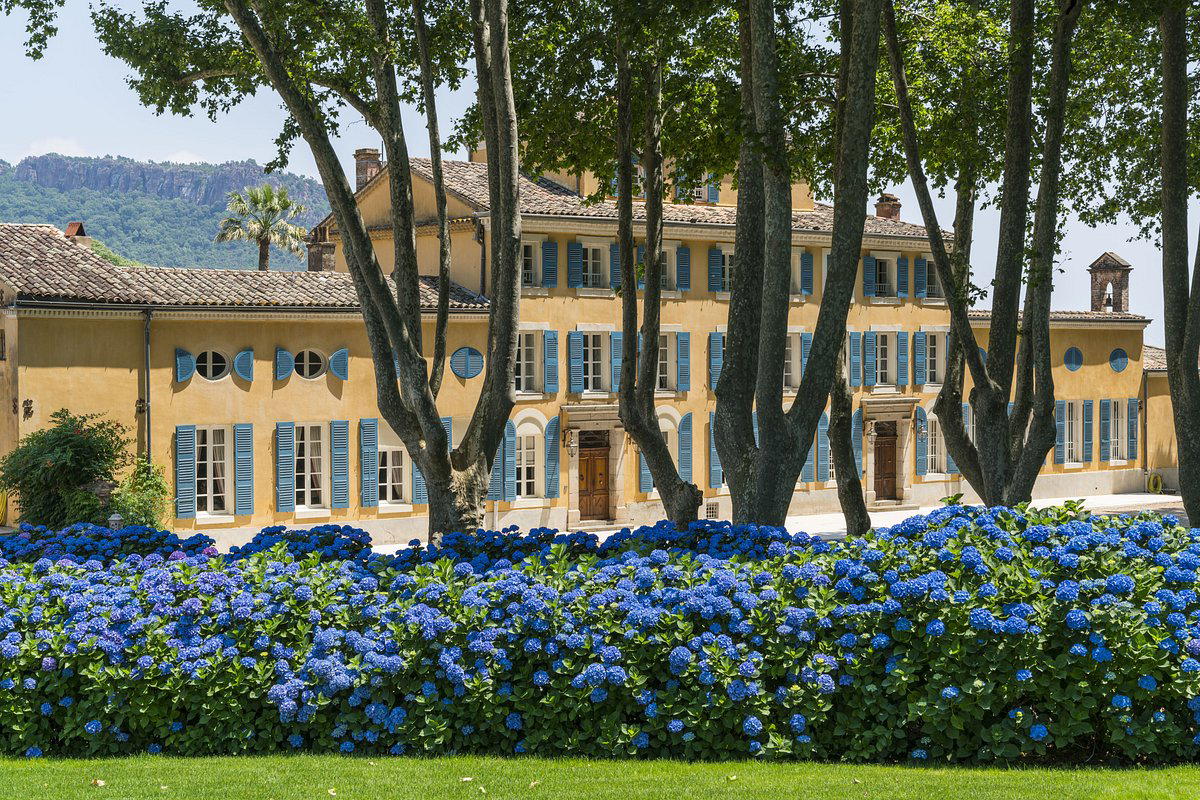
In the hilltop villages of the Var, the central square is not decorative — it is the social engine of the commune. Fayence sits roughly midway between Cannes and Draguignan, at an elevation that keeps summer temperatures a degree or two below the coast, and its Place de la République functions accordingly: market days, evening aperitifs, the particular quiet of a Tuesday afternoon when the last tourist coach has gone. Le Temps des Cerises occupies an address on that square, which means the physical approach is already doing editorial work before anything arrives at the table. Stone facades, plane trees, the faint orientation toward the valley below — the setting belongs to a tradition of Provençal village dining that the coast's resort restaurants spend considerable effort trying to simulate.
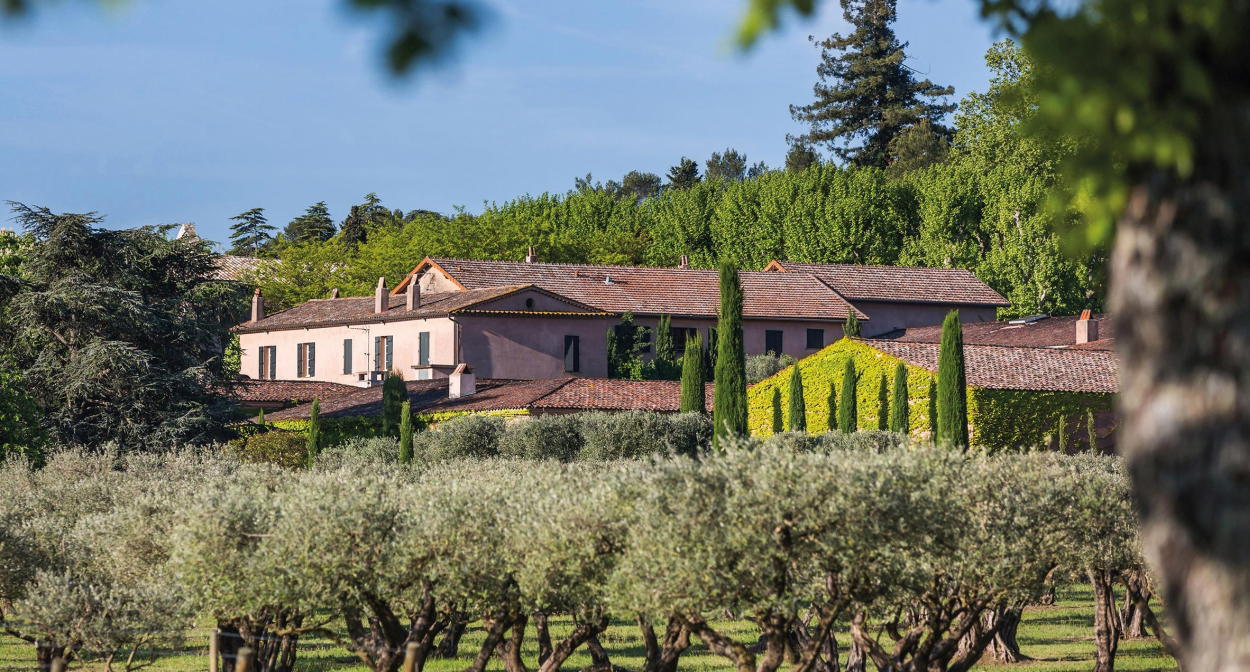
The name itself is a cultural signal. Le Temps des Cerises, the time of the cherries, is drawn from an 1866 French song that became associated with the Paris Commune of 1871, carrying connotations of fleeting sweetness, community, and a certain romantic melancholy. In the context of Provence, where cherry orchards still mark the transition between garrigue and cultivated hillside, the reference lands differently than it would in Paris: less political, more agricultural, rooted in the seasonal rhythms that structure life in the Haut-Var. That framing matters when understanding what village restaurants in this part of France are doing and why they persist despite proximity to far larger resort dining markets on the coast.
Village Dining in the Haut-Var: The Competitive Logic
The restaurants of inland Var occupy a niche that sits at some remove from both the Riviera's luxury dining circuit and the self-consciously rustic auberge format. A village like Fayence, with a permanent population in the low thousands, draws a mixed clientele across the year: locals who eat out regularly, second-home owners from Paris and northern Europe, and visitors on day trips from the coast. The dining scene that develops around this mix tends toward reliable French regional cooking rather than creative tasting menus, not because ambition is absent, but because the market rewards consistency and accessibility over experimentation.
The competitive distinction between these addresses tends to come down to the degree of formality, the treatment of local produce, and the wine list's depth into Provençal appellations. See our full Fayence restaurants guide for a broader map of how these addresses fit together.
Provence on the Plate: The Cultural Frame
Provençal cuisine is one of the most imitated and least accurately reproduced regional traditions in France. The gap between what arrives under that label in tourist-facing brasseries on the Croisette and what defines the cooking in village kitchens thirty kilometers inland is considerable. At its core, Provençal cooking is built around olive oil rather than butter, aromatics harvested from the garrigue, thyme, rosemary, savory, wild fennel, and a roster of vegetables that shifts with the market week. Tomatoes, courgettes, aubergines, and peppers anchor summer menus; root vegetables, dried legumes, and preserved fish move to the front in winter. The Mediterranean proximity matters less for the fish itself, which requires transport even here, than for the sensibility: a preference for freshness and direct flavor over accumulated richness.
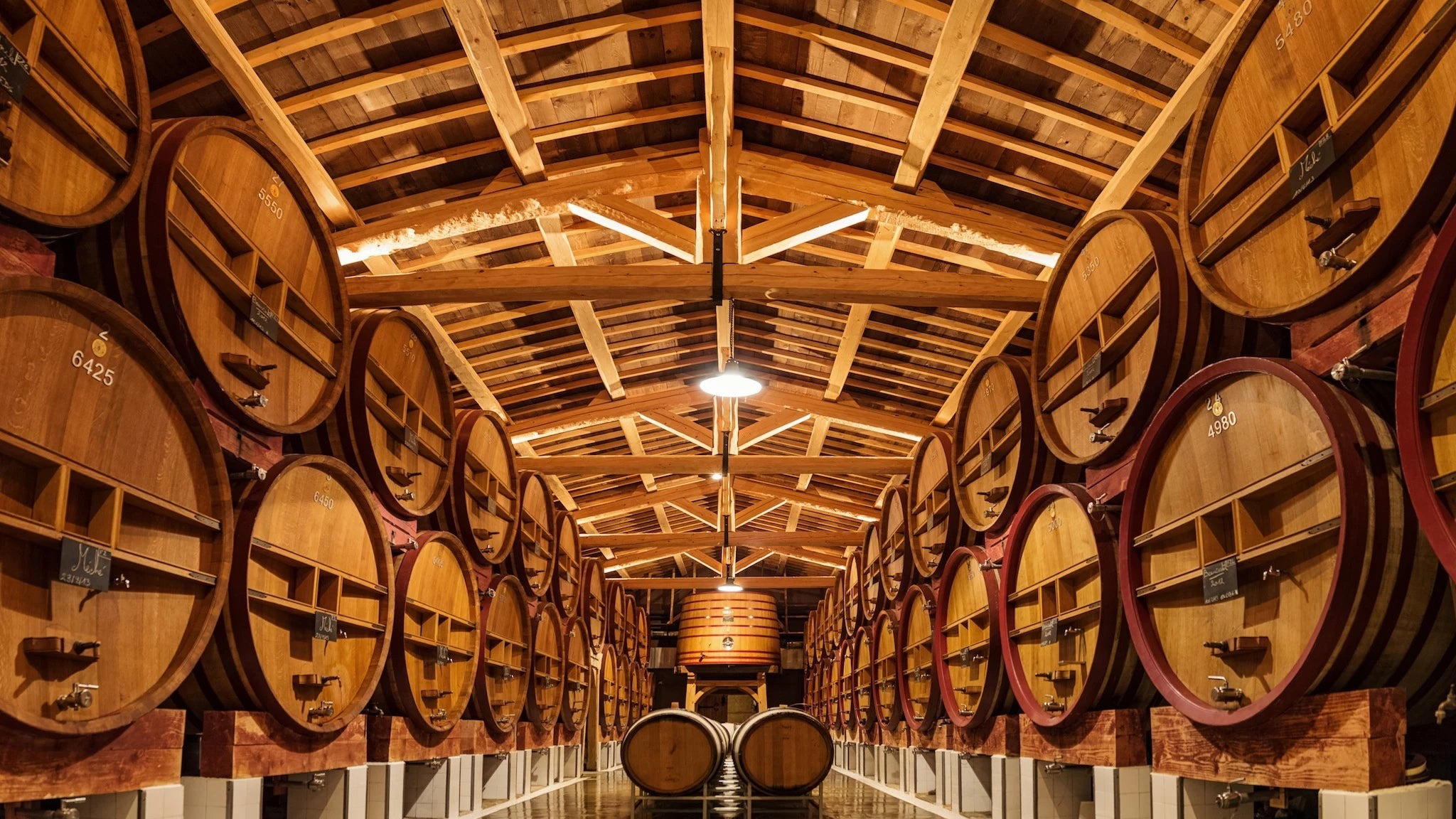
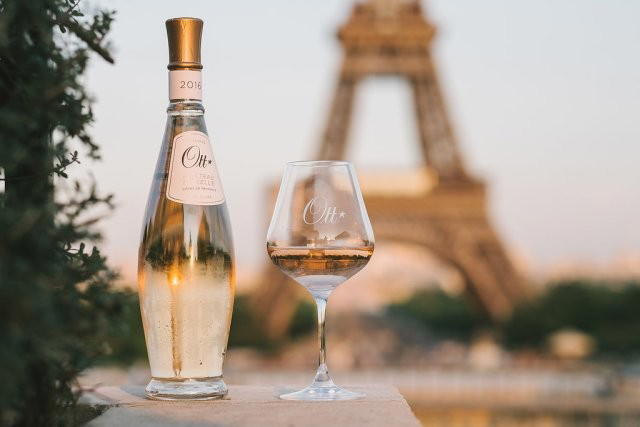
The wines that belong to this table are predominantly from Provence's three major appellations, Côtes de Provence, Coteaux d'Aix-en-Provence, and the smaller Coteaux Varois en Provence, the last of which encircles this part of the Var. The rosés that dominate Provençal wine production are not merely a tourist convention; they genuinely function at the table in ways that the region's food demands, cutting through the fat of a daube while stepping back from the assertiveness that would overwhelm a simple grilled fish. Village restaurants in the Haut-Var that take their wine list seriously tend to carry local domaines alongside the better-known Côtes de Provence names, and that choice signals something about how the kitchen approaches sourcing more broadly.
The broader French restaurant tradition within which this cooking operates is vast in range. At one end of that spectrum sit institutions like Auberge de l'Ill in Illhaeusern, Paul Bocuse - L'Auberge du Pont de Collonges, and Troisgros - Le Bois sans Feuilles in Ouches, each operating at Michelin's three-star level and carrying decades of documented culinary history. On the southern coast, Mirazur in Menton and AM par Alexandre Mazzia in Marseille represent the creative contemporary wing of French Mediterranean cooking. Village restaurants in the Var occupy a quieter, more durable register, closer in spirit to Bras in Laguiole or Auberge du Vieux Puits in Fontjoncouse in their rootedness to a specific terroir, if not in their formal ambition. For comparison across French regions, Assiette Champenoise in Reims, Au Crocodile in Strasbourg, Christopher Coutanceau in La Rochelle, and Georges Blanc in Vonnas each illustrate how deeply French regional identity structures the dining room, whatever the price point. Internationally, Alléno Paris au Pavillon Ledoyen, Flocons de Sel in Megève, Le Bernardin in New York City, and Atomix in New York City represent how French culinary influence radiates outward into very different formats.
Planning a Visit to Fayence
Fayence is accessible by car from the A8 autoroute, with Cannes roughly forty minutes to the south and Draguignan about thirty minutes northeast. The village has no rail connection; driving or hiring a car from the coast is the practical approach for most visitors. The leading periods to eat in the Haut-Var are late spring, when the markets fill with asparagus and early cherries, and early autumn, when the summer heat has broken and the harvest produces the specific abundance, figs, late tomatoes, new-season walnuts, that defines Provençal autumn cooking. High summer brings crowds and heat; January and February are the quietest months, and some smaller village restaurants reduce their hours or close for annual leave during this period. Confirming hours directly before travel is advisable for any village address in the Var during the low season.
Frequently asked questions
What part of town is Le Temps des Cerises in?
Le Temps des Cerises is located at 2 Pl. de la République, 83440 Fayence, France, Fayence.
How does Le Temps des Cerises compare to other dining options in Fayence village?
Fayence supports a compact cluster of restaurants within walking distance of its central square, including addresses that draw from the same Provençal tradition. Le Temps des Cerises holds the Place de la République address, which places it at the social centre of the commune rather than on a side street — a practical distinction in a village where foot traffic and visibility concentrate around the square. For visitors choosing between nearby options, the difference between restaurants here often comes down to format and kitchen philosophy rather than price tier, as no formal awards or published ratings currently distinguish the field.
What do regulars order at Le Temps des Cerises?
Le Temps des Cerises sits on the Place de la République in Fayence, and restaurants in this position within the Var's hilltop villages tend to anchor their kitchens in the Provençal repertoire: dishes shaped by olive oil, summer vegetables, and local herbs rather than cream-led cooking. Asking the room what came in that morning is consistently the most useful ordering strategy in restaurants of this type. Check the venue's official channels for the latest details.
Is Le Temps des Cerises reservation-only?
For weekend lunches and dinners between June and September, contacting the restaurant directly well in advance is advisable. Outside peak season, walk-in availability at village squares in this part of Provence tends to be more forgiving.
Price Lens
| Venue | Cuisine | Price | Awards | Notes |
|---|---|---|---|---|
| Le Temps des CerisesThis venue — the venue you are viewing | French-Mediterranean Bistro | Not listed | Not listed | Not listed |
| Alléno Paris au Pavillon Ledoyen | Modern French Fine Dining | $150–200 | 3 Michelin Stars · World's 50 Best #79 | Creative |
| Kei | Modern French with Japanese Influences | $300–500 | 3 Michelin Stars · World's 50 Best #93 | Contemporary French, Modern Cuisine |
| L'Ambroisie | Classic French Haute Cuisine | $300–500 | 2 Michelin Stars · World's 50 Best #23 | French, Classic Cuisine |
| Le Cinq - Four Seasons Hôtel George V | Modern French Fine Dining | $300–500 | 3 Michelin Stars · World's 50 Best #24 | French, Modern Cuisine |
| Mirazur | Modern French Fine Dining | $300–500 | 3 Michelin Stars · World's 50 Best #1 | Modern French, Creative |
Continue exploring
More in Fayence
Restaurants in Fayence
Browse all →
Bars in Fayence
Browse all →
Hotels in Fayence
Browse all →

Le Temps des Cerises
The wine
- Wine program
- Curated wine list
- Extensive wine list
Details
- Rustic
- Cozy
- Classic
- Casual Hangout
- Date Night
- Terrace
- Extensive Wine List
- Local Sourcing
- Street Scene
- A La Carte
- Regional Wines
- Vegetarian Friendly
Relaxed ambiance with terrace seating and authentic Provençal charm.