La Farigoulette sits on Place du Château in the hilltop village of Fayence, where Provençal cooking tradition runs through the Var countryside below. The setting alone frames the meal before a dish arrives: medieval stone, refined air, and a kitchen that draws from the agricultural belt surrounding the village. For visitors to the Haut-Var, it represents the kind of address that earns its place through rootedness rather than reputation alone.
Pearl is the En Primeur Club membership app — saves, bookings, and concierge access live there. Same editors, same standards.
- Address
- 1 Pl. du Château, 83440 Fayence, France
- Phone
- +33494841049
- Website
- m.facebook.com
- Directions
- Get directions
 Saves & bookings on Pearl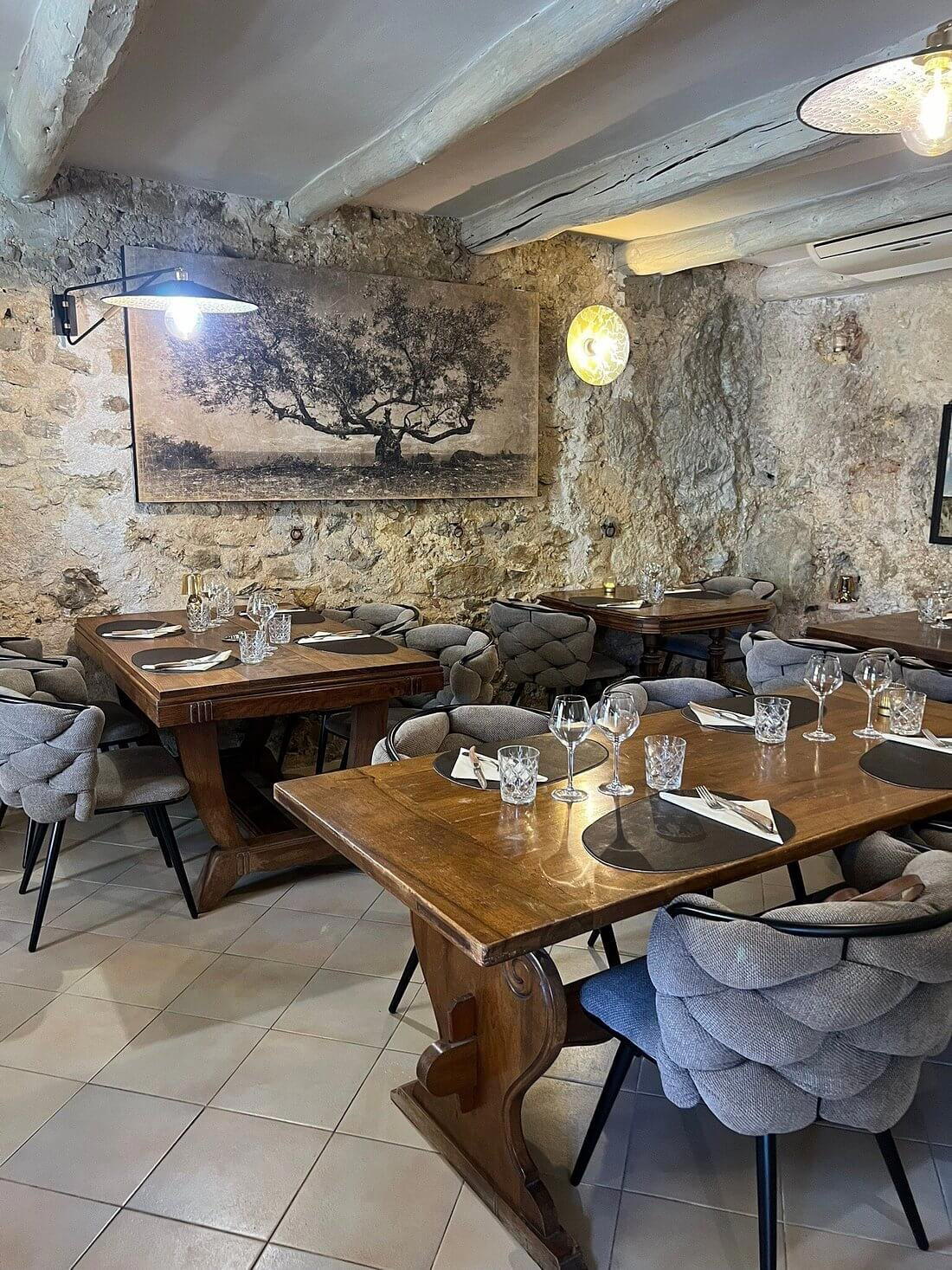
Where the Var Sets the Table
La Farigoulette is a Traditional Provençal French Bistro in Fayence, France, at 1 Pl. du Château, 83440 Fayence, France. The Var département is among the more agriculturally dense corners of Provence, producing olives, lavender honey, game from inland forests, and market vegetables that move from farm to kitchen within hours. Restaurants that occupy a historic square in a village like Fayence inherit a supply chain that larger urban kitchens spend considerable effort trying to replicate. La Farigoulette, addressed at 1 Place du Château, occupies that position directly.
The hilltop village format that Fayence typifies is worth understanding as a dining context. In towns like this, where the medieval street plan limits scale and tourist throughput remains seasonal, restaurants tend to develop a different rhythm than their coastal peers down toward Saint-Raphaël or Cannes. The pressure to turn tables quickly is lower; the incentive to source locally is higher because regional produce is genuinely fresher here than anything transported on the A8. That structural condition shapes what ends up in the kitchen more than any single chef decision.
Stone, Square, and the Architecture of Arrival
Approaching Place du Château in Fayence means climbing through lanes of ochre-rendered buildings before the square opens onto a wide view over the plain toward the Esterel massif. The physical context of arriving here is part of the experience: you are not slipping into a side-street address in a city grid. You are arriving at the historic centre of a village that has organised itself around this square for centuries. La Farigoulette occupies this address rather than merely sitting in it, the position carries the weight of a place that knows it is somewhere. For diners accustomed to the coastal Riviera circuit, from Mirazur in Menton at the high end down to the brasserie strip of Nice's port, the register here is categorically different: interior, slower, and tied to agricultural rather than maritime rhythms.
Provençal Sourcing and Why It Matters
The Provençal kitchen at this latitude draws from a specific larder. The Var produces a range of olive oils with AOC protection, truffles from Aups roughly forty kilometres north, and lamb from the garrigue uplands where the animals graze on wild herbs, thyme, rosemary, and the farigoulette itself, which is the Provençal word for wild thyme and, pointedly, the source of this restaurant's name. That naming choice is not decorative. It signals a deliberate orientation toward the herbed scrubland and the ingredients it produces, situating the kitchen within a culinary tradition that predates restaurant culture entirely.
Wild thyme in Provence is not a garnish. It is a structural element of the cuisine, used in marinades, infused into oils, and incorporated into the slow-braised preparations that define Var cooking at its most traditional. Daube, tapenade, and anchoïade are not dishes invented by any individual kitchen; they are codified expressions of what the landscape produces in abundance. A restaurant named for the wild herb is making a claim about where it stands in that tradition. Whether a kitchen delivers on that claim is the question a visit settles, but the orientation itself tells you something useful before you sit down.
For context on how sourcing-led Provençal cooking positions against broader French fine dining, consider that kitchens such as Bras in Laguiole built international reputations specifically on the argument that terroir-rooted cooking from non-metropolitan France carries equal authority to Parisian technique. Auberge du Vieux Puits in Fontjoncouse made the same argument from the Aude. In Fayence, the case is made at a more intimate, village scale, which is not a lesser version of the argument, but a different one.
The Village Dining Tier in Context
Fayence supports a small cluster of restaurants that between them cover most of what a visiting diner might want. Le Castellaras operates with a Provençal focus and offers its own interpretation of the regional larder. Le Temps des Cerises covers a different part of the spectrum. The restaurant sits within this comparable set, and the competitive pressure among a small number of kitchens in a seasonally active village tends to keep standards higher than the foot-traffic volume might otherwise demand. Visitors who have made the drive from the coast, roughly an hour from Cannes through the Tanneron hills, have generally done so with intention, which shapes the room's character.
The broader French regional fine-dining scene has spent the past two decades demonstrating that interesting cooking does not always concentrate in Paris or along the Riviera. AM par Alexandre Mazzia in Marseille showed what a three-star sensibility looks like when rooted in Mediterranean ingredient logic. Further afield, kitchens from Flocons de Sel in Megève to Auberge de l'Ill in Illhaeusern have long argued that French cooking at its most coherent happens when a kitchen is inseparable from its specific geography. The restaurant operates in that tradition at the village level.
Planning Your Visit
Fayence is most practically reached by car. The village sits inland from the Côte d'Azur, roughly equidistant between Draguignan and Grasse, and public transport connections are limited. The square itself has limited parking immediately adjacent, so arriving early is sensible if you are driving from the coast. The Haut-Var interior operates on a seasonal rhythm: summer brings the highest visitor density, and the terrace-friendly months of May through September are when the village is at its most active.
Given the limited seat count typical of village-square restaurants in this part of Provence, and the seasonal concentration of visitors between spring and early autumn, booking ahead is advisable rather than optional during peak months. Arriving without a reservation in July or August at an address with this level of location specificity is a risk worth avoiding.
Side-by-Side Snapshot
Comparable venues nearby, for context on price, style, and recognition.
| Venue | Cuisine | Price | Awards | Notes |
|---|---|---|---|---|
| La FarigouletteThis venue — the venue you are viewing | Traditional Provençal French Bistro | $$ | Not listed | Not listed |
| Le Temps des Cerises | French-Mediterranean Bistro | $$$ | Not listed | Place de la République |
| Le Castellaras | Provençal Fine Dining | $$$$ | Michelin Plate | Fayence |
| L'Escalinada | Traditional Niçoise Cuisine | $$ | Not listed | Nice Historique |
| La Jeannette | Provençal Farm-to-Table Bistro | $$ | Not listed | Giens |
| L'Étable | Traditional French Mountain Bistro | $$ | Not listed | Valberg |
Continue exploring
More in Fayence
Restaurants in Fayence
Browse all →
Bars in Fayence
Browse all →
Hotels in Fayence
Browse all →

At a Glance
- Rustic
- Cozy
- Classic
- Date Night
- Family
- Casual Hangout
- Terrace
- Local Sourcing
- Street Scene
Current opening hours
- Monday
- Closed
- Tuesday
- Closed
- Wednesday
- Closed
- Thursday
- 12–1:30 PM, 7–9 PM
- Friday
- 12–1:30 PM, 7–9 PM
- Saturday
- 12–1:30 PM, 7–9 PM
- Sunday
- 12–1:30 PM
Hours can change for holidays and private events. Last verified .
Warm and welcoming atmosphere in old stone walls of a former sheepfold, with terrace seating in the charming village square.