Le Soleil
Le Soleil occupies a second-floor address on 20th Avenue in San Francisco's West Side, placing it at a remove from the downtown dining corridor where most of the city's heavily credentialed restaurants cluster. Details on cuisine format, pricing, and reservations remain limited in public records, which makes firsthand investigation one reliable path to understanding what the kitchen is doing at any given moment.
Pearl is the En Primeur Club membership app — saves, bookings, and concierge access live there. Same editors, same standards.
- Address
- 3251 20th Ave 221 (2nd Floor, San Francisco, CA 94132
- Phone
- +14158778899
- Website
- lesoleilsf.com
- Directions
- Get directions
 Saves & bookings on Pearl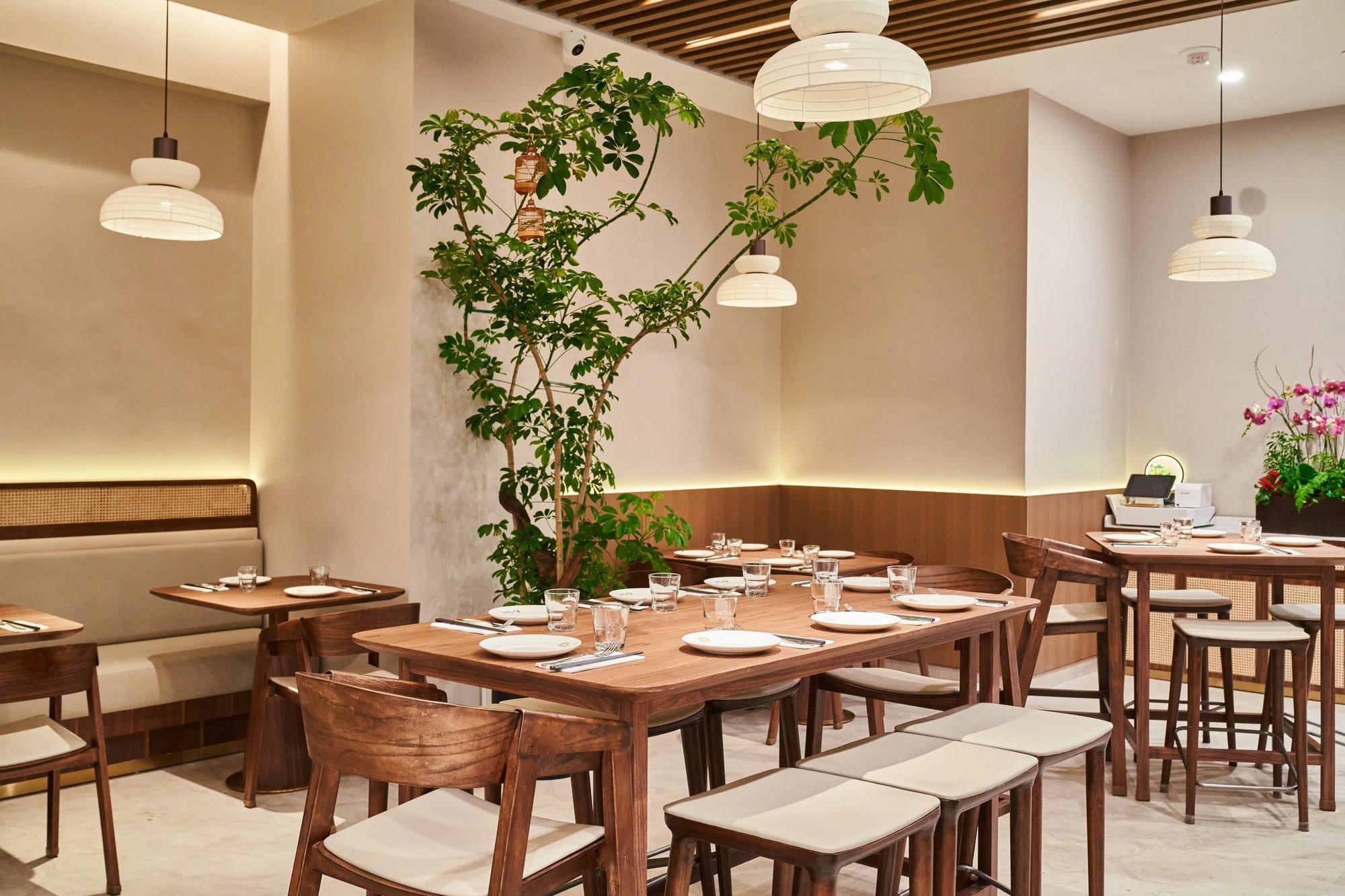
West of the Median: San Francisco's Outer Avenues and the Restaurants That Operate There
San Francisco's fine-dining conversation tends to collapse around a handful of zip codes: SoMa, the Financial District, and the Ferry Building corridor attract the Michelin inspectors, the expense-account dinners, and the international press coverage. Venues in those corridors compete in the same visible tier as Benu, Atelier Crenn, and Quince, where the benchmark for a tasting menu is set somewhere north of $200 per person and reservations open weeks or months in advance. Restaurants that operate outside those corridors, on the West Side, in the Sunset, in the avenues near Lake Merced, occupy a different category entirely. They serve neighborhoods rather than tourism circuits, and they tend to build their reputation through repeat local business rather than critical coverage.
It sits on 20th Avenue, second floor, in a part of the city that most visitors to San Francisco's restaurant scene will not reach without a specific reason to go there. The address places it near San Francisco State University and the Stonestown corridor, a residential stretch where dining operates at a different cadence than downtown. That location is, depending on your perspective, either a limitation or the whole point.
The Lunch and Dinner Divide in Neighborhood Dining
Across San Francisco's neighborhood restaurants, as distinct from its destination dining circuit, the difference between lunch and dinner service is often more pronounced than at the city's marquee venues. At places like Lazy Bear or Saison, the format is fixed: you book a specific experience, and the kitchen delivers a consistent version of it regardless of what time you arrive. Neighborhood restaurants work differently. Lunch tends to draw a local, functional crowd, students, nearby residents, people who live within walking distance, while dinner shifts the room toward a more deliberate visit, often with a slightly longer menu and a different energy.
For a restaurant positioned as Le Soleil is, on a second-floor address in a residential quadrant of the city, the practical implication is that lunch may offer the more accessible entry point: shorter waits if any, a lighter format, and the chance to assess the kitchen's fundamentals before committing to an evening meal. Dinner, conversely, tends to be when neighborhood restaurants put more of themselves on display, more courses, fuller tables, a room that justifies itself.
What Limited Data Tells You About a Restaurant
Le Soleil has no Michelin stars or other recorded awards, and no listed chef in the record. It typically means one of several things: the restaurant operates primarily through word of mouth and local loyalty; it has not sought or received critical attention from the publications and guides that generate the kind of documentation that flows into public records; or it is relatively new and has not yet accumulated a traceable footprint.
None of those scenarios is a disqualification. Some of the more interesting meals in any city happen at places that have not been processed by the recognition apparatus that handles venues like The French Laundry in Napa or Single Thread Farm in Healdsburg. What it does establish is an address: 3251 20th Avenue, second floor, San Francisco, CA 94132.
San Francisco's West Side and the Dining Register It Supports
The neighborhoods clustered around San Francisco State, West Portal, Ingleside, the inner Sunset, have historically supported a specific kind of restaurant: affordable, community-facing, often ethnically specific in a way that reflects the demographics of the surrounding blocks. This part of the city has produced serious cooking across Southeast Asian, Chinese, Japanese, and Latin American registers without the critical infrastructure that would typically generate national attention. Restaurants here compete for a different customer than those chasing the same tier as Le Bernardin in New York City or Alinea in Chicago. The priority is neighborhood trust over destination status.
That context matters when thinking about how to approach Le Soleil. If it operates in the register typical of this part of the city, then the framework for evaluating it differs from the one applied to venues reviewed alongside Addison in San Diego or Providence in Los Angeles. Neighborhood restaurants are not competing in the same category, and holding them to the same criteria misreads what they are doing.
Planning a Visit: What to Know Before You Go
The restaurant is open daily, with hours listed as 11 AM to 8 PM Monday through Thursday, 11 AM to 8:30 PM Friday and Saturday, and 11 AM to 7 PM Sunday. The second-floor location, noted in the address as Suite 221, suggests the restaurant occupies a dedicated space above street level, which is worth confirming before making the trip, particularly for anyone traveling from another part of the city. San Francisco's Muni system connects this part of the West Side to downtown, but journey times are longer than from neighborhoods closer to the city's transit core.
Comparison points in the premium tier include Atomix in New York City for a sense of how a tightly curated counter format builds reputation outside the traditional fine-dining circuit, and Bacchanalia in Atlanta as a case study in how a neighborhood-anchored restaurant can accumulate serious recognition over time without operating in a city's most visible dining corridor. Blue Hill at Stone Barns in Tarrytown and The Inn at Little Washington represent the other end of that spectrum: destination restaurants that have made their remove from urban centers part of their identity. Emeril's in New Orleans and 8 1/2 Otto e Mezzo Bombana in Hong Kong round out a sense of how restaurants in different cities build recognition at different scales.
Price and Recognition
Comparable venues nearby, for context on price, style, and recognition.
| Venue | Cuisine | Price | Notes |
|---|---|---|---|
| Le SoleilThis venue — the venue you are viewing | Lakeshore, Vietnamese Fusion | $$ | Not listed |
| Turtle Tower #3 | Not listed | $$ | Financial District, Authentic North Vietnamese Pho |
| Saigonese Café | Not listed | $$ | Embarcadero, Vietnamese café & bánh mì shop |
| Golden Flower Restaurant | Chinatown, Vietnamese Pho House | $$ | Not listed |
| Golden Star Vietnamese Restaurant | Not listed | $ | Chinatown, Authentic Vietnamese Pho & Noodles |
| SO | Not listed | Not listed | South San Francisco, Cantonese Seafood and Dim Sum |
Continue exploring
More in San Francisco
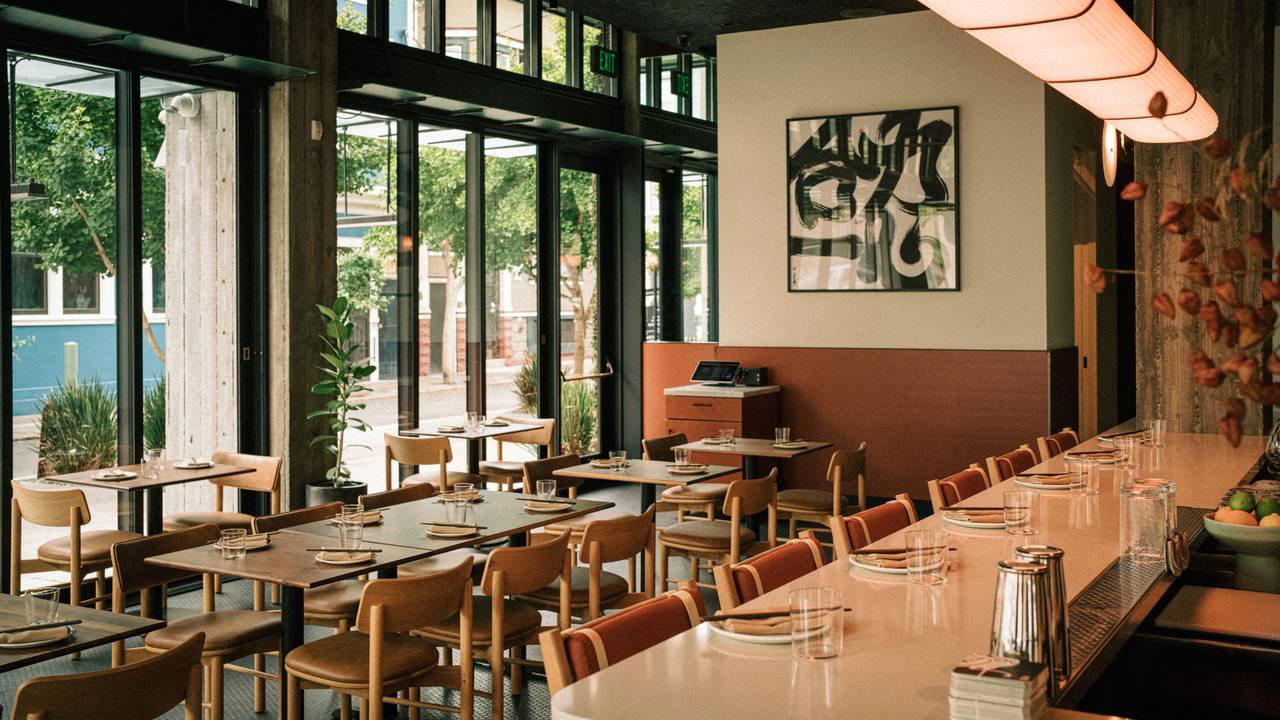
Restaurants in San Francisco
Browse all →
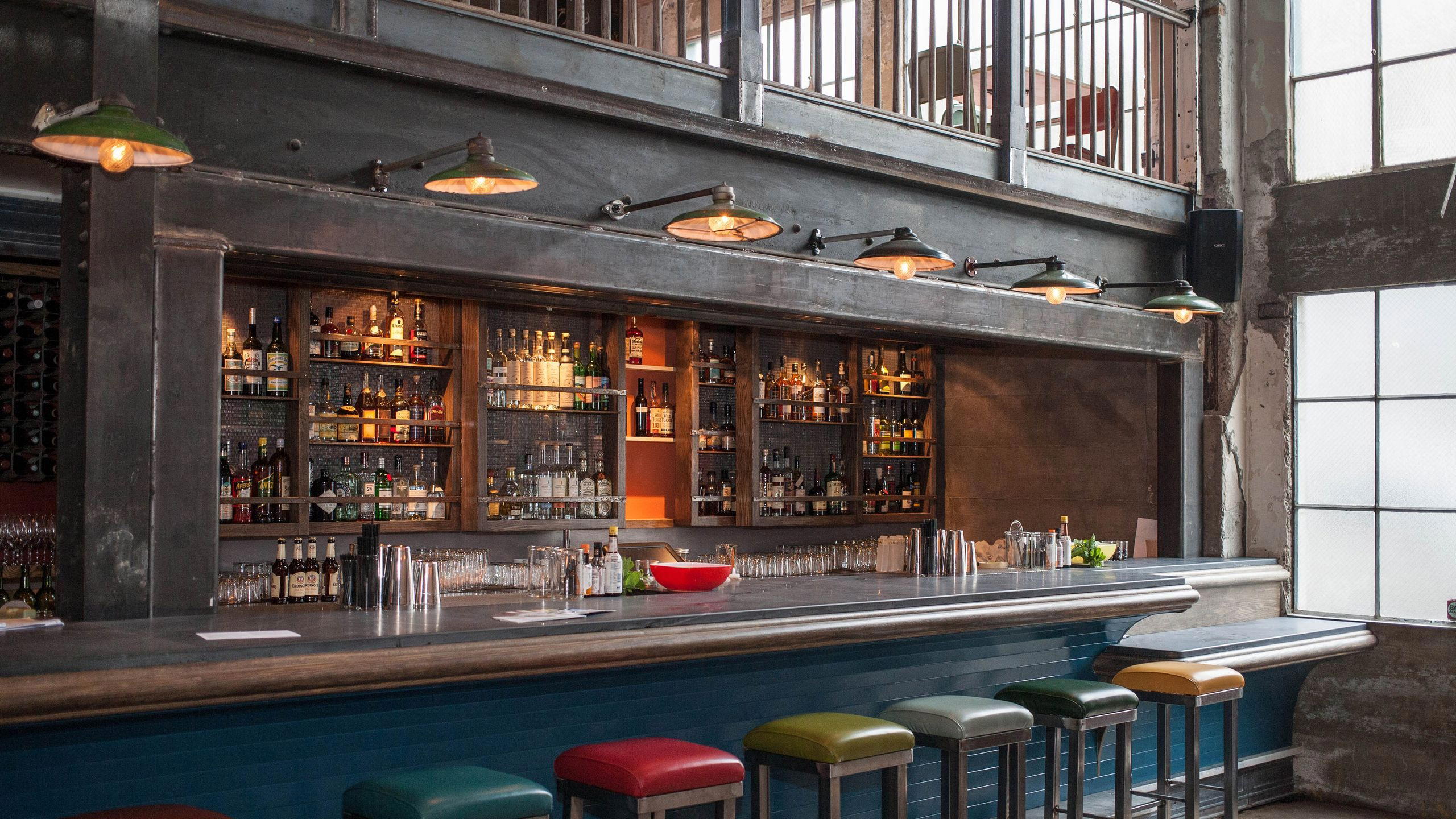
Bars in San Francisco
Browse all →
Hotels in San Francisco
Browse all →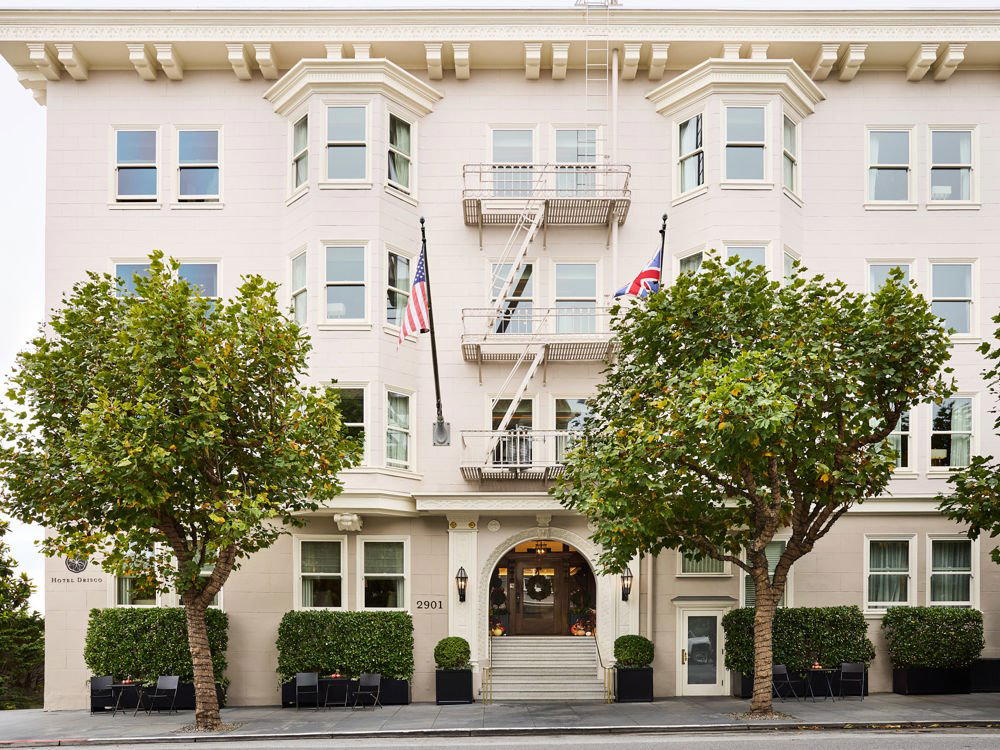

At a Glance
- Cozy
- Intimate
- Family
- Casual Hangout
- Standalone
Current opening hours
- Monday
- 11 AM–8 PM
- Tuesday
- 11 AM–8 PM
- Wednesday
- 11 AM–8 PM
- Thursday
- 11 AM–8 PM
- Friday
- 11 AM–8:30 PM
- Saturday
- 11 AM–8:30 PM
- Sunday
- 11 AM–7 PM
Hours can change for holidays and private events. Last verified .
Low-key and pleasant with minimal noise, friendly personal service, and a welcoming neighborhood atmosphere.