Golden Flower Restaurant
Golden Flower Restaurant occupies a corner of Jackson Street in San Francisco's Chinatown, one of the oldest continuously inhabited Chinese neighborhoods in the United States. The kitchen draws on the traditions of Cantonese and regional Chinese cooking that have shaped this corridor for generations, placing it within a dining scene that predates most of the city's celebrated contemporary restaurants by decades.
Pearl is the En Primeur Club membership app — saves, bookings, and concierge access live there. Same editors, same standards.
- Address
- 667 Jackson St, San Francisco, CA 94133
- Phone
- +1 415 433 6469
- Website
- goldenflowerrestaurant.com
- Directions
- Get directions
 Saves & bookings on Pearl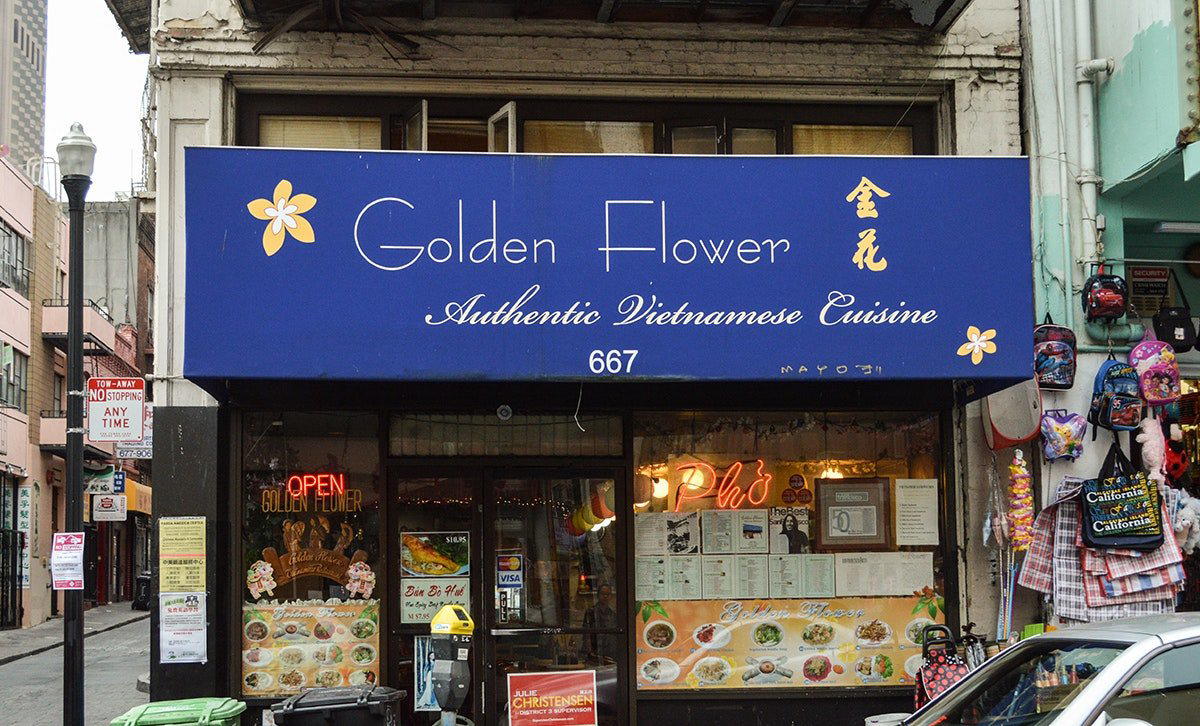
Jackson Street and the Weight of Chinatown's Dining History
San Francisco's Chinatown is not a food destination that discovered itself recently. The blocks running between Broadway and Bush Street have sustained Chinese restaurants, tea houses, and provisions merchants since the 1850s, making this corridor one of the longest-standing concentrations of Chinese culinary tradition in the Western world. Jackson Street, where Golden Flower Restaurant sits at number 667, cuts through that history rather than standing apart from it. The street-level facade, the sound of kitchen work audible from the sidewalk, the faint smoke of wok heat in the surrounding air: these are the atmospheric constants of a neighborhood that has never needed to market itself as authentic because the continuity has never been interrupted.
That continuity matters when reading any individual restaurant on this stretch. Unlike the city's contemporary fine-dining corridor, where venues like Benu and Atelier Crenn operate inside a legible framework of Michelin recognition and chef-driven press cycles, Chinatown restaurants tend to accumulate authority through repetition and neighborhood loyalty rather than through awards infrastructure. The critical apparatus that attaches itself to places like Lazy Bear or Quince operates on a different frequency from the one that sustains a Jackson Street dining room.
Cantonese Tradition as the Dominant Register
Chinese restaurants in San Francisco's Chinatown draw primarily from Cantonese culinary tradition, reflecting the regional origins of the immigrant communities that settled here in the nineteenth century. Cantonese cooking prizes freshness, restraint in seasoning, and technical precision in heat management, particularly in the wok cooking that defines its most recognizable dishes. Whole fish steamed with ginger and scallion, roasted meats lacquered and hung in windows, dim sum formats that parcel out the meal across many small dishes: these are the registers in which Chinatown kitchens have historically operated, and they remain the frame through which a visitor should read any restaurant in this neighborhood.
That tradition places Chinatown dining in a different conversation from the progressive American cooking at Saison, or from the European-inflected tasting menus that dominate the city's Michelin tier. It is a conversation about preservation and execution rather than invention, and on those terms the standards are exacting. Regional Chinese cooking does not hide behind novelty. A poorly made braise or an imprecise wok temperature is immediately legible to anyone who has eaten this food regularly. The neighborhood's most durable restaurants earn their standing through consistency over years, not through seasonal menu changes or press-cycle momentum.
How to Think About the Wine Angle Here
Chinatown dining in San Francisco has historically operated outside the sommelier-led wine culture that defines much of the city's fine-dining tier. The beverage programs at venues like The French Laundry in Napa or Le Bernardin in New York City are built around deep cellars, dedicated sommeliers, and pairing architecture designed to complement tasting-menu formats. Cantonese restaurants operate inside a different tradition: tea service anchors the beverage side of a dim sum meal, while Shaoxing rice wine and light lagers have historically paired with the food in ways that wine lists were not designed to address.
That is not a deficiency. It is a reflection of a culinary tradition that predates the influence of European wine culture in the American restaurant industry. Venues that have successfully integrated thoughtful wine programs alongside Chinese cooking tend to do so through light, acid-forward selections: Champagne and Alsatian whites with delicate steamed preparations, lighter Burgundian reds alongside richer roasted meats. Restaurants in comparable positions in other cities, from New York's Chinatown to London's Bayswater, have shown that the pairing opportunity is real, even if the infrastructure to support it is not universally present. The relevant frame is this broader pattern rather than any claims about a specific program.
Situating Golden Flower Within the San Francisco Dining Map
San Francisco's restaurant ecosystem in 2024 is a study in segmentation. At one end, the Michelin-starred tier includes venues with national and international profiles, drawing visitors who plan itineraries around reservations months in advance. At the other end, neighborhood restaurants operate for local regulars with minimal online presence and no booking infrastructure. Chinatown venues have historically occupied a middle position: recognizable enough to draw visitors, but rooted enough to serve the neighborhood's own population without orienting themselves entirely toward tourism.
Golden Flower Restaurant is a Vietnamese Pho House in San Francisco's Chinatown, at 667 Jackson St. Its Jackson Street address places it in the geographic and cultural heart of that middle tier. The surrounding blocks include bakeries, herbal medicine shops, and produce vendors that serve a residential and working community, not solely a visitor one. That context shapes what a meal here means in ways that a tasting-menu restaurant in SoMa or the Financial District cannot replicate. The experience connects to a functioning urban neighborhood rather than to a curated dining destination. For those building a broader understanding of San Francisco's food culture, it sits within a geography that our full San Francisco restaurants guide addresses across multiple neighborhood registers.
For reference, the city's upper-tier fine dining, including Benu with its French-Chinese synthesis, operates at $$$$ price points with months-long booking queues. Chinatown restaurants generally occupy lower and more accessible price tiers, with walk-in availability more common and the rhythm of service calibrated to a faster, less ceremonial format. Visitors accustomed to the pacing of venues like Smyth in Chicago or Blue Hill at Stone Barns should calibrate expectations accordingly: Chinatown dining is high-value in a different register, one measured by execution and price-to-quality ratio rather than by ceremony or cellar depth.
Planning Your Visit
Jackson Street is accessible from multiple Muni lines serving the Chinatown-Rose Pak station, and the neighborhood is walkable from the Financial District and North Beach. Chinatown restaurants typically fill fastest for weekend dim sum service, where the format rewards arriving before the mid-morning rush. Weekday lunch and dinner tend to offer more relaxed timing. Visiting in person or calling ahead directly is one reliable approach. Those building a broader San Francisco itinerary might consider pairing a Chinatown meal with dinner at one of the city's contemporary venues; the contrast in format, pacing, and culinary tradition sharpens the understanding of both.
Comparable Options
Comparable venues nearby, for context on price, style, and recognition.
| Venue | Cuisine | Price | Notes |
|---|---|---|---|
| Golden Flower RestaurantThis venue — the venue you are viewing | Vietnamese Pho House | $$ | Not listed |
| Saigonese Café | Vietnamese café & bánh mì shop | $$ | Embarcadero |
| Sai's Vietnamese Restaurant | Authentic Vietnamese Noodle Soups & Banh Mi | $$ | Chinatown |
| Bodega SF | Modern Northern Vietnamese | $$ | Tenderloin |
| Crustacean | Modern Vietnamese Fusion | $$$ | Beverly Hills |
| Miyabi Sushi 2 Go | Japanese Sushi | $$ | North Beach |
Continue exploring
More in San Francisco
Restaurants in San Francisco
Browse all →
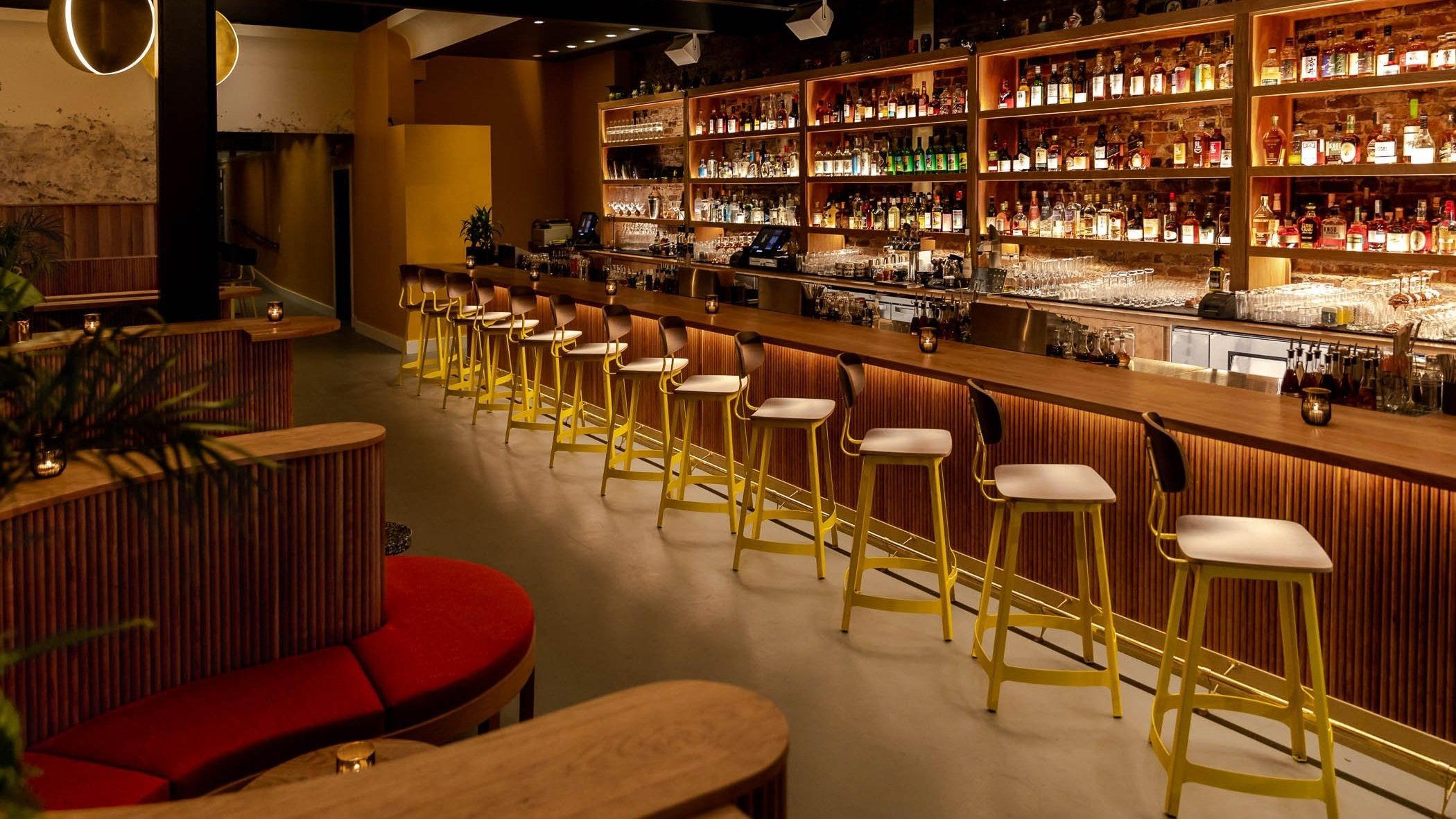
Bars in San Francisco
Browse all →
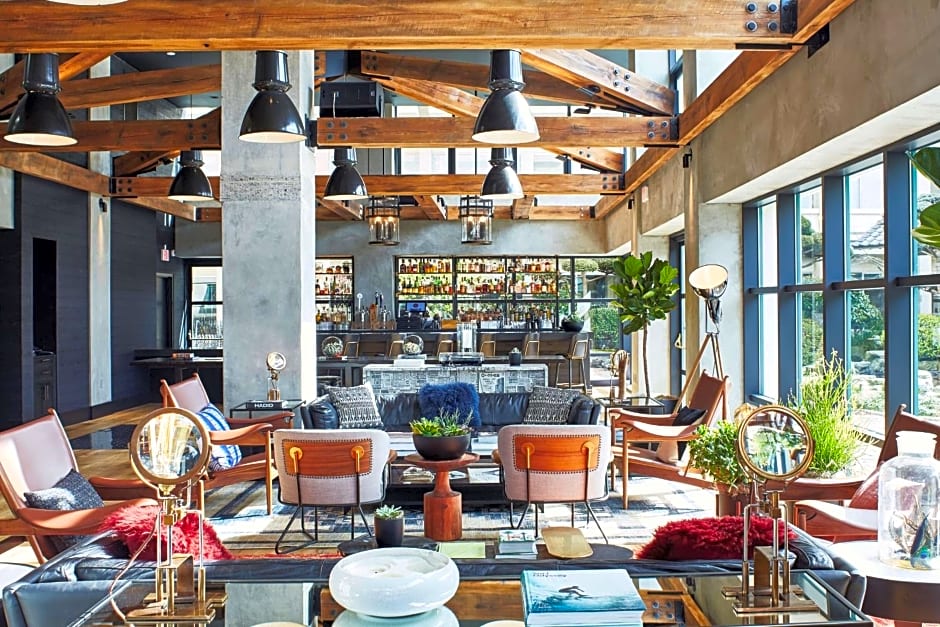
Hotels in San Francisco
Browse all →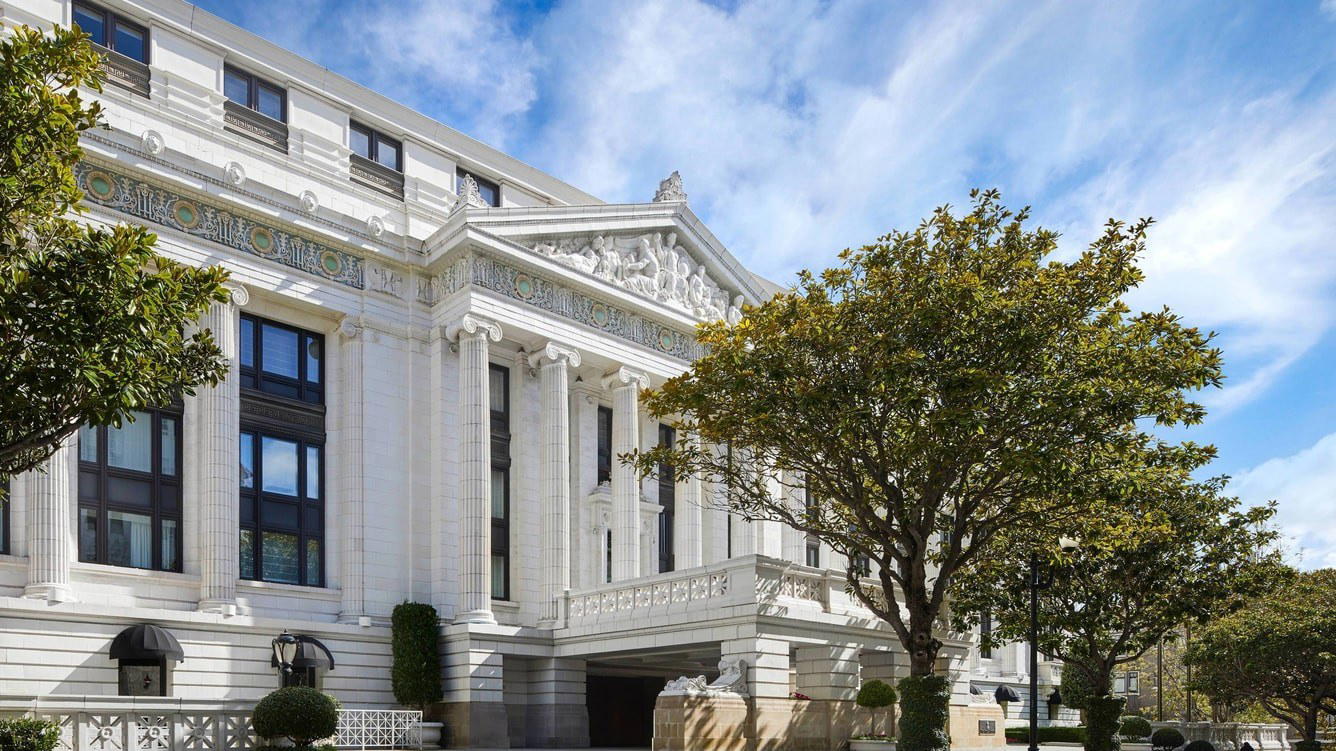

At a Glance
- Cozy
- Casual
- Casual Hangout
- Standalone
Current opening hours
- Monday
- 10 AM–9:30 PM
- Tuesday
- 10 AM–9:30 PM
- Wednesday
- 10 AM–9:30 PM
- Thursday
- 10 AM–9:30 PM
- Friday
- 10 AM–9:30 PM
- Saturday
- 10 AM–9:30 PM
- Sunday
- 10 AM–9:30 PM
Hours can change for holidays and private events. Last verified .
Casual family-run spot with friendly welcoming service and home-cooked meal atmosphere.