On Rue Traversière in Paris's 12th arrondissement, Le Singe à Paris occupies a corner of the city that operates at a quieter register than the grand boulevard addresses of the 7th or 8th. The wine program is the primary reason to pay attention here, positioning the address within a broader Parisian shift toward cellar-led dining rooms where the list shapes the meal as much as the kitchen does.
Pearl is the En Primeur Club membership app — saves, bookings, and concierge access live there. Same editors, same standards.
- Address
- 40 Rue Traversière, 75012 Paris, France
- Phone
- +33749038438
- Website
- lesingeaparis.com
- Directions
- Get directions
 Saves & bookings on Pearl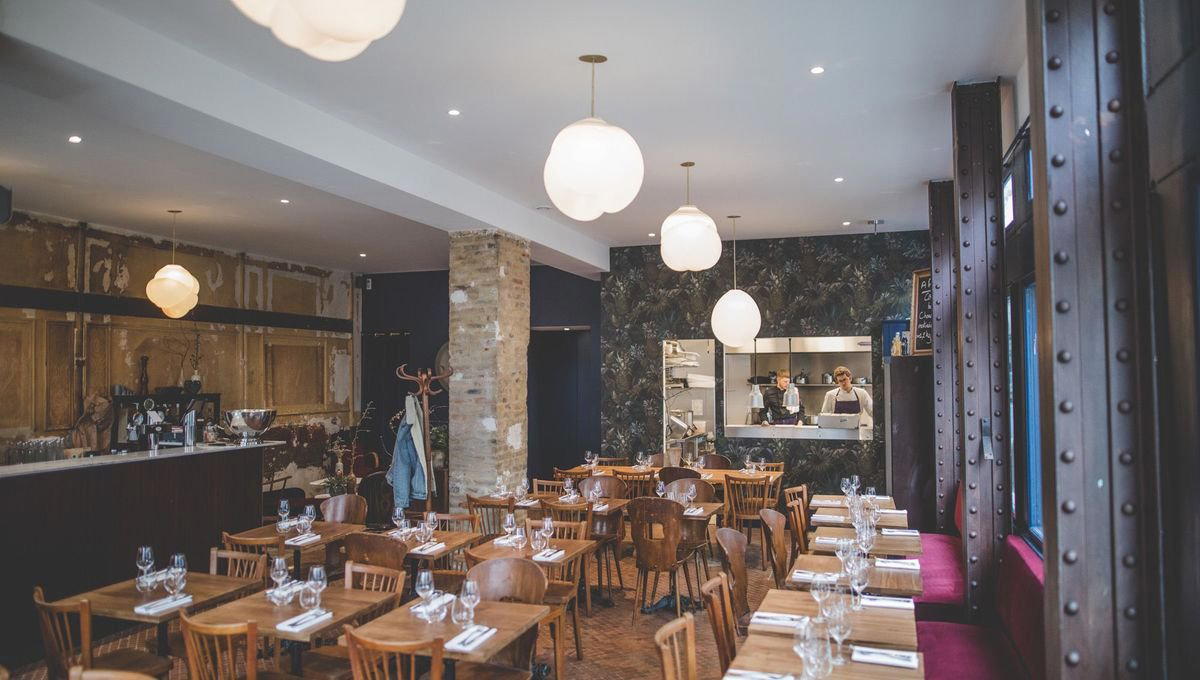
The 12th and the Case for Cellar-Led Dining
Paris has spent the better part of two decades recalibrating where serious eating and drinking happens. The grands boulevards still anchor the trophy-restaurant tier, addresses like Alléno Paris au Pavillon Ledoyen, Arpège, and Le Cinq at the Four Seasons Hôtel George V operate in a rarefied tier defined by Michelin recognition, formal service architecture, and price points that signal occasion dining. But alongside that tier, a quieter current has been building in the less-visited arrondissements: rooms where the wine list is not an afterthought to the kitchen's ambitions but the organizing principle of the whole experience.
Le Singe à Paris is a restaurant at 40 Rue Traversière, 75012 Paris, France, serving Modern French Bistronomy. The 12th is not a dining destination in the way the 6th or 7th reads to international visitors. It is residential in character, its streets running between the Gare de Lyon and the Bois de Vincennes without the density of tourist infrastructure that shapes eating habits elsewhere in the city. That context matters: addresses that work here do so because of a local following and a specific offer, not because of footfall or guidebook positioning.
A Wine Program as Editorial Statement
Across France, the restaurants that have attracted sustained critical attention over the past decade are often those where the sommelier's decisions carry as much weight as the chef's. This is not simply a matter of list length. At L'Ambroisie on the Place des Vosges, the cellar runs deep into Burgundy and Bordeaux with decades of vertical access. At Kei in the 1st, the wine selection is calibrated to work across the Franco-Japanese register of the kitchen. The question in both cases is the same: does the list demonstrate a point of view, or does it simply fulfill a function?
Wine-led rooms in the neighborhoods outside the central tourist circuit tend to operate with a different logic. Without the expectation of trophy bottles ordered for status, the list can move in directions that reward genuine engagement: natural producers, smaller appellations, growers who do not appear on conventional fine-dining lists. The cellar-led model in this context is less about depth of vertical and more about curation philosophy, a set of choices that tell you something about what the room believes wine should be doing alongside food.
For readers whose reference points include cellar programs at Michelin-decorated addresses in the French regions, the structured depth at Assiette Champenoise in Reims, the terroir-focused selections at Bras in Laguiole, or the Alsatian specificity at Au Crocodile in Strasbourg, a neighborhood wine room in the 12th operates at a different scale and with different ambitions. The comparison is not about equivalence but about what the category demands: a coherent position, not just a selection.
Where This Address Sits in the Paris Dining Map
The 12th is underrepresented in most Paris dining itineraries, which tend to cluster around Saint-Germain, the Marais, and the restaurant-dense streets of the 9th and 10th. That underrepresentation has a structural cause: international visitors, who shape the review economy more than locals do, gravitate toward neighborhoods with established cultural infrastructure. The 12th has the Opéra Bastille and the Viaduc des Arts, but it does not have the café-table density or the hotel concentration that feeds high-frequency dining coverage.
Addresses that operate here, including Le Singe à Paris, consequently have a different relationship with their audience. The room earns its following through the quality of what it does, not through proximity to a tourist circuit. That is a more demanding standard in some respects, and it explains why wine-led concepts can anchor themselves in these neighborhoods: the clientele that finds them tends to be more engaged with the specific offer and less susceptible to the ambient status signals that shape ordering behavior in the grander rooms.
The French Regional Cellar Tradition
Understanding what a wine-forward address in Paris is doing requires some grounding in where French cellar culture comes from. The tradition of the wine list as a document of conviction, rather than a commercial catalogue, runs through the country's great regional houses. Auberge de l'Ill in Illhaeusern has built its cellar over generations, its Alsatian depth reflecting a continuity of ownership and place that most city restaurants cannot replicate. Troisgros in Ouches and Flocons de Sel in Megève each demonstrate how the relationship between kitchen geography and cellar selection can produce a coherent editorial stance.
In Paris, that geographic rootedness is harder to achieve. The city's wine rooms compensate by making choices that signal allegiance: to natural wine, to a particular region, to producers outside the conventional fine-dining consensus. The interest of an address like Le Singe à Paris lies precisely in what those choices are and whether they hold together as a position. The address fits that broader Parisian tradition of conviction-led wine programming.
Readers whose appetite for French wine culture extends to the highest-decorated kitchens will find the full spectrum mapped across the EP Club guides, from Paul Bocuse's Auberge du Pont de Collonges to Mirazur in Menton and Auberge du Vieux Puits in Fontjoncouse. The contrast with a neighborhood room in the 12th is instructive: both ends of the spectrum share a belief that the list should mean something.
For readers whose frame of reference extends to international wine-forward rooms, the parallel with addresses like Le Bernardin in New York or Atomix is useful mainly as contrast: those rooms operate with verification systems, award trails, and public data that allow for specific editorial claims. A room like Le Singe à Paris asks the reader to focus on the dining room itself.
Know Before You Go
- Address: 40 Rue Traversière, 75012 Paris, France
- Arrondissement: 12th (Bastille / Gare de Lyon axis)
- Transport: Gare de Lyon (RER A/D, Métro 1/14) is the nearest major hub; Ledru-Rollin (Métro 8) offers a closer approach from the west
- Price range: about $50 per person
- Booking: Reservations are recommended
- Hours: Mon-Sat 11:30 AM-11 PM; Sun closed
Side-by-Side Snapshot
Comparable venues nearby, for context on price, style, and recognition.
| Venue | Cuisine | Price | Notes |
|---|---|---|---|
| LE SINGE A PARISThis venue — the venue you are viewing | Modern French Bistronomy | $$ | Not listed |
| Robert et Louise | Traditional French Wood-Fire Grill | $$ | Le Marais |
| Jaja | Modern French Bistro | $$ | Marais |
| La Petite Périgourdine | South-West French Bistro | $$ | 5th Arrondissement |
| 14 paradis | Modern French Bistro | $$ | 10th Arr. - Entrepôt |
| Lézard Café | Classic French Brasserie | $$ | Montorgueil |
Continue exploring
More in Paris
Restaurants in Paris
Browse all →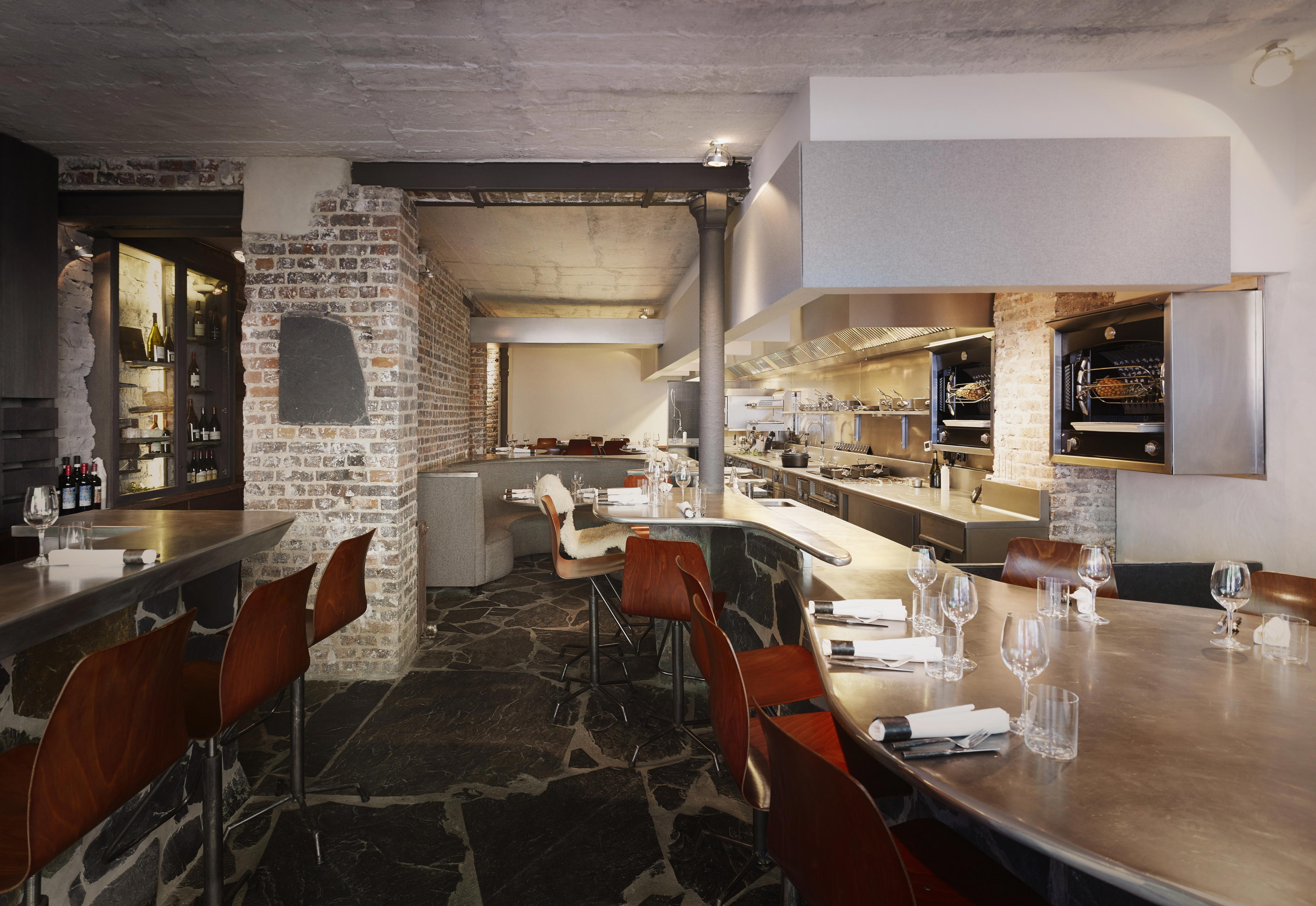
Bars in Paris
Browse all →
Hotels in Paris
Browse all →
At a Glance
- Cozy
- Trendy
- Modern
- Date Night
- Business Dinner
- Casual Hangout
- Open Kitchen
- Natural Wine
Current opening hours
- Monday
- 11:30 AM–11 PM
- Tuesday
- 11:30 AM–11 PM
- Wednesday
- 11:30 AM–11 PM
- Thursday
- 11:30 AM–11 PM
- Friday
- 11:30 AM–11 PM
- Saturday
- 11:30 AM–11 PM
- Sunday
- Closed
Hours can change for holidays and private events. Last verified .
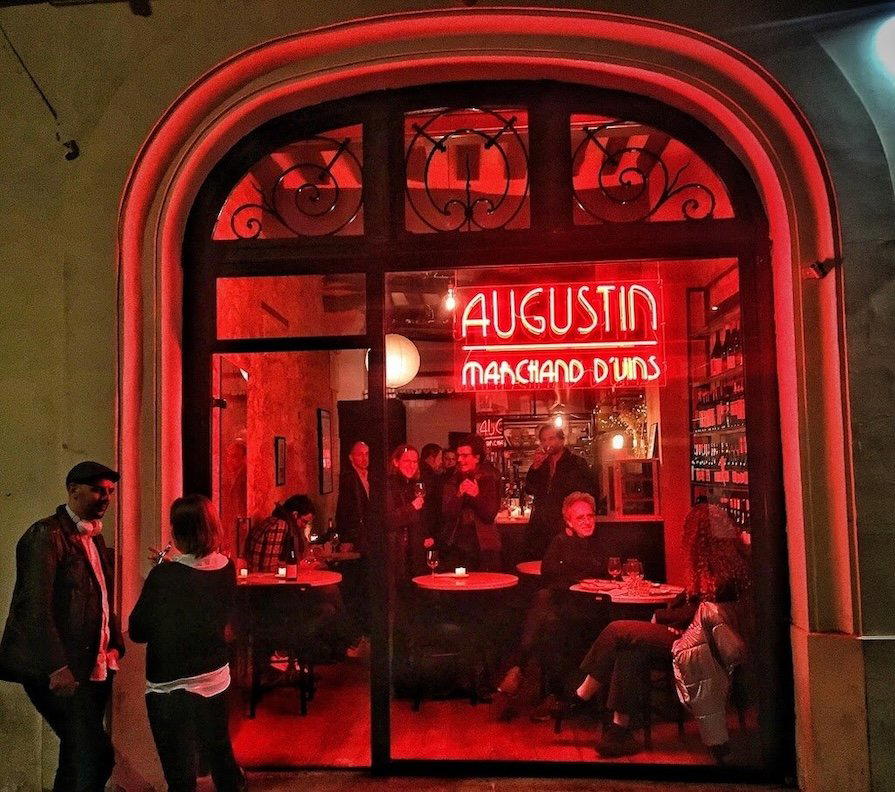
Simple yet friendly atmosphere with open kitchen, chic decor, and welcoming Parisian vibe; can be a little noisy when full.