

Michelin Plate · Relais Chateaux Award
Our verdict
Le Siècle holds a 2025 Michelin Plate, placing it among Nanjing's more credentialed European Contemporary addresses. Priced at the ¥¥¥ tier, it occupies the same bracket as the city's stronger Chinese tables without the institutional weight of a full Michelin star, an interesting position for a cuisine category that remains a minority sport in a city defined by Huaiyang and Jiangzhe traditions.

Pearl is the En Primeur Club membership app, where members save venues, book tables and use the concierge.
The menu
What to order
- House-made dinner rolls
- Aussie Wagyu
- Duck liver pudding
- Matcha soufflé
- Saffron mousse
European Technique in a City Built on Huaiyang Tradition
Nanjing's dining identity is rooted in the Yangtze Delta. The city sits at the northern edge of Jiangzhe territory, where Chi Man and Du Shi Li De Xiang Cun serve the kind of braised, steamed, and slow-cooked food that has defined this part of China for centuries. Against that backdrop, a European Contemporary address with a 2025 Michelin Plate is a notable outlier, not because the cuisine is foreign to China's first-tier cities, but because Nanjing has never been the natural home for it. Beijing and Shanghai absorb French-trained kitchens more easily; Nanjing's food culture tends to pull diners back toward its own deep larder. Le Siècle operates in that friction, and the Michelin recognition suggests it is doing so with enough discipline to warrant attention.
What the Michelin Plate Signals
Within Michelin's framework, a Plate designation indicates cooking that is good and carefully prepared, it sits below the star tiers but above the noise of the broader market. In practical terms, that means the kitchen is producing consistent work at a level the inspectors considered worth flagging, without yet reaching the distinction threshold for a star. Across China, this tier tends to include restaurants in transition: either consolidating a house style before a star-level push, or operating in categories where the inspector pool takes longer to build confidence. European Contemporary in an inland Chinese city sits in the latter situation. Compare that to how the category reads in other markets: Zén in Singapore operates at the three-star end of the same broad category, while Schwarzer Adler in Hall in Tirol anchors its European contemporary identity to alpine terroir. Le Siècle occupies a different kind of challenge: making the category legible and compelling in a market where the competition is almost entirely defined by Chinese regional cooking.
The Intersection of Imported Method and Local Product
The editorial argument for European Contemporary in a city like Nanjing is not that it replaces local cuisine but that it finds a different way into local ingredients. The Yangtze Delta produces some of China's most prized freshwater fish, duck preparations, and seasonal vegetables, the same material that kitchens like Jiangnan Wok · Yun and Dai Yuet Heen handle through inherited regional technique. A European kitchen working the same geography brings a different toolkit: reduction-based saucing, protein aging and resting protocols, precision temperature control, and European plating grammar. When that exchange works, it produces something neither purely local nor purely imported. When it does not, it produces expensive food that could have been made anywhere.
Price Tier and Competitive Position
At ¥¥¥, Le Siècle prices against the city's serious Chinese tables rather than the entry-level international market. Dai Yuet Heen sits at the same tier with a Cantonese menu and comparable credentialing, while Jiangnan Wok · Yun prices one tier above at ¥¥¥¥ with a Huaiyang focus. That bracket decision matters because it sets the implicit comparison: diners spending at this level in Nanjing are weighing the European option against deeply established Chinese alternatives, not against budget bistros. To hold that position, the kitchen needs to deliver clarity of technique and ingredient quality that justifies the price in a market where the incumbent cuisine has a century-long head start.
Nanjing's Broader European Contemporary Scene
Nanjing is not Shanghai. The city does not have the density of French-trained brigades, European-educated sommelier programs, or international business dining culture that makes European Contemporary a default category in China's largest commercial hub. Restaurants like 102 House in Shanghai operate in a market where the format is already normalized; Ru Yuan in Hangzhou takes a different approach entirely, anchoring itself to Zhejiang produce rather than European structure. In Nanjing, the European Contemporary category is thin enough that a single well-executed address can define what the genre means to the local market. That scarcity cuts both ways: there is less competition, but also less context for diners and less of an established critical framework. The Michelin Plate provides an external reference point that helps anchor the restaurant's position in a city where the genre lacks the critical mass it has elsewhere. For diners building a wider understanding of how European technique is landing in Chinese second-tier cities, it is worth tracking alongside stronger examples like Xin Rong Ji in Beijing, Xin Rong Ji in Chengdu, or Chef Tam's Seasons in Macau, though those addresses work within Chinese culinary frameworks rather than European ones, which makes the comparison instructive rather than direct.
Planning a Visit
At the ¥¥¥ price point with Michelin recognition, demand is likely to outpace walk-in availability on weekends. Nanjing's food calendar is active enough that pairing a visit here with stops at Fang Po for small eats, or using the city's Cantonese and Jiangzhe tables for broader context, makes for a coherent multi-meal trip. For full coverage of where to eat, drink, and stay across the city, EP Club's full Nanjing restaurants guide, hotels guide, bars guide, wineries guide, and experiences guide cover the full picture. If budget is a consideration, Imperial Treasure Fine Chinese Cuisine in Guangzhou offers a useful reference point for what serious Chinese dining at comparable price points looks like in a different southern city.
Frequently asked questions
at Le Siècle?
EP Club does not currently hold verified dish-level data for Le Siècle, so specific recommendations would go beyond what the record supports. A kitchen applying European technique to that material is working the most productive ground available. Ask the service team which dishes reflect the current season and local sourcing, that question will tell you quickly whether the kitchen is treating local provenance as a selling point or as an actual organising principle.
Price and Positioning
Comparable venues nearby, for context on price, style, and recognition.
| Venue | Cuisine | Price | Awards | Notes |
|---|---|---|---|---|
| Le SiècleThis venue (the venue you are viewing) | Contemporary European Fine Dining | Not listed | Michelin Plate · Relais Chateaux Award | Not listed |
| Le Bistrot de Jan | French Bistro with South African Fusion | $50–100 | Michelin Plate | Nice Historique, French Bistro with South African Fusion |
| L'Atelier | Modern French Bistro with Revisited Niçoise Specialties | $50–100 | Michelin Plate | Cœur de Nice, Modern French Bistro with Revisited Niçoise Specialties |
| Pirouette | Modern French Neo-Bistro | $50–100 | Michelin Plate · Falstaff Restaurant - 94 Falstaff Points | Nice Historique, Modern French Neo-Bistro |
| La Rotonde | Modern French Brasserie | $50–100 | Michelin Plate · Star Wine List | Cœur de Nice, Modern French Brasserie |
| Taulissa | Modern Provençal Mediterranean | $50–100 | Michelin Plate | Cœur de Nice, Modern Provençal Mediterranean |
Recognition history
Dated appearances from independent guides and award organizations, with the underlying list record or original source where available.
Michelin Plate
Michelin
Relais Chateaux Award
Relais Chateaux
Continue exploring
More in Nice
Restaurants in Nice
All restaurants in Nice →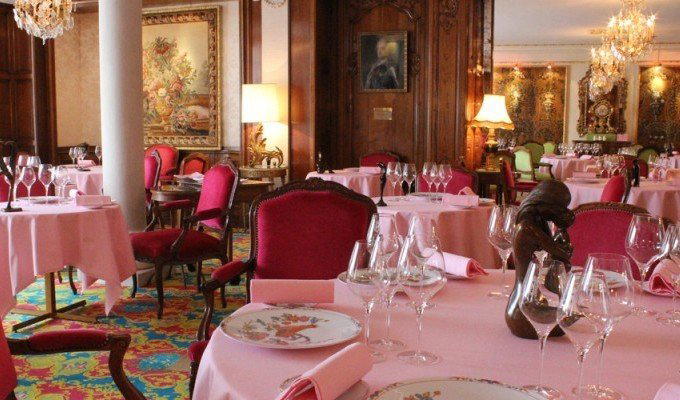
Details
- Elegant
- Sophisticated
- Intimate
- Classic
- Date Night
- Special Occasion
- Business Dinner
- Historic Building
- Hotel Restaurant
- Private Dining
- Extensive Wine List
- Sommelier Led
- Tasting Menu
- A La Carte
- Prix Fixe
- Vegetarian Friendly
Current opening hours
- Monday
- 12–2 PM, 7–10 PM
- Tuesday
- 12–2 PM, 7–10 PM
- Wednesday
- 12–2 PM, 7–10 PM
- Thursday
- 12–2 PM, 7–10 PM
- Friday
- 12–2 PM, 7–10 PM
- Saturday
- 12–2 PM, 7–10 PM
- Sunday
- 12–2 PM, 7–10 PM
Hours can change for holidays and private events. Hours as of .
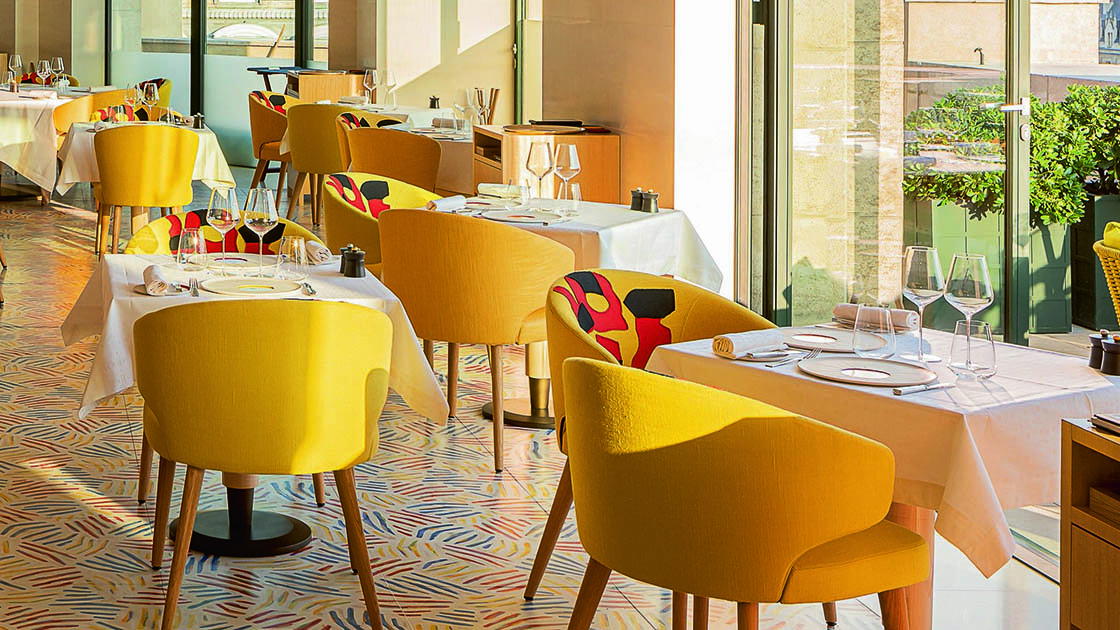
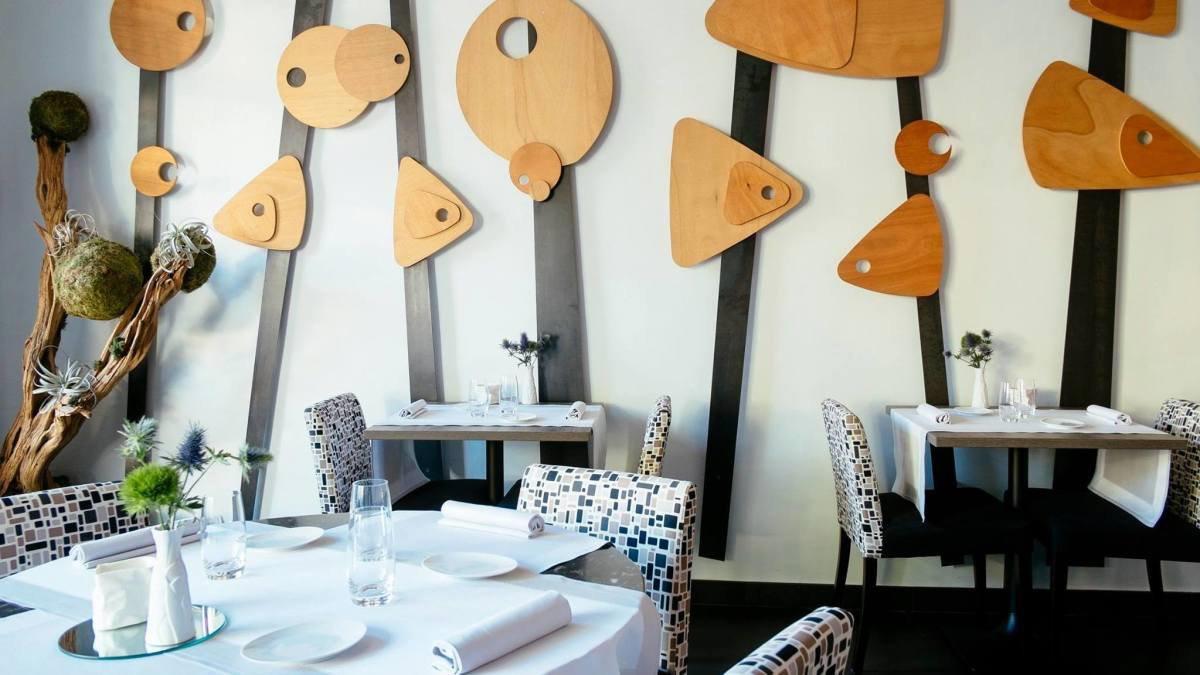
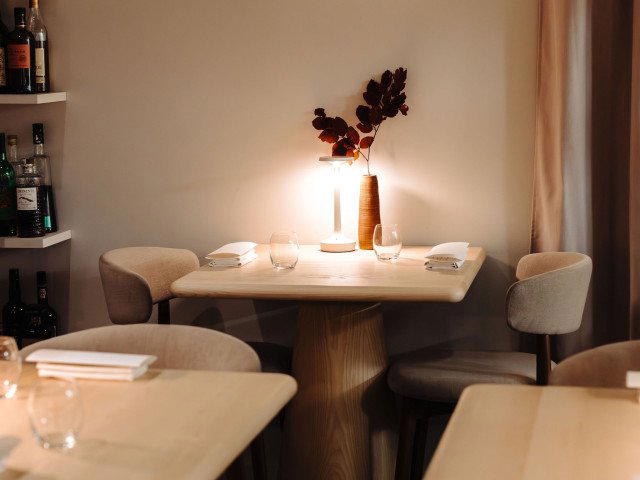
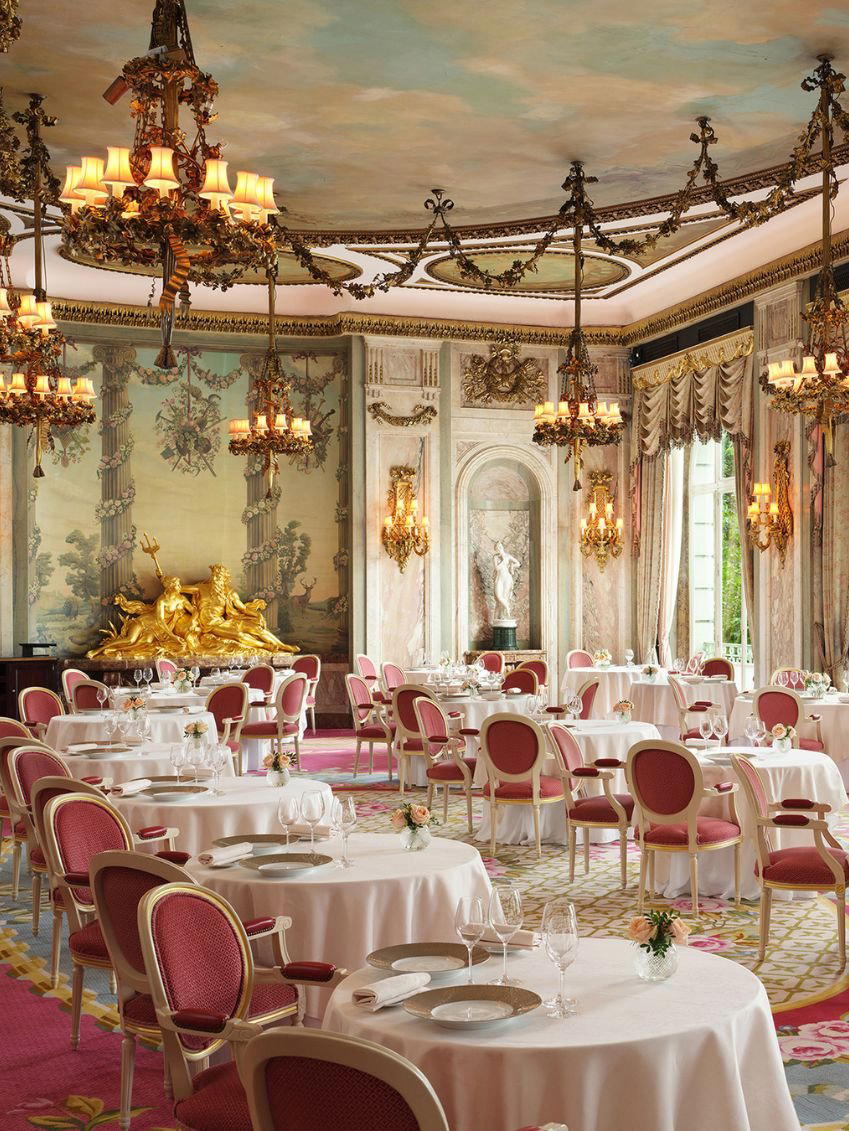
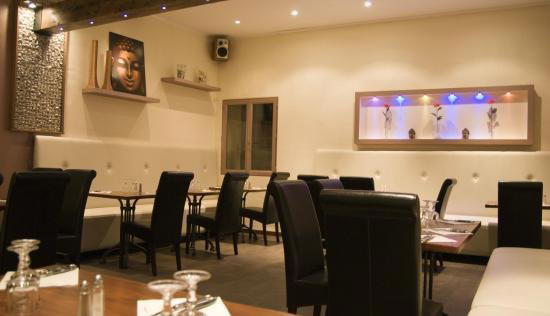
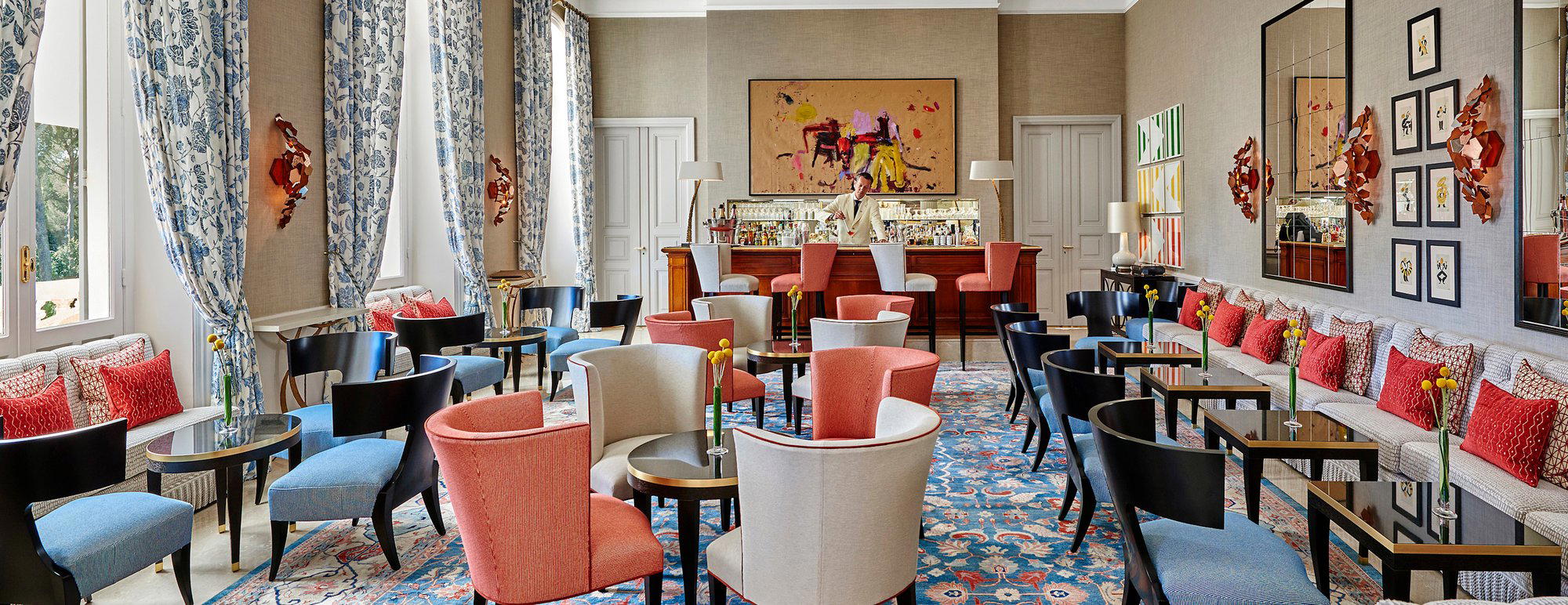
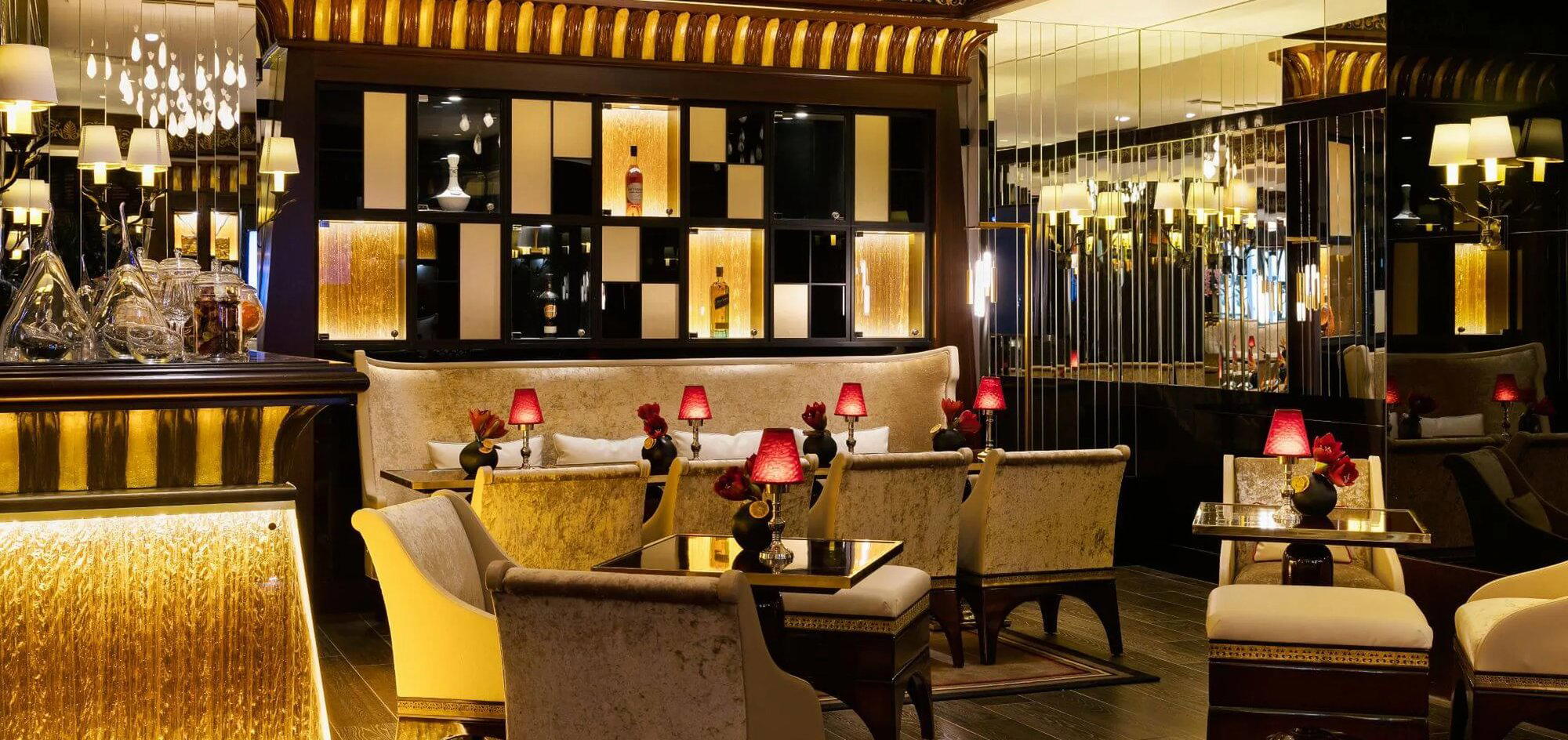
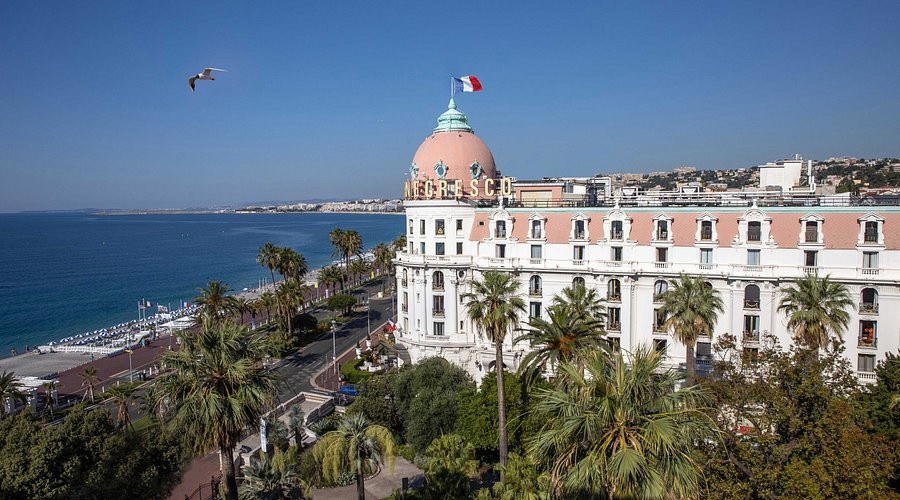
Warm, contemporary palette in a historic setting with high ceilings, original architectural details, tailored linens, and just-right lighting by the window.