




Flaveur holds two Michelin stars and a sustained presence on La Liste and Opinionated About Dining, placing it among Nice's most serious creative kitchens. Brothers Mickaël and Gaël Tourteaux run both the kitchen and the front of house from a modest room on Rue Gubernatis, where local Provençal ingredients meet spices drawn from further afield. Service is precise, the format classical, and the cooking consistently committed to measured risk.
Pearl is the En Primeur Club membership app — saves, bookings, and concierge access live there. Same editors, same standards.
- Address
- 25 Rue Gubernatis, 06000 Nice, France
- Phone
- +33 4 93 62 53 95
- Website
- restaurant-flaveur.com
- Directions
- Get directions
 Saves & bookings on Pearl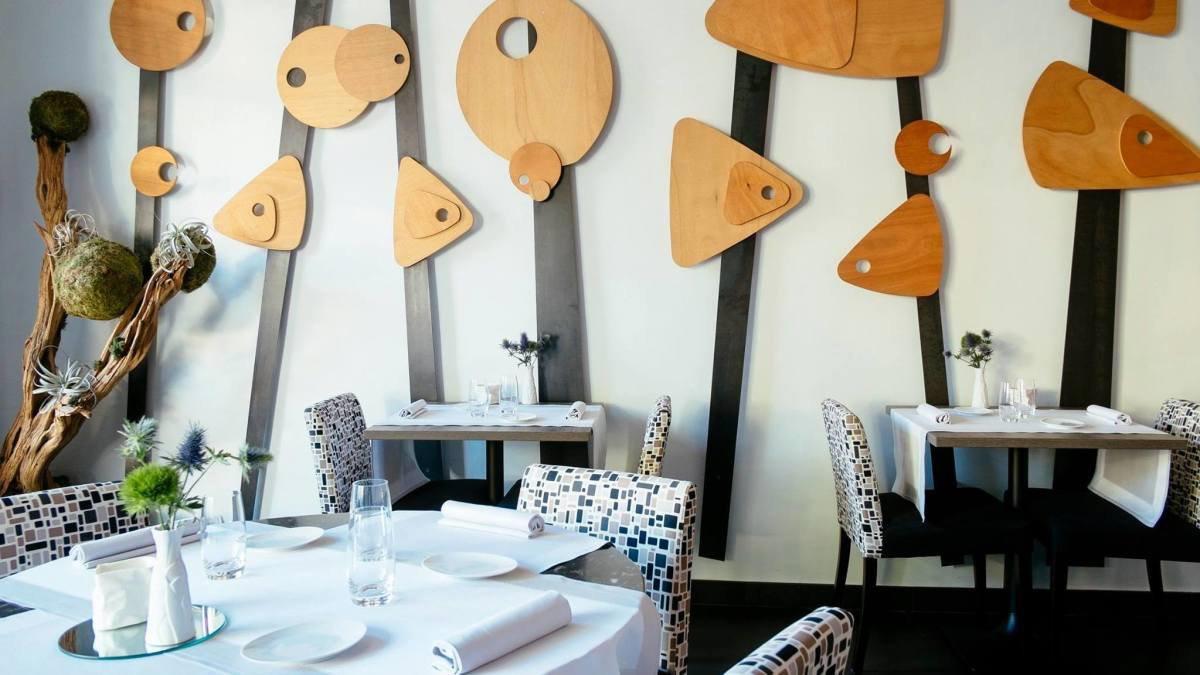
Where Nice's Fine Dining Sits in the French Riviera Hierarchy
The French Riviera's two-star tier is thin. Mirazur in Menton occupies the summit, having held the World's 50 Best leading position. Below that, the Côte d'Azur's serious cooking is scattered across a handful of addresses where classical French technique meets Mediterranean produce. Nice itself is not a city tourists typically associate with destination dining at this level, the Promenade des Anglais draws attention, and the Cours Saleya market defines the city's food identity for most visitors. Flaveur sits at 25 Rue Gubernatis in Nice, where it has held two Michelin stars since 2018. That quietness is, in some respects, the point: the dining room is small, the format unhurried, and the energy directed inward rather than toward spectacle.
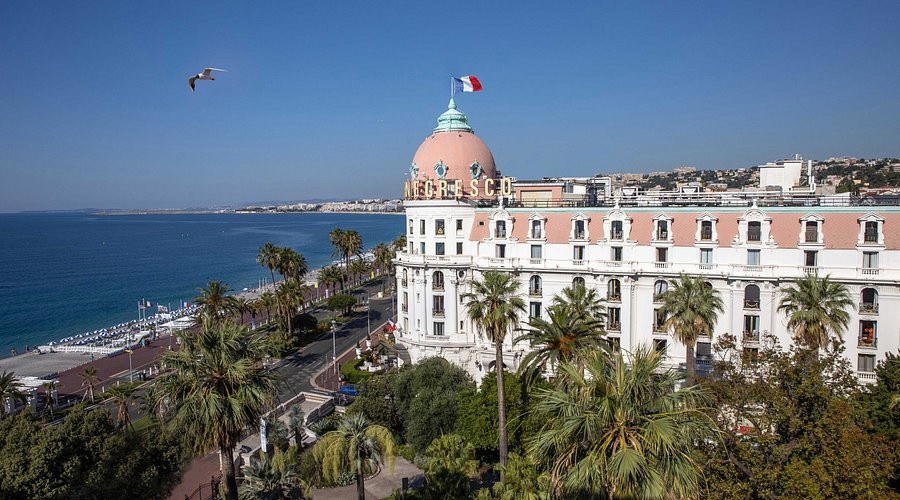
Among Nice's €€€€ addresses, Flaveur occupies a distinct position. Le Chantecler operates inside the Negresco with the visual weight of a grand hotel behind it. Les Agitateurs and L'Aromate both hold a single Michelin star and represent a younger, more improvisational strand of the city's creative cooking. ONICE pursues a different kind of modern Mediterranean register. Flaveur sits above all of them in formal recognition, two Michelin stars held since 2018, and its 85-point La Liste score in 2026 (down from 88.5 in 2025) places it in a competitive tier alongside regional names that extend well beyond the Alpes-Maritimes.
The Choreography of the Room
French fine dining service has undergone considerable revision over the past decade. The formality that once defined rooms at this level, white gloves, rigid distance, the sommelier as authority figure, has given way, in most two-star environments, to something more conversational. The sommelier explains rather than pronounces. The maître d' reads the table before choosing a register. The pacing reflects the guests' speed rather than a fixed kitchen rhythm. At Flaveur, this approach to service is embedded in the structure of the evening rather than performed as a stylistic choice. The room is small enough that the front-of-house team can calibrate continuously, the kind of attentiveness that larger dining rooms can only approximate.
The physical environment reinforces this. A small dining room enforces proximity: between tables, between kitchen and guest, between the front-of-house team and the meal's arc. There is no buffer of scale. Every element of the service choreography is visible and, in the absence of theatre or architectural distraction, it carries more weight. The interplay between what arrives at the table and how it is presented, described, and contextualised becomes the experience. For a kitchen that takes measured risks with its flavour combinations, Provençal fish against Indian spice, local markets against distant pantries, the service is the interpretive layer that either frames that risk or leaves it unresolved. At Flaveur, it frames it.
The Cooking: Confidence Over Caution
The logic behind the kitchen at Flaveur is not fusion in the diluted sense that phrase has come to carry. It is a more deliberate practice: Provençal and Niçoise ingredients treated as a foundation, then challenged by flavours and spice traditions that the south of France does not naturally contain. A scorpion fish from the local waters arriving in a broth sharpened with vadouvan, that blend of French-inflected Indian spices associated with the old colonial pantry, is the kind of combination that could easily misfire. The Michelin assessment suggests it does not. The Opinionated About Dining ranking across three consecutive years in their Classical Europe list suggests the approach is sufficiently disciplined to read as classical rather than experimental.
This matters in context. The south of France has a defined culinary grammar, olive oil over butter, tomato and herb over cream and reduction, the sea over the pasture. Kitchens that drift from it risk losing the locational specificity that makes cooking from this latitude interesting. Flaveur holds the thread. The Niçoise reference remains legible in what arrives at the table, which gives the departures their force. Confidence, in this context, is not the same as boldness for its own sake. It is the assurance that comes from knowing the grammar well enough to inflect it without abandoning it. Flaveur belongs to that lineage, even if its southern Mediterranean register is quite different from what those alpine and Alsatian kitchens produce.
It is not pursuing disruption. It is pursuing precision within a defined frame. La Villa Madie in Cassis offers a useful regional comparison: another southern French address working with Mediterranean produce at a serious level, though the two kitchens read quite differently in their ambitions and styles. Within Nice specifically, the comparison with Apopino is instructive, Apopino operates at a more accessible price point and with a Mediterranean focus that is broader and less technically formal, which positions Flaveur clearly as the more demanding choice in terms of both format and investment.
Planning a Reservation
Flaveur is closed on Mondays and Sundays. Lunch service runs Tuesday through Friday from noon to 1:30pm; dinner runs Tuesday through Saturday from 7:30pm to 9:15pm. At €€€€ pricing and two-star level, the room almost certainly requires advance reservation, particularly for weekend dinner or midweek lunch during the spring and summer months when Nice draws heavier visitor traffic from March through October.
The address at 25 Rue Gubernatis puts Flaveur in the Jean Médecin district, within walking distance of Nice's main axis but far enough from the tourist concentration around the old port and the Promenade des Anglais to feel like a neighbourhood restaurant that has earned its stars quietly.
At two-star level, where a single off-night is amplified by the price point and the expectations it creates, a sustained high average across a meaningful sample reflects operational reliability. That reliability, in the kitchen, but also in the front of house that frames each course and manages the room's pacing, is what the service structure at Flaveur appears designed to protect.
The Essentials
Comparable venues nearby, for context on price, style, and recognition.
| Venue | Cuisine | Price | Notes |
|---|---|---|---|
| FlaveurThis venue — the venue you are viewing | Cœur de Nice, Modern French Fine Dining | $$$$ | Not listed |
| L'Aromate | Cœur de Nice, Modern French Fine Dining | $$$$ | Not listed |
| Pure & V | Not listed | $$$$ | Cœur de Nice, Modern French-Scandinavian Fine Dining |
| ONICE | Not listed | $$$$ | Nice Historique, Modern French Fusion Fine Dining |
| Le Chantecler | Cœur de Nice, Classic French Fine Dining | $$$$ | Not listed |
| Les Agitateurs | Nice Historique, Modern French Creative | $$$ | Not listed |
Recognition history
Dated appearances from independent guides and award organizations, with the underlying list record or original source where available.
Falstaff Restaurant - 95 Falstaff Points
Falstaff
La Liste Top Restaurants
La Liste
Michelin 2 Stars
Michelin
Gault & Millau Prestige Restaurant
Gault & Millau
La Liste Top Restaurants
La Liste
Michelin 2 Stars
Michelin
Opinionated About Dining Classical in Europe Ranked #306
Opinionated About Dining
Michelin 2 Stars
Michelin
Opinionated About Dining Classical in Europe Ranked #342
Opinionated About Dining
Opinionated About Dining Classical in Europe Recommended
Opinionated About Dining
Continue exploring
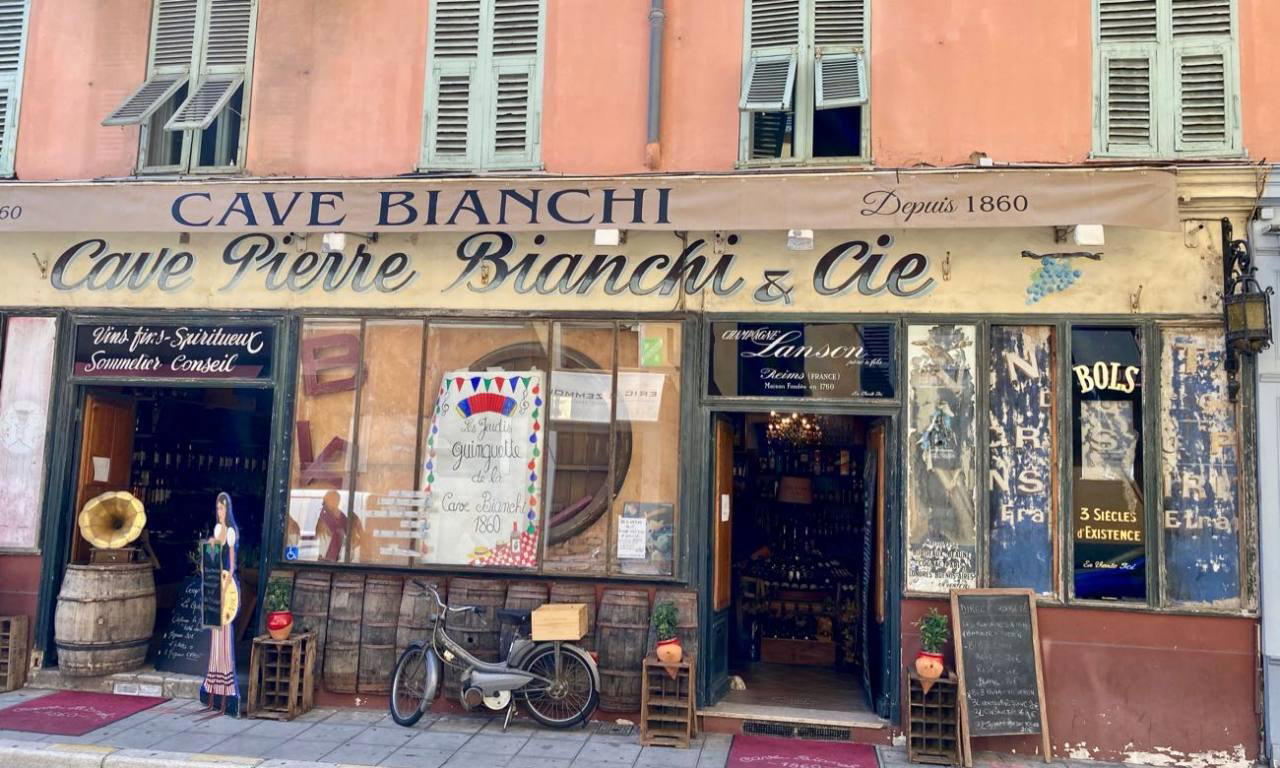
More in Nice
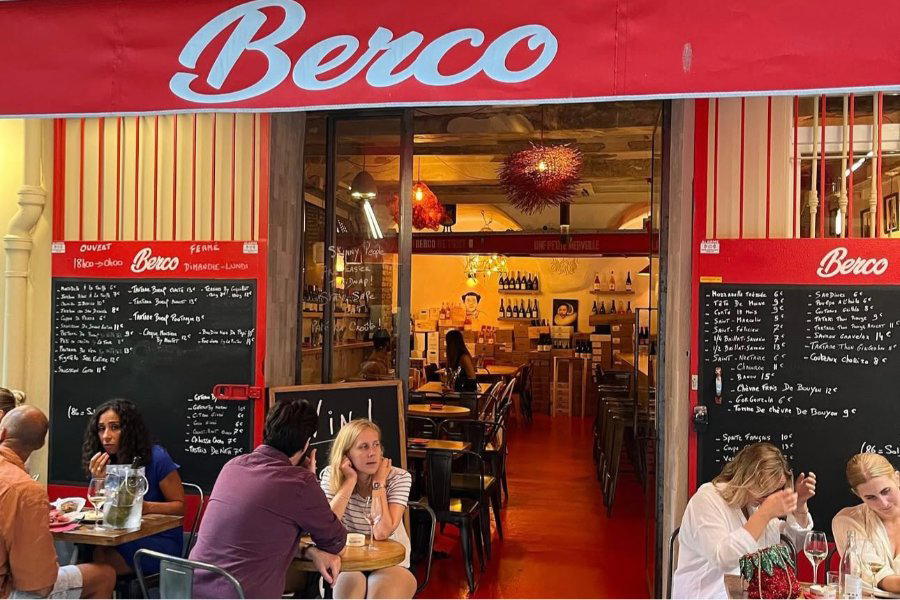
Restaurants in Nice
Browse all →
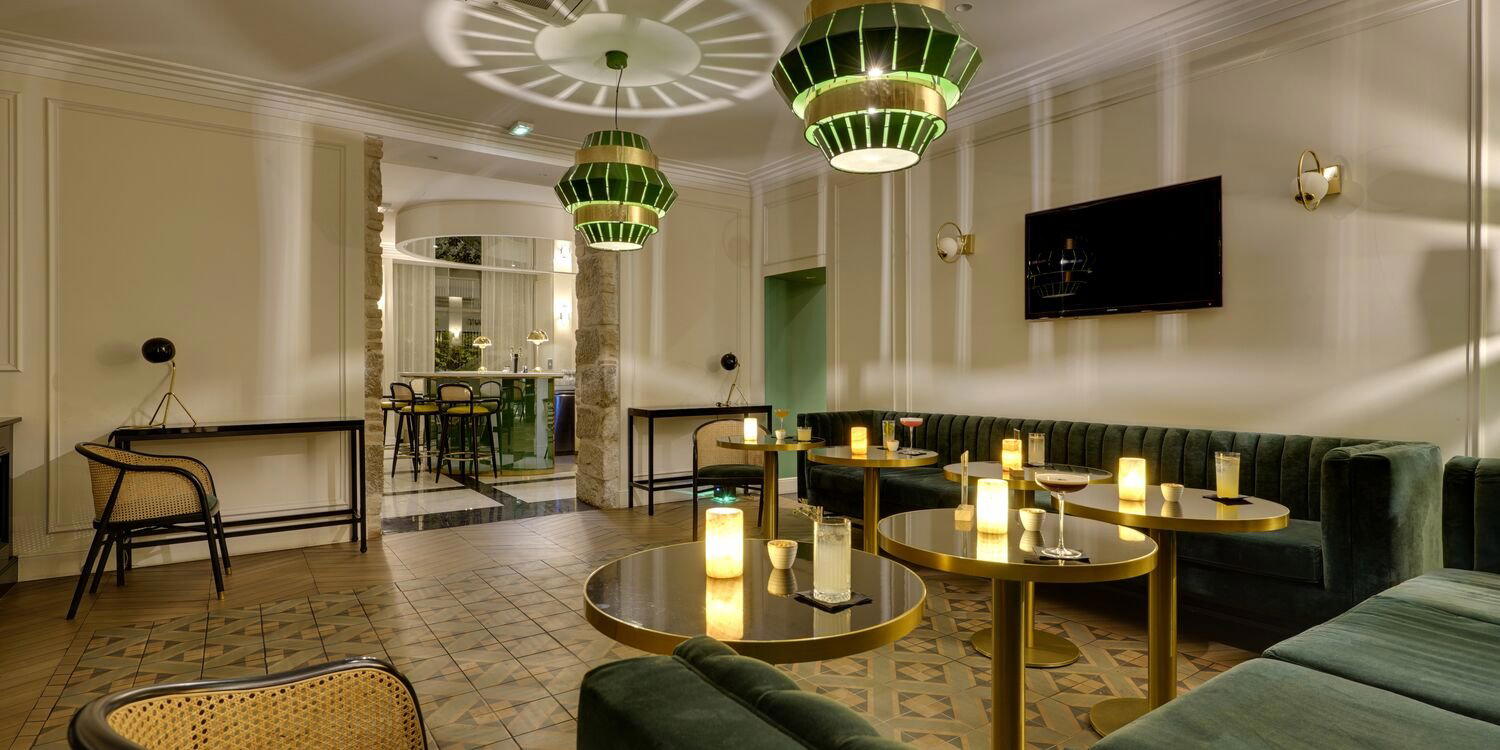
Bars in Nice
Browse all →
Hotels in Nice
Browse all →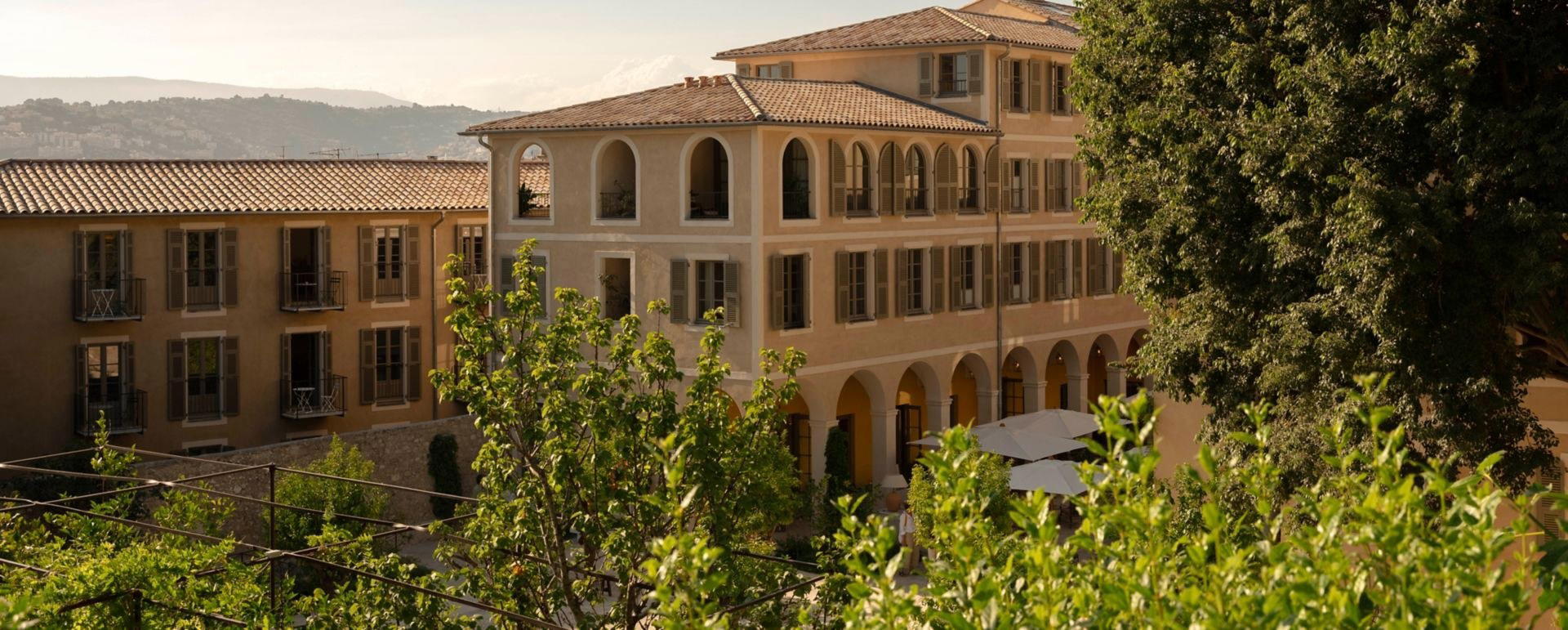

At a Glance
- Elegant
- Intimate
- Sophisticated
- Cozy
- Special Occasion
- Date Night
- Open Kitchen
- Extensive Wine List
- Local Sourcing
Current opening hours
- Monday
- Closed
- Tuesday
- 12–1:30 PM, 7:30–9:15 PM
- Wednesday
- 12–1:30 PM, 7:30–9:15 PM
- Thursday
- 12–1:30 PM, 7:30–9:15 PM
- Friday
- 12–1:30 PM, 7:30–9:15 PM
- Saturday
- 7:30–9:15 PM
- Sunday
- Closed
Hours can change for holidays and private events. Last verified .
Dramatic, welcoming, luminous space with a cozy, small-room feel that evokes childhood memories of the chefs, though occasionally disrupted by minor pests.