
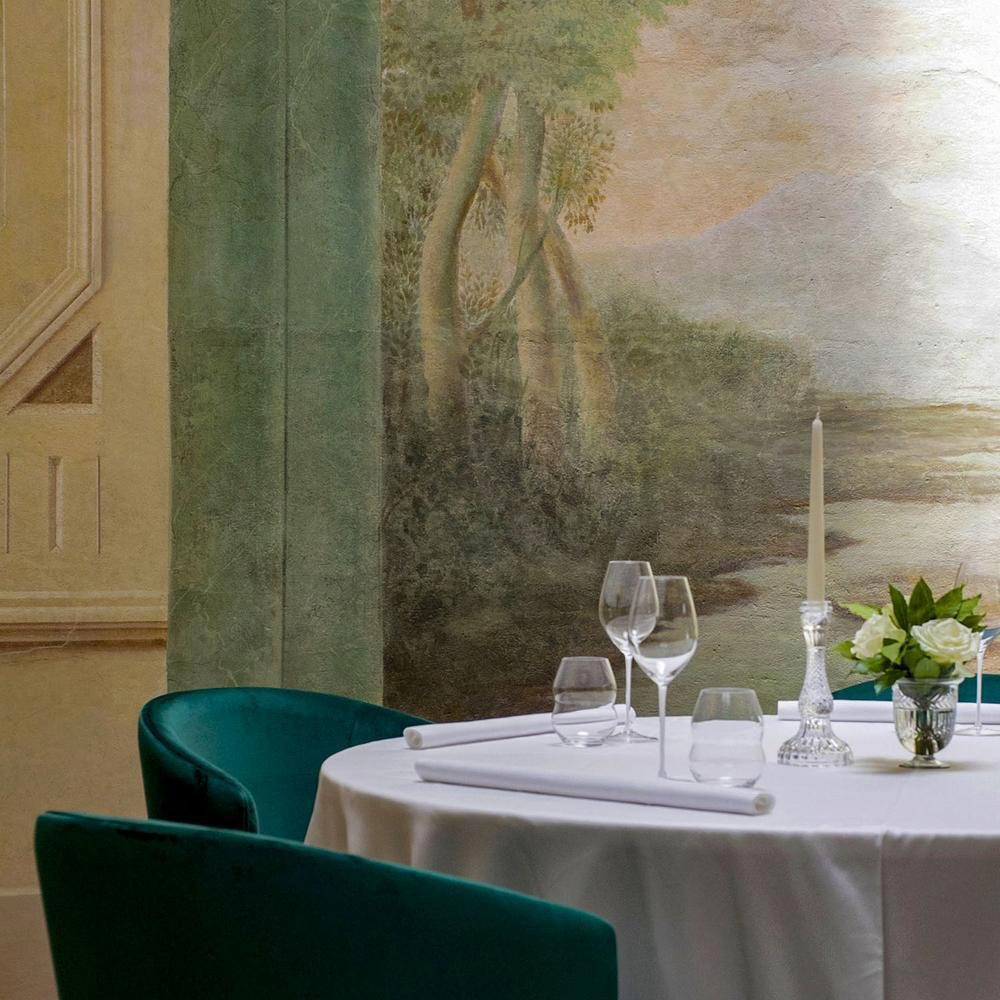
A Michelin-starred address near Place Masséna, L'Aromate serves modern Mediterranean cuisine from chef Mickaël Gracieux, whose résumé spans Oustau de Baumanière, Plaza Athénée, and Louis XV. The contemporary dining room pairs black, white, and gold interiors with an open kitchen, while the menu draws from local producers and Ligurian markets for ingredients such as San Remo prawns, local green crab, and Niçoise citrus.
Pearl is the En Primeur Club membership app — saves, bookings, and concierge access live there. Same editors, same standards.
- Address
- 2 Rue Gustave Deloye, 06000 Nice, France
- Phone
- +33 4 93 62 98 24
- Website
- laromate.fr
- Directions
- Get directions
 Saves & bookings on Pearl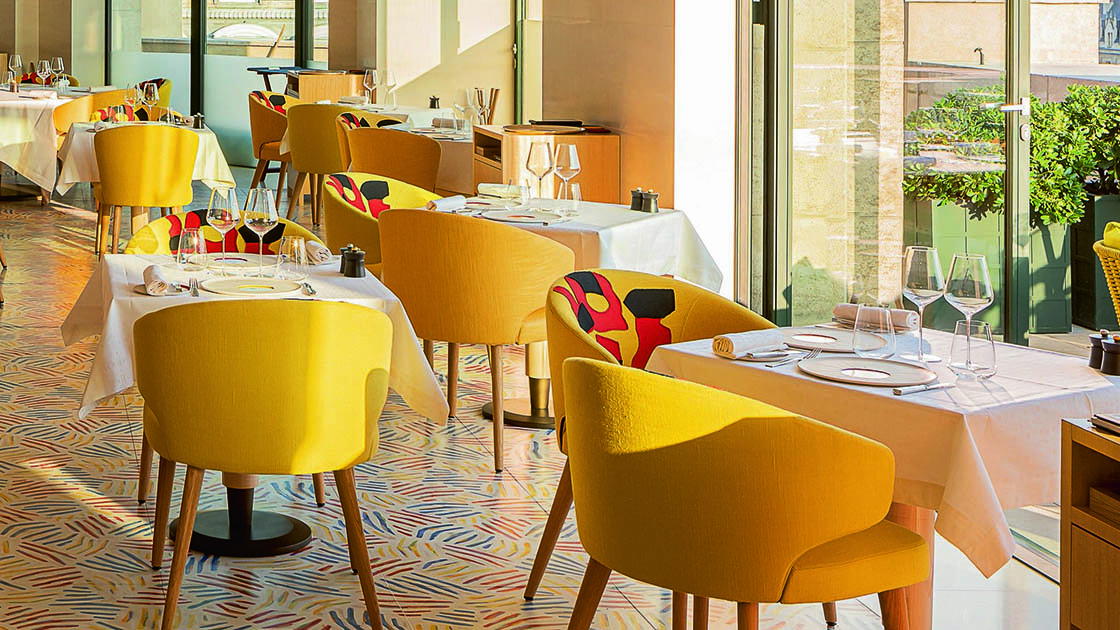
A Counter View of Nice's Fine-Dining Tier
L'Aromate is a one-Michelin-star restaurant in Nice, led by chef Mickaël Gracieux. The dining room at 2 Rue Gustave Deloye sits a short walk from Place Masséna, placing it in the dense cultural and commercial centre of Nice rather than along the seafront hotel strip where several of the city's other formal tables are anchored. That address matters editorially: L'Aromate occupies the kind of mid-city position that tends to attract a mixed room of local professionals and destination diners rather than a purely hotel-dependent clientele. The space itself signals intent clearly, a black, white, and gold colour scheme, wood and granite surfaces left largely untreated, and a glazed pass that opens the kitchen to the dining room. In modern French restaurant design, that transparency has become something close to standard at the Michelin tier, a way of communicating craft rather than concealing it.
Nice's upper-end restaurant scene runs in roughly two directions. One line runs through Le Chantecler, where the grand hotel setting and classic southern French register define the experience. The other runs toward a generation of younger, more technique-driven rooms, including ONICE, L'Alchimie, and Chabrol. L'Aromate sits in the latter group, drawing on a Mediterranean pantry but framed through a contemporary kitchen sensibility. Its Michelin star positions it in the same tier as Le Chantecler within the city's price bracket (both run at the €€€€ level), while the comparison venue set includes Flaveur, which holds two Michelin stars and operates with a similarly creative French register.
The Arc of the Meal
At L'Aromate, the kitchen's approach is a progression built around provenance, specifically the produce corridor that runs between the Niçoise hinterland and the Ligurian coast just across the Italian border. San Remo prawns, trumpet courgettes, local green crab, squid, and regional citrus fruits appear as the recurring raw materials. The meal, structured in the modern multi-course format common to starred tables in this price tier, is designed to move through textures and temperatures rather than simply through courses.
That sequencing philosophy reflects a broader pattern visible across the French Riviera's creative kitchens. The proximity to Italy introduces a different register of acidity and salinity compared to inland Provençal cooking, and chefs working this stretch of coast, from Mirazur in Menton westward toward Nice, tend to build menus that acknowledge both sides of that culinary border. At the restaurant, the result is a cuisine that reads as Mediterranean rather than strictly French, using the produce categories of the region as structural anchors.
The kitchen's pacing through a tasting format is shaped partly by the room's size and partly by the dinner-only service window. The restaurant opens Tuesday through Saturday from 7:30 PM to 10:00 PM, and is closed on Sunday and Monday. That compressed operating schedule is common among starred tables running a single-service model, it concentrates kitchen energy and allows for mise en place discipline that a double-service format would complicate. For the diner, it means a meal that has a clearly defined beginning and end, rather than the looser rhythm of a brasserie or all-day room.
The Kitchen Credentials in Context
Chef Mickaël Gracieux's formation spans Oustau de Baumanière in Les Baux-de-Provence, Plaza Athénée and Le Bristol in Paris, and Louis XV in Monaco. That sequence represents a cross-section of French haute cuisine's most demanding kitchens, from Alain Ducasse's flagship Monaco address to the palace hotel dining rooms of the capital. In the French fine-dining system, a résumé of that depth functions as a credentialing signal: it indicates familiarity with the technical rigour and product standards that those kitchens require, which in turn sets expectations for what arrives at the pass.
The Michelin star recognises this positioning. The distinction confirms the restaurant's place within the tier of addresses where kitchen discipline and ingredient sourcing are operating at a level above the neighbourhood bistro, without yet making the leap to the multi-star plateau represented at the Riviera level by Mirazur in Menton. Within France's broader fine-dining geography, the reference points that Gracieux's formation evokes, Ducasse, Bajard, and the palace hotel tradition, sit in the same lineage as institutions like Alléno Paris au Pavillon Ledoyen, Auberge de l'Ill, and the regional anchors of French haute cuisine such as Bras in Laguiole or Flocons de Sel in Megève. The restaurant is a smaller, single-star address, but it draws from the same technical tradition.
At the international level, the comparison also holds: the kind of tightly sequenced, product-led modern cuisine that restaurant represents has parallels in addresses like Frantzén in Stockholm or FZN by Björn Frantzén in Dubai, where kitchen formations translate into dining room formats built around progression and restraint. Troisgros - Le Bois sans Feuilles in Ouches represents the older end of that same lineage, a reminder that the structured tasting format with its emphasis on seasonal produce and technical precision has deep roots in the French tradition the restaurant is working within.
Nice's Wider Table
Placing the restaurant within the full range of Nice's dining options reveals the city's culinary range. At the casual end, addresses like La Merenda operate on an entirely different register, Niçoise and Provençal home cooking at €€ price points, no reservations accepted, chalkboard menus. At the creative end, Flaveur's two Michelin stars represent the ceiling for the city's in-town restaurants. The restaurant sits between these poles, at the single-star level with a Mediterranean creative identity that distinguishes it from the more classically French register of Le Chantecler.
La Réserve de Nice rounds out the high end of the seafront dining tier and is worth considering alongside the restaurant when planning a multi-dinner visit to the city.
Planning a Visit
The restaurant operates evenings only from Tuesday through Saturday, with service beginning at 7:30 PM. The location on Rue Gustave Deloye, near Place Masséna, is walkable from most central Nice hotels and from the Masséna tram stop on lines T1 and T2. Given the Michelin recognition and the single evening service format, booking ahead is advisable, particularly on Thursday through Saturday when demand from both local and visiting diners is highest. The price bracket (€€€€) is consistent with comparable single-star tables in French provincial cities and with the wider comparable set in Nice's upper tier.
Pricing, Compared
Comparable venues nearby, for context on price, style, and recognition.
| Venue | Cuisine | Price | Awards | Notes |
|---|---|---|---|---|
| L'AromateThis venue — the venue you are viewing | Cœur de Nice, Modern French Fine Dining | $$$$ | Michelin 1 Star | Not listed |
| Le Chantecler | Cœur de Nice, Classic French Fine Dining | $$$$ | Michelin 1 Star | Not listed |
| Les Agitateurs | Nice Historique, Modern French Creative | $$$ | Michelin 1 Star | Not listed |
| Pure & V | Not listed | $$$$ | Michelin 1 Star | Cœur de Nice, Modern French-Scandinavian Fine Dining |
| ONICE | Not listed | $$$$ | Michelin 1 Star | Nice Historique, Modern French Fusion Fine Dining |
| JAN | Not listed | $$$$ | Michelin 1 Star | Nice Historique, South African-French Fusion Fine Dining |
Recognition history
Dated appearances from independent guides and award organizations, with the underlying list record or original source where available.
Michelin 1 Star
Michelin
Michelin 1 Star
Michelin
Michelin 1 Star
Michelin
Continue exploring
More in Nice
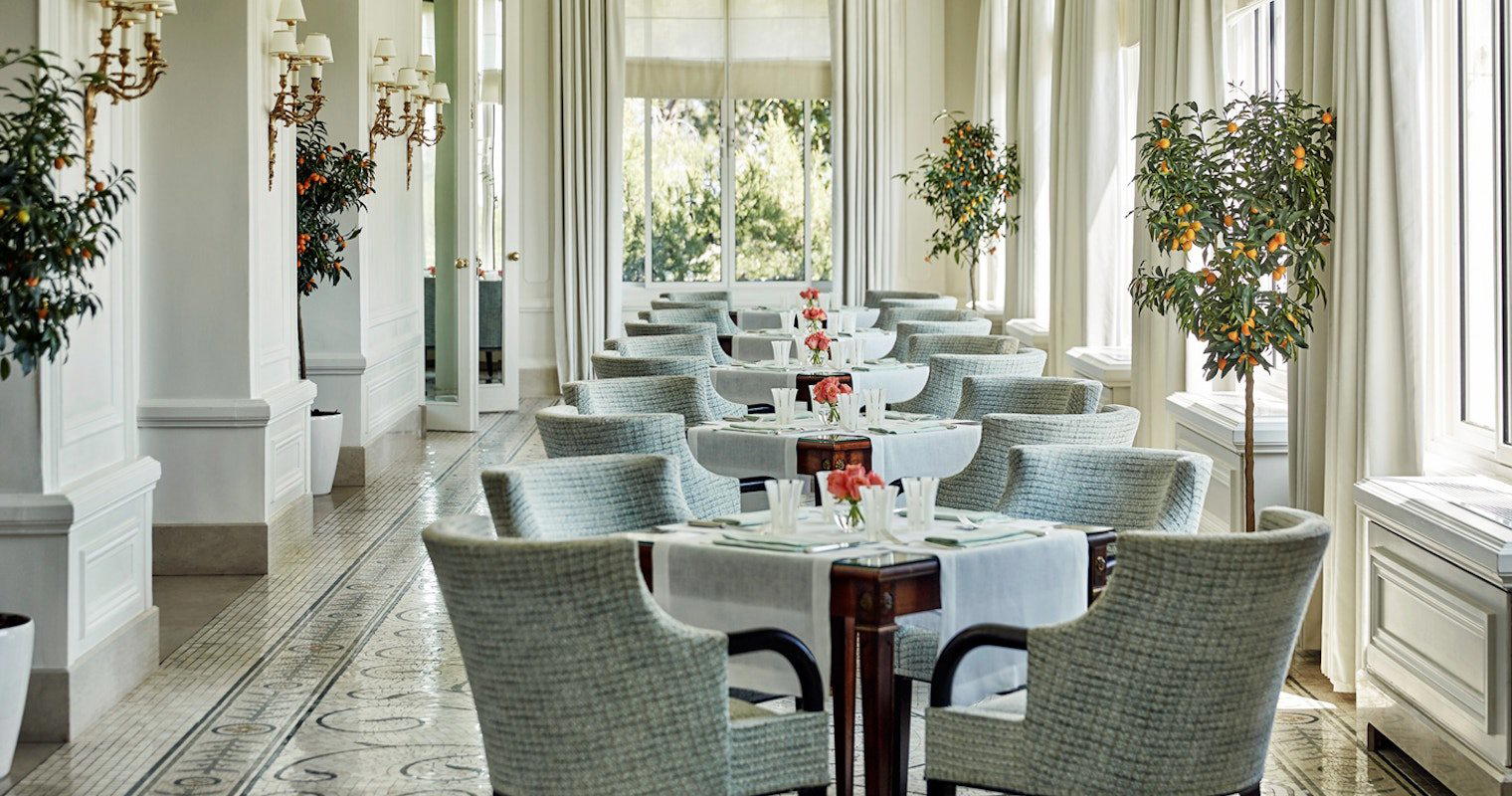
Restaurants in Nice
Browse all →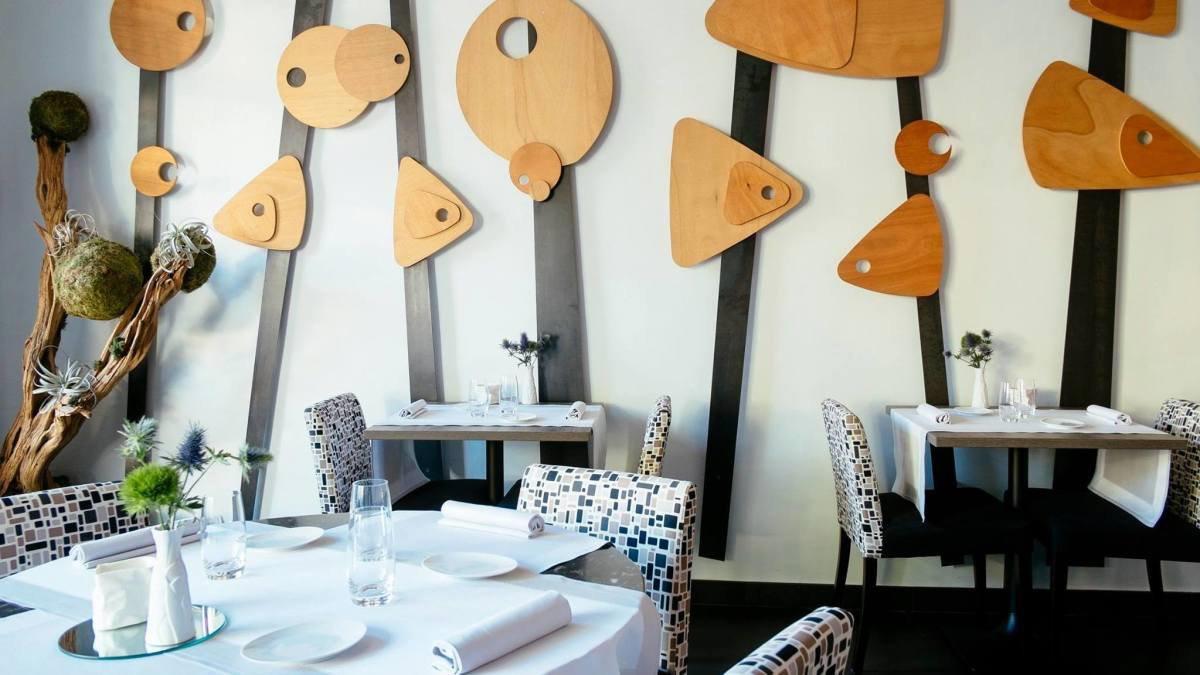
Bars in Nice
Browse all →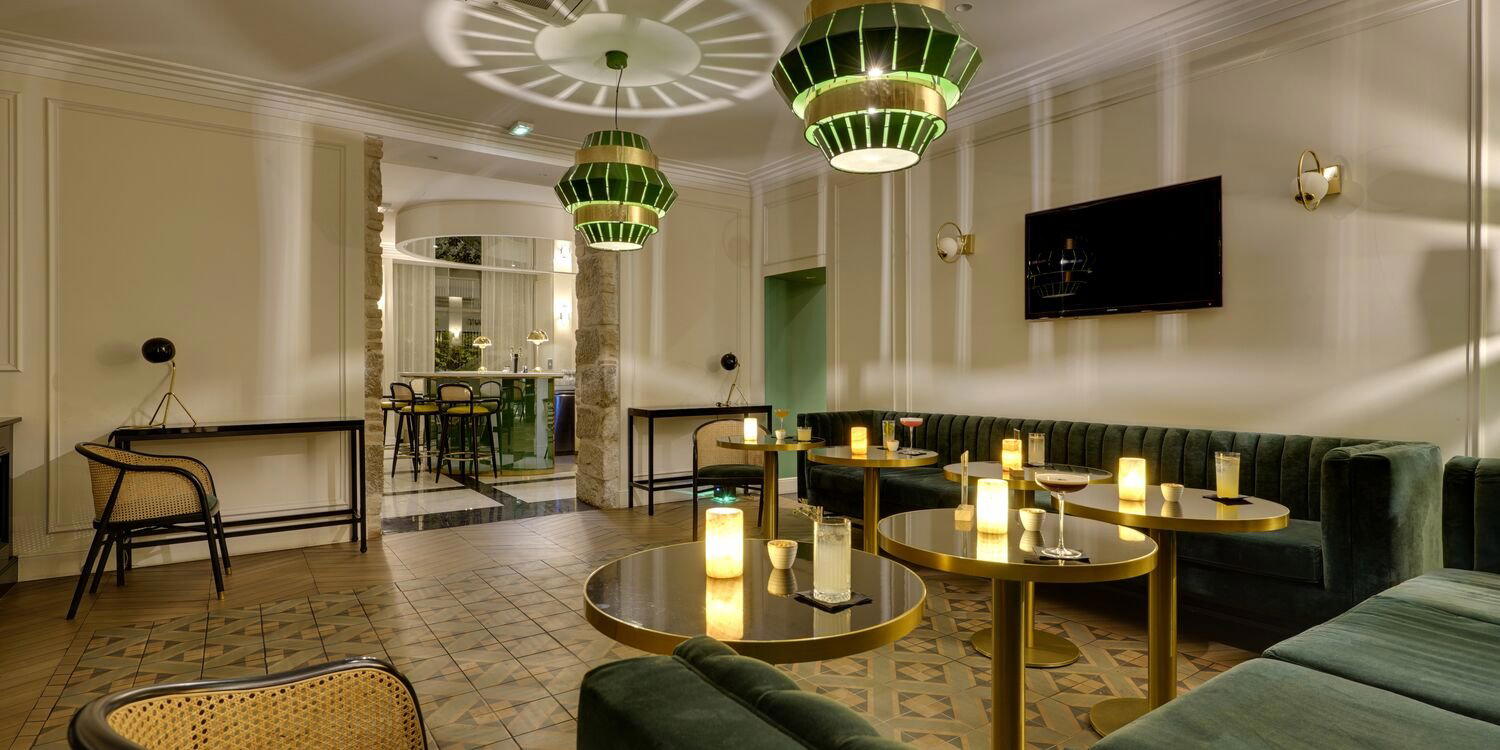
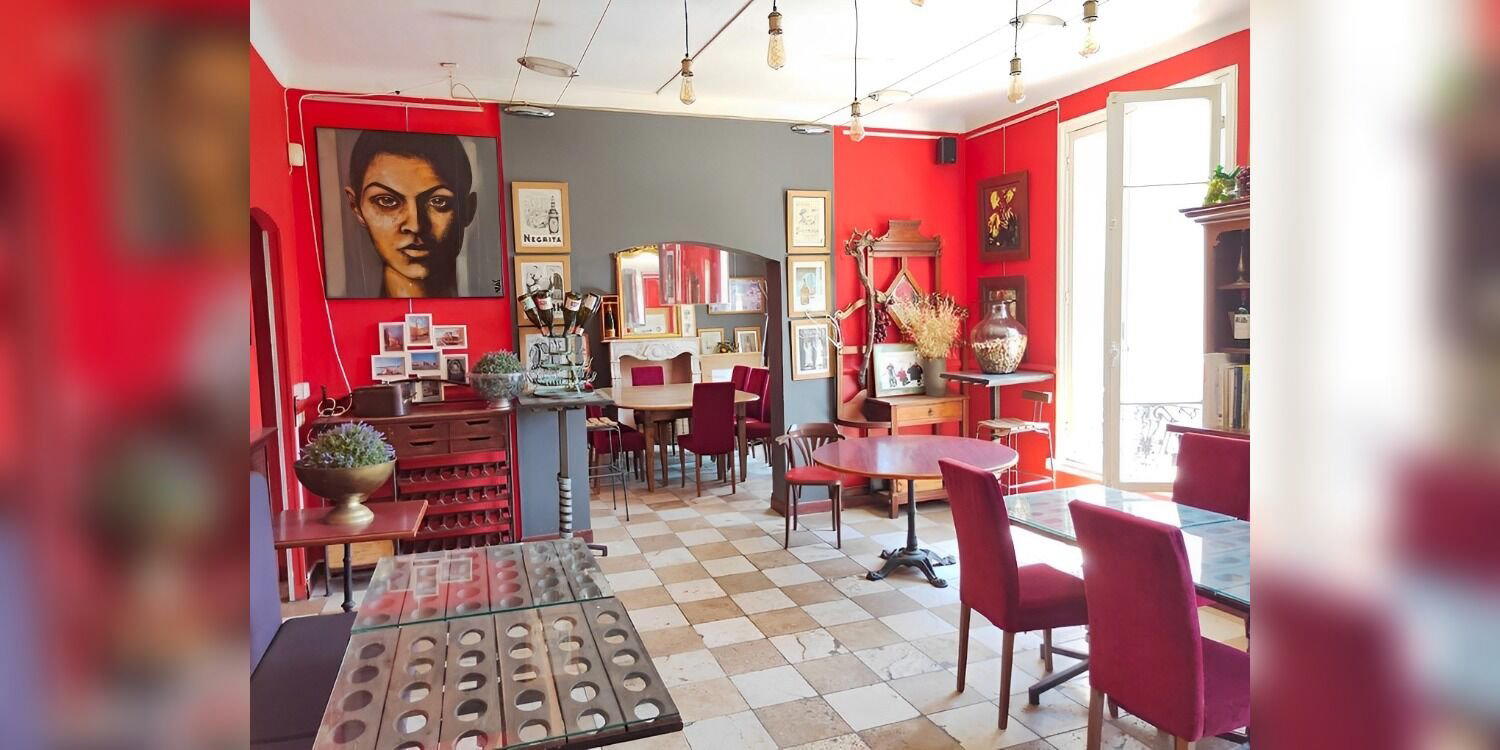
Hotels in Nice
Browse all →

At a Glance
- Elegant
- Intimate
- Sophisticated
- Cozy
- Date Night
- Special Occasion
- Open Kitchen
- Extensive Wine List
- Sommelier Led
- Local Sourcing
Current opening hours
- Monday
- Closed
- Tuesday
- 7:30–10 PM
- Wednesday
- 7:30–10 PM
- Thursday
- 7:30–10 PM
- Friday
- 7:30–10 PM
- Saturday
- 7:30–10 PM
- Sunday
- Closed
Hours can change for holidays and private events. Last verified .
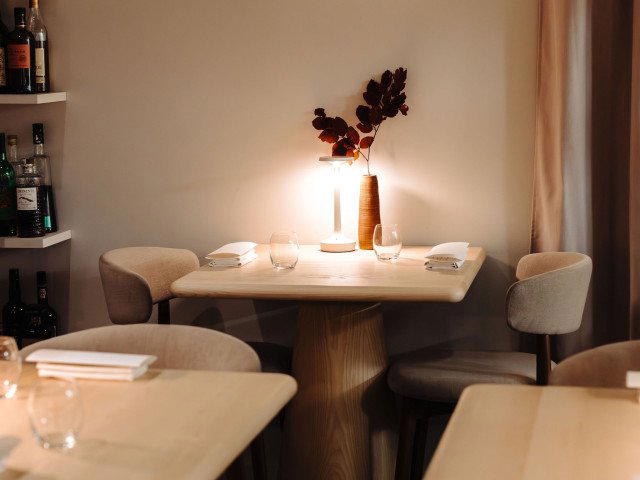
Cozy and stylish with subdued lighting, modern decor, open kitchen view, and a warm intimate atmosphere.